

Emergency was a German/Czech brass-rock band that cut the 1971/72 CBS albums Emergency and Entrance, followed by the 1973/74 Brain titles Get Out to the Country and No Compromise.
Members: Hanus Berka (saxophone, flute, keyboards, Mellotron), Otto Bezloja (bass, 1970-73), Udo Lindenberg (drums, 1970-71), Jiří Matoušek (keyboards, 1970-73), Barrie Newby (guitar), Miloš Vokurka [Reddy] (vocals, percussion, 1970-73), Dusko Goykovich (trumpet, 1970-71), Frank Diez (guitar, 1971-72, 1974-?), John Redpath (drums, vocals, 1971-73), Bernd Knaak (drums, percussion, 1973-74), Yerzy Ziembrowski (bass, 1973-74), Richard Palmer-James (guitar, vocals, 1973), Veit Marvos (keyboards, 1973-74), Peter Bischof (vocals, 1973-74), Todd Canedy (drums, percussion, 1974)
Background
Emergency had its roots in The Matadors, a Czechoslovakian R&B/beat group that cut four 1966–68 singles and a self-titled album on the Prague-based Supraphon label. As their nation faced political turmoil, The Matadors secured work in Munich as the pit band for the German production of the counter-cultural musical Hair.
In 1970, the Munich-based exiles reconfigured as the first Emergency lineup: reedist/keyboardist Hanus Berka (b. December 15, 1940), keyboardist Jiří Matoušek (b. September 20, 1942), singer/guitarist Miloš “Reddy” Vokurka (b. May 28, 1942), and bassist Otto Bezloja (b. July 4, 1945). They rounded the lineup with English guitarist Barrie Newby and German drummer Udo Lindenberg (b. May 17, 1946), an alumni of the (pre-Frumpy) City Preachers and concurrent member of Passport and Niagara.
Emergency
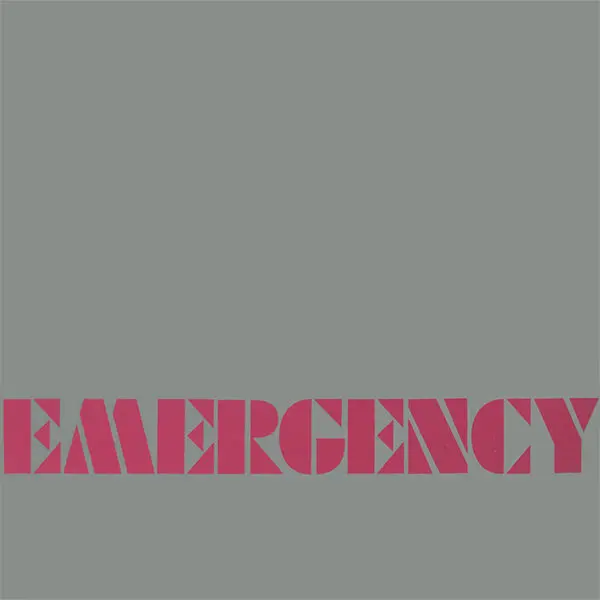 Emergency released their self-titled debut album in May 1971 on CBS.
The album contains four originals and two covers by the original six-piece Emergency, comprised of the final Matadors lineup plus Udo Lindenberg and guitarist Barrie Newby.
Saxophonist Hanus Berka composed “Love Is Here to Stay” and co-wrote two songs with outside lyricist Schirrat, who also co-wrote “Jump Into Your Grave” with singer Miloš Vokurka (aka Reddy).
Side B includes elongated versions of classics by George Gershwin and the Spencer Davis Group. Serbian jazz trumpeter Dusko Goykovich appears as a musical guest.
A1. “Springtime” (5:55)
A2. “Jump Into Your Grave” (4:58)
A3. “Times Passed By” (9:22)
B1. “Love Is Here to Stay” (6:10)
B2. “My Woman’s Gone Now” (9:45) originated as “My Man’s Gone Now,” a song by American composer George Gershwin and lyricist DuBose Heyward for the 1935 musical Porgy and Bess.
B3. “Gimme Some Lovin'” (6:07) was a 1966 transatlantic hit by the Spencer Davis Group; written by keyboardist/singer Steve Winwood and his bassist brother Muff Winwood.
Sessions occurred on the 1st, 18th, and 22nd of February 1971 at Bavaria Studios in Munich, where Berka produced Emergency in the presence of staffer Peter Kramper, who also engineered 1970–72 albums by Haboob, Krokodil, Sameti, and Zweistein.
Emergency Entrance
 Emergency released their second album, Emergency Entrance, in July 1972 on CBS.
Entrance presents a reconfigured sextet with two new members: Armageddon/Atlantis guitarist Frank Diez and English drummer John Redpath, a prior member of The Motives, a German-stationed beat group of UK servicemen. They join the Matador quartet: singer Miloš Vokurka, saxophonist Hanus Berka, keyboardist Jiří Matoušek, and bassist Otto Bezloja.
Berka composed “Emergency Entrance” and co-wrote three songs with Redpath, who co-wrote “Happiness” with Matoušek.
A1. “Why Am I Doin’ It” (7:50)
A2. “Happiness” (7:00)
A3. “Journey” (7:30)
B1. “Emergency Entrance” (11:20)
B2. “Killin’ Time” (10:20)
Sessions spanned January 27 through 31, 1972, at Audio-Tonstudio in Berlin, where fellow Czech (and Atlantis co-founder) Stan Regal engineered Entrance in sequence with albums by Agitation Free, Epitaph, and Karthago. The cover photo captures a German park ranger in the act of urinating.
In late 1972, Emergency disbanded. Within months, Berka assembled a new lineup.
Get Out to the Country
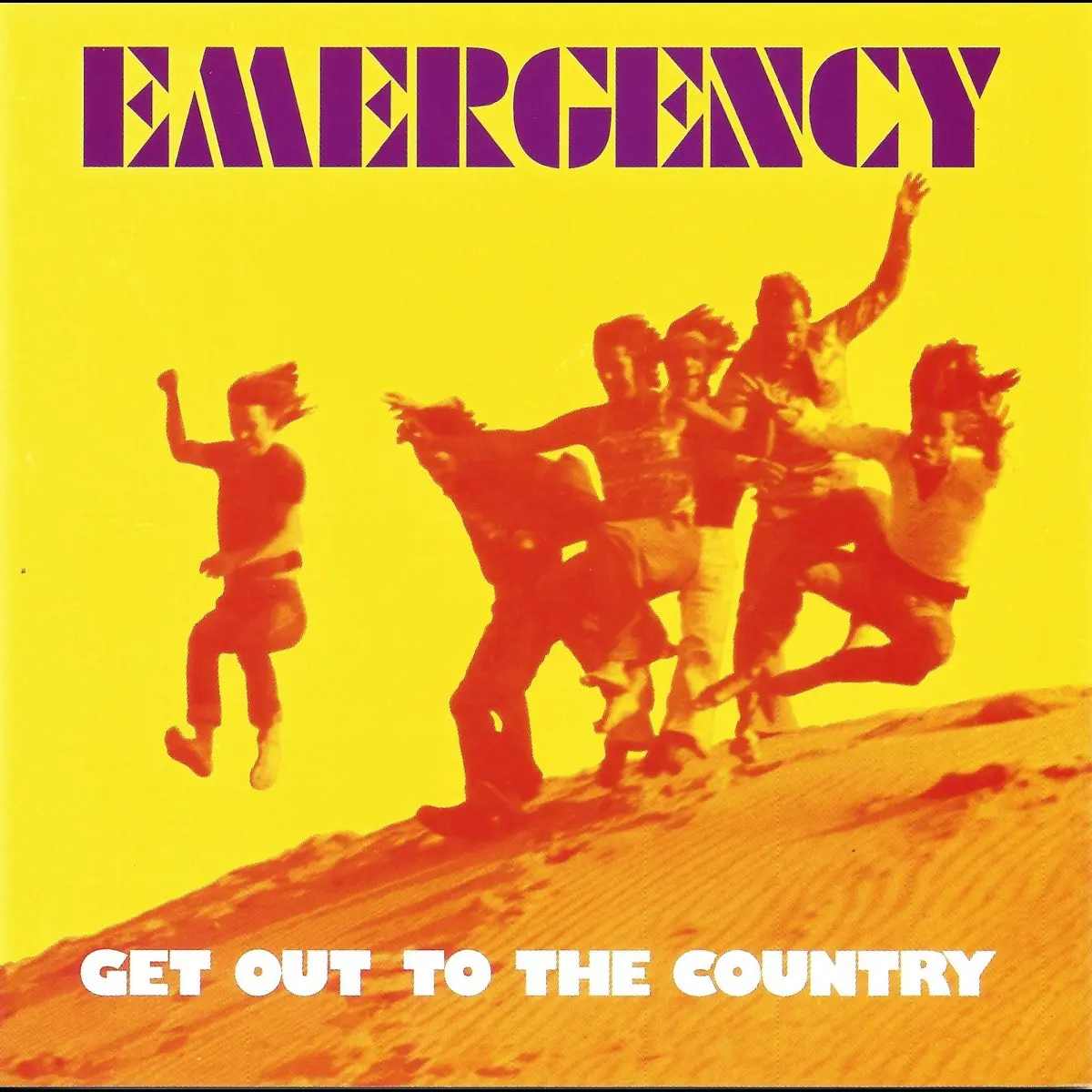 Emergency released their third album, Get Out to the Country, in September 1973 on Brain.
The album presents the third Emergency sextet with Hanus Berka as the only prior member, joined by Orange Peel singer Peter Bischof, Twenty Sixty Six and Then keyboardist Veit Marvos, original Supertramp guitarist (and current King Crimson lyricist) Richard Palmer-James, onetime Batmen drummer Bernd Knaak, and Polish-Czech bassist Yerzy Ziembrowski.
Berka multi-tasks between saxophone, flute, mellotron, and Fender Rhodes electric piano; doubled on the last two by Marvos, who also plays organ, synthesizer, and grand piano.
Palmer-James wrote “Confessions” and co-wrote two songs each with Berka (“Jeremiah,” “The Flag”) and Marvos (“I Know What’s Wrong,” “Little Marie”). Bischof wrote “Early in the Morning” and co-wrote “Take My Hand” with outsider Rudolf Schnetzer. Berka co-wrote the title-track with one Brendon Dennison.
A1. “I Know What’s Wrong” (5:40)
A2. “Jeremiah” (6:00)
A3. “Take My Hand” (5:30)
A4. “Confessions” (4:00)
B1. “Early in the Morning” (3:20)
B2. “The Flag” (3:58)
B3. “Little Marie” (3:40)
B4. “Get Out to the Country” (12:00)
Sessions spanned June 28 through July 4, 1973, at Studio 70 in Munich, where Emergency self-produced the album, which UK transplant Dave Siddle co-engineered with Jürgen Koppers, a recent soundman for Brainstorm and Kraan.
“Confessions” appears on German Rock Scene, a 1973 Brain/Metronome comp with cuts by Guru Guru, Jane, Kollektiv, NEU!, and Novalis.
No Compromise
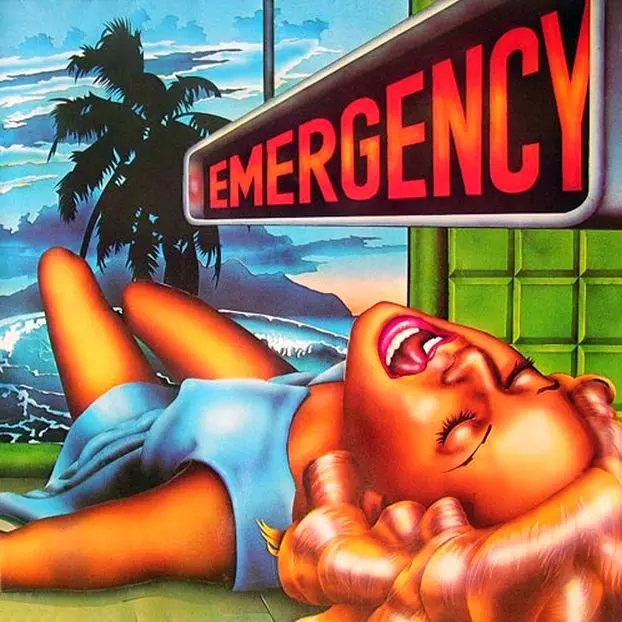 Emergency released their fourth album, No Compromise, in September 1974 on Brain.
For No Compromise, Hanus Berka regained Entrance guitarist Frank Diez and retained three Get Out to the Country players: singer Peter Bischof, keyboardist Veit Marvos, and bassist Yerzy Ziembrowski. American drummer Todd Canedy completed the lineup.
They retained the lyrical services of Palmer-James, who co-wrote “From Here to N.Y. City” with Ziembrowski and three songs with Hanus Berka. Diez composed “Goodbye to a Friend” and co-wrote “Hideaway” with Tanned Leather’s Timothy Touchton. Bischof and Marvos collaborated on “Time Can’t Take It Away,” also recorded by Twenty Sixty Six and Then.
A1. “Smilin'” (7:20)
A2. “Let Us Now Praise Famous Men” (5:55)
A3. “From Here to N.Y. City” (6:40)
B1. “Time Can’t Take It Away” (6:40)
B2. “Hideaway” (3:35)
B3. “No Compromise” (8:40)
B4. “Goodbye to a Friend” (2:50)
Sessions spanned March 12 through 17, 1974, at Dierks Studio in Stommeln, where each member (barring Canedy and Ziembrowski) produced different tracks.
No Compromise appeared in a gatefold with an airbrushed image of a heatstroked woman under an emergency sign to a clinic that overlooks a tropical coast with ocean waves that spill upwards through the entrance. Berlin artist Gil Funccius created the image in a style similar to her 1972/73 covers for Embryo, Thirsty Moon, Wallenstein, and Witthüser + Westrupp.
Discography:
- Emergency (1971)
- Entrance (1972)
- Get Out to the Country (1973)
- No Compromise (1974)
Sources:
- Discogs: Emergency
- 45worlds: Emergency
- ProgArchives: Emergency
- MusicBrainz: Emergency
- Zaragon: Albums from Germany
Artist/Album Pages:
Passport was a German jazz-rock ensemble led by saxophonist, keyboardist, and composer Klaus Doldi...
Mammut was a German Krautorck band that made an album in 1971 on Mouse Trick Track Music. Member...
Epidermis was a German symphonic/art-rock band that released the 1977 album Genius of Original For...
Der Moderne Man was a German NDW band that released the 1980–82 albums 80 Tage auf See and Unmodern,...
Mombasa was an Afro-jazz/funk band that released three albums on Spiegelei between 1975 and 1979, ...
Subject ESQ. was a German jazz-rock band that released a self-titled album in 1972 on Epic. They r...
Amon Düül II was a German Krautrock band that released six studio albums and a live set on Liberty...
Isis was an American brass-rock/funk big band from NYC, formed in 1972 by guitarist/singer Carol M...
Silberbart was a German Krautrock trio behind the 1971 Philips album 4 Times Sound Razing. Membe...
Kunstkopfindianer (Indian Art Head) was a tri-national jazz-rock supergroup behind a 1974 self-tit...
Bullfrog was the German hard-rock band behind the 1976/77 Sky albums Bullfrog and High in Spirits ...
Niagara was a German ethno-jazz/percussive jam band led by veteran drummer Klaus Weiss. They relea...