

Belouis Some — aka Neville Keighley (b. December 12, 1959) — is an English singer and songwriter who achieved global renown with the 1985–86 hits “Imagination” and “Some People,” the latter tied to the iconic Swatch watch brand. He released two albums on Parlophone/Capitol, each with a hi-tech mix of dance-pop, pastoral art pop, and contemporary R&B.
Background
Neville Keighley grew up in Forest Hill, south London, and began playing guitar and writing songs while attending Dulwich Prep London and the Royal Russell School. After leaving school in 1978, he spent several years writing, recording demos, and playing London pubs and clubs. His first release came in 1981 under the name Nevil Rowe: the perky post-punk rocker “Lose It to You” (b/w “Aware of You,” later rerecorded)> on the Cue Record Label, produced at Crescent Studios in Bath by David Lord and Darren Hatch. Roland Orzabal and Curt Smith, then recording as Graduate before forming Tears for Fears, contributed to the session alongside drummer Manny Elias.
In 1982 Keighley formed a band and adopted the stage name Belouis Some — a name he constructed from “the Belouis something band,” itself a riff on “Louie Louie” as popularized by The Blues Brothers, with “something” compressed to “Some” under the pressure of upcoming gig promotion. The name was designed to read as ambiguous, masking the fact that he was working as a solo artist at a time when that was unfashionable. The initial live band included guitarist Scott Taylor, later a founding member of Then Jerico, and keyboardist Phil Harrison from The Korgis.
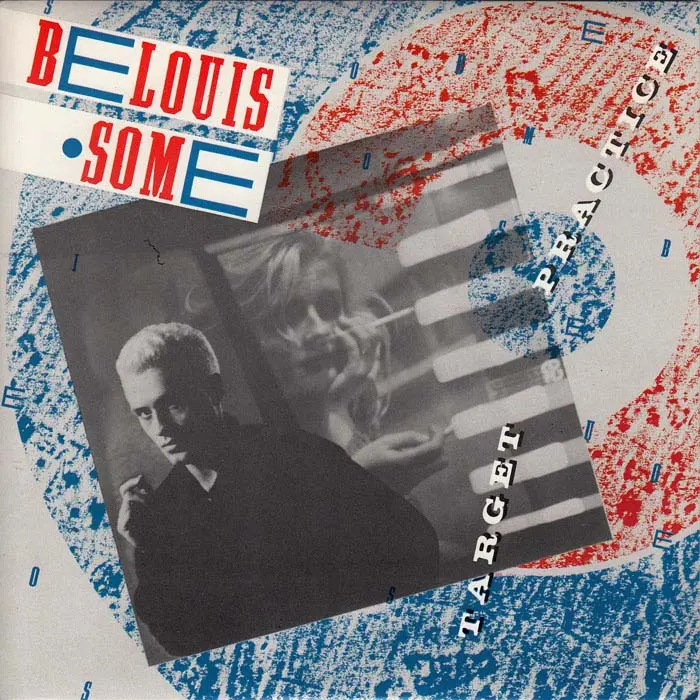 After a gig at the Embassy Club on Old Bond Street in the summer of 1983, Keighley signed to Tritec Music, the publishing company run by Paul and Michael Berrow, who managed Duran Duran. In October 1983 he signed to Parlophone through EMI A&R man David Ambrose. His first major label single, “Target Practice,” appeared in May 1984, produced by Ian Little and Peter Schwier. His eventual signature song, “Some People” (spelled “Somepeople” on the label), appeared in early form on the b-side. To support the release, Some joined Nik Kershaw on the Bristol singer’s 1984 UK Human Racing tour.
Sessions for the debut album began in London at Maison Rouge, Good Earth, and AIR Studios with producers Ian Little and Pete Schwier. Dissatisfied with the results, Some traveled to New York in 1984, where Steve Thompson and Michael Barbiero — who had just remixed the Talk Talk single “It’s My Life” — had been brought in to remix “Target Practice.” The sessions expanded: Thompson and Barbiero re-recorded “Imagination,” “Walk Away,” “Target Practice,” and “Aware of You,” and added overdubs and remixes on “Some People,” “Jerusalem,” and “Stand Down.” Guitarist and arranger Carlos Alomar joined the New York sessions and brought in Bernard Edwards and Tony Thompson from Chic on bass and drums.
Some People
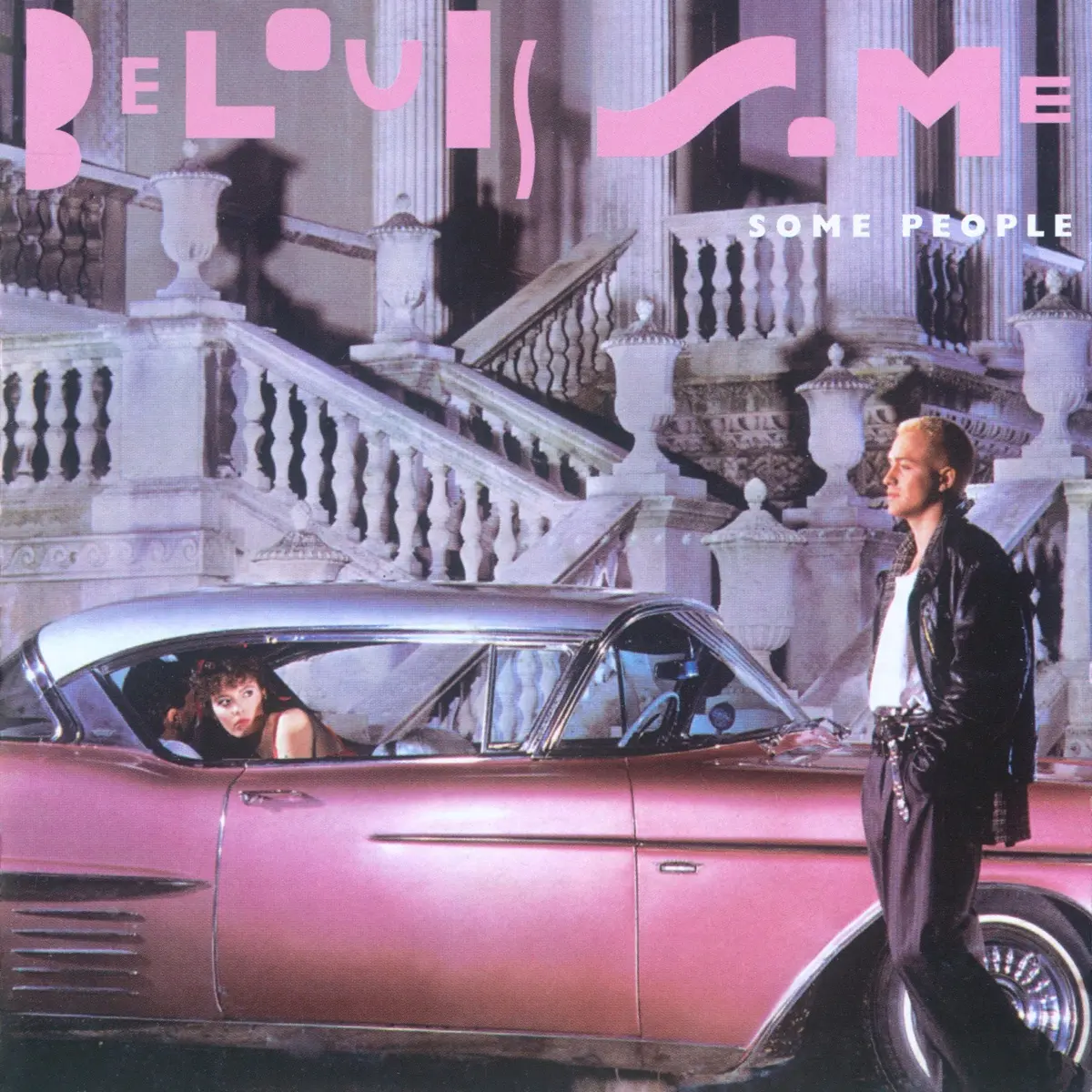 Belouis Some released his debut album, Some People, on April 3, 1985, in the US on Capitol Records. In August, the album appeared in the UK on Parlophone.
The album runs nine tracks, split between sessions in London — “Some People,” “Stand Down,” “Have You Ever Been in Love,” “Tail Lights,” and “Jerusalem” — and New York, where Some recorded “Imagination,” “Walk Away,” “Aware of You,” and “Target Practice” with Bowie guitarist Carlos Alomar and the Chic rhythm section, bassist Bernard Edwards and drummer Tony Thompson, supplemented by keyboardist Jack Waldman and serial percussionist Jimmy Maelen (Ambergris, Talking Heads 77). Guitarist Earl Slick plays lead on “Target Practice.” Saxophonist Rick Bell appears on “Imagination” while Gary Barnacle (Leisure Process) illuminates “Tail Lights.”
“Some People” opens with a mid-tempo synth-and-rhythm arrangement that locks into a steady pattern with the title chant, countered with chordal contours on the “playtime” verses. “Stand Down” moves at a similar tempo with guitar more prominent in the upper mid-range. “Imagination” draws the pace back slightly and places the saxophone line — played by Rick Bell — high in the mix after the opening vocal passage; the arrangement builds through additional keyboard and percussion layers.
“Walk Away” keeps a direct, bass-forward rhythmic approach. “Aware of You” dawns with a Fairlight fountain-burst and sways mid-tempo with curvilinear vocals across humble chord passages. “Target Practice” shifts the configuration toward a harder-hitting frame, the rhythm section driving below Earl Slick’s lead guitar. “Have You Ever Been in Love” returns to a smoother, keyboard-led texture. “Tail Lights” expands to nearly six minutes, Barnacle’s saxophone appearing in the later section of the track. “Jerusalem” closes the album with epic intensity, the arrangement built through sustained synth layers to a slower, more poignant finish.
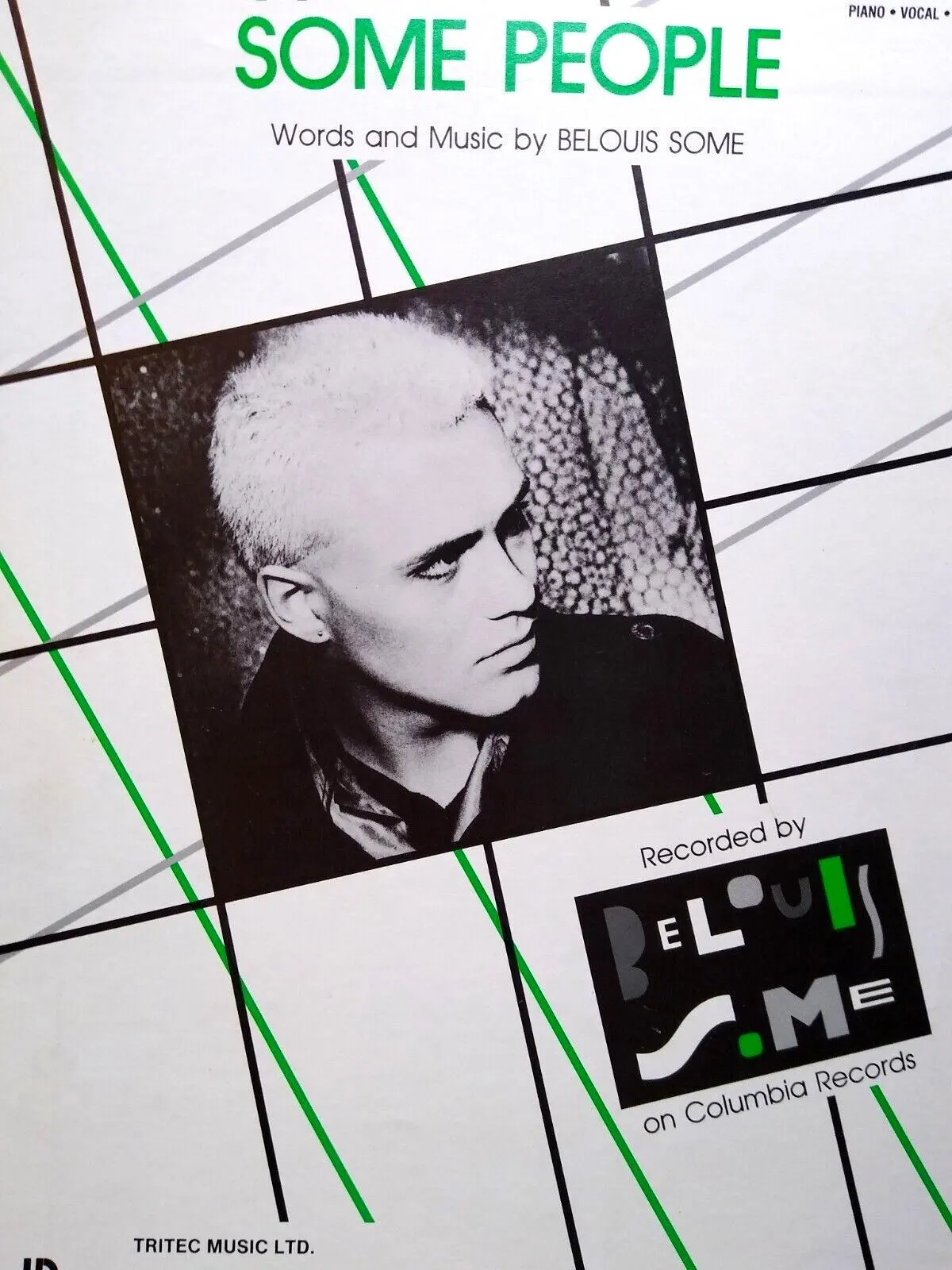 A1. “Some People” (4:01) – contrasts different ways people connect—intimate and close versus distant—while nostalgically recalling a carefree, playful past relationship that felt effortless and joyful. Reflects on holding back words in love versus letting passion burst out, and how some remain bound by feelings while others grasp deeper aspirations. “I try not to talk too fast / Like you do when you fall in love” vividly captures the nervous excitement and rapid speech of new romance, contrasting the singer’s restraint with the beloved’s impulsive openness, highlighting vulnerability and differing emotional styles in the relationship. “Cheek to cheek” likely nods to the classic 1935 Irving Berlin song “Cheek to Cheek” (famously performed by Fred Astaire in the film Top Hat), evoking old-school romantic dancing as a symbol of intimate, uncomplicated connection in contrast to modern emotional complexities.
A2. “Stand Down” (3:34)
A3. “Imagination” (3:35) – portrays a seductive, self-indulgent encounter between a British narrator and a provocative American woman who attributes her reckless excesses and lost innocence to the elusive ‘merican dream, craving only fantasy rather than reality in their connection. Reveals mutual vulnerability through premature loss of virtue and impossible desires, blending cynicism with longing for imaginative escape. “She lost her virtue before she could write / I lost mine too, on my very first night with you-ou” strikingly conveys premature corruption and instant, shared sexual initiation, equating early loss of innocence to the abrupt plunge into intimacy, underscoring the song’s theme of blurred boundaries between fantasy and lived experience. Some described the track as depicting a British man’s meeting with an extremely self-indulgent American woman, highlighting the clash between dreams and reality.
A4. “Walk Away” (3:39) – depicts a fleeting, intense encounter where the narrator helps a distraught woman burdened by emotional baggage, only to plunge into overwhelming sentimentality and desperate longing to keep her close despite her urging to leave. The verses express raw vulnerability through waves of suffocating emotion and the conflicting pull between offering detachment and craving deep mutual understanding. “I offered her my help and she took my shoulder / And cried like a girl obsessed” vividly captures an immediate, almost possessive physical and emotional surrender, blending compassion with an unsettling intensity that foreshadows the narrator’s own obsessive pull toward her.
A5. “Aware of You” (3:43) – captures clandestine paranoia and calculated detachment in a secretive affair, where the narrator avoids scrutiny and navigates betrayal, consequences, and fleeting satisfaction through guarded intimacy. “Stop breathing for thirty seconds / You wouldn’t want to let the nation down” mocks inflated self-importance and performative restraint. The line sarcastically orders silence and disappearance, as if personal discretion carries national stakes, and it sharpens the song’s obsessive vigilance and fear of exposure inside a forbidden relationship.
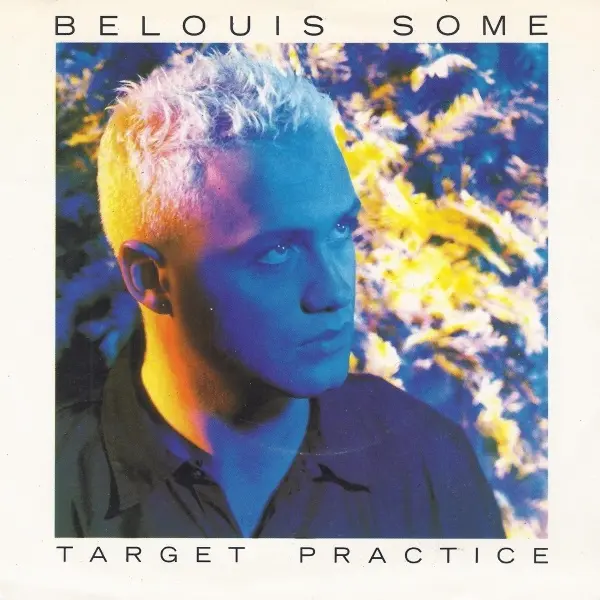 B1. “Target Practice” (4:35) – depicts a weary, introspective Lucy who dances through the night in new shoes, only to confront emotional distance and shame in a strained connection where the narrator feels like an outsider pleading for inclusion in her inner world. Some reveals mutual exhaustion and unspoken understanding, as attempts at reassurance falter against her quiet resolve and the painful sense of being deliberately targeted or erased. “Like at target, target, target practice / Are you trying hard to hit me? / Are you trying to forget me?” turns the fallout into a shooting-range image: she feels like a fixed mark, caught between deliberate wounding and deliberate erasure..
B2. “Have You Ever Been in Love” (4:04)
B3. “Tail Lights” (5:42) – Conjures the ache of watching a lover depart in a car, tail lights fading into the night, while regret surfaces over misunderstood signals, invasive words, and a relationship that slipped away without clear blame. Some evokes lingering fixation on her luminous eyes—compared to stars yet echoing the vanishing red glow of departure—blending romantic idealization with the stark finality of loss. “Turn the table around / Put your magic wand down / One day, one day at a time” pleads for reversal of damage and abandonment of illusory fixes, stripping away fantasy to face slow, realistic healing or acceptance, underscoring the song’s shift from magical thinking to grounded resignation.
 B4. “Jerusalem” (5:49) – evokes a shadowy encounter between a man and a woman in a tension-charged room, where she seeks inclusion in his circle of socially defiant rebels. Some sets their liberated, indulgent pursuits against hollow pop figures—beach boys entertaining pretty girls and a Superman stripped of power. He frames their bond as brief and pleasure-led, then shows it unraveling through impatience, mistakes, and a casual disregard for consequences. “So she ate all her greens and took stupid to bed / He’d been fighting all night long” vividly portrays her dutiful yet reckless behavior, personifying folly as a companion after a night of conflict, emphasizing the chaotic and self-sabotaging intimacy in their relationship.
Belouis Some recorded the London sessions for Some People at Maison Rouge, Good Earth, and AIR Studios in London with producers Ian Little and Pete Schwier. The New York sessions took place at Mediasound in late 1984 to early 1985 with producers Steve Thompson and Michael Barbiero. Pete Schwier engineered all tracks; Barbiero also engineered the New York sessions. Thompson and Barbiero mixed tracks “Stand Down,” “Target Practice,” and “Jerusalem.”
The London sessions drew guitarists Chester Kamen and additional keyboard contributions alongside the core rhythm section of bassist Gary Twigg and drummers Andy Duncan and Alan Childs. Arranger and keyboardist Guy Fletcher co-arranged several tracks with Alomar. Backing vocalists Robin Clark, Frank Simms, Diva Gray, and Kurt Yahjian contribute across the album.
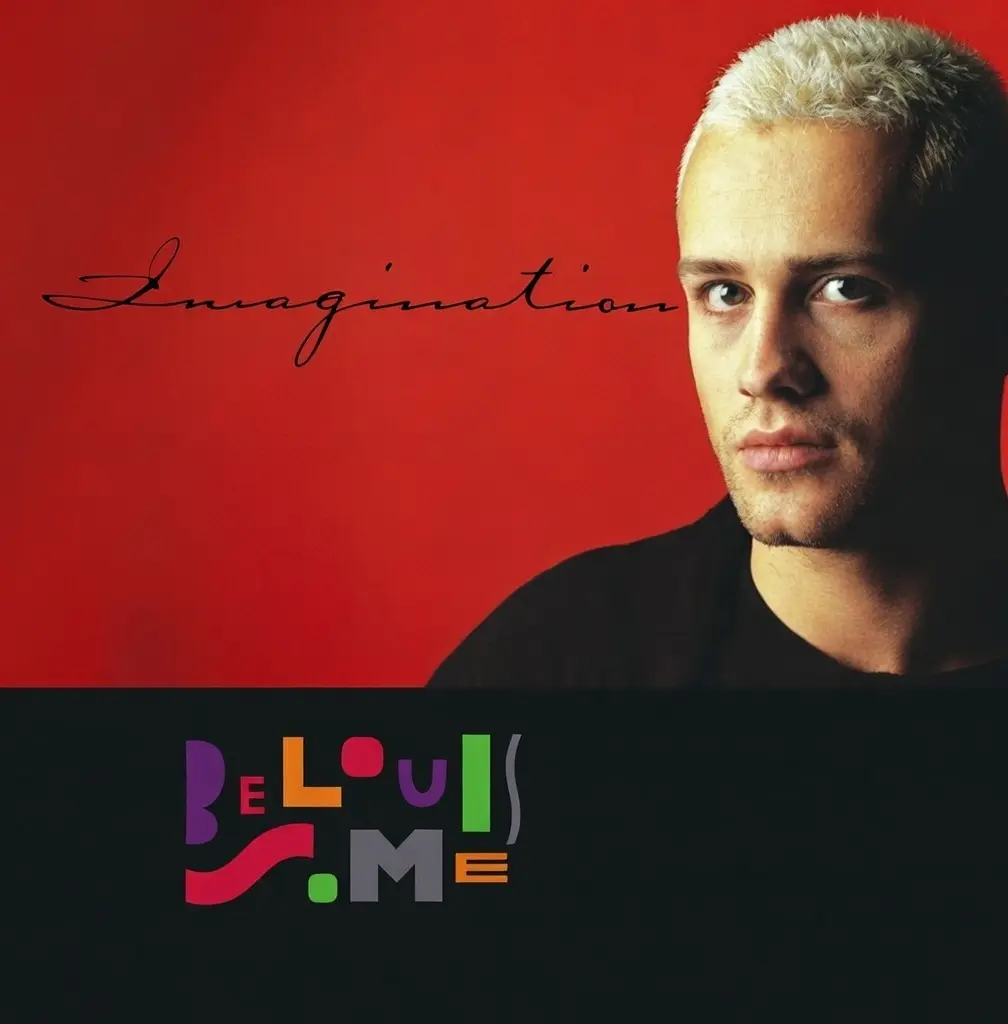 “Imagination” first appeared on March 8, 1985, as Belouis Some’s second single, backed with “Have You Ever Been in Love.” On its first UK release the single reached No. 50, and reached No. 88 on the US Billboard Hot 100 in May 1985. It peaked at No. 4 on the US Hot Dance Club Play chart, No. 13 in South Africa, No. 30 in Switzerland, and No. 48 in Germany.
After the international reach of his followup single, Parlophone re-issued “Imagination” in January 1986. Some mimed the song on the February 6 and 13 broadcasts of Top of the Pops, slotted among in-studio numbers by Billy Ocean (“When The Going Gets Tough”), The Damned (“Eloise”), Diana Ross (“Chain Reaction”), Double (“The Captain of Her Heart”), Latin Quarter (“Radio Africa”), Ozzy Osbourne (“Shot In the Dark”), Public Image Ltd (“Rise”), and Survivor (“Burning Heart”).
The reissued “Imagination” reached No. 17 on the UK Singles Chart and No. 16 on the Irish Singles Chart. The music video, directed by Storm Thorgerson, featured full frontal nudity and was declined by British television broadcasters; European television aired it, and a version without nudity using the 7-inch edit received medium rotation on MTV. The worldwide premiere of the video was held at Studio 54 in New York. The uncut version, using the 12-inch edit, circulated widely in bars and clubs.
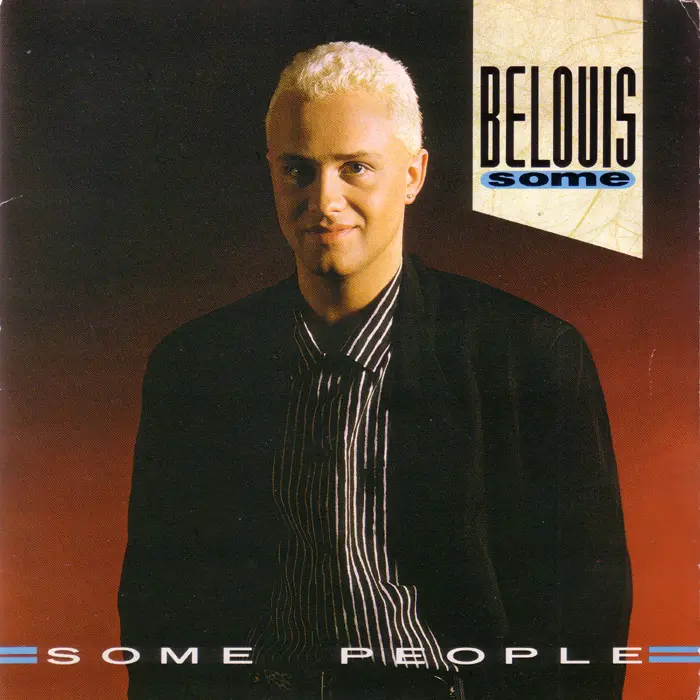 On July 8, 1985, Some greenlit “Some People” as his third single, backed with “Walk Away.” His breakthrough release, “Some People” reached No. 33 on the UK Singles Chart and No. 67 on the US Billboard Hot 100. and peaked at No. 8 on the US Hot Dance Club Play chart and No. 9 in South Africa. A 1986 re-issue reached No. 33 on the UK chart and No. 21 in Ireland.
Belouis filmed the “Some People” music video with director Storm Thorgerson, a veteran Hipgnosis designer whose prior video credits included clips for Yes (“Owner of the Lonely Heart”), Robert Plant (“Big Log”), and Nik Kershaw (“Wouldn’t It Be Good”). They filmed “Some People” in Aldeburgh, a seaside town in Suffolk. Thorgerson’s production company also coordinated a version for the US market in which extras wore Swatch clothing as part of a co-promotional arrangement with the Swiss watchmaker, making it a de facto television advertisement with stylish line dancers and the tagline “You better Swatch yourself.” MTV placed the video on high rotation and aired the Swatch commercial frequently during breaks, making Some (and the brand) ubiquitous fixtures during the 1985 autumn season. Murray Head released a cover version in 1986 through Virgin that appeared simultaneously with Some’s re-issue.
Parlophone issued the re-recorded “Target Practice” in January 1986 as a single in South Africa, backed with a live version of “Imagination.” It reached No. 16 on the South African Springbok Chart. A music video for the 1986 release was directed by Brian Travers and produced by Annie Croft for PMI.
 On July 21, 1986, “Jerusalem” became the album’s fourth and final single (b/w “Target Practice”), remixed for this release by Thompson and Barbiero. Parlophone also issued a double-7″ version with two further songs, “Stand Down” and “Round, Round,” a non-album cut co-produced by Bernard Edwards.
“Round, Round,” an upbeat guitar-driven track, appeared on the soundtrack to the 1986 John Hughes teen drama Pretty In Pink, named after the 1981 Psychedelic Furs song, re-recorded for the soundtrack, which also features hits by OMD (“If You Leave”), New Order (“Shellshock”), Echo & the Bunnymen (“Bring On the Dancing Horses”), and songs by INXS (“Do Wot You Do”), The Smiths (“Please, Please, Please, Let Me Get What I Want”), Jesse Johnson (“Get to Know Ya”), and the Suzanne Vega/Joe Jackson duet “Left of Center.”
Belouis Some
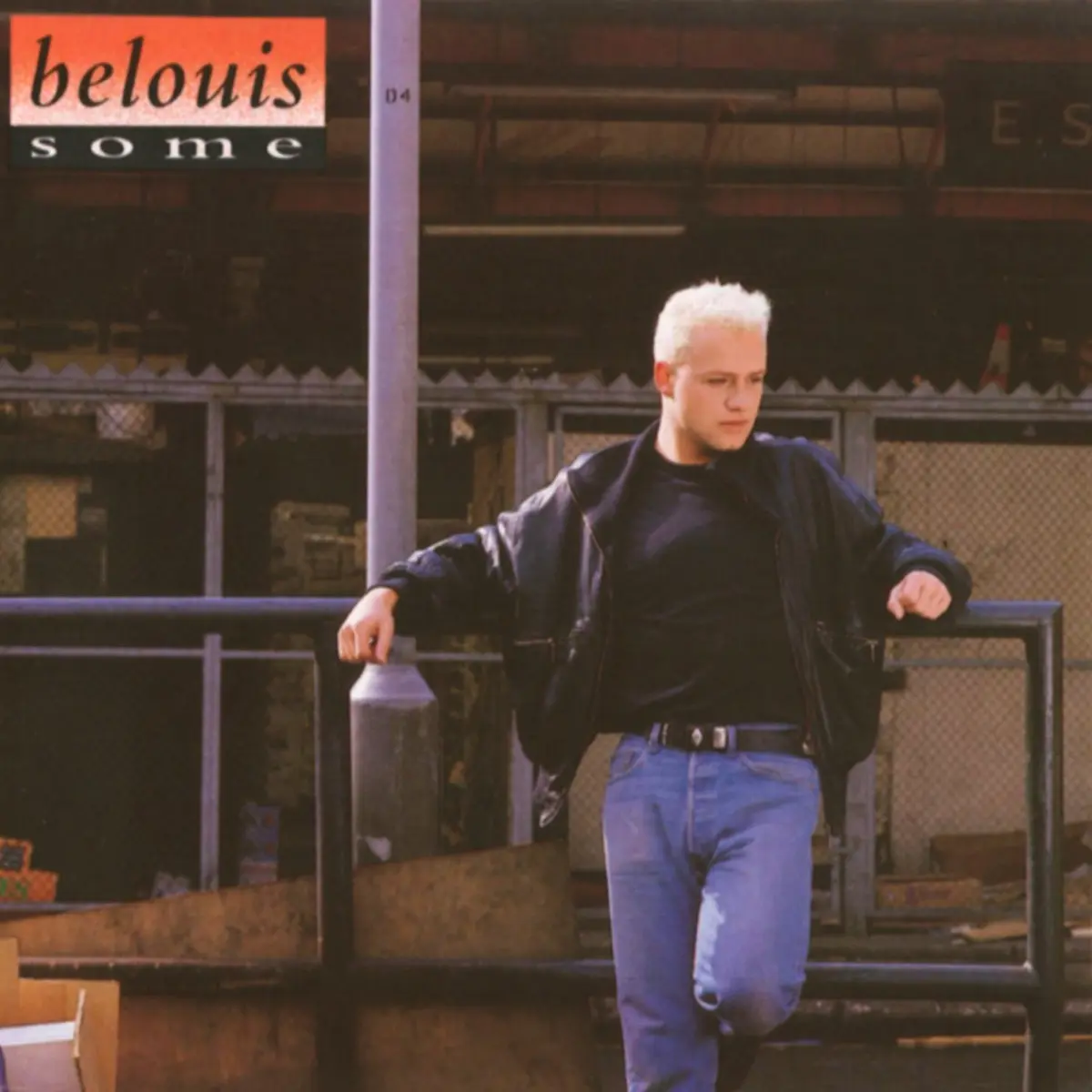 Belouis Some released his self-titled second album in August 1987 on EMI/Parlophone (UK, Europe) and Capitol (North America).
The album runs nine tracks with the production team of Gary Langan and Guy Fletcher, the erstwhile Dire Straits keyboardist. Carlos Alomar returns alongside guitarists Chester Kamen (four tracks) and Neal X (“Passion Play”). Bassist Carmine Rojas plays on six tracks, with Gary Twigg on “My Body.” Drummer Geoff Dugmore holds the rhythm seat on eight tracks. Fletcher plays keyboards across the album and co-arranged several tracks with Langan. Percussionist Jimmy Maelen returns from the debut sessions. A brass section, the Borneo Horns — Lenny Pickett, Steve Elson, and Stan Harrison — appears on two tracks alongside trumpeter Earl Gardner.
Pete Townshend plays guest guitar on “What I See,” which also features a cameo by Julian Lennon. Multiple tracks feature backing vocals by Alomar, Robin Clark, and Gordon Grody, with Langan, Fletcher, Dugmore, and Morris Michael adding select backup. Some lone-wrote five songs and co-wrote the remainder: three with Fletcher, one with Alomar.
“Let It Be with You” opens with the brass section prominent in the first bars before the bass and rhythm settle into a forward-moving mid-tempo figure. “Stranger than Fiction” hold similar sway with reigned in bass and keyboards. “Some Girls” slows the pace with a sophisticated ballad configuration where Lenny Pickett’s saxophone takes a melodic role. “Passion Play” exhibits forceful drive with a serrated keyboard riff and Neal X’s textural guitar sustain. “Animal Magic” moves on a softer rhythmic approach with a more textured keyboard arrangement.
“Dream Girl” opens the second side on a slower, more open frame. “My Body” returns to a direct mid-tempo figure, whereas “Wind of Change” runs extends with a fuller arrangement of gradual momentum. “What I See” closes the album on an epic narrative with an extended arrangement enhanced by Townshend’s presence.
A1. “Let It Be with You” (3:30) – is an upbeat R&B number with a brass-accented intro reminiscent of “Living In America,” the recent James Brown comeback hit.
A2. “Stranger than Fiction” (3:34)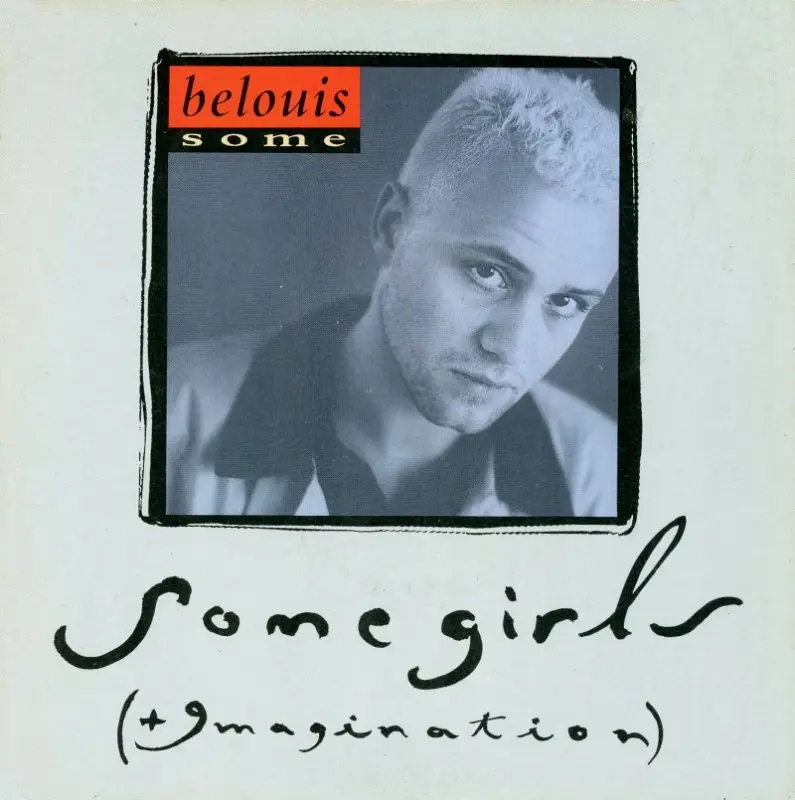 A3. “Some Girls” (4:41) – Some, Alomar; expresses quiet resignation to unrequited longing for one singular girl whose presence uniquely captivates and unsettles, while contrasting her with other types—those worth waiting for, those who cling tragically, those who claim unchanging hearts—none of whom truly compare. He describes the the ache of eyes that dazzle brightly yet never for him, underscoring his singular obsession amid denial of alternatives. “Some girls live by holding on / They guard your life like the tragic mask” likens possessive, clinging love to the ancient Greek tragic mask—symbol of sorrow and fixed fate—casting such devotion as joyless performance rather than genuine connection, heightening the contrast with the elusive, irreplaceable effect of the one desired girl.
A4. “Passion Play” (4:13) – Some, Fletcher; shows the narrator waiting in support while the other person runs emotional games, mixing slapstick antics, fragile hope, and a staged push-pull dressed as passion. He claims liberation from restraint yet stays shamelessly entangled in a drama built on desire and control. “So you’ve found a better way / To push and pull me through your passion play” casts the affair as deliberate theater, with the beloved steering him through rehearsed cycles of attraction and torment, turning intimacy into managed suffering.
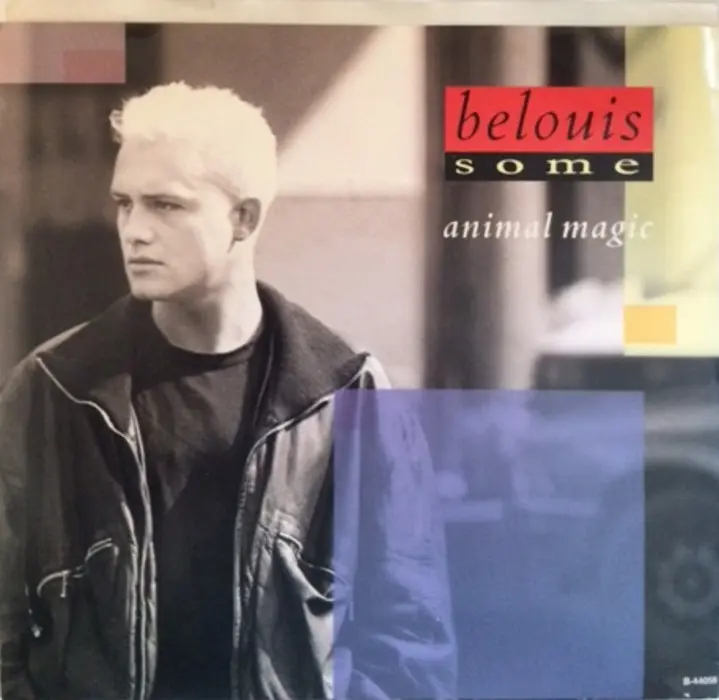 A5. “Animal Magic” (4:33) – Some, Fletcher; the lyrics portray a young woman torn between fear of vulnerability, past heartbreak, and the raw pull of renewed passion from a former lover; expressed with primal, intense desire that transcends explanation, blending animal instinct with magical enchantment. The narrator marvels at her untamed yet restrained allure and yearns to pierce her enigmatic depths. “The girl smiles, then hesitates / Her hand is steady, but her heart can’t wait” vividly captures the internal tug-of-war of cautious composure masking urgent longing, her physical calm clashing with emotional impatience in a single, charged moment of near-surrender.
B1. “Dream Girl” (5:03) – Some, Fletcher; the lyric casts her as a distant, idealized “dream girl” perched on a crystal mountain, hiding behind disguises and chasing novelty while staying tangled in contradictions. The narrator asks for quiet time together, not grand transformation, and he measures her sulking solitude and self-absorption against his grounded need to connect. “So you’re stuck on the top of your crystal mountain… / But your finger’s in a sticky pie” locks the image in place: she clings to lofty isolation and bold pretense even as messy entanglements undercut the pose.
B2. “My Body” (4:09)
B3. “Wind of Change” (4:48) – stages tense, tactile intimacy where touch comes easily but emotional barriers block real risk, leaving the narrator split between prized memories of passion and the pull of inevitable change. It targets self-sabotaging games and teasing torment that trap him in unresolved feeling and force hard self-scrutiny. “I remember the battle blazing / I remember all the sweetest things / I’m running forwards, I’m talking backwards” captures the push-pull: conflict and tenderness collide as he surges ahead while his words double back, exposing emotional whiplash and inner contradiction.
B4. “What I See” (5:44) – conjures late-night solitary walks down Vandon Street, where wistful memories of past places and lost connections surface as he tries to sort idealized love from actual belief in another person. “She said / You’re strong in the head, but weak in the heart / We’ll never see things the same / And you’re hiding away in your special place / While I sit outside in the rain” sharpens the central rift: she names his mental toughness and emotional fragility, frames his retreat into a “special place” as avoidance, and casts herself as the one left outside—literally and figuratively—in the rain he refuses to face.
Belouis Some recorded Belouis Some at Right Track Recording and The Hit Factory in New York City in late 1986, with additional recording at Counterpoint, Roundhouse, and Beat Factory. Gary Langan produced and recorded; engineers were Chris Ludwinski, Craig Vogel, Graeme Holdaway, John Palmer, Paul Borg, Rick Slater, and Scott Mabuchi. The album was mixed at Eel Pie Recording Studios in Twickenham and Maison Rouge in London, with Phil Harding mixing “Let It Be with You.” Gary Langan and Guy Fletcher arranged.
“Passion Play” shares its title with a 1973 concept album by Jethro Tull, who Some cited as an influence in a 1988 interview on the US syndicated music show New Grooves.
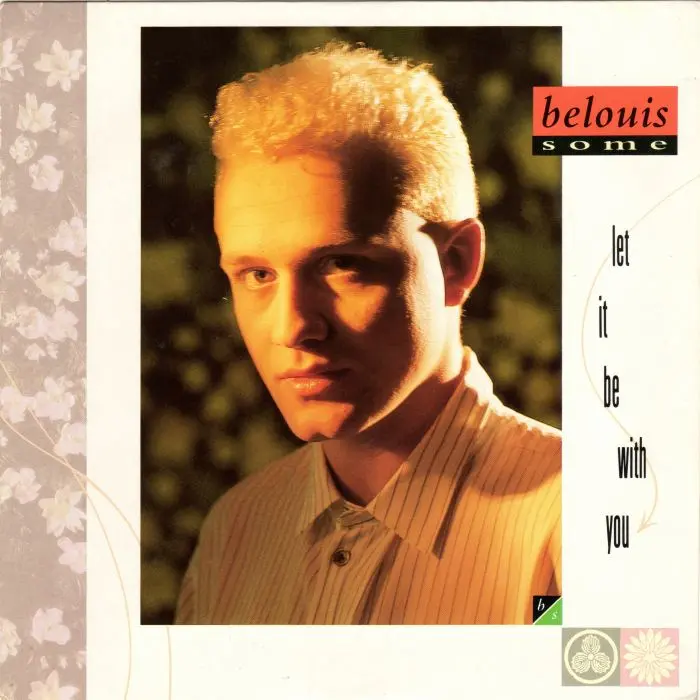 “Let It Be with You” appeared in May 1987 as an advance single (b/w “Wind of Change”). The single reached No. 53 on the UK Singles Chart and No. 13 on the US Hot Dance Club Play chart. Two music videos were produced: a UK and European version shot in London and a North American version shot in New York, directed by Willie Slax and produced by Julian Ludlow for 4-D Productions. The North American video achieved breakout rotation on MTV.
Parlophone issued “Animal Magic” as a 7-inch in September 1987, backed with the 1985 track “Aware of You.” It reached No. 6 on the US Hot Dance Club Play chart in its remixed form. The US 12-inch on Capitol carried a remix and additional production by Justin Strauss and Murray Elias. A music video, directed by Michael Utterback and produced by Jane Reardon for Libman Moore Productions, was shot in Los Angeles.
On February 22, 1988, “Some Girls” became the third and final single, backed with the now-classic “Imagination.” The single reached No. 76 on the UK Singles Chart and spent four weeks on the chart. A music video was shot in Milan. The 12-inch releases included extended, dub, and classical versions, with additional production and mixing by Bruce Forest and Frank Heller on some configurations.
After the Capitol Years
In 1989, Keighley formed The Big Broadcast, which toured the UK through the summer playing small venues and clubs. He released a third album, Living Your Life, on BMG in 1993, recorded at Marcus Recording Studios in London and produced by Geoff Dugmore and Nigel Butler. The session drew on musicians Karl Hyde, Steve Barnacle, Peter Oxendale, and J.J. Belle. “Something She Said” and “Sometimes” were issued as singles in the UK and Europe. In 1995 Keighley released the single “Let Me Love You for Tonight,” produced by Richard “Biff” Stannard and Matt Rowe. In October 1994, an “Imagination” remix by Jon and Helena Marsh of the Beloved was issued on Some’s own Some Music Ltd. label and reached No. 95 on the UK Singles Chart.
In 1996, Keighley acquired the lease to the Wellington Club in Knightsbridge, which he restored and reopened in 1997 before closing it in 1998. In 2013 he and his wife, Swedish model Eva Linderholm, founded Barnklubb, a Scandinavian-model day nursery in Chelsea; the concept later expanded to eight licensed locations in Japan.
Keighley returned to live performance in 2019 with appearances at the Let’s Rock summer festival series across the UK. In February 2023, producer Lee Rose and Some released a tech house version of “Imagination” on Deevu Records. Some performe at the O2 Academy Islington in November 2024, on a double bill with Gene Loves Jezebel. In February 2025 he played a headline show at the Troubadour in London, and in April 2025 toured the US with Gene Loves Jezebel on the Hit & Run Tour — his first US dates since 1988. Some joined the Lost 80’s Live 23rd anniversary US tour in the summer of 2025, and in December 2025 supported Trevor Horn at the O2 Shepherd’s Bush Empire.
Discography:
- Some People (1985)
- Belouis Some (1987)
Sources:
- Discogs: Belouis Some
- RYM: Belouis Some
- 45cat: Belouis Some
- MusicBrainz: Belouis Some
- Belouis Some (official)
Artist/Album Pages:
Saturnalia was an English folk-psych band that released the album Magical Love on Matrix in 1973. ...
Aslan was an English folk sextet behind the 1976/77 albums Paws for Thought and Second Helpings on...
Justin Hayward (born Oct. 14, 1946) is an English vocalist, guitarist, and songwriter, best known ...
Tina Turner (Nov. 26, 1939 – May 24, 2023) was an American soul-pop singer who first rose to promi...
Nucleus was an English jazz-rock ensemble formed in 1969 by trumpeter Ian Carr, who spent much of ...
Experiments With Ice was an English coldwave band behind a 1981 self-titled album on Experimental ...
Rick James (February 1, 1948 — August 6, 2004) was an American soul-funk singer, songwriter, multi...
Fynn McCool was an English psych-rock band that made a 1970 self-titled album for RCA Victor. M...
Deaf School are an English art-rock band that released three albums on Warner Brothers between 1976 ...
Zerra One was an Irish modern-rock band that released three indie singles and a 1984 self-titled a...
Mick Karn — aka Andonis Michaelides (July 24, 1958 — Jan. 4, 2011) — was an English-Cypriot multi-...
Chilli Willi & The Red Hot Peppers were an English rustic-rock band that released the album Ki...