

Linda Clifford is an American soul singer from Brooklyn who released eight solo albums between 1977 and 1985; the first five on Curtom/RSO. She also made a duets album with Curtom founder Curtis Mayfield. Her best-known songs include the 1978–80 R&B/dance hits “Runaway Love,” “If My Friends Could See Me Now,” “Don’t Give It Up,” “Red Light,” and “Shoot Your Best Shot.”
Early Singles
She was born Coconato Linda Joyce Clifford on June 14, 1948, in Brooklyn. As Linda Cumbo, she released her first two singles:
February 1965. Select Records
A. “Yesterday, Today and Tomorrow”
B. “Did You Ever Lose Your Mind (Over a Boy)”
December 1966. Calla
A. “Troublemaker”
B. “The Good Ones (Suffer for the Bad)
After winning the title of Miss New York State, Clifford pursued an acting career, securing minor roles in films like The Boston Strangler, Coogan’s Bluff, and Sweet Charity. Dismayed with her acting options, she refocused on music. She performed for twelve months with the Jericho Jazz Singers, a Miami nightclub act. She then formed her own group, Linda & the Trade Winds.
1972–75 Singles
In the early 1970s, Clifford released several singles on different labels. Polydor Records put out a promotional single of “Love Is Not the Question” in December 1972 (mono b/w stereo).
In January 1974, she appeared on Paramount Records with “(It’s Gonna Be) a Long Long Winter,” a minor hit on the U.S. Billboard R&B chart. Six months later, she released a second Paramount single, “After Loving You.” In February 1975, she moved to Gemigo Records, releasing “Turn the Key Softly.” Afterwards, she signed with Curtis Mayfield’s Curtom Records label.
A. “(It’s Gonna Be) a Long Long Winter”
B. “March Across the Land”
A. “After Loving You”
B. “Check Out Your Heart”
A. “Turn the Key Softly”
B. “Can’t Get Enough”
Linda
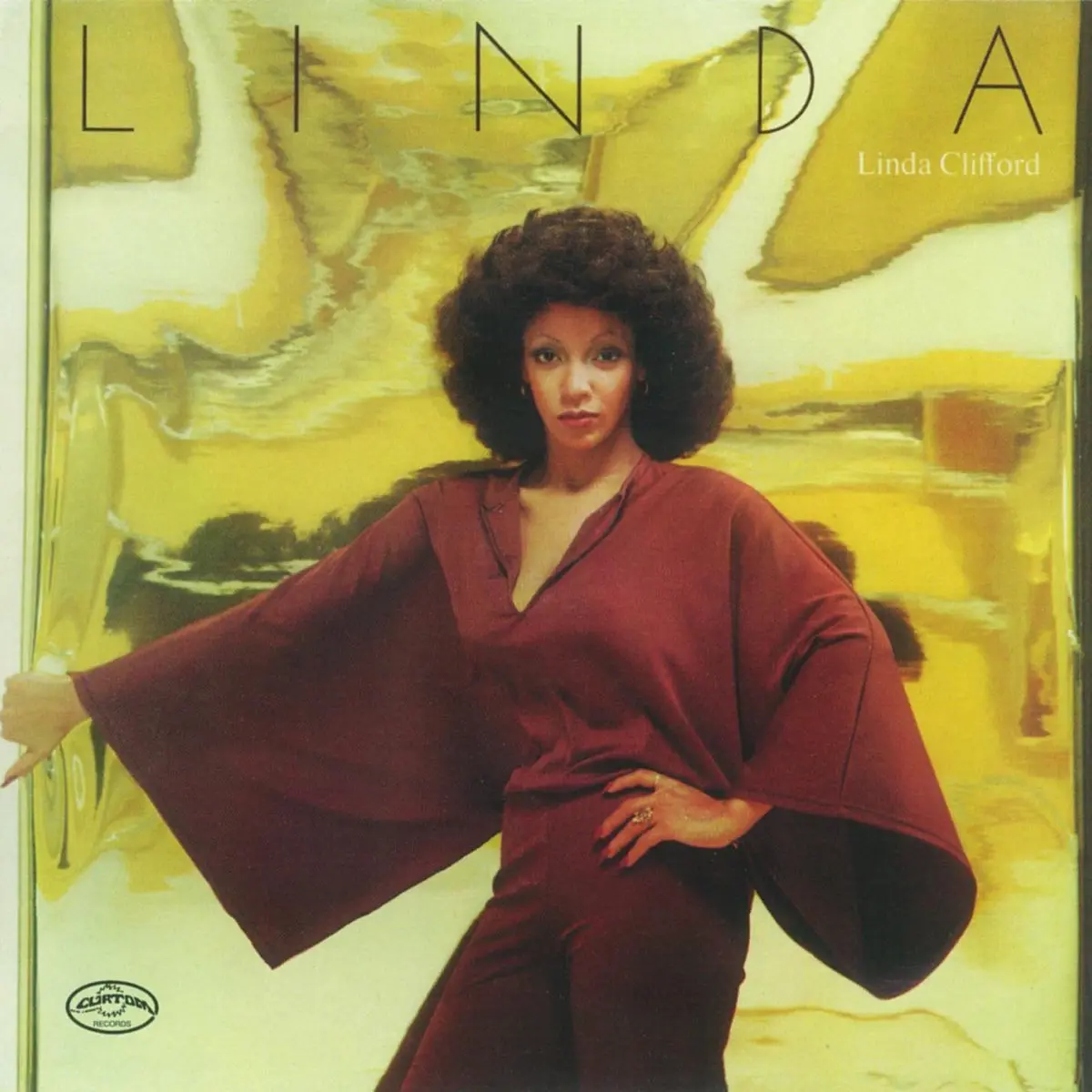 Linda Clifford released her debut album, Linda, in 1977 on Curtom.
The album emphasizes mid-tempo soul with occasional dance-oriented tracks, showcasing Clifford’s powerful, gospel-inflected voice. Several songs reinterpret existing pop and soul material, blending lush arrangements with measured rhythmic drive rather than outright disco energy.
Gil Askey produced and arranged most tracks, with Leroy Hutson producing and arranging one. Primary songwriting comes from outside contributors, including Bunny Sigler, Van McCoy, and Evie Sands, while other selections originate from established writers such as the Gibb brothers, Rod Stewart, Al Green, and Stevie Wonder.
The material divides into three distinct strands. Up-tempo, assertive tracks like “From Now On” and “You Can Do It” pair mid-tempo pulse with layered strings and clavinet accents, creating a slick, dance-oriented framework that emphasizes Clifford’s gospel-tinged phrasing. Slower, reflective pieces such as “Only Fooling Myself” and “You Gotta Tell Her” rely on restrained pacing and subtle shifts in chordal texture, allowing her voice to move between full-bodied intensity and controlled nuance.
Pop and soul reinterpretations—including “Tonight’s the Night,” “Be Tender with My Love,” and “If It’s Magic”—transform familiar material with gentle tempo variations, intricate orchestration, and angular vocal turns that highlight both dramatic flair and emotional shading. Across the album, Clifford alternates between brassy projection and intimate inflection, giving each track distinct contours and rhythmic tension while maintaining cohesive sonic polish.
A1. “From Now On” (5:10) originated on Lou Rawls‘ 1976 album All Things in Time, written by Bunny Sigler.
A2. “Be Tender with My Love” (3:52) originated on the Bee Gees‘ 1975 album Main Course, written by Barry, Robin, and Maurice Gibb.
A3. “You Can Do It” (4:11) is a composition by Evie Sands and Richard Germinaro, recorded months earlier by Hot for their debut album.
A4. “You Gotta Tell Her” (3:37) originated on Life Goes On, the 1976 album by Faith Hope & Charity, produced by writer Van McCoy.
A5. “One Thing on My Mind” (3:50) another Sands/Germinaro composition, originated on Evie’s 1974 comeback album Estate of Mind; also recorded in 1976/77 by The Ebony‘s, Dionne Warwick, and Phyllis Hyman.
B1. “Tonight’s the Night” (4:07) was a global chart-topper by Rod Stewart from his 1976 album A Night On the Town.
B2. “Only Fooling Myself” (3:57) is a song by future Royal Flush partners Jerline Shelton and Maurice Commander.
B3. “Still in Love with You” (3:29) originated as “I’m Still in Love with You,” a 1972 Al Green hit.
B4. “If It’s Magic” (4:53) originated on Stevie Wonder’s 1976 album Songs in the Key of Life.
Sessions occurred at Curtom Studios in Chicago, where Gil Askey produced everything apart from “Only Fooling Myself,” a Leroy Hutson production. Horn and string arrangements were coordinated by Len Druss and Sol Bobrov, with additional contributions from Bernard Reed, Calvin Bridges, Don “Disco Dan” Leake, Donnell Hagen, Floyd Morris, Frank E. Donaldson, Henry Gibson, John Bishop, Philip Upchurch, William Ross, Tennyson Stephens, Jones Girls, and Thomas Ferrone.
Linda features photography by Don Levey.
Curtom lifted “From Now On” as a single (b/w “You Can Do It”), which reached No. 28 on the Billboard Dance chart.
If My Friends Could See Me Now
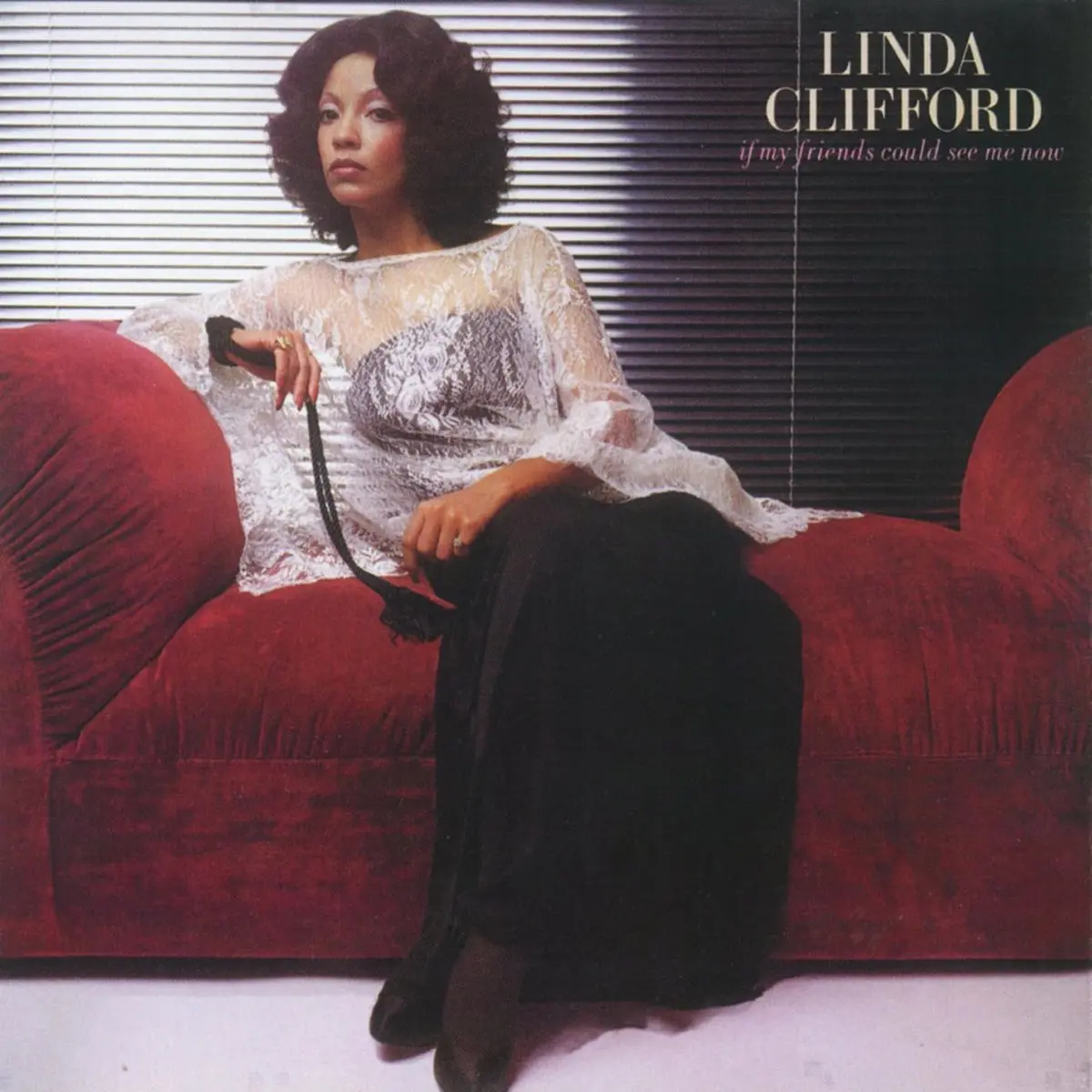 Linda Clifford released her second album, If My Friends Could See Me Now, in April 1978 on Curtom.
The album shifts focus to original material, blending disco-inflected rhythms with soul sensibilities and spotlighting Clifford’s brassy, torch-like vocals. Production emphasizes orchestration and layered backing vocals, creating a polished yet energetic backdrop for both dramatic and reflective passages.
Curtom founder Curtis Mayfield composed two songs (“You Are, You Are,” “Broadway Gypsy Lady”) and co-wrote “Gypsy Lady” with co-producer Gil Askey, who contributed “Runaway Love” and co-wrote “Please Darling, Don’t Say Goodbye” with Linda herself. Carl Wurzbach (ex-Liquid Pleasure) submitted “I Feel Like Falling in Love Again.”
The title track fuses orchestral disco with call-and-response backing from the Jones Girls, providing a bold showcase for Clifford’s voice. “You Are, You Are” combines mid-tempo pacing, airy synthesizer textures, and emotive phrasing, while “Runaway Love” layers Latin-accented rhythms with spoken-word interjections to underscore lyrical confrontation.
In the flipside, “Broadway Gypsy Lady” laces flamenco guitar into lavish orchestration. “I Feel Like Falling in Love Again” moves at a gentle, contemplative pace, and “Please Darling, Don’t Say Goodbye” offers wistful, controlled intensity. The closing “Gypsy Lady” revisits motifs from the preceding track, providing a measured, rounded conclusion. Across the album, Clifford shifts between assertive projection and nuanced inflection, giving each track angular contours and dynamic tension.
A1. “If My Friends Could See Me Now” (7:53) is a showtune by composer Cy Coleman and lyricist Dorothy Fields from the 1966 Broadway musical Sweet Charity.
A2. “You Are, You Are” (5:16)
A3. “Runaway Love” (7:04)
B1. “Broadway Gypsy Lady” (3:41)
B2. “I Feel Like Falling in Love Again” (5:04)
B3. “Please Darling, Don’t Say Goodbye” (4:36)
B4. “Gypsy Lady” (5:42)
Sessions occurred at Curtom Studios in Chicago with production led by Gil Askey and Curtis Mayfield. Keni Burke performed bass, Calvin Bridges, Rich Tufo, and Eric Hackett handled keyboards, with Hackett also on synthesizer. Donnell Hagan played drums, while Curtis Mayfield, Ronnie Vann, and William Ross Traut contributed guitar. Horn and string arrangements were coordinated by Sol Bobrov, and the Jones Girls provided background vocals.
If My Friends Could See Me Now features photography and artwork that align with Curtom’s visual aesthetic of the era.
The album produced multiple singles: “Runaway Love” reached No. 1 on the Hot Dance/Disco chart, No. 3 on Hot Soul Singles, and No. 76 on the Hot 100; “If My Friends Could See Me Now” also topped the dance chart and peaked at No. 68 on Hot Soul Singles and No. 54 on the Hot 100. “Gypsy Lady” appeared on the dance chart as well.
The album peaked at No. 9 on the US Top R&B Albums chart and No. 22 on the Billboard 200.
Let Me Be Your Woman
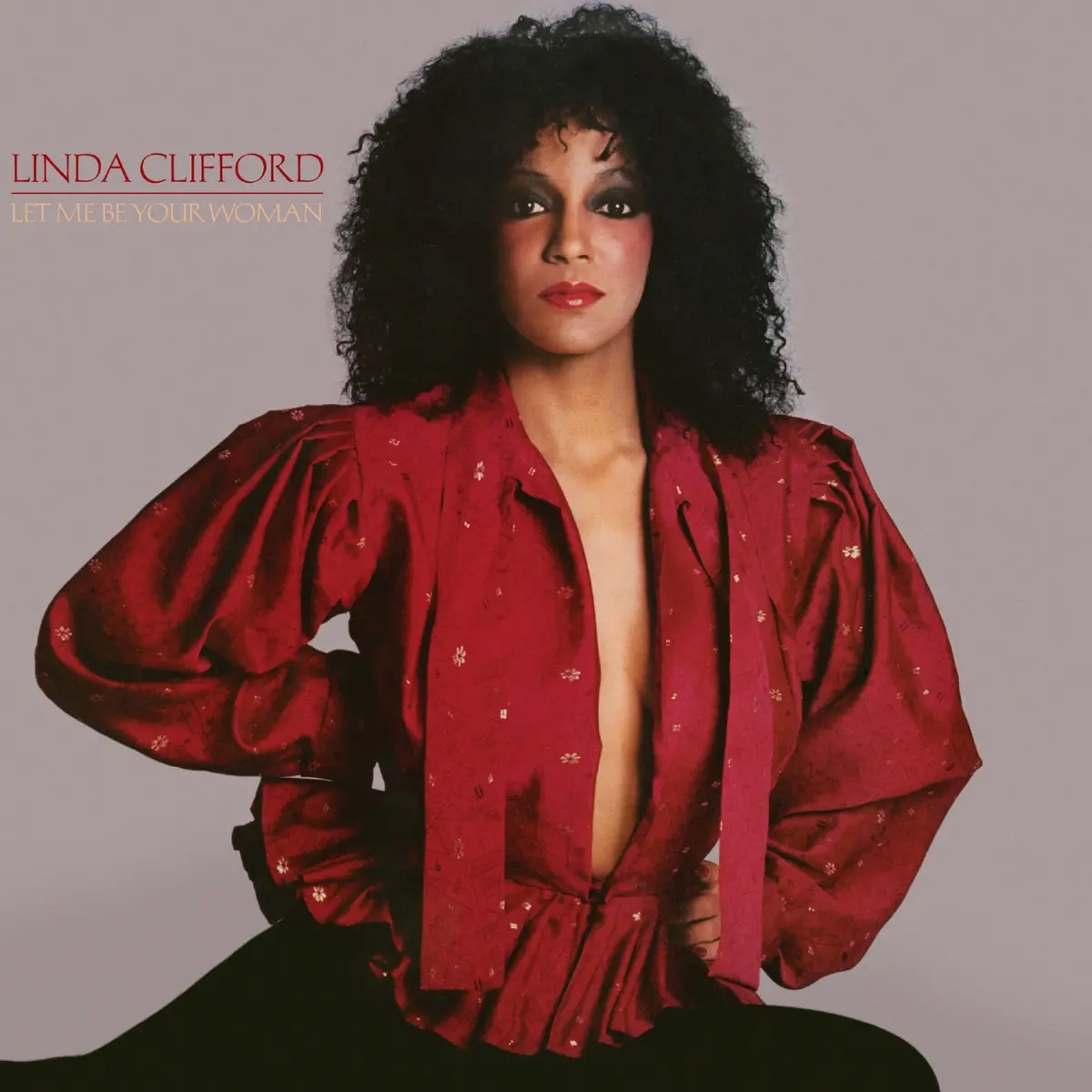 Linda Clifford released her third album, Let Me Be Your Woman, in March 1979 on Curtom/RSO.
The album leans heavily into dancefloor-oriented production while maintaining elements of soul and torch singing. Orchestration, extended arrangements, and layered backing vocals provide a polished framework that emphasizes Clifford’s vocal power and dynamic range across a sprawling double-album format.
Gil Askey produced and arranged the album and contributed several original compositions, including “Don’t Give It Up” and “I Can’t Let This Good Thing Get Away.” Clifford co-wrote “Don’t Let Me Have Another Bad Dream” with Nicholas Coconato. Curtis Mayfield contributed “Hold Me Close” and co-wrote “Gypsy Lady” with Askey. The Simon & Garfunkel classic “Bridge Over Troubled Water” gets a modernized spin on the bonus 12″ disc.
The first side combines hypnotic, percussion-driven tracks like “Hold Me Close” with melodramatic, orchestrated balladry on the title track. Side two features mid-tempo, reflective material (“I Feel Like Falling in Love Again,” “Please Darling, Don’t Say Goodbye”) alongside flamenco and contoured orchestration. The extended tracks, “One of Those Songs” and “Don’t Give It Up,” emphasize dramatic vocal projection and rhythmic layering, while the album closes with a sweeping, high-energy disco reinterpretation of “Bridge Over Troubled Water.” Across the record, Clifford alternates between forceful projection and controlled phrasing, creating angular vocal lines and shifting rhythmic intensity that punctuate the album’s expansive arrangements.
A1. “Hold Me Close” (4:48)
A2. “Let Me Be Your Woman” (3:12) originated as a 1976 album track by Tom Sullivan, written by animation songster Ed Fournier (Groovie Goolies) and covered in 1977 by the Whitney Family.
A3. “Don’t Give It Up” (9:26)
B1. “I Can’t Let This Good Thing Get Away” (4:13)
B2. “Don’t Let Me Have Another Bad Dream” (3:54)
B3. “Sweet Melodies” (7:55) was submitted by Mayfield associate James Mendell.
C1. “One of Those Songs” (11:46)
D1. “Bridge Over Troubled Water” (10:20)
Sessions occurred at Curtom Studios in Chicago with Gil Askey producing and arranging. Keni Burke played bass, with Bobby Eli, Calvin Bridges, Chester Thompson, Dean Paul Gant, Eric Hackett, and William Ross Traut on keyboards, synthesizer, and guitars. Donnell Hagan handled drums, and the Jones Girls provided background vocals.
The album produced three singles: “Bridge Over Troubled Water” (March 11, 1979), “Don’t Give It Up” (May 19, 1979), and “Sweet Melodies” (July 24, 1979).
Let Me Be Your Woman reached No. 19 on the US Top R&B Albums chart and No. 26 on the Billboard 200, while all cuts collectively peaked at No. 11 on the Hot Dance/Disco chart. “Bridge Over Troubled Water” peaked at No. 49 on Hot Soul Singles and No. 41 on the Hot 100, and “Don’t Give It Up” reached No. 15 on Hot Soul Singles.
Here’s My Love
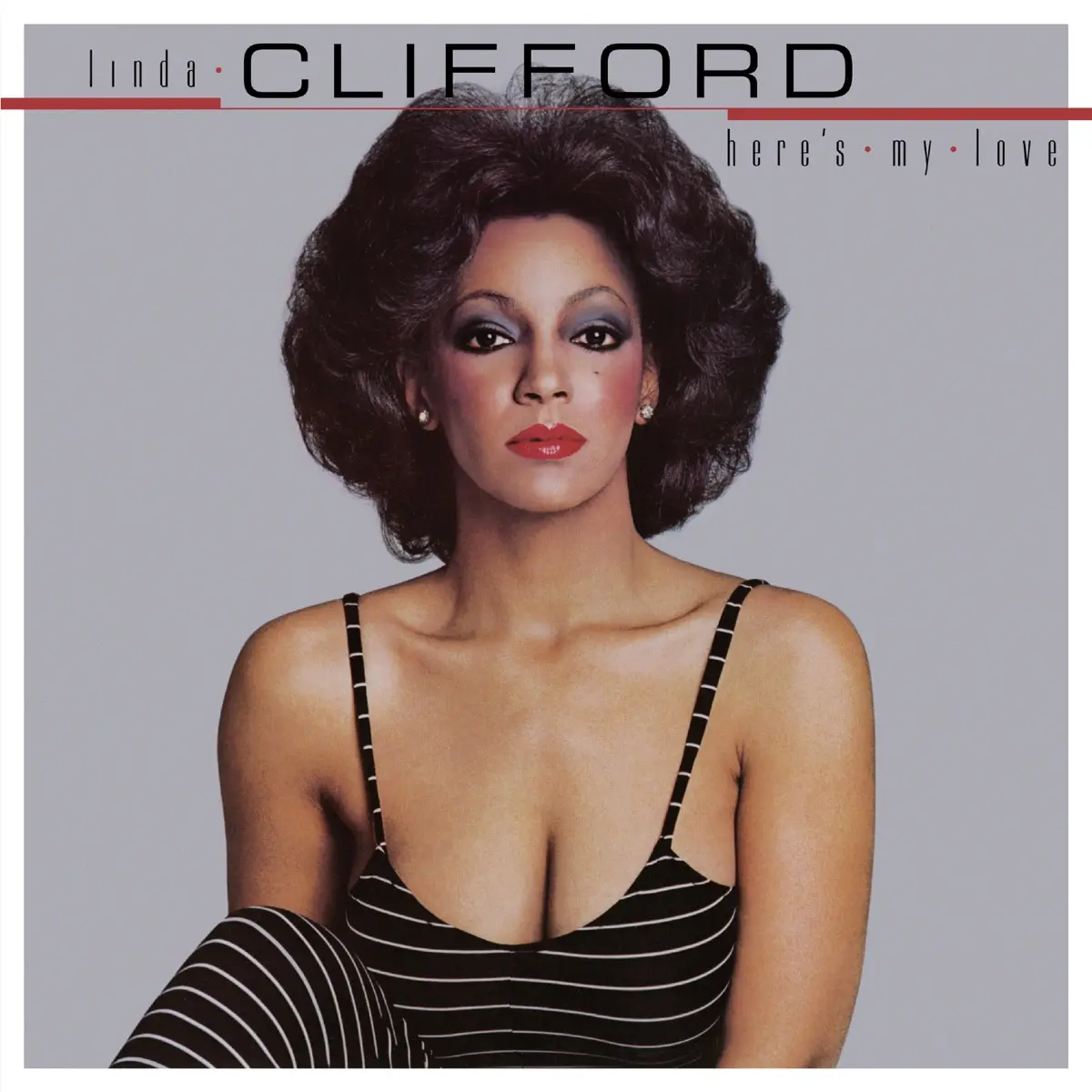 Linda Clifford released her fourth album, Here’s My Love, in November 1979 on Curtom/RSO.
The album combines disco-oriented rhythms with polished orchestration and layered backing vocals, highlighting Clifford’s assertive and controlled vocal presence. Multiple arrangers and producers contribute to a varied sonic palette, giving the album a professional but sometimes diffuse character.
Primary songwriting and production come from Norman Harris and Ronald Tyson, who contributed several tracks including “King for a Night,” “Bailin’ Out,” and “Repossessed.” Curtis Mayfield produced the title track, written by Anthony Miller and Keith Echols. Juergen Koppers produced “I Just Wanna Wanna,” “Never Gonna Stop,” and “Lonely Night,” with additional songwriting by R. Stone, J.P. Pennington, and L. Gomez.
The album’s material divides into three broad categories. Up-tempo, assertive tracks like “King for a Night” and “Never Gonna Stop” feature driving rhythms and layered disco orchestration. Mid-tempo, reflective numbers including “I Just Wanna Wanna” and “Here’s My Love” employ contoured vocal lines and measured phrasing that emphasize subtle emotional shading. Tracks such as “Lonely Night” and “Repossessed” showcase heightened intensity, combining angular vocal turns with full-bodied arrangements and dynamic rhythmic push. Across the album, Clifford alternates between controlled restraint and brassy projection, giving each track distinct contours while navigating the multiple stylistic approaches imposed by the various producers.
A1. “King for a Night” (3:10)
A2. “Here’s My Love” (5:15)
A3. “I Just Wanna Wanna” (5:06)
A4. “Bailin’ Out” (4:24)
B1. “Never Gonna Stop” (4:39)
B2. “Lonely Night” (7:12)
B3. “Repossessed” (5:36)
Sessions occurred at Rusk Studios in Los Angeles, Sigma Sound Studio in Philadelphia, and PS Studios and Curtom Studios in Chicago, with producers Mayfield, Koppers, and fellow producers Norman Harris and Ronald Tyson. Koppers co-engineered with Fred Breitberg, Roger Anfinsen, and Carl Paruolo.
Here’s My Love features front photography by Francesco Scavullo and back photography by Gary Heery, with art direction by Glenn Ross and album design by Earl Klasky.
“I Just Wanna Wanna” reached No. 36 on the US R&B singles chart. The album peaked at No. 47 on the US Billboard Top Soul LPs chart.
The Right Combination
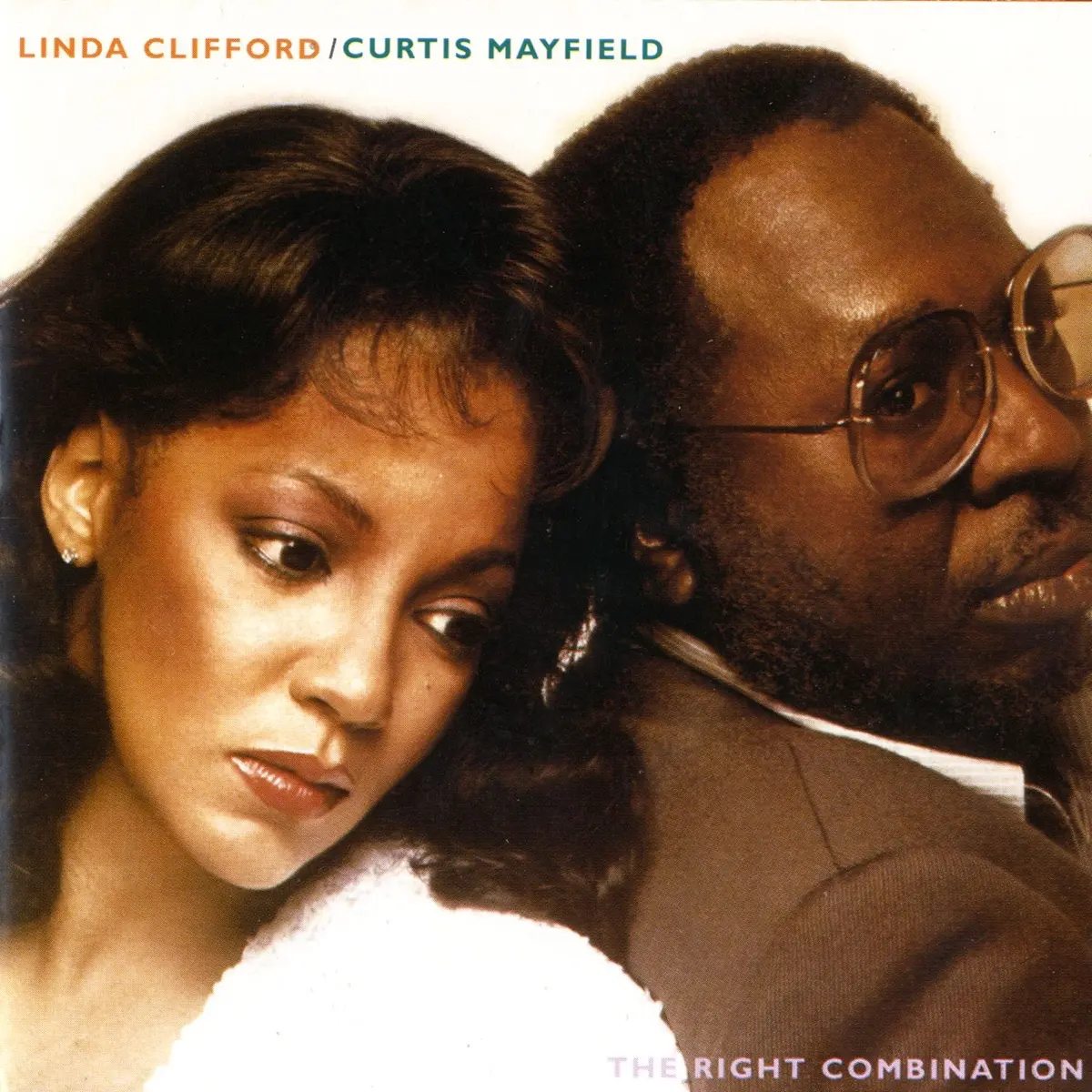 In July 1980, Curtom/RSO issued The Right Combination, an album of duets between Linda Clifford and Curtis Mayfield.
The album blends disco-driven rhythms, soul balladry, and funk-inflected arrangements, emphasizing Clifford’s assertive vocal presence alongside Mayfield’s seasoned phrasing. Production alternates between polished floor-stomping tracks and more restrained, emotive pieces, reflecting the duo’s complementary strengths.
Curtis Mayfield produced most tracks and contributed four original compositions. Gil Askey co-produced and arranged the majority of the album, with Norman Harris and Bruce Gray producing and arranging “It’s Lovin’ Time (Your Baby’s Home).” Outside songwriters include Joey Carbone, Louis Lambert, Keith Echols, Alice Sanderson, Anthony Miller, Bruce Gray, and Frankie Blue.
The album divides into high-energy disco tracks and slower, soulful numbers. Opening numbers like “Rock You to Your Socks” and “The Right Combination” provide lively, assertive pacing and layered orchestration. Mid-tempo ballads including “I’m So Proud” and “Ain’t No Love Lost” rely on measured vocal interplay and restrained instrumental textures. “It’s Lovin’ Time (Your Baby’s Home)” merges disco, pop, and soul accents, showcasing Clifford and Mayfield trading dynamic lines over a full-bodied arrangement, giving the album its most sustained intensity. Across the album, vocals shift between brassy projection and contoured inflection, creating rhythmic tension and angular phrasing.
A1. “Rock You to Your Socks” (4:34)
A2. “The Right Combination” (4:43)
A3. “I’m So Proud” (3:36)
A4. “Ain’t No Love Lost” (4:25)
B1. “It’s Lovin’ Time (Your Baby’s Home)” (6:21)
B2. “Love’s Sweet Sensation” (3:49)
B3. “Between You Baby and Me” (4:40)
Sessions occurred primarily at Curtom Studios in Chicago, with “It’s Lovin’ Time (Your Baby’s Home)” recorded at Sigma Sound Studio in Philadelphia. Producers included Curtis Mayfield, Gil Askey, Norman Harris, and Bruce Gray, with arrangements by Askey and Harris.
Bass duties were handled by Lucky Scott and Keni Burke, keyboards by Lonnie Reaves and Tim Tobias, guitars by Curtis Mayfield, Bruce Gaitsch, Ross Traut, and Tom Ferrone, and drums by Wendell Stewart. Percussion came from Alejo, Tony Carpenter, and Henry Gibson. Horns and strings were performed by Curtom’s session players, coordinated by Sol Bobrov and Lenard Druss with Arthur Hoyle, and background vocals on selected tracks included Henry Hicks, Jr., Alphonzo Surrett, and Ricky Linton.
The album produced no singles beyond standard album promotion.
I’m Yours
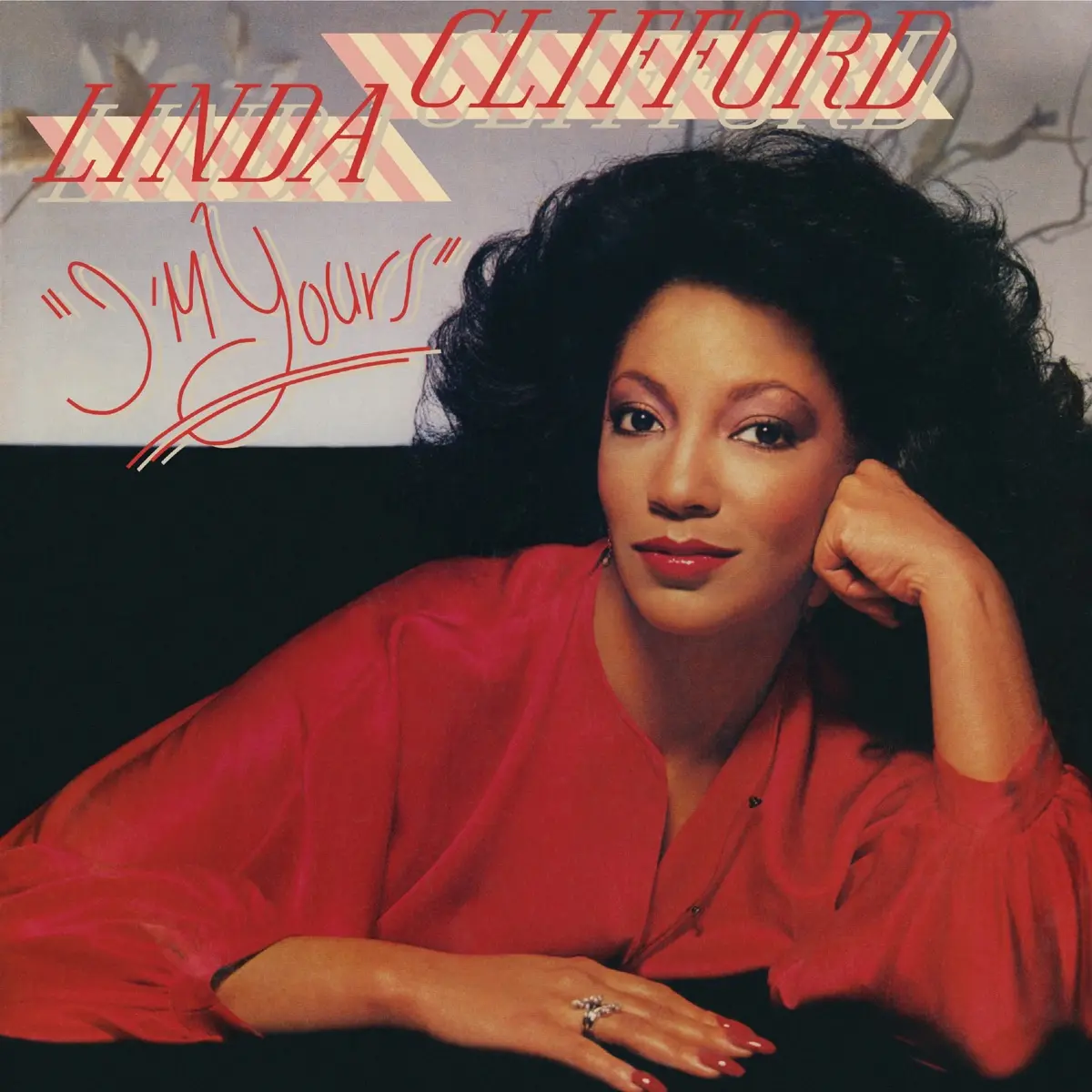 Linda Clifford released her fifth solo album, I’m Yours, in November 1980 on RSO.
The album emphasizes disco-driven arrangements with soul-drenched textures, highlighting Clifford’s powerful yet controlled vocals amid lush strings, assertive horns, and layered percussion.
Isaac Hayes wrote and arranged the bulk of the album, with co-writing from Mignon Hayes on “Shoot Your Best Shot” and outside writers Michael Gore and Dean Pitchford contributing “Red Light.” Billy Davis and Leonard Caston Jr. provided “I Had a Talk with My Man.”
Tracks divide into soaring dancefloor numbers and sleek, emotionally contoured ballads. “Shoot Your Best Shot” opens with dramatic string layers and dynamic rhythm, showcasing Clifford’s sassy, measured delivery. “Red Light” combines slap-bass, lively horn arrangements, and assertive phrasing to confront a romantic rival. “I Want to Get Away with You” slows the pace, letting Clifford dip into lower vocal registers with Hayes-inspired nuance. Mid-album tracks like “It Don’t Hurt No More” and “I Had a Talk with My Man” feature elongated structures with angular guitar lines and textured orchestration, emphasizing Clifford’s emotive control. Overall, Hayes’ arrangements reinforce rhythmic variation while giving Clifford space to contour each phrase.
A1. “Shoot Your Best Shot” (7:48)
A2. “I Had a Talk with My Man” (6:15)
A3. “It Don’t Hurt No More” (7:32)
B1. “Red Light” (3:40)
B2. “I Want to Get Away with You” (4:49)
B3. “If You Let Me” (4:14)
B4. “I’m Yours” (4:16)
Sessions occurred at Master Sound Studios in Atlanta and Curtom Studios in Chicago with Isaac Hayes producing and arranging. Bill Purse handled horn and string arrangements.
Strings were performed by Ben Picone and the Atlanta Strings, horns by Skip Lane and the Atlanta Horns, guitars by Emmett North, Jr. and Kim Palumu, keyboards by Travis Biggs, Jesse Butler, and Hayes himself, bass by Derek Galbraith, drums by Willie Hall, and percussion by Daniel Zebulon. Backing vocals were provided by Diane Davis, Diane Evans, Pat Lewis, Rose Williams, and Clifford.
The album produced multiple singles: “Red Light” reached No. 1 on the Hot Dance/Disco chart and No. 40 on Hot Soul Singles, “Shoot Your Best Shot” reached No. 1 on the dance chart and No. 43 on Hot Soul Singles, and “I Had a Talk with My Man” peaked at No. 53 on Hot Soul Singles.
I’m Yours peaked at No. 47 on the U.S. Top Soul Albums chart and No. 160 on the Billboard 200.
I’ll Keep on Loving You
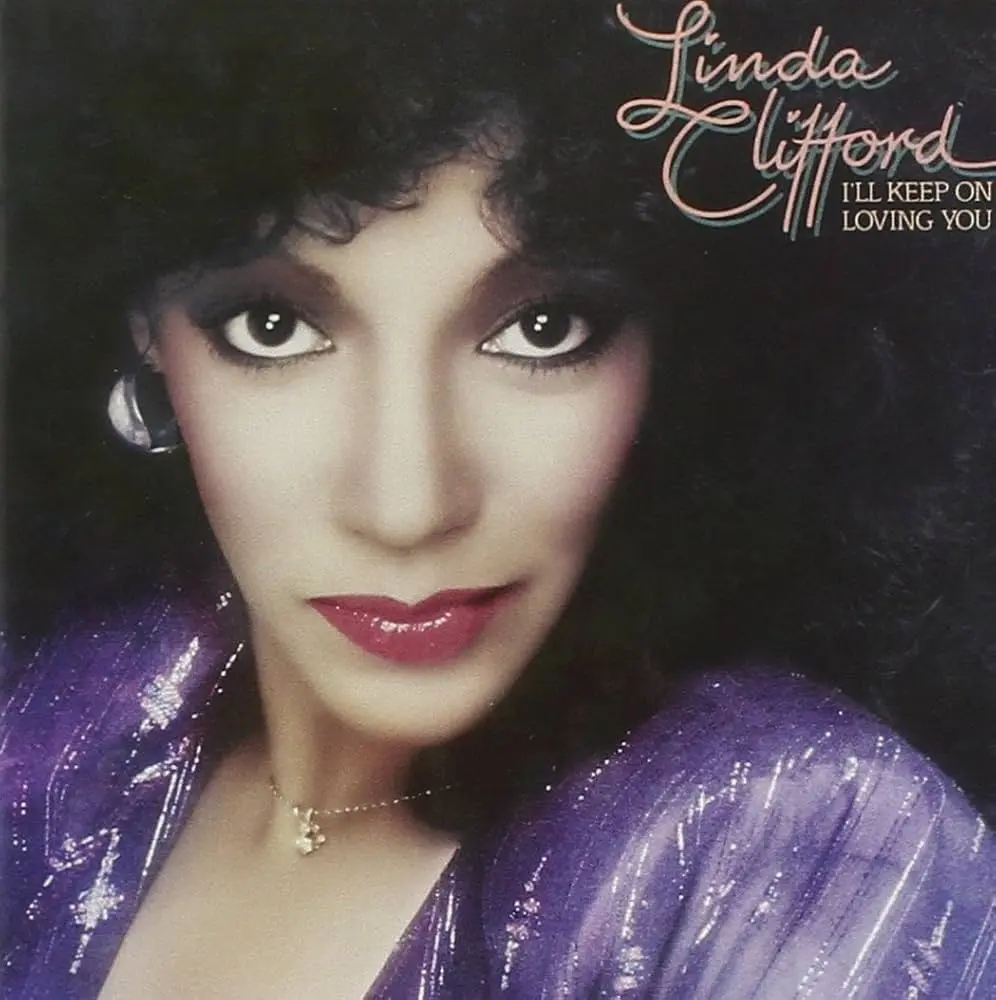 Linda Clifford released her sixth album, I’ll Keep on Loving You, in 1982 on Capitol.
The album blends jazz-inflected soul with funk-driven arrangements, creating a broad backdrop for Clifford’s rich and controlled vocals. Strings, horns, and layered keyboards interweave with percussion and guitar lines to support both up-tempo tracks and softer, contoured ballads.
Dean Pitchford and co-producer Michael Gore wrote five tracks: “Never Say Never,” “Ain’t You Glad,” “Only the Angels Know,” “All the Man I Need,” and “I Lied.” Eddie Fisher and Leo Graham co-wrote “Build a Fire” and teamed with Pitchford on the title track. Jesse Boyce wrote “Let It Ride.”
Tracks split between rhythmic soul and emotive balladry. “Only the Angels Know” stands out with exotic, dreamy instrumentation, while “All the Man I Need” demonstrates Clifford’s dynamic phrasing and tonal depth. Funkier tracks like “Let It Ride” and “Build a Fire” showcase layered percussion, tight bass patterns, and angular guitar lines, while mid-tempo pieces employ richly arranged horns and strings that contour Clifford’s vocal lines with precision. Vocal arrangements by Luther Vandross emphasize harmonies on tracks such as “Ain’t You Glad” and “Only the Angels Know.”
A1. “Let It Ride” (4:37)
A2. “Never Say Never” (4:14)
A3. “Ain’t You Glad” (4:16)
A4. “Build a Fire” (5:36)
B1. “Only the Angels Know” (4:02)
B2. “All the Man I Need” (4:01)
B3. “I’ll Keep on Loving You” (3:43)
B4. “I Lied” (3:12)
B5. “Don’t Come Crying to Me” (6:00)
Sessions occurred at Universal Recording Corp., Chicago, and Media Sound, New York, with Leo Graham and Michael Gore producing. Tracks were mixed at the Hit Factory, New York. James Mack and Leon Pendarvis Jr. arranged the bulk of the tracks, with Vandross arranging vocals on selected songs.
Backing vocals featured Brenda White, Cynthia Elaine Harrell, Erin Dickens, Kitty Haywood, Lani Groves, Leo Graham, Luther Vandross, Mary Ann Stewart, Merle Miller, William Sanders, Tawatha Agee, and Vivian P. Haywood. Guitarists included Byron Gregory, Cliff Morris, Criss Johnson, Hiram Bullock, and Jeff Mironov, while Marcus Miller, Paul Richmond, and Will Lee handled bass duties. Drums were played by Morris Jennings, Rick Marotta, and Yogi Horton, with percussion by Geraldo De Oliveira and Jimmy Maelan. Strings, horns, and synthesizers were provided by a rotating ensemble of session musicians.
The album yielded no noted charting singles, but tracks like “Only the Angels Know” and “All the Man I Need” are frequently highlighted for their vocal and instrumental sophistication, revealing Clifford’s continued command of both disco-inflected soul and more introspective balladry. “All the Man I Need” became a 1990 hit for Whitney Houston.
Sneakin’ Out
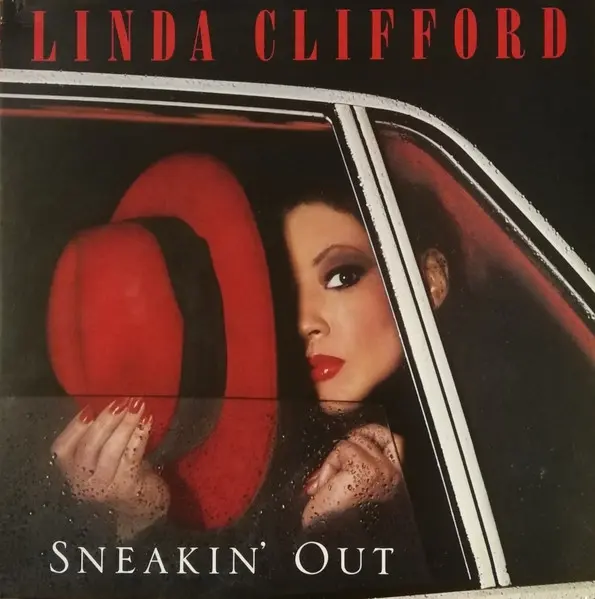 Linda Clifford released her seventh album, Sneakin’ Out, in 1984 on Red Label.
The album presents slick modernized soul with elements of funk and contemporary R&B. Tight arrangements, layered keyboards, and controlled percussion support Clifford’s vocals across both up-tempo tracks and ballads.
Billy Osborne and Zane Giles wrote or co-wrote five tracks, including “We’ve Got Our Chance,” “I Just Want to Hold You,” and “You’re Mine.” Other contributors include Bob Garrett and Marsha Malamet (“A Night With the Boys”), Daniel Ironstone and Mary Unobsky (“One Mistake”), Duncan Pain and Robbie Nevil (“How Do You Say”), and Alex Brown with Ron Kersey (“You’re Mine”). Gerry Stober, Janet Minto, Pamela Barlow, and Peter Schless co-wrote “Love Hostage.”
The songs vary from rhythmic, mid-tempo pieces to more introspective ballads. “How Do You Say” stands out for its contoured vocal lines over steady percussion and layered backing vocals, while tracks like “Sneakin’ Out” feature angular instrumentation with synthesizer and brass punctuations. Vocal arrangements and backing harmonies by Zane Giles, Phillip Ingram, and others provide clarity and texture across the album.
A1. “Sneakin’ Out” (5:03)
A2. “A Night With the Boys” (6:53)
A3. “One Mistake” (3:27)
A4. “We’ve Got Our Chance” (4:55)
B1. “How Do You Say” (5:00)
B2. “Love Hostage” (5:26)
B3. “I Just Want to Hold You” (4:23)
B4. “You’re Mine” (3:44)
Sessions occurred at Hi Gate, Sound Image, Skip Saylor Recording, Ritesonian Recording Studio, Hollywood Sound (all Los Angeles), and Red Label Recording Company, Chicago. Tracks were mastered at Masterdisk, New York, by Howie Weinberg and Fred Breitberg. Producers included Billy Osborne, Zane Giles, and Benjamin Wright, with engineers Elliott Peters, Benjamin Wright, Fred Breitberg, Skip Saylor, and Steve Zerestsky. Arrangements were provided by Gary Lee Jones, Zane Giles, James Davis, and Benjamin Wright, with vocal arrangements handled by Giles and Phillip Ingram.
Guitarists Alan Greene, Charles J. Fearing, and Zane Giles, along with bassists James Jamerson Jr. and others, formed the string and rhythm foundation. Drums and percussion were performed by Alvino Bennett, Shawn Wilson Sullivan, and Steve Reid, while keyboards and synthesizers were contributed by Ed Fluellen, Benjamin Wright, Dan DeSouza, James Davis, and Tony Coleman. Alto saxophone came from Mike Gerry, and layered backing vocals featured Cynthia Vaughns, Marilyn Stewart, Maryann Stewart, Zane Giles, Kevin Dorsey, Lynn Davis, Phillip Ingram, Alphanette Silas, Jean Johnson, and Phyllis St. James.
Art direction was by Mitchell C. Berk with design by Webb Robertz and photography by Don Levey.
The album yielded no charting singles, though “How Do You Say” has been noted as the album’s strongest track for its balanced rhythmic pacing and expressive vocal performance.
My Heart’s on Fire
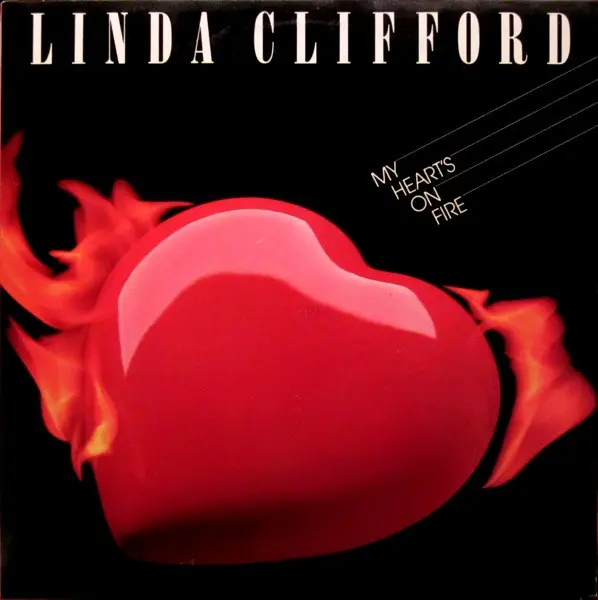 Linda Clifford released her eighth album, My Heart’s on Fire, in 1985 on Red Label.
The album continuing her exploration of polished soul with contemporary R&B textures, balancing layered keyboards, percussion, and string arrangements with Clifford’s controlled, expressive vocals.
Songwriting is spread across multiple contributors. Primary writers include Eltesa Weathersby and Frank Fuchs (“If You Want My Love to Last”), Lawrence Morris and Erma Shaw (“Real Love”), Lenore Bangs, Michael Rochelle, and Thomas Berry (“The Heat in Me”), Doug James and Rhonda Roberts (“X-Ray Eyes”), Mark Mueller and Tom Keane (“Sweet Distraction”), Richard Eastman (“Wrap Your Arms Around Me”), Brent Mason and Keith Stegal (“Here Comes the Night”), and Ronnie Vann with Thomas Berry (“First Offense”).
Rhythm and background arrangements were handled by Derrick Lee, with strings and horns arranged by Lloyd Barry. Backing vocals feature Bob Bailey, Cheryl Fonfara, Donna McElroy, Joanie Pallatto, Johnny Whittaker, Josie DeChristopher, Robin Johnson, and Vicki Hampton. Larry Byrom provided guitar, Bob Wray played bass, and drums were performed by Bobby Daniels, Chris Brooks, and Larrie Loundin. Keyboards and synthesizer programming came from Derrick Lee and Steve Nathan, while The Nashville String Machine and Contraband Horns supplied strings and horn sections. Dennis Solee contributed saxophone solos, and Tom Roady added percussion.
A1. “If You Want My Love to Last” (4:36)
A2. “Real Love” (4:08)
A3. “The Heat in Me” (6:09)
A4. “X-Ray Eyes” (4:40)
B1. “Sweet Distraction” (4:18)
B2. “Wrap Your Arms Around Me” (4:30)
B3. “Here Comes the Night” (3:45)
B4. “First Offense” (5:56)
Sessions occurred at Eleven Eleven Studio in Nashville, Tennessee, with Bobby Daniels producing and Billy Sherrill, Bob Bullock, Harold Lee, and John Abbott engineering. Vocals were engineered by Fred Breitberg and Ron Gresham. Tracks were mastered at Capitol Studios, Hollywood, California, by Fred Breitberg and Wally Traugott.
Art direction was managed by Richard E. Meyer, with photography by Susan Kinast.
Discography:
- “Turn the Key Softly” (Stereo) / “Turn the Key Softly” (Mono) (1974)
- “After Loving You” / “Check Out Your Heart” (1974)
- Linda (1977)
- If My Friends Could See Me Now (1978)
- Here’s My Love (1979)
- Let Me Be Your Woman (1979)
- I’m Yours (1980)
- The Right Combination (1980 • Linda Clifford & Curtis Mayfield)
- I’ll Keep on Loving You (1982)
- Sneakin’ Out (1984)
- My Heart’s on Fire (1985)
Sources:
Artist/Album Pages:
Peter Tosh — aka Winston Hubert MacIntosh (Oct. 19, 1944 — Sept. 11, 1987) — was a Jamaican roots-...
Jay Ferguson (born May 10, 1947) is an American vocalist, keyboardist, and songwriter from Burbank...
Paul McCartney (born June 18, 1942) is an English pop-rock singer, bassist, and songwriter from Li...
Lenny White is an American jazz-rock drummer who emerged behind Miles Davis (Bitches Brew) and Fre...
Ambrosia is an American rock band that released the 1975–76 20th Century albums Ambrosia and Somew...
Shamrock was an American instrumental jazz-funk combo that released a self-titled album on two-pr...
Symphonic Slam was a Canadian maximalist rock trio that released a self-titled album on A&M in...
Druid was an English symphonic-rock band that released the 1975–76 albums Toward the Sun and Fluid...
Locanda delle Fate was an Italian symphonic-rock band that released the 1977 Polydor album Forse l...
Kimiko Kasai — 笠井紀美子 (born Dec. 10, 1945) — is a Japanese jazz vocalist who released a clutch of liv...
Sandra Wright (Oct. 1, 1948 — Jan. 11, 2010) was an American soul singer from Memphis who recorde...
Xmal Deutschland was a German goth-rock band fronted by songwriter Anja Huwe. They cut two 1981/82...