

Paul McCartney (born June 18, 1942) is an English pop-rock singer, bassist, and songwriter from Liverpool who rose to fame as one-fourth of The Beatles, which he co-founded in 1959 with songwriting partner John Lennon. Between 1963 and 1969, they recorded eleven proper studio albums and spearheaded the British beat and psychedelic booms.
McCartney debuted as a solo artist in April 1970 with a self-recorded album on Apple, followed by 1971’s Ram, co-credited to his keyboard-playing wife Linda. Soon after, the couple formed Wings with original Moody Blues frontman Denny Laine. Between 1971 and 1979, Wings released seven studio albums, assorted singles, and a live double-LP with an ever-changing cast of guitarists and drummers.
Wings soared with the 1973 album Band on the Run and the hits “My Love,” “Jets” “Helen Wheels,” “Bluebird,” and “Live and Let Die,” the theme to the eighth James Bond film. They reached peak popularity with their 1975–76 albums Venus and Mars and Wings at the Speed of Sound, spurred by the hits “Let ‘Em In,” “Silly Love Songs,” and “Listen to What the Man Said.”
In 1980, McCartney resumed his solo career with a second eponymous album, followed by the popular 1982 release Tug of War, which reunited him with Beatles producer George Martin. The decade also yielded high-profile collaborations with Stevie Wonder and Michael Jackson, as well as three proper studio albums and a soundtrack between 1983 and 1989.
Wings members: Paul McCartney (vocals, bass, keyboards, guitar, percussion, drums), Linda McCartney (keyboards, vocals), Denny Laine (guitar, vocals, bass), Denny Seiwell (drums, 1971-73), Henry McCullough (guitar, 1971-73), Geoff Britton (drums, 1974-75), Jimmy McCulloch (guitar, vocals, 1974-77), Joe English (drums, vocals, 1975-77), Laurence Juber (guitar, 1978-81), Steve Holley (drums, 1978-81)
Early Life
He was born James Paul McCartney on June 18, 1942, in Liverpool at Walton Hospital where his mother, Mary Patricia (née Mohin), was a certified nurse practitioner. His father, Jim McCartney (1902–1976), was the trumpeter and namesake leader of Jim Mac’s Jazz Band, a 1920s dixieland ensemble. After a period of wartime re-housing, Mary and Jim raised James Paul and his younger brother, Peter Michael (b. January 7, 1944), in a council estate in the Speke, a southeast Liverpool suburb. From childhood, family and peers referred to James Paul by his middle name.
Between 1949 and 1953, Paul attended Joseph Williams Junior School, where he was one of three students (from a class of 90) to pass the 11-plus exam, which gained him entrance to the Liverpool Institute. In 1954, he befriended schoolmate George Harrison (b. 1953) on a bus ride from Speke. That year, the McCartneys moved to 20 Forthlin Road in Allerton. On Halloween 1956, Mary died of an embolism from complications over breast cancer surgery.
Jim McCartney kept an upright household piano and encouraged his sons’ musical activities. He wanted Paul to train as a classical pianist but the young McCartney preferred to play by ear. Jim gifted Paul a nickel-plated trumpet for his fourteenth birthday, which coincided with the UK arrival of rock ‘n’ roll via Radio Luxembourg. In light of this development, Paul traded the trumpet for a Framus Zenith (model 17) acoustic guitar, which allowed him to sing and play simultaneously. Peter Michael (later known as Mike McGear) also took up piano and guitar.
As a left-handed individual, Paul found it hard to play right-handed instruments. Inspired by left-handed American country singer Slim Whitman, Paul reversed the strings on his guitar. He used the Zenith to write his first ever song, “I Lost My Little Girl.” He idolized American rock ‘n’ roller Little Richard. Paul made his first public performance at a talent competition at Butlin’s Filey holiday camp, where he performed Richard’s 1956 hit “Long Tall Sally.”
On July 6, 1957, Paul attended a fête at St Peter’s Church in Woolton, where he met singer–guitarist John Lennon, the sixteen-year-old frontman of The Quarrymen, a Liverpool rock and skiffle band. They soon on-boarded Paul as a rhythm guitarist. Paul formed a songwriting partnership with John. In 1958, Paul brought his fifteen-year-old friend George Harrison into the fold. After the Quarrymen’s breakup, the three reconstituted as the Silver Beetles with Lennon’s bassist friend Stuart Sutcliffe.
1970
McCartney
 Paul McCartney released his debut solo album, McCartney, on April 17, 1970, on Apple.
He recorded the album during a period of personal withdrawal following John Lennon’s announcement to leave the Beatles in September 1969. In the months that followed, McCartney secluded himself with wife Linda and their family in Scotland, where he began writing and revisiting unfinished material.
The project evolved independently from the Beatles’ operations at Apple and was recorded in secret with minimal equipment, using a Studer four-track in his London home before transferring sessions to Morgan Studios and EMI Abbey Road. Linda McCartney contributed backing vocals on select tracks, but otherwise McCartney performed the entire album alone, layering acoustic and electric guitars, piano, organ, Mellotron, percussion, and bass.
McCartney presents a domestic, rough-edged document rooted in themes of retreat, love, and inner rebuilding. Though McCartney intended no overt statement, the album’s lo-fi character and timing made it emblematic of the Beatles’ end.
The opening track, “The Lovely Linda,” began as a test run of McCartney’s home recorder but was preserved for its spontaneity and affectionate tone. “That Would Be Something” follows with a spare blues shuffle, built from rhythmic guitar and layered percussion. “Valentine Day,” an instrumental, and the later “Momma Miss America,” were both assembled live in the studio with successive overdubs, their titles applied retroactively. “Every Night” reworks a song drafted during the Beatles’ Get Back rehearsals, grounding a verse-chorus structure in a lyrical withdrawal from professional routine toward the comforts of home. “Hot as Sun/Glasses” splices an instrumental from McCartney’s teenage years with an experimental tape piece built from tuned wineglasses.
“Junk,” composed in India in 1968, reappears here in both sung and instrumental versions; the lyrical variant catalogs abandoned goods in a melancholic tone, while “Singalong Junk” overlays Mellotron strings atop the theme. “Man We Was Lonely,” recorded in a single day, features Linda’s most prominent harmonies and shifts between jaunty verses and introspective refrains. “Oo You” adopts a fuzz-toned garage aesthetic, while “Teddy Boy,” first tried by the Beatles in 1969, tells a fragmented story of maternal detachment and romantic interruption. “Maybe I’m Amazed,” recorded at Abbey Road in February 1970, centers the album with a piano-driven ballad that grows into a soaring affirmation of love’s steadiness through emotional turbulence. The final track, “Kreen-Akrore,” draws from a TV documentary about Amazonian tribes and unfolds as a multi-part percussive piece with impressionistic vocals and primitive effects.
A1. “The Lovely Linda” (0:43)
A2. “That Would Be Something” (2:38)
A3. “Valentine Day” (1:39)
A4. “Every Night” (2:31)
A5. “Hot as Sun/Glasses” (2:07)
A6. “Junk” (1:54)
A7. “Man We Was Lonely” (2:56)
B1. “Oo You” (2:48)
B2. “Momma Miss America” (4:04)
B3. “Teddy Boy” (2:22)
B4. “Singalong Junk” (2:34)
B5. “Maybe I’m Amazed” (3:53)
B6. “Kreen-Akrore” (4:15)
McCartney recorded the initial takes at his Cavendish Avenue home using a four-track Studer recorder, without a mixing desk. He played all instruments and built tracks layer by layer. In February 1970, he transferred the home-recorded material to Morgan Studios to continue overdubbing on eight-track tape. Mixing and final tracking occurred at EMI Studios under the pseudonym Billy Martin. Most of the album’s arrangements were developed without assistance, apart from Linda’s occasional backing vocals and vocal effects on “Kreen-Akrore.” McCartney completed all mixing by March 23, 1970, the same week that Phil Spector finalized mixes for the Beatles’ Let It Be in an adjacent Abbey Road studio.
Though McCartney declined to release any singles from the album in 1970, “Maybe I’m Amazed” received considerable radio airplay and grew in stature over time. In 1977, a live recording from Wings Over America was issued as a single and reached No. 10 in the US and No. 28 in the UK. That version, recorded in Kansas City in 1976, became McCartney’s first post-Beatles solo hit single and remains one of his most recognized songs. A promotional film with still images aired on The Ed Sullivan Show and contributed to the song’s exposure. Later covers included versions by Faces (1970), Fickle Pickle (1971, NL #36), and live interpretations on multiple McCartney concert albums.
Though “Every Night” was not issued as a single by McCartney, it found release through other artists. Billy Joe Royal issued a US single in August 1970 that peaked at No. 113. Phoebe Snow recorded the song for her 1978 album Against the Grain and charted in multiple territories, reaching No. 37 in the UK, No. 22 in Australia, and No. 6 in New Zealand. McCartney himself featured the song in live performances beginning in 1979 and included it on several live albums and compilations.
McCartney issued McCartney during a time of organizational conflict at Apple Records. Originally scheduled for April 17, the release date was challenged by Allen Klein and other Beatles members due to its overlap with the planned release of Let It Be and Ringo Starr’s Sentimental Journey. McCartney refused to delay the album and clashed directly with Starr, ultimately securing the release through legal and executive pressure. To explain the project, he supplied a self-interview to the press that skirted direct declarations but clearly signaled his intent to leave the Beatles. Headlines followed on April 10 with reports that McCartney had quit the band, a claim that overshadowed the album and catalyzed the public breakup of the Beatles.
McCartney entered the UK Albums Chart at No. 2 behind Simon & Garfunkel’s Bridge Over Troubled Water. In the US, it reached No. 1 on May 23, 1970, and held that position for three weeks. It sold over one million copies within its first month in the US and was eventually certified double platinum. The album charted globally, reaching No. 1 in Canada, No. 2 in Sweden and Norway, No. 3 in Australia and the Netherlands, and top five in France and Spain. A 50th anniversary half-speed mastered edition was issued for Record Store Day on September 26, 2020, and the album has been included in box sets and archive collections.
Gordon House and Roger Huggett executed McCartney’s gatefold design with family photos by Linda McCartney. The back cover image of Paul holding baby Mary inside his coat became an enduring symbol of domestic retreat. No singles accompanied the original release, and McCartney has retroactively described the album as one of rock’s first “indie” records for its homespun sound and lack of commercial polish. Over time, the album gained recognition for its influence on lo-fi aesthetics and the home recording movement, and has been credited with setting a precedent for self-produced, personal studio albums across the following decades.
1971
“Another Day”
 On February 19, 1971, Paul McCartney released the standalone single “Another Day,” an acoustic narrative vignette backed with the gritty blues rocker “Oh Woman, Oh Why.”
“Another Day” marked McCartney’s debut as a solo singles artist following the dissolution of the Beatles. Written in collaboration with his wife Linda, the song adopts an observational style to depict the routine and emotional solitude of a working woman. Its third-person lyricism mirrors the empathetic detachment of “Eleanor Rigby,” but shifts the setting from urban alienation to the domestic stillness of New York life. The verses unfold with quiet description—morning rituals, office tedium, lonely lunches—while the chorus offers a melancholy refrain that underscores her cyclical existence. McCartney recorded the track during the Ram sessions at Columbia and A&R Studios in New York, using acoustic guitar, melodic bass, and double-tracked harmonies with Linda. David Spinozza played electric guitar and Denny Seiwell provided brushed drums and subtle percussive accents, including a rhythm tapped on a telephone book.
The B-side, “Oh Woman, Oh Why,” offers a sharp contrast in tone. McCartney wrote it in response to growing unease with persistent fans who followed him throughout New York. He constructed a fictional scene in which a man faces a furious partner brandishing a gun, and gave the lyric physical weight through a raw, unrestrained vocal performance. Denny Seiwell’s heavy drums and shaker anchor the track’s pulse while Hugh McCracken lays down slashing slide guitar, partially modeled on Mick Jagger’s phrasing in “Memo from Turner.” McCartney recorded two layers of electric guitar and a bassline that circles the vocal in clipped, urgent phrases. For the song’s climax, he added a burst of gunshot effects using a starter pistol, carefully captured in the hallway outside Studio A-2 to avoid overloading the mics. Linda’s harmonies, compressed and bounced down during overdubs, add a shadowy counterpoint beneath his shouted lines.
A. “Another Day” (3:41)
B. “Oh Woman, Oh Why” (4:32)
Dixon Van Winkle mixed the single for rush release after McCartney asked him to choose a standout from the recent sessions. Without remixing, they pressed a hundred copies for radio and moved quickly to issue it on the same day McCartney was due in London’s High Court for the opening proceedings of the Beatles’ partnership dissolution. “Another Day” reached No. 2 in the UK, No. 5 in the US, and topped the charts in Australia and France.
Though never intended as an album cut, “Oh Woman, Oh Why” became one of McCartney’s most aggressive post-Beatles statements. Despite its status as a B-side, it reached No. 5 on the Billboard Hot 100 as part of the single’s combined chart performance. The song reappeared in the 2012 deluxe reissue of Ram and the 2022 7” Singles Box, securing its place in the narrative of McCartney’s early solo experiments with genre contrast, character voice, and studio effect.
Ram
 On May 17, 1971, Paul and Linda McCartney released Ram, their only album as a duo.
McCartney conceived the album during a self-imposed retreat following the Beatles’ breakup and the solitary process behind his first solo album McCartney. For Ram, he shifted course—gathering a band, involving Linda more directly in co-writing, and crafting a more ambitious, layered studio album. Sessions took place in New York and Los Angeles between October 1970 and April 1971. McCartney worked with guitarists David Spinozza and Hugh McCracken, drummer Denny Seiwell, and various orchestral players drawn from the New York Philharmonic. Though often seen as whimsical or fragmented, Ram binds disparate textures and song fragments into a carefully sequenced cycle that showcases McCartney’s facility for melodic invention, vocal harmony, and domestic imagination. The lyrics gesture toward private happiness, unresolved feuds, and rural escape, often layered with veiled commentary or tonal ambiguity.
The album opens with “Too Many People,” a slashing rhythm guitar figure layered with distant vocals and flanged brass, leading into pointed lines aimed—however subtly—at former bandmates. “3 Legs” follows with a swampy trio format, its gruff delivery reading as a metaphor for fractured bonds. “Ram On” shifts to ukulele and falsetto in a brief sketch reprised later in the sequence. “Dear Boy,” co-written with Linda, moves through interlocking piano and vocal harmonies in a tightly compressed chamber-pop arrangement. “Uncle Albert/Admiral Halsey” fuses multiple song fragments with orchestral scoring, thunder effects, and contrasting vocal characters in a dynamic studio collage. “Smile Away” closes the side with a shouted refrain and distorted guitar work over a stomping rhythm.
Side two opens with “Heart of the Country,” a fingerpicked acoustic tune with bass slaps and pastoral phrasing. “Monkberry Moon Delight” brings a gravel-throated vocal, fractured lyrics, and an unrelenting piano line underpinned by choral bursts. “Eat at Home,” McCartney’s Buddy Holly homage, rides a brisk, bright tempo and tight backing vocals. “Long Haired Lady” weaves multiple song sections with Linda’s co-lead vocals and a spacious orchestral fade. The second “Ram On” fragment leads into “The Back Seat of My Car,” a miniature suite with arcing strings, romantic piano, and rising vocal lines that build toward a defiant climax.
A1. “Too Many People” (4:10)
A2. “3 Legs” (2:44)
A3. “Ram On” (2:26)
A4. “Dear Boy” (2:12)
A5. “Uncle Albert/Admiral Halsey” (4:49)
A6. “Smile Away” (3:51)
B1. “Heart of the Country” (2:21)
B2. “Monkberry Moon Delight” (5:21)
B3. “Eat at Home” (3:18)
B4. “Long Haired Lady” (5:54)
B5. “Ram On (Reprise)” (0:52)
B6. “The Back Seat of My Car” (4:26)
Initial sessions took place at Columbia Studios in New York, where McCartney tracked rhythm parts with Seiwell and either Spinozza or McCracken, then overdubbed bass and vocals separately. Additional takes were recorded at A&R Studios and, later, Sound Recording in Los Angeles. Paul and Linda finalized vocal takes and arrangements with engineer Eirik Wangberg, who independently sequenced and mixed the album. Orchestral sections were recorded at A&R under the arrangement of George Martin, who contributed to “Uncle Albert/Admiral Halsey,” “The Back Seat of My Car,” and “Long Haired Lady.” McCartney’s daughter Heather sang backing vocals on “Monkberry Moon Delight.” Wangberg blended songs, added stereo thunder effects, and prepared both stereo and mono versions. A mono mix was issued only to US radio stations and has since become a prized collector’s item.
“Uncle Albert/Admiral Halsey” appeared as the first US single on August 2, 1971, with “Too Many People” on the B-side. Its fragmented structure—mirroring the Beatles’ Abbey Road medley—wove together three thematic segments with contrasting styles and sound effects. It topped the Billboard Hot 100 on September 4, 1971, giving McCartney his first post-Beatles US No. 1. The single earned a Grammy for Best Arrangement Accompanying Vocalist(s) and achieved gold certification. It later appeared on Wings Greatest and multiple McCartney compilations.
In the UK, Apple issued “The Back Seat of My Car” as a single on August 13, 1971, with “Heart of the Country” as the B-side. Despite orchestral flair and dramatic key shifts, it peaked at No. 39 and faded quickly. McCartney had presented the song in rough form during the Beatles’ Get Back rehearsals, and he reworked it into a romantic climax for Ram. The orchestration was recorded in January 1971 under McCartney’s direction, scored by George Martin.
“Eat at Home” was released on September 2, 1971, in select markets outside the UK and US. It reached No. 7 in the Netherlands and No. 6 in Norway. Though not issued as a domestic single, the track gained US airplay and circulated heavily on jukeboxes. McCartney’s lyric references his own domestic contentment, and the arrangement nods to Buddy Holly, complete with ascending bridge figures and bright melodic turns.
“Another Day,” recorded during Ram sessions, preceded the album’s release as a standalone single on February 19, 1971, with “Oh Woman, Oh Why” on the B-side. It marked McCartney’s first post-Beatles hit, reaching No. 5 in the UK and No. 1 in Australia. The song did not appear on the album, but was included in later reissues and box sets.
Ram reached No. 1 in the UK and topped the charts in Canada, the Netherlands, Norway, and Spain. It peaked at No. 2 in the US and stayed in the Top 10 for more than five months, achieving platinum status. Over time, it sold more than three million copies worldwide. Early UK and US pressings included a fold-out lyric insert with photos of McCartney’s family on their Scottish farm. The front cover features McCartney grasping a ram by its horns, while the back shows two beetles in a mating position—a visual pun some interpreted as a comment on his ex-bandmates.
The album’s initial reception was divided. Some dismissed it as trivial or self-indulgent, while others admired its melodic reach and production detail. John Lennon openly mocked the album, and elements of “Too Many People” and “3 Legs” were widely read as thinly veiled critiques of him and Yoko Ono. In response, Lennon recorded “How Do You Sleep?” with contributions from George Harrison. Despite the feud, McCartney later sought reconciliation through “Dear Friend” on Wild Life.
Over the decades, Ram gained significant reevaluation and is now considered a cornerstone of McCartney’s solo output. A 1977 instrumental version, Thrillington, recorded in June 1971, was released under the pseudonym Percy “Thrills” Thrillington. The 2012 Archive Collection box included both albums, the mono mix, and eight bonus session tracks. In 2021, Ram On: The 50th Anniversary Tribute to Paul and Linda McCartney’s Ram featured contributions from original session players Denny Seiwell and David Spinozza alongside contemporary artists. The album’s legacy lies in its detailed arrangements, fragmented song structures, and free-spirited tone that prefigured later indie pop aesthetics while anchoring McCartney’s early solo identity.
Wings
Wild Life
 Wings released their debut album, Wild Life, on December 7, 1971, on Apple. It features nine Paul–Linda originals and a cover of the 1957 Mickey & Sylvia hit “Love Is Strange.”
McCartney formed Wings in mid-1971 after Ram, recruiting guitarist Denny Laine, drummer Denny Seiwell, and retaining Linda McCartney as a co-writer and co-vocalist. The band rehearsed the material at Rude Studio in Scotland before heading to EMI Studios in London, where they tracked the album across several sessions between July 24 and September 4. Most of the songs reflect a spontaneous, stripped-down approach rooted in loose arrangements and casual performance. McCartney favored immediacy over polish, allowing sections of improvisation, minimal editing, and raw tape ambiance to remain. Though conceived as a full-band debut, Paul handled the lead vocal and most instruments across the album, with Linda contributing harmony and occasional co-lead vocals and Laine supporting with rhythm guitar, keyboards, and backing lines. Seiwell retained his role as drummer from the Ram sessions. The resulting album documents the band’s embryonic chemistry through rudimentary themes and one-off takes shaped in real time.
“Mumbo” opens the album with a spontaneous studio jam. McCartney shouts the title phrase across clipped piano chords and distorted guitar riffs while Seiwell pushes the tempo forward with rapid fills. “Bip Bop” follows in a quieter register, using a circular acoustic riff and wordless vocal patterns in a minimalist structure that prioritizes feel over form. “Love Is Strange” resets the tempo in a reggae rhythm, reimagining Mickey & Sylvia’s original as a call-and-response number with Linda duetting on the refrains. “Wild Life,” the title track, stretches into a slow-paced protest, alternating drawn-out vocal lines with stark piano chords and ambient phasing effects. McCartney delivers the lines in an affected register, letting the lyrics’ ambiguity settle beneath the production haze.
“Some People Never Know” marks the album’s structural centerpiece, pivoting from acoustic verses into an extended instrumental coda with layered harmony vocals, percussion, and interlocking guitar lines. “I Am Your Singer” pairs Linda’s co-lead with a two-chord pulse and recorder lines, yielding the album’s most folk-oriented track. “Tomorrow” builds on a piano figure introduced during the Ram demos, growing into a ballad with gospel phrasing and full-band lift in the final minutes. “Dear Friend,” recorded earlier during the Ram sessions, closes the album with its most direct statement—an open letter of reconciliation to John Lennon, built on sustained piano chords and intermittent string lines. McCartney’s vocal alternates between plea and reflection, the arrangement held together by a single live take with minimal embellishment.
A1. “Mumbo” (3:54)
A2. “Bip Bop” (4:14)
A3. “Love Is Strange” (4:50)
A4. “Wild Life” (6:48)
B1. “Some People Never Know” (6:35)
B2. “I Am Your Singer” (2:15)
B3. “Bip Bop (Link)” (0:52)
B4. “Tomorrow” (3:28)
B5. “Dear Friend” (5:53)
B6. “Mumbo (Link)” (0:46)
Sessions took place at Abbey Road Studios with engineers Tony Clark and Alan Parsons. McCartney handled bass, guitar, piano, and keyboard duties, while Laine alternated on second guitar, piano, and harmonies. Seiwell played drums throughout and added percussion. Linda contributed harmonies, co-lead vocals, and backing keyboards. Tony Clark recalled capturing “Mumbo” by rolling tape on a studio jam; McCartney’s opening line, “Take it, Tony,” was directed at the control room. “Dear Friend” was recorded in a single pass during the Ram sessions, with later orchestral additions handled at Abbey Road. Alan Parsons’ original rough mix of “I Am Your Singer” became the final version after McCartney chose to preserve its immediacy. Additional overdubs were added in October before the final mixes were prepared.
“Love Is Strange” was scheduled as the album’s lead single in the UK and given a promotional release under Apple catalog no. R5932 in December 1971, but the full release was pulled due to weak chart projections. Though never issued commercially, its reggae adaptation drew interest as one of the album’s few uptempo tracks and resurfaced on later reissues. McCartney included a radio edit of the song in the 2018 Archive Collection box set.
“Tomorrow” gained belated attention after David Cassidy recorded a cover version in 1976 for his album Home Is Where the Heart Is. Released as a single in South Africa, it reached No. 10. Cassidy’s version slows the tempo and emphasizes the balladic side of McCartney’s original. Paul later praised the rendition, noting that Cassidy had “taken the song to its ultimate potential.” McCartney himself later revisited the track in reggae style during a 1975 instrumental session and again during the One Hand Clapping sessions, though neither version appeared officially until decades later.
“Dear Friend” became the album’s most discussed track due to its implied role in the public thaw between Lennon and McCartney. Framed as a letter of peace after the acrimony of “Too Many People” and “How Do You Sleep?,” the song places Paul in a subdued vocal zone, letting the lyrics of reflection and forgiveness carry through a sparsely arranged backdrop. It was not issued as a single but gained respect as one of the album’s most emotionally resonant moments and was later featured in retrospectives of McCartney’s ballads.
Wild Life reached No. 11 on the UK Albums Chart and No. 10 in the US, where it earned gold certification. It climbed to No. 2 in Spain, No. 3 in Australia and Sweden, and held Top 10 positions across Canada, the Netherlands, and Norway. Early pressings included hidden reprises of “Bip Bop” and “Mumbo” as unlisted codas. The gatefold sleeve features a soft-focus photo of Paul, Linda, Laine, and Seiwell in a pastoral field, reflecting the casual ethos of the sessions. McCartney officially unveiled Wings during a London press event on November 8, 1971, announcing plans to tour in support of the album.
The 2018 Archive Collection reissue included home demos, alternate mixes, unreleased outtakes, and early performances of “Hey Diddle” and “Bip Bop” recorded in Scotland. Though not as commercially enduring as later Wings albums, Wild Life remains a unique document of the band’s formative moment, balancing instinctive looseness with glimpses of deeper reconciliation and romantic cohesion.
1972
In February 1972, Wings launched an impromptu UK university tour to establish the band as a live unit following Wild Life. Rehearsals ran February 2–7 at London’s Institute of Contemporary Arts, captured on film, before the tour began on February 9 in Nottingham after an aborted stop at Ashby de la Zouch. Paul McCartney played his first paid concert since 1966 at Nottingham University, with shows often arranged on arrival and priced cheaply for students. The band moved through York, Hull, Newcastle, Lancaster, Leeds, Sheffield, Salford, Birmingham, Swansea, and Oxford, concluding on February 23. Power cuts from the miners’ strike affected logistics in Leeds, while word-of-mouth quickly filled halls in Hull and elsewhere. The run coincided with the release and onstage debut of “Give Ireland Back to the Irish,” which drew attention amid BBC airplay bans and sharpened the tour’s political context.
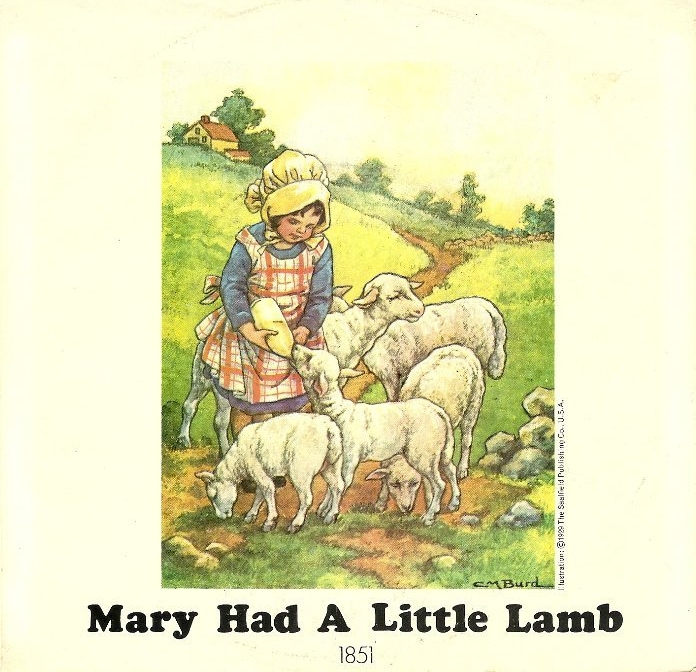
From July 9 to August 24, 1972, Wings expanded the live format across continental Europe, traveling by double-decker bus to promote the recent singles “Give Ireland Back to the Irish” and “Mary Had a Little Lamb” and to record material for a prospective live release. The tour opened in southern France at Ollioules and Juan-les-Pins, reached Paris on July 16, then moved through Germany, Switzerland, Scandinavia, and the Netherlands, with key dates at Munich’s Circus Krone, Copenhagen’s K.B. Hallen, Stockholm’s Gröna Lund, Amsterdam’s Concertgebouw on August 20, and The Hague on August 21, where “The Mess” was recorded for release as a B-side. On August 10 in Gothenburg, Paul and Linda McCartney were fined for marijuana possession, generating international publicity that followed the tour through its final shows in Antwerp and West Berlin. Although the intended live album was delayed for decades, performances from the tour later surfaced across archive releases, documenting the band’s rapid transition from low-key university halls to major European venues within a single year.
“Give Ireland Back to the Irish”
 On February 25, 1972, Paul McCartney & Wings released “Give Ireland Back to the Irish,” a politically charged single issued in direct response to the Bloody Sunday massacre in Derry on January 30. Framed as a protest against the British Army’s actions, the song marked McCartney’s first foray into overt political commentary and served as Wings’ debut release, arriving just two months after their Wild Life LP.
McCartney wrote the song the day after the shootings, motivated by his shock at the killing of thirteen unarmed civil rights marchers. Drawing on his Irish heritage, he delivered a plainspoken demand for national sovereignty with a directness that bypassed metaphor. He recorded the track two days later at Abbey Road with Linda McCartney on backing vocals and electric piano, Denny Laine and Henry McCullough on guitars, and Denny Seiwell on drums. Though simplistic in structure, the message carried emotional urgency, sharpened by McCartney’s decision to release the song immediately, bypassing EMI executives’ warnings about potential backlash. The arrangement remains spare and raw, driven by a forceful vocal take and clipped rhythm guitar against a martial rhythm, accentuated by handclaps and a deliberately rough studio mix.
A. “Give Ireland Back to the Irish” (3:42)
B. “Give Ireland Back to the Irish (Version)” (3:42)
Banned by the BBC, Radio Luxembourg, and the Independent Television Authority, the single became a political flashpoint rather than a radio staple. Yet it still peaked at No. 16 on the UK Singles Chart, No. 21 in the US, and rose to No. 1 in Ireland and Spain. In the US, airplay was minimal, but the controversy helped boost curiosity and sales, particularly among sympathizers of the Irish nationalist cause. McCartney anticipated censorship and doubled down on the title by naming the B-side “Give Ireland Back to the Irish (Version),” an instrumental built from the rhythm track of the A-side. On top of the existing drums and bass, he and McCullough overdubbed intertwining lead guitar parts and added a penny whistle melody in a nod to traditional Irish instrumentation. The mix was purposefully muddy, mimicking the dub-style B-sides of Jamaican singles and ensuring that even DJs trying to avoid the lyric would still repeat the song’s name on air.
The single coincided with Wings’ first concert tour—an unannounced run of English and Welsh university shows where the band introduced themselves without advance publicity. They performed the song at each stop, including during the week of the BBC ban. McCartney responded to the censorship with defiance, insisting that it was time for artists to speak plainly when governments overstepped their bounds. Guitarist Henry McCullough, a Protestant from Northern Ireland, reportedly expressed unease about the song’s implications, and later faced physical retaliation against his family.
Despite mixed reception—some saw the lyrics as naïve and the timing opportunistic—“Give Ireland Back to the Irish” left a lasting imprint. Its notoriety contributed to its initial chart success, and the controversy lingered long after the single dropped out of rotation. McCartney later excluded the track from retrospective collections, including Wingspan, at EMI’s urging, though it returned in the 1993 and 2018 Wild Life reissues and the 2022 7″ Singles Box. Whether viewed as misjudged or brave, the song remains a rare moment where McCartney put message ahead of melody, challenging his apolitical image and engaging directly with a crisis that shook the UK.
“Mary Had a Little Lamb”
“Hi, Hi, Hi”
 On December 1, 1972, Paul McCartney & Wings dropped the double A-side single “Hi, Hi, Hi” backed with “C Moon,” pairing glam-rock energy with reggae-infused playfulness. It arrived just six months after the whimsical “Mary Had a Little Lamb” and represented a pivot back to provocative, high-octane rock—complete with enough lyrical suggestion to earn a ban from the BBC.
“Hi, Hi, Hi” rides in with a strutting glam beat, stoked by distorted guitars, tight harmonies, and McCartney’s driving basslines. The track opens in swagger mode and never backs down, throwing out suggestive phrases and teasing rhythms that fuel its rebellious charm. Paul belts the lead vocal with the swagger of a frontman rediscovering his edge, while Linda adds layered organ and harmonies that help smooth the sonic edges. Denny Laine and Henry McCullough punch in crisp electric guitar leads, and Denny Seiwell locks it down on drums and cowbell, pushing the tempo into overdrive during the song’s climactic instrumental break. The track’s celebratory refrain—“we’re gonna get hi, hi, hi”—triggered alarm bells at the BBC, who yanked it off the air for perceived drug references and a disputed lyric that McCartney later insisted was “polygon,” not “body gun.” Regardless of intent, the censorship only boosted the song’s appeal, turning it into a rebellious fan favorite. McCartney leaned into the controversy, often introducing it live with the line: “This one was banned!”
On the flip side, “C Moon” brought a breezy contrast rooted in reggae and rocksteady vibes. McCartney pulled the title from a slang decoding of Sam the Sham’s “Wooly Bully,” explaining that if “L7” meant square, then “C Moon”—a crescent, open curve—meant the opposite: cool. Built around a shuffled pattern in C major and laid-back vocals, the song unspools in loose, lilting motion. Instrumental roles shift: McCullough sets down his guitar to play drums and tambourine, Laine handles bass, and Seiwell trades in his kit for xylophone and cornet. This playful reordering adds to the song’s offbeat charm, while the missed cue left in the intro only underscores its unpolished, homespun vibe.
A. “Hi, Hi, Hi” (3:07)
A. “C Moon” (4:33)
Issued in the UK on December 1 and in the US on December 4, the single made a strong impact despite its ban. In the UK, it climbed to No. 5, while in the US it hit No. 10 in January 1973. It topped the charts in Spain and landed in the top 20 in Ireland. McCartney later folded it into his Wings Greatest and Wingspan compilations and included it in the deluxe Red Rose Speedway reissues and the 2022 7″ Singles Box.
“C Moon” found favor in the UK after the BBC sidelined “Hi, Hi, Hi,” receiving airplay that helped lift the single’s combined chart position. While the US paid little attention to the B-side, it later gained archival recognition through its inclusion in McCartney’s box sets and expanded album editions.
1973
Wings launched their 1973 UK Tour on May 11, performing across 12 British cities to support the Red Rose Speedway album and the “Live and Let Die” single. Unlike their previous informal outings, this tour followed a traditional format with advance ticket sales and scheduled venues, beginning at the Bristol Hippodrome and wrapping on July 10 at Newcastle City Hall. Highlights included three sold-out shows at London’s Hammersmith Odeon and a return to McCartney’s hometown at the Liverpool Empire on May 18. Brinsley Schwarz served as the opening act.
Behind the scenes, tensions simmered. Guitarist Henry McCullough and drummer Denny Seiwell grew increasingly dissatisfied with flat wages and Linda McCartney’s musical role, despite her improvement on keyboards. Both would depart the band weeks later, just before the Band on the Run sessions in Lagos. During a tour break, Paul and Linda discovered and purchased their future home, Waterfall, in Peasmarsh, Surrey. Despite growing internal strain, the tour marked Wings’ most organized and ambitious live effort to date.
Red Rose Speedway
 Wings released their second album, Red Rose Speedway, on April 30, 1973, on Apple. Technically, the album was billed as Paul McCartney & Wings.
Across a fragmented year of studio work and touring in 1972, Wings expanded to a five-piece with the addition of guitarist Henry McCullough and entered a prolific stretch that yielded multiple non-album singles and a series of LP sessions. McCartney initially envisioned the album as a double-length showcase of the band’s versatility, incorporating live tracks, orchestral pop, ballads, and glam-leaning rockers. EMI pushed for a condensed single LP amid doubts over Wings’ chart power, prompting McCartney to emphasize cohesion and accessibility. Though Denny Laine and McCullough both expressed disappointment with the track selection, the final album retained Wings’ vocal blend and featured Paul and Linda’s writing on all nine songs. McCartney handled bass, vocals, piano, and keyboards across the record, with Linda contributing organ and backing vocals. Laine and McCullough split guitar duties, and Denny Seiwell remained on drums from the prior lineup. Several tracks date from earlier sessions—including two Ram-era holdovers—while newer material was shaped in tandem with singles like “Hi, Hi, Hi” and the live B-side “The Mess.”
“Big Barn Bed” opens the album with stuttering drums, abrupt chord changes, and spiraled lyric fragments. McCartney builds the vocal refrain in looped figures while Laine and McCullough interlock around a churning rhythm. “My Love” follows in an orchestrated ballad format with a tremoloed string arrangement and a live-studio blend of piano, orchestra, and band. McCullough’s improvised solo interrupts McCartney’s formal control and lends the track its defining moment. “Get on the Right Thing,” salvaged from Ram, reenters with gospel-inflected vocals, bright harmonies, and a call-and-response chorus framed by climbing melodic turns. “One More Kiss” shifts into 1950s balladry with brushed drums and close-miked vocals over a gently modulated chord pattern. “Little Lamb Dragonfly” merges two related fragments into a suite that combines soft acoustic passages with pastoral orchestration and wordless la-la refrains.
“Single Pigeon” opens side two in miniature, pivoting from solo piano to sudden ensemble bursts. “When the Night” expands the mood into a staccato swing rhythm with descending backup lines and rock-and-roll phrasing. “Loup (1st Indian on the Moon)” shifts into ambient experimental territory with chant vocals, Moog oscillations, and stereo-panned delays atop a tribal drum figure. The album closes with an 11-minute medley of four interconnected tracks—“Hold Me Tight,” “Lazy Dynamite,” “Hands of Love,” and “Power Cut”—each marked by short motifs and tonal shifts. McCartney threads the suite with overlapping harmonies and sequenced reprises, echoing the format of the Abbey Road medley.
A1. “Big Barn Bed” (3:48)
A2. “My Love” (4:07)
A3. “Get on the Right Thing” (4:17)
A4. “One More Kiss” (2:28)
A5. “Little Lamb Dragonfly” (6:20)
B1. “Single Pigeon” (1:52)
B2. “When the Night” (3:38)
B3. “Loup (1st Indian on the Moon)” (4:23)
B4. “Medley: Hold Me Tight / Lazy Dynamite / Hands of Love / Power Cut” (11:14)
Recording sessions began on March 6, 1972, at Olympic Studios with Glyn Johns, but the producer’s friction with McCartney curtailed the partnership. McCartney then tracked at Trident, Island, Morgan, and Abbey Road Studios, assembling a large volume of material across six months. Earlier Ram takes such as “Get on the Right Thing” and “Little Lamb Dragonfly” were revived, with fresh overdubs and vocals added. McCartney tracked “My Love” at Abbey Road with a 50-piece orchestra under Richard Hewson’s direction, capturing the entire take live with band and strings. Henry McCullough recorded his solo without a prior arrangement, marking a key deviation from McCartney’s usual scripting. The album’s running order was finalized in early 1973 after EMI pressured McCartney to cut the double LP format. Outtakes from the period included “The Mess,” “Tragedy,” “Mama’s Little Girl,” “1882,” “Jazz Street,” and several live recordings from the Wings Over Europe tour.
Apple issued “My Love” on March 23, 1973, backed with “The Mess,” a live rocker recorded in The Hague on August 21, 1972. McCartney sang from the electric piano while McCullough delivered a freeform solo that McCartney ultimately preserved. The single reached No. 1 in the US for four weeks, No. 1 on the Billboard Easy Listening chart, and No. 9 in the UK. It became Wings’ first chart-topping US hit and solidified McCullough’s signature moment within the band. The promo video used an alternate vocal take, while a second version aired on the James Paul McCartney television special. Following Linda’s death in 1998, McCartney used “My Love” in her memorial services and continued to perform it live as tribute. Cover versions appeared by Nancy Wilson, Tony Bennett, Brenda Lee, Andy Williams, Mariah Carey, and Corinne Bailey Rae, among others.
“The Mess” garnered attention for its raw live energy and remained in Wings’ 1972–73 setlists. Though dropped from the final LP, the track reappeared on CD reissues and in the James Paul McCartney special (in a spliced version from West Berlin). Its chorus, built on unison riffs and layered vocals, showcased Wings’ evolving concert power.
“Get on the Right Thing,” unreleased from the Ram sessions, was pushed into the album sequence by Denny Laine. McCartney had doubted his vocal take but retained the rough edge after Laine advocated for the original version. David Spinozza handled the guitar work, predating Wings’ full formation. The track combines chromatic verses with a gospel-style chorus, moving through key shifts that underscore the lyrics’ open-ended imagery.
“Little Lamb Dragonfly,” also sourced from the Ram period, evolves through three interlinked sections with shifting keys and melodies. McCartney later associated the song’s origins with the loss of a sheep on his farm, though lyrical interpretations range from vegetarian themes to reconciliatory gestures. The central “Dragonfly” portion employs orchestration and electric guitar over an E major structure, concluding with a reprise of the “Little Lamb” segment. The arrangement features Hugh McCracken on guitar and Denny Laine on later vocal overdubs.
“Loup (1st Indian on the Moon)” reflects McCartney’s experimental leanings, composed during the Olympic sessions and built from repeated minor-mode figures, organ lines, and Moog effects. The track emerged as a studio-only diversion, never performed live, but acknowledged by the band as a conceptual diversion. McCartney later viewed it as a continuation of Wild Life’s improvisatory ethos.
Red Rose Speedway reached No. 1 in the US, No. 5 in the UK, and Top 3 across Australia, Canada, Spain, and Sweden. Initial copies featured a 12-page photo booklet with tour imagery by Joe Stevens, artworks by Eduardo Paolozzi and Allen Jones, and graphics by Gordon House. Linda McCartney’s front cover photo depicted Paul with a red rose in his mouth, framed against a motorcycle engine. A hidden Braille message on the back cover read “We love ya baby,” addressed to Stevie Wonder. US copies bore a blue sticker identifying McCartney & Wings, placed to clarify the sleeve’s minimal front text.
In December 2018, McCartney issued a reconstructed double LP version as Red Rose Speedway: Reconstructed in the Archive Collection. The expanded edition restored omitted tracks including “The Mess,” “Tragedy,” “I Would Only Smile,” “Country Dreamer,” and “Mama’s Little Girl,” along with alternate mixes and live takes. A half-speed master appeared on vinyl for Record Store Day 2023. Though uneven in tone, Red Rose Speedway marked a transitional moment between the informal spirit of Wild Life and the consolidation that would follow on Band on the Run. It secured Wings’ first US No. 1 and remains a document of the band’s formation as both ensemble and vehicle for McCartney’s solo continuation.
“Live and Let Die”
On June 1, 1973, Wings released the single “Live and Let Die,” composed by Paul and Linda McCartney as the title theme for the James Bond film of the same name, starring Roger Moore in his first appearance as 007. Backed with “I Lie Around,” the single paired one of McCartney’s most ambitious post-Beatles arrangements with a pastoral B-side originally tracked during the Ram sessions.
Commissioned directly by producers Harry Saltzman and Albert Broccoli before the screenplay was complete, McCartney wrote “Live and Let Die” after reading Ian Fleming’s novel. He agreed to contribute the theme only under the condition that Wings would perform it for the film’s opening credits. The track marked McCartney’s first major reunion with George Martin since the Beatles’ dissolution; Martin produced and arranged the orchestral segments, which interweave with rock instrumentation to create one of the most dynamic Bond themes to date. Wings recorded the song in October 1972 at AIR Studios during the Red Rose Speedway sessions, with Paul on piano and vocals, Linda on backing vocals and keyboard, Denny Laine on bass, Henry McCullough on guitar, Denny Seiwell on drums, and Ray Cooper on percussion. The arrangement moves between stark balladry and explosive symphonic rock, with bursts of reggae rhythm and martial interludes.
Premiered on television in James Paul McCartney in April 1973, the song entered UK and US charts in June. It reached No. 9 in the UK and climbed to No. 2 in the US, staying there for three weeks and topping both the Cash Box and Record World charts. It became the first Bond theme to be nominated for an Academy Award for Best Original Song and won a Grammy for Best Arrangement Accompanying Vocalist(s). Wings added it to their live set starting in 1975, and McCartney has continued to perform it in concert ever since, often with dramatic pyrotechnics during the instrumental breaks. It appears on every McCartney live album except Unplugged and has been covered widely, most notably by Guns N’ Roses, whose 1991 version received a Grammy nomination of its own.
The B-side, “I Lie Around,” originated during the Ram sessions in October 1970 at Columbia Studios in New York. It was later completed with overdubs in November 1972. While early takes feature McCartney throughout, the final version marked the first Wings track to feature lead vocals by another member, with Denny Laine handling the first two verses and McCartney singing the final section. The song opens with the sound of bleating sheep and pastoral sound effects before settling into a relaxed acoustic pattern with harmonies, electric guitar fills, and subtle keyboard textures. Seiwell contributes gentle drums, and Linda adds background vocals alongside Mellotron and synthesizer lines played by Paul. Though slight in tone, the song was later revisited in Red Rose Speedway reissues and the 2022 7″ Singles Box.
A. “Live and Let Die” (3:12)
B. “I Lie Around” (4:59)
Live and Let Die premiered in US theaters on June 27, 1973, and in the UK on July 6. Directed by Guy Hamilton and adapted from Fleming’s 1954 novel by Tom Mankiewicz, the film introduced Roger Moore as Bond and shifted the series toward a more stylized, action-comedy tone. The plot follows Bond as he investigates the murder of three MI6 agents and uncovers a heroin smuggling operation led by the Caribbean dictator Dr. Kananga, who poses in the US as the gangster Mr. Big. Kananga’s plan involves distributing free heroin to undercut rivals and later monopolize the market. Bond tracks the operation from Harlem to San Monique, entangling with Kananga’s psychic consort Solitaire (Jane Seymour), fighting crocodiles, surviving voodoo rituals, and escaping through the Louisiana bayou in a record-breaking speedboat chase.
With a supporting cast that includes Yaphet Kotto, Geoffrey Holder, Gloria Hendry, and Clifton James, the film draws heavily on blaxploitation tropes and features voodoo themes, shifting the franchise away from the Cold War espionage of earlier entries. It proved a major commercial success, earning over $160 million globally on a $7 million budget. Moore’s lighter approach to Bond drew comparison to television charm over Connery’s grit, but his performance set the tone for the next twelve years of the series.
“Live and Let Die” remains one of the franchise’s most iconic themes and a defining single in McCartney’s catalog, bridging symphonic pop, film music, and glam-era rock with theatrical force.
Band on the Run
 Wings released their third album, Band on the Run, on December 5, 1973, on Apple. This was their second of two albums billed as Paul McCartney & Wings.
McCartney conceived Band on the Run as both a musical reset and a symbolic escape from the critical scrutiny of his prior post-Beatles work. Weeks before departure to Lagos, Nigeria, guitarist Henry McCullough and drummer Denny Seiwell exited the group, leaving Paul, Linda, and Denny Laine to complete the sessions as a trio. McCartney handled bass, piano, guitars, drums, and most of the instrumentation. Laine contributed rhythm guitar and harmonies, and Linda added organ, electric piano, and backing vocals.
Recording began under adverse conditions in a minimally equipped 8-track EMI studio in Apapa and concluded with overdubs and orchestration in London. McCartney based several songs on rediscovered memory after losing demo tapes during a robbery upon arrival. Thematically, the album revolves around escape, reinvention, and freedom, filtered through narrative medleys, hybrid song forms, and a newly sharpened production edge. Tony Visconti arranged orchestral parts for multiple tracks, recorded in one day at AIR Studios. The result revitalized Wings’ commercial standing and reasserted McCartney as a dominant solo voice in the 1970s.
“Band on the Run” opens in slow, acoustic cadence and pivots into three stylistic sections—a minor-key lament, an uptempo pop passage, and a final harmony-driven escape theme—framed by acoustic strums and filtered synthesizers. The central lyric, “If we ever get out of here,” originated from a Beatles-era business meeting and underpins the song’s arc from confinement to liberation. “Jet” follows with brass punctuations, Moog bass, and a layered structure that loops the title phrase across shifting tempos and harmonic cycles. “Bluebird” resets the tone with a subdued bossa nova rhythm, soft acoustic interplay, and a saxophone solo by Howie Casey, recorded in London. “Mrs. Vandebilt” runs a syncopated bass pattern against hooting vocal hooks and collective laughter, while “Let Me Roll It” balances a blues-rooted riff with echo-laden vocals, its Lennon-evoking tone unintentional according to McCartney.
“Mamunia,” titled after a Marrakesh hotel, blends acoustic strumming, organ pulses, and Afrobeat-inspired percussion into a reflective verse-chorus form about protection and renewal. “No Words,” the lone co-write with Denny Laine, alternates lead vocals over swelling harmonies and a brass-rich refrain. “Picasso’s Last Words (Drink to Me)” recounts Pablo Picasso’s dying toast, spun into a multi-part suite that quotes earlier tracks (“Jet,” “Mrs. Vandebilt”) and overlays tape loops with percussion from guest Ginger Baker. “Nineteen Hundred and Eighty-Five” builds on a chromatic piano figure and grows into a full-orchestra climax, capped by a brief reprise of the title track.
A1. “Band on the Run” (5:12)
A2. “Jet” (4:09)
A3. “Bluebird” (3:23)
A4. “Mrs. Vandebilt” (4:40)
A5. “Let Me Roll It” (4:51)
B1. “Mamunia” (4:51)
B2. “No Words” (2:35)
B3. “Picasso’s Last Words (Drink to Me)” (5:49)
B4. “Nineteen Hundred and Eighty-Five” (5:28)
[US editions insert “Helen Wheels” (3:44) between B2 and B3]
McCartney tracked the album from August to late September 1973 at EMI Studios in Lagos with engineer Geoff Emerick. Limited resources and security risks complicated the sessions: the group was robbed on arrival, McCartney collapsed from bronchial spasms, and tensions with local musicians required diplomatic resolution. Visconti scored and recorded orchestral overdubs in London in October, and saxophonist Howie Casey contributed to “Jet,” “Bluebird,” and “Mrs. Vandebilt.” “Jet” and “Helen Wheels” were tracked entirely at AIR in London, as was the closing segment of “Band on the Run.” Final mixes were completed in early November at Kingsway Studios.
Apple issued “Helen Wheels” on October 26, 1973, with “Country Dreamer” on the B-side. Though originally intended as a standalone single, Capitol requested its inclusion on the US version of the album. It peaked at No. 10 on the Billboard Hot 100 and No. 12 in the UK. McCartney described the lyrics as a tour diary from his farm in Scotland to London. The song features call-and-response refrains, glam phrasing, and a doubling of lead guitar and Moog synth. Its music video, directed by Michael Lindsay-Hogg, features McCartney performing all instruments.
“Jet” appeared on January 28, 1974, backed by “Mamunia” in the US and “Let Me Roll It” in the UK. Capitol edited the single for radio, cutting nearly 80 seconds. The single reached No. 7 in both the US and UK and charted across Europe. McCartney later confirmed the title stemmed from a family Labrador, but also referenced his meeting with Linda’s father, using military metaphors to evoke generational tensions. The track combines glam rock drive with brass accents and echoed vocals, and it remains a key song in McCartney’s live sets.
“Band on the Run” followed on April 8 in the US and June 28 in the UK, backed by “Nineteen Hundred and Eighty-Five” and “Zoo Gang” respectively. The single hit No. 1 in the US and No. 3 in the UK, also topping charts in Canada and New Zealand. Its narrative arc and structural ambition cemented the song as Wings’ signature anthem. McCartney linked the lyrics to his Beatles-era frustrations and later cited the track as a breakthrough moment after earlier solo doubts. The 2023 “underdubbed” anniversary mix restored pre-orchestral elements and highlighted McCartney’s rhythm foundations.
Bluebird and Mrs. Vandebilt received regional release as A-sides in Europe and Australia. “Bluebird” served as a metaphor for love’s transcendence, using Jamaican-inspired rhythms and soft jazz touches. “Mrs. Vandebilt” layered music hall lines over syncopated funk rhythm and recorded laughter, both in Lagos and at AIR. Both songs became live staples and appeared on Wings Over America.
Band on the Run climbed slowly at first but gained traction with the singles’ success. It reached No. 1 on the US Billboard 200 three times in 1974 and topped the UK chart for seven weeks from July 27. It became the year’s best-selling album in Australia and Canada, and EMI’s top UK seller of the decade. The album sold more than 9 million copies worldwide and earned a Grammy for engineering.
The gatefold cover, photographed by Clive Arrowsmith at Osterley Park, depicts McCartney, Linda, Laine, and six celebrities—James Coburn, Christopher Lee, Michael Parkinson, Clement Freud, Kenny Lynch, and John Conteh—as escaped convicts frozen in a searchlight. McCartney credited the idea to Hipgnosis. The album’s inner sleeve contained lyrics, and early US copies carried a Capitol sticker to clarify band identity.
Multiple reissues expanded the album. The 1993 Collection CD added “Helen Wheels” and “Country Dreamer.” The 1999 25th Anniversary Edition paired the original LP with an audio documentary and bonus disc of live cuts and interviews. In 2010, Hear Music issued a remastered Archive Collection box set with a third disc of One Hand Clapping outtakes and a 120-page book. In 2024, McCartney released a 50th Anniversary set with “underdubbed” versions, a new Dolby Atmos mix, and a half-speed master LP.
Through its medley structures, stylistic leaps, and independent spirit, Band on the Run reasserted McCartney as a creative force and elevated Wings from transitional outfit to chart-topping act. It bridged Beatles-era ambition with 1970s self-production and marked a turning point in post-Beatles solo identity.
1974
“Junior’s Farm”
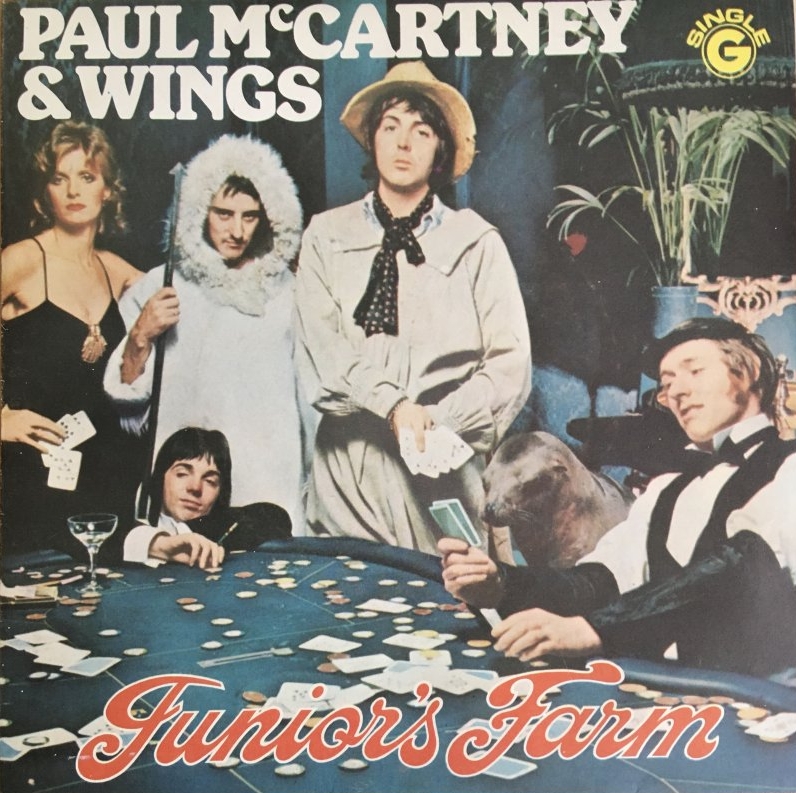 On October 25, 1974, Paul McCartney & Wings released the standalone single “Junior’s Farm,” a glam-inflected rock number backed with the country tune “Sally G.” Both sides were recorded during the band’s summer stay in Nashville and issued on Apple Records just prior to McCartney’s move to Capitol under his new solo contract.
“Junior’s Farm” originated from McCartney’s recurring urge to escape city pressure, a sentiment he’d first entertained while retreating to his Scottish farm in 1970 during the Beatles’ collapse. The lyrics present a surreal, Dylan-inspired narrative centered around the fictional Junior, layered with disconnected images and character fragments that reinforce its central message: “let’s get out of the city.” McCartney later admitted the words carried no deep meaning beyond escapist whimsy, describing it as a “fantasy song” in contrast to Dylan’s politically charged “Maggie’s Farm.” While loosely structured, the song runs on McCartney’s melodic instinct and rock energy.
Wings tracked “Junior’s Farm” between July 16 and 18, 1974, at Sound Shop Studios in Nashville with engineer Ernie Winfrey. The band lodged at Curly Putman Jr.’s Lebanon, Tennessee, property, which lent its name to the title. Paul sang lead and played bass, Linda contributed keyboards and backing vocals, Denny Laine played rhythm guitar, and drummer Geoff Britton joined the newly added lead guitarist Jimmy McCulloch, who delivers the central solo and gets namechecked mid-song. McCartney overdubbed vocals and other parts shortly before the band returned to London to begin sessions for Venus and Mars. Despite its prominence, “Junior’s Farm” was left off that album and instead entered the catalog through compilations such as Wings Greatest and Wingspan.
The single appeared in the US on November 1 and charted quickly, peaking at No. 3 on the Billboard Hot 100 and Cash Box, and reaching No. 16 in the UK. The accompanying photo sleeve in select territories depicted the band in costumes reflecting the lyrics—Denny Laine as an Eskimo, Britton as a poker dealer, McCartney as a farmer—framing the song’s cartoonish charm in visual form. The track entered the Wings Over the World tour setlist in 1975 but disappeared from live rotation thereafter.
“Sally G,” the B-side, emerged from a night out in Printer’s Alley, where McCartney absorbed the Nashville honky-tonk atmosphere and returned with a finished song by the next morning. He tracked it with Wings and three seasoned local players: Vassar Clements on fiddle, Lloyd Green on pedal steel and dobro, and Johnny Gimble on secondary violin. McCartney’s lead vocal rides a laid-back country rhythm, with Linda and Laine harmonizing behind acoustic guitar strums and soft fiddle turns. Unlike the main side, “Sally G” finds McCartney channeling genre tone with sincerity, grounded in its Nashville setting and unhurried pacing.
Though issued as a B-side, “Sally G” drew attention in the US, where it charted separately on Billboard’s Hot 100 (No. 39), country chart (No. 51), and peaked at No. 7 on the Easy Listening chart. Over time, it became one of McCartney’s better-loved country efforts, eventually landing as a bonus track on the CD edition of Wings at the Speed of Sound and appearing on later reissues of Venus and Mars.
A. “Junior’s Farm” (4:20)
B. “Sally G” (3:39)
Together, the single pairs two stylistic detours—one a hard-edged, surreal rocker filtered through glam and Nashville twang, the other a soft country sketch anchored in real geography and personal curiosity. Issued at a moment when McCartney was transitioning labels and wrapping up the Band on the Run era, “Junior’s Farm” stands as a standalone flourish of energy and oddity, while “Sally G” offers a rare glimpse of McCartney as country traveler in a sincere American setting.
“Walking in the Park with Eloise”
In late 1974, Paul McCartney & Wings released “Walking in the Park with Eloise,” a Jim McCartney cover backed with “Bridge Over the River Suite.”
Paul McCartney & Wings released the single Walking in the Park with Eloise on October 18, 1974, in the UK and December 2, 1974, in the US, under the pseudonym the Country Hams. It comprises two instrumental jazz tracks: a main piece written by Jim McCartney (credited as James McCartney) and his brother Joe in the early 20th century, and a B-side titled “Bridge Over the River Suite,” composed by Paul and Linda McCartney.
“Walking in the Park with Eloise” marks a stylistic departure from Wings’ pop–rock format. It adopts a traditional Dixieland jazz style, anchored by a syncopated stride rhythm and arranged around banjo, clarinet, piano, and brass. Paul plays bass and washboard alongside a hybrid lineup that includes Wings members Denny Laine (acoustic guitar) and Geoff Britton (drums), as well as Nashville session legends Chet Atkins (electric guitar) and Floyd Cramer (piano), with Bobby Thompson on banjo, Bill Puitt on clarinet, Don Sheffield on trumpet, and Denis Good on trombone. The track revives a family legacy, presenting a pre-war McCartney composition with period-appropriate instrumentation and swing-era melodic voicing.
“Bridge Over the River Suite” follows in a similar instrumental mode, drawing from early jazz and country idioms but with a more cinematic flow. It opens with a gentle piano theme and gradually builds with layered brass and guitar motifs. The arrangement leans into open chordal phrasing and sustained melodic arches, suggesting a stylized homage to American river themes and Southern musical traditions.
Though the single did not chart, it held personal significance for McCartney as a tribute to his father’s musical background. The recordings took place on July 16, 1974, at Soundshop Studios in Nashville. In 2014, both tracks appeared as bonus material on the Venus and Mars Archive Collection reissue. A separate orchestral arrangement of the title track by Carl Davis, performed by the Chamber Orchestra of London, appeared in the 2016 animated film Ethel & Ernest and resurfaced on The 7″ Singles Box in 2022.
1975
Venus and Mars
 Wings released their fourth album, Venus and Mars, on May 27, 1975, on Capitol.
As the successor to Band on the Run, Venus and Mars marked Paul McCartney’s first post-Beatles studio album released worldwide through Capitol, setting the stage for Wings’ 1975–76 world tour. It introduced a newly stabilized quintet lineup with the addition of guitarist Jimmy McCulloch and drummer Joe English. McCartney used the opportunity to compose an interconnected suite of songs that bridged acoustic miniatures, glam-tinged rockers, and orchestral pop, interweaving segments in the manner of Abbey Road to form a cohesive listening arc. Across the record, he juxtaposes nostalgic period pieces with modern production, mythic imagery with domestic sentiment, and structured orchestration with bursts of arena energy.
Wings operated as a five-piece for the bulk of the sessions: Paul McCartney led on vocals, bass, and keyboards, with Linda McCartney contributing synthesizers and backing vocals. Denny Laine handled rhythm guitar, keyboards, and lead vocal on one track. Jimmy McCulloch took lead guitar and shared backing vocals, contributing one song as composer. Geoff Britton played drums on three London-recorded tracks before departing; Joe English completed the album in New Orleans. McCartney produced the album and wrote or co-wrote all but one song with Linda.
The album opens with the brief acoustic prelude “Venus and Mars,” a folk-like introduction in D major that introduces the recurring planetary motif. It segues into “Rock Show,” a glam-styled anthem that references real-life venues and musicians, shifting to A major with electric guitars, Mellotron, hand bells, and a prominent piano cameo by Allen Toussaint. “Love in Song” slows the pace with a melancholic ballad built around McCartney’s 12-string acoustic and upright bass once used by Bill Black. “You Gave Me the Answer” offers a megaphone-filtered tribute to 1920s music hall styles, recorded with muted brass and clarinet to emulate Rudy Vallee’s era. “Magneto and Titanium Man” spins a narrative based on Marvel Comics characters, underscored by classic rock and roll guitar lines. “Letting Go” closes side one with a blues-inflected riff in A minor, supported by electric piano, layered horns, and a horn-laced outro that modulates to C minor.
Side two opens with “Venus and Mars (Reprise),” a sci-fi-tinged variation on the opening theme, now layered with synths, strings, and harp. “Spirits of Ancient Egypt,” sung by Laine, combines references to mystical antiquity with a gismo-processed arrangement. “Medicine Jar,” composed by McCulloch and Colin Allen, warns of addiction in blunt terms and uses layered guitar and percussion textures. “Call Me Back Again” reverts to F major with a soul ballad structure, gospel-styled horns, and a vocal climax in the outro, pairing plaintive piano and brass with searing guitar. “Listen to What the Man Said,” featuring Tom Scott’s first-take soprano sax solo, lifts the tone with buoyant G major optimism. “Treat Her Gently–Lonely Old People” blends domestic reflection with orchestral pop. The album closes with a minute-long instrumental take on the Crossroads TV theme, recorded by Wings in a stately, sentimental version used occasionally by the soap itself during dramatic cliffhangers.
A1. “Venus and Mars” (1:16)
A2. “Rock Show” (5:35)
A3. “Love in Song” (3:04)
A4. “You Gave Me the Answer” (2:15)
A5. “Magneto and Titanium Man” (3:16)
A6. “Letting Go” (4:33)
B1. “Venus and Mars (Reprise)” (2:05)
B2. “Spirits of Ancient Egypt” (3:04) – Denny sings
B3. “Medicine Jar” (3:37) – Jimmy sings
B4. “Call Me Back Again” (4:57)
B5. “Listen to What the Man Said” (3:57)
B6. “Treat Her Gently–Lonely Old People” (4:21)
B7. “Crossroads” (1:00)
Sessions began in November 1974 at EMI London, where Wings cut “Letting Go,” “Love in Song,” and “Medicine Jar” before relocating to Sea-Saint Studios in New Orleans in January 1975. Allen Toussaint contributed piano to “Rock Show,” and Tony Dorsey arranged strings and horns for several tracks. Britton’s departure mid-project led to the recruitment of Joe English, who completed the remaining sessions, including the recording of “Call Me Back Again” and “Listen to What the Man Said.” Overdubs continued at Wally Heider Studios in Los Angeles, where string and harp arrangements were added to several tracks, including “Love in Song.” McCartney linked many songs with segues and recurring motifs to create a continuous listening experience.
Capitol issued “Listen to What the Man Said” as the lead single on May 16, 1975. After some uncertainty in early takes, the final version clicked when Tom Scott contributed a sax solo captured in a single pass. The track topped the Billboard Hot 100 and RPM Canada charts, reached No. 6 in the UK, and appeared on compilations including All the Best! and Wingspan. Its upbeat tone and optimistic lyrics contrasted with the album’s more introspective moments and helped anchor its commercial momentum.
Capitol followed with “Letting Go” in September. Remixed and trimmed by one minute, the single peaked modestly at No. 39 on the Billboard Hot 100 and No. 41 in the UK. Though less successful than its predecessor, the song gained stature through live performances on the Wings Over the World tour and later concert tours into the 2010s. Heart covered it in 2014 on The Art of McCartney tribute album.
In October, Capitol issued “Venus and Mars/Rock Show” in a shortened medley that reduced “Rock Show” by over three minutes. Paired with “Magneto and Titanium Man” as the B-side, the single reached No. 12 on the Billboard Hot 100 but failed to chart in the UK. Kiss recorded a cover for The Art of McCartney, and Wings included the full medley in their Wings Over America setlist with Marvel character visuals projected during the performance. McCartney later met Jack Kirby during the Los Angeles leg of the tour.
Venus and Mars topped the album charts in the US, UK, Canada, Spain, Norway, and New Zealand and peaked in the top ten in multiple countries. It sold four million copies worldwide and achieved platinum certification in the US, UK, and Canada. Though widely successful, it drew mixed reactions compared to its predecessor. The band’s yearlong Wings Over the World tour, launched in September, prominently featured several tracks from the album.
Linda McCartney photographed the album cover, featuring red and yellow snooker balls against a black background to represent the planetary pairing. Hipgnosis handled the design and typography, incorporating billiards cues and illustrations by George Hardie. Interior photos, shot in the Mojave Desert, added an otherworldly quality. The 2014 deluxe reissue featured a 128-page hardcover book, unreleased studio footage, and a remastered version of the album with bonus tracks and high-resolution digital downloads. A half-speed mastered vinyl edition was released on March 21, 2025, to commemorate the album’s 50th anniversary.
1976
Wings at the Speed of Sound
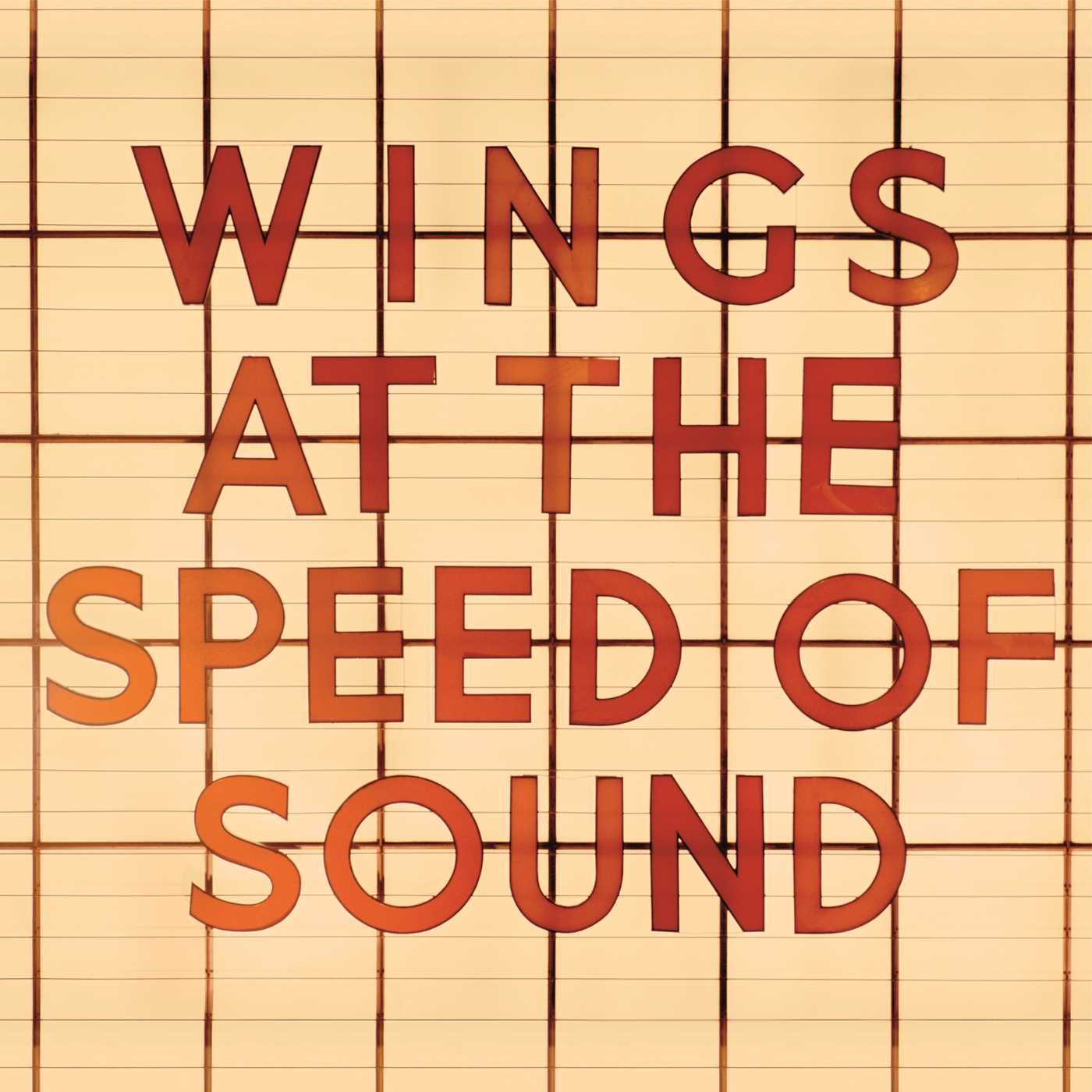 Wings released their fifth album, Wings at the Speed of Sound, on March 25, 1976, on Capitol.
Recorded during the interlude between legs of the Wings Over the World tour, Wings at the Speed of Sound emerged as McCartney’s most inclusive studio effort, with every member of Wings featured on lead vocals. In response to growing media critiques that Wings functioned solely as a vehicle for McCartney, the album distributed the spotlight across the band, resulting in an eclectic program of soft rock, acoustic ballads, retro pastiches, and ensemble-driven performances. The release marked Wings’ return to recording in England, with sessions confined to Abbey Road due to logistical constraints surrounding the tour schedule.
The album’s sessions drew on a steady five-piece lineup. Paul McCartney took principal vocals and bass duties while alternating on guitar, piano, and double bass. Linda McCartney played keyboards and added vocals, including one lead. Denny Laine handled guitar and harmonica, and sang two leads. Lead guitarist Jimmy McCulloch co-wrote and sang his own number, and Joe English took lead on one track in addition to his drumming role. Paul produced the album and arranged most tracks, with two string arrangements overseen by Fiachra Trench.
Wings at the Speed of Sound opens with “Let ’Em In,” a mid-tempo march built on piano, brass, and flutes, introduced by the sound of an old Westminster chime doorbell. The lyrics list friends and relatives, all invited to come in, including Auntie Gin, Martin Luther, and Uncle Ernie. “The Note You Never Wrote,” sung by Laine, presents a slow, ambient arrangement undercut with electric tension, its lyrics loosely evoking emotional distance. “She’s My Baby” follows with bouncy piano, bright harmonies, and a declaration of affection in cartoonish metaphors. “Beware My Love” shifts gears with a harmonium intro and a raw vocal surge from Paul, bookended by Linda’s layered vocal refrains. “Wino Junko,” written and sung by McCulloch, expresses anti-drug sentiment over syncopated rhythm and guitar layering.
“Silly Love Songs” opens the second side with disco-inflected bass lines, overlapping vocal counterpoints, and a musical rebuke to those who dismiss love songs as trivial. “Cook of the House” gives Linda her spotlight on a 1950s-style kitchen ode, recorded in mono with period fidelity and introduced by the sound of food frying. “Time to Hide,” a harmonica-led rocker penned and sung by Laine, provides a darker turn with its themes of retreat and confrontation. “Must Do Something About It,” led by English, conveys late-night solitude with soft verses and brighter choruses, wrapped in acoustic textures. “San Ferry Anne” supplies a brief, jazzy interlude, built on clarinet, brushed drums, and impressionist phrasing. “Warm and Beautiful” closes the album with a devotional ballad in C major, adorned with string quartet and horn arrangement.
A1. “Let ’Em In” (5:10)
A2. “The Note You Never Wrote” (4:21) – Denny sings
A3. “She’s My Baby” (3:08)
A4. “Beware My Love” (6:28)
A5. “Wino Junko” (5:21) – Jimmy sings
B1. “Silly Love Songs” (5:54)
B2. “Cook of the House” (2:39) – Linda sings
B3. “Time to Hide” (4:32) – Denny sings
B4. “Must Do Something About It” (3:43) – Joe sings
B5. “San Ferry Anne” (2:07)
B6. “Warm and Beautiful” (3:13)
Sessions took place in two phases: an initial round during August–October 1975, followed by completion in January–February 1976. Most tracking occurred at Abbey Road, with McCartney overseeing all production. Fiachra Trench arranged the strings on “Warm and Beautiful” and “The Note You Never Wrote.” Paul’s decision to spread lead vocals resulted in spontaneous changes, including assigning “Must Do Something About It” to English after hearing his casual run-through. “Cook of the House” emerged during the Australia leg of the tour, inspired by a kitchen plaque and a list of ingredients on hand. “Silly Love Songs,” one of the final tracks completed, saw McCartney emphasize bass tone and vocal layering to build a dancetrack anchored in pop logic.
Capitol released “Silly Love Songs” on April 1, 1976, backed with “Cook of the House.” Written in response to critiques of Paul’s sentimental writing style, the song juxtaposes self-referential lyrics with a complex vocal structure. It spent five nonconsecutive weeks at No. 1 on the Billboard Hot 100, topped the RPM Canada chart, and reached No. 2 in the UK and No. 1 in Ireland. It became the year’s top song on Billboard and was certified Gold by the RIAA. A re-recorded version appeared on the Give My Regards to Broad Street soundtrack in 1984, and a live version featured on Wings Over America. The New Zealand band Ardijah covered the song in 1999, reaching No. 1 on the local charts.
“Let ’Em In” followed as the second single on July 23. With its loping rhythm, jazz-inflected horns, and lyrical guest list, the song extended the album’s domestic themes and was paired with “Beware My Love” on the B-side. It reached No. 3 on the US pop chart and topped the adult contemporary listings in both the US and Canada. It reached No. 2 in the UK and Ireland and sold over a million units. The single version trimmed the album cut and introduced a disco mix variant in France. Bert Parks performed a version on the Miss America 1977 pageant, and Billy Paul reworked it into a tribute to Black civil rights figures.
Wings at the Speed of Sound topped the Billboard 200 for seven nonconsecutive weeks and peaked at No. 2 in the UK, becoming the fourth best-selling UK album of 1976. It charted in the top five across Europe, Japan, Canada, and New Zealand and sold 3.5 million copies worldwide. Four of its tracks—“Let ’Em In,” “Silly Love Songs,” “Time to Hide,” and “Beware My Love”—featured in the Wings Over America tour setlist. The album became McCartney’s biggest US seller since his Beatles years and maintained high visibility through its singles and international performances.
EMI issued the album with a standard black cover featuring the title in metallic red letters. In 1993, it appeared in the Paul McCartney Collection CD series with three bonus tracks from the Nashville sessions: “Walking in the Park With Eloise,” “Bridge on the River Suite,” and “Sally G.” In 2014, Hear Music reissued the album as part of the Paul McCartney Archive Collection in multiple formats: a 2CD standard edition, a deluxe 2CD+DVD package with unseen documentary footage and demos, and half-speed remastered vinyl. The reissue included alternate versions of “Must Do Something About It,” a demo of “Beware My Love” with John Bonham on drums, and instrumental mixes of key tracks.
Wings Over America
 On December 10, 1976, Wings released the live double-album Wings Over America.
Drawn from the US leg of the Wings Over the World tour, the album captures Paul McCartney’s return to American stages for the first time since The Beatles’ 1966 tour. It presents a cross-section of material from Wings’ studio albums (Band on the Run, Venus and Mars, Wings at the Speed of Sound), a handful of solo works, and five Beatles songs—performed live by McCartney for the first time since the group’s breakup. The set includes rearranged material in updated band arrangements, often extended or fused with instrumental segues. Denny Laine, Jimmy McCulloch, and Linda McCartney support Paul in a quintet core, augmented by a four-piece horn section led by Howie Casey. The track selection, pacing, and production form a unified listening experience rather than a raw document of any one concert.
McCartney fronts the band on bass, piano, and acoustic guitar, alternating with Denny Laine and Jimmy McCulloch on electric and rhythm parts. Joe English anchors the lineup on drums, and Linda McCartney contributes harmonies and synths. The horn section—Casey, Steve Howard, Tony Dorsey, and Thaddeus Richard—adds depth and punch to selections like “Lady Madonna,” “Magneto and Titanium Man,” and “Live and Let Die.” Laine handles lead vocals on “Spirits of Ancient Egypt,” “Time to Hide,” “Go Now,” and Simon’s “Richard Cory,” while McCulloch sings his own “Medicine Jar.” Acoustic mini-sets appear midway through each show, with McCartney alone for “Blackbird” and “Yesterday,” and trio arrangements for “Bluebird” and “I’ve Just Seen a Face.”
A1. “Venus and Mars / Rock Show / Jet” (9:56) – from Venus and Mars (1975) / Venus and Mars (1975) / Band on the Run (1973)
A2. “Let Me Roll It” (3:51) – from Band on the Run (1973)
A3. “Spirits of Ancient Egypt” (4:04) – from Venus and Mars (1975)
A4. “Medicine Jar” (4:02) – from Venus and Mars (1975)
B1. “Maybe I’m Amazed” (5:10) – from McCartney (1970)
B2. “Call Me Back Again” (5:04) – from Venus and Mars (1975)
B3. “Lady Madonna” (2:19) – from Beatles single (1968)
B4. “The Long and Winding Road” (4:13) – from Let It Be (1970)
B5. “Live and Let Die” (3:07) – from Live and Let Die soundtrack (1973)
C1. “Picasso’s Last Words (Drink to Me)” (1:55) – from Band on the Run (1973)
C2. “Richard Cory” (2:50) – from Simon & Garfunkel’s Sounds of Silence (1966)
C3. “Bluebird” (3:37) – from Band on the Run (1973)
C4. “I’ve Just Seen a Face” (1:49) – from Help! (1965)
C5. “Blackbird” (2:23) – from The Beatles (1968)
C6. “Yesterday” (1:43) – from Help! (1965)
D1. “You Gave Me the Answer” (1:47) – from Venus and Mars (1975)
D2. “Magneto and Titanium Man” (3:11) – from Venus and Mars (1975)
D3. “Go Now” (3:27) – Moody Blues single (1965)
D4. “My Love” (4:07) – from Red Rose Speedway (1973)
D5. “Listen to What the Man Said” (3:18) – from Venus and Mars (1975)
E1. “Let ‘Em In” (4:02) – from Wings at the Speed of Sound (1976)
E2. “Time to Hide” (4:46) – from Wings at the Speed of Sound (1976)
E3. “Silly Love Songs” (5:46) – from Wings at the Speed of Sound (1976)
E4. “Beware My Love” (4:49) – from Wings at the Speed of Sound (1976)
F1. “Letting Go” (4:25) – from Venus and Mars (1975)
F2. “Band on the Run” (5:03) – from Band on the Run (1973)
F3. “Hi, Hi, Hi” (2:57) – from Wings single (1972)
F4. “Soily” (5:10) – B-side of “Maybe I’m Amazed” single (1977)
Wings recorded the bulk of Wings Over America between May 3 and June 23, 1976, across 31 shows in the US and Canada. Paul’s sound engineer compiled five top performances of each number from over 800 hours of tape. McCartney selected most of the final takes from the June 23 performance at The Forum in Inglewood, though several earlier shows contributed standout versions. “Soily” comes from the June 7 set in Denver. The tapes were mixed and overdubbed at Abbey Road in October and November 1976, where the band re-recorded backing vocals and cleaned up technical inconsistencies. Capitol pressed the album as a deluxe triple LP in a gatefold package with inner sleeves featuring concert photography and illustrations by Hipgnosis, whose airline-hatch design earned a Grammy nomination.
On February 4, 1977, Capitol issued “Maybe I’m Amazed” as a single. It peaked at No. 10 on the Billboard Hot 100 and No. 28 in the UK. The live version introduced the track to listeners who hadn’t heard the original McCartney version from 1970, which had never been released as a single. The new version emphasized Joe English’s drumming and Linda’s harmony, adding a gospel inflection to McCartney’s piano phrasing.
Wings Over America entered the US chart at the end of December and reached No. 1 on January 8, 1977, completing a five-album streak of American chart-toppers for Wings. It reached No. 8 in the UK and went platinum in both countries. It became the first triple album by any band to top the Billboard chart and briefly rivaled the sales of Frampton Comes Alive! in the live LP boom. The album was reissued on CD in 1984, 1987, and 1990. A Japanese 3CD set in 1999 restored the original LP format. In 2013, the Wings Over America Archive Collection reissue appeared on 2CD, 3LP, and box set editions, with a bonus disc of live recordings from San Francisco’s Cow Palace and a DVD of the 1979 documentary Wings Over the World.
The Wings Over the World tour opened in Southampton on September 9, 1975, and wrapped with three nights at London’s Empire Pool in October 1976. Wings performed across six legs: the UK, Australia, mainland Europe, North America, a second European run, and the final London shows. The North American leg ran from May 3 to June 23, 1976, and marked McCartney’s first US tour since the Beatles. Across 31 dates, Wings performed in major arenas and stadiums, including a June 10 stop at the Kingdome in Seattle and shows at Madison Square Garden, the Forum, Boston Garden, and Chicago Stadium.
McCartney flew between rented homes in New York, Dallas, Chicago, and Los Angeles aboard a chartered BAC One-Eleven, keeping his young family anchored while minimizing hotel stays. Highlights of the tour were later compiled in the 1980 concert film Rockshow, which mixed footage from Seattle, New York, and Los Angeles. Although marketed as a Seattle concert, only five tracks in the film originate from the Kingdome show. McCartney’s decision to include Beatles material—especially “Yesterday,” “Lady Madonna,” and “The Long and Winding Road”—marked a turning point in his solo career, affirming his legacy while establishing Wings as a stadium-dominant force.
1977
Thrillington (1977, recorded 1971 • Percy “Thrills” Thrillington)
Suzy and the Red Stripes – “Seaside Woman” / “B-Side to Seaside”
“Mull of Kintyre”
 On November 11, 1977, Paul McCartney & Wings released “Mull of Kintyre,” a McCartney–Laine folk song backed with the rocker “Girls’ School.”
In August 1977, as Linda’s pregnancy delayed sessions for their next album, Paul dusted off a 1974 piano demo. The incomplete song had a chorus about the Mull of Kintyre, a coastal tip on Scotland’s Kintyre peninsula.
Paul developed the song into a Celtic ballad with Wings guitarist Denny Laine and the Campbeltown Pipe Band. Linda harmonizes and plays percussion on the finished song, which dropped in mid-November.
With its singalong chorus, bagpipes, and marching band arrangement, “Mull of Kintyre” connected with English, Celt, and commonwealth citizens of all ages.
“Mull of Kintyre” became Paul McCartney’s biggest all-time hit in the UK, where it spent a whopping nine weeks at No. 1 over the 1977–78 holiday season. It also reached No. 1 in Ireland and topped charts across Western Europe, South Africa, and Oceania. In Australia, “Mull of Kintyre” spent eleven weeks at No. 1.
Its reign on the UK Singles Chart outlasted the 1963 Beatlemania runs of “From Me to You” (seven weeks at No. 1), “She Loves You” (six), and “I Want to Hold Your Hand” (five). “Mull of Kintyre” became the first-ever single to sell more than two million copies in the UK alone.
Ironically, Paul never envisioned the song’s broad appeal and doubted its potential as a single. He relented over drinks with the Campbeltown bagpipe players, who convinced him that “Mull of Kintyre” would resonate with exiled Scots around the world.
This marked Paul’s first full-throated embrace of Celtic trad-folk, a style deep-rooted in the hearts of UK and Irish residents across multiple generations.
Consequently, McCartney’s North American label, Capitol, deemed the song “too British” for listeners in the US and Canada, where radio promoted the hard-rocking b-side “Girls’ School.”
In Canada, stations first promoted “Mull of Kintyre” and “Girls’ School” as a double a-side. Once the single entered the Top 50, they dropped the Scottish anthem and plugged “Girls’ School,” which stalled at No. 34.
McCartney’s American label plugged “Girls’ School” from the outset. With its blues-rock structure and slide riffs, it too was an anomaly for late-’70s US radio. The single stalled at No. 33 on the Hot 100.
1978
London Town
 Wings released their sixth studio album, London Town, on March 31, 1978, on Parlophone (UK) and Capitol (US).
Spanning a full year of intermittent sessions, London Town captured Wings in a transitional phase marked by lineup shifts, nontraditional recording locales, and an eventual reduction to a trio. Originally tracked by the full touring band at Abbey Road and aboard a yacht in the Virgin Islands, the album reflects a loosened structure with soft rock textures, acoustic diversions, and electronic experiments. McCartney foregrounded synthesizer-driven arrangements and introspective lyrics, while opening creative space for Denny Laine to contribute vocals and songwriting. Though led by a No. 1 US single, the album ultimately marked the end of Wings’ commercial dominance, with subsequent singles and deeper tracks faring modestly despite rich harmonic detail and melodic variety.
Wings began sessions in February 1977 with a five-piece lineup: Paul McCartney led on vocals, bass, guitar, piano, and synths; Linda McCartney handled keyboards and vocals; Denny Laine provided guitars, bass, harmonica, and vocals; Jimmy McCulloch played lead guitar; and Joe English served as drummer. During May, the band relocated to the yacht Fair Carol in the Virgin Islands, tracking material on deck and in an enclosed isolation booth. McCulloch departed in September to join the Small Faces, and English returned to the US shortly after. With Linda’s pregnancy advancing and recording incomplete, McCartney paused the project. By the time sessions resumed in late 1977, Wings had shrunk to a trio of Paul, Linda, and Denny—mirroring the Band on the Run format.
The album opens with “London Town,” a portrait of city drift and disconnection, recorded during the initial Abbey Road sessions with contributions from the full quintet. Paul’s melodic vocal traces alienation against soft harmonies and layered keys, with the arrangement pivoting between E and A major to mirror uncertainty. “Café on the Left Bank” injects brisk rhythm and angular phrasing as Paul recalls post-tour wanderings in Paris. “I’m Carrying,” tracked solo by McCartney on acoustic guitar aboard the yacht and later overdubbed with Gizmo and strings, distills romantic return into two compact verses and refrain.
“Backwards Traveller” launches abruptly with driving organ and a retro rock thrust before vanishing, its lyrical self-reversal fading into “Cuff Link,” an instrumental punctuated by synthesized sitar tones that foreshadow McCartney’s later electro-pop. “Children Children,” sung by Laine, mixes recorder, flageolet, and rhythmic plucking to evoke rustic innocence. “Girlfriend,” with Paul in falsetto, pairs retro-romantic tropes with soft harmonies and bubbling synths in a Bee Gees pastiche later covered by Michael Jackson. “I’ve Had Enough” closes side one with guitar-layered catharsis, tracked during the Virgin Islands sessions and retrofitted in London with a sharp-edged vocal.
Side two opens with “With a Little Luck,” a buoyant, mid-tempo anthem of renewal that layers sequenced synths, multi-tracked harmonies, and ambient textures around McCartney’s hopeful refrain. “Famous Groupies” plays as music hall satire, with tongue-in-cheek verses and mock-rustic accompaniment. “Deliver Your Children,” led by Laine, pairs acoustic rhythm with a Spanish guitar solo and Dorian-mode verses, bridging misfortune with a redemptive refrain. “Name and Address” injects Sun Records energy with slapback vocal effects and 1950s rock and roll posture. “Don’t Let It Bring You Down” returns to darker acoustic territory, shifting from minor verses to a hopeful refrain, with flageolet, recorder, and understated vocal blend. “Morse Moose and the Grey Goose” closes the album with a segmented suite that fuses nautical storytelling, nautical sound effects, and synth-based instrumental breaks with an eventual folk-style chant.
A1. “London Town” (4:10) – Paul
A2. “Café on the Left Bank” (3:25) – Paul
A3. “I’m Carrying” (2:44) – Paul
A4. “Backwards Traveller” (1:07) – Paul
A5. “Cuff Link” (2:03) – Instrumental
A6. “Children Children” (2:20) – Denny
A7. “Girlfriend” (4:31) – Paul
A8. “I’ve Had Enough” (3:02) – Paul
B1. “With a Little Luck” (5:45) – Paul
B2. “Famous Groupies” (3:34) – Paul
B3. “Deliver Your Children” (4:17) – Denny
B4. “Name and Address” (3:07) – Paul
B5. “Don’t Let It Bring You Down” (4:34) – Paul
B6. “Morse Moose and the Grey Goose” (6:27) – Paul
Sessions began in February 1977 at Abbey Road, where the band tracked five songs. In May, they relocated to the Virgin Islands, recording directly aboard Fair Carol with a 24-track setup. Assistant engineer Tom Anderson built a wooden booth for isolation during McCartney’s solo acoustic performances. After McCulloch and English left in late 1977, the trio completed overdubs and final tracking between October 1977 and January 1978. Wil Malone scored the orchestration for “Morse Moose,” visiting McCartney’s home to finalize the arrangement.
Capitol released “With a Little Luck” as the lead single on March 20, 1978. Its synth-driven optimism and layered vocal structure carried it to No. 1 on the Billboard Hot 100, Cashbox, and RPM Canada charts, while it reached No. 5 in the UK. The single cemented McCartney’s radio presence and appeared in the closing credits of the 1979 film Sunburn. A 3:13 edit was prepared for radio play.
The second single, “I’ve Had Enough,” appeared on June 16. Built from yacht sessions and refined in London, the song channeled retro-rock frustration with a sharp riff and shouted vocals. It reached No. 25 on the Billboard Hot 100, No. 24 in Canada, and No. 11 in Ireland. Paired with “Deliver Your Children,” the two-sided single reached No. 13 in the Netherlands, where Laine’s track briefly charted independently and became a standout in local airplay.
The final single, “London Town,” was issued on August 25 with “I’m Carrying” as the B-side. Despite its position as title track and opening cut, the single charted modestly: No. 39 in the US, No. 43 in Canada, and No. 60 in the UK. It fared better on Billboard’s Easy Listening chart, reaching No. 17. The song drew praise for its arrangement, melodic structure, and lyrical evocation of loneliness amid city life.
Michael Jackson’s version of “Girlfriend,” recorded for Off the Wall, omitted the middle eight and appeared in 1980 as a UK single. Paul and Jackson later collaborated on three more songs before falling out in the 1980s. “Deliver Your Children” and “Children Children” reappeared in 1996 on Laine’s Wings at the Sound of Denny Laine. “I’m Carrying” found second life in two nature documentaries and was cited by George Harrison as his favorite track on the album.
London Town reached No. 2 on the Billboard 200 and Canadian RPM charts, No. 4 in the UK, Japan, Norway, and New Zealand, and No. 1 in the Netherlands. It was certified Platinum in the US and Australia, and Gold in the UK, France, and Germany. Despite initial momentum, the album declined quickly in the charts and marked the end of Wings’ sustained peak. McCartney voiced dissatisfaction with Capitol’s promotion and shifted to Columbia for US distribution in 1979. The album appeared in 1993 as part of The Paul McCartney Collection CD series with “Girls’ School” and “Mull of Kintyre” as bonus tracks. The title track and “With a Little Luck” featured on multiple McCartney compilations, preserving the album’s melodic imprint beyond its commercial cycle.
Paul McCartney had composed a title song for the Same Time, Next Year – a 1978 American romantic comedy drama film directed by Robert Mulligan.[2] The screenplay by Bernard Slade is based on his 1975 play. The film stars Alan Alda and Ellen Burstyn (the latter reprising her Broadway role) – which he recorded with Wings, that was not used. He later released it as the B-side of a single in 1990. The theme song ultimately used was “The Last Time I Felt Like This,” written by Marvin Hamlisch and Alan and Marilyn Bergman (eventually nominated for the Academy Award for Best Original Song)[9] and performed by Johnny Mathis and Jane Olivor.
1979
“Goodnight Tonight”
 On March 23, 1979, Paul McCartney & Wings released “Goodnight Tonight,” a McCartney disco-pop number backed with “Daytime Nighttime Suffering.”
On March 23, 1979, Paul McCartney & Wings released the single “Goodnight Tonight,” a disco-inflected non-album track backed with the melodic pop B-side “Daytime Nighttime Suffering.” Recorded during the Back to the Egg sessions but deliberately excluded from the LP, the single bridged Wings’ rock legacy with late-’70s dance culture and became one of McCartney’s most commercially successful post-Beatles singles.
“Goodnight Tonight” began as a loose instrumental idea McCartney tracked in early 1978. As work on Back to the Egg progressed, he revisited the piece and developed it into a full song, using the new Wings lineup to flesh out the recording. Paul plays bass, drums, and multiple guitar parts, adding a prominent slap-bass figure and flamenco flourishes that give the track its signature hybrid texture. Laurence Juber and Denny Laine double electric and acoustic guitar parts over Steve Holley’s percussion layers, while Linda McCartney joins on backing vocals and tambourine. Vocoder effects and call-and-response harmonies enhance the chorus, and a dynamic middle section extends the song beyond the standard pop format. The edited 7″ version clocks in at 4:15, while the 12″ edition runs over seven minutes, embracing disco’s extended mix aesthetic.
Issued as McCartney’s first Columbia Records single in the US and on Parlophone in the UK, “Goodnight Tonight” became an international hit. It reached No. 5 on both the Billboard Hot 100 and the UK Singles Chart, climbing even higher in Canada (No. 2) and topping the country’s Adult Contemporary list. The single earned gold certification from the RIAA for sales over one million in the US. McCartney accompanied the release with a video in 1930s costume, aligning the single’s throwback charm with his broader visual playfulness.
The B-side, “Daytime Nighttime Suffering,” originated as a band challenge. McCartney offered to record any song written by a Wings member for the B-side, prompting each member to submit ideas over a weekend. By Monday, McCartney had written the winning song himself. Tracked in January 1979, the recording showcases his melodic pop instincts and contrasting day–night imagery, tied together with internal shifts in tempo and mood. Paul sings lead and plays bass and autoharp, backed by Linda on RMI electric piano and harmonies. Denny Laine and Laurence Juber contribute interlocking guitar parts, while Steve Holley adds drums and tambourine. The song features a quiet personal touch: around the two-minute mark, their infant son James can be heard crying faintly in the background, unintentionally captured during the vocal takes.
Though never performed live, “Daytime Nighttime Suffering” has remained a cult favorite. McCartney cited it as a personal favorite in multiple interviews, and it later appeared on Wingspan: Hits and History and as a bonus track on the Back to the Egg CD.
A. “Goodnight Tonight” (4:15)
B. “Daytime Nighttime Suffering” (3:19)
12″ A-side: “Goodnight Tonight” (Long Version) (7:14)
As a pairing, the single juxtaposes club-friendly vibe and domestic warmth. “Goodnight Tonight” captured the shifting soundscape of 1979, finding McCartney on the dancefloor, while “Daytime Nighttime Suffering” reaffirmed his melodic command and narrative intimacy. Together, they marked one of Wings’ last major singles before disbanding in 1981.
Back to the Egg
 Wings released their seventh studio album, Back to the Egg, on June 8, 1979, on Parlophone and Capitol.
McCartney conceived Back to the Egg as a reinvention for Wings, returning the band to its “working group” ethos with a new lineup, outside producer, and heavier guitar-based sound. Following the soft, keyboard-centered tone of London Town, the album drew on post-punk and new wave energy, wrapping an informal concept—of a band gearing up, broadcasting, and hitting the road—into a loosely sequenced set. It introduced guitarist Laurence Juber and drummer Steve Holley, who joined Paul, Linda, and Denny Laine in Wings’ final lineup. Tracks ranged from synth-draped soul and speed rock to medleys, spoken-word interludes, and the Grammy-winning all-star instrumental “Rockestra Theme.” Sessions stretched from rural Scotland to Lympne Castle and London studios, with songs recorded in bursts and reworked across multiple locations. Despite platinum sales in the US, the album marked a commercial downturn, closing out Wings’ studio legacy before their final tour and dissolution in 1981.
Wings recorded the album as a five-piece. Paul McCartney sang lead vocals and played bass, guitars, keyboards, piano, and synthesizer. Linda McCartney contributed backing vocals, organ, and electric piano. Denny Laine sang lead on one track and played rhythm guitar and bass. Laurence Juber debuted on lead guitar and guitar synth, while Steve Holley provided drums and percussion. The band recorded with Chris Thomas, who co-produced and pushed the sound toward harder-edged textures. The album is bookended by segments that simulate radio broadcasts, a device used to structure the concept of a band getting “back to the egg.”
The album opens with “Reception,” a snippet-based track that blends synthesizer lines with snippets of spoken dialogue and old radio plays. “Getting Closer” kicks in with new wave urgency, built on punchy guitars and Mellotron, marking a transformation of a 1974 McCartney piano demo into a full band rocker. “We’re Open Tonight” strips down to acoustic guitar and stairwell reverb, serving as both invitation and motif reprise later in the album. “Spin It On” blasts forward with punk-velocity guitar and manic vocals, setting a fast tempo rarely heard from McCartney. “Again and Again and Again,” written and sung by Laine, combines mod rhythms and key changes to evoke repetition as disillusion. “Old Siam, Sir” layers hard rock riffs over an exotic keyboard figure, integrating Linda’s motif, Holley’s chord changes, and McCartney’s growl into a dark tale of displacement. “Arrow Through Me” slows the pace with Fender Rhodes, Moog bass, and a Flexatone shimmer, presenting a slick soul delivery of vocal regret.
Side two opens with “Rockestra Theme,” recorded at Abbey Road with a supergroup of British rock players including Pete Townshend, David Gilmour, John Paul Jones, and John Bonham. The track alternates between fanfare brass and ensemble riffing with no vocals aside from McCartney’s shouted “Why haven’t I had any dinner?” “To You” returns to Wings proper with a fragmented love lyric and a fuzzed-out solo modulated in real time by McCartney from the control room. “After the Ball / Million Miles” fuses a gospel-tinged farewell with a coda played on concertina, the former shaped by three cross-cut solos from Paul, Denny, and Laurence.
“Winter Rose / Love Awake” assembles two melodic sketches into a chamber ballad, reinforced with overdubbed horns from the Black Dyke Mills Band. “The Broadcast” overlays dramatic monologues from Galsworthy and Ian Hay onto piano and Mellotron textures, recalling the static-laced opener. “So Glad to See You Here” reunites the Rockestra lineup for a shouted call to arms, reprising the phrase “we’re open tonight” amid horns and double drummers. “Baby’s Request” closes with a cocktail jazz pastiche written for the Mills Brothers but recorded by McCartney with brushed rhythm, harmonized vocals, and clarinet-styled keyboard.
A1. “Reception” (1:08)
A2. “Getting Closer” (3:22)
A3. “We’re Open Tonight” (1:28)
A4. “Spin It On” (2:12)
A5. “Again and Again and Again” (3:34) – Denny sings
A6. “Old Siam, Sir” (4:11)
A7. “Arrow Through Me” (3:37)
B1. “Rockestra Theme” (2:35)
B2. “To You” (3:12)
B3. “After the Ball / Million Miles” (4:00)
B4. “Winter Rose / Love Awake” (4:58)
B5. “The Broadcast” (1:30)
B6. “So Glad to See You Here” (3:20)
B7. “Baby’s Request” (2:49)
Sessions began in June 1978 at Spirit of Ranachan Studios on McCartney’s Campbeltown property. Wings tracked the harder material live with minimal overdubs, recording “Arrow Through Me,” “Spin It On,” “Old Siam, Sir,” and “To You” on borrowed mobile gear. In September, they relocated to Lympne Castle, capturing ambient performances in the great hall and overdubbing dialogue passages in the castle kitchen. From October through December, they worked at Abbey Road, where “Getting Closer,” “Rockestra Theme,” and “So Glad to See You Here” were tracked. McCartney assembled over 20 musicians for the Rockestra session, including Bonham, Gilmour, and Townshend. In late 1978 and early 1979, Wings moved into Replica Studio, a Studio Two clone built beneath MPL’s London office, where they mixed the album and inserted “Baby’s Request” late in the sequence. Final overdubs, including Mellotron and brass, were completed in March 1979.
“Old Siam, Sir” appeared first in the UK on June 1, 1979, backed with “Spin It On.” Despite the song’s aggressive uptempo guitar drive, it stalled at No. 35. “Getting Closer” was released on June 5 as the lead US single, paired again with “Spin It On.” With its lean mix and tight rhythm section, it peaked at No. 20 on Billboard and No. 18 in Canada. A UK release followed in August, packaged as a double A-side with “Baby’s Request,” but only reached No. 60.
“Arrow Through Me” appeared on August 14 as the second US single, backed with “Old Siam, Sir.” The mellow arrangement and jazz-inflected rhythm found adult contemporary airplay, peaking at No. 29 on the Hot 100 and No. 6 on Canada’s Adult Contemporary chart. It was later used in the 1980 film Oh! Heavenly Dog and ranked as Wings’ eighth greatest song by Ultimate Classic Rock.
“Rockestra Theme” appeared as a European single but was not issued in the US or UK. The track won the Grammy for Best Rock Instrumental in 1980.
Back to the Egg peaked at No. 8 in the US and No. 6 in the UK but was widely seen as a commercial disappointment, especially given the CBS/Columbia contract McCartney had just signed.
Hipgnosis designed the album sleeve, depicting the band in a room overlooking Earth through an open hatch. A TV special featured videos for “Spin It On,” “Arrow Through Me,” “Old Siam, Sir,” and “Getting Closer,” with performance clips shot at Lympne and Camber Sands. The 1993 Paul McCartney Collection CD reissue added “Daytime Nighttime Suffering,” “Wonderful Christmastime,” and “Rudolph the Red-Nosed Reggae.” A remastered edition was prepared but remains unreleased. Despite its mixed reception, Back to the Egg stands as Wings’ final studio document and McCartney’s last pre-solo band statement before the decade’s end.
“Wonderful Christmastime”
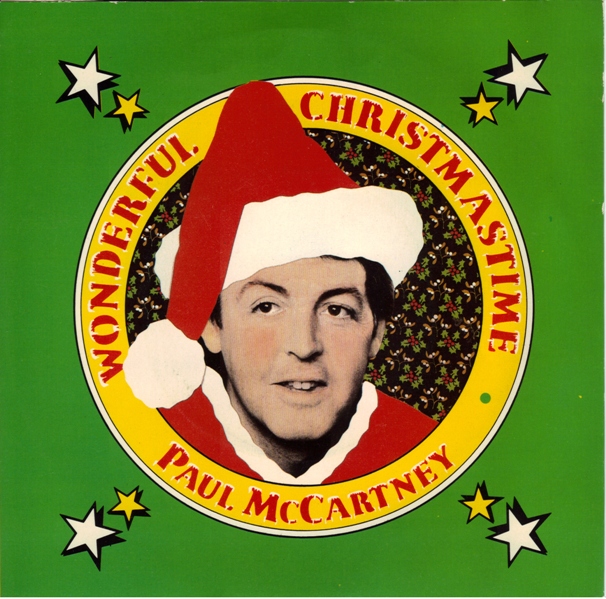 On November 16, 1979, Paul McCartney & Wings released “Wonderful Christmastime,” a McCartney yuletide original backed with “Rudolph the Red-Nosed Reggae (Instrumental).”
McCartney wrote and recorded the A-side at his Sussex home studio, Lower Gate Farm, during the sessions for McCartney II. Although Wings had just issued Back to the Egg, “Wonderful Christmastime” marked McCartney’s first solo single release since “Eat at Home” eight years earlier.
“Wonderful Christmastime” captures the lighthearted domestic warmth of the season, built on a foundation of analog synthesizers that carry a playful, looping motif. McCartney’s lyrics set a simple festive scene, emphasizing shared joy and relaxed celebration. He uses repeated lines and a steady pulse to evoke the comfort of ritual, framed by synth stabs that punctuate the phrase “simply having a wonderful Christmastime.” The song’s homemade aesthetic reflects the one-man-band approach of McCartney II, with McCartney layering keyboards, bass, and drums for a compact, electronic arrangement that departs from the full-band sound of Wings. Though the Wings lineup does not appear on the track, they feature in the video, filmed at the Fountain Inn in Ashurst and the Hippodrome Theatre in Eastbourne, where the band prepared for their final UK tour. Wings included the song in every set on the 1979 tour.
On the reverse, “Rudolph the Red-Nosed Reggae” reworks the Johnny Marks standard as a dubby, low-slung instrumental. McCartney filters the melody through a slowed-down rhythm section with offbeat keyboard accents and studio echo, transforming the familiar Christmas jingle into a laid-back vibe with Caribbean overtones. No vocals appear, and the piece stands as a stylistic curiosity in McCartney’s late-1970s output, offering contrast to the A-side’s brightness.
“Wonderful Christmastime” reached No. 6 on the UK Singles Chart during the first week of January 1980. In continental Europe, it entered the Top 10 in Germany, Austria, Ireland, Latvia, and the Netherlands, and placed in the Top 20 in Switzerland, Sweden, Slovakia, and Canada. In the United States, it made modest initial impressions, peaking at No. 83 on the Cash Box Top 100 and No. 94 on Record World’s singles chart. It did not enter the Billboard Hot 100 until December 2018, when it debuted at No. 47; it reached a new high of No. 26 on the chart dated January 6, 2024.
EMI added the song to the 1993 CD reissue of Back to the Egg, and later included both the original and extended versions on the 2011 McCartney II Special and Deluxe Editions. It also appeared in 5.1 surround sound on The McCartney Years DVD. With annual radio airplay and countless cover versions, “Wonderful Christmastime” has since become a seasonal fixture and one of the most enduring holiday originals of the late 20th century.
Concerts for the People of Kampuchea
1980
In January 1980, Paul McCartney was arrested upon arrival in Tokyo when customs officials found 8 ounces of marijuana in his luggage. He had sold out an unprecedented 11 nights at the 10,000-seat Budokan Arena, but the tour was canceled, and he spent ten days in jail before being deported. Fans who had purchased tickets kept them as souvenirs of the tour that never was.
McCartney II
 Paul McCartney released his second solo album, McCartney II, on May 16, 1980, on Parlophone and Columbia.
Conceived as a self-contained studio experiment, McCartney II marked McCartney’s return to solo recording after nearly a decade with Wings. He cut the album privately in mid-1979 without outside musicians or engineers, embracing sequencers, drum machines, and early analog synthesizers. The result was a highly synthetic, often sparse collection of songs that pivoted away from Wings’ polished rock sound toward eccentric electropop, ambient instrumentals, and homemade new wave. Recorded before his January 1980 arrest in Japan and released just months after it, McCartney II became his first post-Wings statement. It divided listeners on release but later gained cult recognition for its early adoption of lo-fi and bedroom-pop aesthetics.
McCartney played every instrument and handled all vocals across the album. He tracked the material using a hired 16-track machine at his Sussex home and overdubbed percussion in tiled domestic rooms to capture improvised acoustic effects. He worked without session players, using drum machines, sequenced synths, guitar overdubs, and altered vocal speeds. Several tracks were edited down from longer improvisations or trimmed to preserve tonal cohesion, with McCartney taking a non-linear approach to song structure and sequencing.
“Coming Up” opens the album with phased rhythm guitar, robotic bass, and sped-up lead vocals. The lyrics channel optimism through a looped funk pattern, and McCartney visually doubled himself in the promotional video, portraying a fictional band dubbed The Plastic Macs. “Temporary Secretary” follows with frantic sequencer patterns and a nasal vocal about hiring a stand-in assistant. Its jolting synthetic rhythm and repetitive lyrical phrasing emphasize absurdity through limitation. “On the Way” shifts into a slower blues pattern, pairing palm-muted guitar with minimalistic reverb and cracked vocal inflections. “Waterfalls” strips down further to electric piano, synth washes, and a single guitar solo, framing a plaintive vocal that pleads for caution and permanence. “Nobody Knows” closes side one with a brisk acoustic rhythm and doubled vocals, deliberately under-produced to evoke spontaneity.
Side two begins with “Front Parlour,” a fully instrumental track built from layered synth arpeggios and pulsing rhythm figures. “Summer’s Day Song” introduces airy string-like tones over a mid-tempo synth bed, with a vocal that hovers over the mix like an afterthought. “Frozen Jap” fuses tremolo keyboard loops with bright minor-key motifs, played at double speed with an intentionally clunky gait. “Bogey Music” combines Jerry Lee Lewis-style phrasing with slap-back rhythm and cartoonish modulation, using synth effects to mimic childlike narration. “Darkroom” filters minimal lyrics through tape-loop vocal lines and dry sequencing, structured like a looping sketch. “One of These Days” closes the album with a gentle acoustic progression and panned vocal harmonies, recorded dry with subtle Mellotron texture.
A1. “Coming Up” (3:53)
A2. “Temporary Secretary” (3:14)
A3. “On the Way” (3:38)
A4. “Waterfalls” (4:43)
A5. “Nobody Knows” (2:52)
B1. “Front Parlour” (3:32)
B2. “Summer’s Day Song” (3:25)
B3. “Frozen Jap” (3:40)
B4. “Bogey Music” (3:27)
B5. “Darkroom” (2:20)
B6. “One of These Days” (3:35)
McCartney tracked the entire album at home between June and July 1979. He worked without an engineer, layering drums, guitars, and keyboards himself, often improvising parts and returning to develop them across multiple sessions. The recordings took place in his home studio in Sussex and at Spirit of Ranachan in Campbeltown, with Eddie Klein assisting only in later mixing. McCartney employed basic tape editing, pitch shifting, and vari-speed processing to alter instrumental tone and vocal character. By the end of the summer, he had recorded over twenty tracks, including instrumentals and extended electronic sketches.
On April 11, 1980, Columbia issued “Coming Up” as the album’s first single, backed with two Wings tracks: the instrumental “Lunch Box/Odd Sox” and a live version of the title song recorded in Glasgow in December 1979. UK buyers propelled the studio version to No. 2, while American DJs flipped the single for the live B-side, pushing it to No. 1. Capitol bundled the live take as a bonus 7-inch in US copies of the album. Lennon, then beginning sessions for Double Fantasy, publicly praised the studio version’s ambition and experimental tone.
“Waterfalls” followed on June 13. Built from little more than Rhodes piano and soft falsetto, it charted at No. 9 in the UK but failed to enter the Billboard Hot 100, peaking only at No. 106. In Ireland, it reached No. 4. McCartney later expressed disappointment at its limited reach and cited it as one of his personal favorites. TLC’s 1995 hit of the same name borrowed from its title and thematic phrasing, prompting McCartney to publicly acknowledge the connection.
“Temporary Secretary” appeared on September 19 as a 12-inch single, limited to 25,000 copies. It featured the ten-minute B-side “Secret Friend,” a slow-burning ambient cut with whispered vocals and echo-treated percussion. “Temporary Secretary” grew in stature over time. In 2015, he performed it live for the first time, opening his O2 Arena set with the song’s sequenced pulse and scattershot vocal.
The album debuted at No. 1 in the UK and reached No. 3 in the US, but dropped rapidly, spending just 19 weeks on the Billboard 200—his shortest chart run up to that point. McCartney II became a touchstone for electronic pop artists and lo-fi producers with its use of home-studio gear, nonlinear sequencing, and self-recorded vocals.
The original sleeve used a yellow-hued close-up of McCartney’s startled face. Columbia included the live “Coming Up” as a white-label bonus single in US editions. The 1993 CD reissue added “Check My Machine,” “Secret Friend,” and “Goodnight Tonight.” The 2011 Archive Collection restored all associated bonus tracks across two discs, including alternate mixes, outtakes, and long versions. A third disc compiled demos and unreleased material, and the box set included a new video for “Blue Sway.” In 2022, McCartney II was reissued again in the McCartney I II III box set.
1981–1982
Paul McCartney learned of John Lennon’s murder on December 9, 1980, while leaving a recording studio on Oxford Street. When questioned by reporters, he replied, “It’s a drag,” a comment widely criticized for sounding indifferent. McCartney later clarified that his words reflected deep sorrow, not flippancy, and that the emotion didn’t translate well in print. He spent the evening at home with his children, watching the news and crying. He later reflected on his last conversation with Lennon as affectionate and said he wished he’d made more of an effort to deepen their relationship before it was too late.
In early 1981, McCartney joined George Harrison and Ringo Starr to contribute backing vocals and drums, respectively, to Harrison’s single “All Those Years Ago,” a tribute to Lennon. The song marked one of the few post-breakup recordings that involved three former Beatles. McCartney later recorded his own tribute, “Here Today,” released on his 1982 album Tug of War, as a direct and emotional address to Lennon, expressing love and regret.
Tug of War
 Paul McCartney released his third solo album, Tug of War, on April 26, 1982, on Parlophone and Columbia.
Conceived during the final rehearsals of Wings and developed across a year of transatlantic sessions, Tug of War marked McCartney’s first full-length release since the band’s dissolution and his first album since the murder of John Lennon. He enlisted producer George Martin to guide the album’s direction and elevate its sonic depth. The album integrates orchestral arrangements, guest contributions from Stevie Wonder, Carl Perkins, and Ringo Starr, and a renewed lyrical clarity across a set of introspective ballads, polished pop tracks, and experimental departures. The resulting collection acts both as a tribute and a turning point, balancing meditations on loss with efforts to reassert melodic command.
McCartney shaped the album’s arrangements around a revolving cast but retained a consistent studio quintet core: himself on bass, guitars, and keys; Denny Laine and Eric Stewart on additional guitars and backing vocals; Linda McCartney on harmony vocals; and a rotating ensemble of drummers including Ringo Starr, Steve Gadd, Dave Mattacks, and Adrian Sheppard. Stevie Wonder appears on two co-recorded tracks, including the high-profile duet “Ebony and Ivory,” while Carl Perkins joins on the rockabilly-styled “Get It.” George Martin contributes keyboards and oversees the album’s orchestral layers, recorded at AIR Studios in London and Montserrat.
“Tug of War” opens the album with martial snare rolls and orchestral swells, shifting between minor-key verses and a hopeful refrain that imagines a future without struggle. It segues into “Take It Away,” a layered pop composition with staccato horn charts, rolling dual-drum figures by Starr and Gadd, and tight backing vocals from Stewart and Linda. “Somebody Who Cares” slows the pace with acoustic strumming and Spanish guitar accents, pivoting into “What’s That You’re Doing?,” a funk-laden synth track co-written and performed with Stevie Wonder. “Here Today,” composed after Lennon’s death, strips to just vocal and string quartet, voicing regret and love in the form of an imagined dialogue.
Side two opens with “Ballroom Dancing,” a vaudevillian romp reprised from the McCartney II rehearsals, structured around piano rolls, brass, and a narrative of faded youth. “The Pound Is Sinking” overlays distinct key and tempo changes to reflect contrasting lyrical themes. “Wanderlust” offers a piano-led ballad with brass and strings, inspired by a 1979 yachting incident. “Get It,” a percussive acoustic duet with Perkins, pays homage to early rockabilly. The brief link “Be What You See” segues into “Dress Me Up as a Robber,” a falsetto funk-pop hybrid that incorporates vocoder textures. “Ebony and Ivory” closes the album with a mid-tempo piano motif and vocal trade-off between McCartney and Wonder on the metaphor of black and white harmony.
A1. “Tug of War” (4:22)
A2. “Take It Away” (4:14)
A3. “Somebody Who Cares” (3:19)
A4. “What’s That You’re Doing?” (6:19)
A5. “Here Today” (2:27)
B1. “Ballroom Dancing” (4:07)
B2. “The Pound Is Sinking” (2:54)
B3. “Wanderlust” (3:49)
B4. “Get It” (2:29)
B5. “Be What You See (Link)” (0:34)
B6. “Dress Me Up as a Robber” (2:41)
B7. “Ebony and Ivory” (3:46)
McCartney began tracking Tug of War in late 1980 but suspended sessions following Lennon’s murder on December 8. He resumed in February 1981 at AIR Montserrat, recording with Wonder, Perkins, Starr, and Clarke. Overdubs and further sessions continued through summer at AIR London, with orchestration recorded by George Martin and Kenneth Sillito’s ensemble. Engineer Geoff Emerick and assistants Jon Jacobs and Mike Stavrou coordinated the technical production. Artwork was provided by Brian Clarke using a composite oil painting of an overpainted Linda McCartney portrait, coordinated by Hipgnosis and YES design.
“Ebony and Ivory” appeared on March 29, 1982, three weeks ahead of the album. Recorded over multiple sessions with both artists present, it aligned piano metaphors with racial integration. The single topped charts in the UK, US, and 14 other countries, spending seven weeks at No. 1 on the Billboard Hot 100. Its impact extended to political censorship in apartheid South Africa, where it was banned due to Wonder’s public support for Nelson Mandela. Its B-side, “Rainclouds,” co-written with Denny Laine, was tracked the day after Lennon’s death and later viewed as a personal, indirect response.
“Take It Away” followed on June 21. Its energetic production and dense horn breaks fueled a 16-week Billboard run, peaking at No. 10. The accompanying video featured Starr, Stewart, Martin, John Hurt, and the McCartneys in an imagined behind-the-scenes industry scenario. The 12″ version included the non-album B-side “I’ll Give You a Ring” and “Dress Me Up as a Robber.”
The title track became the third single on September 6, issued in a shortened edit. It reached No. 53 in the UK and US, and No. 11 in Poland. McCartney recorded the ambient tug-of-war chants from a Huddersfield championship on December 7, 1980, hours before Lennon’s murder, lending the track added subtext. Its promo video, directed by Maurice Phillips, followed its themes with juxtaposed studio and performance imagery.
Though never released as a single, “Here Today” circulated widely through live performance and later compilations. Written as a direct address to Lennon, it became McCartney’s most personal post-Beatles composition and frequently triggered emotional responses during his solo tours. He recorded it at High Park, Campbeltown, and finalized the quartet arrangement with Martin at AIR London.
“Wanderlust,” another highlight, later appeared in re-recorded form on Give My Regards to Broad Street and became a fan favorite. Originally prompted by a clash with a charter boat captain during a Wings trip, it evokes escapism through nautical metaphor and trumpet-led orchestration. Though intended for George Harrison’s guitar, the track ultimately featured backing from Laine and Stewart and additional brass overdubs.
Tug of War reached No. 1 in ten countries, including the UK, US, Canada, Japan, and Germany. It earned a Grammy nomination for Album of the Year. The album’s success marked the culmination of his post-Wings reinvention and set the tone for the softer, duet-focused Pipes of Peace.
Parlophone and Columbia issued Tug of War on CD in February 1984, with no bonus tracks. The 1993 Paul McCartney Collection reissue followed suit, while the 2015 Archive Collection expanded the album into a 3CD+DVD deluxe set with demos, B-sides, and alternate mixes. The packaging included a 112-page essay book, a scrapbook, and new artwork, receiving a Grammy nomination for design.
Michael Jackson and Paul McCartney – “The Girl Is Mine”
On October 18, 1982, Michael Jackson and Paul McCartney released the duet “The Girl Is Mine” as the lead single from Jackson’s forthcoming album Thriller. Backed with Jackson’s solo recording “Can’t Get Outta the Rain,” the single presented a playful, radio-friendly introduction to the album’s eclectic musical palette and marked the first official release from Jackson’s collaboration with McCartney, following studio work on Pipes of Peace the previous year.
Michael Jackson wrote “The Girl Is Mine” at home after a suggestion from producer Quincy Jones to create a song about two men playfully competing for the same woman. Inspired by cartoons and lighthearted romantic banter, Jackson recorded the song on a tape recorder in his bedroom, mapping out the melody, chords, and structure before bringing it into Westlake Studios in Los Angeles. Jackson and McCartney cut the track between April 14 and 16, 1982, with rhythm and vocals tracked mostly live in the studio. The final mix balances a warm pop melody with soft rock elements, built around mellow electric piano from Greg Phillinganes and David Paich, supple rhythm guitar by Steve Lukather and Dean Parks, and understated percussion from Jeff Porcaro. Louis Johnson plays a relaxed, syncopated bass line that anchors the track’s easy swing. Synthesizer textures by David Foster and Steve Porcaro fill the background, while Jerry Hey arranges a restrained string overlay. Vocals alternate between Jackson’s measured delivery and McCartney’s softer tone, with the pair trading lines and delivering a comic spoken exchange near the fadeout.
“The Girl Is Mine” uses a classic AABA song structure, reinforcing the chorus at each return and relying on repetition of the title phrase to emphasize the lighthearted lyrical premise. Jackson and McCartney structure the song as a mock argument, projecting mutual affection for the same unnamed woman with cheerful competitiveness rather than dramatic tension. Though the lyrics remain purposefully simple, the vocal interplay and musical restraint position the song as a soft prelude to the more ambitious tracks on Thriller.
Epic released “The Girl Is Mine” worldwide in October 1982. It topped the US R&B and Adult Contemporary charts, reached No. 2 on the Billboard Hot 100, and hit No. 1 in Spain and Norway. In the UK, it peaked at No. 8 and charted inside the Top 10 in Ireland, South Africa, and Australia. Jackson later cited it as one of his most enjoyable studio experiences, praising the chemistry between him and McCartney.
The single’s B-side, “Can’t Get Outta the Rain,” reworks Jackson’s earlier performance of “You Can’t Win” from The Wiz (1978), altering the lyrics but maintaining the core melody and structure. Though uncredited to Jackson in its original publication, the song appears as a solo vocal performance, with extended choruses built over sparse funk instrumentation.
A. “The Girl Is Mine” (3:42)
B. “Can’t Get Outta the Rain” (4:01)
“The Girl Is Mine” introduced the public to the Thriller campaign with a crossover duet that balanced Jackson’s R&B roots with McCartney’s melodic sensibility. Though eclipsed in popularity by later Thriller singles, it helped secure broad demographic radio play and demonstrated Jackson’s intent to blend styles and audiences. The pair’s collaboration would continue with “Say Say Say” and “The Man,” recorded earlier in 1981 and released the following year on McCartney’s Pipes of Peace.
Pipes of Peace
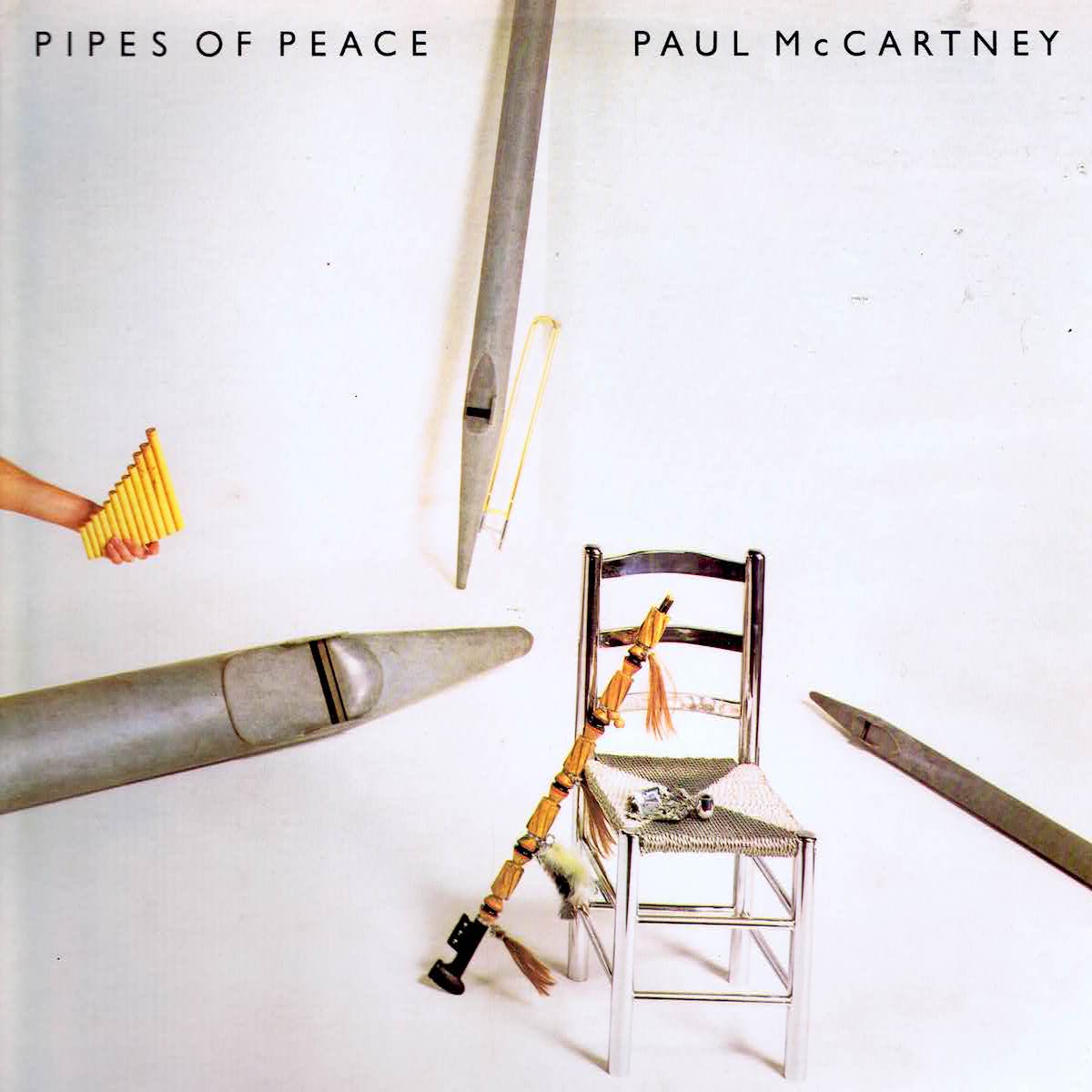 Paul McCartney released his fourth solo album, Pipes of Peace, on October 31, 1983, on Parlophone and Columbia.
The album emerged from the extended sessions for Tug of War, sharing many of the same personnel and stylistic leanings but placing greater emphasis on synth-pop textures and collaborative duets. McCartney recorded the bulk of the material between 1980 and 1983 across multiple studios including AIR London and Montserrat, The Mill, Rude Studio, and Los Angeles facilities.
Like its predecessor, it featured production by George Martin and contributions from Eric Stewart, Ringo Starr, and 10cc bassist-vocalist Rick Fenn. However, McCartney gradually folded Wings during this period, with only Denny Laine appearing on a handful of early tracks. Several pieces from 1981 were retooled or recontextualized, while newer compositions such as the title track, “So Bad,” “Through Our Love,” and “Tug of Peace” emerged in late 1982 and 1983. In both structure and mood, Pipes of Peace presents a bifurcated tone: peace anthems, romantic ballads, and childlike themes on one hand, set against funk-infused duets and spliced experimental segments.
McCartney alternates bass, piano, guitars, and drums across the tracks, with backing vocals from Linda McCartney and Eric Stewart. Michael Jackson joins on the two co-writes, “Say Say Say” and “The Man,” tracked primarily in 1981. Stanley Clarke plays bass on the jazz-funk instrumental “Hey Hey” and the off-kilter “Tug of Peace,” while saxophonists Andy Mackay and Ernie Watts contribute to the album’s layered brass lines. Ringo Starr drums on “So Bad” and “Average Person,” while Steve Gadd appears on “The Man” and “Hey Hey.”
“Pipes of Peace” opens with a blend of pan flute, tabla, piano, and choir, evoking a world peace theme through stately pacing and children’s chorus. “Say Say Say” rides a clipped funk pattern with call-and-response vocals between McCartney and Jackson, underpinned by sharp horns and fluid bass. “The Other Me” uses a clipped phrasing technique as McCartney unpacks regret through lightly syncopated chord changes. “Keep Under Cover” accelerates the pace with processed guitar bursts and marching snare. “So Bad” returns to falsetto balladry with sparse instrumentation, centering on the refrain’s contrast between emotional highs and lows.
“The Man” continues the duet format, pairing rhythm guitar with warm synth pads. “Sweetest Little Show” shifts into lo-fi charm, interweaving acoustic guitar, percussive loops, and filtered lead vocals. “Average Person” uses character sketches over bounding keys and multi-tracked harmonies. “Hey Hey” forgoes vocals entirely for a bass–drums instrumental interplay. “Tug of Peace” overlays processed vocal snippets, chopped-up references to the prior album’s title track, and a mechanical beat suggestive of McCartney II-era collage work. “Through Our Love” closes the album with orchestral swells, piano, and a rising melodic arc across McCartney’s upper vocal range.
A1. “Pipes of Peace” (3:56)
A2. “Say Say Say” (3:55)
A3. “The Other Me” (3:58)
A4. “Keep Under Cover” (3:05)
A5. “So Bad” (3:20)
B1. “The Man” (3:55)
B2. “Sweetest Little Show” (2:54)
B3. “Average Person” (4:33)
B4. “Hey Hey” (2:54)
B5. “Tug of Peace” (2:54)
B6. “Through Our Love” (3:28)
McCartney recorded the album over multiple sessions between late 1980 and mid-1983. Many instrumental tracks originated during the Tug of War sessions, with further overdubs and revisions occurring after the fact. “Pipes of Peace” was recorded in September 1982 with orchestral and choral overdubs added soon after. “Say Say Say” and “The Man” were tracked in 1981 with Jackson and producer George Martin during the Tug of War phase. McCartney finalized the mix of “Say Say Say” in California in early 1983. Clarke’s and Gadd’s contributions to “Hey Hey” and “The Man” occurred during follow-up tracking sessions in Montserrat and Los Angeles. Final touches continued through July 1983 at AIR Studios and The Mill.
“Say Say Say” appeared as the lead single on October 3, 1983. It reached No. 1 in the United States, topping the Billboard Hot 100 for six weeks and earning a platinum certification. In the UK it reached No. 2, eventually rising due to repeated broadcasts of its Bob Giraldi-directed video, which depicted McCartney and Jackson as vaudeville con men. The song received additional attention due to the duo’s prior collaboration on “The Girl Is Mine,” and Jackson’s presence helped it break into multiple territories including Canada, Norway, Sweden, and Spain. McCartney later authorized a remix version in 2015 that reversed the lead vocal order, released as part of the Archive Collection reissue.
“Pipes of Peace” became the second single in December 1983. It topped the UK and Irish charts, aided by a video dramatizing the WWI Christmas truce between British and German soldiers, with McCartney playing both roles. It was issued as the B-side in the United States, where “So Bad” served as the A-side. “So Bad” reached No. 23 on the Billboard Hot 100 and No. 3 on the Adult Contemporary chart. In Canada, it peaked at No. 18 pop and No. 2 AC. The video featured McCartney, Linda, Ringo, and Eric Stewart miming in a stylized studio set intercut with Linda’s photo slides.
Pipes of Peace peaked at No. 4 in the UK and No. 15 on the US Billboard Top LPs & Tape chart. It reached No. 1 in Norway and top 5 placements in Spain, Sweden, and Japan. Despite matching the previous album’s success in the UK, it marked a relative dip in North America. It was certified platinum in the US and UK and went gold in Japan and Canada. The album cover, photographed by Linda McCartney, features a Vincent van Gogh chair with an inserted peace pipe and helmet, tying the visual theme back to the title track’s WWI imagery.
Give My Regards to Broad Street
 On June 10, 1984, Paul McCartney released Give My Regards to Broad Street, his fifth solo album and the soundtrack to the title-sake movie.
The album blends re-recordings of McCartney’s past works with several new compositions, sequenced to mirror their appearance in the film. Across its running time, Give My Regards to Broad Street revisits classic Beatles material, Wings-era hits, and recent solo cuts, filtered through 1980s studio gloss and dramatic sequencing. The new material anchors a loosely narrative framework in which McCartney reflects on the value of his musical catalog amid a fictional crisis over lost master tapes. George Martin returned as producer, with David Gilmour, Ringo Starr, Dave Edmunds, Eric Stewart, and members of Toto contributing to the sessions. McCartney used the opportunity to reframe key songs in more expansive arrangements or alternate production aesthetics. The resulting album functions as a hybrid: part retrospective, part concept soundtrack, and part late-career statement filtered through cinema.
McCartney handles most of the instrumental roles on the new material, with Linda McCartney, Eric Stewart, and Herbie Flowers supporting across keyboards, vocals, and bass. Ringo Starr plays drums on many of the recreated Beatles and Wings tracks. The ballad “No More Lonely Nights,” recorded last for the project, features David Gilmour on lead guitar and Stuart Elliott on drums. “Not Such a Bad Boy” and “No Values” showcase a live rock combo with Edmunds, Spedding, and Linscott, while “Eleanor’s Dream” expands “Eleanor Rigby” into a cinematic suite. Orchestral arrangements by George Martin bridge the transitions and underscore key moments of reinterpretation.
A1. “No More Lonely Nights” (5:13) – new
A2. “Good Day Sunshine” / “Corridor Music” (2:33) – from Revolver (1966)
A3. “Yesterday” (1:43) – from Help! (1965)
A4. “Here, There and Everywhere” (1:43) – from Revolver (1966)
A5. “Wanderlust” (4:07) – from Tug of War (1982)
A6. “Ballroom Dancing” (4:51) – from Tug of War (1982)
A7. “Silly Love Songs” / reprise (5:27) – from Wings at the Speed of Sound (1976)
B1. “Not Such a Bad Boy” (3:29) – new
B2. “So Bad” (3:25) – from Pipes of Peace (1983)
B3. “No Values” (4:12) – new
B4. “No More Lonely Nights” (Ballad reprise) / “For No One” (2:12) – from Revolver (1966)
B5. “Eleanor Rigby” / “Eleanor’s Dream” (9:10) – from Revolver (1966)
B6. “The Long and Winding Road” (3:57) – from Let It Be (1970)
B7. “No More Lonely Nights” (Playout version) (5:03) – new
B8. “Goodnight Princess” (3:58) – new (CD/cassette bonus track)
McCartney recorded the album between December 1982 and May 1984, primarily at Abbey Road, AIR, and CTS Studios in London. The sessions followed the completion of Pipes of Peace and overlapped with production of the Broad Street film. “No More Lonely Nights” came late in the process and was tracked after principal photography. David Gilmour contributed his guitar parts with minimal rehearsal, and the final mix was completed in early 1984. George Martin produced the album and oversaw orchestral scoring for “Eleanor’s Dream,” “Wanderlust,” and transitional pieces. Several of the re-recordings, including “Ballroom Dancing” and “Silly Love Songs,” used new rhythm section configurations, while “For No One” and “Yesterday” retained a more intimate, stripped-down arrangement.
McCartney issued “No More Lonely Nights” on September 24, 1984, as the album’s lead single. It reached No. 2 in the UK and Ireland and No. 6 on the US Billboard Hot 100. Gilmour’s featured guitar solo and the song’s cinematic tone aligned it with the film’s themes of artistic perseverance. A playout version with a funk pattern appeared as the B-side on most releases, and an extended dance remix by Arthur Baker was issued as a 12″ single and picture disc. McCartney also recorded a music video combining film footage and narrative clips.
EMI released the soundtrack on October 22, 1984, in advance of the film’s US release. It debuted at No. 1 in the UK and reached No. 21 in the US. The LP version was trimmed to preserve volume range and omitted “So Bad” and “Goodnight Princess,” which appeared on the cassette and CD editions. The CD added a further dance mix of “No More Lonely Nights” and ran over an hour. Packaging included Terry O’Neill photography and stylized cover lettering referencing Broadway typography, reinforcing the album’s theatrical and nostalgic themes.
The film Give My Regards to Broad Street, written by McCartney and directed by Peter Webb, premiered in the UK on October 23, 1984. It depicts a fictional day in McCartney’s life, during which he discovers that a key associate has vanished with the master tapes for his next album. As a takeover looms, McCartney reflects on past material and rehearses new performances with Linda and Ringo. The plot unfolds across music videos, imagined scenarios, and musical performances, culminating in the rediscovery of the tapes at Broad Street station. Cameos by Bryan Brown, Ralph Richardson, Tracey Ullman, and members of McCartney’s touring band underscore the hybrid tone between fiction and reality.
A tie-in animated short, Rupert and the Frog Song, preceded screenings and yielded the UK Top 3 single “We All Stand Together.”
“Spies Like Us”
On November 18, 1985, Paul McCartney released the single “Spies Like Us,” the title track for the Warner Bros. comedy starring Dan Aykroyd and Chevy Chase. Issued on Parlophone in the UK and Capitol in the US, the synth-heavy track supported the film’s tone. The B-side, “My Carnival,” came from the Venus and Mars sessions and marked a rare Wings track resurfacing a decade later.
“Spies Like Us” matches the film’s comedic espionage angle with tongue-in-cheek lyrics and a new wave arrangement. The chorus repeats the title with winking insistence, and a one-minute uptempo outro—used at the beginning of the film’s closing credits—pushes the energy up as the title gets chanted over a fast, pulsing beat.
McCartney recorded the song in September 1985 with producers Hugh Padgham and Phil Ramone. He handled bass, electric guitar, drums, keyboards, percussion, and tambourine. Eddie Rayner contributed synthesizers, and backing vocals came from Eric Stewart, Linda McCartney, Kate Robbins, and Ruby James. The track received several remix treatments, including a “Party Mix,” an “Alternate Mix” by Art of Noise, and a DJ Version for the 12″ single.
A. “Spies Like Us” – 4:40
B. “My Carnival” – 3:56 (Paul McCartney & Wings)
“Spies Like Us” reached No. 7 on the US Billboard Hot 100, McCartney’s last US top 10 hit until 2015. In the UK, it hit No. 13, with top 10 placements in Ireland and further chart action in Belgium and on US rock radio. Cashbox described it as “playful and danceable.” Film director John Landis, who also directed the music video, disliked the song but agreed to include it due to McCartney’s status and the studio’s push.
The video featured McCartney, Aykroyd, and Chase miming the track and parodying the Abbey Road cover. UK labor laws at the time banned non-musicians from miming, temporarily blocking the video from BBC airplay. Top of the Pops eventually broadcast it in January 1986.
“My Carnival,” recorded during Wings’ New Orleans sessions in 1975, blends swampy rhythm with loose piano. McCartney leads on vocals and piano, joined by Linda on organ, Denny Laine on bass, Jimmy McCulloch on guitar, and Joe English on drums. Benny Spellman and members of The Meters provided additional vocals. The track reappeared on Venus and Mars CD reissues and The 7″ Singles Box in 2022.
Discography:
- McCartney (1970)
- Ram (1971 • Paul & Linda McCartney)
- Wild Life (1971)
- “Hi, Hi, Hi” / “C Moon” (1972)
- Red Rose Speedway (1973 • Paul McCartney & Wings)
- Band on the Run (1973 • Paul McCartney & Wings)
- Venus and Mars (1975)
- Wings at the Speed of Sound (1976)
- Wings Over America (live 2LP, 1976)
- Thrillington (1977, recorded 1971 • Percy “Thrills” Thrillington)
- “Mull of Kintyre” / “Girls’ School” (1977)
- London Town (1978)
- Back to the Egg (1979)
- McCartney II (1980)
- Tug of War (1982)
- Pipes of Peace (1983)
- Give My Regards to Broad Street (OST, 1984)
- Press to Play (1986)
- Снова в СССР (1988 • Пол Маккартни)
- Flowers in the Dirt (1989)
- Off the Ground (1993)
- Flaming Pie (1997)
- Run Devil Run (1999)
- Driving Rain (2001)
- Chaos and Creation in the Backyard (2005)
- Memory Almost Full (2007)
- Kisses on the Bottom (2012)
- New (2013)
- Egypt Station (2018)
Sources:
- Discogs: Paul McCartney
- 45worlds: Paul McCartney
- 45cat: Paul McCartney
- TVRDb.com: Top of the Pops – Paul McCartney
- TVRDb.com: Top of the Pops – Wings
Artist/Album Pages:
Voyager was an English art-rock band from Newbury, Berkshire, that released two albums on Polygram...
Electra-Combo was a German classical-rock band from Dresden that released seven albums between 19...
Tarantula was an American psychedelic rock band that released a 1969 self-titled album on A&M, p...
Toubabou was a Québécois jazz-funk/soul ensemble that released a 1974 live album on Kot'Ai, follow...
Sam Dees is an American soul singer, songwriter, producer, and keyboardist who cut ten singles be...
Tip of the Iceberg was an American jazz-funk big band that released a 1975 self-titled album on Pr...
Folly’s Pool were an American symphonic folk-rock band from Fresno, Calif., that issued a 1977 sel...
Robert Lamm (born Oct. 13, 1944) is an American pianist, singer, and songwriter from Brooklyn who ...
Andy Fraser (July 3, 1952 — March 16, 2015) was an English bassist and songwriter who rose to prom...
Sebastian Hardie was an Australian symphonic-rock band from Sydney that released the 1975 album Four...
Al Foster (Jan. 18, 1943 — May 28, 2025) was an American jazz-funk drummer who first recorded in 1...
Solar Plexus was a Swedish jazz-rock band that released four albums between 1972 and 1975 on EMI O...