

Johnny Bristol (1939–2004) was an American soul singer and songwriter who first appeared in the duo Johnny & Jackey. After ten years as a Motown staff writer, he made the 1974–75 MGM albums Hang On in There Baby and Feeling the Magic, followed by the 1976–78 Atlantic titles Bristol’s Creme and Strangers.
Background
Johnny Bristol was born on February 3, 1939, in Morganton, North Carolina. He served in the US Air Force, where he met fellow serviceman Jackey Beavers. After both received discharges, they commenced their act as a vocal duo.
Johnny & Jackey
The duo signed with Anna Records, a Detroit-based label founded in 1958 by producer/songwriter Roquel Billy Davis with Anna and Gwen Gordy (sisters of Motown founder Berry Gordy). Johnny & Jackey cut their first two singles on Anna, which gained national distribution through Chess Records.
In November 1959, Anna issued the first single by Johnny & Jackey, who co-wrote both sides with Davis.
A. “Lonely and Blue”
B. “Let’s Go to a Movie Baby”
In September 1960, Anna issued their second single, produced by Davis with no writing involvement.
A. “Hoy Hoy” is a composition by ex-Moonglows singer and Chess recording artist Harvey Fuqua, Gwen Gordy’s eventual husband.
B. “No One Else But You” is a Johnny & Jackey original.
Between the two singles, Anna scored a Billboard No. 2 hit with the Barrett Strong single “Money (That’s What I Want),” which became a rock and soul standard. This was the first big hit tied to Motown. When Anna scored no further hits, Berry Gordy absorbed his sisters’ label and reassigned several of its acts to Tamla, including Moonglow (and Anna house-band drummer) Marvin Gaye.
Gwen assigned Johnny & Jackey to Tri-Phi, her new label venture with Fuqua. Between June 1961 and April 1963, the duo cut four Tri-Phi singles. Fuqua co-wrote the first three sides with the duo.
A. “Carry Your Own Load”
B. “So Disappointing”
A. “Someday We’ll Be Together” is the first version of a ballad made famous by Diana Ross & The Supremes, whose 1969 version was Dian’s implied parting shot to the group, but actually recorded between her and The Waters sisters.
B. “Sho Don’t Play”
A. “Do You See My Love (For You Growing)”
B. “Carry Your Own Load”
A. “Baby Don’tcha Worry”
B. “Stop What You’re Saying”
Songwriting
In 1963, Berry Gordy purchased Tri-Phi, which also counted The Spinners in its roster. Fuqua formed a songwriting partnership with Bristol, who spent the next decade behind the scenes.
Between 1965 and 1970, Bristol and Fuqua wrote songs for Gladys Knight & The Pips (“He’s My Kind of Fellow”), The Velvelettes (“These Things Will Keep Me Loving You”), and Yvonne Fair (“We Should Never Be Lonely My Love”).
They scored their biggest hits with 1967–69 singles by Marvin Gaye & Tammi Terrell (“Ain’t No Mountain High Enough,” “Your Precious Love”), Jr. Walker & The All Stars (“What Does It Take (To Win Your Love)”), Edwin Starr (“Twenty-Five Miles”), and David Ruffin (“My Whole World Ended (The Moment You Left Me)”).
Meanwhile, Bristol collaborated with other Motown writers on songs for The Originals (“I’ve Got a Need for You,” with Carol Peters) and the Four Tops (“What Is a Man,” with Doris McNeil). In 1972, Bristol co-wrote four songs on Flying High Together, The Miracles final album with Smokie Robinson, who co-produced it with Bristol, Stevie Wonder, and Ashford & Simpson.
In 1973, Bristol jumped ship to CBS/Columbia, where he wrote and produced songs for O.C. Smith (“La La Peace Song,” recorded simultaneously by Al Wilson) and Boz Scaggs, whose 1974 album Slow Dancer contains three Bristol compositions (“Pain of Love,” “Sail on White Moon,” “I Got Your Number”) and co-credits with Scaggs on two additional songs (“Angel Lady (Come Just In Time),” “Let It Happen”).
By now, Bristol regained his singing ambitions. Due to Columbia’s lack of faith in him as a recording artist, he signed a solo deal with MGM.
Hang On in There Baby
 Johnny Bristol released his debut solo album, Hang On in There Baby, in June 1974 on MGM.
The album presents a smooth soul sound rooted in the lush orchestral textures that defined early 1970s Los Angeles R&B productions. Bristol applies the sophisticated arranging sensibility he developed as a Motown staff writer to a set of sleek mid-tempo numbers and sensual ballads. Arranger H.B. Barnum orchestrates strings and horns over a rhythm section of seasoned L.A. session players, including guitarist David T. Walker.
Bristol wrote eight of the album’s ten songs. Ex-CSNY bassist Greg Reeves co-wrote “I Got Your Number.” James Dean, Jerry Butler, and John Glover co-wrote “Memories Don’t Leave Like People Do,” while David Jones Jr. and Wade Brown Jr. co-wrote “Love Me for a Reason.”
The title track centers on an unambiguous seduction plea with soft string swells and steady rhythmic pacing. “You and I” explores mutual intimacy over gentle percussion and fluttering horn accents. “Memories Don’t Leave Like People Do” contrasts lyrical heartache with plush string cushions. Bristol’s version of “Love Me for a Reason” preceded the Osmonds’ hit reading later that year.
A1. “Woman, Woman” (5:08) — slow-building opener with layered backing vocals and string accents framing Bristol’s lead
A2. “Hang On in There Baby” (3:54) — the sensual title song, later a Top 10 U.S. pop hit
A3. “Reachin’ Out for Love” (4:00)
A4. “You and I” (3:41)
A5. “Take Care of You for Me” (3:08) — appeared as the B-side of the title single
B1. “I Got Your Number” (3:10) — co-written by ex-CSNY bassist Greg Reeves
B2. “It Don’t Hurt No More” (3:34)
B3. “Memories Don’t Leave Like People Do” (4:07) — later recorded by Johnny Mathis and Tavares
B4. “Love Me for a Reason” (3:41) — co-written by David Jones Jr. and Wade Brown Jr.; later popularized by the Osmonds
B5. “Woman, Woman (Reprise)” (0:45)
Sessions took place at MGM Studios in Los Angeles with Johnny Bristol as producer and Greg Venable as engineer. H.B. Barnum handled arrangements.
The cover design is by Dave Wiseltier, with photography by Earl Miller and Emerson-Loew.
MGM promoted Hang On in There Baby with the title track (b/w “Take Care of You for Me”), which reached No. 8 on the Billboard Hot 100, No. 2 on the R&B chart, and No. 3 in the UK. “Memories Don’t Leave Like People Do” followed as the second single.
“Hang On in There Baby” was later covered by Bette Midler and Alton McClain & Destiny. Tamiko Jones reworked “Reachin’ Out for Love” as “Touch Me Baby” on her 1975 album Love Trip. “Memories Don’t Leave Like People Do” was also interpreted by Tavares in the late 1970s.
Feeling the Magic
 Johnny Bristol released his second solo album, Feeling the Magic, in 1975 on MGM.
The album extends the silky soul textures of his debut, mixing brisk mid-tempo numbers with sensual slow jams framed by plush string and horn arrangements. Paul Riser arranged the orchestration, balancing soft rhythmic momentum with polished brass and woodwinds. Bristol’s vocals weave in and out of double-tracked harmonies, creating the illusion of a call-and-response between two voices. Bristol wrote all ten songs on the album.
“Leave My World” opens with an airy Memphis-style shuffle, setting a bright rhythmic tone. “Morganton, North Carolina” offers an autobiographical reflection underscored by crisp horns and light strings. “Love Takes Tears” moves with hypnotic slow-sway pacing, while the title track channels a fervent romantic intensity. “Lusty Lady” explores a blunt subject narrative with Bristol’s restrained yet charged delivery. “I’m Just a Loser” and “All Goodbyes Aren’t Gone” close Side B with quieter, more introspective tones.
A1. “Leave My World” (3:25)
A2. “Morganton, North Carolina” (3:17) — autobiographical reminiscence of his hometown over horn-and-string fills
A3. “Go On and Dream” (3:52)
A4. “Love Takes Tears” (3:19) — issued as the lead single
A5. “Feeling the Magic” (2:50) — title song with romantic lyrical themes
B1. “Lusty Lady” (3:04) — portrays a recently deceased sex worker with plain-spoken detail
B2. “I’m Just a Loser” (3:48) — confessional ballad with restrained string backing
B3. “Girl, You Got Your Act Together” (2:55)
B4. “All Goodbyes Aren’t Gone” (2:47) — intimate ballad that slows the pacing
B5. “I Wouldn’t Change a Thing” (3:08) — later covered by Coke Escovedo and Diana Ross
Sessions occurred at Devonshire Sound Studios in North Hollywood with Johnny Bristol producing and Greg Venable engineering and mixing. Paul Riser arranged the material. Bristol employed three guitarists (David T. Walker, Melvin “Wah Wah” Ragin, and Ray Parker Jr.), two keyboardists (Clarence K. McDonald on piano and Russ Turner on piano and electric keys), drummer Eddie Greene, bassist Henry E. Davis, percussionist Gene Estes (vibraphone), and conga player Joe L. Clayton.
Album photography is by Emerson-Loew with art direction by Sheri Leverich.
MGM promoted Feeling the Magic with “Love Takes Tears” (b/w “Go On and Dream”), which entered the Billboard R&B chart.
Margie Joseph covered “All Goodbyes Aren’t Gone” and “Love Takes Tears” on her 1978 album Feeling My Way. “I Wouldn’t Change a Thing” was covered by Coke Escovedo in 1976 and Diana Ross in 1977.
Bristol’s Creme
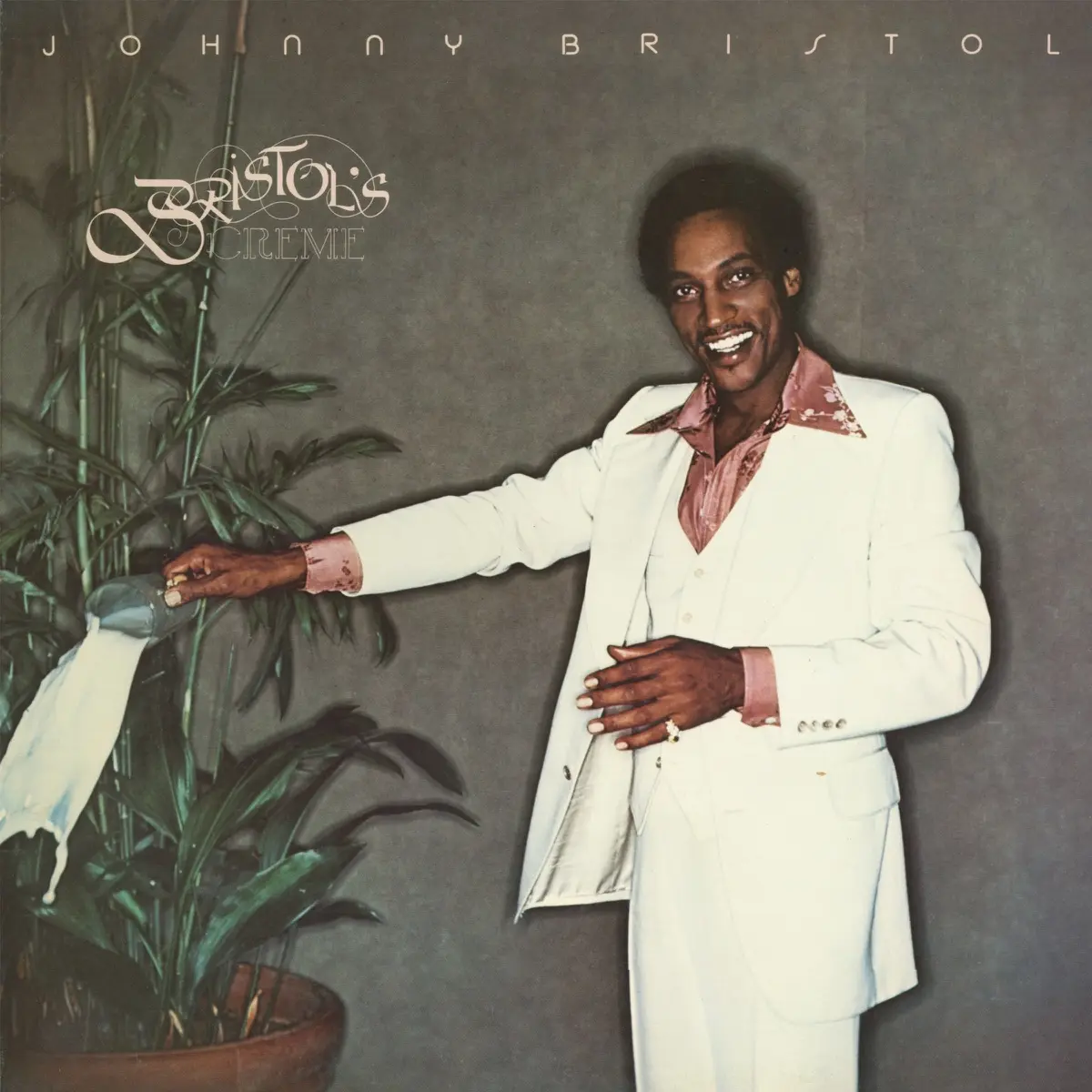 Johnny Bristol released his third solo album, Bristol’s Creme, in September 1976 on Atlantic.
Bristol’s first release for Atlantic follows his 1974 solo debut Hang On in There Baby and 1975’s Feeling the Magic. The album continues his romantic soul style with tighter arrangements and a more playful rhythmic sensibility than its predecessor.
Backing comes from bassist Henry Davis and Willie Weeks, drummers Earl Palmer, Ed Greene, and James Gadson, guitarists David T. Walker, Melvin “Wah-Wah” Ragin, Ray Parker Jr., and Robert Bolds, keyboardists John Barnes and Sylvester Rivers, conguero Joe Clayton, and shaker player Victor Feldman. Sonny Burke arranged rhythm, keyboards, and synthesizers; Paul Riser handled string and horn charts.
Bristol wrote and produced seven of the eight songs. Sandra Leoncavallo contributed “She Came Into My Life.”
The opening cut “Do It to My Mind” pairs light percussive guitar with ascending horn phrases over a steady midtempo beat. “I Sho Like Groovin’ With Ya” maintains a flirtatious tone with clipped rhythmic accents. “Love to Have a Chance to Taste the Wine” revisits his sensual lyrical themes, set to a lightly syncopated backing. The slower “She Came Into My Life” stands apart as the album’s sole outside composition.
A1. “Do It to My Mind” (4:51)
A2. “I Love Talkin’ ’Bout Baby” (3:46)
A3. “I Sho Like Groovin’ With Ya” (3:59)
A4. “You Turned Me On to Love” (4:48)
B1. “She Came Into My Life” (5:10) — written by Sandra Leoncavallo
B2. “Love to Have a Chance to Taste the Wine” (3:06)
B3. “Baby’s So Much Fun to Dream About” (4:19)
B4. “Have Yourself a Good Time Thinkin’ ’Bout the Good Times” (4:09)
Sessions took place at Davlen Sound Studios in Universal City with Johnny Bristol producing and Eric Prestidge engineering.
Margie Joseph covered “You Turned Me on to Love” and a gender-flipped “She Came Into My Life” (“He Came Into My Life”) on her 1978 album Feeling My Way.
Atlantic promoted the album with “Do It to My Mind,” which became its best-known track.
Strangers
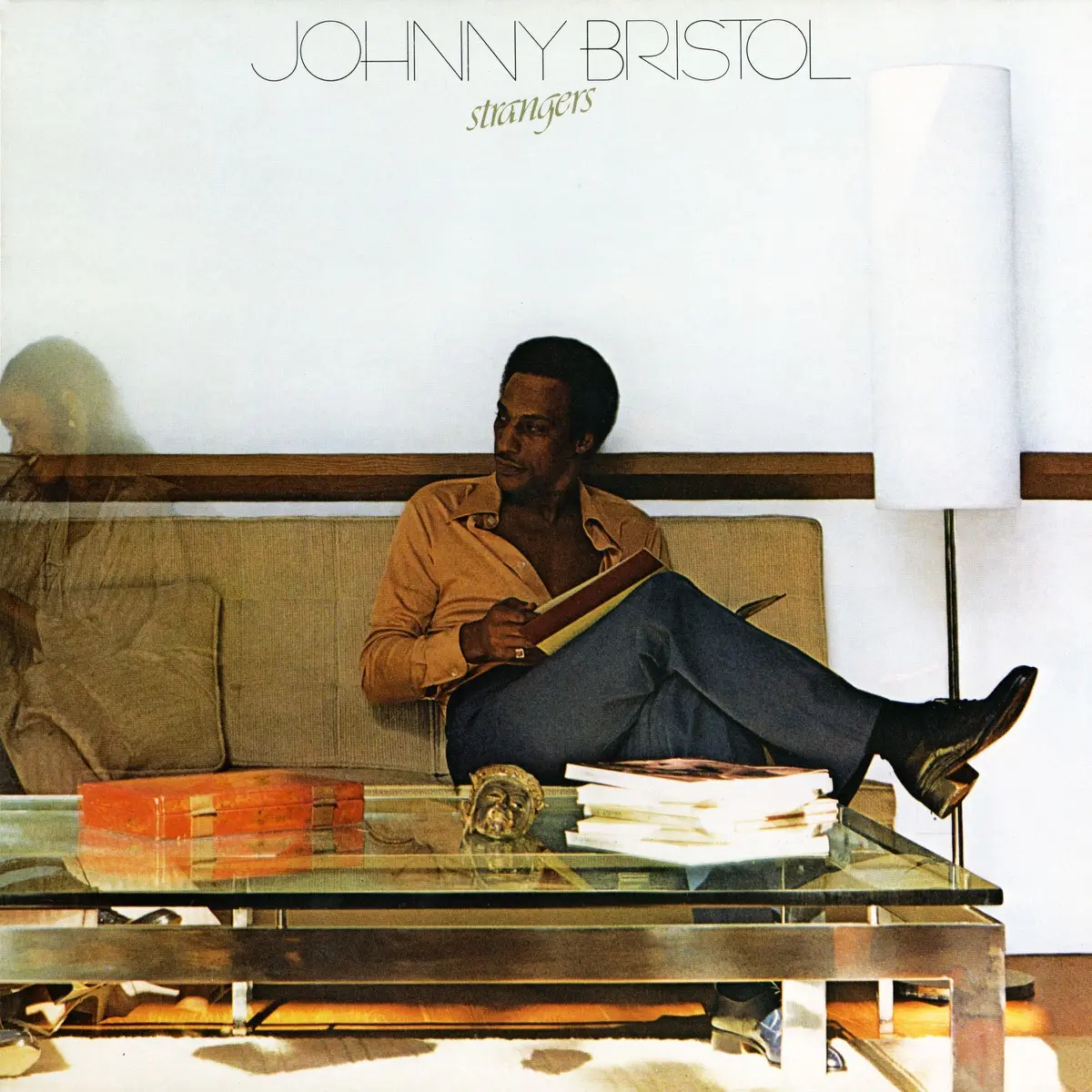 Johnny Bristol released his fourth solo album, Strangers, in September 1978 on Atlantic.
The album blends elegant midtempo soul with lightly syncopated rhythms and romantic balladry, sustaining the style Bristol refined in his mid-1970s output.
Bristol wrote all ten songs. Powell co-wrote “She’s So Amazing” and “Everyday She’s Around,” and Williams co-wrote “If You Ever Need Somebody.”
“Strangers in the Dark Corners” opens the album with a spacious rhythmic undercurrent and fluid vocal phrasing. “I’m Waiting on Love” follows with a clipped, crisp beat. “If You Ever Need Somebody” moves at a brisk pace with layered guitar lines. “She’s So Amazing” and “Everyday She’s Around” bring a lighter touch, while “When the Fire Is Burning” marks the album’s sharpest rhythmic drive.
A1. “Strangers in the Dark Corners” (4:56)
A2. “I’m Waiting on Love” (3:09)
A3. “If You Ever Need Somebody” (2:55)
A4. “She’s So Amazing” (3:11)
A5. “Everyday She’s Around” (2:19)
B1. “You Can’t Have Love (Without Complications)” (3:17)
B2. “I’m So Proud of You” (4:32)
B3. “When the Fire Is Burning” (2:37)
B4. “Why Stop It Now” (2:50)
B5. “When He Comes (You Will Know)” (4:31)
Backing comes from bassist James Jamerson Jr., drummers James Gadson, Ollie Brown, and Darrell Budget, guitarists David T. Walker, David Williams, Mitch Holder, and Steve Edwards, keyboardist Hense Powell, synthesist Fred Remarez, pianist Johnny Bristol, percussionist Bobbie Hall, and conguero Robert Torres.
Sessions took place in Los Angeles with Johnny Bristol producing. Atlantic issued “Strangers in the Dark Corners” as the album’s lead single.
Free to Be Me
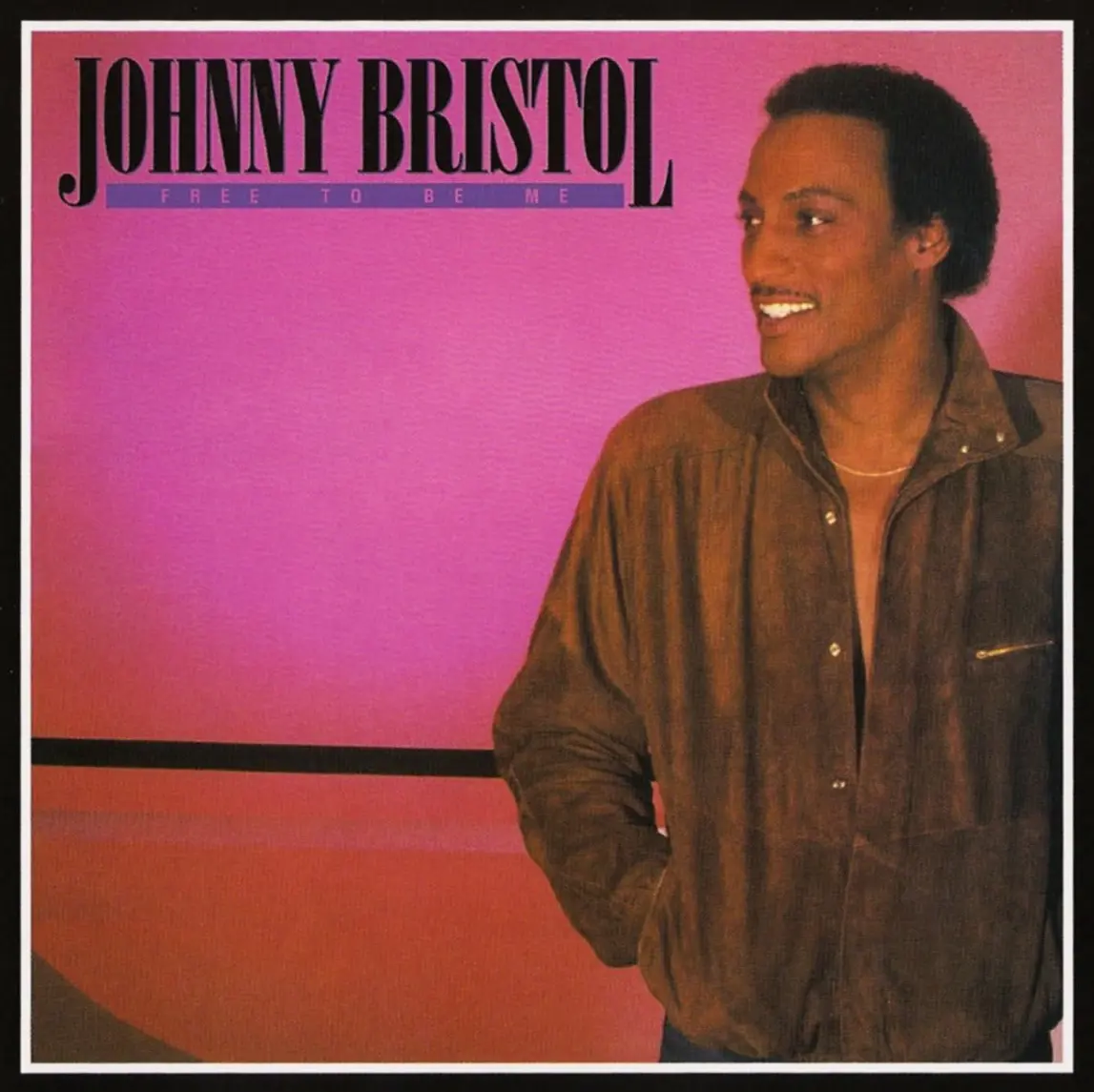 Johnny Bristol released his fifth solo album, Free to Be Me, in October 1981 on Handshake Records.
The album mixes Bristol’s smooth soul with polished early-’80s funk and disco-inflected rhythms, featuring his signature fluid vocals and layered arrangements.
Bristol wrote or co-wrote seven of the ten tracks. Hense Powell co-wrote four songs with Bristol, including “Love No Longer Has a Hold on Me,” “Till I See You Again,” “Rosebud,” and “Share with Me My Dreams.” Gus Dudgeon produced and co-wrote the Peter Skellern cover “Hold Onto Love” and Kiki Dee’s “Loving and Free.” Margaret Nelson and Terrenze Harrison wrote “Love Is on Tonight,” and Bill Williams Jr., Jesse C. Robinson, and Marshall McQueen Jr. penned “If I Can’t Stop You,” which Bristol co-produced with Aubrey Taylor.
The album opens with the driving, dance-oriented “Take Me Down,” followed by the uplifting soul of “Love No Longer Has a Hold on Me.” “Hold Onto Love” delivers a soft ballad interpretation, while “Till I See You Again” and “Rosebud” offer introspective, romantic textures. Side B combines funky, syncopated rhythms on “Loving and Free” with lush vocal layering on “Sweet and Deep” and “Share with Me My Dreams.” “Love Is on Tonight” presents a smooth, contoured R&B pace, and “If I Can’t Stop You” closes the album with a polished rhythmic finish.
A1. “Take Me Down” (5:14) — written by J.P. Pennington and Mark Gray, produced by Gus Dudgeon
A2. “Love No Longer Has a Hold on Me” (5:03) — written by Hense Powell and Johnny Bristol
A3. “Hold Onto Love” (3:49) — cover of Peter Skellern, produced by Gus Dudgeon
A4. “Till I See You Again” (3:44) — written by Hense Powell and Johnny Bristol
A5. “Rosebud” (4:42) — written by Hense Powell and Johnny Bristol
B1. “Loving and Free” (3:48) — cover of Kiki Dee, produced by Gus Dudgeon
B2. “Sweet and Deep” (4:30) — written by Elgie Stover, Hense Powell, Jakki Milligan, Johnny Bristol; vocals by Linda Evans
B3. “Love Is on Tonight” (5:01) — written by Margaret Nelson and Terrenze Harrison
B4. “Share with Me My Dreams” (4:04) — written by Hense Powell, Johnny Bristol, Robyn Doolin; vocals by Linda Evans
B5. “If I Can’t Stop You” (3:24) — written by Bill Williams Jr., Jesse C. Robinson, Marshall McQueen Jr.; produced by Johnny Bristol and Aubrey Taylor
Backing players include bassists James Jamerson Jr., John Giblin, and Wilton Felder; drummers Grahame Jarvis and Quentin Dennard; guitarists Martin Jenner and Tim Renwick; keyboardists Hense Powell, John Barnes, Larry Farrow, Pete Wingfield, and Rahn Coleman; percussionists Frank Ricotti and Ray Cooper; saxophonist Chris Hunter; and vocalists George Chandler, Katie Kissoon, Linda Evans, and Pete Wingfield.
Sessions occurred at Maison Rouge Studios in London (A1, A3, B1), Britannia Studios in Hollywood (A2, A4, A5, B2–B4), and Devonshire Sound Studios in Hollywood (B5). Eric Prestidge, Grahame Dickson, Ken Suesov, and Russ Bracher engineered the sessions.
Atlantic promoted the album with “Take Me Down” (b/w “Rosebud”), which reached No. 17 on the US Dance chart. Earlier collaborations included the July 1980 duet with Amii Stewart, “My Guy / My Girl / Now,” which reached No. 39 on the UK Singles Chart. “Love No Longer Has a Hold on Me / Till I See You Again” issued as a single in October 1980.
Discography:
- Hang On in There Baby (1974)
- Feeling the Magic (1975)
- Bristol’s Creme (1976)
- Strangers (1978)
- Free to Be Me (1981)
Sources:
- Discogs: Johnny Bristol
- Zaragon: Directory of Soul Albums
- 45worlds: Johnny Bristol
- 45cat: Johnny Bristol
- MusicBrainz: Johnny Bristol
- SecondHandSongs: Johnny Bristol
Artist/Album Pages:
East Harlem Bus Stop was an American soul-funk band that released the 1976 album Get On Down! on D...
Tyll was a German jazz-rock/psych band that released the 1975 album Sexphonie on Kerston. Member...
Gòtic was a Spanish symphonic-rock band that released the 1978 album Escenes on Movieplay. Membe...
Cockney Rebel was an English rock band fronted by Steve Harley. They released the 1973/74 albums T...
Waves were a New Zealander folk-rock combo that released a 1975 self-titled album on Direction Rec...
Valerie Carter (Feb. 5, 1953 — March 4, 2017) was an American pop singer active on the 1970s Laure...
Buki-Yamaz was a Danish jazz-rock/funk band that made a 1975 self-titled album on Hookfarm, follow...
Emerson, Lake & Palmer — alternately known by the acronym ELP — were an English symphonic-rock t...
Carole Bayer Sager (born March 8, 1947) is an American songwriter and occasional singer who releas...
Aut'chose was a Québécois rock band formed in 1974 by poet-vocalist Lucien Francoeur and guitarist...
Uni Sono was a Finnish jazz-rock supergroup comprised of distinguished players on the Helsinki mus...
Wally was an English symphonic/rustic-rock band from Harrogate, North Yorkshire, that released the...