

Lenny Williams (born Feb. 6, 1945) is an American soul singer from Little Rock who sang with Tower of Power on three albums: their 1973 self-titled release and 1974 followups Back to Oakland and Urban Renewal.
Williams went solo with the 1974 Warner release Pray for the Lion, followed on Motown with Rise Sleeping Beauty. He made eight further albums through 1989 and scored R&B hits with “Cause I Love You,” “Choosing You,” and “Shoo Doo Fu Fu Ooh!”
Background
Lenny Williams was born Leonard Charles Williams on February 6, 1945, in Little Rock, Arkansas. His family moved to Oakland, California, when he was fourteen months old. His parents attended a Baptist church, where Williams sang in choir contests before he preached during his middle teens. Williams studied trumpet in public school, then briefly attended Simpson Bible College in San Francisco. He later enrolled at Merritt College in Oakland, where he met Huey Newton before he chose a secular vocal career.
Williams shared Bay Area gospel programs with the Hawkins family and Andraé Crouch. He also appeared on church programs with Billy Preston and Sly Stone. Local talent contests led Williams to Fantasy Records, which issued “I Couldn’t Find Nobody” b/w “Lisa’s Gone” as a 1968 single. Galaxy issued “Feelin’ Blue” b/w “How Can I Forget You” in March 1970, with John Fogerty credited for the A-side. Williams signed briefly with Atlantic Records before Tower of Power hired him in 1972 after Rick Stevens left the lead-vocal chair. Williams joined the band before the group cut its 1973 Warner Bros. album Tower of Power.
Pray for the Lion
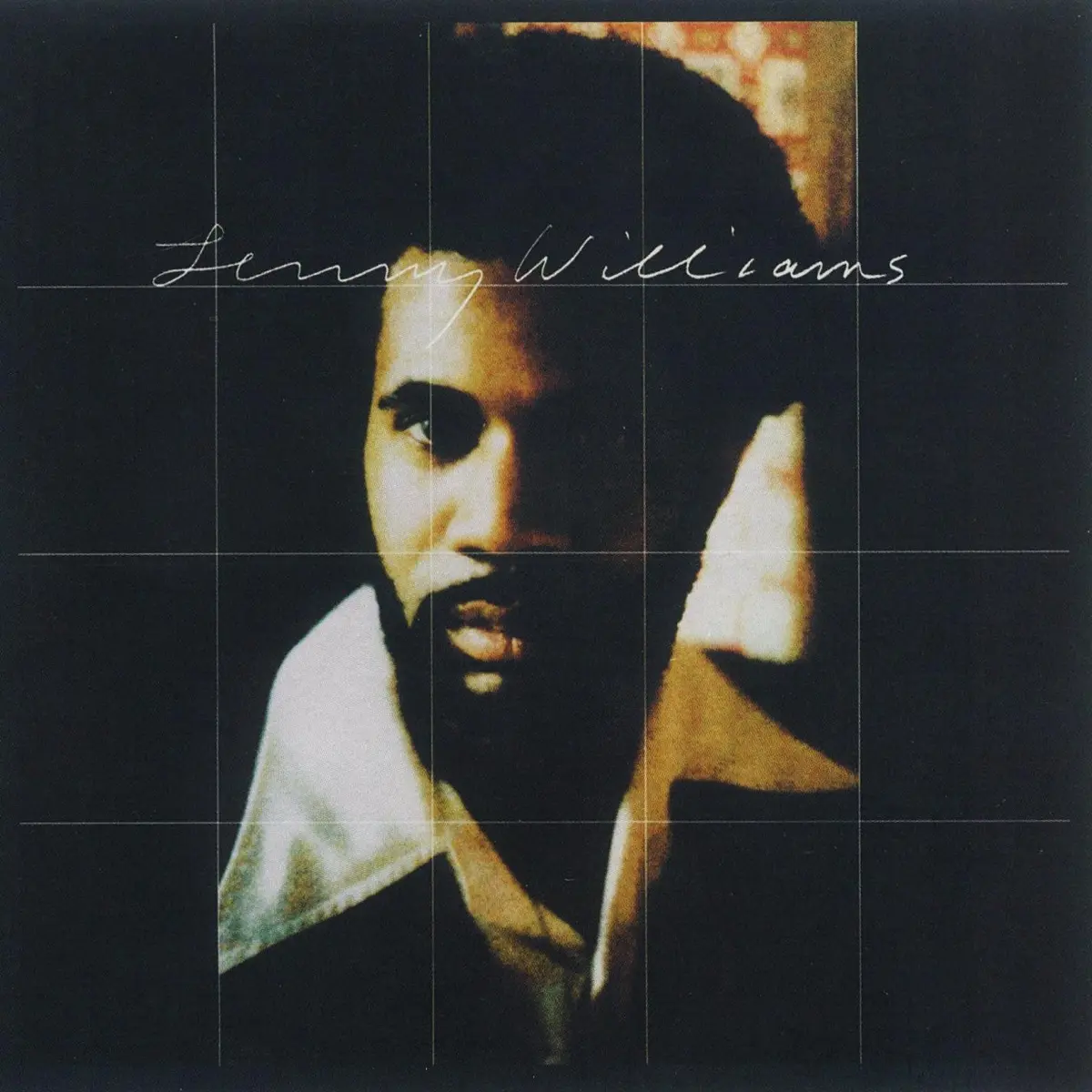 Lenny Williams released his debut studio album, Pray for the Lion, in January 1974 on Warner Bros.
Lion presents brassy soul performed with bassist Gary King, drummer Lenny White, pianist Mike Melvoin, and guitarists Dean Parks and David Stallings, plus an eight-part horn section. Williams sings seven originals and three contributions from Eugene McDaniels.
“We’re Gonna See It Through” strides through a steady stepper cadence with firm title-phrase resolve. “Problem Solver” settles into a measured early take, with the later version tightening the same song at a quicker clip. “Keep On Keeping On” lingers in ballad-stepper territory, with an unhurried cadence under the title-line refrain.
A1. “Compared to What” (3:21) – McDaniels
A2. “Open Book” (2:56) – Williams
A3. “Sometimes Love” (4:07) – McDaniels, Williams
A4. “There’s Always Mystery (When You’re Making History)” (3:28) – Stallings, Williams
A5. “We’re Gonna See It Through” (4:00) – Stallings, Williams
B1. “River” (5:02) – McDaniels
B2. “Problem Solver” (3:26) – Stallings, Williams
B3. “All That’s Love” (3:11) – Melvoin, Milo Adano
B4. “Money” (4:30) – McDaniels
B5. “Keep On Keeping On” (4:24) – Stallings, Williams, Pearl Williams
McDaniels produced Pray for the Lion with engineer Hank Cicalo. The album appeared in a cover designed by Dave Bhang with art direction by Ed Thrasher and photography by Jim McCrary and Thrasher, whose image shows a close-cropped Williams portrait beneath a grid and script-name overlay.
Rise Sleeping Beauty
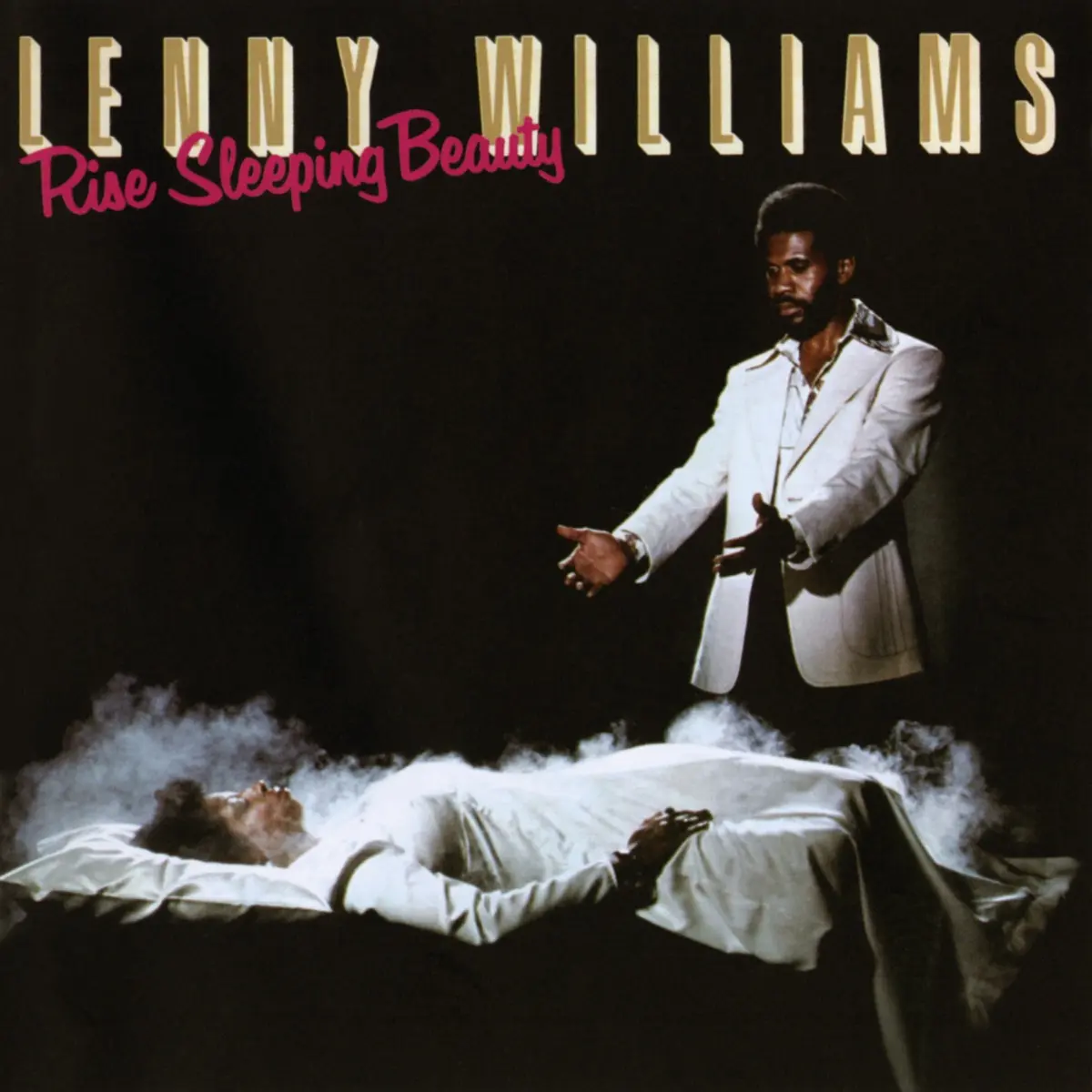 Lenny Williams released his second studio album, Rise Sleeping Beauty, in August 1975 on Motown.
Beauty features backing by bassist/guitarist Rusty Allen, drummer Ted Sparks, percussionist Bill Summers, pianist Michael Bennett, and keyboardists Josef Williams and Chester Thompson, plus a nine-piece horn section that includes trumpeter Eddie Henderson. David Stallings co-wrote six songs.
“Since I Met You” floats at moderato in a light forward sway. “‘Cause I Love You” quickens through an early uptempo lift. “Motion” dances through bright accents and clipped ensemble turns. “Loving Station” settles into a beat-ballad sway with a deep late-night tint. “Sons of Thieves, Slaves and Braves” states its social text over a measured vocal line. “Rise Sleeping Beauty” starts in a slow ballad register and swells gradually into a larger closing refrain.
A1. “Since I Met You” (3:05) – Williams, DeMar
A2. “I’m a Pioneer” (2:48) – Williams
A3. “’Cause I Love You” (2:52) – Williams, Bennett
A4. “To Be a Star” (3:14) – Stallings, Williams
A5. “Shame” (5:18) – Williams, Pearl Williams, Stallings
B1. “Loving Station” (3:33) – Williams, Pearl Williams, Stallings
B2. “Motion” (3:10) – Williams, Josef Williams
B3. “Run On See What the Ends Gonna Be” (2:41) – Williams, Stallings
B4. “Sons of Thieves, Slaves and Braves” (2:29) – Williams, Stallings
B5. “Rise Sleeping Beauty” (3:32) – Williams, Stallings
Lenny Williams and Chester Thompson produced Rise Sleeping Beauty with engineer Rick Stanley. The album appeared in packaging by Ren Deaton Productions, whose cover image shows Williams in a white jacket beside a woman posed on a bed amid stage smoke.
Motown lifted “Since I Met You” as an October 1975 single (b/w “Motion”), which reached No. 94 on the Billboard Hot Soul Singles chart.
Choosing You
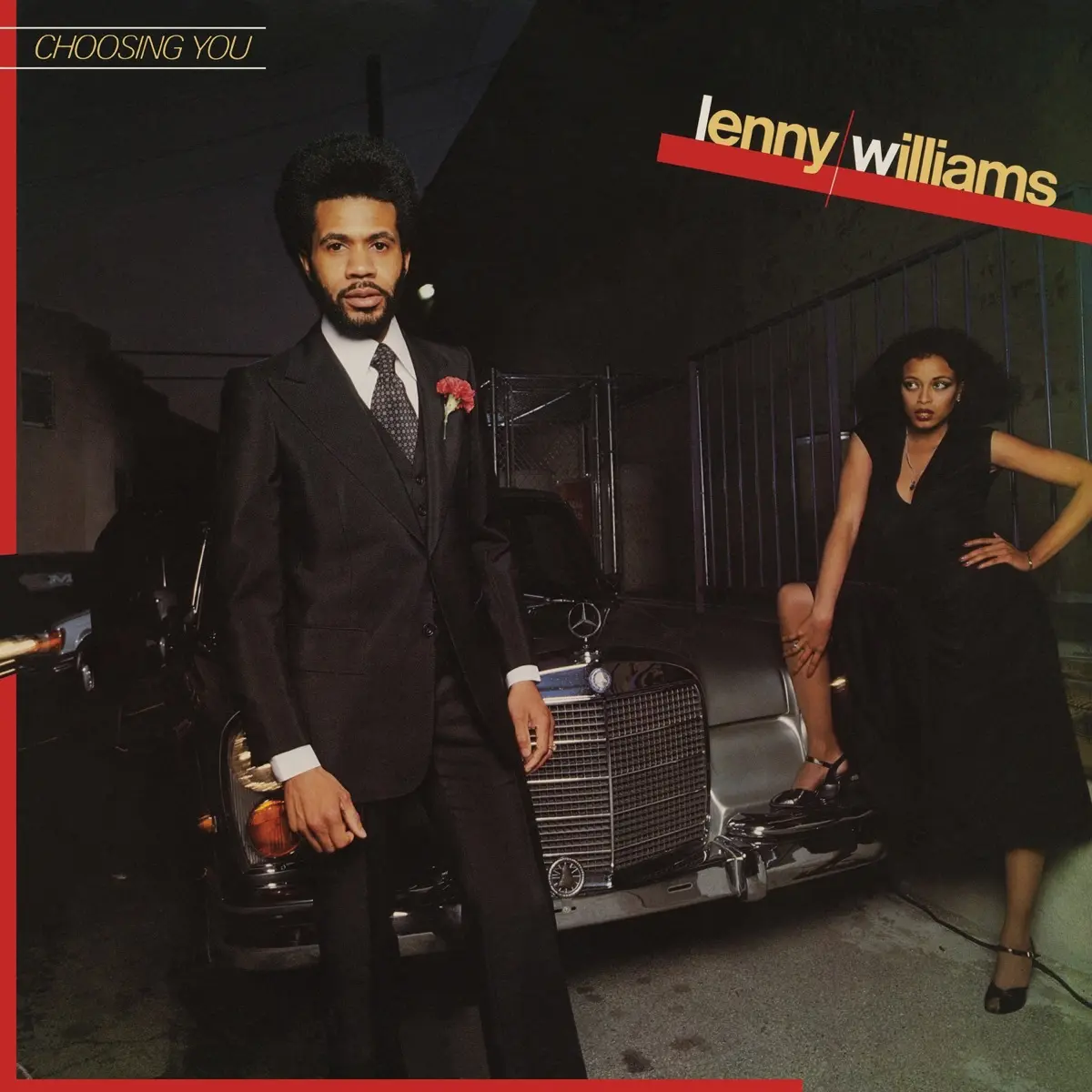 Lenny Williams released his third studio album, Choosing You, in 1977 on ABC.
Choosing features roughly thirty session players, including drummer James Gadson, bassist James Jamerson Jr., guitarist Ray Parker Jr., keyboardist Greg Phillinganes, and synthesizer player Michael Boddicker. The horn section includes reedists Lenny Pickett, Emilio Castillo, and Stephen Kupka, trumpeter Greg Adams, and trumpeter/trombonist Mic Gillette.
“Shoo Doo Fu Fu Ooh!” shuffles through bright call-and-response phrases and clipped accents. “Look Up With Your Mind” charges across an uptempo dancer, with horn lines cutting through the vocal refrain. “Choosing You” extends the dance side through a long title chant and polished ensemble accents. “Riding the High Wire” lifts Williams into falsetto turns above clipped replies.
“Please Don’t Tempt Me” settles into a blues-edged mid-tempo vamp, then lengthens through repeated ad-libs. “I’ve Been Away for Too Long” slows around a melismatic lead and close ballad cadence. “Trust in Me” lingers on a passionate ballad lead. “Problem Solver” closes with a relaxed mid-tempo swell and wide vocal leaps.
A1. “Shoo Doo Fu Fu Ooh!” (3:21) – Thompson, Williams
A2. “Look Up With Your Mind” (4:40) – Wilson, Wieder
A3. “Choosing You” (6:13) – Williams
A4. “Riding the High Wire” (4:30) – Wilson, Footman, Wieder
B1. “Please Don’t Tempt Me” (7:52) – Posey, Wilson, Powell
B2. “I’ve Been Away From Love Too Long” (4:08) – Posey, Powell
B3. “Trust In Me” (4:14) – Wilson, Footman, McFaddin
B4. “Problem Solver” (3:50) – Stallings, Williams
Frank Wilson produced and arranged Choosing You at Crystal Sound with recording engineer Kevin Beamish and mixing engineers Wilson and Beamish. The album appeared in a cover designed by Earl Klasky with photography by Gary Heery, whose image shows Williams in a suit beside a sedan with a woman posed near the passenger side.
ABC lifted “Choosing You” as an August 1977 single (b/w “Problem Solver”), which reached No. 62 on the Billboard Hot Soul Singles chart.
“Shoo Doo Fu Fu Ooh!” became the second single in September 1977 (b/w “Problem Solver”) and reached No. 31 on the Billboard Hot Soul Singles chart. Billboard listed “Choosing You” and “Shoo Doo Fu Fu Ooh!” at No. 10 on its disco chart.
In March 1978, “Look Up With Your Mind” reappeared as a single (b/w “Riding The High Wire”) and reached No. 74 on the Billboard Hot Soul Singles chart.
Choosing You reached No. 25 on the Billboard Top Soul LPs chart.
Spark of Love
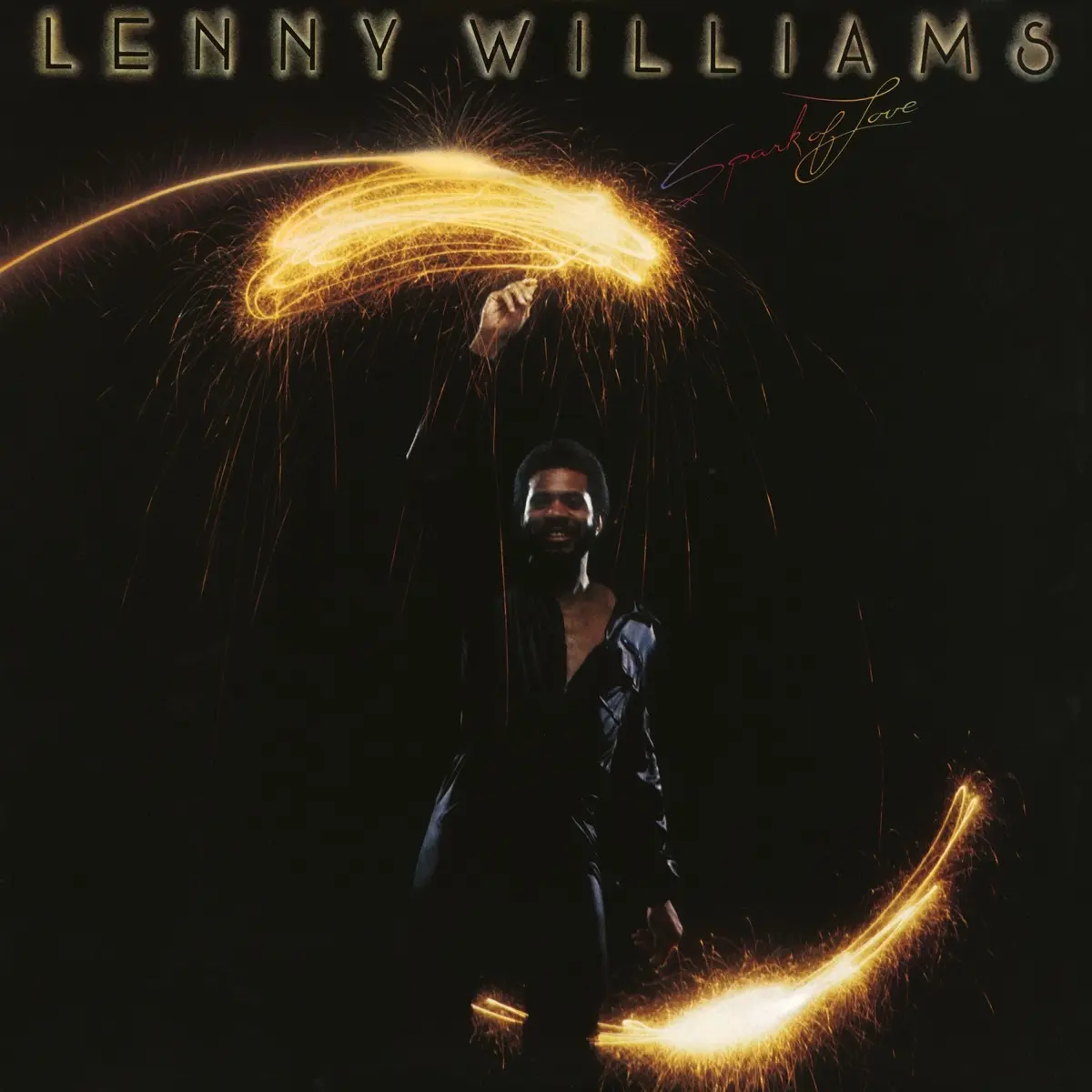 Lenny Williams released his fourth studio album, Spark of Love, in June 1978 on ABC.
Spark retains Gadson, Boddicker, and Phillinganes, who play alongside bassist Abraham Laboriel Sr. and guitarist Lee Ritenour. Williams harmonizes with Angela Winbush and Cheryl Lynn. The seven-piece horn section includes saxophonist Fred Jackson and trumpeter Gary Grant.
“I Still Reach Out” stalks across a heavy beat, with Williams placed forward and a sharp guitar accent near the lead. “You Got Me Running” barrels through a brisk dance refrain. “Midnight Girl” charges through a hard-edged dance pattern and compact vocal phrases.
“’Cause I Love You” smolders through long-form ballad arcs and wide vocal release. “Changes” chants through a social text and raised group response. “Think What We Have” lingers on theatrical slow-number lines. “Love Came and Rescued Me” glides toward a sustained vocal close.
A1. “I Still Reach Out” (5:38) – Stallings, Chavis, Williams
A2. “You Got Me Running” (7:40) – Drayton, Wieder
A3. “Midnight Girl” (6:03) – Wilson, Footman, McFadden
A4. “Think What We Have” (4:15) – Footman, Wieder
B1. “‘Cause I Love You” (7:09) – Williams, Bennett
B2. “Changes” (5:04) – Winbush, Moore
B3. “Half Past Love” (3:38) – Knight, Allan
B4. “Love Came and Rescued Me” (4:01) – Posey, Powell
Frank Wilson produced and arranged Spark of Love at Crystal Sound and Kendun Recorders with recording engineer Kevin Beamish and assistant engineer James Hill. Richard Germinaro and Stuart Kusher directed the cover design.
ABC lifted “You Got Me Running” as a 1978 single (b/w “I Still Reach Out”), which reached No. 40 on the Billboard Hot Soul Singles chart, No. 25 on the Billboard disco chart, and No. 67 on the UK chart.
“Midnight Girl” became the second single (b/w “I Still Reach Out To You”) and reached No. 20 on the Billboard Hot Soul Singles chart.
Spark of Love reached No. 17 on the Billboard Top R&B Albums chart and No. 87 on the Billboard 200.
Love Current
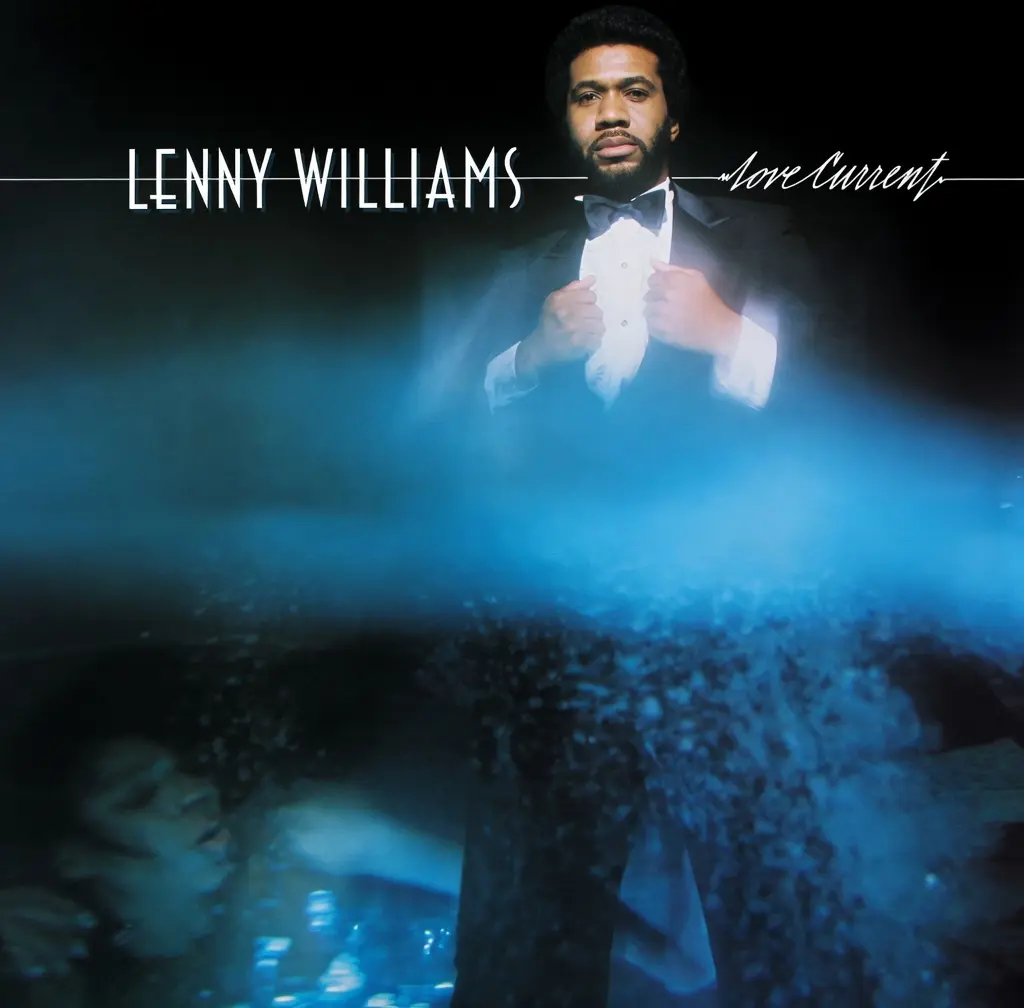 Lenny Williams released his fifth studio album, Love Current, in 1979 on MCA.
Current retains multiple sidemen (Laboriel, Phillinganes, Boddicker) and welcomes guitarist Paul Jackson Jr., keyboardist Patrice Rushen, percussionist Paulinho Da Costa, saxophonist Don Menza, and trumpeter Chuck Findley.
“If You’re in Need” eases in, then skips over a bright piano figure and firm dancer accents. “When I’m Dancin’” rolls through an even mid-pace refrain. “Doing the Loop de Loop” chugs through repeated title phrases and brass punctuation. “Let’s Talk It Over” sinks into a very slow ballad cadence before a compressed late climax. “Here’s to the Lady” crawls through a near-still slow-dance cadence.
A1. “If You’re In Need” (6:07) – Grey, Hanks
A2. “When I’m Dancin’” (4:49) – Footman, Wieder
A3. “Doing the Loop De Loop” (4:55) – Williams, Stallings
A4. “Last Night I Dreamed” (3:55) – Footman, McFadden, Wieder
B1. “Love Hurt Me, Love Healed Me” (3:56) – Footman, Wieder, McFadden
B2. “Let’s Talk It Over” (5:30) – Williams, Bennett
B3. “Sweet Ecstasy” (4:36) – Posey, Powell
B4. “Here’s to the Lady” (3:49) – Footman, Wieder, McFadden
B5. “Though We Love Once” (4:01) – Drayton, Wieder
Frank Wilson produced Love Current at Music Grinder Studios, A&M Studios, and United Western Studios with recording engineer Gary Skardina and assistant engineer John Kovarek. Tom Washington and Bruce Miller arranged the horn and string parts on selected tracks, and Wilson, Miller, John Footman, and Clay Drayton divided the rhythm arrangements.
MCA lifted “Doing The Loop De Loop” as a June 1979 single (b/w “Think What We Have”), which reached No. 30 on the Billboard Hot Soul Singles chart.
“Love Hurt Me, Love Healed Me” became the second single (b/w “Sweet Ecstasy”) and reached No. 43 on the Billboard Hot Soul Singles chart.
Love Current reached No. 24 on the Billboard Top R&B Albums chart.
Let’s Do It Today
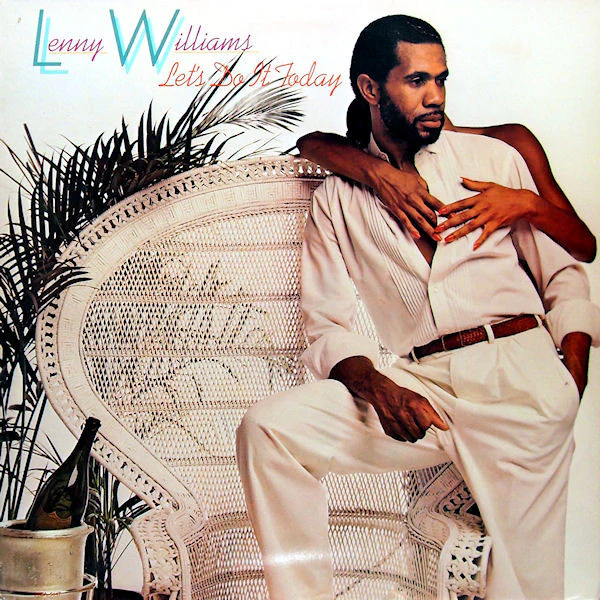 Lenny Williams released his sixth studio album, Let’s Do It Today, in 1980 on MCA.
Today features Gene Page arrangements, performed with multiple returning sidemen—Paul Jackson Jr., Ray Parker Jr., Paulinho Da Costa—and bassist Nathan East, keyboardist Sonny Burke, and an eight-piece horn section with saxophonist Tom Scott.
“Suspicions” sways through a slow waltz cadence and places Williams in a sustained pleading lead. “Don’t Stop Me Now” chugs through a swaying uptempo pattern with clipped ensemble accents. “Let’s Do It Today” smolders as a deep dramatic ballad, with the title line stretched across a broad vocal arc. “Ooh Child” settles into a slow reading with a soft refrain and patient cadence. “Messing With My Mind” rolls through a midtempo side that points the album back toward dancer material.
A1. “Suspicions” (5:15) – Malloy, Rabbitt, McCormick, Stevens
A2. “Don’t Stop Me Now” (3:38) – Thompson, Williams
A3. “Let’s Do It Today” (5:13) – Thompson, Williams
A4. “Ooh Child” (3:57) – Vincent
B1. “Messing With My Mind” (3:27) – Thompson, Williams, Duboff
B2. “Looks Like You Made It” (4:00) – Cate, Cate
B3. “Play With Me, Stay With Me (Lay With Me)” (3:28) – Thompson, Williams, Duboff
B4. “If You Don’t Want My Love” (3:55) – Prine, Spector
Steve Duboff produced Let’s Do It Today for Morlock Music Productions with associate producer Lenny Williams. Gene Page arranged and conducted the album.
MCA lifted “Ooh Child” as a September 1980 single (b/w “Let’s Do It Today”), which reached No. 34 on the Billboard Hot Soul Singles chart.
In January 1981, “Messing With My Mind” reappeared as a single (b/w “Play With Me, Stay With Me (Lay With Me)”) and reached No. 58 on the Billboard Hot Soul Singles chart.
Let’s Do It Today reached No. 57 on the Billboard Top R&B Albums chart and No. 185 on the Billboard 200.
Taking Chances
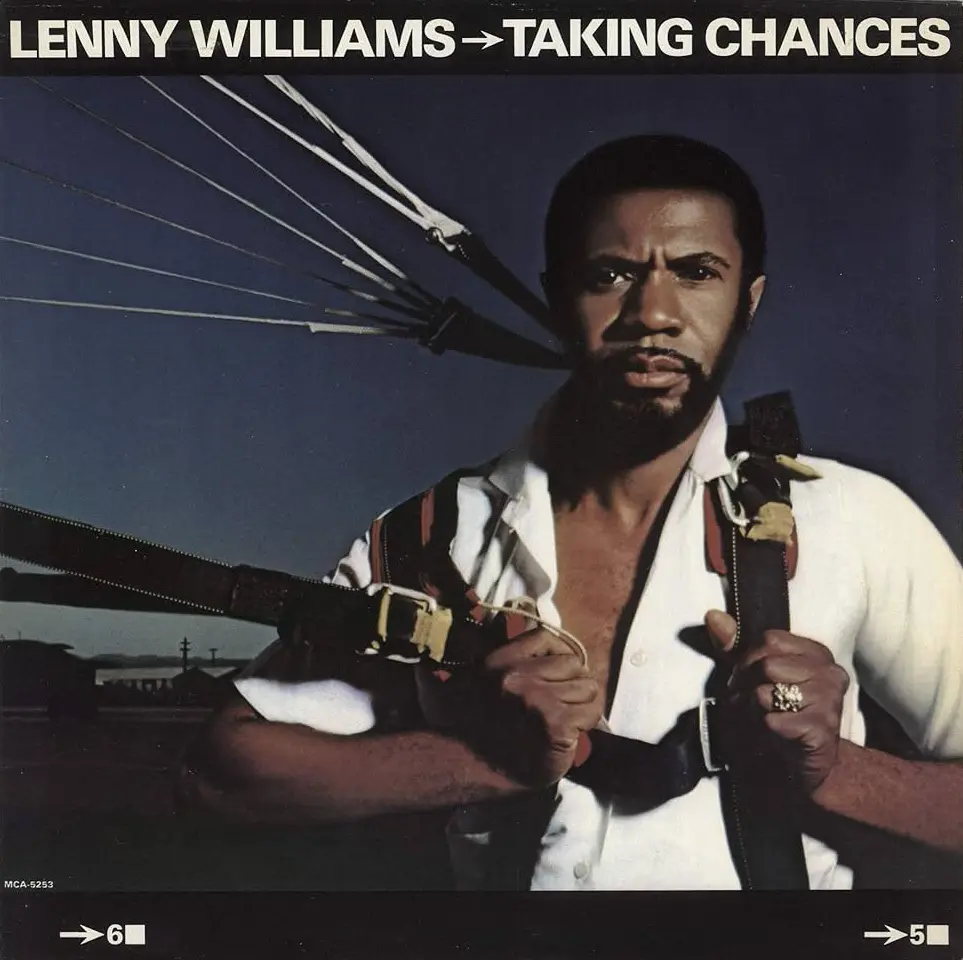 Lenny Williams released his seventh studio album, Taking Chances, in 1981 on MCA.
Chances features roughly forty session players, including bassist Larry Graham, keyboardist Ronnie Foster, percussionist Victor Feldman, and The Waters. Hornists include trumpeter Greg Adams and saxophonists Emilio Castillo, Stephen Kupka, and Lenny Pickett.
“I’m Sorry” trots through a jittery dancer, with Williams tightening the lead against a pent-up beat. “Freefall (Into Love)” loosens into a repetitive romp and repeats its refrain over a quicker pulse. “Responsible Man” trips through a relaxed dancer with a steadier midtempo line. “Where There’s a Will There’s a Way” settles into the album’s most rhythmic slowie, with the vocal held close to the cadence.
A1. “Freefall (Into Love)” (3:15) – L. Williams, Jackson Jr., Wieder
A2. “I’m Sorry” (3:26) – L. Williams, Chavis
A3. “Where There’s a Will There’s A Way” (3:35) – White
A4. “The Way You Love Me” (4:30) – Meyers, Randolph
A5. “Responsible Man” (4:10) – Jackson Jr., Wieder
B1. “Take a Long Last Look” (3:28) – James
B2. “Who’s Gonna Love You” (4:52) – L. Williams, Bennett
B3. “Standing In the Middle (Of a So Called Perfect Love Affair)” (3:49) – L. Williams, Jackson
B4. “Taking Chances” (4:26) – Gold, Ocean
Andre Fischer, Dana Meyers, Kevin Spencer, Lenny Williams, Sandy Newman, and William Shelby produced tracks for Taking Chances. Williams and Newman served as executive producers. The album appeared with artwork by Kathe Schreyer and photography by Richard Arrindell.
MCA lifted “Freefall (Into Love)” as an October 1981 single (b/w “Let’s Talk It Over”), which reached No. 57 on the Billboard Hot Soul Singles chart.
Changing
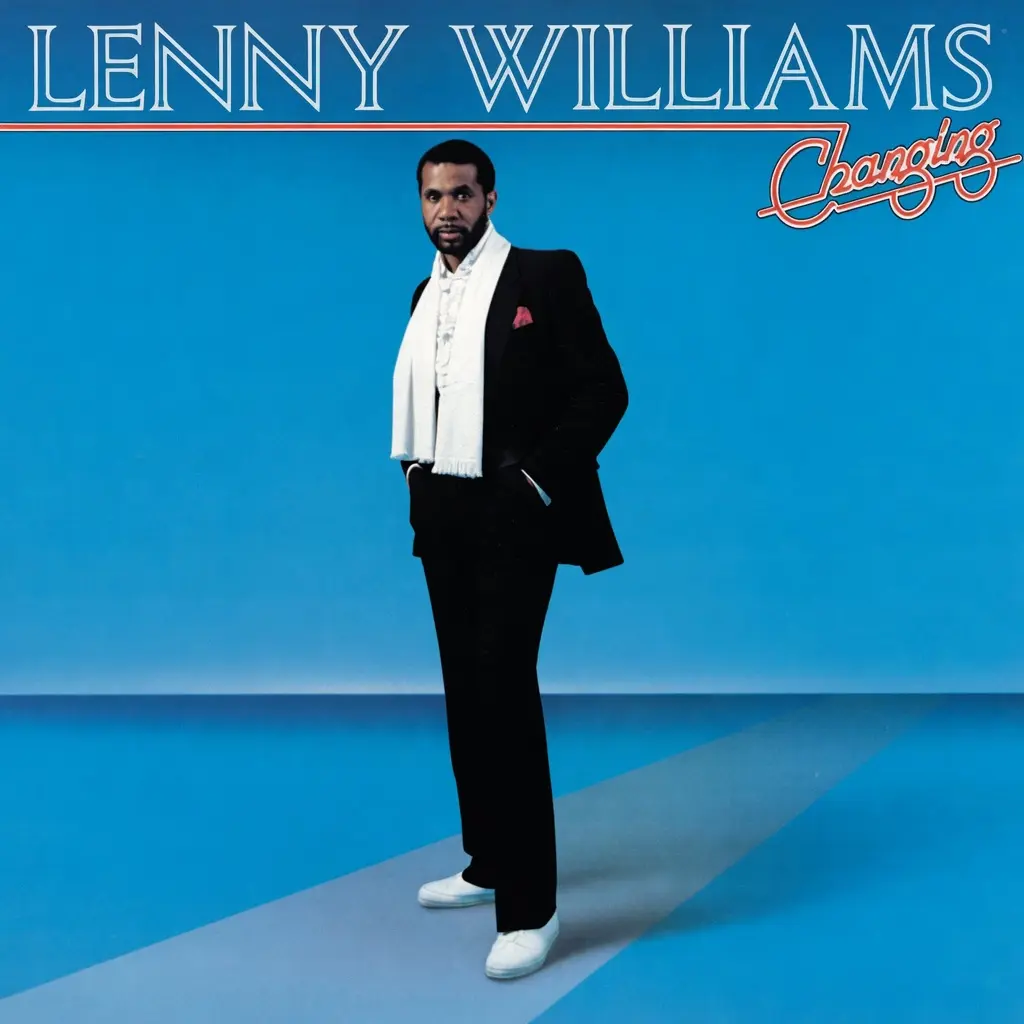 Lenny Williams released his eighth studio album, Changing, in February 1984 on Rocshire.
His band includes bassist James Jamerson Jr., drummer Ricky Lawson, guitarist Charles Fearing, trombonists Clay Lawrey and Fred Wesley, and trumpeters Ray Brown and Nolan Smith. “Love Soldier” chugs through a firm electronic dance pattern, with Williams tightening the title phrase against clipped backing replies.
A1. “Changing” (4:08) – McAllister, L. Williams
A2. “Pressure” (4:06) – Meyers, Randolph
A3. “Always” (4:56) – Barrish
A4. “Said You Wouldn’t Leave Again” (4:54) – Wright, Bates
B1. “You Know What I Like” (5:17) – Barrish
B2. “Where Do We Go From Here” (4:56) – Jackson, L. Williams
B3. “Love Soldier” (3:57) – McAllister, L. Williams
B4. “Problem Solver” (4:58) – Stallings, L. Williams
Gary Davis produced seven tracks on Changing. Benjamin Wright produced “Love Soldier.” The album appeared with art direction by Bud Samuels and design by Stephen Lumel.
Rocshire lifted “Love Soldier” as a November 1983 single (b/w “Love Soldier (Instrumental)”), which reached No. 51 on the Billboard Hot Soul Singles chart.
“Always” became the second single in 1984 (b/w “Love Soldier (Instrumental)”) and reached No. 44 on the Billboard Hot Soul Singles chart.
New Episode
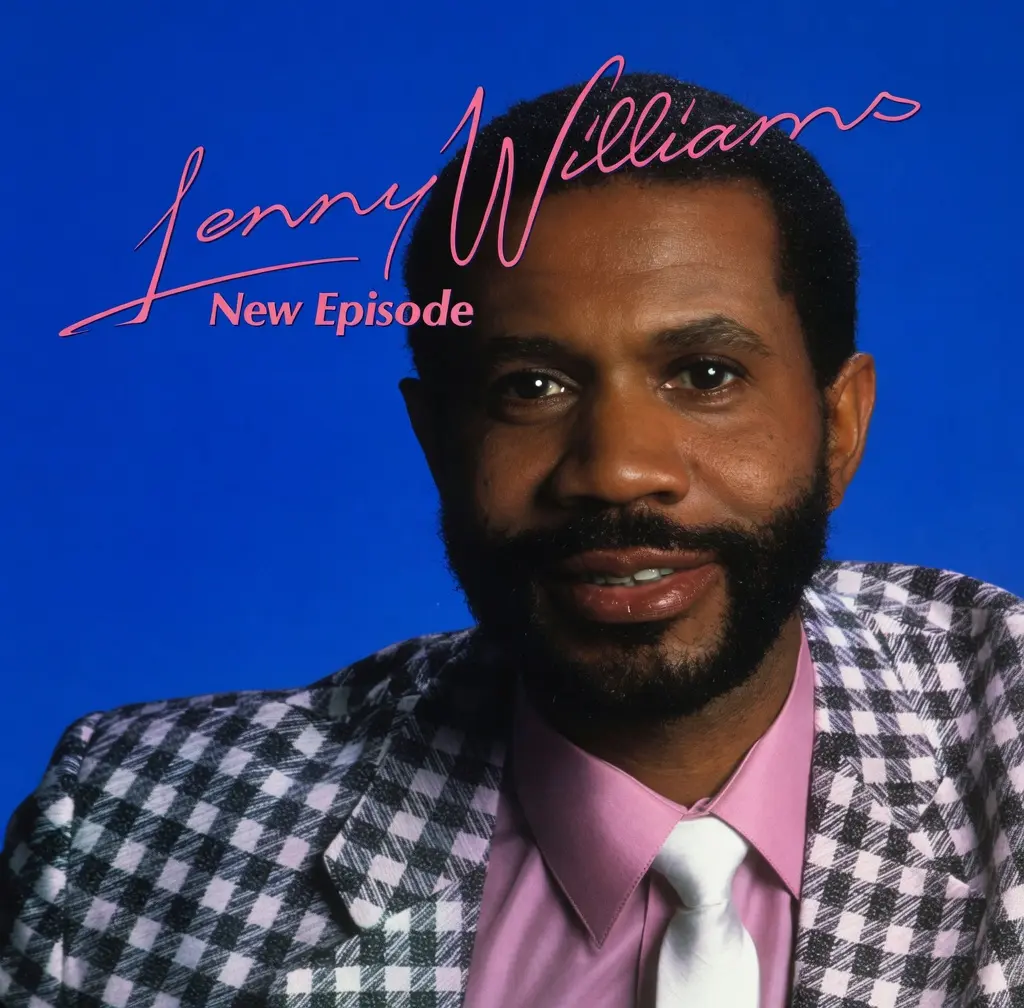 Lenny Williams released his ninth studio album, New Episode, in 1986 on Knobhill.
Episode embraces contemporary R&B with synthesizer, saxophone, and background-vocal layers under producer F.L. Pittman. The session credits include singer Lenny Williams, guitarist/keyboardist Felton Pilate, keyboardist Derrick Monk, bassist Garry Jackson, percussionist Jon Bendich, keyboardist Wayne Wallace, saxophonist Zachary Johnson, and background vocalists Bonnie Boyer, Fred Monk, Richard Johnson, and Zorina London.
“Ten Ways of Loving You” glides through a slow jam, with Williams held close against soft synthesizer lines. “When I Need You” softens wistfully with a sustained refrain. “Woman” slows to a close-set lead vocal and restrained backing.
A1. “Episode” (3:40) – Pittman
A2. “Ten Ways Of Loving You” (3:30) – L. Williams, Glass
A3. “When I Need You” (4:28) – Hammond, Sager
A4. “Love Will Come In It’s Own Sweet Time” (3:41) – Davis, Thompson, Beneteau
A5. “No More Lonely Nights” (3:22) – L. Williams, Aissen
B1. “Waiting For Your Love” (3:45) – D. Monk, F. Monk
B2. “Woman” (4:33) – Pittman, Coney
B3. “Our Love” (3:54) – Bendich, Cooper, Wallace
B4. “I Will Follow You” (3:47) – Theaker, Thompson, Beneteau
Pittman produced the album during May and June 1986. Knobhill lifted “Ten Ways Of Loving You” as a 1986 single (b/w “Waiting For Your Love”), which reached No. 67 on the Billboard Hot Soul Singles chart.
Discography:
- Pray for the Lion (1974)
- Rise Sleeping Beauty (1975)
- Choosing You (1977)
- Spark of Love (1978)
- Love Current (1979)
- Let’s Do It Today (1980)
- Taking Chances (1981)
- Changing (1984)
- New Episode (1986)
- Layin’ in Wait (1989)
Sources:
Artist/Album Pages:
Wiggy Bits were an American hard-rock quintet behind a 1976 album on Polydor. Singer Peppy Castro ha...
Third World are a Jamaican roots-reggae band, established abroad with the 1976–78 Island albums Th...
Fairchild was an American symphonic/hard-rock band from Minneapolis that released a 1978 self-titl...
P.P. Zahl was a German symphonic-rock project named after an imprisoned author, whose poetry becam...
Horrific Child was an avant-electronic studio project by French producer Jean-Pierre Massiera, who...
Junko Ohashi (April 26, 1950 – November 9, 2023) was a Japanese soul-pop vocalist who released twe...
Donald Byrd (1932–2013) was an American post-bop trumpeter who apprenticed with the Jazz Messenger...
Teddy Pendergrass (March 26, 1950 — Jan. 13, 2010) was an American soul singer from Philadelphia w...
Dakila was an American west coast Latin-rock band behind a 1972 self-titled album on Epic. Membe...
Heaven & Earth were an American soul group from Chicago behind the 1976 GEC album I Can't See...
The Gadgets were an English electro/experimental trio that issued two albums on small-press Final ...
Windjammer was an American soul group from New Orleans that released three 1982–85 MCA albums and ...