

Iggy Pop is an American rock singer who rose to infamy as the frontman of proto-punks The Stooges, which released three albums between 1969 and 1973. He launched his solo career in 1977 with The Idiot, recorded in Berlin with David Bowie and containing the cult hits “Nightclubbing” and “China Girl” (later recorded by Bowie).
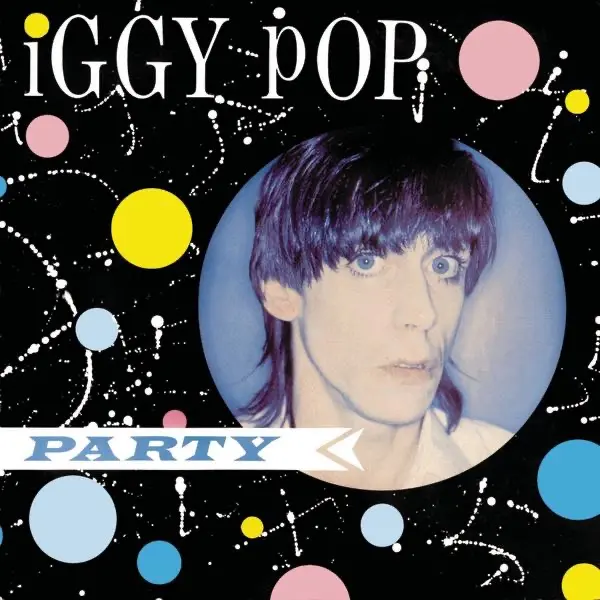
Later that year, he released Lust for Life, again produced by Bowie with the fan-favorite “The Passenger” (later covered by Siouxsie and the Banshees). After parting company with Bowie, Pop issued the 1979 album New Values, scoring another cult hit with “I’m Bored.” His 1980 release Soldier paired him with ex-Sex Pistols bassist Glen Matlock. The following year’s Party yielded “Bang Bang,” also covered by Bowie. In 1984, he sang the theme song to Repo Man.
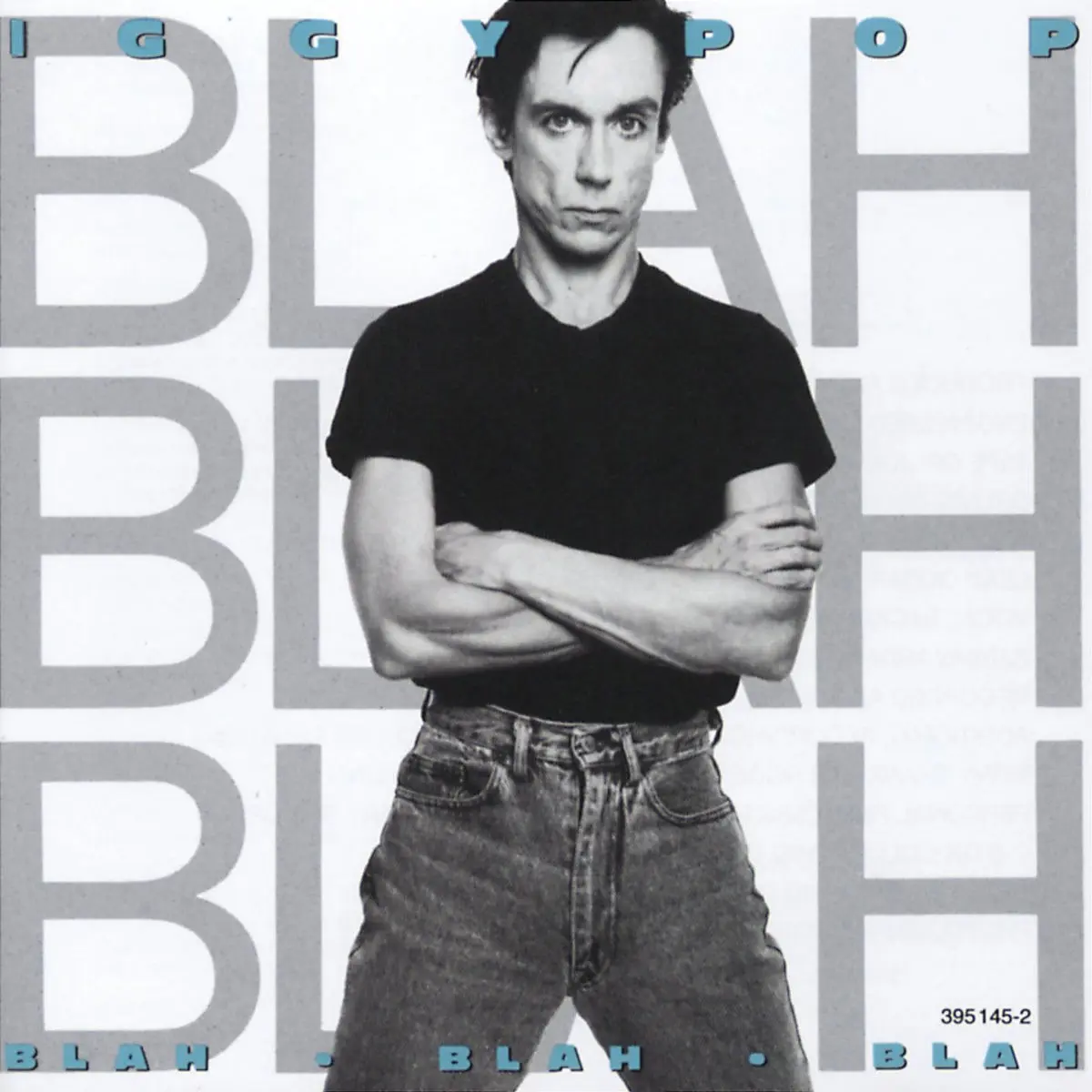
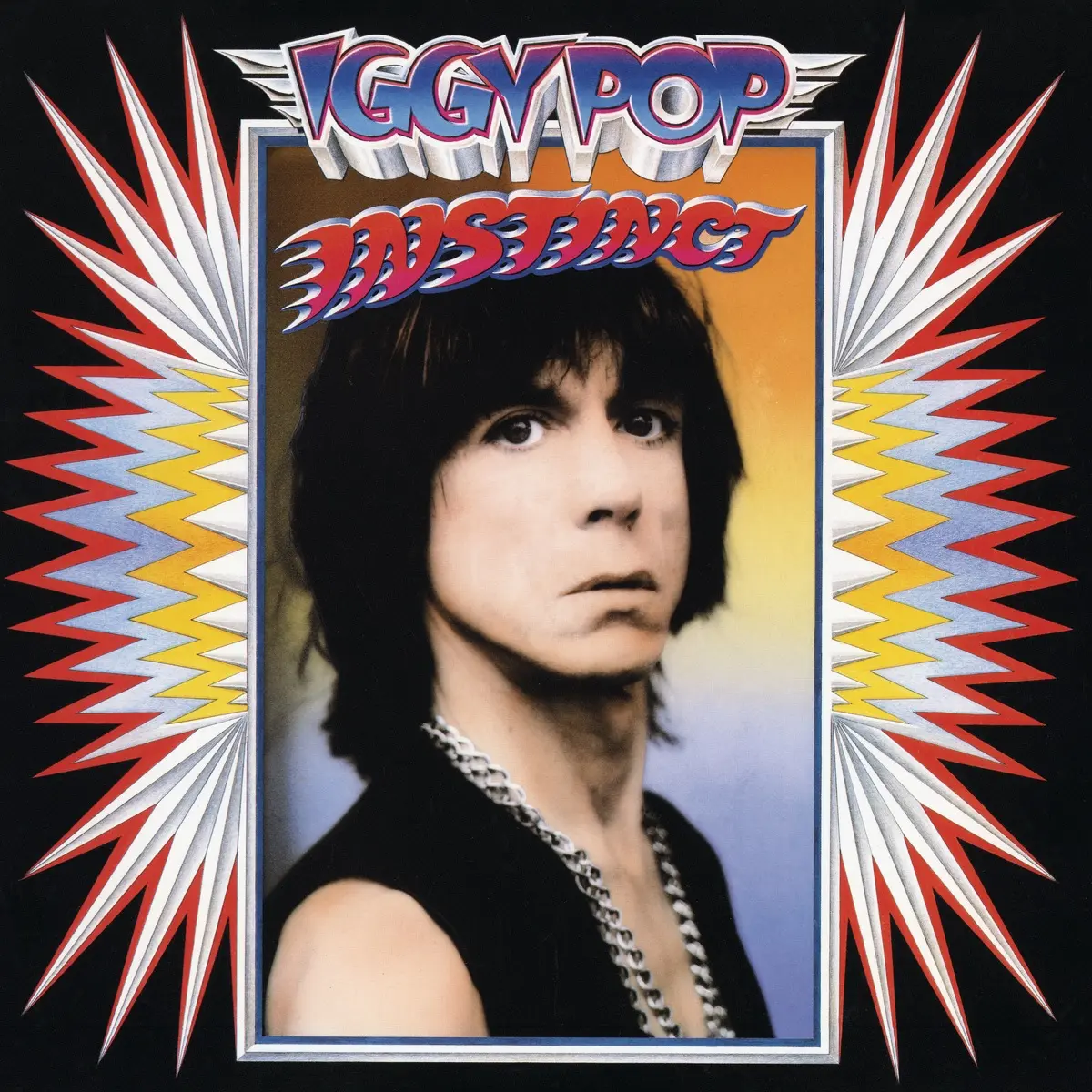
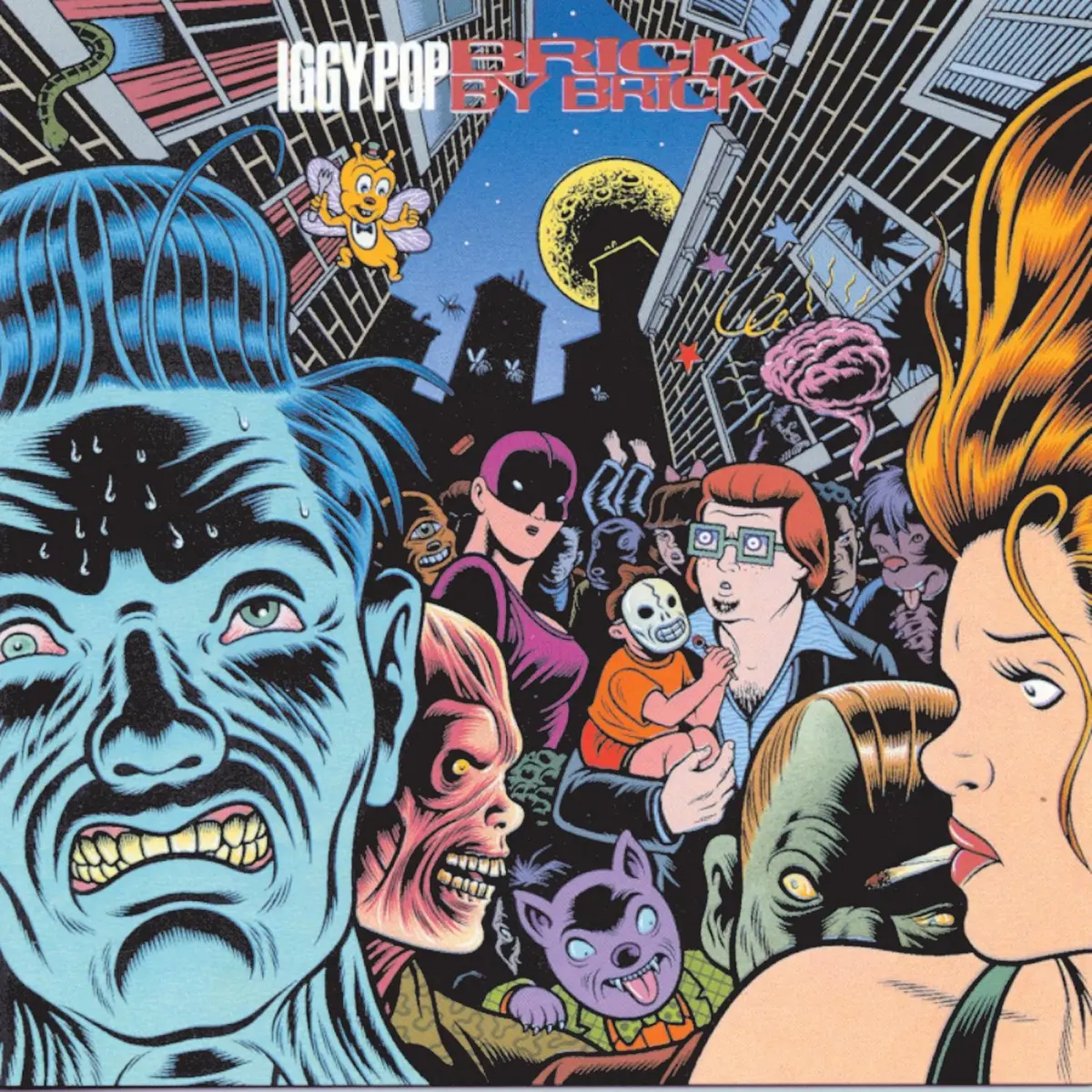
Pop re-teamed with Bowie on the 1986 release Blah-Blah-Blah, which spawned the modern-rock hits “Cry for Love,” “Real Wild Child,” and “Isolation.” After pairing with ex-Pistol Steve Jones on his 1988 release Instinct, Pop finally scored a Billboard Top 40 hit with “Candy,” a duet with B-52’s singer Kate Pierson from his 1990 album Brick by Brick.
Background
Pop was born James Newell Osterberg Jr. in Muskegon, Michigan, on April 21, 1947, the son of Louella (née Christensen; 1917–1996) and James Newell Osterberg Sr. (1921–2007). He grew up near Ypsilanti in a trailer park household and took up drums as a teenager.
In 1965, he joined The Iguanas, a garage band that specialized in British Invasion covers. He adopted the stagename Iggy Pop: “Iggy” derived from the first two letters in “Iguanas”; “Pop” a nickname given by his bandmates.
He then joined The Prime Movers, a blues-tinged rock combo. After a brief enrollment at the University of Michigan, he went to Chicago and drummed with established blues players before returning to Ann Arbor with a broader musical base. Back in Michigan, he abandoned drums for the microphone, inspired by the stage antics of Doors frontman Jim Morrison, who shaped Pop’s idea of what a frontman could do with confrontation, physical risk, and audience tension.
The Stooges
In 1967, he formed the Psychedelic Stooges with guitarist Ron Asheton, drummer Scott Asheton, and bassist Dave Alexander. Their first public booking came in 1968 at Detroit’s Grande Ballroom. Soon after, they signed with Elektra as The Stooges. They linked with John Cale for their 1969 debut album, followed by the 1970 release Fun House, a template for fractious rock minimalism.
Sales aside, The Stooges built a fierce live reputation through repetitive riff structures, blunt force, and Pop’s stage assaults, which included dives into the audience and self-inflicted punishment. By 1971, drug strain and label trouble triggered the band’s collapse.
David Bowie kick-started the story when Pop teamed with guitarist James Williamson for Raw Power, which arrived in 1973 under the Iggy and the Stooges banner. That third album did not steady the situation for long. The group collapsed again in 1974, and Osterberg moved into Los Angeles under the weight of legal trouble and addiction, a closing chapter on the Stooges years and the unstable prelude to his solo career.
Kill City
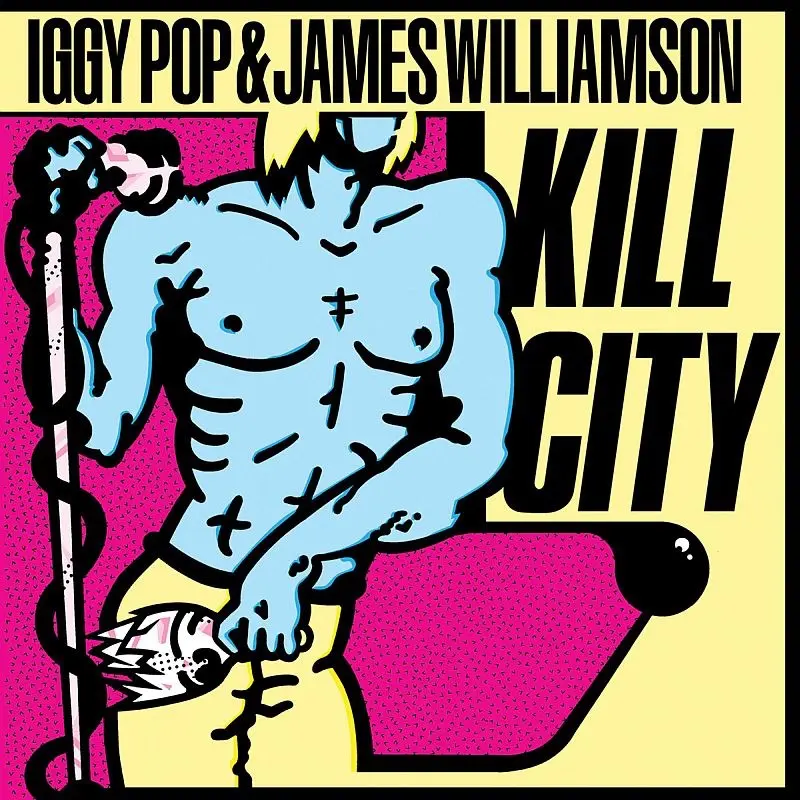 In late 1977, Bomp! Records issued Kill City, a collection of 1974–75 demos by Iggy Pop and James Williamson.
Williamson drives the record with clipped riff figures and short lead flares. Pop answers with a dry sneer over Scott Thurston’s keyboard lines, while John Harden’s saxophone cuts through the rough texture. Pop and Williamson wrote the album apart from “Master Charge,” which Williamson wrote with Thurston.
“Kill City” opens with a fast slash-and-lunge pattern. “Sell Your Love” drops into a sour, slower pull, while “Beyond the Law” snaps the set back into harder acceleration. “I Got Nothin’” shifts speed inside the arrangement. “Johanna” stretches the tension with saxophone accents. “No Sense of Crime” settles into a lower drag, and “Lucky Monkeys” adds a sharper satirical edge.
A1. “Kill City” (2:20)
A2. “Sell Your Love” (3:36)
A3. “Beyond the Law” (3:00)
A4. “I Got Nothin’” (3:23)
A5. “Johanna” (3:03)
A6. “Night Theme” (1:20)
B1. “Night Theme (Reprise)” (1:04)
B2. “Consolation Prizes” (3:17)
B3. “No Sense of Crime” (3:42)
B4. “Lucky Monkeys” (3:37)
B5. “Master Charge” (4:33)
Pop and Williamson recorded the Kill City material at Maconnel Studios in Los Angeles and pitched the demos to assorted labels, but to no avail. In 1977, as Pop gained solo traction, Williamson remixed the tracks for Bomp!, the LA-based label venture of zinester Greg Shaw, an underground rock enthusiast and longtime Stooges champion. The album appeared with a sleeve illustration by David Allen.
Bomp pressed the first Kill City run on green vinyl. “Consolation Prizes” appeared as a single (b/w “Johanna”). In the UK, Radar Records issued “Kill City” as a 1978 single (b/w “I Got Nothin’”).
Partnership with David Bowie
David Bowie, the late-period Stooges benefactor, invited Pop as a road-mate for Isolar, the 1976 tour behind Station to Station.
The two first met in early 1972 when Pop visited London in search of musicians for the new Stooges lineup. Bowie soon mythologized Iggy in “The Jean Genie,” a No. 2 UK hit that autumn. Their association deepened after the Stooges collapse. Later, after the spring–summer Isolar tour, they left the road with a shared plan to reset Pop’s life and launch his proper solo career.
In June 1976, Bowie took Pop to the Château d’Hérouville in France, where sessions commenced on a new album with bassist-engineer Laurent Thibault. Pop wrote lyrics over Bowie’s music, which drew on electronic repetition, hard rhythmic pulse, and spare keyboard texture. “Sister Midnight” and “China Girl” emerged from those sessions. Bowie filled out the tracks with keyboards, piano, guitar, and other instrumental detail. When another booking forced them out of the château, they shifted to Musicland in Munich for additional sessions.
From Munich they moved to Berlin, where longtime Bowie soundman Tony Visconti mixed Pop’s album at Hansa. Bowie had long attached artistic weight to the city, which offered both men distance from the habits and attention that had shaped their recent years. They settled in nearby Schöneberg for their next phase of work.
The Idiot
 Iggy Pop released his debut solo album, The Idiot, on March 18, 1977, on RCA.
The album trades blunt riff attack for machine pulse, recessed space, and slow chord cycles. Bowie wrote most of the music, and Pop answers those structures with clipped lines, flat declarations, and sudden turns into ache. Guitarists Carlos Alomar and Phil Palmer cut terse figures across the surface. Bowie spreads synthesizer wash and piano through the arrangements, while bassists Laurent Thibault and George Murray, with drummers Michel Santangeli and Dennis Davis, pin the pulse to a hard chassis.
“Sister Midnight” opens with a stalking beat and clipped guitar chatter. “Nightclubbing” drops into a slow electronic lurch built from bare drum-machine strikes and long pockets of silence. “Funtime” tightens the attack with abrasive guitar and a barked refrain. “Baby” strips the rhythm to bass and synthesizer. “China Girl” carries the longest vocal line on side one over distorted guitar and raw keyboard tone. “Dum Dum Boys” folds spoken memory into a long instrumental rise, while “Mass Production” closes with tape noise, metal scrape, and a mechanical crawl that widens into a dense wall of sound.
Pop and Bowie wrote the album apart from “Sister Midnight,” which adds Carlos Alomar to the credit.
A1. “Sister Midnight” (4:19)
A2. “Nightclubbing” (4:14)
A3. “Funtime” (2:54)
A4. “Baby” (3:24)
A5. “China Girl” (5:08)
B1. “Dum Dum Boys” (7:12)
B2. “Tiny Girls” (2:59)
B3. “Mass Production” (8:24)
Pop recorded The Idiot at Château d’Hérouville in France and Musicland in Munich during 1976 with producer David Bowie and engineer Laurent Thibault. Tony Visconti handled the final mix.
Bowie titled the album after Dostoevsky’s The Idiot. Andy Kent shot the black-and-white cover image after Erich Heckel’s Roquairol.
RCA issued “Sister Midnight” (b/w “Baby”) as a 7-inch in February 1977. Bowie repurposed the backing track for “Red Money” on his 1979 album Lodger.
“China Girl” appeared as a second RCA 7-inch on May 13, 1977, with the same flip. The Idiot reached No. 72 on the Billboard Top LPs & Tape chart, No. 30 on the UK Albums Chart, and No. 88 in Australia.
Touring with Bowie and Berlin, 1977
The Idiot appeared two months after the current Bowie album, Low, recorded in sequence at d’Hérouville. Due to his high profile, Bowie let his album sell itself and assumed a backing role on Pop’s Idiot tour. Rehearsals opened in mid-February. The band paired guitarist Ricky Gardiner with bassist Tony Sales and drummer Hunt Sales, and the set pulled in Stooges material, The Idiot tracks, and new songs that soon fed the next album, including “Tonight,” “Some Weird Sin,” and “Turn Blue.” Bowie kept a low stage profile through the March–April run, which ended on April 16.
On April 15, near the close of that run, Pop and Bowie taped an appearance on Dinah! at CBS Television City in Los Angeles. They performed “Funtime” and “Sister Midnight,” placing Pop’s new solo unit in front of a daytime television audience far removed from the Stooges circuit.
Berlin soon gave the pair a second identity beyond the road. Bowie later described West Berlin as cheap, anonymous, and creatively freeing, and that setting suited both men after Los Angeles. Their shared image in the city quickly entered pop mythology. Kraftwerk fixed it in “Trans-Europe Express” with the line “Meet Iggy Pop and David Bowie.”
The tour also exposed the limit of the arrangement. Interviewers kept steering the conversation back to Bowie, and Pop left the run determined to claim more ground on the follow-up. He moved out of the apartment he had shared with Bowie and Coco Schwab and took his own place in the same building. Back in Berlin, he and Bowie wrote with Gardiner, then cut the next record at Hansa with the Sales brothers, Carlos Alomar, and Colin Thurston. Pop later said the album came together in eight days.
That follow-up became Lust for Life, but the sessions closed the first Bowie–Pop cycle. Bowie reduced his role from principal architect to keyboardist and co-producer, while Pop pushed harder for his own arrangements and direction. After the album, Pop resumed the road without Bowie, and Lust for Life stood as their last official collaboration until the mid-1980s.

Discography:
- The Idiot (1977)
- Lust for Life (1977)
- Kill City (1977 • Iggy Pop & James Williamson)
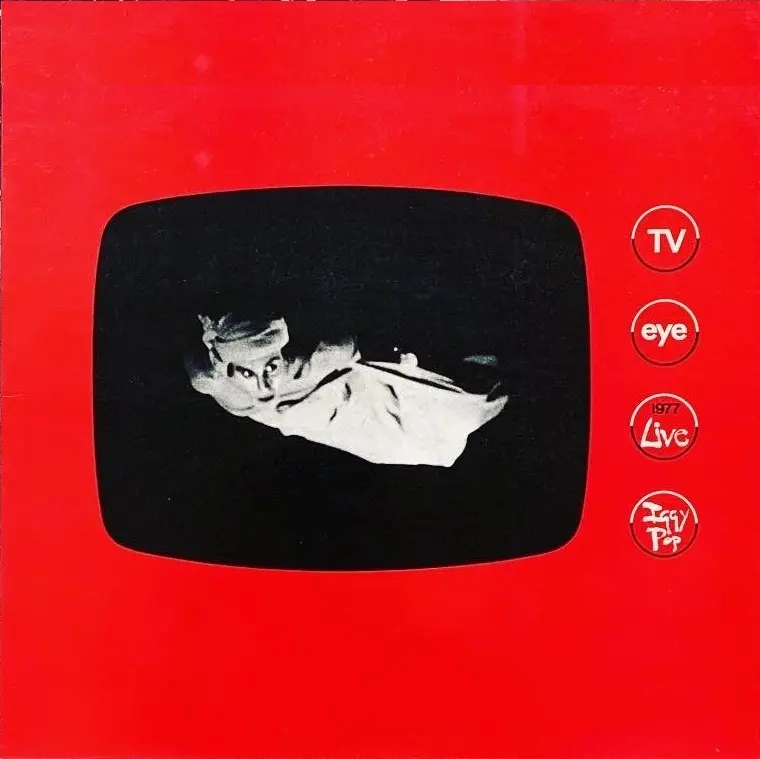
- TV Eye: 1977 Live (1978)
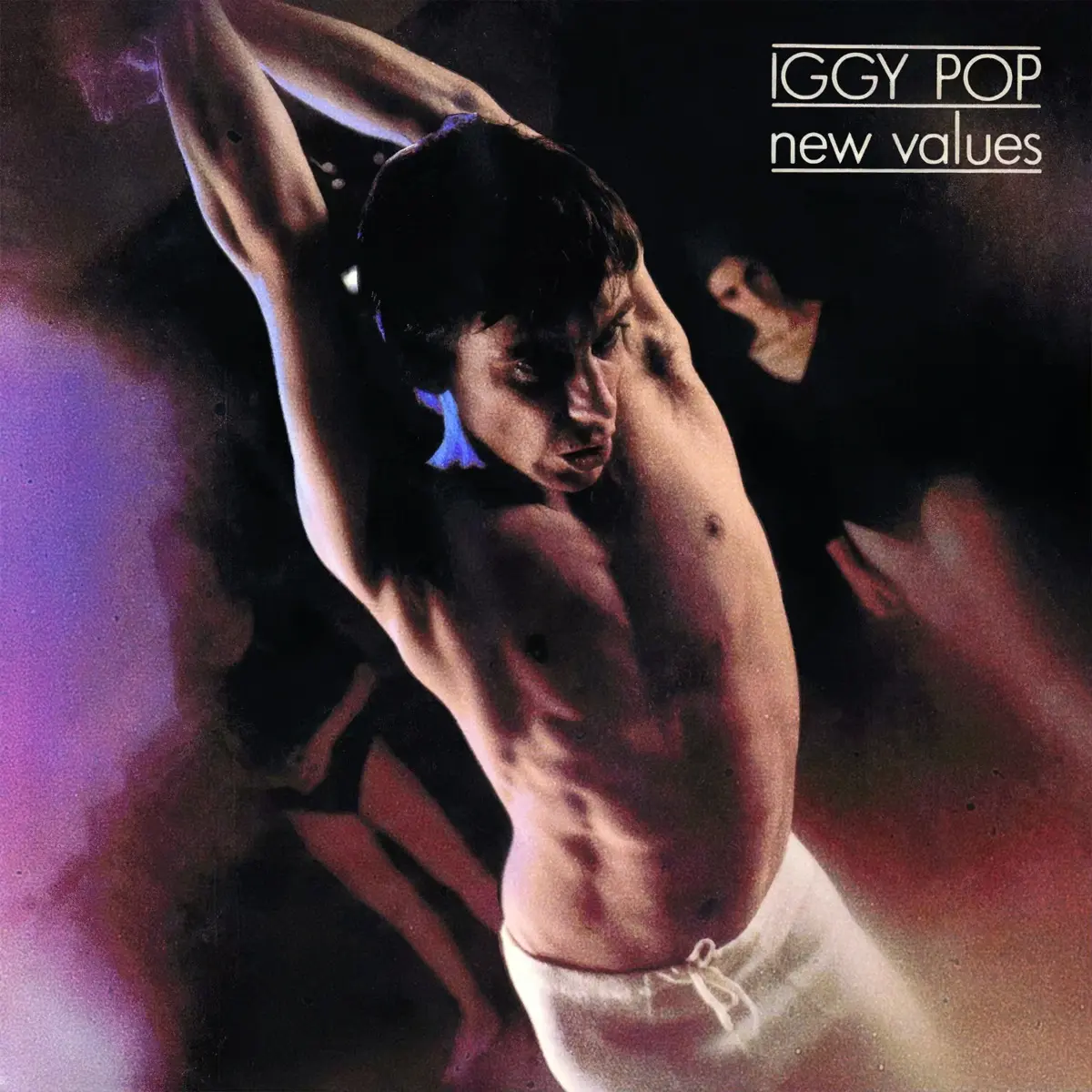
- New Values (1979)
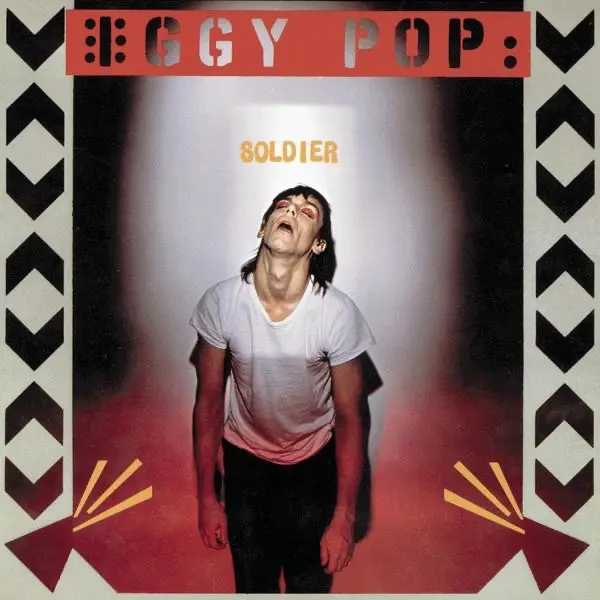
- Soldier (1980)
- Party (1981)
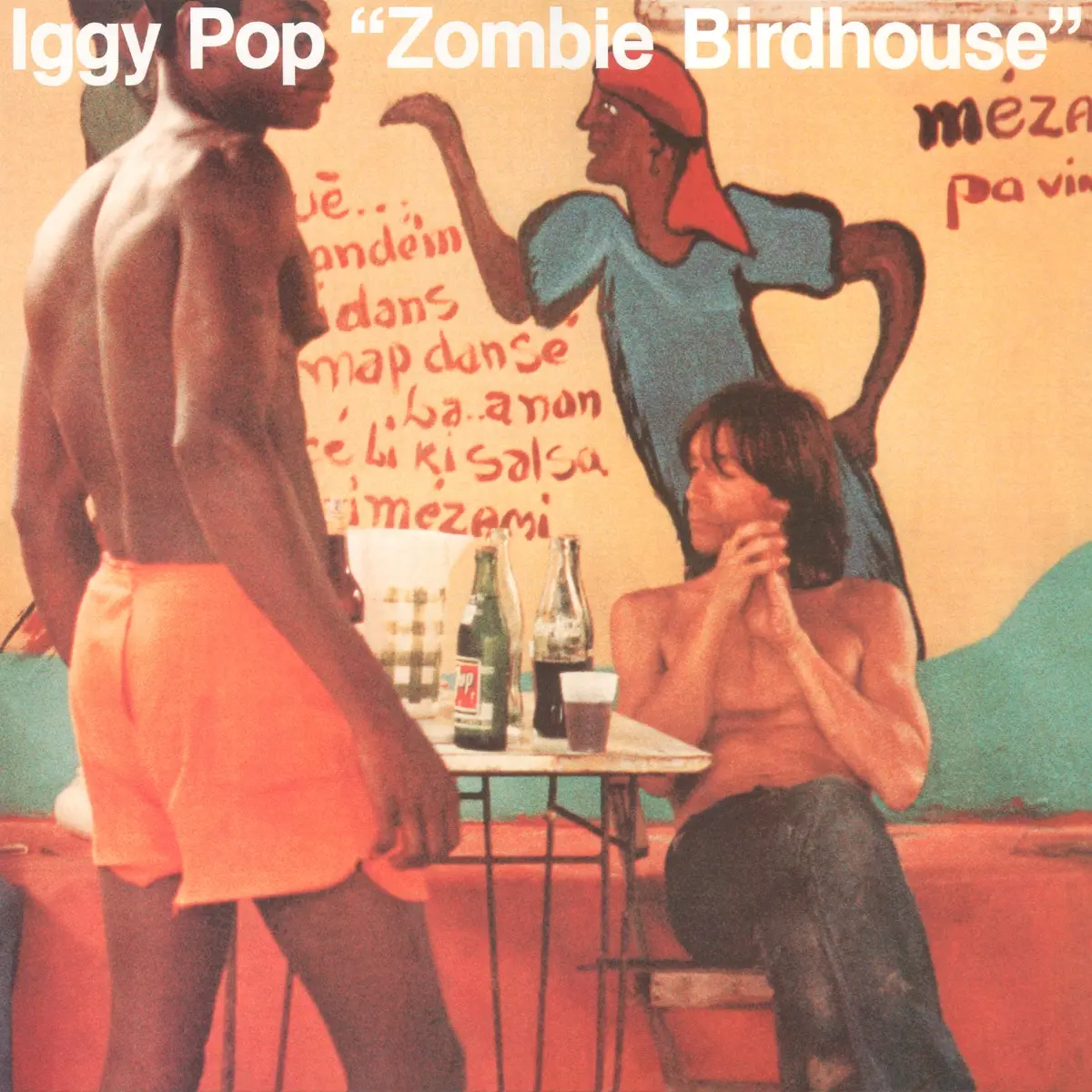
- Zombie Birdhouse (1982)
- Blah-Blah-Blah (1986)
- Instinct (1988)
- Brick by Brick (1990)
Sources:
Artist/Album Pages:
Open Sky Unit was a Belgian post-bop/jazz-funk sextet that released a self-titled album in 1974 on...
Michael White (May 24, 1930 — Dec. 6, 2016) was an American violinist and composer from Houston. H...
Herrgottsax was a German jazz-rock band that released the 1981 Eigelstein album Siebold Seiergesic...
Matia Bazar are an Italian pop group that released nine studio albums on Ariston between 1976 and ...
Robin Trower (born March 9, 1945) is an English rock/blues guitarist with a musical career that date...
Forty-Seven Times Its Own Weight was an American jazz-rock band behind the 1975 album Cumulo Nimbu...
The Glaxo Babies were an English post-punk/dub band from Bristol cut the 1979 EP This Is Your Lif...
Jaguar was an English hard-rock/metal band that emerged with the 1981/82 sides "Chasing the Dragon...
Rudolf Tomsits (May 12, 1946 – June 11, 2003) was a Hungarian jazz trumpeter, arranger, and bandle...
Atmosphere was an instrumental quintet from Luxembourg that released the 1980 album Jazz-Rock on t...
Passion Puppets were an English new wave band from Camden that released three singles and the 1984...
The Normal was the imaginary band moniker of English producer Daniel Miller, who used the name on...