

The Allman Brothers Band were an American blues-rock band that formed in Jacksonville, Fla., in 1969 around guitarist Duane Allman, singer-keyboardist Gregg Allman, guitarist Dickey Betts, bassist Berry Oakley, and drummers Butch Trucks and Jaimoe. Their recorded run began on Atco with The Allman Brothers Band and Idlewild South, then shifted to Capricorn for the breakthrough live album At Fillmore East and the partly live, partly studio set Eat a Peach.
Duane Allman died in October 1971, and Berry Oakley died the following year, but the band pressed on with pianist Chuck Leavell and bassist Lamar Williams. That lineup reached its commercial peak with Brothers and Sisters, which yielded “Ramblin’ Man” and hit No. 1 in the United States, followed in 1975 by Win, Lose or Draw.
Tension within the group and a growing pull toward outside projects ended the first run in 1976. Gregg Allman, Betts, Trucks, and Jaimoe reunited in 1978, then launched the comeback with Enlightened Rogues in February 1979.
Members: Gregg Allman (vocals, organ), Butch Trucks (drums), Duane Allman (slide guitar, 1969-71), Richard Betts (guitar, 1969-2000), Berry Oakley (bass, 1969-72), Jai Johanny Johanson (drums, 1969-80, 1989-2014), Chuck Leavell (keyboards, 1972-76, 1986), Lamar Williams (bass, 1972-76), Dan Toler (guitar, 1978-86), David Goldflies (bass, 1978-82), Mike Lawler (keyboards, piano, 1980-82), David “Frankie” Toler (drums, 1980-82),
Background
The band was the namesake of Duane Allman (1946–1971, guitar) and his younger brother Gregg Allman (1947–2017, organ). They began playing music as teens in early 1960s Daytona Beach, where they both started on guitar, an instrument Duane dropped out of high school to master. In 1965, they formed The Allman Joys, a garage-rock quartet that toured the Southeast and settled in Nashville, where they cut the single “Spoonful” (b/w “You Deserve Each Other”) on local-press Dial.
In 1967, the brothers formed Hour Glass with three members of rival Southern garage-rockers The Men-its. The new five-piece was quickly signed to Liberty Records, which flew them to Los Angles to record their eponymous debut album, comprised mostly of orchestrated soul-pop covers. They opened for acts like The Doors at popular west coast haunts (Fillmore West, Troubadour) with a setlist comprised of blues covers and Gregg’s originals.
The second Hour Glass album, Power of Love, appeared in 1968. It features 12 songs in a heavier blues-psych vein, including seven Gregg originals and a cover of the Beatles “Norwegian Wood.” They were joined on this release by bassist Pete Carr, a longtime friend of the brothers. The band flew to Muscle Shoals, Alabama, to lay tracks for a third album, but Liberty vetoed the material.
After Hour Glass split, the brothers demoed material with Jacksonville folk-rockers The 31st of February, which featured drummer Butch Trucks. Nine tracks from this liaison, including an embryonic “Melissa,” would surface on the 1972 Bold Records release Duane & Greg Allman. (Carr became a sessionist and cut the 1977 album Midnight Light as half of the duo LeBlanc and Carr.)
In late 1968, the brothers split for a brief time as Gregg tried his luck in LA and Duane became the principle guitarist at FAME Studios in Muscle Shoals, playing on recordings by Aretha Franklin and King Curtis. On a cover of “Hey Jude” by soul singer Wilson Pickett, Duane plays a solo near the end that brought him to the attention of Eric Clapton.
However, Duane soon felt stifled by session work and sought out musicians for a new band. His first recruit was drummer Jai Johanny Johanson (Jaimoe), who’d played in the touring bands of Otis Redding and Sam & Dave. He then enlisted guitarist Dickie Betts and bassist Berry Oakley, both from the Floridian garage-psych band Second Coming. Meanwhile, Atlantic executive Phil Walden (former manager of Otis Redding) tapped the nascent group for his soon-to-form subsidiary label, Capricorn Records.
Intrigued by the rhythmic potential of a two-drummer lineup, Duane called Butch Trucks into the fold. To complete the band, Duane called Gregg to be their singer and keyboardist. Four days after Gregg’s arrival, the band played its first show at the Jacksonville Armory. After brief consideration of the name Beelzebub, they decided it was most appropriate to call themselves the Allman Brothers Band.
The Allman Brothers Band
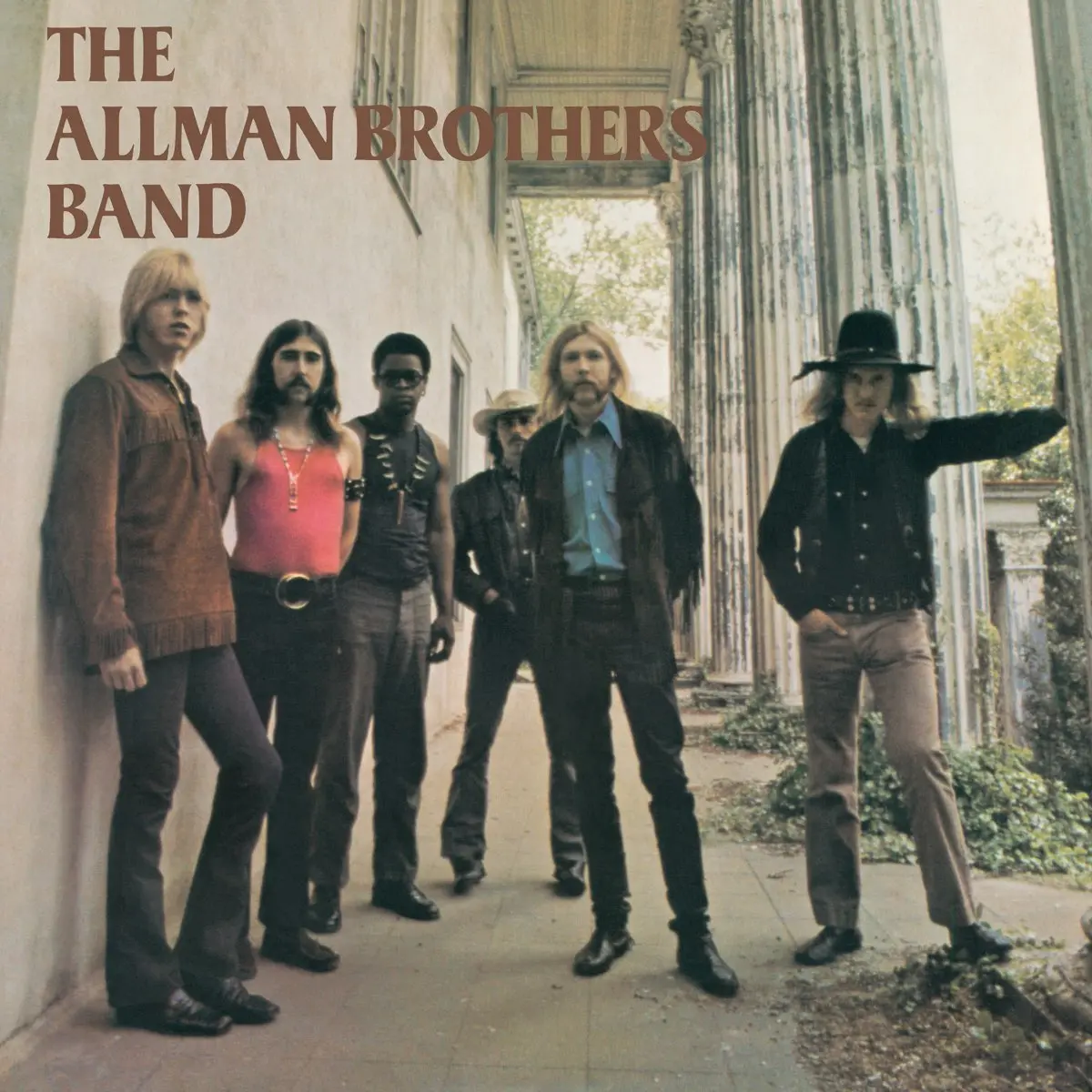 The Allman Brothers Band released their self-titled debut album on November 4, 1969, on Atco.
Duane Allman and Dickey Betts braid unison lines, short lead breaks, and longer solos around Gregg’s sustained organ chords and clipped fills, while Berry Oakley holds loose, forceful undercurrents with Jaimoe and Butch Trucks. The record stays lean and direct, but the arrangements keep room for modal drift, shuffle pulse, abrupt pressure shifts, and long vocal lines that open into instrumental release.
“Don’t Want You No More” opens with a tight five-note line from the twin guitars, hi-hat emphasis, and an organ break before it folds into “It’s Not My Cross to Bear,” which settles into a slow shuffle and a heavier vocal line. “Black Hearted Woman” and “Every Hungry Woman” keep the set in mid-tempo motion, with grievance-driven lyrics and room for the guitars to push against the organ. “Trouble No More” restores a harder blues pull and introduces Duane’s bottleneck lead, “Dreams” rises from subdued drums and soft organ into a longer modal stretch with slide-guitar lift, and “Whipping Post” closes side two with Oakley’s 11-beat bass figure, quick guitar breaks, and a final vocal climax.
A1. “Don’t Want You No More” (2:25) — Spencer Davis, Eddie Hardin
A2. “It’s Not My Cross to Bear” (5:02) — Gregg Allman
A3. “Black Hearted Woman” (5:08) — Gregg Allman
A4. “Trouble No More” (3:45) — Muddy Waters
B1. “Every Hungry Woman” (4:13) — Gregg Allman
B2. “Dreams” (7:18) — Gregg Allman
B3. “Whipping Post” (5:17) — Gregg Allman
The Allman Brothers Band recorded The Allman Brothers Band at Atlantic Studios in New York City between August 3 and August 12, 1969, with producer-engineer Adrian Barber. The band cut the record across six non-consecutive days within a two-week booking and completed the mixes before the album’s November release.
Stephen Paley photographed the sleeve in and around Macon. The front cover uses the entrance to the College House on College Street, the back cover uses the Bond Tomb at Rose Hill Cemetery, and the gatefold shows the band nude in a brook on Alan Walden’s property.
Capricorn issued “Black Hearted Woman” (b/w “Every Hungry Woman”) as a 7-inch single in 1970. The album reached No. 188 on the Billboard 200.
Idlewild South
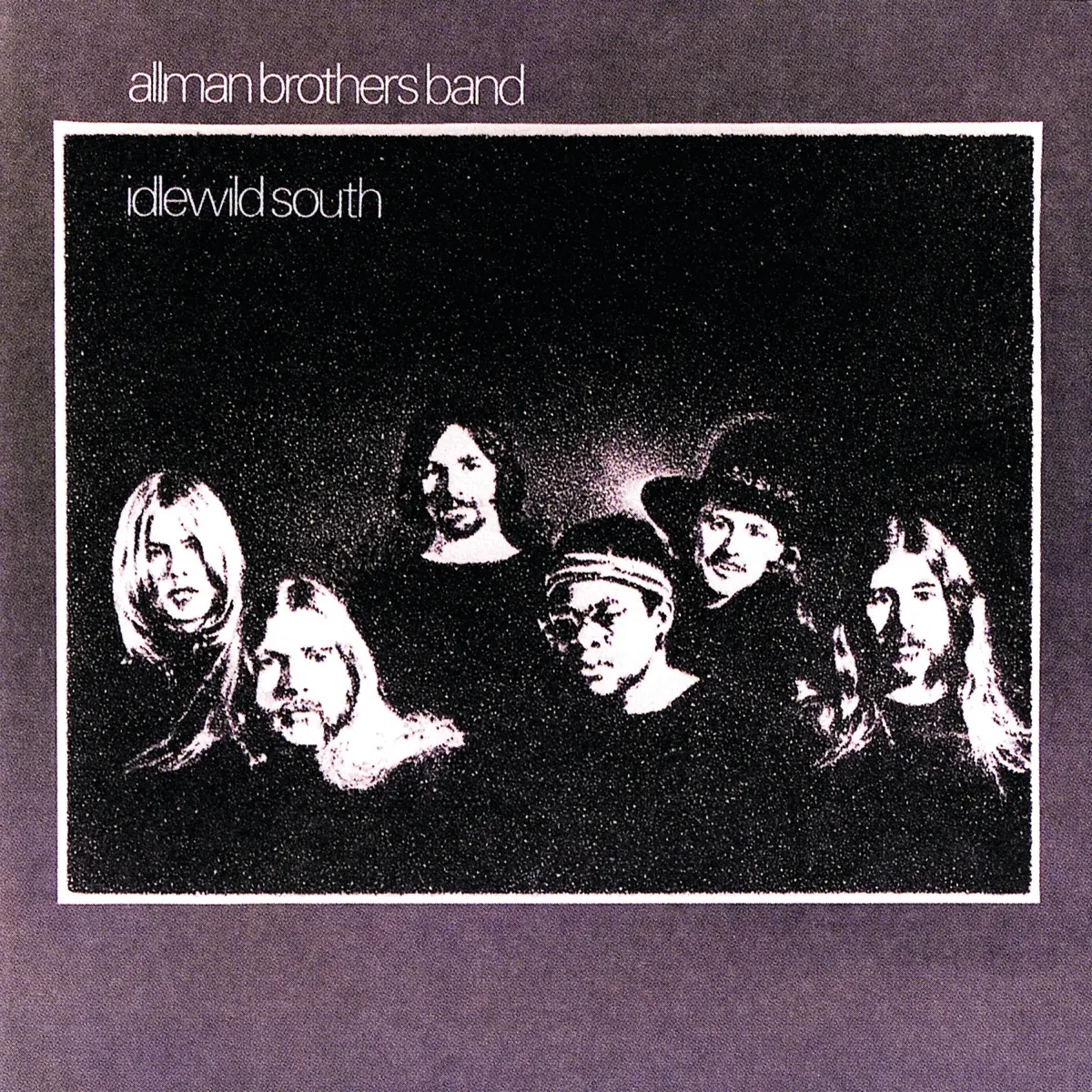 The Allman Brothers Band released their second album, Idlewild South, on September 23, 1970, on Atco.
Idlewild South presents long instrumental passages, acoustic inserts, and broader dynamic shifts. Duane and Dickey widen the guitar line into sustained leads and close harmonized figures, Gregg sets organ weight or piano relief, and Oakley with Butch and Jaimoe keep a rolling backbeat under the long vocal arcs. Gregg Allman wrote four tracks; Dickey Betts wrote “Revival” and “In Memory of Elizabeth Reed,” Robert Kim Payne shares credit on “Midnight Rider,” and Willie Dixon wrote “Hoochie Coochie Man.”
“Revival” starts from a bright instrumental idea, then turns toward a hand-clap break with a church-toned lift. “Don’t Keep Me Wonderin’” keeps a brisk shuffle under Duane’s slide and Thom Doucette’s harmonica, while “Midnight Rider” strips the texture down to acoustic guitar, bass, and percussion. “Hoochie Coochie Man” runs at nearly twice the pace of Muddy Waters’ version with Oakley taking the only studio lead vocal of his tenure, and “Leave My Blues at Home” closes the album on clipped rhythmic accents and an extended twin-guitar fade.
A1. “Revival” (4:04) — Dickey Betts
A2. “Don’t Keep Me Wonderin’” (3:40) — Gregg Allman
A3. “Midnight Rider” (3:00) — Gregg Allman, Robert Kim Payne
A4. “In Memory of Elizabeth Reed” (6:54) — Dickey Betts
B1. “Hoochie Coochie Man” (4:54) — Willie Dixon
B2. “Please Call Home” (4:00) — Gregg Allman
B3. “Leave My Blues at Home” (4:15) — Gregg Allman
The Allman Brothers Band recorded Idlewild South at Capricorn Sound in Macon, Criteria in Miami, and Regent Sound in New York City between February and July 1970 with producer-engineer Tom Dowd. The band cut most of the album live in the room with selective overdubs, and Joel Dorn produced “Please Call Home.”
Capricorn issued “Revival (Love Is Everywhere)” (b/w “Leave My Blues at Home”) as a 7-inch single in November 1970. It became the band’s first Hot 100 entry and reached No. 92 in January 1971.
On March 26, 1971, “Midnight Rider” became the second single (b/w “Whipping Post”). The song achieved FM evergeen status.
Idlewild South reached No. 38 on the Billboard 200.
At Fillmore East
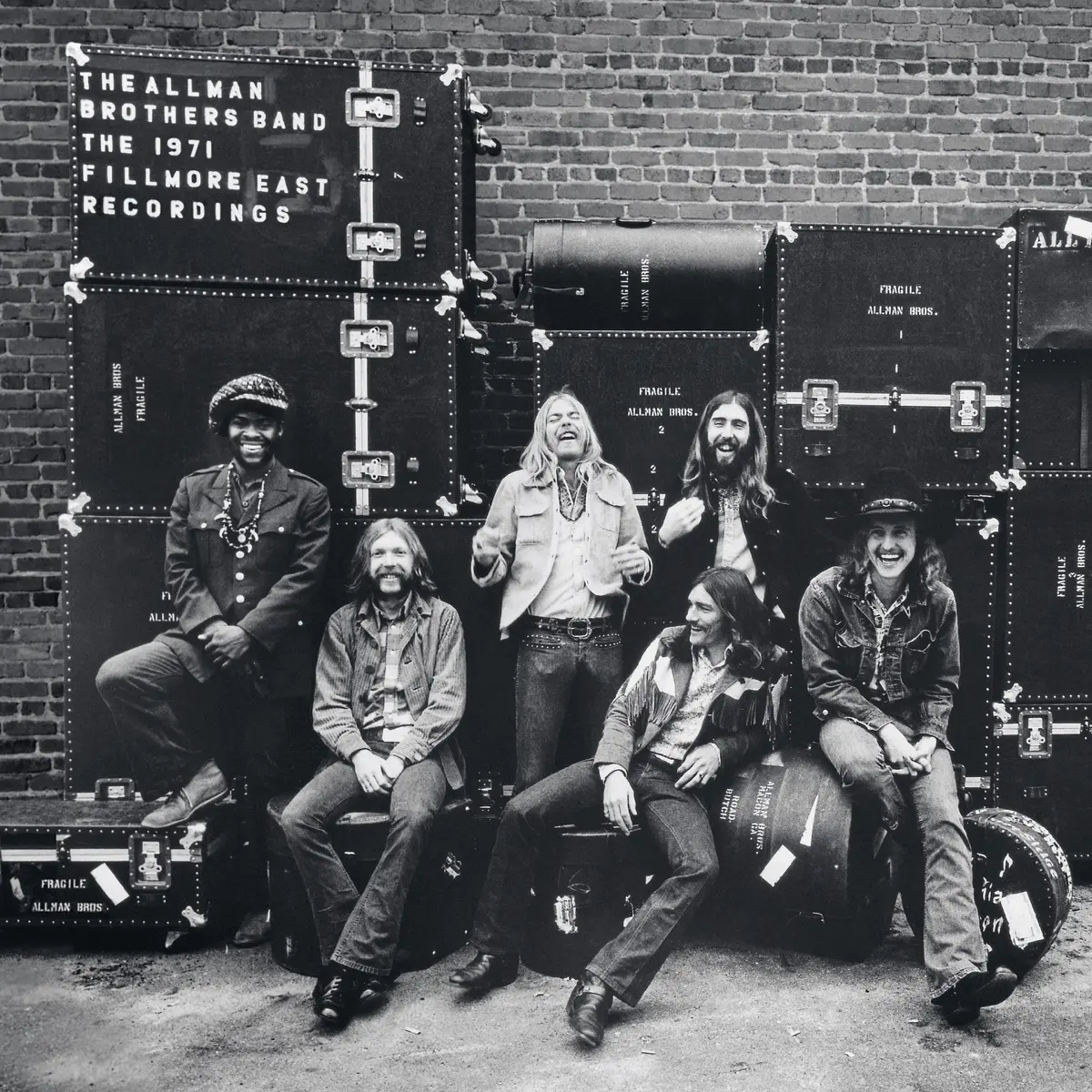 On July 6, 1971, the Allman Brothers Band released At Fillmore East, a two-record document of their March 12–13 shows at the Fillmore East in New York City.
At Fillmore East stretches the group’s stage method across four sides of long-form interplay, stop-time breaks, and open solo passages that never lose the central pulse. Duane and Dickey trade short cues, harmonized lines, and extended leads over Gregg’s organ swells, while Oakley, Butch, and Jaimoe keep a hard, flexible backbeat under every expansion. Blind Willie McTell wrote “Statesboro Blues,” Clarence Lewis, Bobby Robinson, and Elmore James wrote “Done Somebody Wrong,” T-Bone Walker wrote “Stormy Monday,” Willie Cobbs wrote “You Don’t Love Me,” Dickey Betts wrote “In Memory of Elizabeth Reed,” Gregg Allman wrote “Whipping Post,” and the full band wrote “Hot ’Lanta.”
Stage manager Michael Ahern’s flat introduction clears the way for “Statesboro Blues,” which snaps open with Duane’s open-E slide and a fast, cutting band response. “Done Somebody Wrong” keeps a shuffle base but rises toward a twin-guitar crescendo, and “Stormy Monday” slows the room into longer organ phrases, traded guitar breaks, and a later beat shift. “You Don’t Love Me” widens side two through stop-time breaks and a long Duane feature, “Hot ’Lanta” turns the set toward an instrumental charge with Oakley at the front, “In Memory of Elizabeth Reed” builds from Betts’ low-volume intro into a harmonized theme and a harder ensemble push, and “Whipping Post” closes the album with its 11/8 opening, a false ending, and a final stretch where sustained guitar notes hang over Trucks’ kettledrum.
A1. “Statesboro Blues” (4:08) — Blind Willie McTell
A2. “Done Somebody Wrong” (4:05) — Clarence Lewis, Bobby Robinson, Elmore James
A3. “Stormy Monday” (8:31) — T-Bone Walker
B1. “You Don’t Love Me” (19:06) — Willie Cobbs
C1. “Hot ’Lanta” (5:10) — Allman, Allman, Betts, Trucks, Oakley, Johanson
C2. “In Memory of Elizabeth Reed” (12:46) — Betts
D1. “Whipping Post” (22:40) — Allman
The Allman Brothers Band recorded At Fillmore East at the Fillmore East in New York City on March 12 and 13, 1971 with producer Tom Dowd and engineers Aaron Baron and Sam Whiteside. The band reviewed tapes with Dowd at Atlantic Studios after each show, selected performances from the March 12 late show and the March 13 early and late shows, and kept the album free of studio overdubs apart from selective harmonica edits.
Jim Marshall shot the cover in a Macon alley after the band rejected photographs taken beneath the Fillmore East marquee. Marshall stenciled the album title onto a road case in the foreground, and the back cover places the road crew in the same spot with a superimposed image of Twiggs Lyndon on the wall.
At Fillmore East reached No. 13 on Billboard’s Top Pop Albums chart and earned gold certification from the RIAA in October 1971.
Duane Allman dies
Duane Allman died on October 29, 1971 after a motorcycle crash at the intersection of Hillcrest Avenue and Bartlett Street in Macon. Riding his Harley-Davidson Sportster through western Macon, he swerved when a flatbed boom truck stopped short in the intersection, struck the truck or its crane ball, and suffered internal injuries that killed him later that day. He was 24.
In less than three years with the Allman Brothers Band, Duane helped establish the group’s twin-guitar method, their long-form stage attack, and the run of records that moved from the 1969 debut through Idlewild South and At Fillmore East. Outside the band, he built a parallel body of work as a session guitarist with Wilson Pickett, Aretha Franklin, King Curtis, Herbie Mann, Boz Scaggs, and Derek and the Dominos, where his slide lines became central to Layla and Other Assorted Love Songs. That work kept rising after his death: the 1972 reissue of “Layla” reached No. 10 in the United States and No. 7 in the UK, giving the song its major chart life after the 1970 sessions had already passed into history.
Eat a Peach
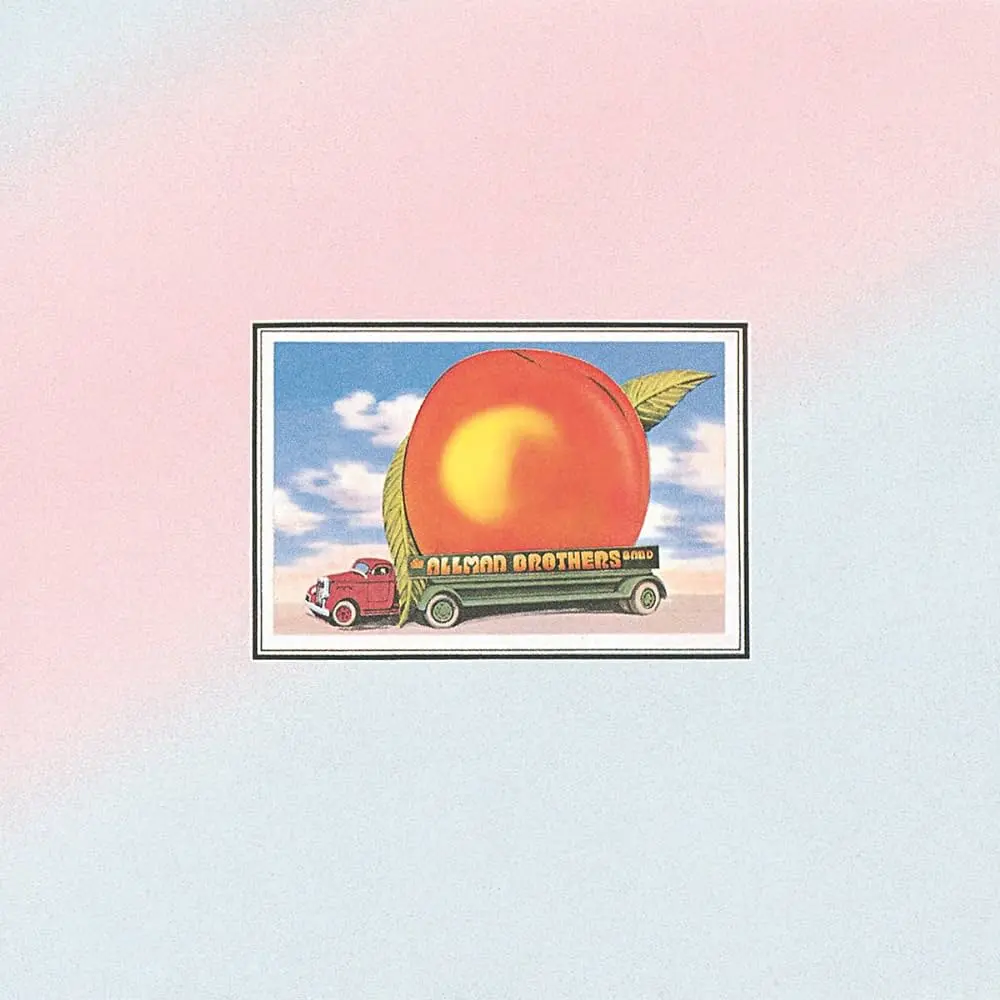 The Allman Brothers Band released their third studio album, Eat a Peach, on February 12, 1972, on Capricorn.
Eat a Peach sets compact studio songs beside long live performances and keeps both under the same broad pulse. Side one leans on piano, organ, and measured vocal lines, side three restores the harder concert attack, and “Mountain Jam” spreads across two LP sides through long solo passes, theme restatements, and a slow rebuild that never drops the rhythmic bed.
Duane and Dickey keep the live material in constant motion, Gregg shifts from organ weight to piano relief on the studio cuts, and Oakley with Butch and Jaimoe hold a wide, patient underpin. Gregg Allman wrote “Ain’t Wastin’ Time No More” and “Melissa,” Dickey Betts wrote “Les Brers in A Minor” and “Blue Sky,” Duane Allman wrote “Little Martha,” Gregg with Oakley wrote “Stand Back,” Muddy Waters wrote “Trouble No More,” Elmore James, Marshall Sehorn, and Sonny Boy Williamson II wrote “One Way Out,” and “Mountain Jam” carries credits to Donovan Leitch, Duane Allman, Gregg Allman, Betts, Oakley, Butch Trucks, and Jai Johanny Johanson.
“Ain’t Wastin’ Time No More” opens with piano-led drive and compresses grief into a tight three-minute form. “Melissa” slows the set to a plainspoken ballad, where Dickey’s answering lead line gives Gregg’s vocal a second contour, while “Blue Sky” opens wider space as Duane and Dickey alternate leads and meet in a shared line near the center. “One Way Out” hits harder, with Dickey setting the boogie figure, Duane cutting across it in slide, and the band dropping away for a brief a cappella stretch before the final push. “Little Martha” closes the studio sequence with two acoustic guitars in open E, and “Mountain Jam” takes the opposite route, covering two full sides through extended improvisation and a long return to theme.
A1. “Ain’t Wastin’ Time No More” (3:40) — Gregg Allman
A2. “Les Brers in A Minor” (9:03) — Dickey Betts
A3. “Melissa” (3:05) — Gregg Allman
B1. “Mountain Jam” [Part I] (19:37) — Donovan Leitch, Duane Allman, Gregg Allman, Dickey Betts, Berry Oakley, Butch Trucks, Jai Johanny Johanson
C1. “One Way Out” (4:58) — Elmore James, Marshall Sehorn, Sonny Boy Williamson II
C2. “Trouble No More” (3:28) — Muddy Waters
C3. “Stand Back” (3:25) — Gregg Allman, Berry Oakley
C4. “Blue Sky” (5:10) — Dickey Betts
C5. “Little Martha” (2:08) — Duane Allman
D1. “Mountain Jam” [Part II] (15:06) — Donovan Leitch, Duane Allman, Gregg Allman, Dickey Betts, Berry Oakley, Butch Trucks, Jai Johanny Johanson
The Allman Brothers Band recorded the studio sides of Eat a Peach at Criteria Studios in Miami between September and December 1971 with producer Tom Dowd and engineers Aaron Baron, Howie Albert, Larry Dahlstrom, and Ron Albert. The band drew “Mountain Jam” from the March 13, 1971 late show at the Fillmore East, “Trouble No More” from the March 13 early show, and “One Way Out” from June 27, 1971. Dowd began the mixes, and Johnny Sandlin completed the remaining work.
W. David Powell designed the sleeve at Wonder Graphics after finding postcards of a peach truck and a watermelon rail car in Athens, Georgia. He hand-lettered the band name onto the truck, Powell and J. F. Holmes painted the gatefold mural of mushrooms and fairies, and the finished cover carried no title on the front.
Eat a Peach reached No. 4 on Billboard’s Top 200 Pop Albums chart and later received platinum certification from the RIAA.
Capricorn issued “Ain’t Wastin’ Time No More” (b/w “Melissa”) as a 7-inch single in April 1972. It reached No. 77 on the Billboard Hot 100.
Capricorn issued “Melissa” (b/w “Blue Sky”) as a 7-inch single in August 1972. It became the album’s biggest Hot 100 entry and reached No. 65.
Capricorn issued “One Way Out” (b/w “Stand Back”) as a 7-inch single in November 1972. It reached No. 86 on the Billboard Hot 100.
Berry Oakley dies
Berry Oakley died on November 11, 1972 after a motorcycle crash at Napier Avenue and Inverness Street in Macon. Riding east on Napier, he crossed the center line on a sharp curve and struck a city bus; he refused treatment at the scene, reached home, then went to the hospital hours later and died from cerebral swelling caused by a fractured skull. He was 24.
Oakley helped define the Allman Brothers Band’s first phase through his long, forward bass lines, vocal harmonies, and writing input on early material such as “Hot ’Lanta,” “Mountain Jam,” and “Stand Back.” His playing anchors the group’s run from the 1969 debut through Eat a Peach, and his death closed the original seven-man era less than thirteen months after Duane Allman’s crash.
Brothers and Sisters
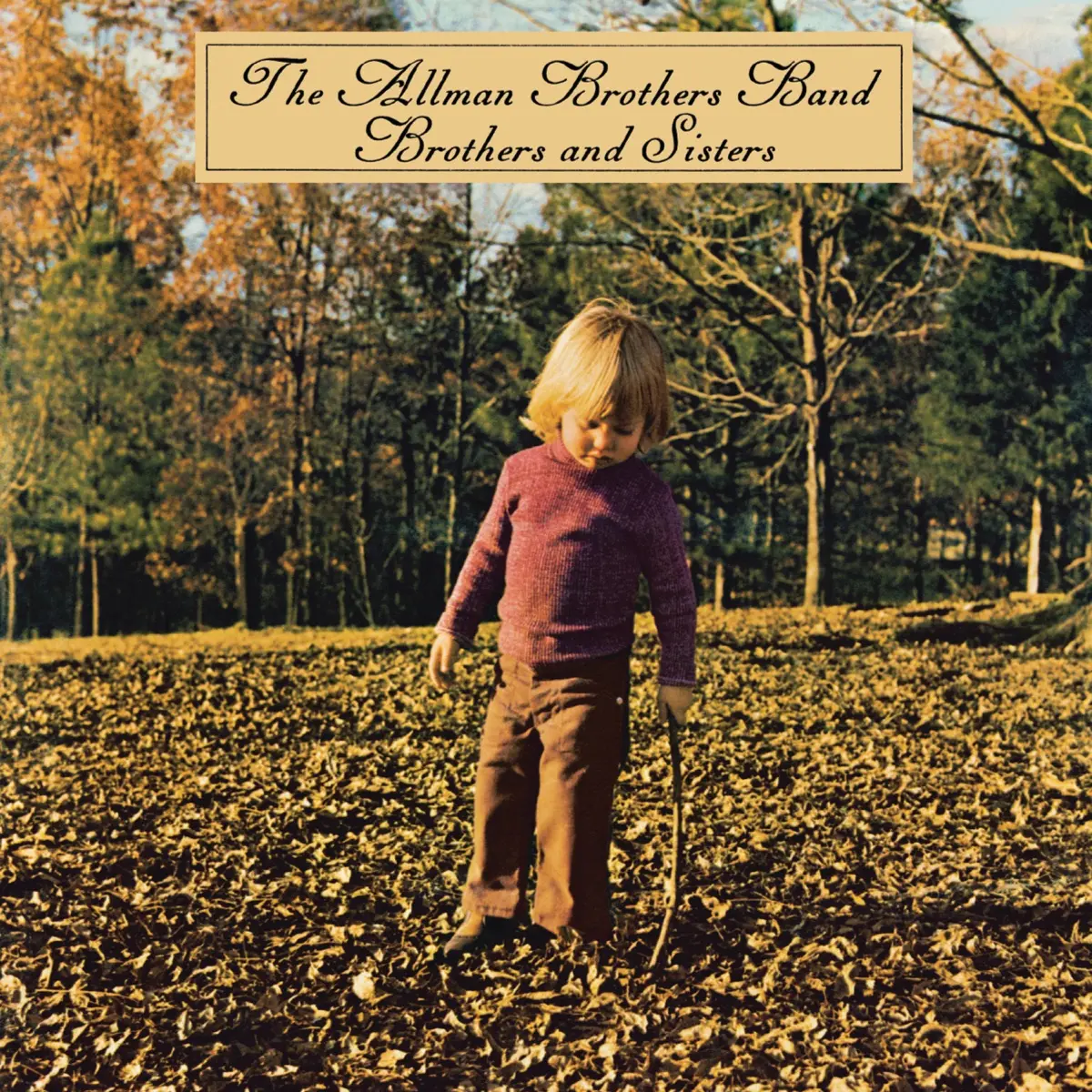 The Allman Brothers Band released their fourth studio album, Brothers and Sisters, in August 1973 on Capricorn.
Brothers and Sisters favors shorter song forms, steady mid-tempo drive, twin-guitar lines, and a broader piano share at the center of the arrangements.
New keyboardist Chuck Leavell pushes piano and electric piano into the main body of the record, new bassist Lamar Williams takes the bass chair after Berry Oakley’s death, and Dickey Betts drives much of the material toward acoustic detail, open phrasing, and long instrumental lines. Gregg Allman wrote “Wasted Words” and “Come and Go Blues,” Betts wrote “Ramblin’ Man,” “Southbound,” “Jessica,” and “Pony Boy,” and Billy Eckstine with Earl Hines wrote “Jelly Jelly.”
“Ramblin’ Man” keeps a light, rolling stride and sets Betts’ vocal inside a paired lead-guitar figure that Les Dudek helps widen. “Jessica” leaves the voice aside and runs on a bright instrumental line that Betts shaped from his daughter’s movement while Leavell helped lock the arrangement into place. “Pony Boy” strips the record to dobro, acoustic guitar, upright bass, and floor percussion for an all-acoustic close.
A1. “Wasted Words” (4:20) — Gregg Allman
A2. “Ramblin’ Man” (4:48) — Dickey Betts
A3. “Come and Go Blues” (4:54) — Gregg Allman
A4. “Jelly Jelly” (5:46) — Billy Eckstine, Earl Hines
B1. “Southbound” (5:11) — Dickey Betts
B2. “Jessica” (7:31) — Dickey Betts
B3. “Pony Boy” (5:51) — Dickey Betts
The Allman Brothers Band recorded Brothers and Sisters at Capricorn Sound Studios in Macon between October and December 1972 with co-producer-engineer Johnny Sandlin and engineers Ovie Sparks and Buddy Thornton. Oakley plays bass on “Wasted Words” and “Ramblin’ Man,” and Williams enters on “Come and Go Blues” and stays through the rest of the album.
Sleeve photographs were taken at the Farm in Juliette. The front cover shows Butch Trucks’ son Vaylor, the back cover shows Berry Oakley’s daughter Brittany, and the gatefold gathers the band with their families.
Brothers and Sisters reached No. 1 on Billboard’s Top LP’s & Tape chart and held that position for five weeks.
Capricorn issued “Ramblin’ Man” (b/w “Pony Boy”) as a 7-inch single on August 6, 1973. It reached No. 2 on the Billboard Hot 100 and No. 12 on Billboard’s Easy Listening chart.
Capricorn issued “Jessica” (b/w “Come and Go Blues”) as a 7-inch single in December 1973. It reached No. 65 on the Billboard Hot 100 and No. 29 on Billboard’s Easy Listening chart.
Win, Lose or Draw
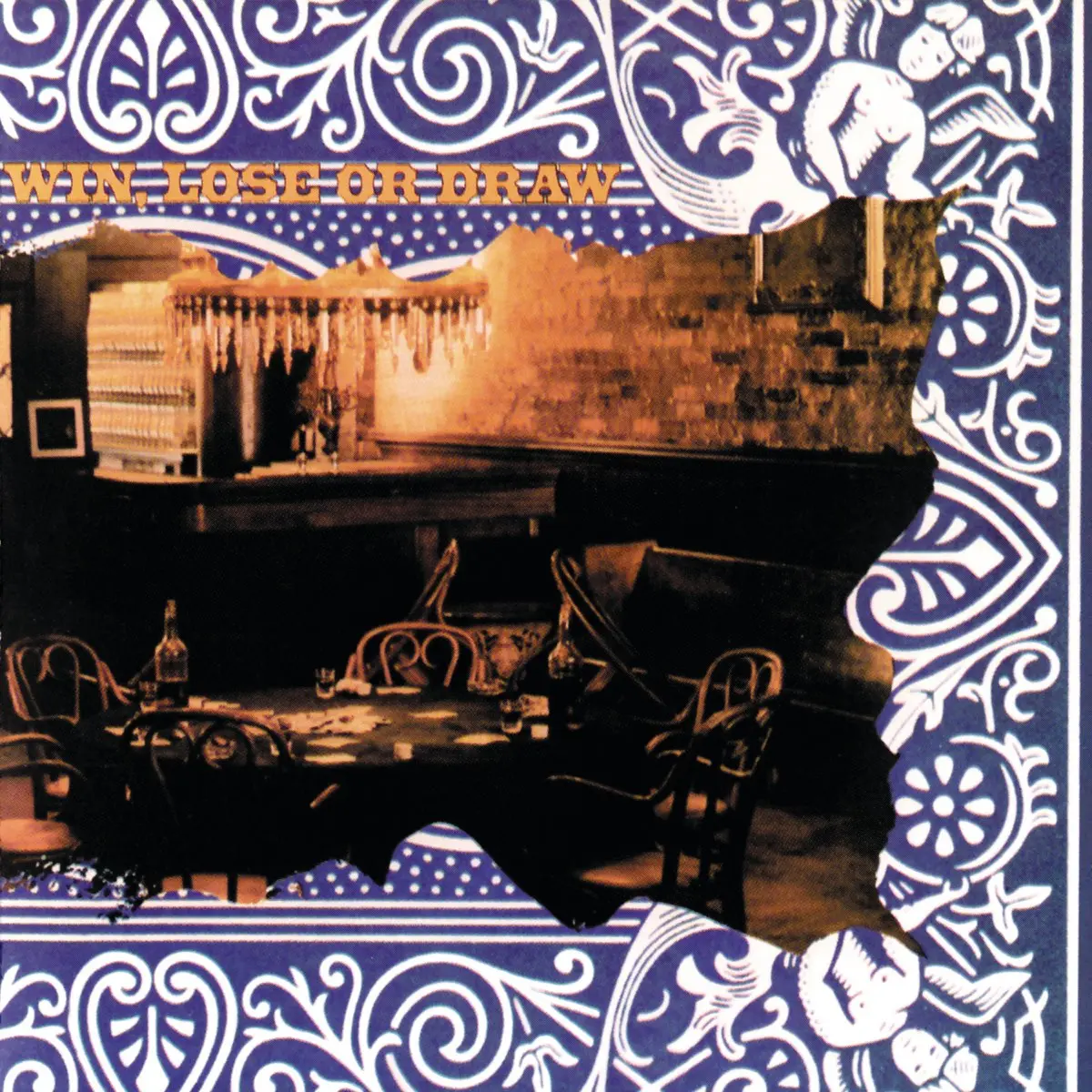 The Allman Brothers Band released their fifth studio album, Win, Lose or Draw, on August 22, 1975, on Capricorn.
Win, Lose or Draw narrows the band’s sprawl into shorter forms on side one, then opens wide again for the long instrumental “High Falls” on side two. Betts keeps one foot in acoustic phrasing and country-weighted rhythm, Gregg Allman brings a drier, more inward vocal line to the title track and “Nevertheless,” and Leavell with Williams hold the center through piano, electric piano, and long bass movement. Gregg Allman wrote “Nevertheless” and “Win, Lose or Draw,” Betts wrote “Just Another Love Song,” “Louisiana Lou and Three Card Monty John,” and “High Falls,” Muddy Waters wrote “Can’t Lose What You Never Had,” and Billy Joe Shaver wrote “Sweet Mama.”
“Can’t Lose What You Never Had” opens the album with a hard-driving arrangement, revised lyrics, and a sharper rhythmic snap than the Muddy Waters original. “Just Another Love Song” compresses Betts’ writing into a short, plainspoken acoustic form, while “Win, Lose or Draw” turns inward through a slower pace and a more solitary vocal shape. “Louisiana Lou and Three Card Monty John” gives side one its lightest stride, and “High Falls” closes the record with interwoven sections that rise, recede, and rebuild across fourteen minutes.
A1. “Can’t Lose What You Never Had” (5:49) — McKinley Morganfield
A2. “Just Another Love Song” (2:44) — Dickey Betts
A3. “Nevertheless” (3:32) — Gregg Allman
A4. “Win, Lose or Draw” (4:45) — Gregg Allman
A5. “Louisiana Lou and Three Card Monty John” (3:45) — Dickey Betts
B1. “High Falls” (14:28) — Dickey Betts
B2. “Sweet Mama” (3:32) — Billy Joe Shaver
The Allman Brothers Band recorded Win, Lose or Draw at Capricorn Sound in Macon and the Record Plant in Los Angeles between February and July 1975 with co-producer Johnny Sandlin. Sandlin tracked Gregg Allman’s vocals in Los Angeles while the rest of the album was pieced together across months of separate sessions.
Twiggs Lyndon designed the sleeve around a deserted Old West saloon scene photographed in the former Muhlenbrinks Saloon in Atlanta’s Underground. A poker table, bottles, cards, chips, and six empty chairs stand at the center for the current lineup, while two more chairs in the background point back to Duane Allman and Berry Oakley.
Win, Lose or Draw reached No. 5 on the Billboard 200 and received gold certification.
Capricorn issued “Nevertheless” (b/w “Louisiana Lou and Three Card Monty John”) as a 7-inch single in 1975. “Nevertheless” reached No. 67 on the Billboard Hot 100, and the flip side was also listed separately at No. 78.
First fallout
In June 1975, Greg Allman married Cher, one year after her split from longtime partner Sonny Bono. Despite his growing distance from the band, the Allman Brothers Band notched 41 sold-out shows between August 1975 and May 1976.
A highlight occurred on November 25, 1975, when they performed at the Providence Civic Center in Rhode Island as part of a presidential fundraiser for Jimmy Carter, the former Georgia governor who unseated Gerald Ford in the 1976 general election.
Capricorn issued the double live album Wipe the Windows, Check the Oil, Dollar Gas in November 1976 after the breakup. The set draws from concerts recorded between 1972 and 1975, leans heavily on the Chuck Leavell–Lamar Williams era, and stands as the closing document of the band’s first run.
Discography:
- The Allman Brothers Band (1969)
- Idlewild South (1970)
- At Fillmore East (live 2LP, 1971)
- Eat a Peach (1972)
- Brothers and Sisters (1973)
- Win, Lose or Draw (1975)
- Wipe the Windows, Check the Oil, Dollar Gas (live, 1976)
- Enlightened Rogues (1979)
- Reach for the Sky (1980)
- Brothers of the Road (1981)
Sources:
- Discogs: The Allman Brothers Band
- 45worlds: The Allman Brothers Band
- 45cat: The Allman Brothers Band
Artist/Album Pages:
McCoy Tyner (1938–2020) was an American jazz pianist, active for six decades. He earned his earliest...
Shampoo was a Belgian jazz-rock band that made the 1971 album Volume One on Disques Motors. They m...
The Third Eye — alternately spelled Thyrd Eye — was a South African psych-rock band behind the 196...
Jarvis Street Revue was a Canadian psychedelic rock band that released the 1970 album Mr. Oil Man on...
Shocking Blue was a Dutch rock band from Den Haag, best known for their 1969 global hit "Venus." F...
SHQ was a Czech jazz-rock ensemble led by multi-instrumentalist Karel Velebný. The group maintaine...
The Ghost was an English folk-psych band from Birmingham that released the album When You're Dead ...
Please was an English pop-psych band that recorded two albums worth of material during 1968 and 1969...
Pazop was a Belgian avant jazz-rock band that made the 1972 single "Captain Black" / "Morning" on ...
Tymepiece was an Australian rustic-rock band that cut two singles in 1968–69 on Festival Records, fo...
Fresh Maggots were an English folk-psych band from Nuneaton, Warwickshire, that released a self-ti...
Glencoe was an English rustic-rock band behind the 1972/73 Epic albums Glencoe and The Spirit of G...