

Bohannon (1942–2020) is an American percussionist, composer, and producer who started as an arranger at Motown. As a solo artist, he scored the 1974–75 UK hits “Foot Stompin Music,” “South African Man,” “Disco Stomp,” and the 1978 transatlantic crossover hit “Let’s Start the Dance.” Between 1973 and 1980, he cut six albums each for Dakar Records and Mercury.
Background
He was born Hamilton Frederick Bohannon on March 7, 1942, in Newnan, Georgia, where he learned drums at school and played in local bands. Bohannon graduated from Clark Atlanta University, where he majored in music and secondary education. After a 1964 stint as a school teacher, he secured a slot in the backing band of Motown child-star Stevie Wonder (then 13).
In 1967, Bohannon moved to Detroit to work as a bandleader and arranger for The Motown Sound, the backing band for multiple label stars, including Marvin Gaye, Four Tops, The Temptations, and The Supremes. After Motown’s 1972 relocation to Los Angeles, Bohannon stayed behind and formed his own backing band with members of The Fabulous Counts (later known as The Counts). He signed as a solo artist with Dakar Records, a Chicago-based R&B label run by producer Carl Davis.
Stop and Go
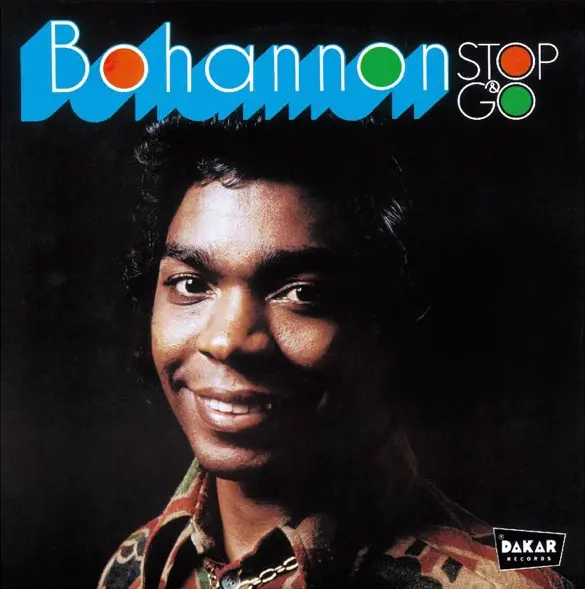 Bohannon released his debut album, Stop and Go, in 1973 on Dakar.
The album introduces his percussion-driven funk with emphasis on repetitive guitar vamps, layered rhythms, and chorus vocals. It favors slow, heavy backbeats over the faster tempos he pursued later in the decade.
Bohannon produced, arranged, and directed the sessions while playing drums and percussion. Guitarist Leroy Emanuel and bassist Melvin Ragin (aka Wah Wah Watson) co-wrote “The Stop and Go,” “Getting to the Other Side,” and “Save Their Souls.” Ray Parker wrote “Run It on Down Mr. D.J.” Bohannon composed the album’s balance under his wife’s name, Andrea.
Numbers like “The Stop and Go” and “Getting to the Other Side” ride wah-wah guitar lines over tightened bass. “Run It on Down Mr. D.J.” stretches to six minutes with call-and-response vocals and sustained organ textures. Bohannon’s originals shift from funk workouts (“The Pimp Walk”) to softer, devotional material (“It’s Time for Peace,” “Singing a Song for My Mother”).
A1. “The Stop and Go” (3:32)
A2. “Getting to the Other Side” (3:15)
A3. “The Pimp Walk” (4:01)
A4. “Run It on Down Mr. D.J.” (6:39)
B1. “Save Their Souls” (4:51)
B2. “Singing a Song for My Mother” (6:24)
B3. “It’s Time for Peace” (2:21)
B4. “Happiness” (3:57)
Sessions occurred at Brunswick Studios in Chicago with engineer Craig Barksdale. The lineup featured Emanuel (guitar, bongos, spoons), Watson (guitar), Parker (guitar), Mose Davis (organ), Eddie Watkins (bass), Rod Lumpkins (electric piano), Danny Turner (flute, tenor saxophone), Leslie Bass (percussion), and Travis Biggs (electric violin). The Haywood Singers provided backing vocals.
Keep On Dancin’
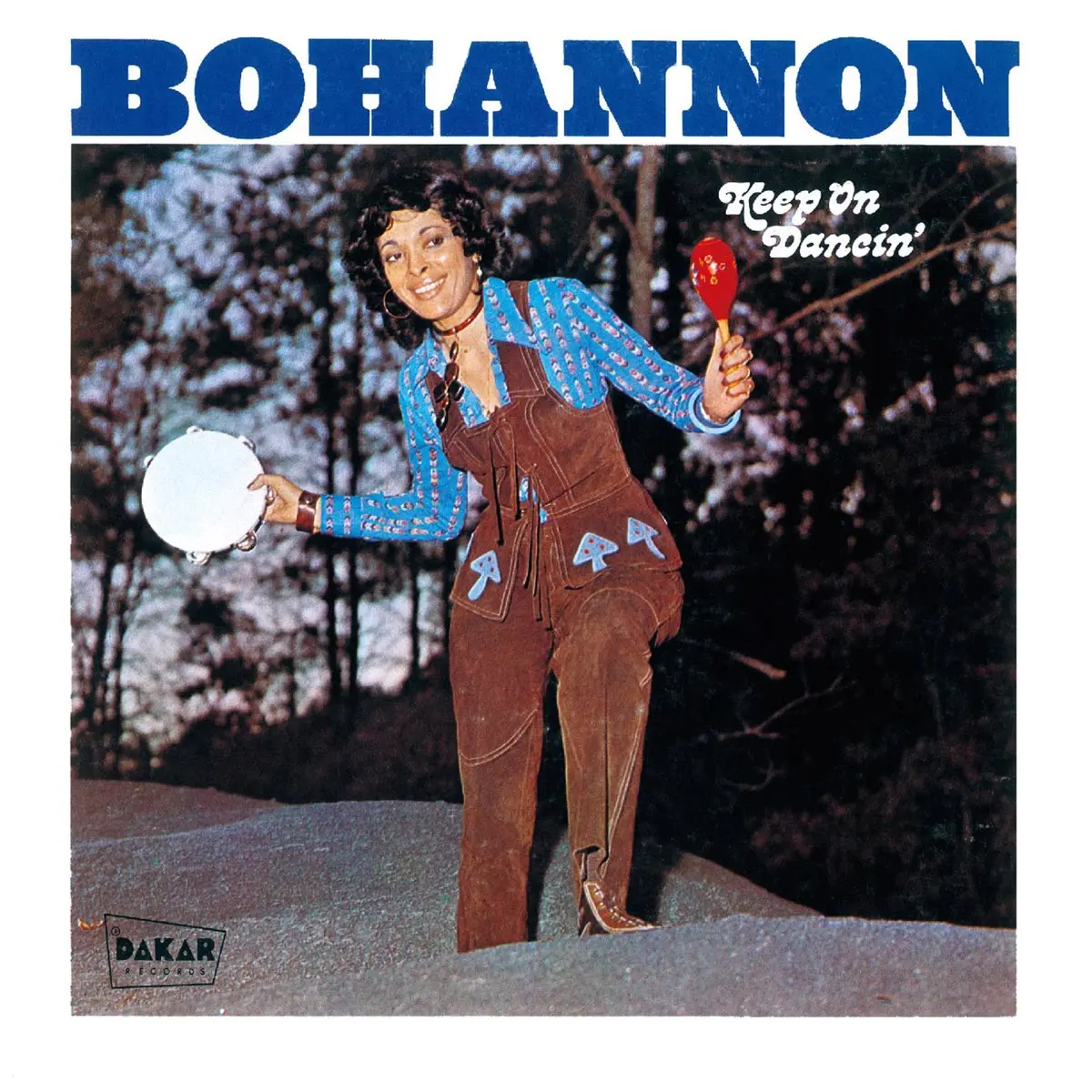 Bohannon released his second album, Keep On Dancin’, in 1974 on Dakar.
The album expands his funk template with extended instrumental workouts, call-and-response vocal passages, and orchestral colorings on select numbers. It balances mid-tempo rhythm tracks with longform pieces that fuse percussion layering and string arrangements.
Bohannon produced, arranged, and directed the sessions while handling drums and percussion. He wrote all eight tracks. The lineup featured guitarist David Pruitt, bassist Fernando Sanders, keyboardist Nimrod Lumpkin, and percussionist Lorenzo Brown. “Have a Good Day” features Harold McKinney and orchestration by Willie Shorter with players from the Detroit Symphony Orchestra and Fischer Theatre Orchestra.
Songs like “Rap On Mr. D.J.” and the title track carry insistent vocal chants over clipped guitar rhythms. “Truck Stop” and “South African Man” stretch into seven-minute sequences with shifting percussion and sharp interjections from the rhythm section. “Have a Good Day” uses orchestral textures to contrast with the core band’s locked pace, while shorter pieces like “The Fat Man” and “Red Bone” emphasize concise rhythmic figures.
A1. “Rap On Mr. D.J.” (3:00)
A2. “Keep On Dancin’” (5:00)
A3. “Truck Stop” (7:34)
A4. “Dance With Your Parno” (3:57)
B1. “Have a Good Day” (8:30)
B2. “The Fat Man” (2:39)
B3. “Red Bone” (3:02)
B4. “South African Man” (7:00)
Sessions occurred in Detroit with engineers John Lewis and Michael Grace. George Marino mastered the album at Masterdisk. Count Jackson handled photography, and Brenda Barnett served as creative director.
“South African Man” appeared as a single and reached No. 78 on the Billboard R&B chart. In the UK, it peaked at No. 22.
Insides Out
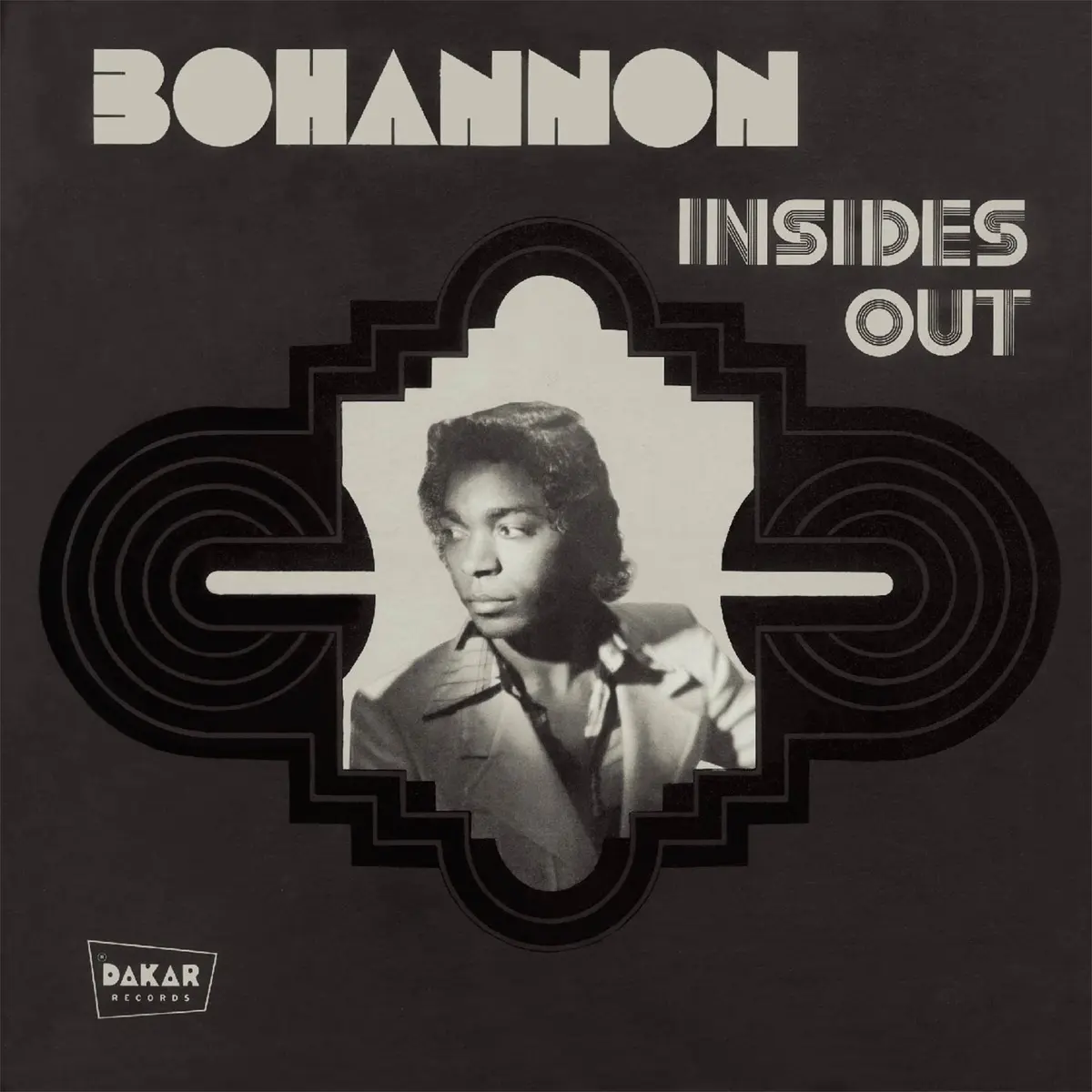 Bohannon released his third album, Insides Out, in 1975 on Dakar.
The album sharpens his rhythmic focus with side-long dance workouts and layered percussion patterns. It contrasts stomping, chant-driven tracks with moodier instrumentals framed by strings and piano.
Bohannon wrote, produced, arranged, and directed the material while handling drums and percussion. Guitarist Leroy Emanuel of the Counts plays on the up-tempo numbers, while Fernando Saunders, Rod Lumpkin, Van Cephus, and Arthur “Baby” round out the rhythm section. Mose Davis and Emanuel appear as part of the Counts. Harold McKinney features on piano, and Herbie Williams orchestrated the string and horn parts. Glen Meadows engineered the mixes.
The A-side features extended floor tracks: “Foot-Stompin Music” drives seven minutes of insistent rhythms with Emanuel’s clipped guitar, while “East Coast Groove” and “Disco Stomp” work repetition into stacked percussion and chanted refrains. The B-side shifts tone with the slow, piano-centered “Love Is Fading,” the reflective “Thoughts and Wishes,” and the tender ballad “Keep On Being My Girl.” “Happy Feeling” closes with layered percussion and sustained keyboard passages.
A1. “Foot-Stompin Music” (7:13)
A2. “East Coast Groove” (5:38)
A3. “Disco Stomp” (5:10)
B1. “Love Is Fading” (7:10)
B2. “Thoughts and Wishes” (5:32)
B3. “Keep On Being My Girl” (3:27)
B4. “Happy Feeling” (6:54)
Sessions occurred in Detroit with producer Bohannon and mixing engineer Glen Meadows. Artie Patrick designed the cover, coordinated by Levi Bohannon.
“Foot-Stompin Music” reached No. 39 on the Billboard R&B Singles and No. 23 in the UK, where “Disco Stomp” reached No. 6. The album reached No. 28 on the Billboard R&B Albums chart.
Bohannon
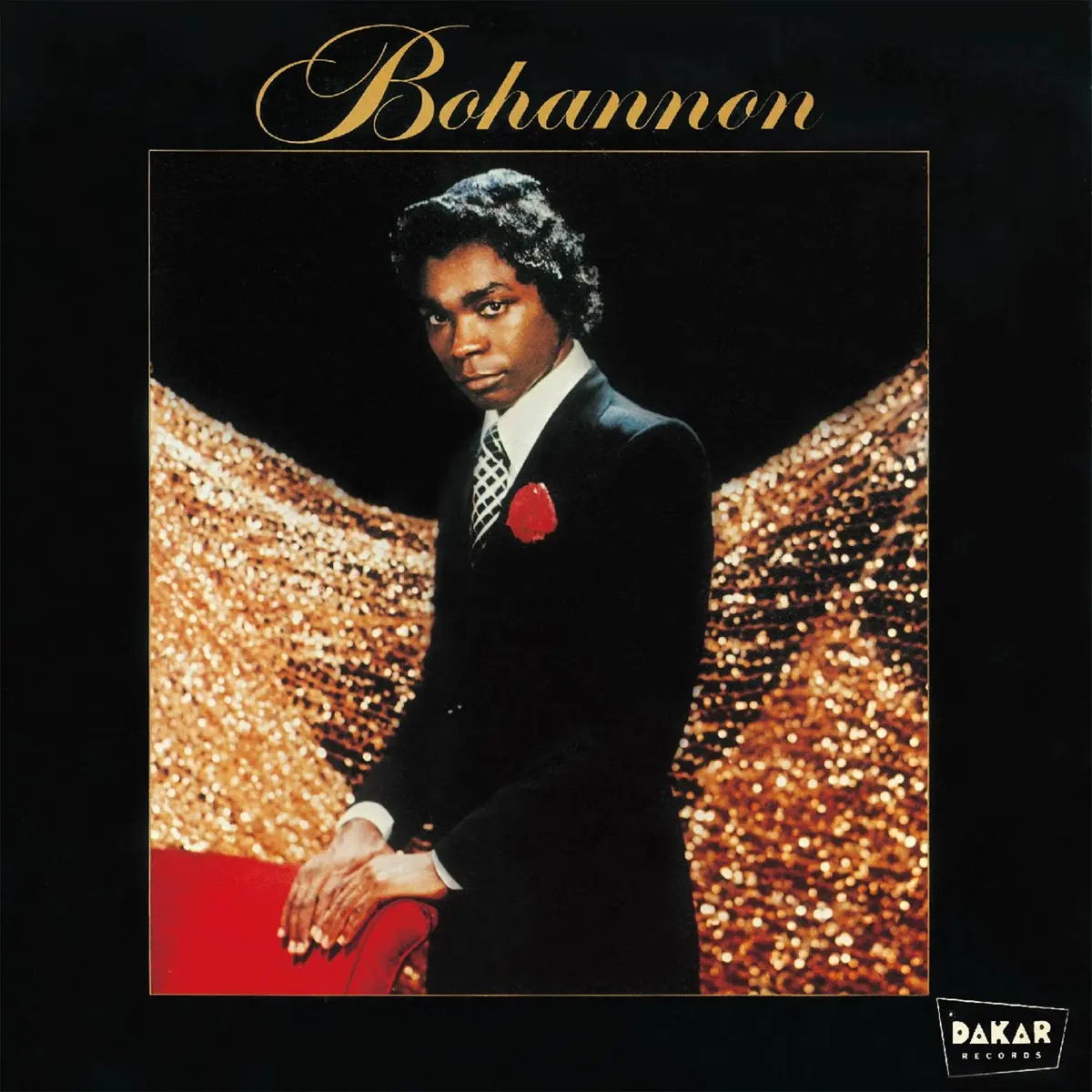 Bohannon released his self-titled fourth album in 1975 on Dakar.
The album splits between rhythm-driven dance tracks on the first side and orchestrated ballads on the second. It highlights Bohannon’s percussive direction while introducing string-led arrangements that frame his slower material.
Bohannon produced, arranged, and wrote the seven tracks while directing the band from drums and percussion. Guitarists Leroy Emanuel and Rick “Funk Box” Rouse appear alongside keyboardists Mose Davis and Nimrod Lumpkin, bassist Ted “Sticky Fingers” Waterhouse, and percussionist Lorenzo Brown. Carolyn Crawford sings on “Can You Feel It,” while Herbie Williams orchestrated “Gentle Breeze” and Willie Shorter arranged strings for “Think of Me.”
The first side maintains a steady pulse across “Bohannon’s Beat Part I,” “The Funky Reggae,” and “The Bohannon Walk,” each defined by clipped guitar lines, steady bass, and layered keyboards. “Can You Feel It” extends that template with Crawford’s vocals threading through its eight-minute pace. Side two opens into symphonic territory: “Gentle Breeze” layers soft string figures over mid-tempo percussion, while “Think of Me” stretches into nine minutes of slow, orchestrated passages. “The Day to Remember” closes the album with a balance of rhythm section drive and ballad texture.
A1. “Bohannon’s Beat Part I” (7:49)
A2. “The Funky Reggae” (6:08)
A3. “The Bohannon Walk” (4:49)
A4. “Can You Feel It” (8:25)
B1. “Gentle Breeze” (8:29)
B2. “Think of Me” (9:08)
B3. “The Day to Remember” (6:00)
Sessions occurred at Brunswick’s studios with producer Bohannon and engineer Milan Bogdan. James Kriegsmann Jr. handled photography.
The album reached No. 21 on the Billboard R&B Albums chart.
Dance Your Ass Off
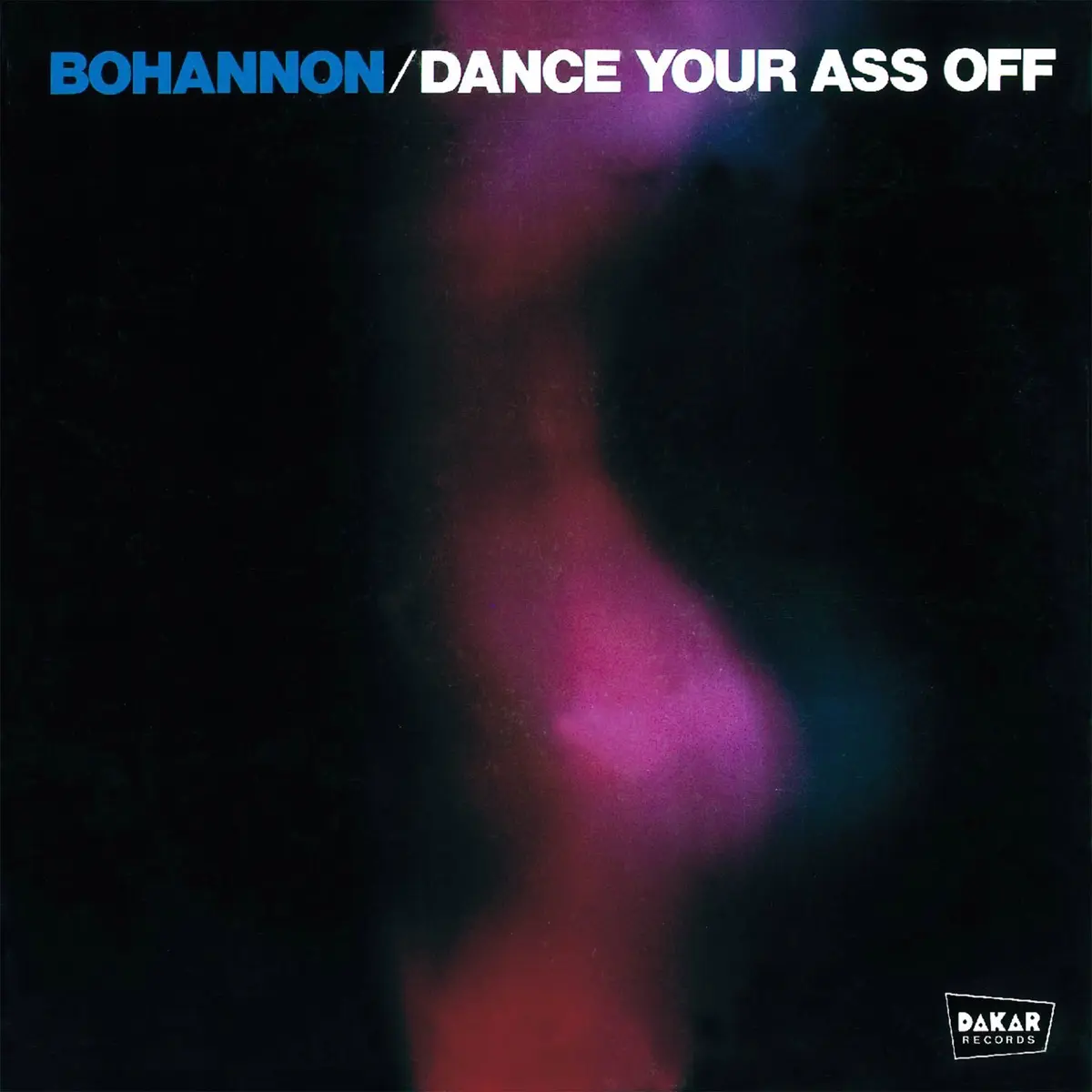 Bohannon released his fifth album, Dance Your Ass Off, in 1976 on Dakar.
The album sustains his rhythmic, trance-inducing funk style with long, percussion-heavy workouts built on bass ostinatos, clipped guitar, and fluid keyboard lines. It contrasts party-themed anthems with instrumental showcases rooted in steady, hypnotic pacing.
Hamilton Bohannon wrote, produced, arranged, and conducted all seven tracks. His band included bassist Ted Waterhouse, guitarists Leroy Emmanuel and Rick Rouse, keyboardist Mose Davis, percussionist Lorenzo Brown, saxophonist Dangerous Dan, and woodwind player James Patterson.
Side one features the extended opener “Dance Your Ass Off” and the similarly drawn-out “Spread the Groove Around” and “The Groove I Feel,” each locking into variations of Bohannon’s trademark rhythm cycles. “Bohannon’s Theme” condenses his formula into a shorter piece. Side two balances the tribal inflections of “Zulu,” the strutting pace of “Trying to Be Slick,” and the communal drive of “Party People.”
A1. “Dance Your Ass Off” (7:56)
A2. “Spread the Groove Around” (5:39)
A3. “The Groove I Feel” (7:33)
A4. “Bohannon’s Theme” (3:57)
B1. “Zulu” (5:24)
B2. “Trying to Be Slick” (6:14)
B3. “Party People” (4:45)
Sessions occurred at The Sound Pit in Atlanta with Bohannon producing and Milan Bogdan engineering.
Dance Your Ass Off reached No. 47 on the Billboard R&B Albums chart.
Gittin’ Off
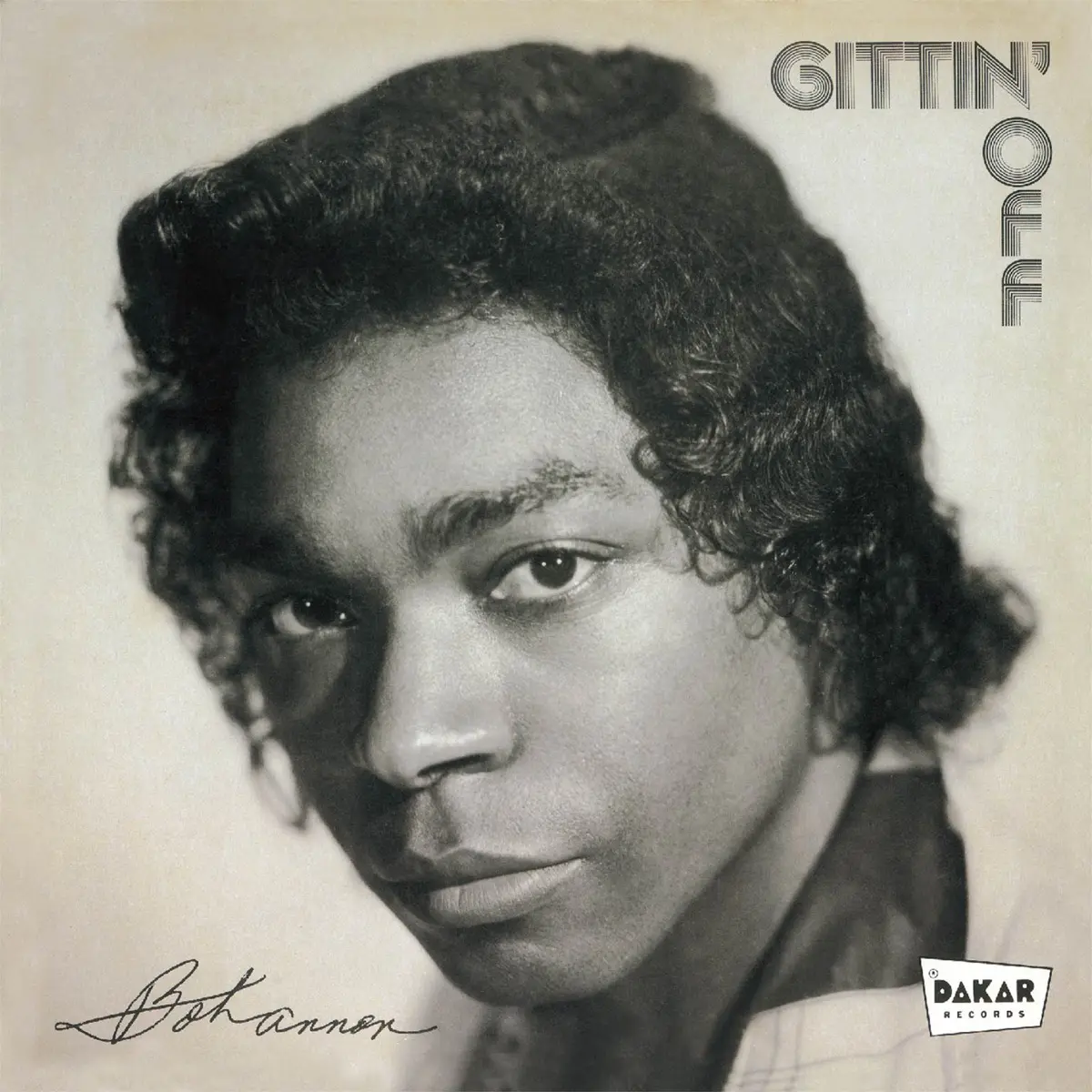 Bohannon released his sixth album, Gittin’ Off, in 1976 on Dakar.
The album balances high-intensity funk workouts with Bohannon’s orchestral balladry, splitting between propulsive dancefloor numbers on side one and slower, more atmospheric pieces on side two.
Hamilton Bohannon wrote, produced, arranged, directed, and sang on all seven tracks. His band featured bassist Ted Waterhouse, guitarists Leroy Emmanuel and Rick Rouse, keyboardist Mose Davis, and percussionist Lorenzo Brown, with brass by trumpeters Herbie Williams and Maurice Davis. Tony Reale engineered the sessions.
The first side showcases Bohannon’s hardest-hitting rhythm pieces. The title track “Gittin’ Off,” “Feel Good at Midnight,” and “Let’s Rock the Band” drive forward with relentless pacing and clipped instrumental interplay, while “South Africa 76” applies the same urgency with sharper accents. Side two softens the mood with the lush ballad “Come Winter,” one of his most romantic compositions, followed by the pleading slow jam “Don’t Be Mad at Me” and the lighter, more buoyant closer “I’m in Love.”
A1. “Gittin’ Off” (4:44)
A2. “Feel Good at Midnight” (5:05)
A3. “Let’s Rock the Band” (6:36)
A4. “South Africa 76” (5:31)
B1. “Come Winter” (7:13)
B2. “Don’t Be Mad at Me” (5:33)
B3. “I’m in Love” (4:43)
Sessions occurred at The Sound Pit in Atlanta with Bohannon producing and Tony Reale engineering.
Phase II
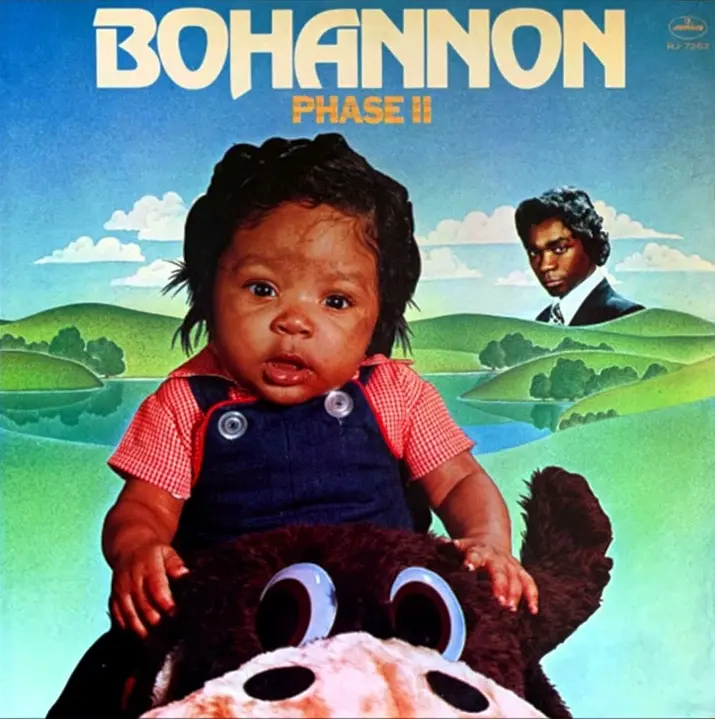 Bohannon released his seventh album, Phase II, in 1977 on Mercury.
The album mixes bass-driven dance numbers with orchestral ballads, marking Bohannon’s transition to Mercury with a broadened production scope.
Hamilton Bohannon produced, arranged, directed, and wrote all seven tracks. His core band featured bassist Ted Waterhouse Jr., guitarists Rick Rouse, Melvin “Wah Wah” Ragin, and Ray Parker Jr., keyboardists Mose Davis and Nimrod Lumpkin, pianist Harold McKinney, and percussionist Lorenzo Brown. Johnny Allen and Herbie Williams handled string arrangements with Ben Picone and the Atlanta Strings. Milan Bogdan engineered and remixed the sessions, assisted by Jim Burgess on “Bohannon’s Disco Symphony.”
The uptempo material includes “Andrea,” “Moving Fast,” and the centerpiece “Bohannon’s Disco Symphony,” all centered on dense bass patterns with clipped guitar accents and layered keyboards. In contrast, the ballads “Daddy’s Little Son” and “Isn’t It a Beautiful Morning” slow the pace with orchestrated backdrops and piano. “But What Is a Dream” stretches between both modes with shifting dynamics.
A1. “Andrea” (6:15)
A2. “But What Is a Dream” (5:16)
A3. “Daddy’s Little Son” (5:42)
B1. “Bohannon’s Disco Symphony” (6:39)
B2. “Isn’t It a Beautiful Morning” (4:45)
B3. “Just Doing My Thing” (4:38)
B4. “Moving Fast” (3:25)
Sessions occurred at The Sound Pit in Atlanta with Bohannon producing and Milan Bogdan engineering.
Phase II reached No. 46 on the Billboard R&B Albums chart.
On My Way
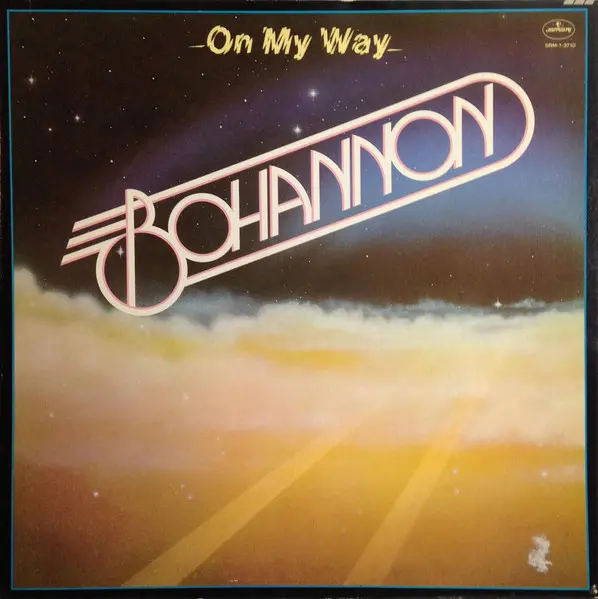 Bohannon released his eighth album, On My Way, in 1978 on Mercury.
The album balances trance-like dance workouts with romantic interludes, centering on extended rhythm tracks that stretch into hypnotic repetition while leaving space for orchestral touches and instrumental solos.
Hamilton Bohannon produced, arranged, directed, and wrote all seven songs. Guitarists Leroy Emmanuel, Melvin “Wah Wah” Ragin, and Ray Parker Jr. played alongside bassist Ted Waterhouse Jr., keyboardist Mose Davis, percussionist Lorenzo Brown, and pianist Harold McKinney. Mtume contributed percussion on “Maybe You Can Dance,” which also features Louis Smith on flugelhorn and Herbie Williams’ string arrangements. Johnny Allen arranged strings for “Come Dance With Me,” while Danny Turner played saxophone on “On the Weekend.” Ben Picone, Lamont Johnson, and Mark Johnson also appeared in the supporting lineup.
The centerpiece “Maybe You Can Dance” runs over twelve minutes, sustaining a metronomic pulse with minimal variation while layers of percussion, strings, and horns phase in and out of the mix, creating a time-suspending effect. Shorter rhythmic pieces like “Git On Up” and “I Got to Stay Funky” keep to his locked-in patterns, while “On the Weekend” accents the beat with saxophone lines. The ballad “You and I” provides the album’s sole orchestral love song, contrasting the otherwise percussive focus.
A1. “Come Dance With Me” (4:05)
A2. “Maybe You Can Dance” (12:42)
A3. “I Found My Love on a Saturday” (3:39)
B1. “Git On Up” (3:45)
B2. “You and I” (3:08)
B3. “I Got to Stay Funky” (8:36)
B4. “On the Weekend” (3:50)
Sessions occurred at Mastersound Studios in Atlanta with Bohannon producing and Milan Bogdan engineering, remixing, and mastering.
Summertime Groove
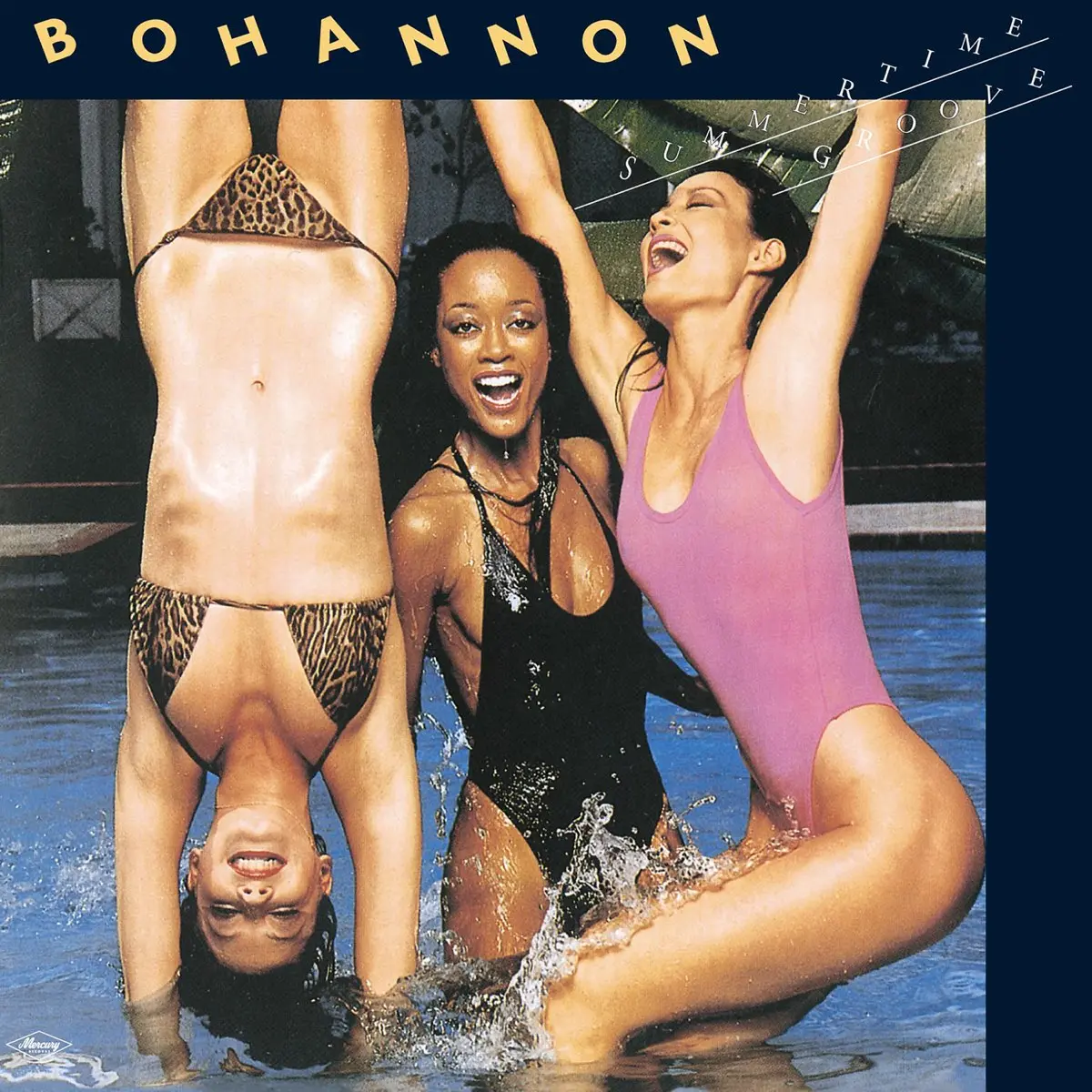 Bohannon released his ninth album, Summertime Groove, in 1978 on Mercury.
The album balances Bohannon’s signature trance-like rhythm workouts with a greater focus on song form, led by the introduction of Carolyn Crawford on lead and background vocals. It contains the biggest crossover hit of his career, “Let’s Start the Dance.”
Hamilton Bohannon wrote and produced all seven tracks. Crawford sings lead throughout, except on “The Street Dance,” which features her in tandem with Sonia Rossman on backing vocals. Johnny Allen orchestrated strings on “I Wonder Why.”
“Let’s Start the Dance” opens the album with a syncopated pulse and Crawford’s declarative vocal lines, reprised later in a shorter “Finals” version. “Summertime Groove” stretches into an extended instrumental showcase with layered percussion and shifting rhythmic emphasis. “Me and the Gang” and “The Street Dance” sustain the party-oriented pace, the latter introduced by a shuffling rhythm and chant-like vocals. “Listen to the Children Play” contrasts with harpsichord accents and cinematic atmosphere before settling into a funk rhythm. The sole ballad, “I Wonder Why,” carries a wistful tone, diverging from the dance-centered material.
A1. “Let’s Start the Dance” (5:30)
A2. “Listen to the Children Play” (4:22)
A3. “Me and the Gang” (5:16)
A4. “Let’s Start the Dance (Finals)” (1:08)
B1. “I Wonder Why” (3:18)
B2. “Summertime Groove” (8:10)
B3. “The Street Dance” (7:55)
Sessions took place at Mastersound Studios in Atlanta with Bohannon as producer and Joe Neil as engineer. Mixing occurred at both Mastersound and Studio One in Doraville.
Summertime Groove reached No. 14 on the Billboard R&B Albums chart and No. 2 in Canada. The single “Let’s Start the Dance” reached No. 9 on the Billboard R&B chart and No. 7 on the disco chart.
Cut Loose
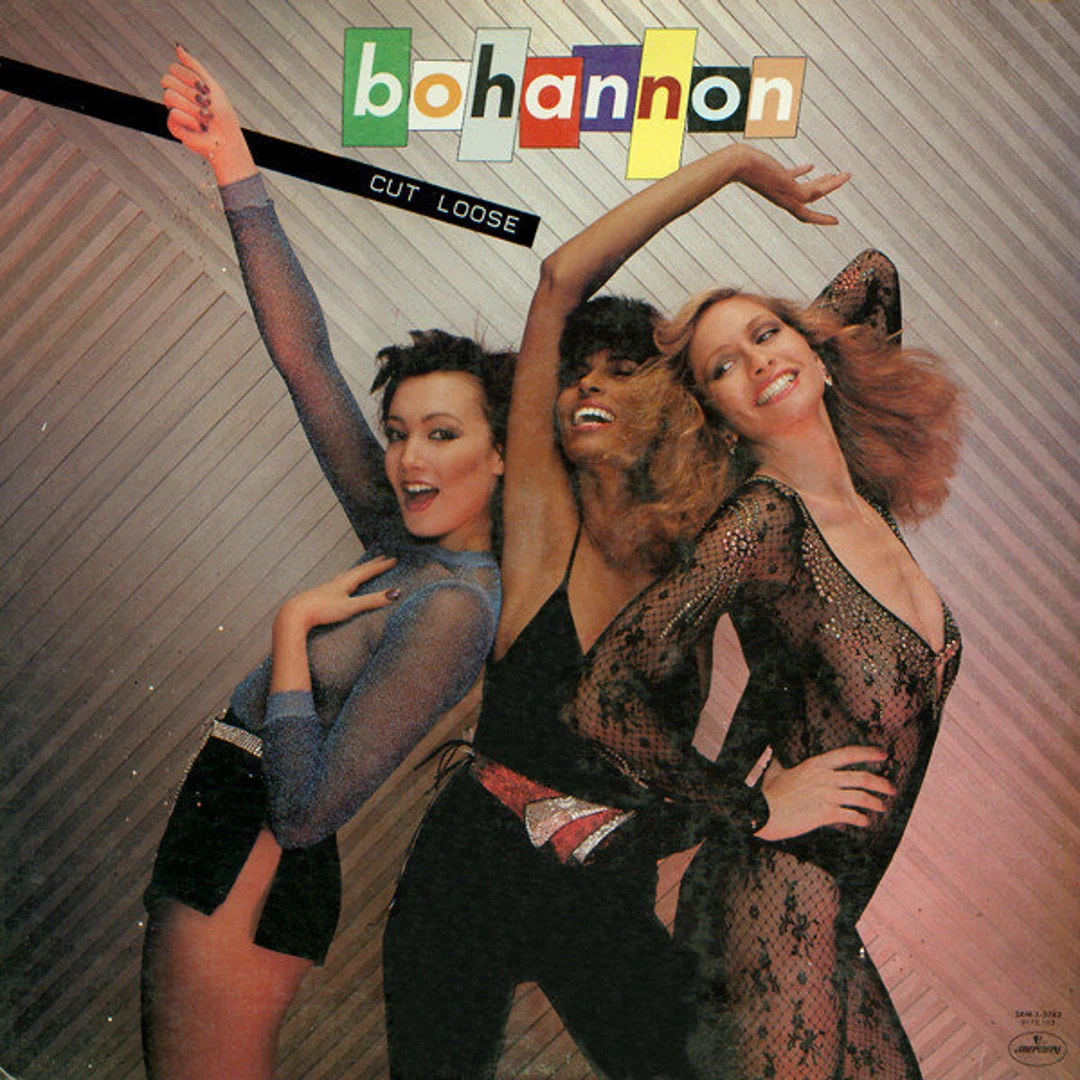 Bohannon released his tenth album, Cut Loose, in 1979 on Mercury.
The album delivers Bohannon’s signature syncopated, trance-like rhythms with extended instrumental passages and selective vocal features, including Caroline Crawford on “Mighty Groovy.” It continues his pattern of balancing dance-driven tracks with more reflective compositions.
Hamilton Bohannon wrote, arranged, and produced all six tracks. Crawford provides lead vocals on “Mighty Groovy,” while additional backing vocals come from Gwen Joy Kreger and Liz Spraggin.
“Cut Loose” opens with a commanding, percussion-driven title track that establishes the album’s energetic pace. “The Beat (Part 2)” extends rhythmic motifs over layered percussion and bass. “Mighty Groovy” spotlights Crawford’s vocals over tight ensemble interplay. Side B features the extended “Let Me See How You Do It” with layered keyboard and guitar textures, while “At Night Fall” and “That’s the Way It Goes” slow the tempo slightly, providing contrast to the high-intensity tracks.
A1. “Cut Loose” (7:44)
A2. “The Beat (Part 2)” (6:14)
A3. “Mighty Groovy” (4:31)
B1. “Let Me See How You Do It” (7:15)
B2. “At Night Fall” (4:23)
B3. “That’s the Way It Goes” (5:16)
Sessions took place at Mastersound and Studio One in Atlanta with Bohannon producing and Joe Neal, Milan Bogdan, and Tad engineering. Joe Neal handled remix engineering, and Glen Meadows mastered the album at Masterfonics.
Cut Loose is dedicated to guitarist Rick Rouse.
Too Hot to Hold
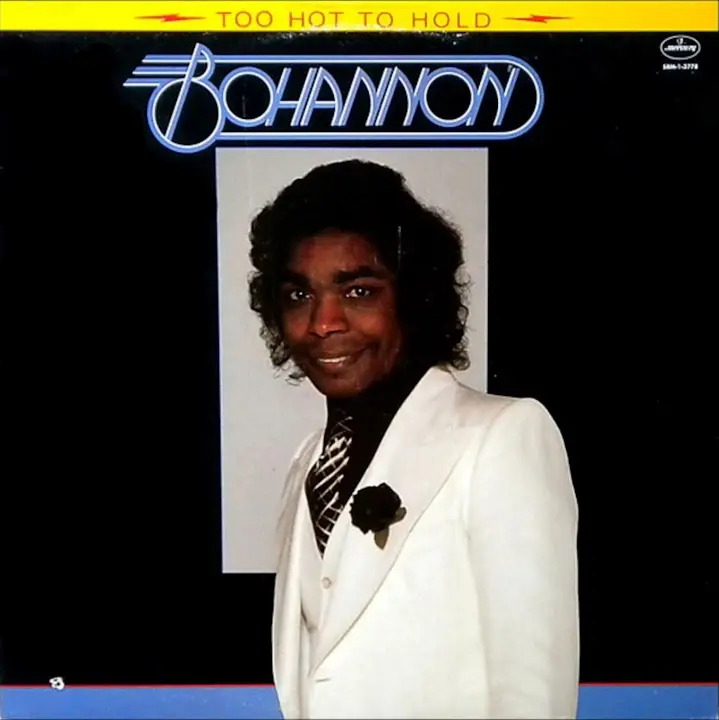 Bohannon released his eleventh album, Too Hot to Hold, in 1979 on Mercury.
The album continues Bohannon’s exploration of tight, rhythmic dance tracks with selective vocal highlights from Carolyn Crawford. It blends extended instrumental passages with string orchestrations and layered keyboards, maintaining his signature pacing while expanding textural variety.
Hamilton Bohannon wrote, arranged, and produced the majority of the material. “Stop and Go” was written by guitarists Leroy Emmanuel and Melvin Ragin. Crawford provides featured vocals, supported by ensemble contributions from Ted Waterhouse on bass, Lorenzo Brown on percussion, and Danny Turner on tenor saxophone and flute.
Side A opens with the energetic, percussion-driven “The Groove Machine” and the extended “The Boogie Train,” mixed by Casual Cal and Joseph Neil. “Stop and Go” emphasizes interlocking guitar riffs and syncopated bass lines. Side B features “I’ll Be Here for You” and “The Time Is Now,” sustaining momentum through layered keyboards and rhythmic tension, while “Andrea” and the brief “Love Floats” slow the pace for contrast, offering a contemplative close.
A1. “The Groove Machine” (5:05)
A2. “The Boogie Train” (7:15)
A3. “Stop and Go” (5:03)
B1. “I’ll Be Here for You” (5:42)
B2. “The Time Is Now” (5:18)
B3. “Andrea” (5:18)
B4. “Love Floats” (2:40)
Sessions occurred at Master Sound, Apogee Studios, Studio One, and Axis Sound in Atlanta, with Bohannon producing and George Pappas, Tad Bush, Tom Race, and Joseph Neil engineering. Neil also handled remix engineering.
Too Hot to Hold is dedicated to Bob Williams.
Music in the Air
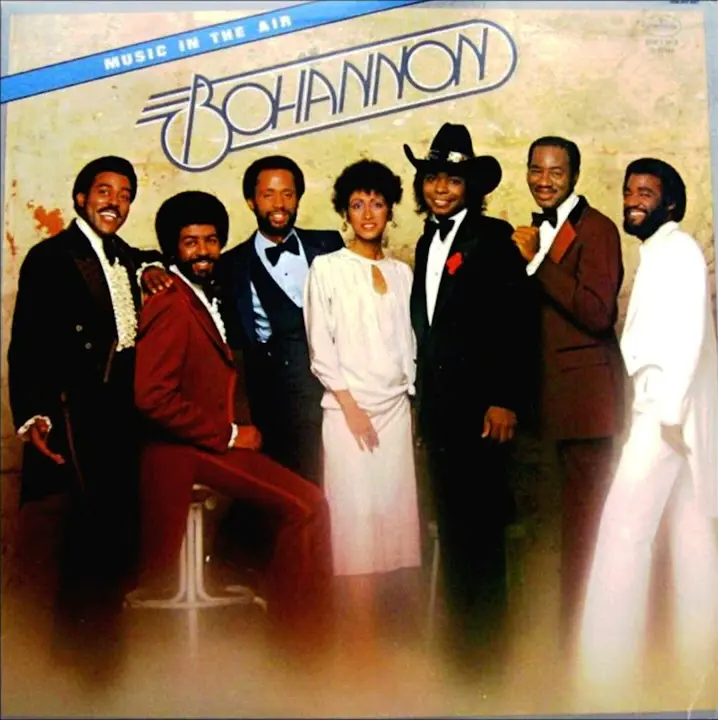 Bohannon released his twelfth album, Music in the Air, in 1980 on Mercury.
The album extends Bohannon’s rhythmic explorations with layered vocal interplay, string arrangements, and tightly interlocked percussion. It balances extended dance-oriented tracks with shorter, contemplative moments, maintaining his signature pacing while integrating featured vocalist Elizabeth Lands alongside Bohannon’s own vocals.
Hamilton Bohannon wrote, produced, arranged, and directed the majority of the material. “Baby I’m for Real” was written by Marvin Gaye. Vocals alternate between Bohannon and Elizabeth Lands, supported by Ted Waterhouse on bass, Leroy Emmanuel on guitar, Lorenzo Brown on percussion, and keyboards by Mose Davis and Rod Lumpkin, with string orchestrations by Johnny Allen.
The album opens with the extended, percussion-driven “Feel Like Dancin’,” featuring Bohannon’s vocals and multi-layered backing vocals. “The Hammer” and “The Funk Walk” highlight interwoven percussion, sharp rhythmic turns, and alternating lead vocals. Slower or shorter tracks like “Turn the Record” provide brief, contemplative contrasts, while Lands’ lead on “Thoughts and Wishes” and “Spring Is in the Air” introduces expressive, contoured phrasing against Bohannon’s rhythmic foundation. “Hurry Mr. Sunshine” closes the album with dual vocals layered over persistent pacing.
A1. “Feel Like Dancin'” (7:22)
A2. “Baby I’m for Real” (5:10)
A3. “The Hammer” (7:05)
A4. “Turn the Record” (0:37)
B1. “Thoughts and Wishes” (5:40)
B2. “The Funk Walk” (6:02)
B3. “Spring Is in the Air” (6:15)
B4. “Hurry Mr. Sunshine” (5:49)
Sessions occurred at Apogee and Master Sound Studios in Atlanta, Georgia, with Bohannon producing and arranging, Joe Neil and Tom Race engineering, and C.B. Rather mastering at CBS, Nashville, Tennessee.
Discography:
- Stop and Go (1973)
- Keep On Dancin’ (1974)
- Bohannon (1975)
- Gittin’ Off (1975)
- Insides Out (1975)
- Dance Your Ass Off (1976)
- Phase II (1977)
- On My Way (1978)
- Summertime Groove (1978)
- Cut Loose (1979)
- Too Hot to Hold (1979)
- Music in the Air (1980)
- One Step Ahead (1980)
- Alive (1981)
- Goin’ for Another One (1981)
- Bohannon Fever (1982)
- Make Your Body Move (1983)
- The Bohannon Drive (1983)
- Here Comes Bohannon (1989)
Sources:
Artist/Album Pages:
100 Proof Aged in Soul were an American soul group from Detroit that released two albums and 10 s...
Parliament was an American R&B band that existed in two phases between 1955 and 1981. The firs...
Donald Austin is an American R&B musician who made the 1973 album Crazy Legs on the Westbound-...
Yusef Lateef (October 9, 1920 — December 23, 2013) was an American reedist and composer with a six...
Dynasty was an American soul-funk band from Los Angeles that debuted with the 1979 Solar release Y...
October was an American symphonic-rock band that released a 1979 self-titled album on local indie ...
The Supremes were an American soul-pop trio from Detroit, formed in 1961. Their classic lineup fea...
High Fashion was an American soul-funk trio that released the 1982/83 albums Feelin' Lucky and Mak...
The Dazz Band was an American soul-funk nine-piece from Cleveland, first named Kinsman Dazz for tw...
Savage Grace was an American psychedelic hard-rock band that released two self-titled albums in 1970...
Ripple was an American funk band that made a 1973 self-titled album on GRC, followed by the 1977 S...
Eddie Hazel (April 10, 1950 — Dec. 23, 1992) was an American guitarist from Brooklyn who played in...