

The West Coast Pop Art Experimental Band was an American psychedelic rock band from Los Angeles that cut a 1966 demo album on small-press Fifo, followed by a three-volume 1967/68 run on Reprise and a 1969 fifth album on Amos. They changed names to Markley (after percussionist Bob Markley) for their 1970 swan song on Forward Records. Bassist Shaun Harris cut a 1973 solo album.
Members: Dan Harris (guitar), Shaun Harris (bass guitar, vocals), Michael Lloyd (guitar, vocals), Bob Markley (tambourine, percussion, vocals), Ron Morgan (lead guitar, electric sitar)
Background
The band had its roots in Laughing Wind, an LA garage act formed by Michael Lloyd with Shaun and Danny Harris and drummer John Ware. Lloyd, a Hollywood Professional School student and former member of surf instrumental groups the New Dimensions and AlleyKats, had recorded for Stereo Masters and worked with Kim Fowley. Shaun Harris had earlier co-written and released “Wanted: Dead or Alive” with Lloyd as The Rogues on Fowley’s Living Legend label. By late 1965, the four operated as the Laughing Wind, releasing “Good to Be Around” on Tower.
In August 1965, Fowley introduced them to Bob Markley, an ex-TV host and law graduate with past singles on Warner Bros. Markley financed the band in exchange for membership and branding control. Impressed by his connections, they agreed to his terms. He renamed them the West Coast Pop Art Experimental Band (WCPAEB) as a Californian response to The Velvet Underground.
To pitch their talent to the majors, Markley financed their 1966 demos collection titled Volume One, a covers-heavy set on Markley’s FiFo Records label. Recorded at Lloyd’s home studio and a La Cienega storefront, the album includes two Markley songs (“Insanity,” “Don’t Break My Balloon”), one Lloyd/Harris original (“I Won’t Hurt You”), and eight covers, including songs by The Kingsmen (“Louie Louie”), The Kinks (“You Really Got Me”), and Bob Dylan (“It’s All Over Now, Baby Blue,” “She Belongs to Me”)
Part One
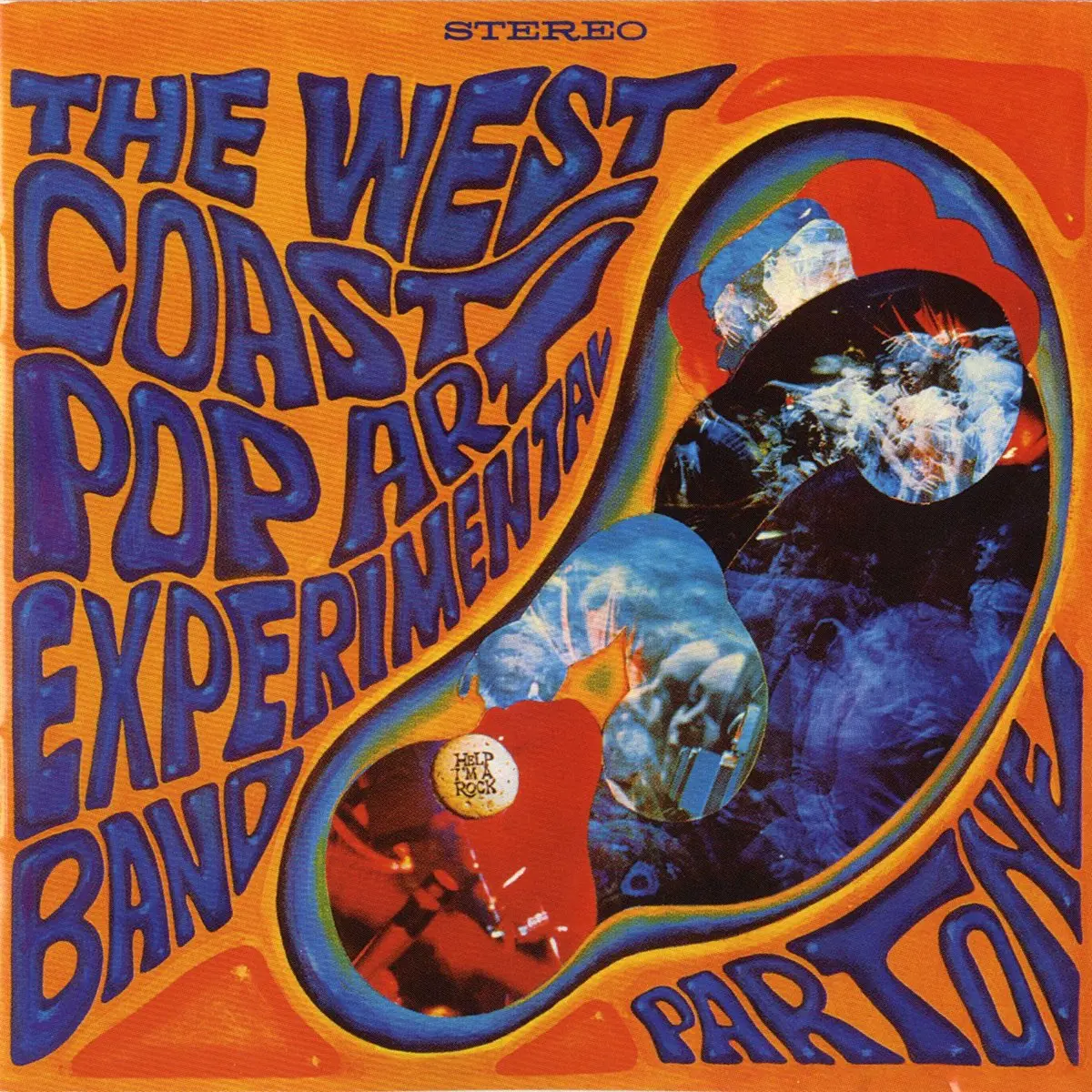 The West Coast Pop Art Experimental Band released their second album, Part One, in March 1967 on Reprise.
Part One marked the group’s first release on a major label and their first with guitarist Ron Morgan, who soon replaced original member Michael Lloyd. The material spans eerie chamber-folk and warped garage to fully unmoored sound collage.
Bob Markley asserted control over publishing and contributed to most originals alongside Dan Harris and Morgan. Tracks by Baker Knight, P.F. Sloan, Bob Johnston, and Van Dyke Parks appear alongside a cover of Frank Zappa’s “Help, I’m a Rock” and a rearrangement of Bonnie Dobson’s “Morning Dew.”
The album opens with “Shifting Sands,” where searing guitar distortion cuts through a drifting rhythm. “I Won’t Hurt You” created a fragile atmosphere with quiet pulse and falsetto vocals. “Transparent Day” and “Here’s Where You Belong” evoke Byrds-style jangle, while “If You Want This Love” echoes British Invasion garage. “Will You Walk With Me” and “High Coin” explore orchestral pop. Two surreal pieces—“Help, I’m a Rock” and “1906”—pair Dadaist dialogue with studio abstraction. The latter loops a disoriented spoken phrase (“I don’t feel well”) across a haunted soundbed of echo, distortion, and fragmented phrasing. “Leiyla” detours midstream into a theatrical spoken passage that recalls vintage horror narration.
A1. “Shifting Sands” (3:54) – Distorted guitar lines hover over a slow, spacious rhythm; an uneasy calm sets the tone.
A2. “I Won’t Hurt You” (2:21) – Whispered falsetto rides a soft, heartbeat-paced rhythm with muted guitar figures.
A3. “1906” (2:18) – An unrelenting phrase (“I don’t feel well”) cycles over hallucinatory textures and tape effects.
A4. “Help, I’m a Rock” (4:22) – Fragmented cover of the Zappa piece, built from alternating voices and nonsensical phrases.
A5. “Will You Walk With Me” (2:57) – Baroque-style pop with soft harmonies and string-textured arrangement.
A6. “Transparent Day” (2:15) – Bright-toned guitar pop with breezy harmonies and cyclical phrasing.
B1. “Leiyla” (2:51) – Jangling folk-rock foundation interrupted by a sudden spoken-word intrusion from horror cinema tropes.
B2. “Here’s Where You Belong” (2:47) – Harmonized Sloan-penned track.
B3. “If You Want This Love” (2:47)
B4. “‘Scuse Me, Miss Rose” (3:01)
B5. “High Coin” (1:52) – A brief, orchestrated piece with sweeping textures and wistful delivery.
Sessions occurred in late 1966 at United Western Recorders in Los Angeles with producers Bob Markley and Jimmy Bowen. The group worked with session drummer Hal Blaine on select cuts.
The cover features a composite photo montage with overlaid textures, aligning with the group’s pop-art reference point and emphasizing stylized contrast between band members.
Reprise lifted two singles: “Shifting Sands” backed with “1906,” and “Help, I’m a Rock” backed with “Transparent Day.” Both saw limited circulation but reinforced the band’s cryptic image.
After Part One, Michael Lloyd left The West Coast Pop Art Experimental Band due to creative tensions with Bob Markley. He soon aligned with producers Kim Fowley and Mike Curb and oversaw a sequence of psychedelic pop albums by October Country, St. John Green, The Fire Escape, and his own group, The Smoke.
Vol. II
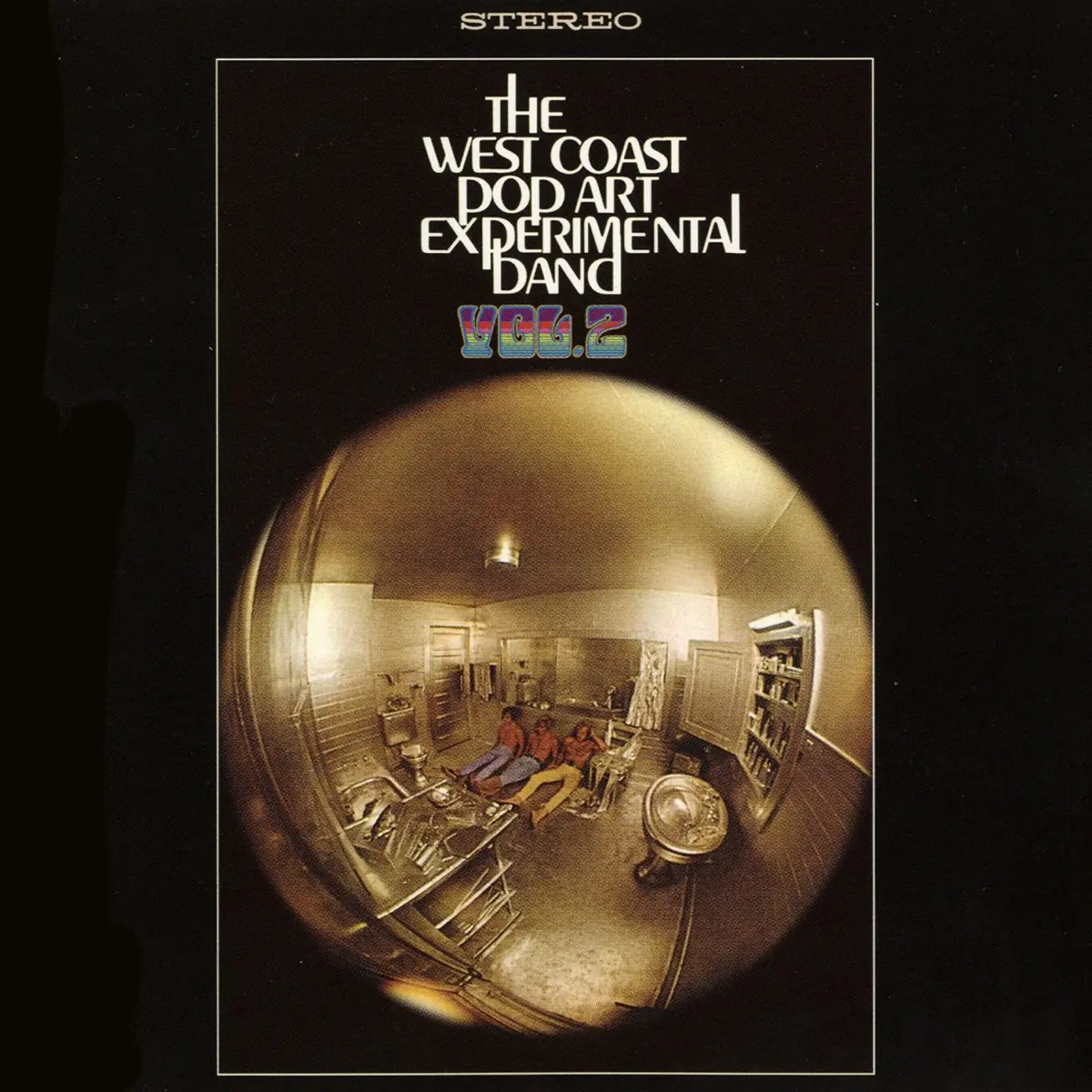 The West Coast Pop Art Experimental Band released their third album, Vol. II, in November 1967 on Reprise.
The album expands into looser psychedelic territory with disjointed narration, fragmented songs, and uneasy textures.
Most tracks are credited to Markley and Shaun Harris. Unlisted guitarist Ron Morgan co-wrote “Smell of Incense,” while Roger Bryant assisted on “Suppose They Give a War and No One Comes.”
“In the Arena” opens with stark contrasts—hushed harmonies over lyrics about violence and exclusion. “Suppose They Give a War and No One Comes” layers excerpts from a 1936 Roosevelt speech over fuzz-laden instrumentation. “Buddha” delivers ritualistic percussion and chimes in a surreal procession. “Smell of Incense” features a descending bass figure and phased textures. “Queen Nymphet” and “Unfree Child” pair subdued vocals with languid pace, while “Delicate Fawn” slips into subdued country-pop with bagpipes. “Tracy Had a Hard Day Sunday” closes the album in alienated reverie.
A1. “In the Arena” (4:10) – starkly shifts from gentle choral segments to tense, accusatory phrasing on societal exclusion
A2. “Suppose They Give a War and No One Comes” (3:38) – juxtaposes historical speech with jagged fuzz guitar and an anti-war refrain
A3. “Buddha” (2:05) – layered with temple gongs and surreal imagery, set in a hazy procession
A4. “Smell of Incense” (5:47) – expands over a slow, pulsing rhythm with phased guitar and descending bass
A5. “Overture / WCPAEB Part II” (1:28) – an interlude of freeform collage and ambient fragments
B1. “Queen Nymphet” (2:19) – subdued rhythm and soft harmonies frame lyrics with unsettling tone
B2. “Unfree Child” (3:58) – Markley takes lead with restrained delivery over quiet instrumental shifts
B3. “Carte Blanche” (2:42) – a tighter psych-pop arrangement in contrast with surrounding looseness
B4. “Delicate Fawn” (2:30) – country-tinged acoustic rhythm with subdued bagpipe in the background
B5. “Tracy Had a Hard Day Sunday” (4:35) – closes the album with drifting tempo and narcotic phrasing
Sessions occurred at United Western Recorders in Hollywood with Bob Markley and Jimmy Bowen producing.
Two singles were drawn from the album: “Suppose They Give a War and No One Comes” backed with “Queen Nymphet,” and “Smell of Incense” backed with “Unfree Child.” The latter was later covered by Southwest FOB and reached No. 56 on the Billboard Hot 100.
A Child’s Guide to Good & Evil
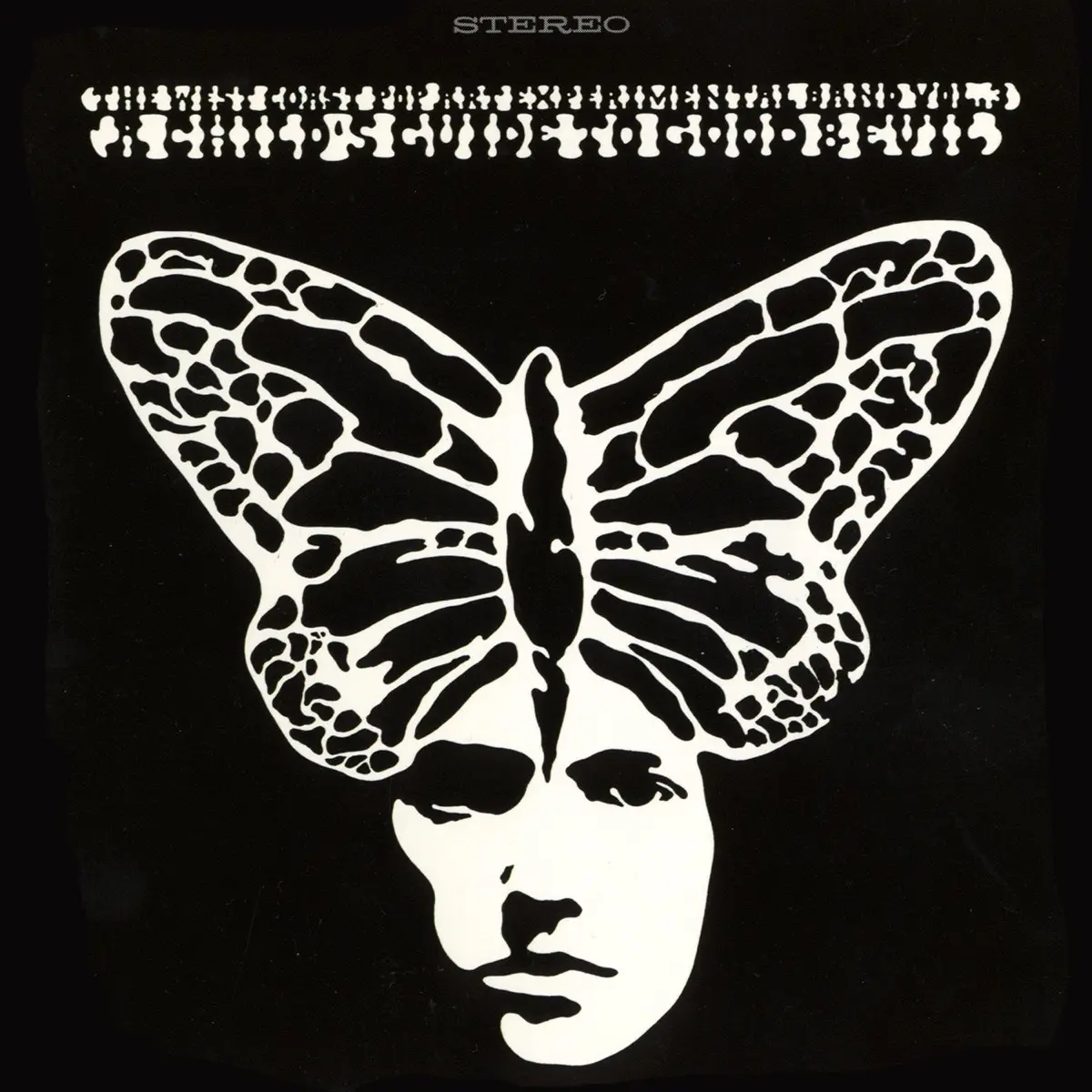 The West Coast Pop Art Experimental Band released their fourth album, A Child’s Guide to Good & Evil, in May 1968 on Reprise.
By early 1968, the lineup had contracted to a core trio of Bob Markley, Ron Morgan, and Shaun Harris. Danny Harris stepped away during the sessions due to health issues.
Markley handled nearly all lyrics, with Harris and Morgan co-composing the music across the album’s twelve tracks. Morgan’s guitar—treated with fuzz, reverse tape, and modulation effects—defined much of the album’s tonal palette, veering between saturated textures and piercing leads. Harris contributed bass, vocals, and arrangements. Two tracks also credit John Ware (drums) and Roger Bryant (occasional co-writer). “Watch Yourself,” the sole outside composition, is credited to R. Yaezel.
The material ranges from whimsical sing-song vignettes to dark, chaotic sequences laced with echo and phasing effects. “Eighteen Is Over the Hill” and “Ritual #1” counterbalance pastoral melody with lurking unease, while “Watch Yourself” and “As the World Rises and Falls” employ dissonance and distortion as thematic devices. “Our Drummer Always Plays in the Nude” channels Zappa-like absurdism, and “A Child’s Guide to Good and Evil” builds tension with tape-manipulated harmonies and dramatic lyrical turns. “Anniversary of World War III” closes the album with a minute of full silence.
A1. “Eighteen Is Over the Hill” (2:42) opens with delicate acoustic guitar and layered vocal harmonies that shift between bright and ominous. The vocal delivery carries a restrained tension beneath the apparent innocence.
A2. “In the Country” (2:03) features pedal steel and fuzz bass over a rhythm with a steady, deliberate pace. The arrangement blends country elements with subtle distortion and pointed lyrics.
A3. “Ritual #1” (2:09) builds around electric sitar textures, fuzz bass, and a drum solo. The sound pulses with tribal intensity beneath cryptic, unsettling lyrics.
A4. “Our Drummer Always Plays in the Nude” (2:45) juxtaposes a light melodic line with dark spoken-word verses, driven by steady percussion from a session drummer.
A5. “As the World Rises and Falls” (4:52) presents a minor-key ballad marked by jazzy guitar phrases and layered harmonies that underscore the somber vocal tone.
A6. “Until the Poorest People Have Money to Spend” (2:18) uses electric sitar and fuzz bass to create a spacious, swirling sound. The pace is measured, with an orchestral swell that adds depth.
B1. “Watch Yourself” (5:20), written by Robert Yeazel, delivers jagged guitar and snarling vocals. The track includes dubbed audience sounds and a spoken-word interlude with bongo percussion.
B2. “A Child’s Guide to Good and Evil” (2:29) features classical-inspired melodies beneath heavily processed spoken vocals. The vocal tone shifts sharply between eerie and detached.
B3. “Ritual #2” (2:04) unfolds as a fragmented sound collage with sustained tones and warped effects. The vocal segment arrives briefly before the track fades.
B4. “A Child of a Few Hours Is Burning to Death” (2:41) rides a distorted guitar riff with treated vocals that create a disembodied, unsettling atmosphere.
B5. “As Kind as Summer” (1:10) compresses tribal drumming and fragmented vocalizations into a brief, intense soundscape.
B6. “Anniversary of World War III” (1:36) consists entirely of silence.
The album was recorded in early 1968 at United Western Recorders in Hollywood. Jimmy Bowen, who oversaw the band’s Reprise output, produced the sessions. Engineer Chuck Britz handled sound capture with uncredited orchestral players contributing strings, brass, and layered effects.
The cover was designed by artist John Van Hamersveld, best known for his psychedelic poster work (Magical Mystery Tour, Endless Summer). The imagery features a stylized child’s drawing crossed with disturbing, dreamlike imagery in high-contrast orange and black.
No singles were issued from Volume 3, though its cult reputation grew over time. Despite minimal promotion and limited sales upon release, the album later became a touchstone for psych collectors and was reappraised during the 1990s CD reissue wave.
Where’s My Daddy?
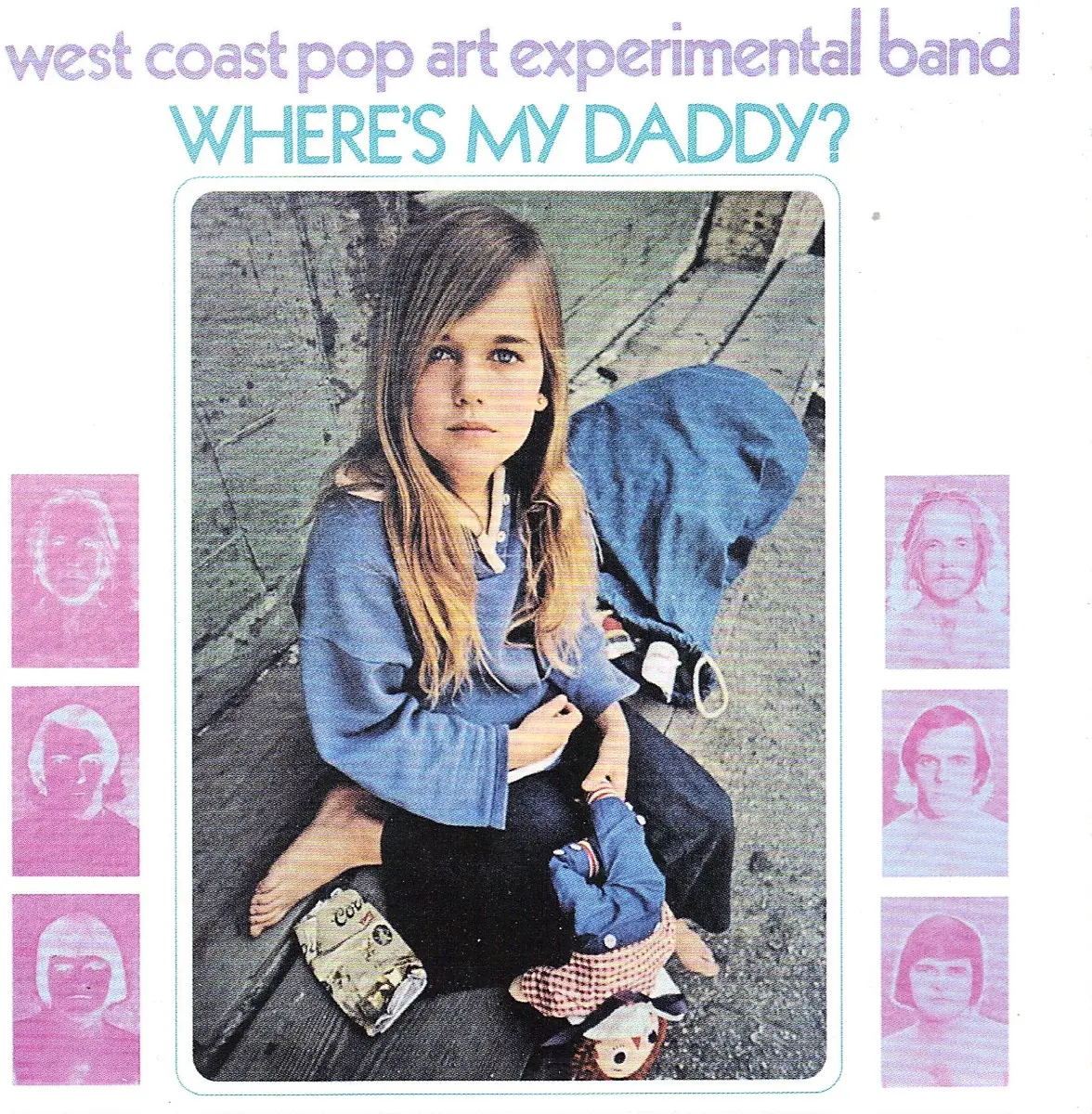 The West Coast Pop Art Experimental Band released their fifth album, Where’s My Daddy?, in 1969 on Amos Records.
Where’s My Daddy? adopts a darker, more narrative-driven approach, loosely structured as a concept album chronicling a young homeless girl named “Poor Patty” navigating post-Summer of Love Los Angeles. The album replaces the previous echoing vocal harmonies with a more intimate, closely miked vocal sound and moves between countrified swagger, ballads, and stark storytelling.
Bob Markley wrote the majority of the lyrics while the Harris brothers and a returning Michael Lloyd contributed most of the music. Lloyd co-wrote three tracks, including the title cut and “Coming of Age in L.A.” Promotional copies credit his work, though the original pressing omits his contributions.
The album opens with three songs that shift between soulful acoustic arrangements and wah-wah guitar lines, particularly on “Where Money Rules Everything” and “Hup Two! Hup Two!”, where Lloyd’s wah pedal technique stands out. Ballads such as “My Dog Back Home” and “Outside/Inside” showcase Shaun Harris’s vocals.
Side two introduces Poor Patty’s perspective with “Everyone’s Innocent Daughter” and “Free as a Bird,” which contrast the unsettling lyrical content with lush, harmony-rich guitar pop. Tracks like “Not One Bummer” and “Have You Met My Pet Pig?” explore the challenges Patty faces in Los Angeles with sharp, rhythmic pacing. The closing tracks grow more ominous and cryptic, with “Coming of Age in L.A.” detailing violent and harrowing events, and “Two People” offering an ambiguous resolution.
A1. “Where’s My Daddy?” (2:14) – Opens with countrified acoustic guitar and Markley’s direct vocal narrative outlining a troubled upbringing.
A2. “Where Money Rules Everything” (1:58) – Features wah-wah guitar lines that punctuate lyrics about financial struggle and disillusionment.
A3. “Hup Two! Hup Two!” (1:49) – Combines military cadence with biting, unusual wah-wah guitar and a brisk pace.
A4. “My Dog Back Home” (3:20) – A ballad sung by Shaun Harris, marked by longing vocal delivery and a restrained arrangement.
A5. “Give Me Your Lovething” (3:51) – Tribal rhythms underpin paranoia-tinged lyrics, creating a tense contrast with the surrounding tracks.
A6. “Outside/Inside” (2:31) – Another Harris ballad, with layered harmonies and a contemplative tone.
B1. “Everyone’s Innocent Daughter” (2:32) – Spoken-word introduction by a young female voice leads into harmony-rich guitar pop that contrasts with the grim lyrical content.
B2. “Free as a Bird” (2:04) – Continues Patty’s story with sweeping vocal harmonies and guitar work that soften the narrative’s complexity.
B3. “Not One Bummer” (1:25) – Up-tempo and bouncy, reflecting a fleeting sense of freedom amid instability.
B4. “Have You Met My Pet Pig” (2:05) – Juxtaposes dizzying rhythms with lyrics portraying life’s hardships on the Sunset Strip.
B5. “Coming of Age in L.A.” (2:57) – Michael Lloyd’s instrumental sets a sinister atmosphere as Patty’s story reaches a violent climax.
B6. “Two People” (2:16) – A cryptic closing track featuring reflective, perplexing lyrics that circle back to the album’s opening themes.
Sessions occurred at Hollywood Sound Recorders in Los Angeles with producer Jimmy Bowen and engineer Joe Sidore.
The album’s original pressing omitted Michael Lloyd’s songwriting credits, though promotional materials list them accurately.
The single “Free as a Bird” b/w “Where’s My Daddy?” was issued to promote the album.
Markley, a Group
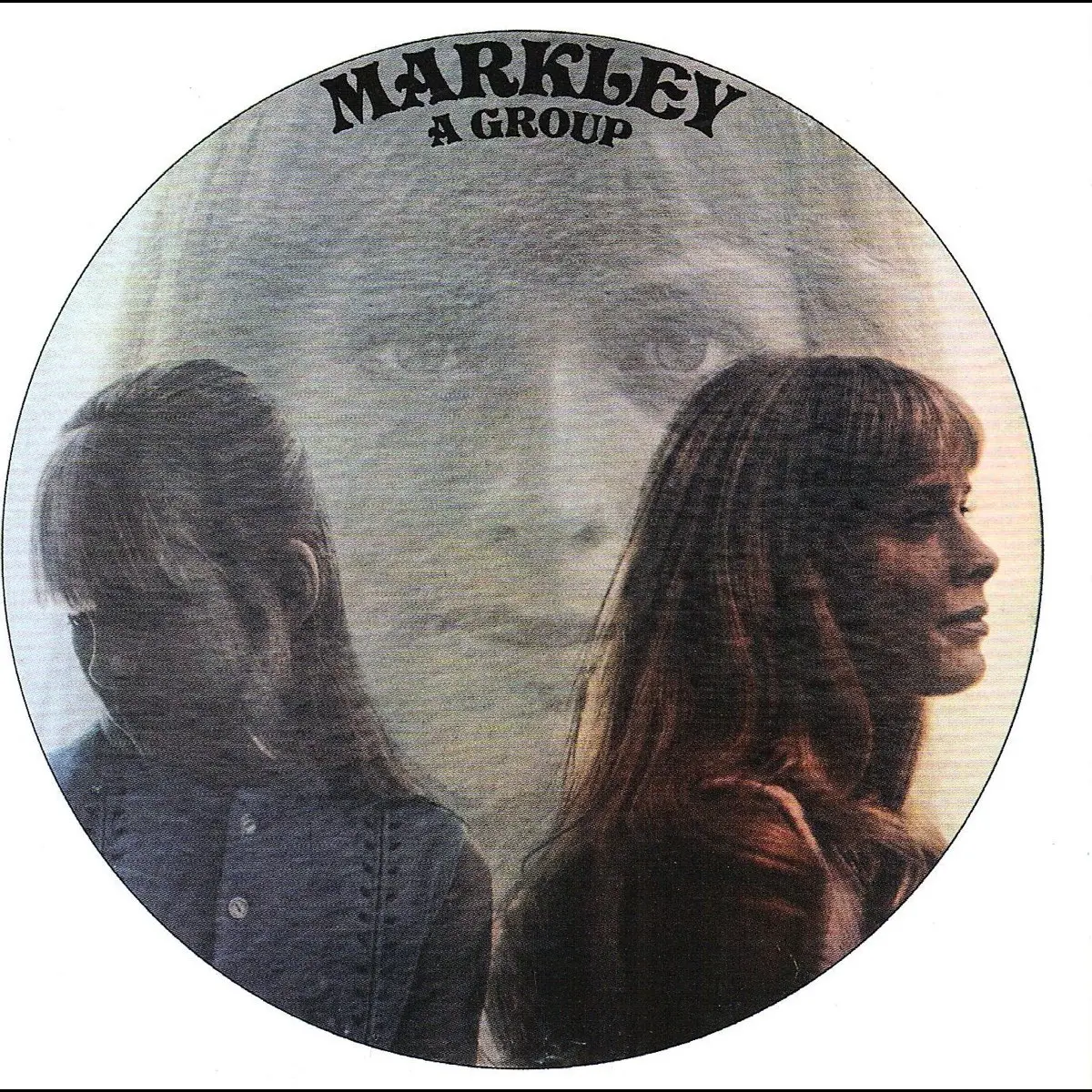 As Markley, WCPAEB released their sixth album, Markley, a Group, in 1970 on Forward Records under a modified band name decided by Bob Markley.
Discography:
- Volume One (1966)
- Part One (1967)
- Vol. II (1967)
- A Child’s Guide to Good & Evil (1968)
- Where’s My Daddy? (1969)
- Markley, a Group (1969 • Markley)
Sources:
- Discogs: The West Coast Pop Art Experimental Band
- 45worlds: West Coast Pop Art Experimental Band
- 45cat: West Coast Pop Art Experimental Band
- MusicBrainz: West Coast Pop Art Experimental Band
Artist/Album Pages:
Elephant’s Memory was an American soul-rock/psych band from New York that released a 1969 self-ti...
Luis Gasca (born March 23, 1940) is an American Latin/spiritual-jazz trumpeter and fluegelhorn pl...
Copperhead was an American psych-rock band behind a 1973 Columbia album led by Quicksilver Messen...
Manfred Mann's Earth Band was an English symphonic/art-rock band that released a pair of albums on P...
Hannibal was an English blues-rock band from Birmingham that released a self-titled album on B&...
Andromeda was a German organ-rock/psych band that released a self-titled album on Vogue in 1970. ...
Paladin was an English jam-rock band that released the 1971/72 albums Paladin and Charge! on Bronz...
Mushroom was an Irish folk-rock band that released the 1973 album Early One Morning on Hawk Record...
Dust was an American northeast power trio that released two albums, Dust and Hard Attack, on Kama...
The Bee Gees were a pop trio comprised of three English-born/Aussie-raised brothers — Barry (born 19...
Mendoza was a Swedish jazz-rock band that released a 1972 self-titled album on CBS. Members: Len...
Helena Vondráčková (born June 24, 1947) is a Czech pop vocalist and actress whose entertainment ca...