

The Younghearts were an American soul group from Los Angeles that scored R&B hits with “Oh I’ll Never Be the Same” and “I’ve Got Love for My Baby” from their 1968 debut Sweet Soul Shakin’. They returned on 20th Century with the 1973–76 albums Do You Have the Time, A Taste of the Younghearts, and All About Love.
Members: Charles Ingersoll, James Moore, Ronald Preyer, Bobby Solomon, Earl Carter, Frank Hayes
Background
The Younghearts formed in Los Angeles in 1967 when producer-vocalist Bobby Sanders built a new vocal group around singers Charles Ingersoll, Bobby Solomon, James Moore, and Ronald Preyer. Sanders and Ingersoll had already worked together at Dorsey High School, where they formed the Extremes in 1961 with Robert Rozelle and Maurice Clark.
The Extremes cut “That’s All I Want” backed with “The Bells” for Paro as a 1962 single. Charles Lamont fronted the group on the 1965 Challenge single “I’ve Got to Keep Movin’” backed with “Doin’ Mickey’s Jerk.”
Sanders and Ingersoll remained active in Los Angeles studio work after the Extremes. The pair sang with the Blossoms on Los Angeles dates. They also sang on sessions tied to Phil Spector and Dobie Gray. Sanders then managed the Younghearts and produced their early records under the Young Hearts billing.
Canterbury issued “Little Togetherness” backed with “Beginning of the End” as a Sanders-produced 1967 single. Minit picked up the group for a full album.
Sweet Soul Shakin’
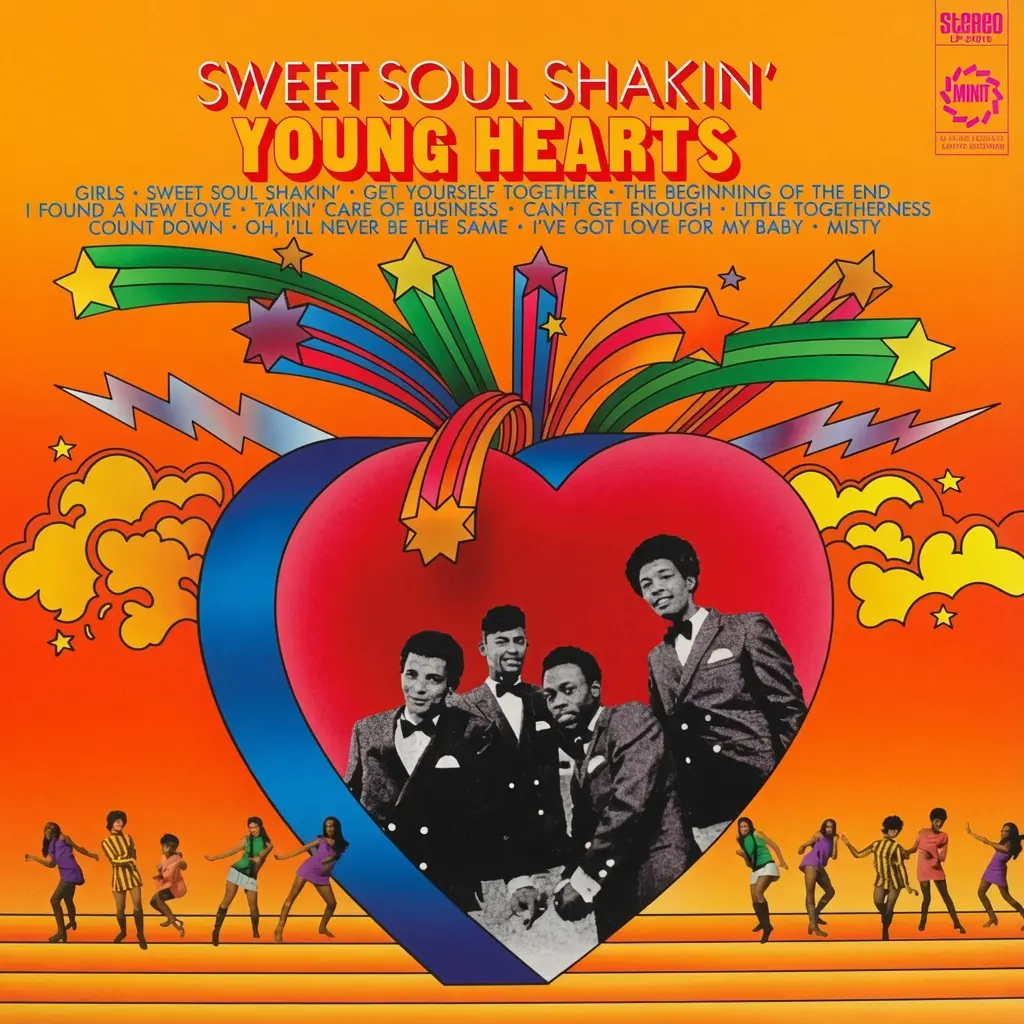 Young Hearts released their debut album, Sweet Soul Shakin’, in 1968 on Minit.
The album presents group-harmony soul with falsetto leads and low-voice handoffs, performed by singers Bobby Solomon, Charles Ingersoll, Earl Melvin Carter, James Moore, and Ronald Preyer.
“Sweet Soul Shakin’” surges under Charles Ingersoll’s lead, then compresses its title phrases into terse group replies. “Girls” leaves James Moore in a crooned lead position, with the remaining voices fixed in close-harmony support. “A Little Togetherness” glides through a peace-text refrain with a lighter pulse. “I’ve Got Love for My Baby” sways at a tempered pace, with Ronnie Preyer’s falsetto and James Moore’s lower lead line alternating in front. “Misty” softens the set around a slower vocal contour. “Count Down (Here I Come)” charges through an urgent refrain.
A1. “Sweet Soul Shakin!” (2:25) – Cook, Turner
A2. “Girls” (2:44) – Ingersoll, Carter, Moore, Preyer
A3. “Get Yourself Together” (2:33) – Sanders
A4. “The Beginning of the End” (3:55) – Page
A5. “Can’t Get Enough” (2:44) – Sanders, Menson
A6. “Little Togetherness” (2:40) – Sanders, Moore, Douglas
B1. “I’ve Got Love for My Baby” (3:30) – Ingersoll, Carter, Moore, Preyer
B2. “Misty” (3:10) – Garner, Burke
B3. “Count Down (Here I Come)” (3:40) – Sanders, Flanagan, Peters
B4. “Oh, I’ll Never Be The Same” (3:10) – Poree, Sanders, Scarborough
B5. “I Found A New Love” (3:04) – Sanders, Moore, R. Chestnuts
B6. “Takin’ Care of Business” (3:10) – Sanders, Flanagan
Bobby Sanders produced the album with arranger Arthur Freeman and engineer Brian Biuderlin. The sessions include around fifteen studio players, with bassist Carol Kaye, guitarist David T. Walker, drummer Paul Humphrey, pianist Evelyn Freeman, and percussionist Victor Feldman among the studio credits.
Woody Woodward oversaw the cover package, which uses design by David Willardson and Ron Wolin with photography by Sanford Schor and Tom Tucker. The front sleeve places a black-and-white group portrait inside a large heart over an orange field. The lower edge shows small dancer figures below starburst and lightning graphics.
Canterbury issued “Little Togetherness” in February 1967 (b/w “Beginning of the End”). Pick-A-Hit issued “Oh I’ll Never Be the Same” in 1968 (b/w “Get Yourself Together”), then Minit reissued the pairing in March 1968; the song reached No. 109 pop and No. 29 R&B.
Minit lifted “I’ve Got Love for My Baby” as a September 1968 single (b/w “Takin’ Care of Business”), and the song reached No. 94 on the Billboard Hot 100 and No. 19 R&B. “Sweet Soul Shakin!” became a January 1969 single (b/w “Girls”), followed by “Count Down (Here I Come)” in May 1969 (b/w “Misty”).
Album-Gap Singles
Young Hearts entered the 1970 album gap with “The Young Hearts Get Lonely Too,” a late-Minit single backed with “Little Togetherness.”
The A-side placed a Richard “Dimples” Fills song over a Bobby Sanders production and an Arthur Freeman arrangement. “Little Togetherness” returned from the group’s earlier Canterbury and Sweet Soul Shakin’ cycle, with Sanders and Freeman again attached to the side. Minit issued the pairing in December 1969, and Soultown reissued the same title combination in July 1970 under the New Young Hearts billing.
A. “The Young Hearts Get Lonely Too” – Fills
B. “Little Togetherness” – Sanders, Peters, Douglas
Avco Embassy issued “Oo La We” in December 1970 (b/w “Change of Mind”).
The single marked the group’s next mainline label move after the Minit period. Charles Ingersoll wrote both sides, and Tom Wilson produced the release. “Oo La We” uses a clipped title phrase and compact group replies, while “Change of Mind” puts the group’s harmony format into a three-minute B-side frame.
A. “Oo La We” – Ingersoll
B. “Change of Mind” – Ingersoll
Do You Have the Time
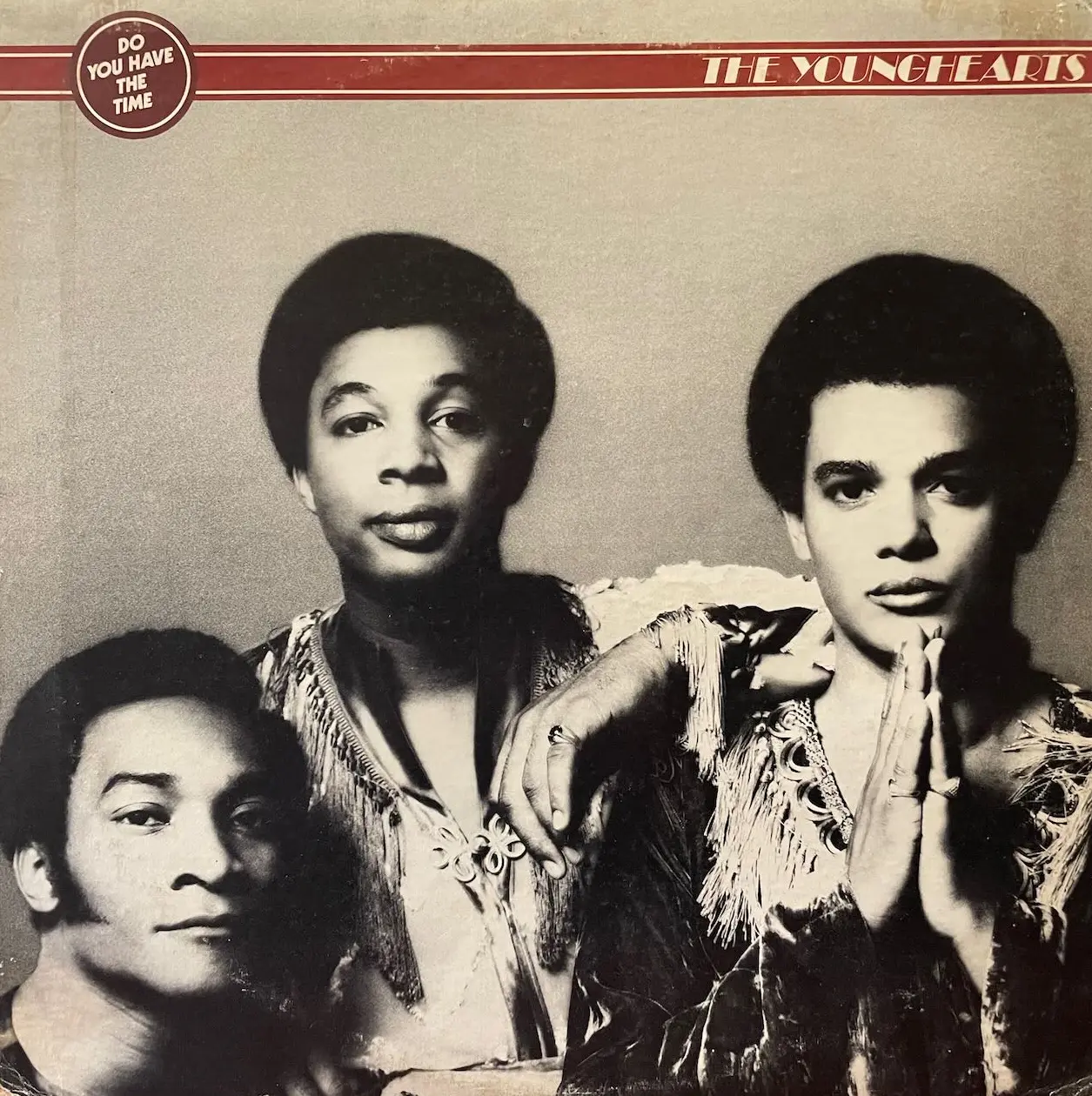 Younghearts released their second album, Do You Have the Time, in 1973 on 20th Century.
The album presents harmony-soul with mid-tempo arrangements, falsetto leads, and close group replies, performed by singers Charles Ingersoll, Ronald Preyer, and Bobby Solomon. Vernon Bullock produced the album and appears in every writing credit.
“Do You Have the Time (Parts 1 and 2)” stretches a sustained title chant across long vocal cycles, with group replies close to the lead. “Do You Have the Time (S.K.A.T.T.)” closes the album with a clipped variant that tightens the title material. “Stop What You’re Doing, Girl” brightens the set with lifted vocal pressure and a buoyant pace. “Wildfire” keeps that raised pressure in sharper cadence. “All the Love in the World” and “Look What Your Love Has Done for Me” occupy the smoother side, with polished lead placement and close-stacked replies.
A1. “Do You Have the Time (Parts 1 & 2)” (6:20) – Bullock
A2. “Stop What You’re Doing, Girl” (4:25) – Bullock, Ingersoll, Solomon, Preyer
A3. “I Said… to Myself” (4:12) – Bullock, Warren
A4. “All The Love In the World” (2:30) – Bullock, Robinson
A5. “Wildfire” (3:00) – Bullock, Ingersoll, Solomon, Preyer
B1. “Don’t Crush My World” (3:47) – Bullock, Pratt
B2. “I’m Still Gonna Need You” (4:17) – Bullock, Ingersoll, Solomon, Preyer
B3. “Me and You” (4:12) – Bullock, Pratt
B4. “Look What Your Love Has Done for Me” (3:17) – Bullock
B5. “Do You Have the Time (S.K.A.T.T.)” (2:08) – Bullock
20th Century lifted “Do You Have The Time” as an October 1973 single (b/w “All The Love In The World”). “Me And You” became a March 1974 single (b/w “Stop What You’re Doing Girl”) and reached No. 70 R&B.
A Taste of the Younghearts
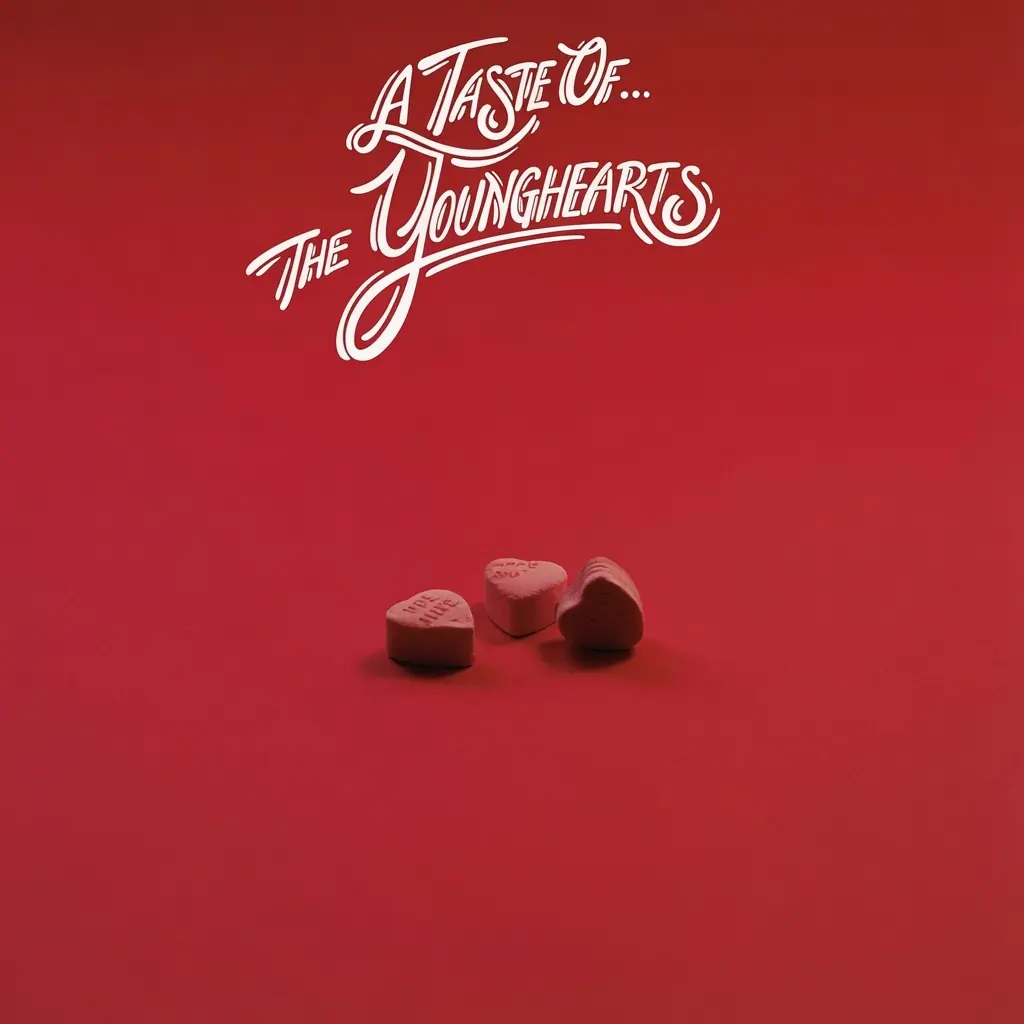 Younghearts released their third album, A Taste of the Younghearts, in 1974 on 20th Century.
The album presents harmony-soul with horn-trimmed arrangements, extended side-two material, and group-written repertory. Vernon Bullock, Charles Ingersoll, Ronald Preyer, and Bobby Solomon wrote eight of the nine selections.
“Wake Up and Start Standing” strides through an uptempo floor-pulse and raised group replies. “You’re Not Here with Me” glides on a dream-toned lead contour. “A Taste of…” carries that theme as an instrumental variant. “Dedicate (My Life to You)” softens the pace around a devotional lead and mellow response pattern. “We’re All God’s Children” settles into the album’s gentler vocal register. “We’ve Got Love (You Better Believe It)” lifts the set with firmer title replies and a tighter rhythmic push
A1. “Wake Up and Start Standing” (4:14) – Bullock, Ingersoll, Preyer, Solomon
A2. “For the Rest of My Life” (3:19) – Bullock, Ingersoll, Preyer, Solomon
A3. “We’re All God’s Children” (3:38) – Bullock, Ingersoll, Preyer, Solomon
A4. “You’re Not Here With Me” (4:02) – Bullock, Ingersoll, Preyer, Solomon
A5. “What Does It Take (To Win Your Love)” (4:16) – Bullock, Bristol, Fuqua
B1. “We’ve Got Love (You Better Believe It)” (4:49) – Bullock, Ingersoll, Preyer, Solomon
B2. “Dedicate (My Life to You)” (7:45) – Bullock, Ingersoll, Preyer, Solomon
B3. “A Taste of…” (4:03) – Bullock, Ingersoll, Preyer, Solomon
B4. “Get on Down” (4:11) – Bullock, Ingersoll, Preyer, Solomon
Vernon Bullock produced and conducted the album for Chain Production. H.B. Barnum arranged the strings and horns, and Angel City Sound appears as the recording studio.
The front sleeve uses a red field with white script lettering and three small heart-shaped candies near the lower center.
20th Century lifted “Wake Up and Start Standing” as a September 1974 single (b/w “Dedicate (My Life To You)”), and the song reached No. 48 R&B. “Dedicate (My Life To You)” charted in early 1975 and reached No. 81 R&B. “We’ve Got Love (You Better Believe It)” followed in May 1975 (b/w “I Said… To Myself”).
All About Love
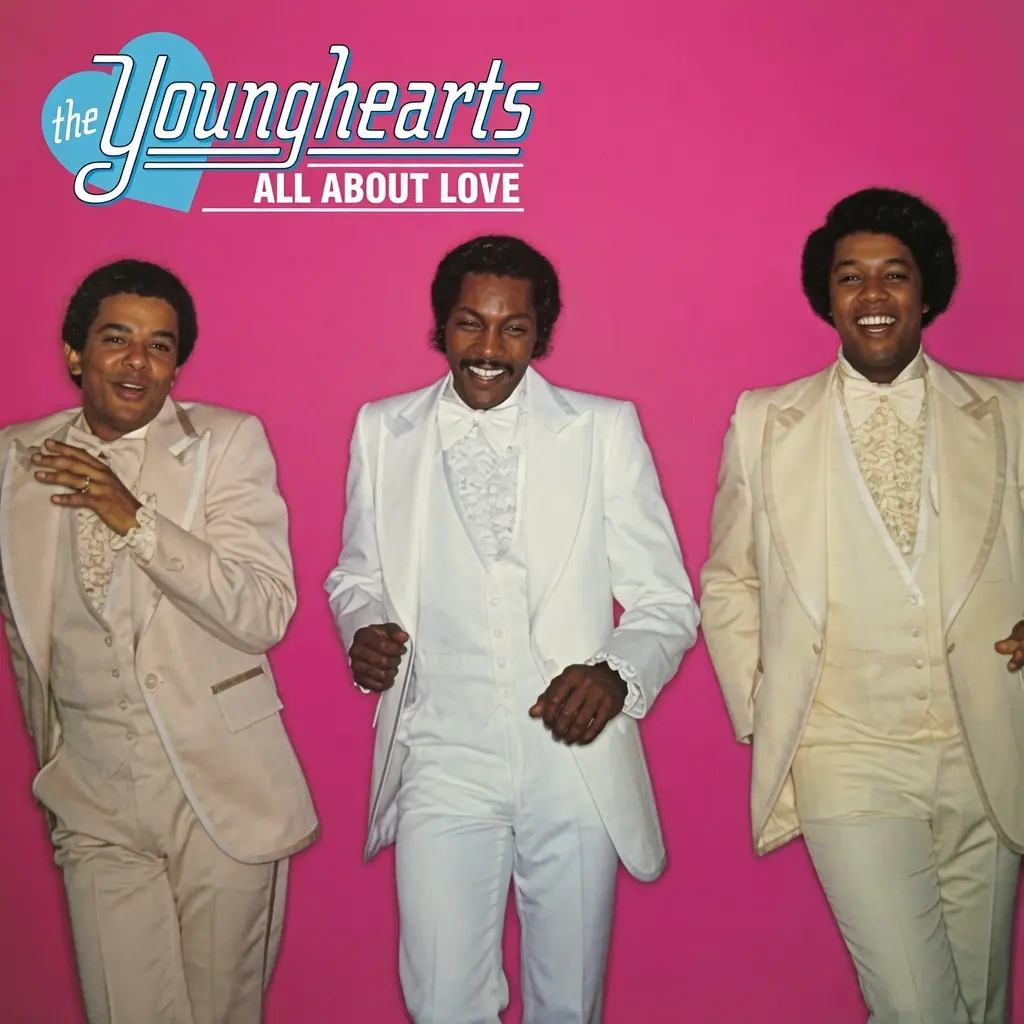 Younghearts released their fourth album, All About Love, in 1977 on ABC.
All About Love leans into smooth dance-floor motion, soft-focus vocals, and string-laden arrangements.
“Let’s Fall in Love Again” glides with smooth lift and a settled pulse. “Sho’ Nuff Must Be Love” centers the voices in a mellow call-and-reply pattern. “Love for Love” and “Make a Little Wish” sway through tender group refrains. “Queen of My Heart” warms the same softened lane. “Ghost Town” keeps the mellow register intact. “Back Street Love Affair” uses Dyana Whitman’s featured voice for a brighter chorus. “If” extends the slow side, then shifts upward in the back half.
A1. “Let’s Fall in Love Again” (4:17) – Piccirillo, Goetzman
A2. “Sho’ Nuff Must Be Love” (3:27) – Temperton
A3. “Love For Love” (4:56) – Ingersol, Preyer
A4. “Queen of My Heart” (3:52) – Ingersol, Preyer
A5. “Back Street Love Affair” (2:34) – Piccirillo
B1. “Number One Attraction” (2:40) – Piccirillo, Goetzman
B2. “Make a Little Wish” (3:31) – Ingersol, Preyer
B3. “Didn’t I Give You Love” (2:46) – Macaluso, Tobin
B4. “Ghost Town” (3:23) – Ingersol, Preyer
B5. “If” (7:19) – Gates
George Tobin produced All About Love at Studio Sound Recorders, Studio City, with engineers Paul Tregurtha, H. Lee Wolen, and Lewis Peters. Tobin co-arranged three tracks with mixing engineer Mike Piccirillo. Ingersol and Preyer arranged four titles from their own credits. Lenny Macaluso arranged “Didn’t I Give You Love,” and Jimmy Bond arranged “If.”
The session group includes guitarist Bill Neale, keyboardist Stewart Levin, harmonica player Marcos, steel guitarist J.D. Mannis, percussionist Mark Wolfson, drummers James Gadson and Sammy Urdank, and bassists Gary Richwine, Mike George, and Scott Edwards. Harry Goodnight orchestrated the album with the George Poole string section and horn players Dave Grover, Lance Buller, Jason Ingram, Ross DeRoche, John Yochum, and Joel Peskin.
Frank Mulvey handled art direction for a Philip Chiang design. Olivier Ferrand photographed the group in white suits against a pink background with a heart-shaped logo in the upper left corner.
ABC issued “Number One Attraction” as a September 1977 UK single (b/w “Make A Little Wish”). “Sho’ Nuff Must Be Love” followed as a 1977 ABC single (b/w “Let’s Fall In Love Again”).
Discography:
- Sweet Soul Shakin’ (1968 • Young Hearts)
- Do You Have the Time (1973)
- A Taste of the Younghearts (1974)
- All About Love (1976)
Sources:
Artist/Album Pages:
Angel was an American hard-rock band from Washington D.C. that released five studio albums and a l...
Shona Laing is a Kiwi singer/songwriter who rose to fame in her native New Zealand with a pair of te...
Gygafo was an English symphonic-folk rock band that recorded an album in 1973 that was ultimately ...
East Harlem Bus Stop was an American soul-funk band that released the 1976 album Get On Down! on D...
Johnny "Guitar" Watson (Feb. 3, 1935 — May 17, 1996) was an American R&B guitarist, active as ...
The Modulations were an American soul group from Durham, NC, that released the 1975 album It's Ro...
William Bell (born July 16, 1939) is an American soul singer and songwriter who released sixteen st...
Solar Plexus was a Swedish jazz-rock band that released four albums between 1972 and 1975 on EMI O...
Ginhouse was an English rock trio from Newcastle upon Tyne that released a self-titled album on B ...
Blue Sun was a Danish jazz-rock band behind the 1970 live album Peace Be Unto You on Spectator Re...
Assagai was a London-based Afro-rock quintet comprised of three South African and two Ghanaian mus...
Mammut was a German Krautorck band that made an album in 1971 on Mouse Trick Track Music. Member...