

Shona Laing is a Kiwi singer/songwriter who rose to fame in her native New Zealand with a pair of teen-prodigy albums in 1973–74 on Vertigo and Philips. During the 1980s, she gained renown in the Northern Hemisphere with the hi-tech political numbers “(Glad I’m) Not a Kennedy” and “Soviet Snow,” both included on her 1987 Pagan Records release South.
Background
Shona Laing was born on October 9, 1955, in New Zealand and began writing songs as a teenager while still attending high school. In 1972, at age 17, she gained national attention after performing her original song “1905” on the televised talent competition New Faces. Her performance propelled her into the finals and launched her into the public eye, leading to a contract with Phonogram, who signed her to their Vertigo imprint.
Phonogram issued her debut single “1905” backed with “There Are No Words (To Describe)” in late 1972. The single climbed to No. 4 on the New Zealand charts in February 1973 and earned her a gold disc. A follow-up single, “Show Your Love” backed with “Don’t Expect Me to Be Your Friend,” matched the chart position later that year and brought a second gold disc. Laing followed with “Masquerade,” which she performed at the Tokyo World Song Festival, where she represented New Zealand and received top honors. Released as a single with a B-side cover of “If You Could Read My Mind,” “Masquerade” reached No. 11 on the national chart in November 1973.
Despite a brief setback with an unsuccessful second appearance on Studio One—where her song “If Only” failed to place—Laing received two RATA Awards that year for Best New Artist and Recording Artist of the Year. She returned to the studio and completed her debut album Whispering Afraid, released in late 1973 on Vertigo. The album consolidated her early success and positioned her as a distinctive young voice in New Zealand songwriting, drawing attention both at home and in international music circles.
Whispering Afraid
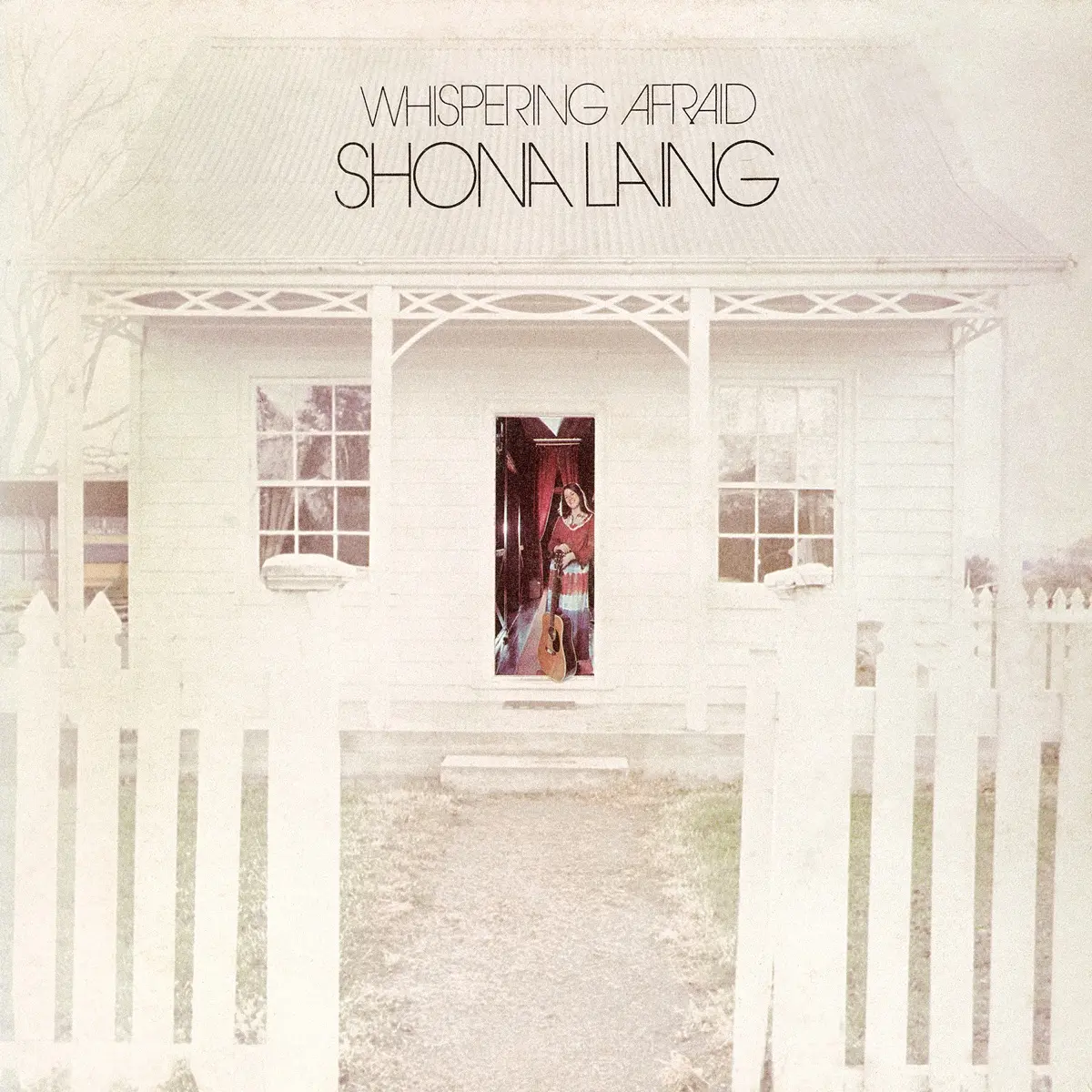 Shona Laing released her debut album, Whispering Afraid, in 1973 on Vertigo (NZ).
Laing recorded the album at EMI Studios in Wellington following her breakout appearance on New Faces. Working with producer/keyboardist Dale Wrightson, she assembled a debut rooted in folk-pop songwriting with stripped-back arrangements and open lyrical tone. Several songs appear in solo acoustic settings while others incorporate light band instrumentation, reflecting an intimate yet varied approach across the album’s ten original tracks, anchored by bassist Bruce Lynch and drummer Dave Fraser.
A1. “1905” (3:21)
A2. “Lady Dipton” (2:22)
A3. “You Are the One” (3:26)
A4. “Whispering Afraid” (4:06)
A5. “Quiet Night” (4:03)
B1. “Show Your Love” (3:27)
B2. “If Only” (3:29)
B3. “Like Days Gone Before” (2:55)
B4. “Is Anything Ever Everlasting” (4:50)
B5. “Masquerade” (5:23)
Laing recorded Whispering Afraid during her late teens with a team of local session players under Wrightson’s direction. Wrightson handled both production and keyboard duties, while Bruce Lynch anchored the rhythm section alongside drummer Dave Fraser. Sessions took place at EMI’s Wellington facility. Vertigo issued the album with artwork designed by Wrightson and photographed by Sal Criscillo, who composited an image of Laing into a rural doorway for the final cover design.
Vertigo preceded the album with the single “1905” backed with “There Are No Words (To Describe),” released in late 1972. “1905” entered the New Zealand singles chart in early 1973 and peaked at No. 4, remaining on the chart for fourteen weeks and achieving gold certification. Vertigo followed with “Show Your Love” backed with “Don’t Expect Me to Be Your Friend,” which matched the chart performance of its predecessor. The third single, “Masquerade” backed with a cover of Gordon Lightfoot’s “If You Could Read My Mind,” peaked at No. 11.
Whispering Afraid earned Laing multiple Recording Arts Talent Awards, including Best Newcomer, Best Female Vocalist, and Best Performer of the Year. The album was certified gold in New Zealand and established her as a leading singer-songwriter in the early 1970s domestic scene.
Shooting Stars Are Only Seen at Night
 Shona Laing released her second album, Shooting Stars Are Only Seen at Night, in 1974 on Vertigo (NZ).
Laing followed her debut with a more expansive production, enlisting a broader cast of musicians under producer G. Wayne Thomas. The album spans acoustic-based songwriting, ensemble arrangements, and chamber-influenced instrumentation. Laing performs acoustic guitar alongside Mick Liber and Thomas. Rod Coe plays bass, Bruno Lawrence handles drums, and Ray Vanderby contributes piano and Moog synthesizer. Bill Motzing and Peter Martin arrange brass, strings, and woodwinds.
A1. “I’m Crying Too” (3:44)
A2. “Remains to Be Seen” (4:01)
A3. “Happy Song” (2:39)
A4. “This Moment Here” (3:04)
A5. “Tony” (1:35)
A6. “Shooting Stars” (3:36)
B1. “Someone Like Me” (3:35)
B2. “I Want You” (2:18)
B3. “Now I Know” (2:59)
B4. “A Room” (2:31)
B5. “Not So Long Ago” (2:28)
B6. “Rainbow” (4:06)
— later CD reissue bonus tracks —
13. “Someone to Be With” (4:08)
14. “Don’t You Think It’s Time” (3:41)
Laing recorded Shooting Stars Are Only Seen at Night in 1974 with a full backing band credited as the Crystal Voyager Band. Thomas produced and co-arranged the album with support from studio players in New Zealand and Australia. The orchestral parts were written by Motzing and Martin and layered into select tracks during post-production.
Vertigo issued two singles from the album. The first, “I’m Crying Too” backed with the title track, appeared in mid-1974 on Philips. A second single paired “Happy Song” with “Now I Know.” Her non-album sixth single, “Don’t You Think It’s Time” backed with “A Room,” appeared later that year on Philips sublabel Corso. While none repeated the chart success of “1905,” all three received radio airplay.
The album built on Laing’s national profile and reaffirmed her presence as a leading young songwriter in New Zealand’s early-1970s recording landscape.
1975–1981
Shona Laing issued two final singles on Philips New Zealand. “I Love My Feet,” backed with “It’s All for You,” appeared in early 1975 as her first release following Shooting Stars Are Only Seen at Night. Later that year, she re-recorded “I’m Crying Too” for single release, this time paired with the non-album b-side “Find a Better Way.”
Laing relocated to London after a second appearance at the Tokyo Song Festival, where she met Italian-born producer Roberto Danova. Encouraged by Danova to pursue opportunities abroad, she left New Zealand and based herself in the UK for the next seven years. During this period, she played frequent sets at folk clubs and restaurants across England, gradually integrating into the local music scene.
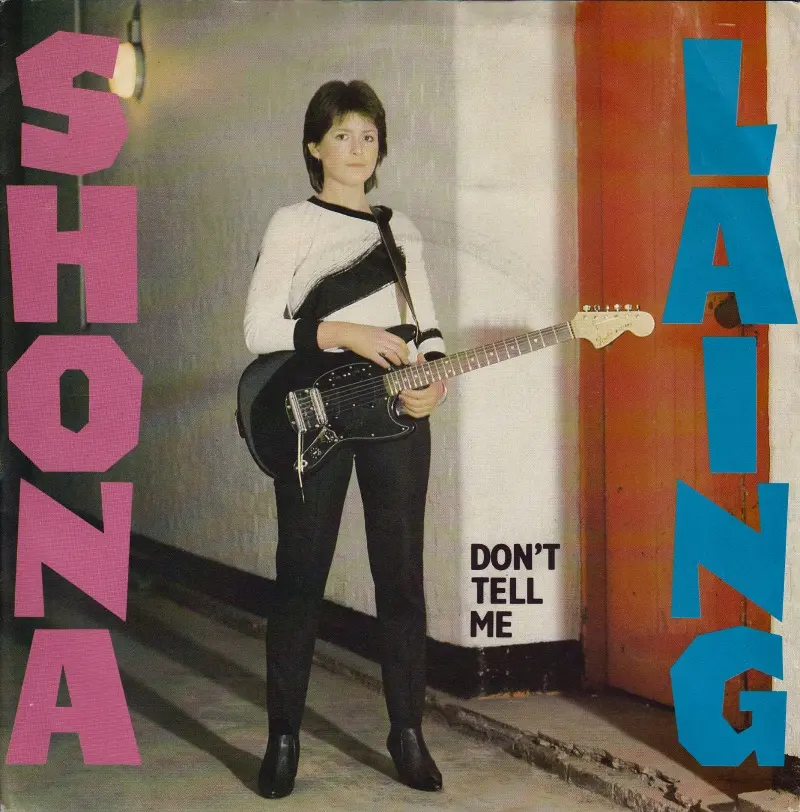 EMI took interest in Laing during her time in the UK and invited her to record material in their studios. She cut four UK singles.
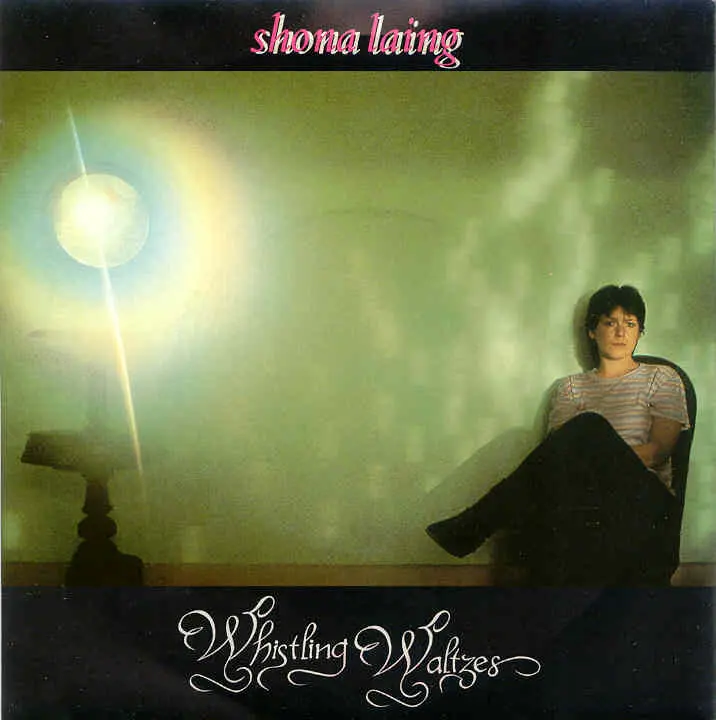
“Don’t Tell Me” backed with “Across the Irish Sea” appeared on April 25, 1980, and gained UK airplay, prompting Manfred Mann to contact Laing. On October 17, she released “Whistling Waltzes” backed with “No Fixed Abode.” Her work impressed Manfred Mann, who summoned her for the Earth Band album in progress. She co-wrote “Wardream,” their standalone b-side to “Eyes of Nostradamus,” a hi-tech cover of the Al Stewart classic.
On January 30, 1981, Laing released her third UK single: “Overboard” backed with “Timmy’s Goin’ Down.” She completed her EMI singles run with “Bundle of Nerves,” released on August 28 with “I Ching.”
Tied to the Tracks
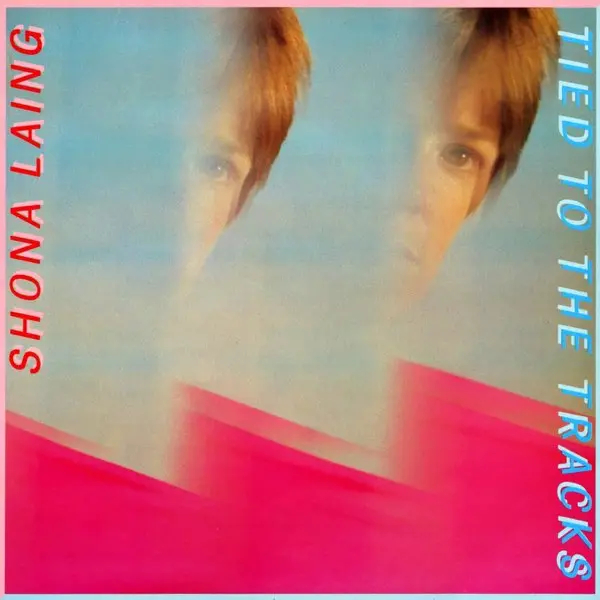 Shona Laing released her third album, Tied to the Tracks, in 1982 on EMI (UK) and Harvest (Canada).
Tracks contains her first two EMI a-sides (“Don’t Tell Me,” “Whistling Waltzes”) and both sides of her third UK single (“Overboard,” “Timmy’s Goin’ Down”). The material reflects a shift in sonic texture, incorporating tighter ensemble interplay and more rhythmic sequencing. Bill House and Richard Brunton share guitar duties across the ten tracks with bassist Pete Zorn (Easy Street, Tax Loss), drummer Jeff Allen, and keyboardist John Hobbs.
A1. “Don’t Tell Me” (3:25)
A2. “Touch and Go” (2:32)
A3. “By the Night” (3:07)
A4. “Overboard” (4:04)
A5. “Whistling Waltzes” (4:15)
 B1. “Money Is the Measure” (3:30)
B2. “Timmy’s Goin’ Down” (3:31)
B3. “Ex-Best Friend” (2:51)
B4. “No Fixed Abode” (3:07)
B5. “The Getaway” (3:04)
Laing recorded the material for Tied to the Tracks across multiple sessions in England during her final years abroad. House produced and arranged the album for Hummingbird Productions. Andy Pearce engineered the recordings.
Tied to the Tracks concluded Laing’s UK period and bridged her shift from acoustic songwriter to a more studio-focused artist, laying groundwork for her reinvention upon returning to New Zealand.
Genre
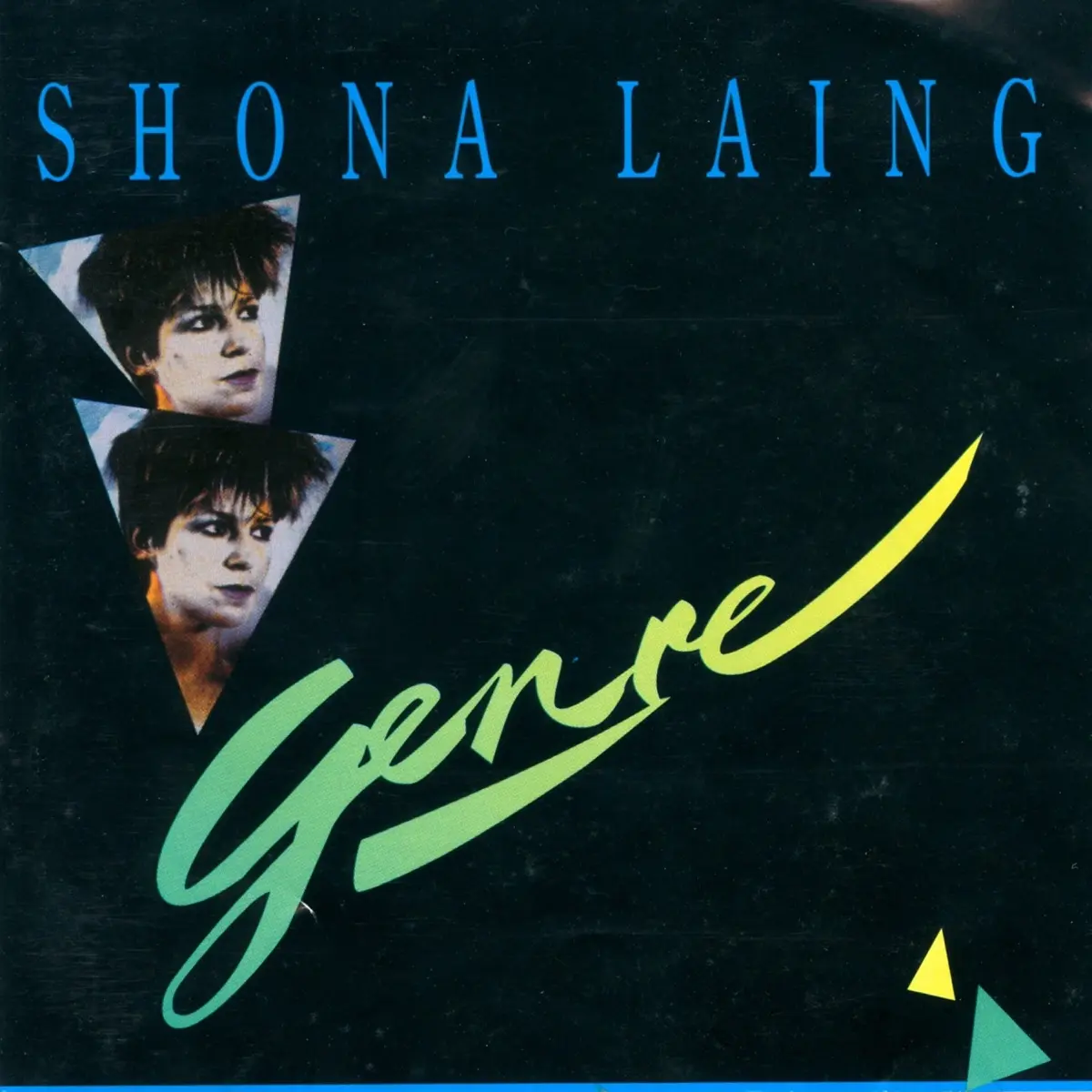 Shona Laing released her fourth album, Genre, in 1985 on Pagan.
After returning to New Zealand from a seven-year stay in London, Laing self-penned a new set of songs that expanded her lyrical voice across electronic arrangements and synth-aided instrumentation. Bruce Lynch produced the album and played bass throughout, recorded with session guitarists and engineer Graham Myhre.
A1. “America” (4:05)
A2. “Resurrection” (4:36)
A3. “Day Trip” (3:50)
A4. “Not a Kennedy” (4:33)
A5. “Haunted” (3:30)
A6. “Migrant and Refugee” (3:55)
B1. “One in a Million” (3:45)
B2. “Metropolitan Moon” (5:05)
B3. “Neat and Tidy” (3:56)
B4. “Cat Burglar” (3:54)
B5. “Somebody Found You” (4:00)
B6. “Sally Gap” (4:02)
Laing recorded Genre in Auckland with Lynch overseeing production and arrangements. Sessions took place in 1984–85, with Pagan handling the release and pressing. Myhre engineered the album’s tracking and mixdown, contributing to the layered studio sheen that marked Laing’s stylistic departure from her earlier acoustic-oriented records.
Pagan issued four singles from Genre. “America” backed with “Sally Gap” appeared first, followed by “One in a Million,” issued with an instrumental version on the B-side. In mid-1985, Pagan released “Not a Kennedy” backed with “Haunted,” which initially received little attention despite winning the 1986 Pater Award in Sydney for New Zealand Song of the Year. In 1986, Pagan issued “Drive Baby Drive” backed with “Somebody Found You” as a final single from the album.
Genre did not achieve chart placement on initial release, but its fourth track, “Not a Kennedy,” gained international momentum two years later when Australian publisher Chris Gilbey introduced it to Virgin Records. Remixed by UK producer Peter Wilson, the retitled version “(Glad I’m) Not a Kennedy” appeared on Laing’s 1987 album South and reached No. 2 in New Zealand, No. 9 in Australia, and No. 14 on the US Billboard Modern Rock chart, reviving attention to its 1985 origin on Genre.
South
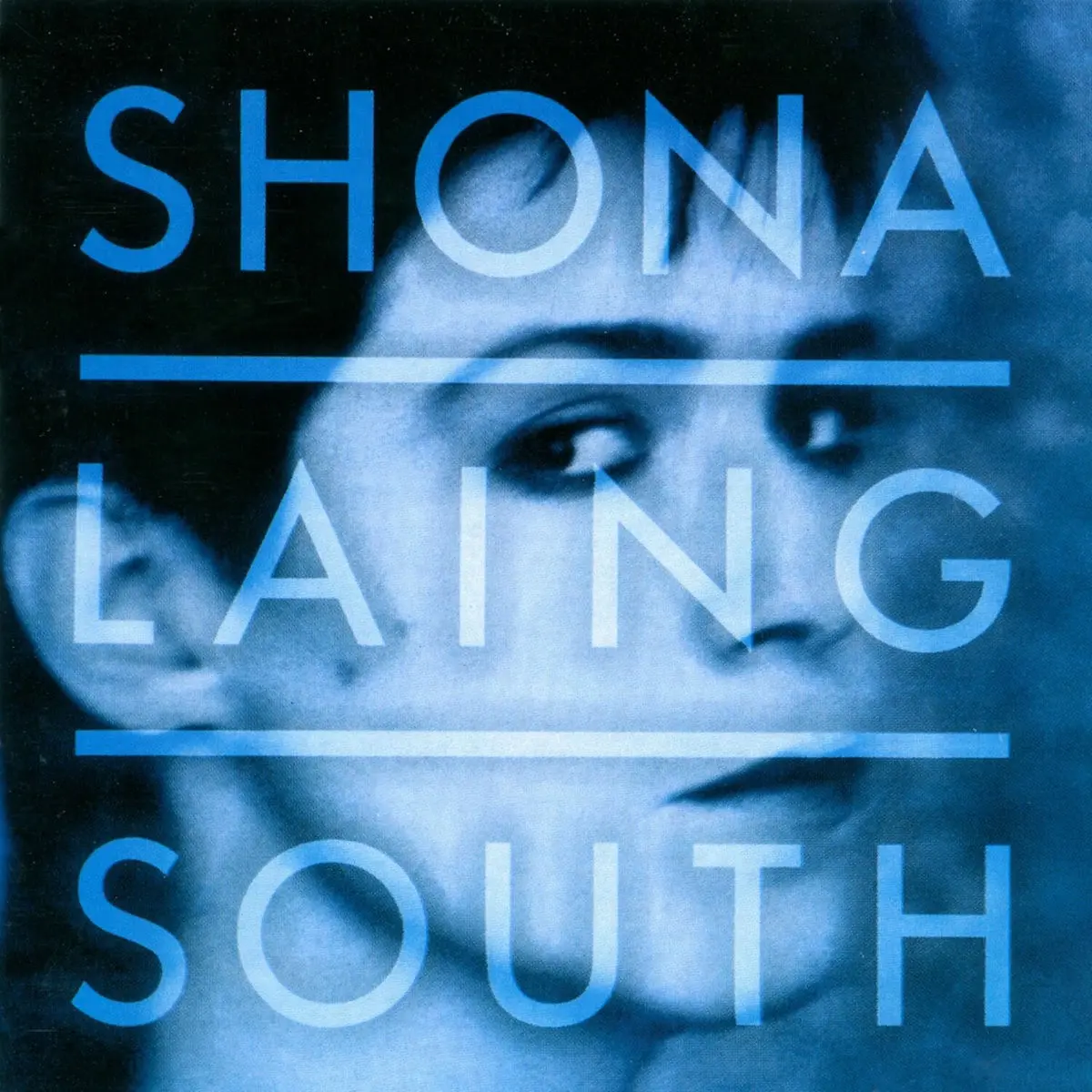 Shona Laing released her fifth album, South, in 1987 on Pagan (NZ). In 1988, the album appeared in the US on TVT Records.
Laing wrote all tracks and oversaw the project as co-producer alongside arranger Stephen McCurdy, engineer Graeme Myhre, and bassist Bruce Lynch. The album draws from rhythmic sequencing, synthesized textures, and layered production, building on the electronic direction of Genre while expanding into denser arrangements. Session personnel are otherwise uncredited, though the production centers around sequencers, drum machines, digital synths, and studio-built textures.
A1. “(Glad I’m) Not a Kennedy” (3:26)
A2. “The Bishop” (4:27)
A3. “Caught (Between the Devil and the Deep Blue Sea)” (4:51)
A4. “Dockyard on a River” (4:57)
A5. “Drive Baby Drive” (4:35)
A6. “Neutral and Nuclear Free” (2:10)
B1. “Soviet Snow” (6:00)
B2. “Under the Cover of Darkness” (2:30)
B3. “Poles Apart” (3:00)
B4. “Highway Warriors” (4:32)
B5. “South” (3:22)
Myhre produced and engineered South across sessions in Auckland (Mandrill Studios) and Sydney (Studios 301). She reprised four tracks from Genre—“Not a Kennedy,” “Neat and Tidy,” “Migrant and Refugee,” and “Day Trip” (retitled “Your Reputation”)—for the US version, which dropped the album’s more region-specific material. Pagan handled the original release while Virgin and TVT took on overseas distribution.
Pagan issued four singles across 1987 and 1988. “(Glad I’m) Not a Kennedy,” remixed by Peter Wilson and backed with “Neutral and Nuclear Free,” appeared first and reached No. 2 in New Zealand, No. 9 in Australia, and No. 14 on the US Billboard Modern Rock Tracks chart. “Drive Baby Drive” and “Soviet Snow” followed, the latter reaching No. 32 on Billboard’s Dance Club Songs chart. “Caught (Between the Devil and the Deep Blue Sea),” backed with “Highway Warriors,” appeared in early 1988.
South became Laing’s most internationally visible release, boosted by the global breakthrough of “(Glad I’m) Not a Kennedy” and its remixed presentation on US airwaves. The album reached No. 62 on the Australian Kent Music Report and established her presence across both hemispheres during the late 1980s.
Discography:
- Whispering Afraid (1973)
- Shooting Stars Are Only Seen at Night (1974)
- Tied to the Tracks (1982)
- Genre (1985)
- South (1988)
- New on Earth (1992)
Sources:
Artist/Album Pages:
Random was an American avant-rock band from Illinois that self-released the album Nothin' Tricky ...
Terje Rypdal is a Norwegian jazz-rock guitarist who's released more than 25 albums since 1968 in s...
Opa was an Uruguayan jazz-rock band that released the 1976/77 albums Goldenwings and Magic Time, b...
Hawkwind are an English space-rock band, originally led by guitarist Dave Brock and reedist Nik Tu...
Kim Carnes (born July 20, 1945) is an American country and pop vocalist from Los Angeles, best kno...
Yan Tregger is a French composer and vocalist who released numerous library recordings on assorted...
Adelbert von Deyen (Oct. 25, 1953 — Feb. 13, 2018) was a German electronic musician who released e...
Linda Perhacs is an American singer-songwriter who released the 1970 album Parallelograms on Kapp ...
Ablution was a Swedish jazz-rock band behind a 1974 self-titled album on CBS. Four members played ...
Progresiv TM was a Romanian hard-rock band that debuted with the 1974 Electrecord single "Amintiri...
Donovan (born May 10, 1946) is a Scottish folk-rock singer, guitarist, and songwriter who released...
Al Stewart is a Scottish singer/songwriter who emerged from the British folk boom of the mid-1960s. ...