

The Motels were an American new wave rock band from Los Angeles that released five albums between 1979 and 1985 on Capitol. They charted with the 1982/83 MTV staples “Only the Lonely,” “Take the L,” and “Suddenly Last Summer.” Abroad, they scored hits with “Danger,” “Total Control,” “Days Are OK,” and “Whose Problem?”
Members: Martha Davis (vocals), Jeff Jourard (guitar, 1978-87), Marty Jourard (saxophone, keyboard 1978-1987), Michael Goodroe (bass, 1978-87), Brian Glascock (drums, 1978-87), Tim McGovern (guitar 1980-81), Guy Perry [aka Adrian Peritore] (guitar 1981-87)
Background
The Motels had their roots in The Warfield Foxes, a hard-rock quartet assembled in Berkley, California, by bassist Lisa Brenneis with three guitarists: Dean Chamberlain (lead), Chuck Wada (rhythm), and Martha Davis, who also sang and supplied material.
Davis (born Martha Emily Davis; January 19, 1951) grew up in a musical family of four in Berkeley, where her mother taught kindergarten and her father held an administrative post at the University of California. From age eight, Martha studied ballet and guitar. Her musical aspirations stemmed in part from a babysitter, Berkeley law student Thelton Henderson, who later served as US District Court judge for the Northern District of California.
At 15, Martha was impregnated by her boyfriend of three years, US Air Force enlistee Ronnie Paschell (17). The two had a shotgun wedding and moved to Tampa, Florida, where she gave birth to a second daughter at age 17. By then, their tumultuous marriage ended when Ronnie was called to duty in Vietnam (where he died in Quang Tri in April of 1972). She returned to Berkeley, which had radically altered in her absence due to hippie culture and protests.
Martha was orphaned by age 22 after the 1970 suicide of her divorced mother and the 1973 death of her ill father. She took solace in her adopted older sister, Janet, who sometimes babysat the two girls as Martha attended school. From her late mother’s diary, she learned that her mother once aspired to be an author. Determined to not let motherhood squander her ambitions, Martha pursued band life.
The Warfield Foxes / Angels of Mercy
The Warfield Foxes rehearsed and gigged on the Berkeley bar circuit. (Among their demos, “Every Day Star” surfaced on the 2000 Motels compilation Anthologyland.) In 1975, they moved to Los Angeles and roomed in the Echo Park neighborhood under a new name, Angels of Mercy. Lisa Brenneis left the band, which became a quintet with bassist Richard D’Andrea and drummer Robert Newman. (Brenneis surfaced in punk rockers VOM and later entered film production and digital media.)
Angels of Mercy discovered that LA’s leading rock venues refused to book unsigned acts. Struck by the motor inns along Santa Monica Boulevard, they changed their name to The Motels.
Chamberlain became Martha’s first serious love interest since Paschell but their courtship ended after Dean’s 1977 exit from the band. He later fronted Code Blue, a new wave trio that cut a 1980 album on Warner Bros. with English bassist Gary Tibbs (The Vibrators, Roxy Music, Adam & The Ants).
The Motels collapsed by late 1977 when Richard D’Andrea formed The Know with bassist Gary Valentine, who’d left Blondie (amid their LA stand with one album to their credit) just before their international breakthrough.
Classic Lineup
In March 1978, Martha formed a new Motels with guitarist Jeff Jourard, a near-member of the (pre-debut) Tom Petty & The Heartbreakers. They rounded the new five-piece with bassist Michael Goodroe, English drummer Brian Glascock, and Jeff’s keyboardist brother, Marty Jourard, who also played saxophone.
Glascock (born 1948) played in a sequence of mid-Sixties beat groups (The Juniors, The Favorite Sons) with his bassist brother John Glascock (1951–1979), who played separately in The Gods, Chicken Shack, and Jethro Tull. In 1970, the Glascocks played on the second Toe Fat album before Brian’s relocation to LA, where he joined the (pre-record) lineup of Carmen. After a brief unrecorded stint in Captain Beyond, he played on Iggy Pop‘s 1975 demos (released in 1977 as Kill City) and cut a 1977 album with UA hard-rockers Trouble.
To gain industry notice, The Motels held Radio Free Hollywood, a self-produced show at Troupers Hall with two fellow unsigned acts, The Pop and The Dogs. Famed local DJ Rodney Bingenheimer had The Motels as guests on his KROQ radio show. They cut a demo of Martha originals, including “Counting,” which appeared on the 1978 Rhino comp Saturday Night Pogo.
Despite rejection from its intended target (Warner Bros.), the demo impressed Capitol Records, which signed The Motels in May 1979. Meanwhile, they shared The Go-Go’s rehearsal space and performed at Madame Wong’s Chinatown restaurant.
Motels
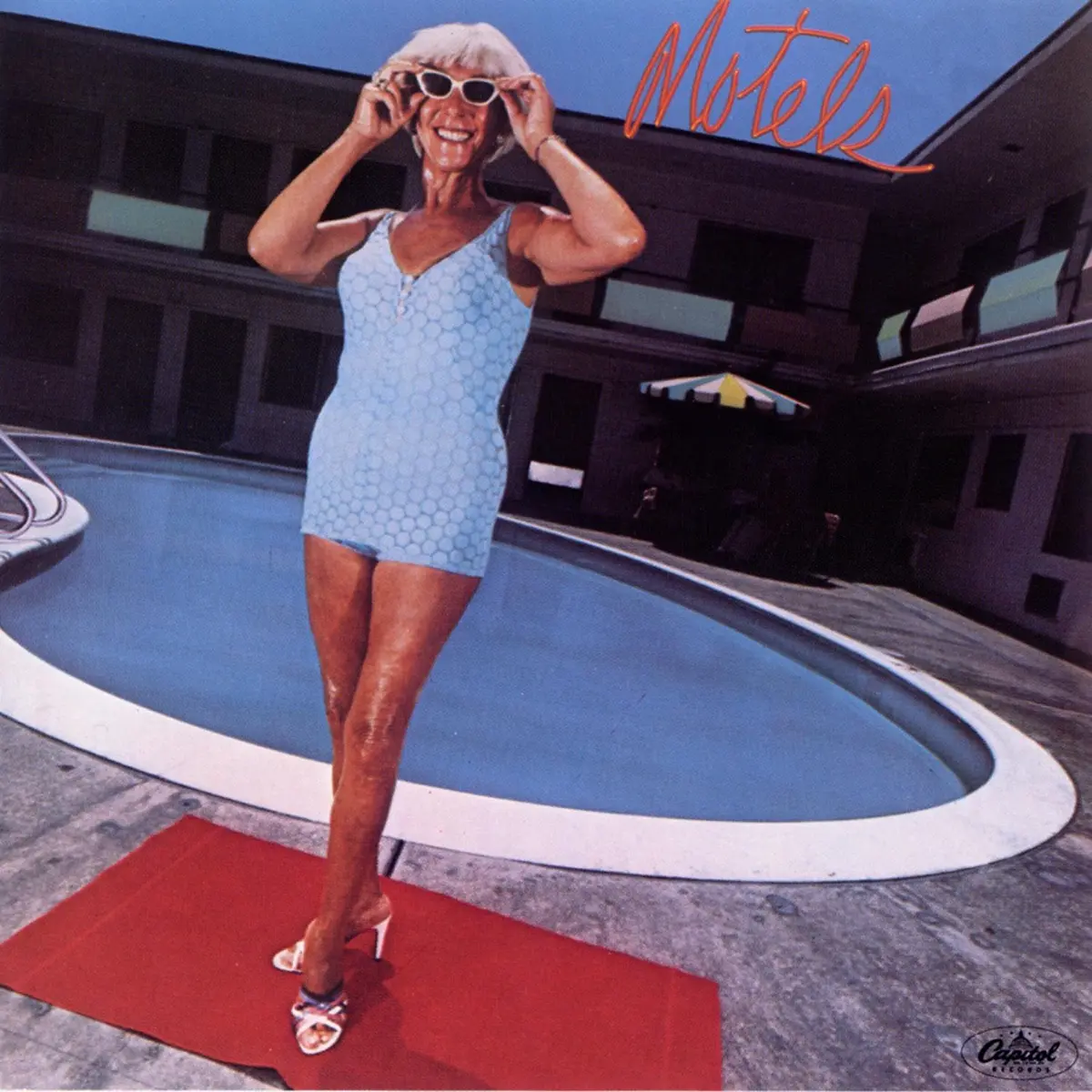 The Motels released their self-titled debut album on September 15, 1979, on Capitol Records.
The album contains eight Martha Davis originals and two songs (“Total Control,” “Dressing Up”) co-written by guitarist Jeff Jourard, the only transitory member of an otherwise stable core comprised of keyboardist/saxist Marty Jourard, bassist Michael Goodroe, and drummer Brian Glascock
Motels combines new wave urgency with West Coast slickness, enlivened with Martha’s bold vocal delivery. Songs range from the brooding narrative of “Total Control” to the tense nerviness of “Closets and Bullets,” underpinned by layered sax and driving rhythmic patterns.
A1. “Anticipating” (3:51)
A2. “Kix” (2:15)
A3. “Total Control” (5:54)
A4. “Love Don’t Help” (1:58)
A5. “Closets and Bullets” (4:25)
B1. “Atomic Café” (2:48)
B2. “Celia” (3:07)
B3. “Porn Reggae” (4:18)
B4. “Dressing Up” (5:04)
B5. “Counting” (4:33)
Sessions occurred May–June 1979 at Sunset Sound, Los Angeles, produced and engineered by John Carter with assistance from Warren Dewey and Bo Torian, who also worked with The Go-Go’s.
Elliot Gilbert photographed the band at a motel pool under the art direction of Roy Kohara and Henry Marquez; neon-yellow typography was applied by John Uomoto.
Motels spawned two singles: “Closets and Bullets” (b/w “Counting”) and “Total Control” (b/w “Atomic Café”). Down Under, “Total Control” reached No. 7 in Australia and No. 11 in New Zealand. In 1980, Anna Oxa covered the song in Italian as “Controllo Totale.” Tina Turner later covered “Total Control” for the 1985 charitable album We Are the World.
The Motels toured the West Coast in summer 1979, appearing at Los Angeles’ Whisky a Go Go and sharing local billings with The Go-Go’s and The Knack, building a reputation on energetic live sets. Before work commenced on their second album, Jourard cleared out for Martha’s boyfriend, guitarist Tim McGovern, formerly of The Pop.
Careful
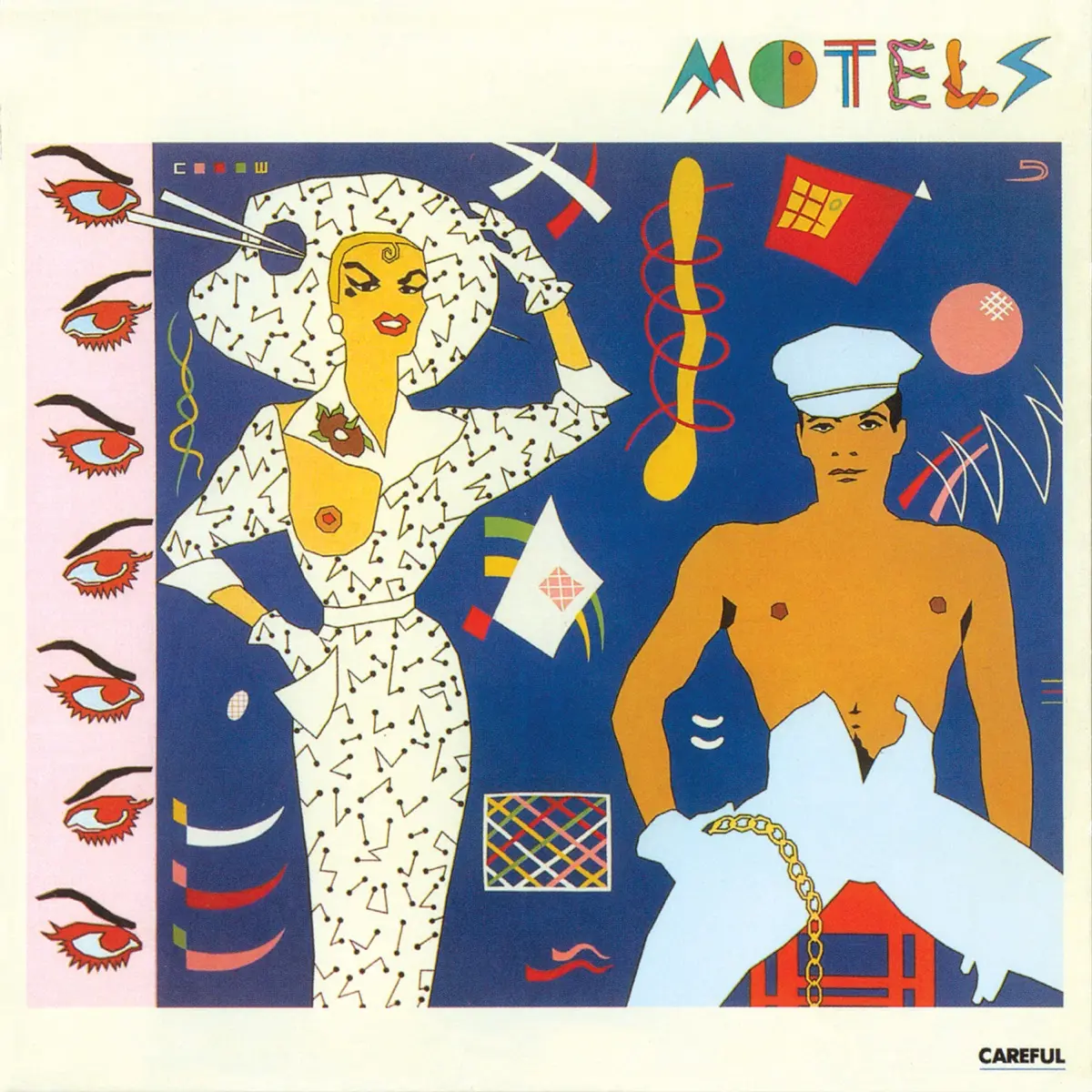 The Motels released their second album, Careful, on June 15, 1980, on Capitol.
The album contains four songs by Martha Davis and one co-write (“Danger”) with Tim McGovern, who wrote “Envy” and “Days Are O.K. (But the Nights Were Made for Love).”
Careful also contains three tracks (“Careful,” “Bonjour Baby,” “Cry Baby”) co-written by saxist/keyboardist Marty Jourard and bassist Michael Goodroe.
Musically, Careful intermixes slick rockers and ballads alike. “Danger” pulses with guitar riffs and horns, while “Days Are O.K…” blends melancholic lyricism with a soaring chorus. Davis’s voice is more assured, wrapping tension and polish around strong songwriting.
A1. “Danger” (3:26)
A2. “Envy” (3:26)
A3. “Careful” (3:30)
A4. “Bonjour Baby” (3:25)
A5. “Party Professionals” (3:15)
B1. “Days Are O.K. (But the Nights Were Made for Love)” (3:35)
B2. “Cry Baby” (3:28)
B3. “Whose Problem?” (3:51)
B4. “People, Places and Things” (2:46)
B5. “Slow Town” (4:19)
Recorded March–May 1980 at Sunset Sound with Carter producing and engineering (assistant Tim Palmer), who later worked with Duran Duran. Cover by George Holz with design by Duggie Fields.
Capitol issued three singles: “Danger” (b/w “Slow Town”) and “Whose Problem?” (b/w “Envy”). In select markets, “Days Are O.K.” appeared on 7″ (b/w “Slow Town”).
Careful reached No. 45 on the Billboard 200. The Motels headlined a short autumn 1980 US club tour.
All Four One
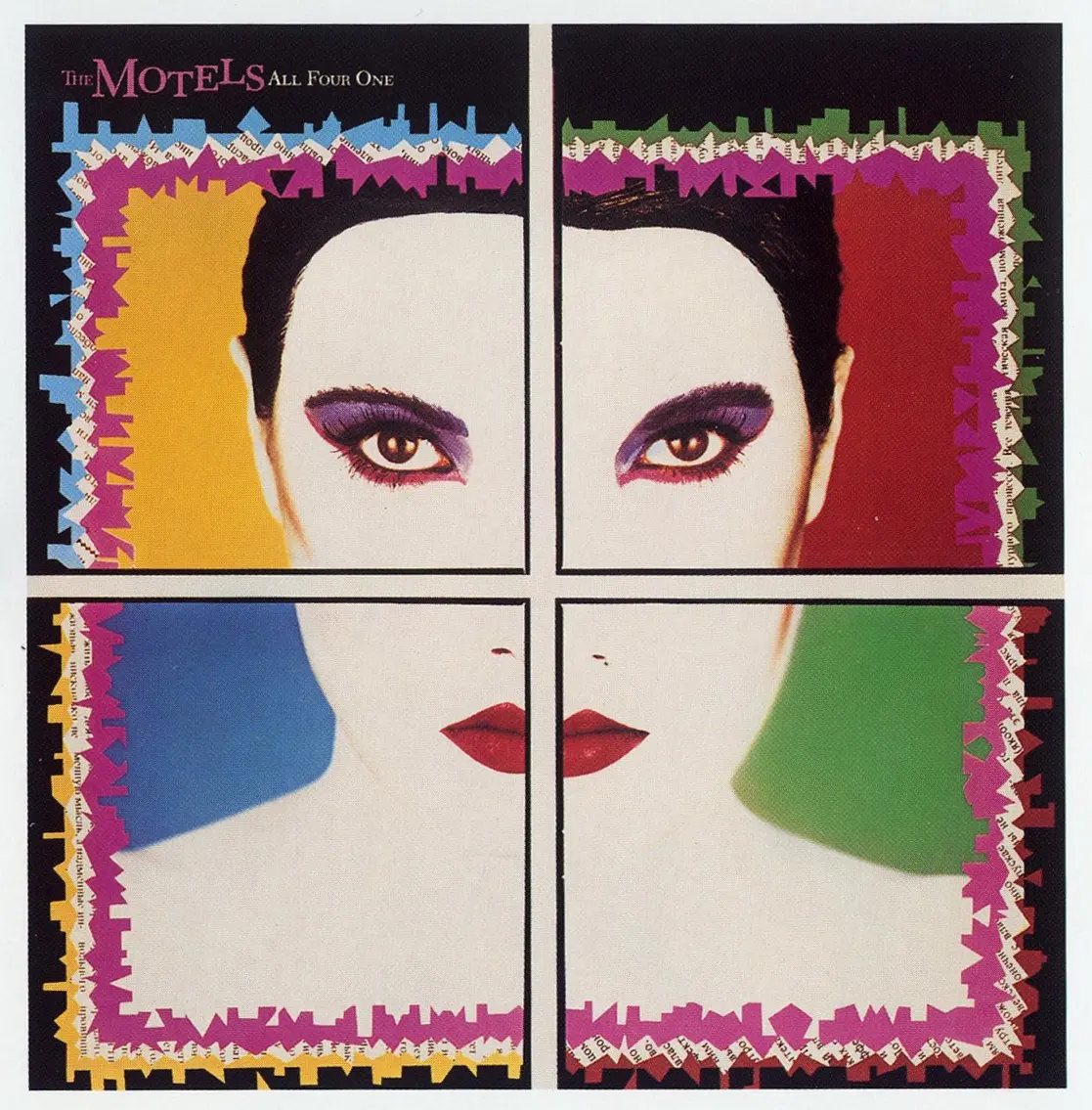 The Motels released their third album, All Four One, on April 5, 1982, on Capitol.
Martha Davis lone-wrote four songs: “Only the Lonely,” “Apocalypso,” “Forever Mine,” and “So L.A.” She co-wrote two songs each with Tim McGovern (“Art Fails,” “Tragic Surf”) and Marty Jourard (“Mission of Mercy,” “Take the L”), the last of those third-credited to prior soundman John Carter. She collaborated with Silver Condor keyboardist Steve Goldstein on “Change My Mind.” Side B contains the Crystals cover “He Hit Me (And It Felt Like a Kiss).”
The Motels scored their biggest hit with “Only the Lonely,” a cinematic ballad matched with a film noir video and followed with “Take the L,” a melodramatic wordplay.
A1. “Mission of Mercy” (3:02)
A2. “Take the L” (3:42)
A3. “Only the Lonely” (3:16) The lyrics explore the emotional dissonance between outward success and internal sadness. She composed the song on a guitar left behind by her late father, and credited its spontaneous genesis to emotional turbulence during a period of limos, acclaim, and romantic disarray.
A4. “Art Fails” (3:12)
A5. “Change My Mind” (3:21)
B1. “So L.A.” (3:26)
B2. “Tragic Surf” (3:32)
B3. “Apocalypso” (3:31)
B4. “He Hit Me (And It Felt Like a Kiss)” (2:28) was the controversial 1962 third single by girl group The Crystals, written by the Brill Building team of Carole King and Gerry Goffin.
B5. “Forever Mine” (3:22)
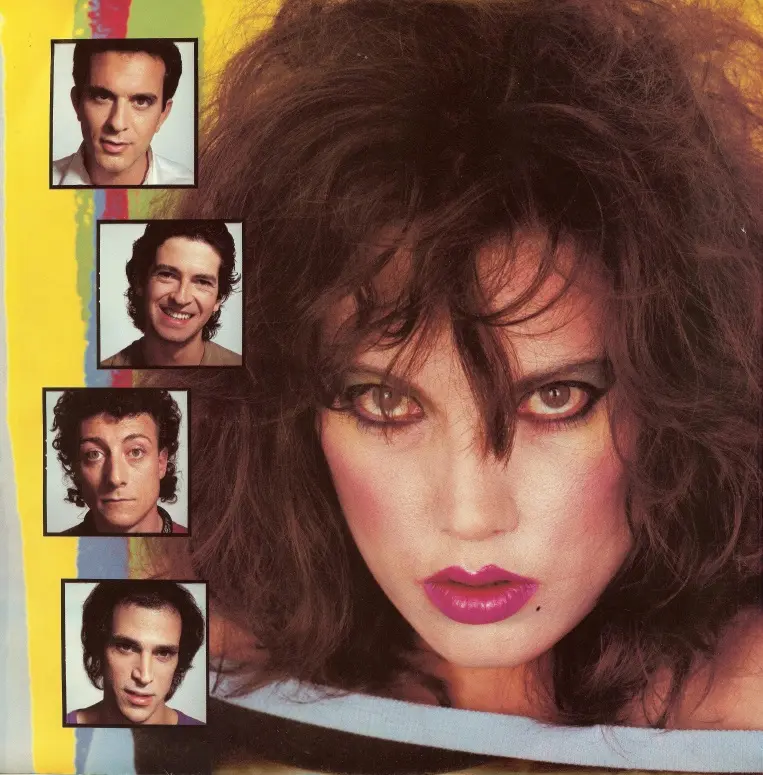 Recorded early 1982 at Record One, Los Angeles—co-founded by Val Garay, an engineer-producer behind albums by Kim Carnes (Mistaken Identity) and Linda Ronstadt (Heart Like a Wheel). Additional engineering by Niko Bolas and David Leonard. Photography by Tony Viramontes, design by Rich Baum.
Despite his writing contributions, McGovern limited his instrumental role to “Tragic Surf.” Session guitarists Waddy Watchel, Craig Hull, and Guy Perry played on the other tracks.
The Motels lifted “Only the Lonely” as the first single (b/w “All She Wants”). The video, directed by Russell Mulcahy, shows Davis as a melancholy socialite inside a lavish 1940s hotel bar, slowly consumed by the mania of a surreal, cabaret-like crowd. The stylized clip earned the American Music Award for Best Performance in a Music Video and received high-rotation on the fledgling MTV network.
“Only the Lonely” broke the band in the US, where it reached No. 8 on the Cashbox Top 100 and No. 9 on the Billboard Hot 100. Abroad, it reached No. 10 in New Zealand and went Top 30 in Canada (No. 21) and Australia (No. 28).
The Motels lifted “Take the L” as the second single (b/w “Mission of Mercy”). Russell Mulcahy directed the music video, which followed its predecessor into high MTV rotation.
All Four One reached No. 16 on the Billboard 200 and achieved Gold status. The support tour included arena dates with Hall & Oates and headlining college venues. McGovern cleared for Perry while The Motels welcomed a sixth member, ex-Stooges guitarist/keyboardist Scott Thurston
Little Robbers
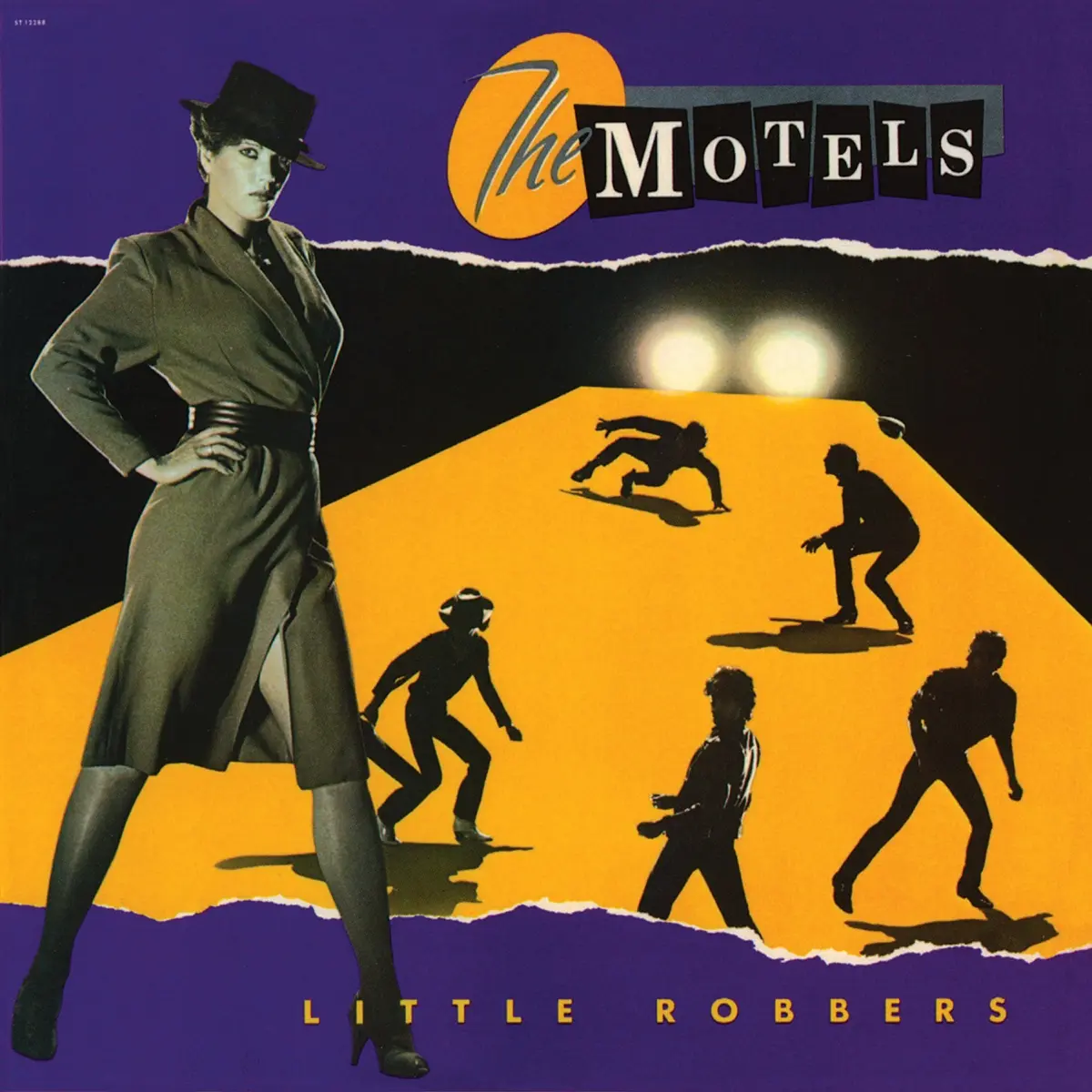 The Motels released their fourth album, Little Robbers, on September 16, 1983, on Capitol.
Martha Davis wrote the album’s first two songs, plus “Trust Me” and the title track. She collaborated on one song each with bassist Michael Goodroe (“Tables Turned”), new member Scott Thurston (“Remember the Nights”), recurrent sixth wheel Steve Goldstein (“Monday Shut Down”), Rox bassist Kevin McCormick (“Isle of You”), and Elton John collaborator Bernie Taupin (“Into the Heartland”). Martha and Steve co-wrote “Footsteps” with Bill Wray, a recent Diana Ross sideman.
Little Robbers exhibits a smoother, polished sound. They scored their second-biggest hit with “Suddenly Last Summer,” a sultry, low-key number with evocative lyrical imagery, preceded by “Where Do We Go from Here,” a moody song with a breezy chorus.
A1. “Where Do We Go from Here (Nothing Sacred)” (4:09)
A2. “Suddenly Last Summer” (3:27)
A3. “Isle of You” (5:05)
A4. “Trust Me” (4:01)
A5. “Monday Shutdown” (4:12)
B1. “Remember the Nights” (3:59)
B2. “Little Robbers” (3:45)
B3. “Into the Heartland” (3:40)
B4. “Tables Turned” (3:50)
B5. “Footsteps” (4:05)
Sessions spanned February through August 1983 in Los Angeles with Val Garay producing; engineering by Joe Blaney. Album art by Tony Viramontes with band photography by George Holz.
Artwork by Tony Viramontes with band photos by George Holz. Tour schedule included headline US and Canadian venues and several festival bookings.
“Suddenly Last Summer” first appeared in mid-August as an advance single, backed with the non-album “Some Things Never Change.” In November, “Remember the Nights” became the second single, backed with “Love Rolls On.”
B. “Some Things Never Change”
B. “Love Rolls On”
“Suddenly Last Summer” reached No. 1 on the Billboard Album Rock Tracks chart and No. 9 on the Hot 100. Little Robbers reached No. 22 on the Billboard 200 and went Gold.
Shock
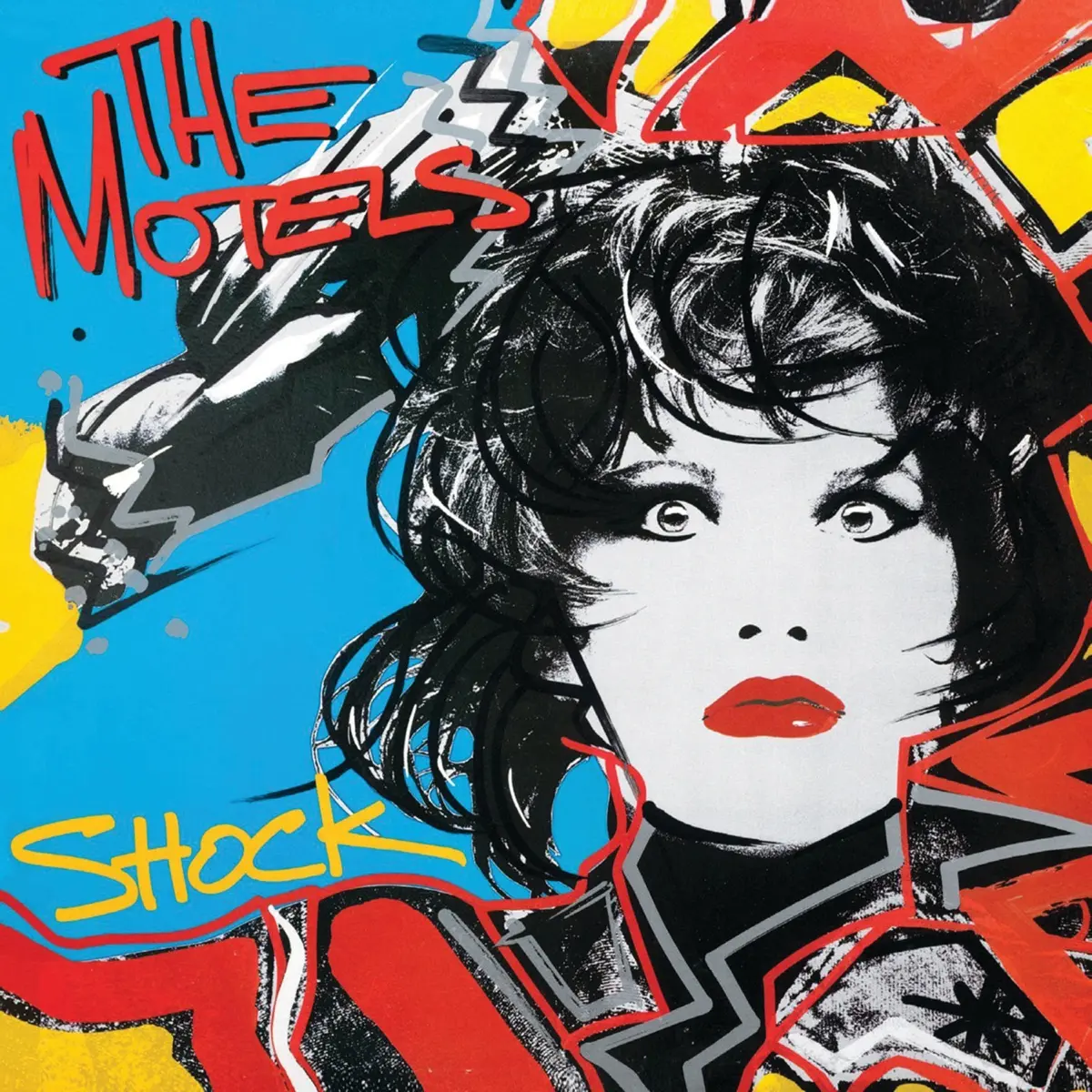 The Motels released their fifth album, Shock, in August 1985 on Capitol.
Martha Davis wrote five songs and co-wrote the title track with Scott Thurston. Co-founders Marty Jourard and Michael Goodroe collaborated with her on “My Love Stops Here.” She also co-wrote select tracks with Brian Glascock (“Annie Told Me”) and Guy Perry (“State of the Heart”), the latter co-credited to producer Richie Zito, a co-writer on “Cries and Whispers.”
The titular “Shock” drapes glistening guitars over crisp backbeat, while “Shame” delivers sultry, rhythmic cultivate with synths riding high. Davis’s vocal confidence anchors the album’s modern sheen.
A1. “Shock” (4:09)
A2. “Shame” (4:10)
A3. “Hungry” (3:58)
A4. “Annie Told Me” (4:44)
A5. “Icy Red” (4:44)
B1. “New York Times” (4:35)
B2. “State of the Heart” (4:44)
B3. “My Love Stops Here” (4:50)
B4. “Cries and Whispers” (4:21)
B5. “Night by Night” (4:03)
Sessions took place at Castle Systems II and Giorgio Moroder’s studio; produced by Richie Zito (Cheap Trick, Heart) with engineering by David Leonard and Niko Bolas.
Singles included “Shame” b/w “Save the Last Dance for Love” (Pop No. 21, Rock No. 10, Dance No. 14, Australia No. 18), “Shock” b/w “In the Jungle (Concrete Jungle)” (from Teachers soundtrack) (Pop No. 84), and Australia-only “Icy Red” b/w remix “Dreamlife.”
Artwork featured urban glam photos by Val Garay, with layout by Barbara Kelley. They toured the album across Europe and North America with televised performances on American Bandstand and Solid Gold.
1987 Breakup
From 1985 to 1987, Davis, Perry, Marty Jourard, Goodroe, Glascock, and Thurston toured extensively. By early 1987, Davis announced the band’s end, citing exhaustion and financial stress. The final performance, at LA’s AntiClub on February 13, 1987, marked the end. Davis went on to release her solo debut, Policy, later that year.
Discography:
- Motels (1979)
- Careful (1980)
- All Four One (1982)
- Little Robbers (1983)
- Shock (1985)
Sources:
Artist/Album Pages:
Anima was a Danish jazz-rock band named after a 1979 solo album by keyboardist Kenneth Knudse. Th...
Sheila E. is an American percussionist who started in Pete & Sheila Escovedo, a father/daught...
Locomotiv GT was a Hungarian rock band from Budapest. Ringasd el magad and Bummm! established the ...
End of Data was a French coldwave band that made the 1984/85 Divine albums Sahrah and Dans votre m...
Gene Dunlap (born June 19, 1954) is an American R&B-funk vocalist, multi-instrumentalist, song...
R.E.K. was a German NDW duo that released a 1983 self-titled album on RCA. Background R.E.K. ...
Peter Allen — aka Peter Richard Woolnough (Feb. 10, 1944 — June 8, 1992) — was an Australian pianist...
SHOGUN was a Japanese rock group that developed from the studio ensemble One Line Band, which mad...
The Isley Brothers were an American soul-funk band from Cincinnati that first performed doo-wop in...
Miroslav Vitous (born Dec. 6 1947) is a Czech jazz-rock bassist, active on the international scene...
Soda Stereo was an Argentine new wave trio that emerged with the 1984/85 albums Soda S...
Harlequin was a Canadian hard-rock band that released four Epic albums between 1979 and 1984, incl...