

Itziar was a Spanish symphonic-folk band that released a 1978 self-titled album on Xoxoa.
Members: Itziar Egileor (vocals), Alex Zabala (guitar, vocals), Eduardo Bazterra (bass, guitar, vocals), Mikel Prieto (guitar, synthesizer), Joseba Erkiaga (flute, saxophone), Javi Robador (drums)
Background
Itziar emerged in the Basque Country during the late seventies as a six-piece built around singer Itziar Egileor. The lineup included singer-guitarist Alex Zabala, singer-bassist Eduardo Bazterra, guitarist-keyboardist Mikel Prieto, reedist Joseba Erkiaga (flute, saxophone), and drummer Javi Robador.
Robador also played in the Bilbao group Enbor, a 1978 formation tied to the same Basque progressive-rock circuit. Erkiaga recorded beforehand with Itoiz, the Mutriku–Ondarroa band whose self-titled Xoxoa debut appeared before the Itziar album.
Xoxoa placed Itziar among a cluster of Basque-language acts on its contemporary roster, including Itoiz, Errobi, Koska, Izukaitz, Haizea, Oskorri, Txomin Artola, and Enbor. Itziar completed its only album with guest electric guitarist Rafa Aranguren and accordionist Maite Diego.
Itziar
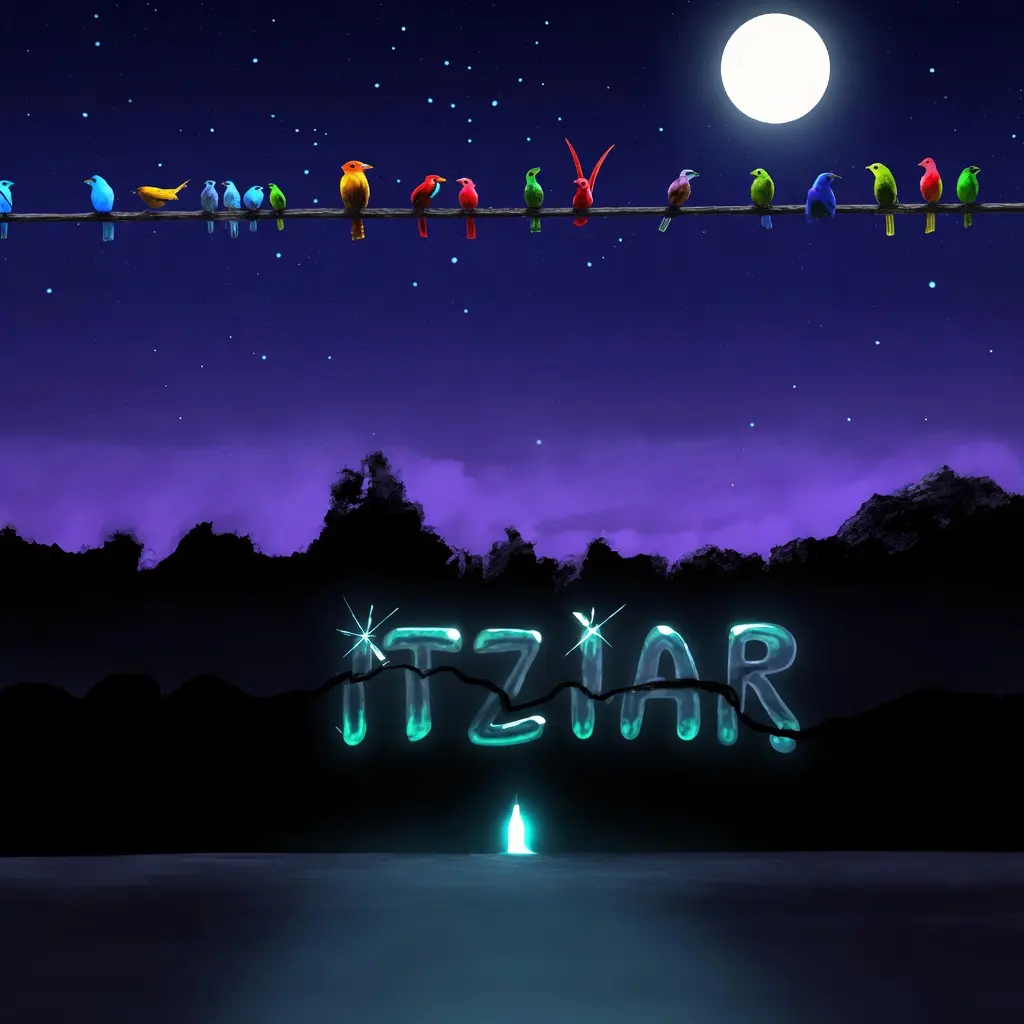 Itziar released their self-titled debut album in 1978 on Xoxoa.
The album presents Basque-language folk-rock in compact song forms. “Ameskoi” glides through chamber-scaled song form, then opens a midsection where guitar and flute trace a quieter interlude. “Espetxeratuarena” lingers with acoustic figures, soft electric shading, and high-register lead lines in measured sequence. “Harri eta Herri” sharpens around a rougher lead break and late scat-voice turn.
“Haizearen Gogoa” brightens through close-harmonized voices, with the refrain carrying the main lift. The shorter pieces favor archaic-toned cadence, compact chant shapes, and low-density electroacoustic accompaniment. The album’s musical character sits in nocturnal spacing, restrained section shifts, and voices placed close to the arrangement’s surface.
A1. “Ameskoi” [Dreamer] (5:50)
A2. “Espetxeratuarena” [The Prisoner’s Song] (5:50)
A3. “Manifestu atzeratua” [Belated Manifesto] (2:50)
A4. “Harri eta herri” [Stone and People] (3:20)
B1. “Gauaren iratsoa” [The Spirit of the Night] (3:00)
B2. “Mendigoixalearena” [The Mountaineer’s Song] (4:45)
B3. “Haizearen gogoa” [The Wind’s Desire] (5:30)
B4. “Beartsu fameliak?” [Poor Families?] (2:40)
B5. “Agur Mikel (Mikel Zarateri)” [Goodbye Mikel (To Mikel Zarate)] (2:22)
Itziar appeared in a gatefold sleeve with a dark blue night landscape, a full moon, small colored figures along the upper horizon, and the group name in pale lettering across the lower field.
Discography:
- Itziar (1978)
Sources:
Artist/Album Pages:
Ashford & Simpson were an American soul-pop duo from N.Y.C. comprising the husband-and-wife mu...
The Adverts were an English punk-rock band, best known for the 1977 singles "One Chord Wonders" and ...
Rontheo was a German folk-rock duo that made a 1976 self-titled album on Breitkopf Song. Members...
Théâtre du Chêne Noir was a French avant-garde theatrical troupe that made the 1971–73 experimenta...
Chetarca was an Australian symphonic-rock band behind a 1975 self-titled album on WEA/Atlantic. ...
Das Waldemar Wunderbar Syndikat was a German all-star jazz-funk jamboree assembled for the 1976 Te...
Odyssey 5 was an American soul group that released the album First Time Around on BRC in 1975. ...
Moses was an American soul-funk band from Atlanta, Ga., that released the album The Coming of Mose...
Syreeta Wright (1946–2004) was an American R&B singer who began as a backing vocalist at Motown,...
Patrick Moraz is a Swiss keyboardist and composer who emerged in the post-psych act Mainhorse, whi...
Captain & Tennille were the American husband/wife pop duo of keyboardist "Captain" Daryl Drago...
Babe Ruth was an English hard-rock/soul band led by singer Jenny Haan. They reached FM playlists w...