

Michael Franks (born Sept. 18, 1944) is an American singer/songwriter who released eleven studio albums between 1973 and 1990, recorded largely with Steely Dan, Crusaders, and LA Express personnel. He reached smooth-jazz playlists with “Your Secret’s Safe With Me” and “When Sly Calls (Don’t Touch That Phone).” His 1975 album The Art of Tea contains songs covered by the Manhattan Transfer (“Popsicle Toes”) and Melissa Manchester (“Monkey See—Monkey Do”).
Background
Michael Franks was born on September 18, 1944, in La Jolla, California. He grew up in Southern California with his parents, Gerald and Betty Franks, and two younger sisters. During weekends and vacations, Franks worked for his father, a building contractor. His parents kept swing-era vocal and songwriter records in the home. Franks bought a Japanese Marco Polo guitar at fourteen, and the purchase included six private lessons, his only formal music instruction.
He attended University High School in San Diego, where he read Theodore Roethke and sang folk-rock material with guitar. Franks studied English at UCLA and completed a 1966 bachelor’s degree in comparative literature. He completed a 1968 master’s degree at the University of Oregon. Franks entered an American-literature doctoral program at the University of Montreal with a teaching assistantship, then returned to California as a part-time UCLA instructor.
Franks began to write songs during his academic years. He composed the antiwar musical Anthems in E-flat, a 1968 workshop production with Mark Hamill in the cast. Franks taught undergraduate music courses at UCLA and Berkeley in the early seventies while he worked as a part-time performer. Franks wrote “Little Sparrow” for Count Your Bullets, a Brut Productions western screened at the Atlanta International Film Festival in 1972. He also sang “The Ballad of Billy” in the film.
In 1972, Sonny Terry and Brownie McGhee recorded three Franks songs for the A&M album Sonny & Brownie: “You Bring Out the Boogie in Me,” “White Boy Lost in the Blues,” and “Jesus Gonna Make It Alright.” Franks played guitar, banjo, and mandolin on the album and joined the duo for a short tour. Brut Records followed with his first solo set of self-written material.
Michael Franks
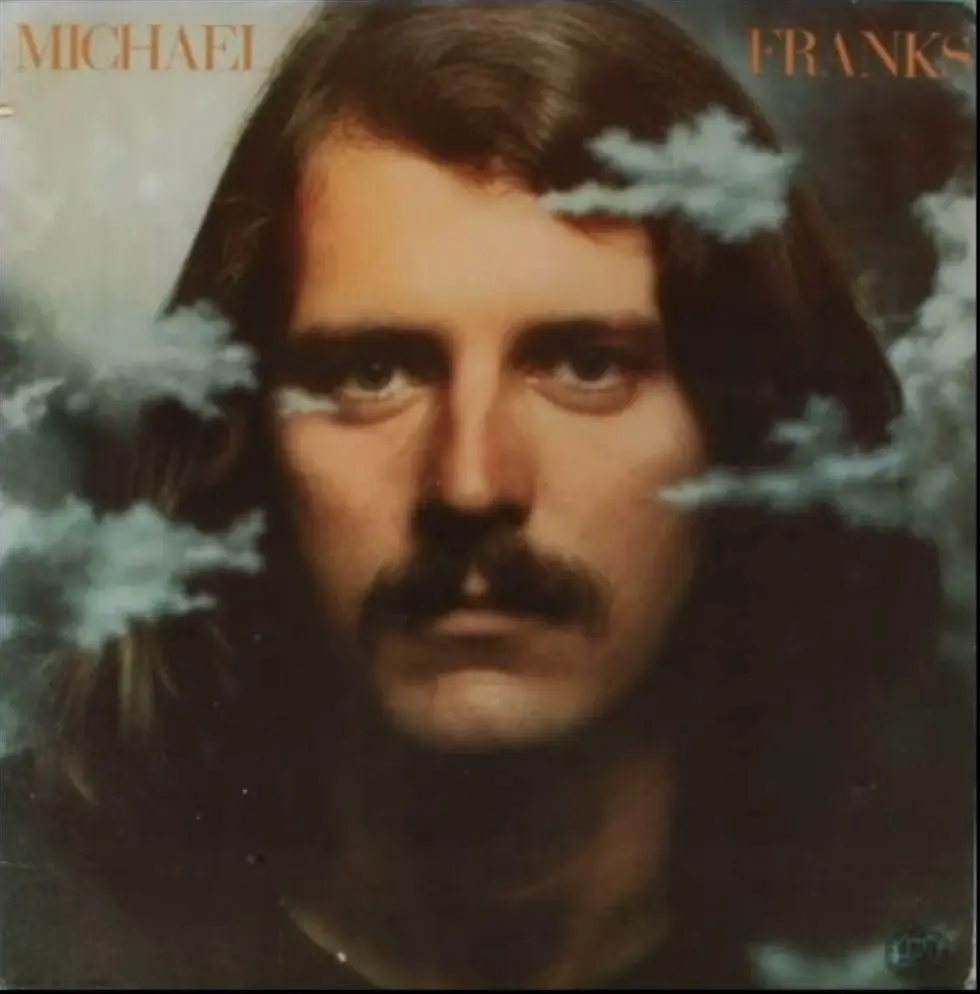 Michael Franks released his self-titled debut album in 1973 on Brut.
The album presents acoustic-vocal songs arranged with Los Angeles session players. Franks wrote all ten titles and performs vocals, acoustic guitar, banjo, and mandolin. His rhythm cast includes bassists Carol Kaye and Max Bennett, drummers Paul Humphrey and Ed Greene, guitarist Louie Shelton, reed player Tom Scott, and keyboardists Maurice Rodgers, David Paich, and Larry Muhoberac.
“King of Oklahoma” trots through a D–C–G loop while an Oklahoma hopeful carries his singer’s dream toward Los Angeles. “Dobro Ladies” twangs through dobro figures and female backing voices. “Three Today” muses over a young father’s self-repair, with the lyric steering the domestic scene into faith trouble. “Can’t Seem to Shake This Rock and Roll” slides from conservatory name-drops into wah-wah guitar, as the singer drops Mozart, Beethoven, and Ravel but keeps circling his first music.
A1. “King of Oklahoma” (3:10)
A2. “Dobro Ladies” (2:46)
A3. “Three Today” (4:02)
A4. “Little Sparrow” (3:02)
A5. “Born With the Moon in Virgo” (6:13)
B1. “Just Like Key Largo” (3:32)
B2. “Can’t Seem to Shake This Rock and Roll” (4:18)
B3. “When Blackbirds Fly” (3:15)
B4. “Lovesick Lizzie” (3:07)
B5. “Life’s Little Highway” (4:18)
Franks recorded Michael Franks at Western Recorders and Sound Labs in Hollywood with producer Richard Markowitz and engineer Bart Chiate.
Michael Franks appeared in a sleeve with art direction and photography by Norman Seeff.
Brut lifted “The King of Oklahoma” as a 1973 single, backed with “Can’t Seem to Shake This Rock and Roll.” On its tenth anniversary, the album reappeared under a new sequence as Previously Unavailable on John Hammond Records, which plugged the re-released with the 1973 b-side backed with “Just Like Key Largo.”
The Art of Tea
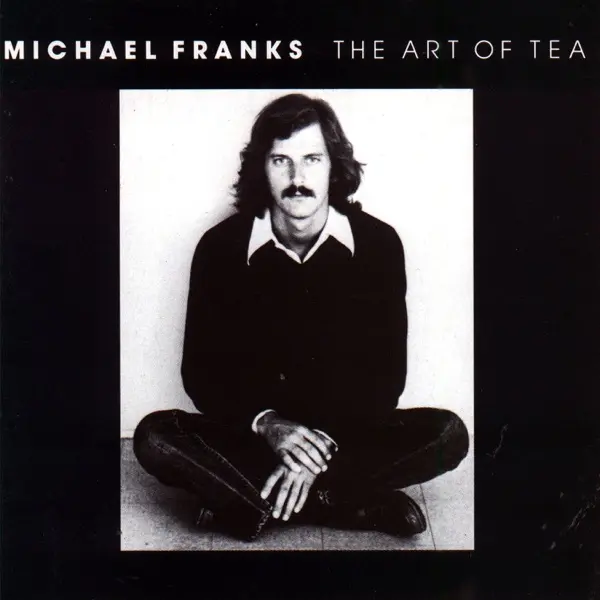 Michael Franks released his second album, The Art of Tea, in 1975 on Reprise.
The Art of Tea contains eight Franks originals and “Nightmoves,” a co-write with Michael Small. The album presents compact jazz-vocal songs with electric piano, guitar, string charts, and horn solos. Franks works with Crusaders members Joe Sample, Larry Carlton, and Wilton Felder, joined by drummers John Guerin and Steve Gadd, vibraphonist Larry Bunker, saxophonists David Sanborn and Michael Brecker, and string arranger Nick DeCaro.
“Nightmoves” sways over bent-note guitar and late-night chords while Franks sketches a movie scene with fading credits and distant lovers. “Eggplant” finger-snaps around vocal stretches and culinary double entendre, with a “land of Yin” aside underlining the bedroom code. “Monkey See-Monkey Do” slips across a rock-solid beat and Fender Rhodes punctuation, with “peaches” as the lover’s nickname and Sanborn’s alto break. “St. Elmo’s Fire” lingers over strings and a longing lyric in Franks’s relaxed delivery.
“I Don’t Know Why I’m So Happy I’m Sad” drifts through understated accompaniment and quick rhymes on romantic self-contradiction. “Jive” springs through uptempo phrasing and fades on Brecker’s unresolved tenor break. “Popsicle Toes” bounces through vibraphone accents and bluesy piano touches while Franks works coy double entendre. “Sometimes I Just Forget to Smile” shuffles through quick rhymes and pop-culture asides, then leaves space for a Sample solo. “Mr. Blue” settles into acoustic piano and strings before Sanborn’s smoky alto fills the fade.
A1. “Nightmoves” (4:03) – Franks, Small
A2. “Eggplant” (3:34)
A3. “Monkey See—Monkey Do” (3:33)
A4. “St. Elmo’s Fire” (3:58)
A5. “I Don’t Know Why I’m So Happy I’m Sad” (4:16)
B1. “Jive” (3:16)
B2. “Popsicle Toes” (4:35)
B3. “Sometimes I Just Forget to Smile” (3:45)
B4. “Mr. Blue” (4:03)
Franks recorded The Art of Tea at Capitol Studios in Hollywood between May and June 1975 with producer Tommy LiPuma and engineer Al Schmitt.
The Art of Tea appeared in a sleeve with art direction by Ed Thrasher and photography by Linda Levine.
Reprise lifted “Popsicle Toes” as a June 1976 single, backed with “I Don’t Know Why I’m So Happy I’m Sad.” The single reached No. 43 on the Billboard Hot 100 and No. 45 on the Billboard Easy Listening chart.
The Art of Tea reached No. 131 on the Billboard 200 chart. “Popsicle Toes” inspired a cover by the Manhattan Transfer on their 1976 third album Coming Out.
Sleeping Gypsy
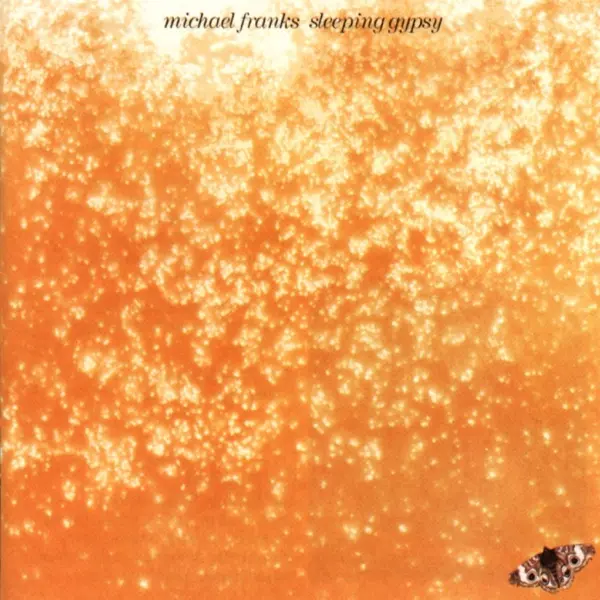 Michael Franks released his third album, Sleeping Gypsy, in January 1977 on Warner Bros.
Sleeping Gypsy contains six Franks originals, plus co-writes with John Guerin and Joe Sample. The album retains Sample, Carlton, Felder, Guerin, Bunker, Sanborn, and Brecker from The Art of Tea. Franks adds Brazilian players João Donato, Hélio Delmiro, João Palma, and Ray Armando, with string arrangements by Claus Ogerman.
“The Lady Wants to Know” saunters through minor blues shading while Franks threads household friction into Coltrane and Miles references. “B’wana-He No Home” sways through a solitude vignette, with the householder willing to lose his money as long as no one breaks his isolation.
“Don’t Be Blue” brightens into a small swinger, with Antony and Cleopatra worked into the lyric before Sanborn’s alto solo. “Antonio’s Song” glides through a Jobim tribute in relaxed, Brazilian-leaning motion. “Down in Brazil” strolls through café figures, high heels, and banana trees while Franks places the travel scene inside a soft rhythmic sway.
A1. “The Lady Wants to Know” (4:45)
A2. “I Really Hope It’s You” (4:54)
A3. “In the Eye of the Storm” (5:55)
A4. “B’wana-He No Home” (4:57)
B1. “Don’t Be Blue” (3:28) – Franks, Guerin
B2. “Antonio’s Song (The Rainbow)” (5:03)
B3. “Chain Reaction” (5:14) – Franks, Sample
B4. “Down in Brazil” (4:33)
Franks recorded Sleeping Gypsy at Capitol Studios in Hollywood with producer Tommy LiPuma and engineer Al Schmitt.
Sleeping Gypsy appeared in a sleeve with art direction and design by Glen Christensen, illustrations by Michael Bryan, and photography by Linda Levine.
Warner Bros. lifted “The Lady Wants to Know” as a March 1977 single, backed with “In the Eye of the Storm.” Sleeping Gypsy reached No. 119 on the Billboard 200 chart.
Burchfield Nines
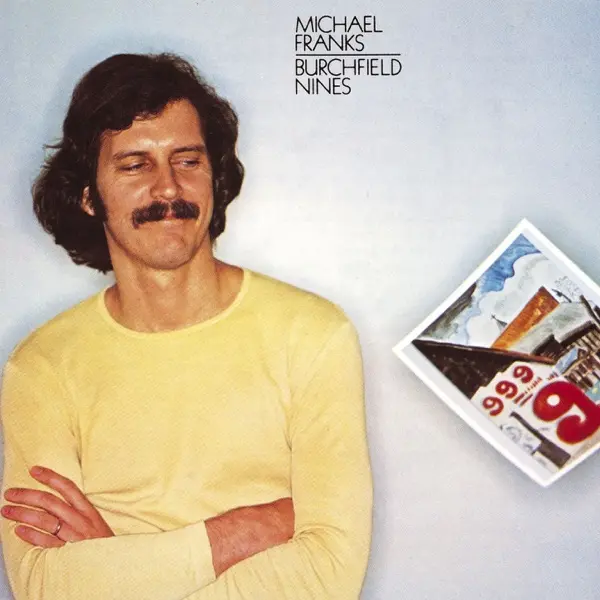 Michael Franks released his fourth album, Burchfield Nines, in 1978 on Warner Bros.
Burchfield Nines contains eight Franks originals. The album places Franks with an East Coast rhythm cast that includes pianist Leon Pendarvis, guitarist John Tropea, bassist Will Lee, drummer Steve Gadd, and percussionist Ralph MacDonald. Eumir Deodato arranged and conducted the orchestral parts, with solos by saxophonist Ernie Watts, flutist Bud Shank, trumpeter Oscar Brashear, and cellist Edgar Lustgarten.
“A Robinsong” bounces across walking bass and alternating vocal stresses, then lets Franks lean behind the beat in the second section. “When the Cookie Jar Is Empty” teases its pantry metaphor through low-key innuendo. “Wrestle a Live Nude Girl” flirts with a risqué conceit in Franks’s dry conversational placement.
“In Search of the Perfect Shampoo” slips another erotic joke into polished, urbane phrasing. “Vivaldi’s Song” settles around acoustic guitar, flute, and cello details without breaking the album’s soft-spoken surface.
A1. “When the Cookie Jar Is Empty” (5:11)
A2. “A Robinsong” (3:49)
A3. “Wrestle a Live Nude Girl” (4:35)
A4. “Burchfield Nines” (4:40)
B1. “Meet Me in the Deerpark” (6:02)
B2. “Dear Little Nightingale” (5:02)
B3. “In Search of the Perfect Shampoo” (4:06)
B4. “Vivaldi’s Song” (4:12)
Franks recorded Burchfield Nines at House of Music in West Orange and Capitol Studios in Hollywood with producer Tommy LiPuma, engineer Al Schmitt, and engineer Jeffery Kawalek.
Burchfield Nines appeared in a sleeve with art direction by John Cabalka, design by Brad Kanawyer, and photography by Jean Paglioso.
Warner Bros. lifted “When the Cookie Jar Is Empty” as a 1978 single. Burchfield Nines reached No. 90 on the Billboard 200 chart.
Tiger in the Rain
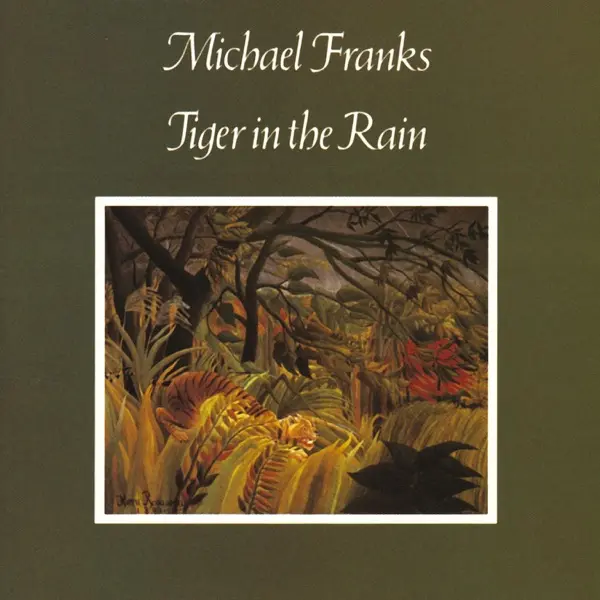 Michael Franks released his fifth album, Tiger in the Rain, in 1979 on Warner Bros.
Tiger in the Rain contains nine Franks originals and marks his first album with producer John Simon. The album uses piano, organ, concertina, vibraphone, percussion, and acoustic bass within Simon’s arrangements. The core cast includes guitarists Joe Caro and Bucky Pizzarelli, bassists Herb Bushler and Ron Carter, drummers Rick Marotta and Buddy Williams, percussionists Rubens Bassini and Errol Bennett, keyboardists Kenny Barron and Paul Griffin, and vibraphonist Mike Mainieri.
“Sanpaku” sways through percussion, bass, and tingly piano sections while the lyric follows twine smoke, chopped line, quicksand, and a brown-eyed rescue from self-poisoning. “When It’s Over” drifts across a free-flowing jazz background as Franks turns Freud and self-cure into a breakup diagnosis. “Jardin Botanico” shuffles south from New York winter toward clear sky, banana trees, and Copacabana air.
“Underneath the Apple Tree” quicksteps through a six-piece horn section and lively flute-and-sax breaks while the lyric lounges in suntan lotion and forbidden fruit. “Tiger in the Rain” floats from the Rousseau image into dreamy instrumentation and soft bossa motion. “Satisfaction Guaranteed” rocks harder through brass answers while Franks steers the come-on toward smoke, drink, and the River of Sin. “Lifeline” shelters a storm-swept sailor in piano, trumpet, and strings, with love cast as rescue after torn sails and rising water.
A1. “Sanpaku” (4:10)
A2. “When It’s Over” (3:03)
A3. “Living on the Inside” (5:36)
A4. “Hideaway” (4:09)
A5. “Jardín Botánico” [Botanical Garden] (3:32)
B1. “Underneath the Apple Tree” (5:52)
B2. “Tiger in the Rain” (4:17)
B3. “Satisfaction Guaranteed” (3:39)
B4. “Lifeline” (6:10)
Franks recorded Tiger in the Rain at A&R Recording in New York during November 1978 with producer John Simon and engineer Glenn Berger.
Tiger in the Rain uses Henri Rousseau’s painting Tiger in a Tropical Storm on the cover. John Calbaka handled art direction, and Claudia Franks handled design and photography.
Warner Bros. lifted “When It’s Over” as a 1979 single. Tiger in the Rain reached No. 68 on the Billboard 200 chart.
One Bad Habit
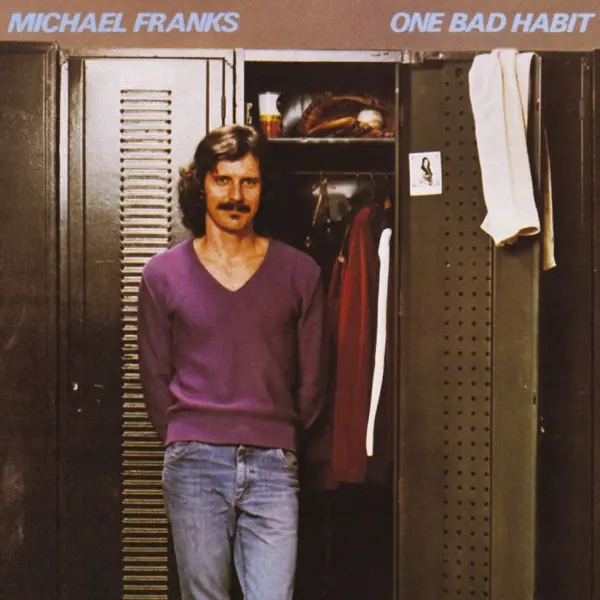 Michael Franks released his sixth album, One Bad Habit, in April 1980 on Warner Bros.
One Bad Habit contains eight Franks originals and “Lotus Blossom,” a co-write with Don Grolnick. The album returns Franks to Tommy LiPuma, who co-produced the sessions with André Fischer. Grolnick, Tennyson Stephens, and Larry Williams form the main keyboard cast beside guitarists David Spinozza and Eric Gale, bassist Dennis Belfield, drummer Rick Marotta, and percussionist Lenny Castro.
“Baseball” teases through a wailing guitar entrance and a low-key body while Franks turns a 3–2 count, tight uniform, and slide toward home into bedroom code. “Lotus Blossom” drifts through a tender love scene, with longing and mystery held inside the soft arrangement. “One Bad Habit” glides through a playful relationship confession in Franks’s dry conversational phrasing. “Still Life” softens around acoustic bass and guitar detail. “He Tells Himself He’s Happy” sighs over a man who dials, hangs up, and talks himself into emotional repair.
A1. “Baseball” (3:50)
A2. “Inside You” (4:11)
A3. “All Dressed Up With Nowhere to Go” (3:47)
A4. “Lotus Blossom” (4:15) – Franks, Grolnick
A5. “On My Way Home to You” (4:52)
B1. “One Bad Habit” (4:06)
B2. “Loving You More and More” (3:44)
B3. “Still Life” (4:12)
B4. “He Tells Himself He’s Happy” (5:11)
Franks recorded One Bad Habit at Power Station in New York and Capitol Studios in Hollywood with producers Tommy LiPuma and André Fischer and engineer Al Schmitt.
One Bad Habit appeared in a sleeve with art direction by Peter Whorf and photography by Fred Valentine.
Warner Bros. lifted “On My Way Home to You,” “One Bad Habit,” and “Baseball” as singles. One Bad Habit reached No. 83 on the Billboard 200 chart.
Objects of Desire
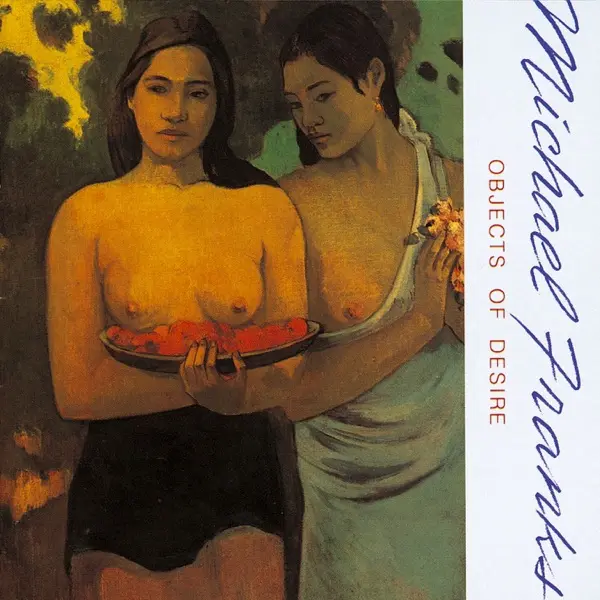 Michael Franks released his seventh album, Objects of Desire, in 1982 on Warner Bros.
Objects of Desire contains nine Franks originals and starts his early-eighties studio sequence with keyboardist and programmer Rob Mounsey. The album features producers Michael Colina and Ray Bardani, with guitarists Nick Moroch and Larry Carlton, bassists Neil Jason and Mark Egan, drummers Andy Newmark and Harvey Mason, saxophonists Michael Brecker and David Sanborn, and vocal guests S. Renee Diggs, Bonnie Raitt, and Luther Vandross.
“Jealousy” shimmers through brass-and-saxophone figures around Franks’s compact vocal line. “Ladies’ Nite” twines Franks with Bonnie Raitt over piano, guitar, and synthesizer detail. “No-Deposit Love” leans into its contractual romance conceit with percussion and soft keyboard shading. “Laughing Gas” flirts through bright horns and Franks’s sly love-song manner. “Wonderland” floats on stacked backing voices and rounded synthesizer tones.
“Tahitian Moon” drifts toward Gauguin-framed island romance. “Flirtation” slips through backing-vocal replies and acoustic guitar detail. “Love Duet” hushes into the Franks–Sherlyn Renee Diggs exchange, with Sanborn’s alto and strings under the vocal pair. “No One But You” settles into a soft-spoken finish with flute interwoven with guest guitarist Steve Khan.
A1. “Jealousy” (3:35)
A2. “Ladies’ Nite” (4:08)
A3. “No Deposit Love” (5:10)
A4. “Laughing Gas” (3:22)
A5. “Wonderland” (5:00)
B1. “Tahitian Moon” (4:34)
B2. “Flirtation” (3:42)
B3. “Love Duet” (4:58)
B4. “No One But You” (4:43)
Franks recorded Objects of Desire at Minot Sound in White Plains, Warner Bros. Recording Studios and Jennifudy Recording Studios in North Hollywood, and Room 335 in Hollywood with producers Michael Colina and Ray Bardani.
Objects of Desire appeared in a sleeve with art direction and design by Simon Levy, photography by Barry McKinley, and a cover image drawn from Paul Gauguin.
Warner Bros. lifted “Jealousy” and “Love Duet” as singles. Objects of Desire reached No. 45 on the Billboard 200 chart.
Passionfruit
 Michael Franks released his eighth studio album, Passionfruit, in 1983 on Warner Bros.
Passionfruit contains ten Franks originals and begins his production sequence with Rob Mounsey. Mounsey leads the keyboard and programming cast beside keyboardist Pat Rebillot, guitarists Hiram Bullock and John Tropea, bassists Will Lee and Neil Jason, drummers Chris Parker and Steve Gadd, and percussionist Naná Vasconcelos. The guest list includes harmonica player Toots Thielemans, trumpeter Randy Brecker, singer Astrud Gilberto, and AWB frontman Hamish Stuart.
“Alone at Night” glistens through horn figures, piano, and Bullock’s guitar solo. “Never Satisfied” murmurs over harmonica, Fender Rhodes, percussion, and soft backing voices. “Amazon” sways into rainforest imagery with Naná Vasconcelos percussion and Astrud Gilberto backing Franks. “Now That Your Joystick’s Broke” jerks through mechanical phrasing while the lyric turns space-invader rescue, King Kong, and a broken controller into sexual farce.
“Sunday Morning Here with You” lounges through a slow Sunday scene with Kenny Rankin folded into the backing voices. “Rainy Night in Tokyo” glides through recorder, electric piano, and rain-wet backing voices while Franks places his wedding-trip memory on the seventh of September. “Tell Me All About It” ripples across piano, Fender Rhodes, and Naná Vasconcelos percussion.
“When Sly Calls (Don’t Touch That Phone)” answers Randy Brecker’s muted-trumpet descent with a telephone vignette about a bad-news caller and an endless answering-machine dodge. “How the Garden Grows” closes the set in Franks’s relaxed, wordplay-driven manner.
A1. “Alone At Night” (4:30)
A2. “Never Satisfied” (3:52)
A3. “Amazon” (5:40)
A4. “Now That Your Joystick’s Broke” (2:48)
A5. “Sunday Morning Here With You” (4:33)
B1. “Never Say Die” (3:36)
B2. “Rainy Night in Tokyo” (4:42)
B3. “Tell Me All About It” (4:33)
B4. “When Sly Calls (Don’t Touch That Phone)” (5:53)
B5. “How the Garden Grows” (3:38)
Franks recorded Passionfruit at Automated Sound, Skyline, and Mediasound in New York with producer Rob Mounsey.
Warner Bros. lifted “When Sly Calls (Don’t Touch That Phone)” as a December 1983 single, backed with “Never Satisfied.”
Passionfruit reached No. 141 on the Billboard 200 and No. 4 on the Billboard Traditional Jazz Albums chart.
Skin Dive
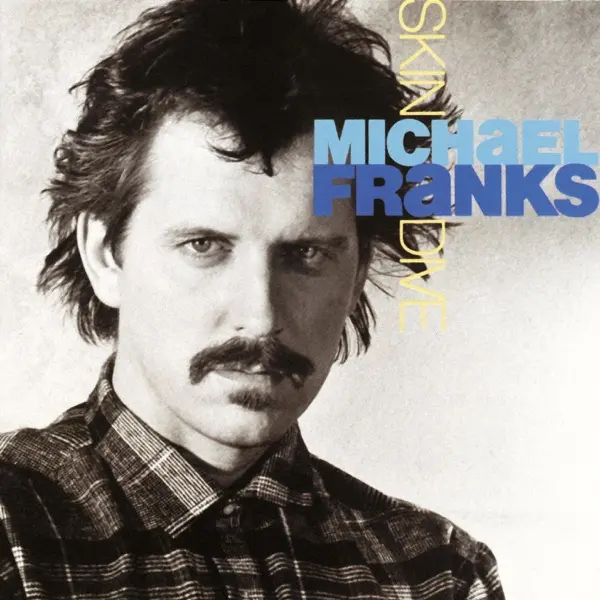 Michael Franks released his ninth studio album, Skin Dive, in 1985 on Warner Bros.
Skin Dive contains eight Franks originals and “Don’t Be Shy,” a co-write with Rob Mounsey. The album continues the Mounsey period with sequenced keyboard parts, horn voicings, and multiple bass/drum pairings. The session cast includes keyboardists Clifford Carter and Warren Bernhardt, guitarists Hiram Bullock and Steve Khan, bassists Marcus Miller and Will Lee, drummers Chris Parker and Steve Gadd, percussionist Manolo Badrena, and saxophonists David Sanborn and Michael Brecker.
“Read My Lips” snaps through Marcus Miller bass and Hiram Bullock guitar with Franks at his sharpest volume setting. “Let Me Count the Ways” pounds around Will Lee and Chris Parker, with the lyric turning an old phrase into flirtation arithmetic. “Your Secret’s Safe with Me” leans on Neil Jason bass and Steve Khan’s solo guitar while Franks profiles a promiscuous friend who wants true love in private. “Don’t Be Shy” glides toward David Sanborn’s saxophone break.
“When I Give My Love to You” duets with Brenda Russell, whose counterlines fold around Franks’s low-key vocal. “Queen of the Underground” claps from a cappella voices into a near-dance stride, with vocoder-treated Franks and Hiram Bullock guitar. “Now I Know Why (They Call It Falling)” eases through vocal interplay, synth bass, and another Sanborn break. “Please Don’t Say Goodnight” sways around fretless bass, percussion, and soft electric shading. “When She Is Mine” settles into old-band phrasing, with Warren Bernhardt piano, Michael Brecker saxophone, and Rob Mounsey’s horn chart.
A1. “Read My Lips” (3:38)
A2. “Let Me Count the Ways” (4:33)
A3. “Your Secret’s Safe With Me” (4:38)
A4. “Don’t Be Shy” (5:06) – Franks, Mounsey
A5. “When I Give My Love to You” (4:21)
B1. “Queen of the Underground” (4:25)
B2. “Now I Know Why (They Call It Falling)” (4:53)
B3. “Please Don’t Say Goodnight” (4:50)
B4. “When She Is Mine” (5:25)
Franks recorded Skin Dive at Automated Sound, Clinton Recording, and Skyline Studios in New York with producer Rob Mounsey.
Warner Bros. lifted “Queen of the Underground” as an April 1985 single, backed with “Now I Know Why (They Call It Falling).” “Your Secret’s Safe With Me” followed as a late-summer single, backed with “Please Don’t Say Goodnight.” The second single reached No. 4 on the Billboard Adult Contemporary chart. Skin Dive reached No. 137 on the Billboard 200 chart.
The Camera Never Lies
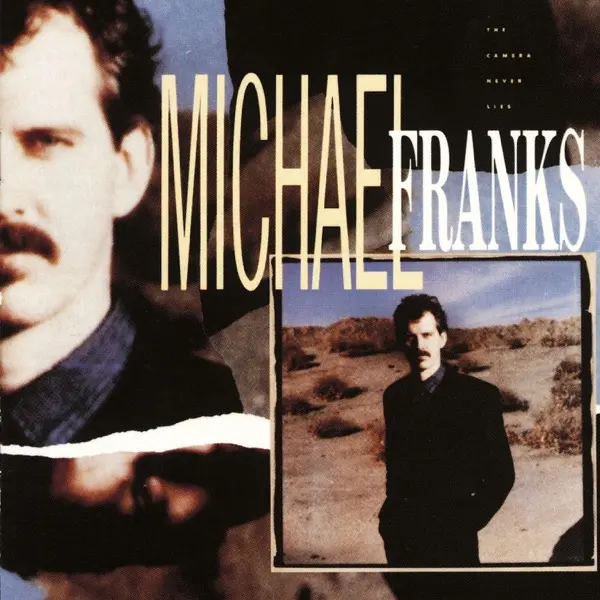 Michael Franks released his tenth studio album, The Camera Never Lies, in July 1987 on Warner Bros.
The Camera Never Lies contains seven Franks originals and co-writes with Rob Mounsey and Clifford Carter. The album retains Mounsey as producer and arranger within a New York studio cast. Franks works with keyboardists Richard Tee and Clifford Carter, guitarists Steve Khan and Hiram Bullock, bassists Neil Jason and Marcus Miller, drummers Dave Weckl and Chris Parker, percussionist Ralph MacDonald, saxophonists Michael Brecker and Bill Evans, and vocal guests Art Garfunkel and Patti Austin.
“Face to Face” searches through electric piano, brass, and saxophone figures while Franks places the dream lover between an ocean cliff, desert footprints, and an oasis. “I Surrender” yields over organ, horns, and Hiram Bullock’s solo guitar as Franks drops the solo pose and names Birth of the Cool as the old theme song. “The Camera Never Lies” warns over Marcus Miller bass, Steve Khan guitar, and Art Garfunkel backing voice while satellite images carry suffering into American rooms.
“Lip Service” banters through Richard Tee piano and layered female backing voices while Franks turns Bible scolding, nuclear reaction, and “Eighty-six it” into sexual wordplay. “When I Think of Us” remembers broken promises through Mark Egan fretless bass, Roger Squitero hand percussion, and Kacey Cisyk backing voice. “Island Life” escapes taxicabs, traffic, and burglary sounds for palm shade, ripe mango, and a hammock by the sea.
“Now You’re in My Dreams” pairs Franks with Patti Austin over Clifford Carter synthesizer and Michael Brecker EWI, with the lyric staged through a soundstage moonlight and a close-up for two. “Doctor Sax” transforms a grease monkey under the Flying Red Horse into a nighttime tenor player, with Michael Brecker carrying the instrumental role. “Innuendo” hesitates around Earl Klugh guitar as cappuccino, Ravel’s Bolero, honeysuckle, and a laughing cabdriver turn polite talk into surrender.
A1. “Face to Face” (4:26)
A2. “I Surrender” (4:01)
A3. “The Camera Never Lies” (3:37)
A4. “Lip Service” (4:13)
A5. “When I Think of Us” (4:18)
B1. “Island Life” (4:17) – Franks, Mounsey
B2. “Now You’re in My Dreams” (4:11) – Franks, Carter
B3. “Doctor Sax” (5:48)
B4. “Innuendo” (5:55)
Franks recorded The Camera Never Lies at Flying Monkey, Giant Sound, RPM, Automated Sound, and Clinton Recording in New York with producer Rob Mounsey.
The Camera Never Lies appeared in a sleeve with art direction and design by Gabrielle Raumberger and photography by Larry Williams.
Warner Bros. lifted “Island Life,” “The Camera Never Lies,” and “Doctor Sax” as singles. The Camera Never Lies reached No. 147 on the Billboard 200 and No. 7 on the Billboard Top Contemporary Jazz Albums chart.
Blue Pacific
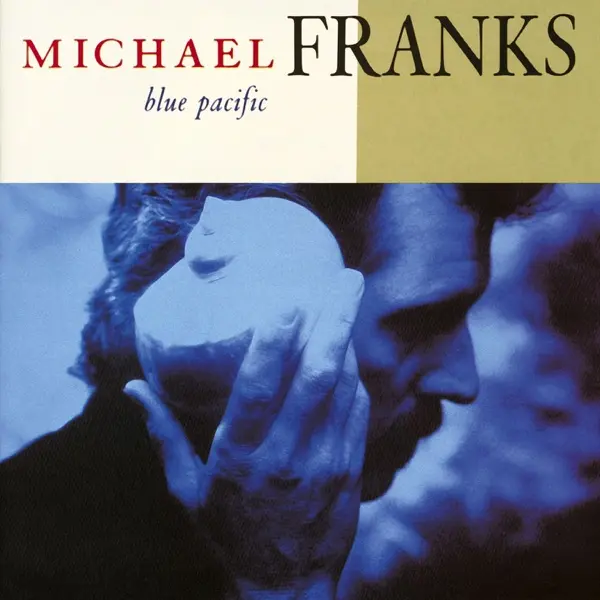 Michael Franks released his eleventh studio album, Blue Pacific, in May 1990 on Reprise.
Blue Pacific contains ten Franks originals and divides its production among Jeff Lorber, Walter Becker, and Tommy LiPuma. Lorber splits keyboards with John Beasley and Joe Sample.
The album also features guitarists Paul Jackson Jr. and Larry Carlton, bassists Neil Stubenhaus and John Patitucci, drummers Peter Erskine and Vinnie Colaiuta, percussionists Luis Conte and Alex Acuña, saxophonists Kirk Whalum and Bob Sheppard, and backing singers Brenda Russell and Livingston Taylor.
“The Art of Love” cruises through Jeff Lorber keyboards, Paul Jackson Jr. guitar, Marc Russo saxophone, and Luis Conte percussion. “Woman in the Waves” drifts from the Noa Noa material into wave imagery, with Brenda Russell and Bunny Hull behind Franks. “All I Need” floats on Dean Parks and Buzzy Feiten guitars, John Beasley keyboards, and Alex Acuña–Mike Fisher percussion. “Long Slow Distance” glows around Joe Sample piano, Larry Carlton guitar, and Larry Williams synthesizer.
“Vincent’s Ear” addresses Van Gogh from Gauguin’s side of the Noa Noa story, with Bob Sheppard saxophone and Bunny Hull backing voice in the arrangement. “Speak to Me” slips through Jeff Lorber programming and Kareem backing voice. “On the Inside” returns to the Noa Noa source with Marc Russo saxophone and Brenda Russell–Bunny Hull backing voices. “Chez Nous” settles into Joe Sample piano, Larry Carlton guitar, and Luis Conte percussion.
“Blue Pacific” ripples through Kirk Whalum saxophone, Michael Thompson guitar, and Luis Conte percussion. “Crayon Sun (Safe at Home)” shelters a child after journeys and storms, with Livingston Taylor backing Franks as the lyric closes the door on the outside world.
A1. “The Art of Love” (4:10)
A2. “Woman in the Waves” (5:58)
A3. “All I Need” (4:46)
A4. “Long Slow Distance” (5:09)
A5. “Vincent’s Ear” (6:21)
B1. “Speak to Me” (5:01)
B2. “On the Inside” (5:12)
B3. “Chez Nous” [Our Place] (4:29)
B4. “Blue Pacific” (4:58)
B5. “Crayon Sun (Safe At Home)” (6:20)
Franks recorded Blue Pacific at JHL Sound in Pacific Palisades, Soundworks West in Los Angeles, Ground Control in Burbank, Ocean Way and Cherokee in Hollywood, and Larrabee and Schnee in North Hollywood.
Blue Pacific appeared in a sleeve with art direction and design by Jeri and John Heiden and photography by Kip Lott.
Reprise lifted “The Art of Love” and “Speak to Me” as singles. “The Art of Love” reached No. 59 on the US R&B chart, and “Speak to Me” reached No. 73 on the same chart. Blue Pacific reached No. 121 on the Billboard 200 chart.
Discography:
- Michael Franks (1973)
- The Art of Tea (1975)
- Sleeping Gypsy (1977)
- Burchfield Nines (1978)
- Tiger in the Rain (1979)
- One Bad Habit (1980)
- Objects of Desire (1982)
- Passionfruit (1983)
- Skin Dive (1985)
- The Camera Never Lies (1987)
- Blue Pacific (1990)
Sources:
Artist/Album Pages:
The Heavy Metal Kids were an English hard-rock/pop band from London that released a self-titled al...
The Abrial Stratageme Group was a French hard-rock/art-rock band that released the 1977 album Mann...
Locomotiv GT was a Hungarian rock band from Budapest. Ringasd el magad and Bummm! established the ...
Sods were a Danish new wave band that emerged from the Copenhagen punk scene with the 1979/80 alb...
I-Ten was an American melodic-rock duo behind the 1983 Epic album Taking a Cold Look, a West Coast...
René & Angela were an American soul-funk duo from Los Angeles, formed in 1977 by René Moore an...
The 24th. Street Band was an American jazz-funk quartet formed by prolific New York session playe...
Música Urbana was a Spanish jazz-rock band that released the 1976–78 albums Música Urbana and Iber...
Mr Fox was an English folk-rock band from London led by the husband-and-wife team of singer/multi-...
Dragon are a New Zealander rock band that released nine studio albums between 1974 and 1989 and scor...
Jane Kennaway is an English new wave singer and songwriter who released four shortplayers between ...
49th Parallel was a Canadian pop-psych band that released multiple singles on RCA and Venture duri...