

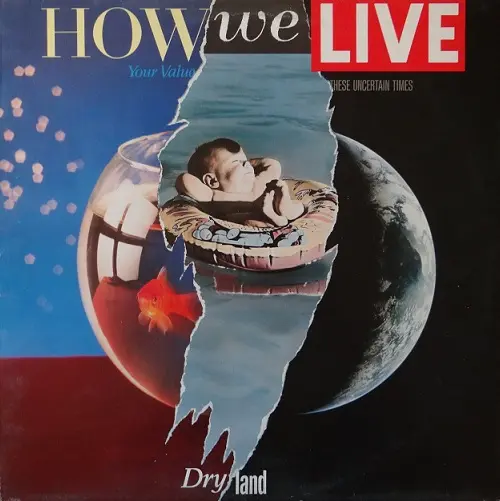
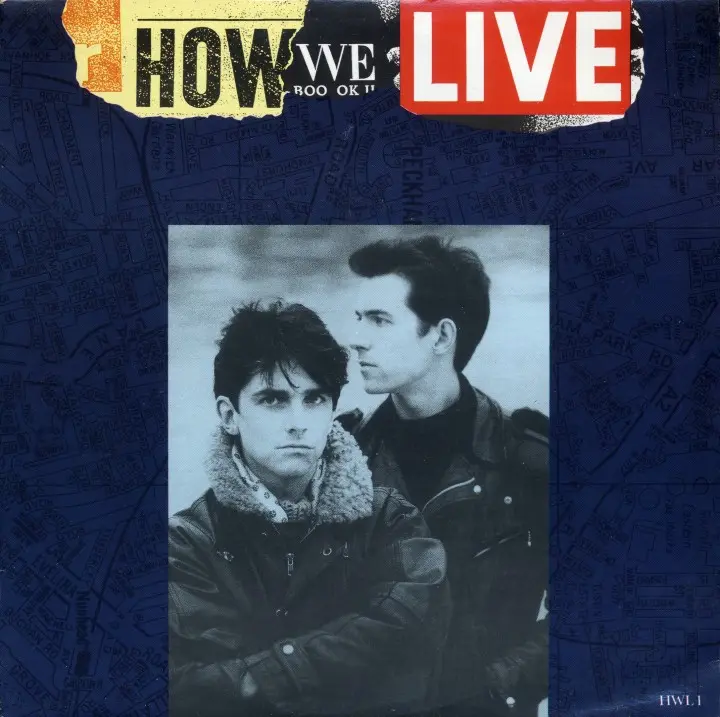
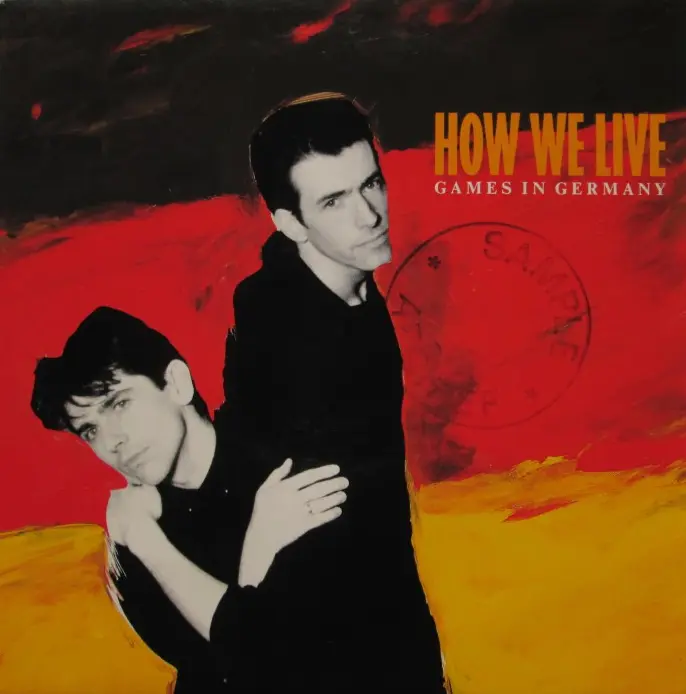
The Europeans were an English synthpop/art-pop band that released the 1983/84 A&M albums Vocabulary and Recurring Dreams. Guitarist Colin Woore and singer/keyboardist Steve Hogarth formed the spinoff duo How We Live for the 1987 album Dry Land. In 1989, Hogarth joined Marillion as the permanent replacement of their original frontman, Fish.
Members: Steve Hogarth (lead vocals, programming, synthesizer), Colin Woore (guitar, backing vocals), Ferg Harper (lead vocals, bass), Geoff Dugmore (drums, marimba, bass synthesizer, backing vocals, programming)
Background
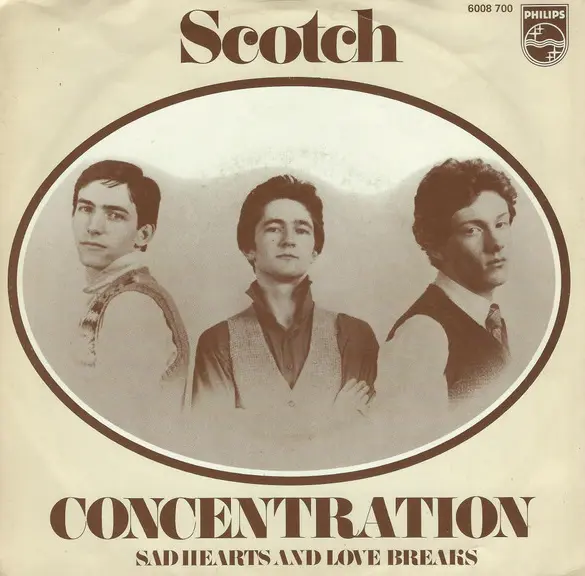 The Europeans evolved from Scotch, a Glaswegian trio formed in 1971 by drummer Geoff Dugmore, bassist–vocalist Ferg Harper, and guitarist Colin Woore. With keyboardist Alan Dalgleish, they issued two 1979 singles on Coma: “Concentration” (b/w “Sad Hearts and Love Breaks”) and “Take Me Tonight” (b/w “Next Weekend”). In 1980, after Dalgleish’s exit, the trio relocated to London and adopted the name Motion Pictures.
They placed an ad for a keyboardist and hired Steve Hogarth, a former member of Doncaster club act Harlow, which cut the uptempo 1978 rocker “Harry de Mazzio” (b/w “Nothing To You”) on Pepper Records. After relocating to Shepperton, the band renamed themselves the Europeans in early 1981. Hogarth, initially hired for keys and programming, soon split lead vocals with Harper.
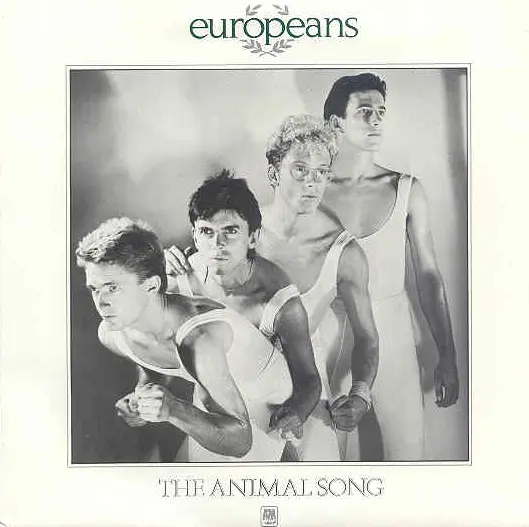 Their first recording appearance came as backing players on All Balls and No Willy, the 1982 album by comedy rocker John Otway. That September, the Europeans debuted on A&M with the single “The Animal Song,” the opener of their eventual album backed with “Someone’s Changing,” an exclusive track.
A. “Someone’s Changing” (3:42)
The band should not be confused with Europeans, an earlier Bristol-based synthpunk band (with future Specimen/Banshees guitarist Jon Klein) that issued the 1978 single “Europeans” (b/w “Voices”) on Heartbeat Records.
Vocabulary
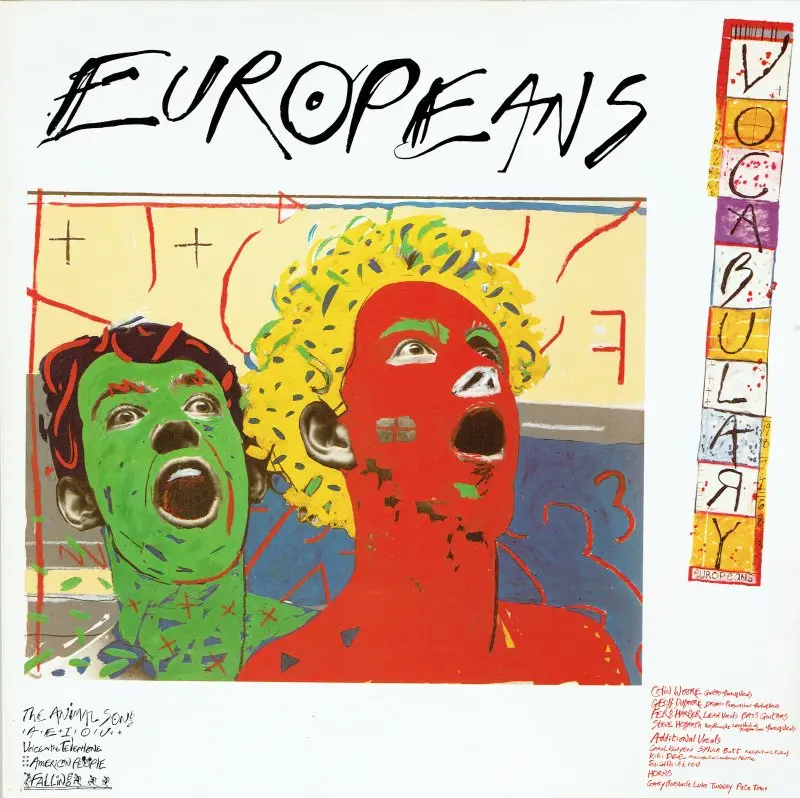 The Europeans released their debut album, Vocabulary, in 1983 on A&M.
It presents a layered, studio-built sound that merges tightly sequenced electronics with atmospheric vocal passages and stylized instrumental interplay. Guitarist Colin Woore threads clean, stratified chords around Steve Hogarth’s Fairlight textures and piano filigree, while Geoff Dugmore accents the arrangements with tonal percussion and synthetic low-end. Ferg Harper handles bass lines and most lead vocals, with Hogarth stepping forward on the album’s six-minute closer.
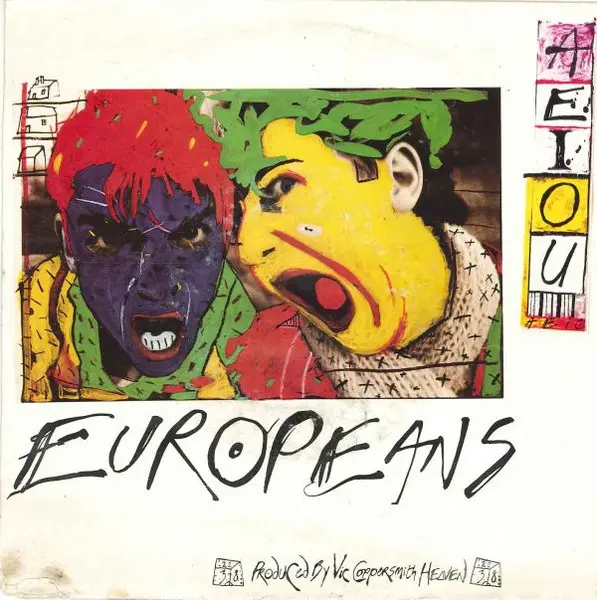 A1. “The Animal Song” (3:50)
A2. “A.E.I.O.U.” (4:00)
A3. “Voice on the Telephone” (3:43)
A4. “American People” (3:10)
A5. “Falling” (5:20)
B1. “Recognition” (3:35)
B2. “Innocence” (4:00)
B3. “Spirit of Youth” (3:34)
B4. “Modern Homes” (3:21)
B5. “Kingdom Come” (6:00)
Sessions took place at the Manor Mansion and Town House with Jam producer Vic Coppersmith-Heaven. Europeans recorded two tracks—“American People” and “Falling”—at Crescent Studios in Bath with David Lord, a recent soundman for Peter Hammill. Lord remixed four tracks, including the debut single “The Animal Song,” originally produced by Trevor Vallis.
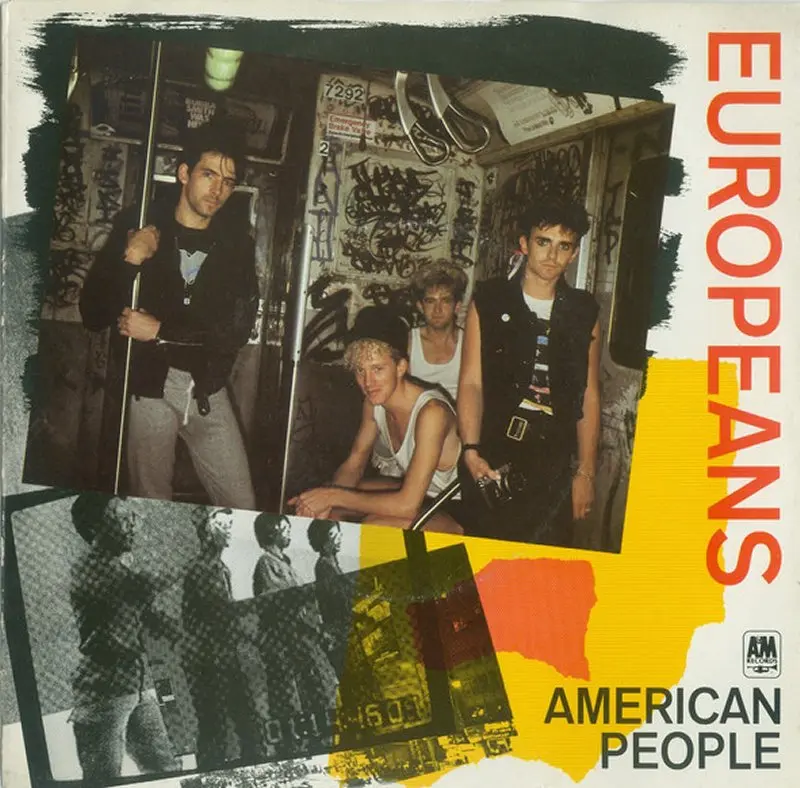 Additional vocal contributions came from Toni Childs, Carol Kenyon, Kiki Dee, and Sylvia Butt. Select tracks feature horn parts arranged by Endgames auxiliary trumpeter Luke Tunney, Landscape trombonist Pete Toms, and Leisure Process saxophonist Gary Barnacle.
They issued “A.E.I.O.U.” as a May 1983 single (b/w “Someone’s Changing”). “Recognition” appeared that August, backed with the non-album “New Industry.” In November, “American People” became the fourth Vocabulary a-side, backed with “Going to Work,” a lengthy exclusive.
B. “New Industry” (3:06)
B. “Going to Work” (6:08)
Live
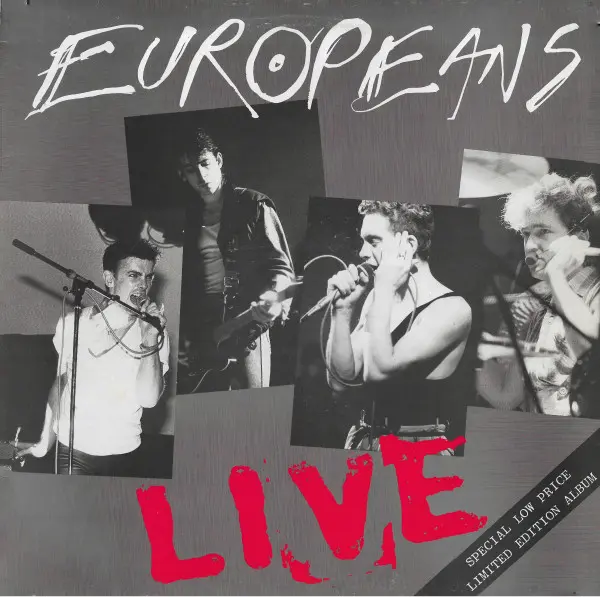 In February 1984, A&M issued Live, a document of the Europeans’ recent tour.
Captured during two December 1983 performances, the album reflects the band’s heightened interplay in a live setting, with alternating lead vocals from Ferg Harper and Steve Hogarth. Guitarist Colin Woore pushes his lines to the front with sharp phrasing and ambient sustain, balancing Hogarth’s chordal keyboard layers and sustained melodic accents. Geoff Dugmore enhances the arrangements with percussive depth and vocal reinforcement, rounding out a full-stage dynamic.
A1. “Typical” (3:16)
A2. “American People” (3:23)
A3. “Joining Dots” (4:22)
A4. “Innocence” (3:28)
A5. “Spirit of Youth” (3:33)
A6. “Going to Work” (5:02)
B1. “A.E.I.O.U.” (5:00)
B2. “The Animal Song” (5:30)
B3. “Tunnel Vision” (5:20)
B4. “Falling” (7:00)
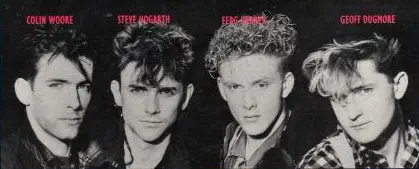 Engineers captured the performances on December 15–16, 1983, for A&M Records Ltd., with mixing handled by David Lord. Hogarth and Harper divide lead vocals across the set, with Hogarth leading on “Joining Dots,” “Going to Work,” and “Tunnel Vision.” David Lord’s mix lends clarity and emphasis to Dugmore’s drum sound and Harper’s bass tone while preserving the spatial balance of Woore’s guitar work and Hogarth’s keyboards.
“Listen”
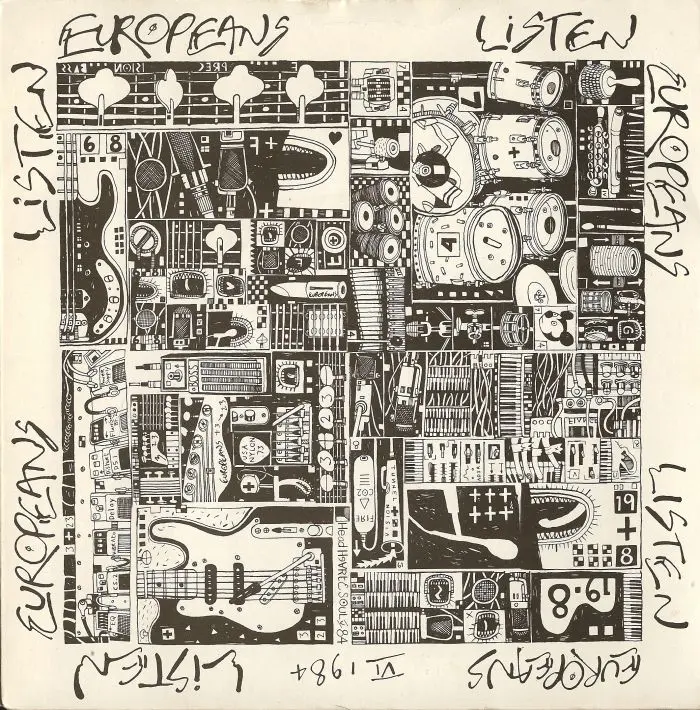 In June 1984, Europeans issued a standalone single: “Listen,” written by veteran British-Greek producer Chris Tsangarides, a onetime soundman for Brand X, Colosseum II, Gary Boyle, Japan, and recent titles by Gary Moore, Girlschool, Thin Lizzy, and Y&T.
A. “Listen” (3:56)
B. “Climb the Wall” (6:06)
Tsangarides produced “Listen” while Europeans co-produced “Climb the Wall” with Warne Livesey, who co-wrote the song and engineered their subsequent album. The single appeared as a 12″ on clear and transparent yellow vinyl.
Recurring Dreams
 The Europeans released their second studio album, Recurring Dreams, in October 1984 on A&M.
It explores spacious arrangements built on layered keyboards, interwoven guitar textures, and an expanded vocal presence from Steve Hogarth, who leads on five of the album’s eight tracks. Guitarist Colin Woore overlays clean, arpeggiated lines against Hogarth’s sustained keyboard figures, while Geoff Dugmore adds tonal contrast through vocal accents and arrangement-sensitive percussion. Ferg Harper, still active on bass and lead vocals, steps back from the frontman role established on the debut.
A1. “1001 Arguments” (4:15)
A2. “Home Town” (5:23)
A3. “Burning Inside You” (4:43)
A4. “You Don’t Want Me (In Your Life)” (5:13)
 B1. “Writing for Survival” (4:58)
B2. “Love Has Let Me Down” (4:14)
B3. “Don’t Give Your Heart to Anybody” (5:57)
B4. “Acid Rain” (6:24)
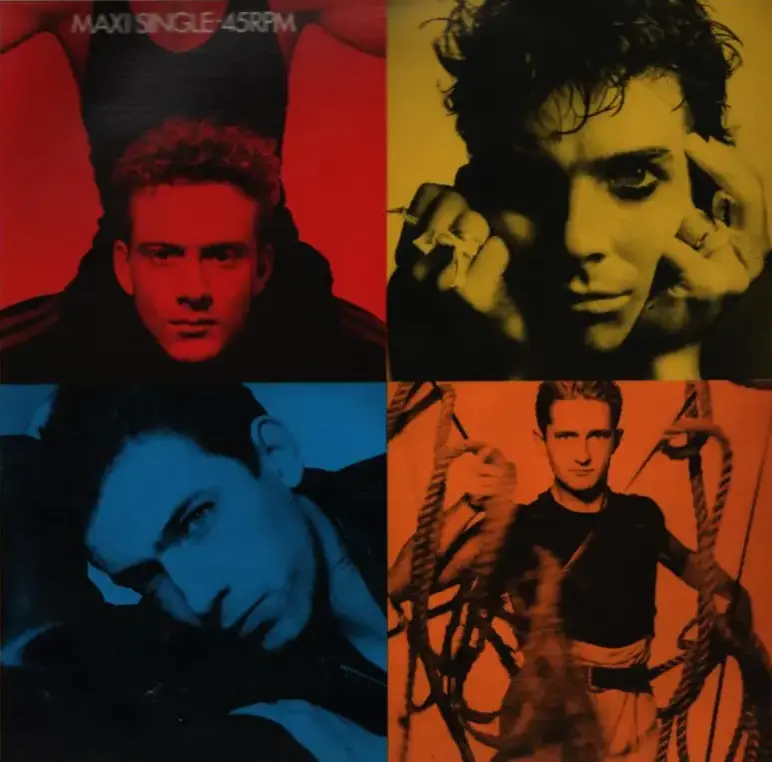
David Lord produced the album with engineering by Warne Livesey. Mastering took place with Tim Young. Barney Rachabane contributed alto and soprano saxophone to select passages, adding wind coloration to the predominantly synth-based textures. Visual design came from Simon Adamczewski with photography by Nick Knight and Michael Ross.
A&M lifted “Acid Rain” as a single, backed with the bit-parts track “Edits from Recurring Dreams.”
How We Live
Postlude
After Dry Land, Steve Hogarth considered stepping away from the music industry. At the suggestion of Darryl Way—founding member of Curved Air and a personal friend—he sent a demo to EMI, who passed it along to Marillion. The band, then searching for a replacement for departing vocalist Fish, invited Hogarth for an audition in early 1989. He joined shortly after and made his recording debut with Marillion on Seasons End, released in September 1989 as their fifth studio album.
Discography:
- Vocabulary (1983)
- Recurring Dreams (1984)
- Live (1984)
Sources:
Artist/Album Pages:
Jimmy Campbell (1944–2007) was an English singer-songwriter from Liverpool who started in the 1960s ...
Aucan was an Argentine folk-rock sibling quartet that made a 1977 self-titled album on Diorama, fo...
Prelude was an English folk-rock trio behind the 1973–76 Dawn/Pye albums How Long Is Forever, Dutc...
Ryuichi Sakamoto — 坂本龍一 (January 17, 1952 – March 28, 2023) — was a Japanese musician and composer...
Kim Wilde (born Nov. 18, 1960) is an English pop and dance singer who shot to fame with "Kids in A...
Mr. Mister was an American modern-rock band from Los Angeles, formed from the ashes of Pages. They...
Lembit Saarsalu Kvartett was an Estonian jazz-rock quartet led by the namesake saxist. The band re...
Lesley Duncan (Aug. 12, 1943 — March 12, 2010) was an English singer/songwriter who made the 1971/...
INXS was an Australian rock band from Sydney that started in a new wave/post-punk vein with two al...
Gaskin was an English hard-rock/metal band that released the 1981/82 Rondelet albums End of the Wo...
The Cars were an American new wave band that released six albums between 1978 and 1987 on Elektra. T...
Elmer Gantry's Velvet Opera was an English psych-rock band that released multiple singles and a 1968...