

Damnation of Adam Blessing was an American hard-rock/psych band from Cleveland that released three albums on United Artists between 1969 and 1971, followed by a fourth as Glory on small-press Avalanche in 1973.
Members: Adam Blessing [Bill Constable] (lead vocals), Bob Kalamasz (lead guitar, backing vocals), Jim Quinn (rhythm guitar, backing vocals), Ray Benick (bass guitar), Bill Schwark (drums), Kenny Constable (lead vocals, backing vocals)
Background
The Damnation of Adam Blessing formed in 1968 from two Cleveland garage bands: the Society and Dust. Guitarist Jim Quinn, a Parma native who taught himself right-handed guitar despite being left-handed, played in Larry & the Avengers before being drafted into the Air Force. After a one-year stint, he returned to Ohio and joined the Society, where he met vocalist Bill Constable (soon to be Adam Blessing) and his brother Ken.
The Society played local youth venues but dissolved when younger members left for college or military service. Constable and Quinn aimed to form an original act and recruited Dust guitarist Bob Kalamasz, bassist Ray Benich, and drummer Bill Schwark—formerly of the Alarm Clocks, a Parma garage-rock trio that cut the 1966 Awake Records single “Yeah” (b/w “No Reason to Complain”).
The new five-piece rehearsed intensively and became fixtures of the Cleveland circuit, sharing bills with the James Gang and Cyrus Erie. Constable adopted the name “Adam Blessing” from a Ray Bradbury book ad; the full band name came from The Damnation of Adam Blessing, a novel by Mary Jane Meeker, who later attended one of their New York shows.
The Damnation of Adam Blessing (album)
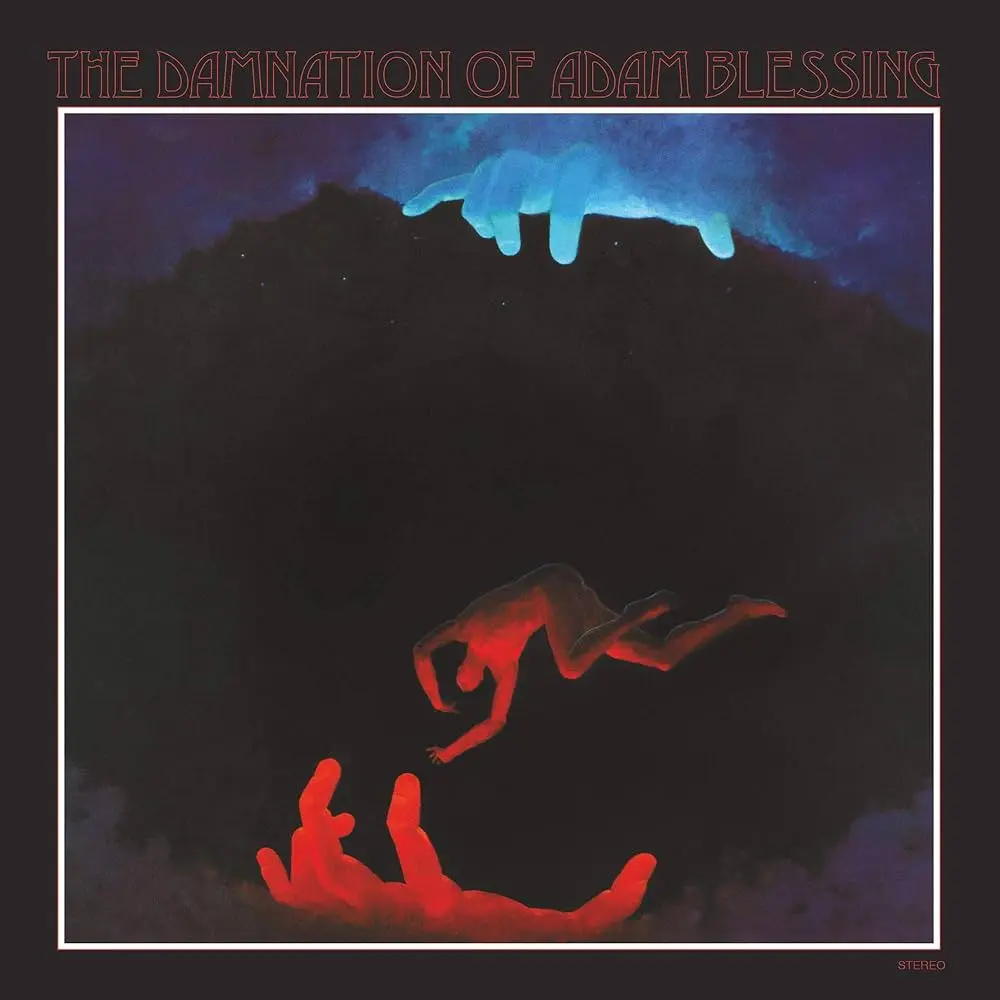 The Damnation of Adam Blessing released their self-titled debut album in December 1969 on United Artists.
Built around Adam Blessing’s raspy vocals and a rhythm section that favors shifting pulse over weight, the album spans hard-edged acid rock and faded psych with threads of folk, R&B, and baroque detail.
The nine-track set features five group originals by Blessing, Quinn, Kalamasz, Benick, and Schwark. Kalamasz handles lead guitar and backing vocals; Quinn plays rhythm guitar, percussion, and the “Electric Pillow” on “Strings and Things.” Blessing sings lead and plays recorder on “Dreams.” Benick and Schwark round out the rhythm section. Eric Stevens produced for Brilliant Sun Productions; Ken Hamann engineered at Cleveland Recording Company.
“Cookbook,” opens with Benick’s upfront bass underlying Blessing’s declarative phrasing. “Morning Dew” appears in a slowed, stately setting with restrained guitar lines and rich vocal inflection. “Le’ Voyage” moves at sprint pace with falsetto backing vocals and distorted leads over brisk percussion. “Strings and Things” places theatrical vocals and harpsichord under a crashing chorus shaped by the “Electric Pillow” effect. “Last Train to Clarksville” takes a looser, lower-pitched rhythmic approach. Instrumental textures vary from the baroque psych of “Dreams” to the sparse blues frame of “You Don’t Love Me,” which closes with panned voices and incidental studio sound.
A1. “Cookbook” (3:55) – dense rhythm track under Blessing’s forceful vocal line.
A2. “Morning Dew” (5:15) – originated on Bonnie Dobson at Folk City, the Canadian folk singer’s 1962 third album; covered since by The End and Tim Rose, who erroneously claimed co-authorship. DoAB’s version is a slowed arrangement with expressive vocal dynamics and restrained guitar.
A3. “Le’ Voyage” (3:53) – uptempo psych track with falsetto harmonies and driving bass.
A4. “You Don’t Love Me” (3:18) – originated as a 1969 Vee-Jay a-side by Arkansas R&B singer Willie Cobbs. DoAB’s version includes a blues-rock ending with panned vocal asides.
A5. “Strings and Things” (5:45) – harpsichord-accented ballad with experimental percussion and theatrical vocal.
B1. “Last Train to Clarksville” (4:18) – funk-inflected reinterpretation of the Monkees‘ hit, written by Tommy Boyce and Bobby Hart.
B2. “Dreams” (4:52) – ornate pop arrangement resembling late-period psych with recorder and layered textures.
B3. “Hold On” (2:16) – short-form psych-rock in the Yardbirds tradition.
B4. “Lonely” (4:55)
Sessions occurred at the Cleveland Recording Company, where Ken Hamann engineered the album on 16-track tape with live experimentation in mic placement and studio effects. Select instruments (harpsichord, recorder) augment the group’s standard rock arrangements. Art director Frank Gauna oversaw the cover, illustrated by Hans Weingaertner.
On Saturday, July 13, 1970, Damnation of Adam Blessing played the Cincinnati Pop Festival, a fourteen-hour, twenty-act event at Crosley Field with sets by Alice Cooper, Bloodrock, Mott the Hoople, Mountain, Savage Grace, The Stooges, Traffic, Ten Years After, and Zephyr.
Second Damnation
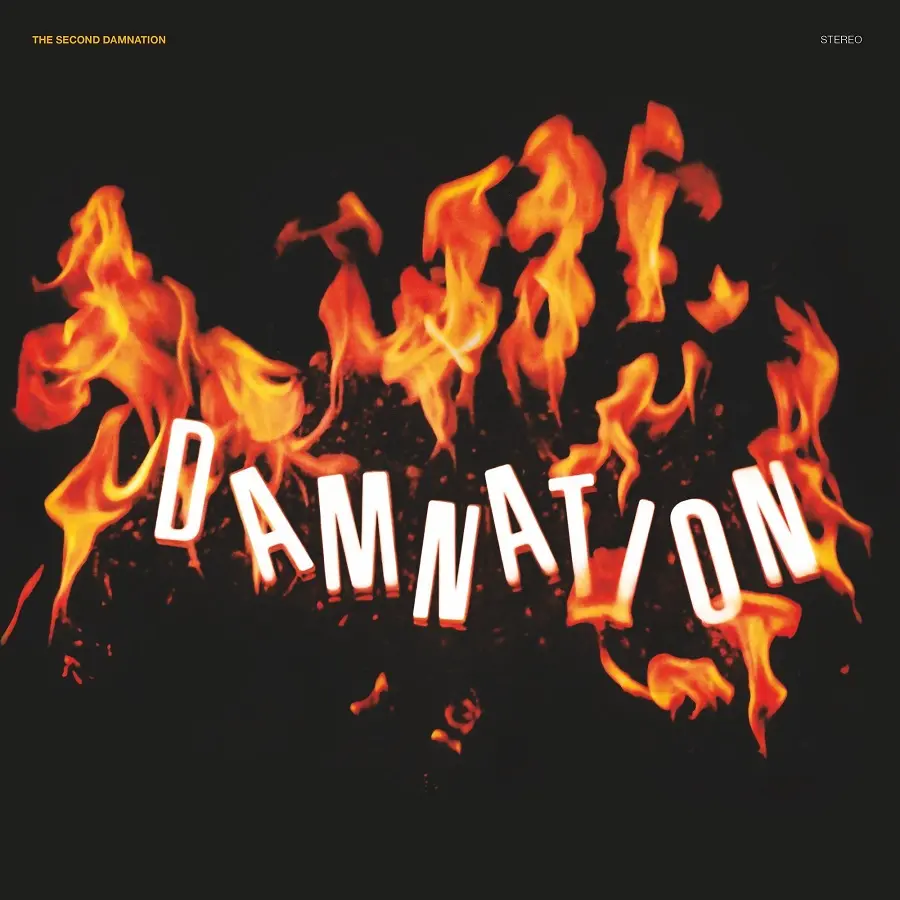 The Damnation of Adam Blessing released their second album, Second Damnation, in October 1970 on United Artists. The album retains the same lineup with heavier riff-centric structures, tighter instrumentation, rhythmic contrasts, and layered vocal harmonies.
“No Way” opens with fuzz-toned bass runs from Benich and sharp guitar interjections, setting a taut rhythmic pace. “Driver” follows with a clipped, forward-leaning cadence and standout vocal phrasing from Blessing. “Back to the River,” the album’s single, centers on a searing wah-wah riff and dynamic instrumental interplay. “Everyone” downshifts into a slower pace, marked by dual vocals from Blessing and his brother Ken.
Side B opens with “Money Tree,” where acoustic and electric textures trade space atop a staggered rhythm. “Ba-Dup” returns to brisk motion with terse phrasing and compressed instrumental jabs. “New York City Woman” stretches across nearly six minutes in a blues form, punctuated by long solos and down-tempo pacing. “In the Morning” extends the album’s scope further, with layered instrumental segments and time-shifted transitions. “Smile,” a brief closer, ends the album in contrast: clipped, minimal, and unresolved.
A1. “No Way” (3:17) – fuzz bass and clipped phrasing drive the opener
A2. “Death of a Virgin” (3:40)
A3. “Driver” (3:25) – tense pace with standout vocals
A4. “Everyone” (4:10) – slow, vocal-forward with harmonies from Ken Constable
A5. “Back to the River” (5:20) – wah-wah riff centerpiece with full-band dynamics
B1. “Money Tree” (4:48) – acoustic/electric texture over staggered rhythm
B2. “Ba-Dup” (3:20) – terse, fast-paced
B3. “New York City Woman” (5:54) – extended blues form
B4. “In the Morning” (6:13) – layered, time-shifting arrangement
B5. “Smile” (1:27) – abrupt, minimal closer
Eric Stevens returned as producer for Brilliant Sun Productions with engineer by Ken Hamann. Woody Woodward oversaw the artwork: a gatefold sleeve that features the title but not the band name.
Which Is the Justice, Which Is the Thief
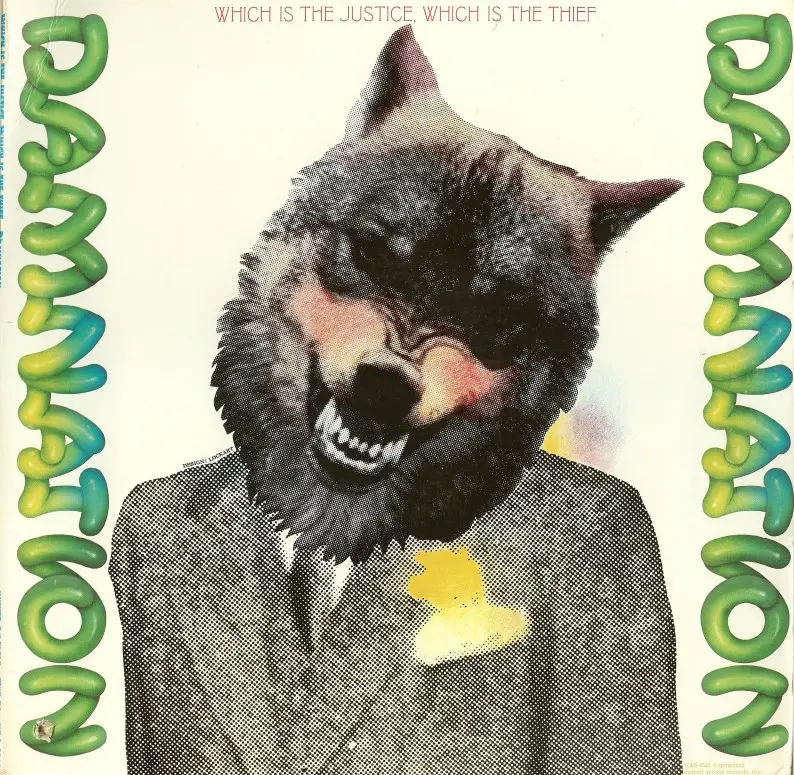 The Damnation of Adam Blessing released their third album, Which Is the Justice, Which Is the Thief, in September 1971 on United Artists.
Credited simply to “Damnation,” the album introduced a heavier production presence, marked by string and horn arrangements performed by members of the Cleveland Orchestra under the direction of Tom Baker. The core lineup remained intact—Blessing (vocals), Kalamasz (guitar), Quinn (guitar), Benich (bass), and Schwark (drums). The tracklist alternates between orchestrated ballads, clipped hard rock, and atmospheric excursions.
“We Don’t Need It” pushes forward with taut rhythm and clipped phrasing. “Turned to Stone” merges a chant-like instrumental motif with psychedelic overtones. “Sometimes I Feel Like I Just Can’t Go On” stands apart—structured as a blues form, with orchestration layered behind Blessing’s vocal, which leans toward soul phrasing with a clipped, anguished delivery. “Leaving It Up to You” merges rhythmic drive with stacked harmonies and gospel-influenced backing vocals. The opening single “Fingers on a Windmill” turns on a cryptic lyric and contoured vocal shape. The album ends with “Sweet Dream Lady,” a restrained ballad framed by orchestration.
A1. “Fingers on a Windmill” (3:17) – cryptic lyric, contoured phrasing
A2. “We Don’t Need It” (2:58) – clipped, forward-leaning rhythm
A3. “Easy Come, Easy Go” (3:46)
A4. “Running Away” (4:42)
A5. “Turned to Stone” (3:00) – chant-like instrumental with psychedelic tone
B1. “Please Stay Mine” (2:43)
B2. “Sometimes I Feel Like I Just Can’t Go On” (4:03) – blues form with orchestral backdrop; standout vocal
B3. “Leaving It Up to You” (3:48) – stacked harmonies, gospel inflection
B4. “Sweet Dream Lady” (5:40) – orchestral ballad, subdued closing
Produced by Eric Stevens for Brilliant Sun Productions. Engineered by Ken Hamann at Cleveland Recording Company.
Name Change
After losing their label deal and management, Damnation recorded new material independently and entered talks with Grand Funk manager Terry Knight, who failed to secure a distribution deal in time. They ultimately signed with Avalanche Records, but at the insistence of distributor United Artists—who had recently dropped them—they changed their name to Glory for the album’s release.
Glory
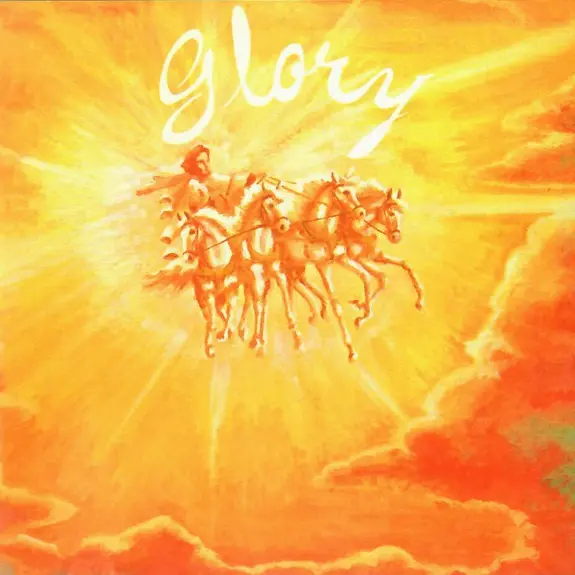 Under the name Glory, the band release their fourth album in August 1973 on Avalanche.
Compared to the group’s earlier psych-inflected sound, Glory shifts toward a denser rhythm section and a more grounded guitar presence. “Hot Momma” draws comparisons to concurrent Stones material while “Get Up” carries a measured, swinging pace. “Nightmare” recalls the more intense nature of their Damnation albums. “Sunny Days” and “Mrs. Walker” move with compact force, while “You Can Believe” stretches out with sustained vocal phrasing and longer instrumental breaks, giving more space for the band’s dynamic interplay.
A1. “Sunny Days” (3:09)
A2. “Find Out Lover” (3:10)
A3. “I Got a Feeling” (3:07)
A4. “Mrs. Walker” (3:04)
A5. “You Can Believe” (6:05)
B1. “Hot Momma” (3:26)
B2. “Get Up” (3:36)
B3. “Nightmare” (4:28)
B4. “Dawn” (4:49)
Sessions occurred at Agency Recording Studios and Cleveland Recording Company with Arnie Rosenberg as engineer. Jim Quinn produced the album and played guitar alongside Bob Kalamasz. Ray Benich handled bass, and Bill Schwark played drums. Phil Giallombardo contributed keyboards on “Nightmare.”
The group disbanded shortly after the release of Glory.
Discography:
- The Damnation of Adam Blessing (1969)
- Second Damnation (1970)
- Which Is the Justice, Which Is the Thief (1971)
- Glory (1973 • Glory)
Sources:
- Discogs: Damnation of Adam Blessing
- MusicBrainz: Damnation of Adam Blessing
- RYM: Damnation of Adam Blessing
- 45cat: Damnation of Adam Blessing
- PsychedelicBabyMag: Damnation of Adam Blessing
Artist/Album Pages:
The James Gang was an American hard-rock band that debuted with the 1969 Bluesway release Yer' Al...
The Savage Resurrection was an American West Coast psych-rock band that released a 1968 self-title...
Touch was an American psych-rock band from Portland, Ore., that released a self-titled album on L...
Pere Ubu was an American avant-garde rock band from Cleveland that cut the 1975–76 proto-punk sin...
S.O.U.L. — short for Sounds of Unity and Love — was an American soul-funk band from Cleveland that...
Sagittarius was the pop-psych studio project of American producers Curt Boettcher and Gary Usher....
Neighb’rhood Childr’n were an American psychedelic rock band that released a 1968 self-titled album ...
The Power of Zeus was an American hard-rock/psych band from Detroit that released the 1970 album ...
The Third Power was an American psych-rock trio from Farmington Hills, Michigan, that released a ...
Fraction was an American psych-rock band from Los Angeles that released the 1971 album Moon Blood...
The Smoke was an American pop-psych band from Los Angeles that released a 1968 self-titled album ...
Wilkinson Tri-Cycle was an American hard-rock trio that released a self-titled album in 1969 on Date...