

Aviary was an American symphonic/hard-rock band formed in Seattle from a north-central Washington partnership between keyboardists Brad Love and Paul Madden. The original five-piece released the self-titled Epic album Aviary, then made an unissued follow-up in Britain before closing the original run. Archival tapes surfaced on Ambition in 2003, and Love later revived the name with guitarist Toby Bowen for the 2015 album Heartless.
Members: Brad Love (keyboards, lead vocals), Paul Madden (keyboards), Toby Bowen (guitar), Richard Bryans (drums), Ken Steimonts (bass), Tony Dart (drums)
Background
Brad Love and Paul Madden grew up in Washington’s Okanogan region and played together from high school through college. Love studied classical composition with Dr. Malcolm Seagrave, conductor of the Wenatchee Valley Symphony, and formed an all-original college band with Madden in 1975 under the Gak name. The pair entered the University of Washington piano program and relocated to Seattle.
Demo songs reached bassist Ken Steimonts in Portland. Steimonts joined and recommended former Bighorn guitarist Toby Bowen. Love and Madden found drummer Richard Bryans at the Aquarius club, completing the lineup that adopted the Aviary name.
The quintet recorded at a small eight-track studio and on a Teac four-track system at the band’s Sandpoint Way house. A California contact gave one tape to a music attorney, whose A&R connection brought several labels to Seattle. Epic financed the group’s move to Los Angeles and initial studio work without first securing a contract. Those recordings reached British manager Brian Lane, who attended an Aviary performance, opened competitive negotiations, and completed the Epic signing.
Aviary
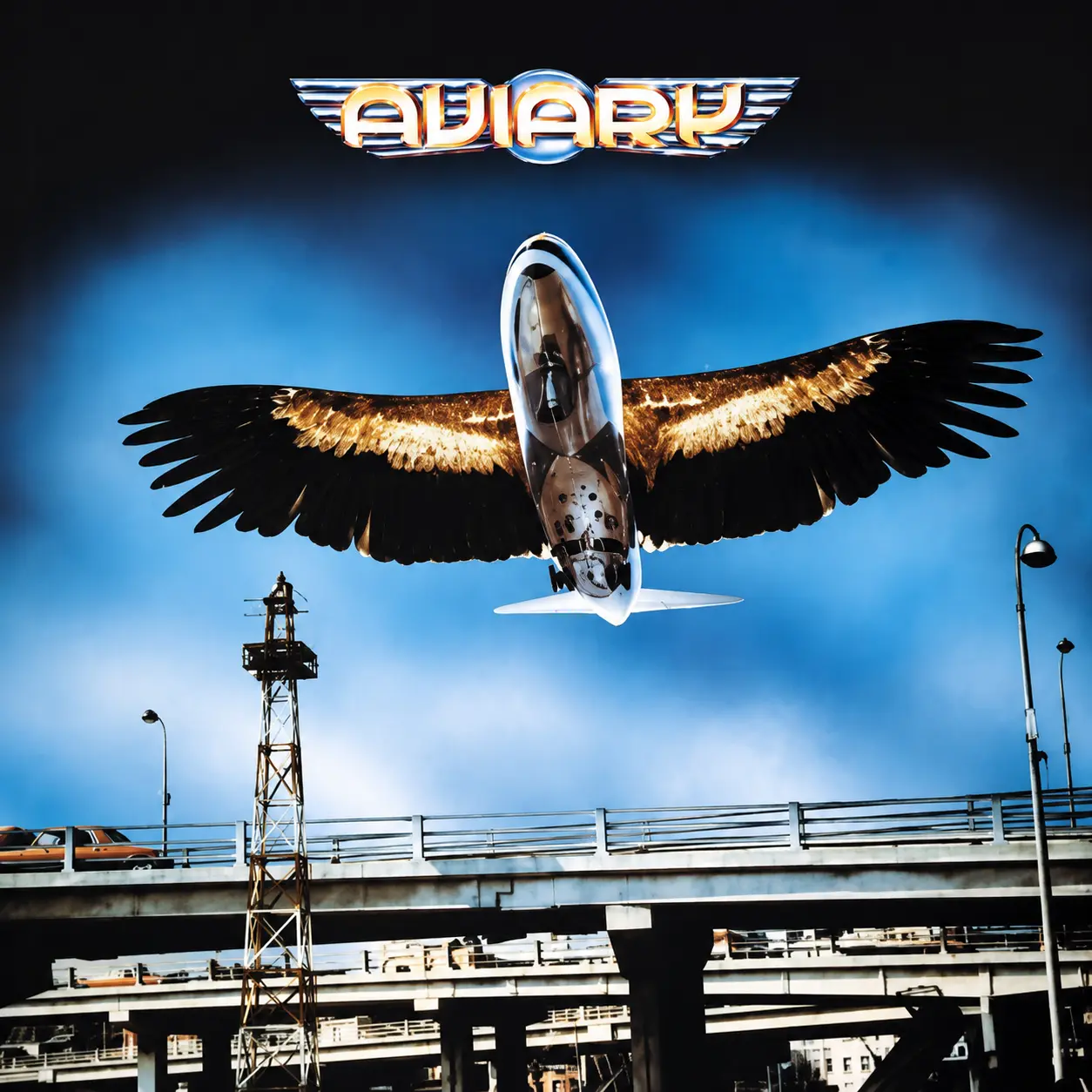 Aviary released their self-titled debut album in April 1979 on Epic.
Love wrote all nine songs and built the arrangements around two keyboard stations. Madden covered Hammond organ, electric piano, Mellotron, and synthesizer beside Love’s piano parts, while Seagrave scored the orchestral passages. Steimonts and Bryans expanded the lead lines with group vocals.
“Soaring” ascends from restrained chords into high harmonies and broad orchestral surges. “Anthem for the U.S.A.” bounds through springy accents, bright keyboard flourishes, and massed harmonies. “Puddles” tiptoes through a hushed entrance, pivots across brisk turns, and closes on a piano tag.
“Feel the Heart (Then You’ll Be Mine Again)” stomps from a forceful organ entrance toward a dense, rapidly layered finale. “Average Boy” coils around an angular guitar figure before ornate turns erupt in full-band chords. “I Will Hear” lingers on measured singing, soft accompaniment, and intermittent harmonies. “Maple Hall” grinds through chant-like delivery, airy harmonies, and a dark solo.
 A1. “Soaring” (5:50)
A2. “Anthem for the U.S.A.” (5:09)
A3. “Puddles” (3:01)
A4. “As Close as You Can Get” (4:23)
B1. “Mystic Sharon” (3:15)
B2. “Feel the Heart (Then You’ll Be Mine Again)” (4:39)
B3. “Average Boy” (3:51)
B4. “I Will Hear” (2:15)
B5. “Maple Hall” (4:48)
Sessions occurred in winter 1978 at Caribou Ranch near Nederland, Colorado, with British producer-engineer Gary Lyons and assistant David “Gino” Giogini. The band arranged each song, while Seagrave scored an orchestra recorded at CBS Recording Studios in New York. Lyons completed the mix at Cherokee Studios in Los Angeles. He entered the sessions after co-production on the 1977 Foreigner debut and the second Lone Star album, Firing on All Six.
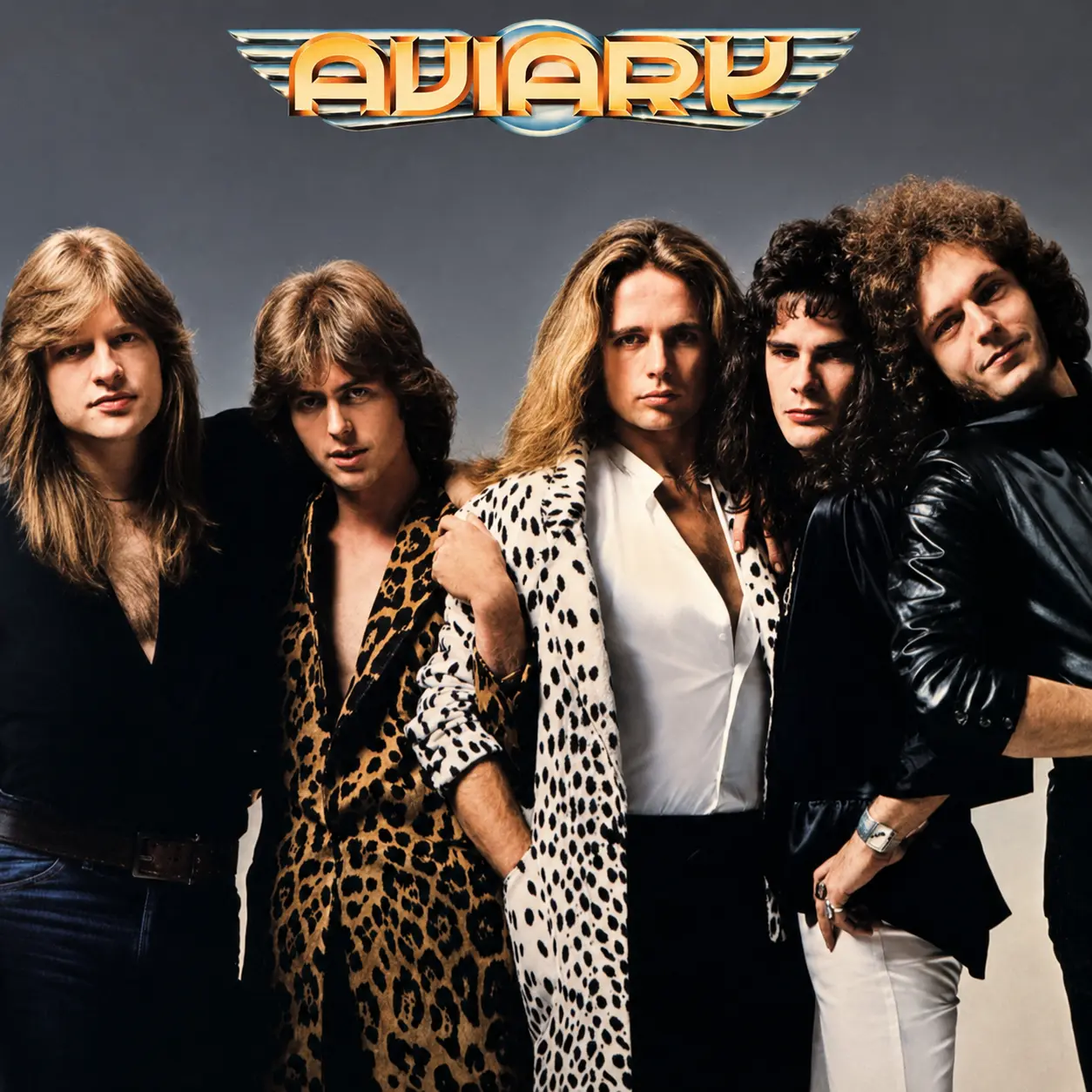
Roslav Szaybo directed the sleeve around Norman Seeff’s photography. The front places the five musicians in a tight standing portrait beneath a metallic winged logo, with leopard-patterned stage clothes against a muted mauve field. Seeff also photographed the 1979 covers of Rickie Lee Jones and the fourth Blondie album, Eat to the Beat.
Epic issued “Anthem for the U.S.A.” as a June 1979 UK single (b/w “Puddles”). “Soaring” followed in August (b/w “Feel the Heart”).
Rewind/Song Haus restored Aviary on CD in 2001 through Sony Special Products. Rock Candy followed in 2013 with a remastered CANDY190 edition.
Later Activity
Lane relocated Aviary to Britain for a second album and steered the material toward the new-wave market. Epic left the completed recording unreleased, and the original group ended in 1981 following the return from England.
AV Records issued Ambition on June 5, 2003, as an eleven-song selection from recordings made around the debut period. Love and Bowen revived Aviary for Heartless, released May 23, 2015, through Aviary Music/Brad Love Music.
Ambition
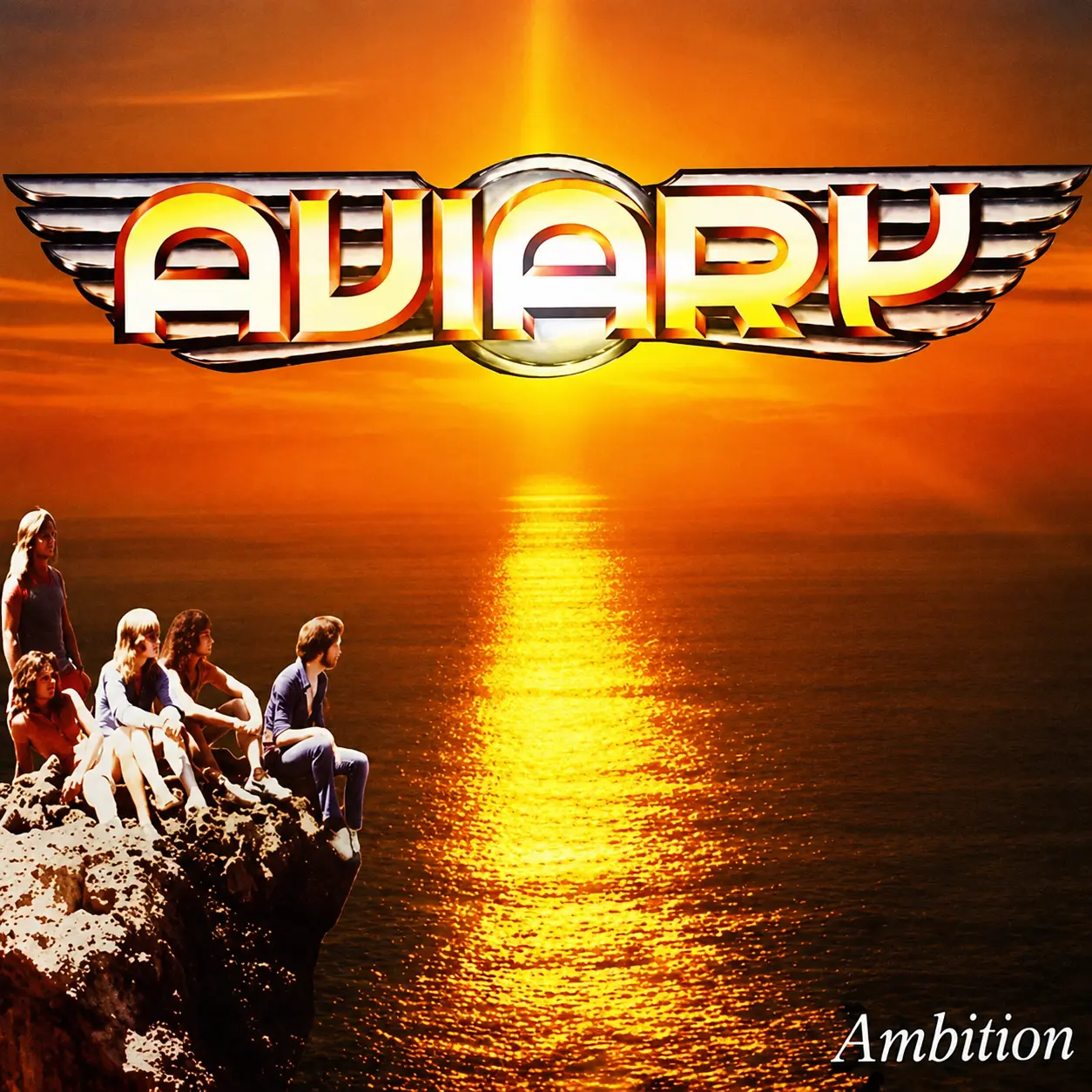 Aviary released the archival album Ambition in June 2003 on AV Records.
The collection gathers eleven previously unissued Brad Love compositions from sessions made between 1975 and 1979, a period extending from the Sandpoint Way demos through the Epic era. Original members Love, Paul Madden, Toby Bowen, Ken Steimonts, and Richard Bryans appear across the program; Tony Dart replaces Bryans on “Eva’s Birthday,” the earliest recording in the sequence.
“Hello” strides through buoyant harmonies with a poised, wistful undercurrent. “The Sun, the Sand” bubbles through bright keyboard flourishes and high harmonies. “Apathy” glides beneath opulent harmonic layers. “Ambition” skips across offbeat accents and rapid motif changes. “Desert Songs/Pharaohs March” marches from cello-lined passages into choir-crowned organ chords and serrated guitar runs.
“Eva’s Birthday” capers through jaunty figures, theatrical harmonies, and comic turns. “Working Girl” struts through edgy theatrical pivots and booming bass. “Yes and No” charges through intricate turns and high harmonies.
1. “Hello” (3:20)
2. “The Sun, The Sand” (4:26)
3. “Apathy” (3:47)
4. “Ambition” (3:18)
5. “You” (3:55)
6. “Desert Songs/Pharaohs March” (11:10)
7. “I Should of Known” (4:56)
8. “Eva’s Birthday” (3:40)
9. “Fine Lines” (5:42)
10. “Working Girl” (3:37)
11. “Yes and No” (3:20)
Most selections came from a three- or four-day session at the group’s Sandpoint Way house in Seattle, where Steimonts operated a four-channel console. “Eva’s Birthday” dates to 1975; the remaining masters span 1977 through 1979 and surround the Epic album sessions.
Bowen sorted the surviving recordings by period, and Love selected the final program from master tapes retained across the intervening decades. Singer-keyboardist Love heat-treated the aging reels before digital transfer and produced the AV Records release one year after his second solo album, Through Another Door.
The AV-1000 CD places the winged Aviary logo above a sunset photograph of the musicians seated on a rocky shoreline.
Discography:
- Aviary (1979)
- Ambition (2003 • archival recordings)
- Heartless (2015)
Sources:
Artist/Album Pages:
Ekambi Brillant (June 18, 1948 – December 12, 2022) was a Cameroonian singer who emerged with Les ...
Keith Hudson — aka Lloyd Lindburg Hudson (March 18, 1946 — Nov. 14, 1984) — was a Jamaican dub/fun...
Alexis was an American hard-rock/pop band behind a 1977 self-titled album on MCA. Members: Eddi...
Alpha du Centaure was a French jazz-rock band that released the album Contact on Spirales in 1979....
The Fire Engines were a Scottish art-punk band behind the 1980 album Lubricate Your Living Room on B...
Bobby Hutcherson (January 27, 1941 – August 15, 2016) was an American vibraphonist who started as ...
Space Art was a French electronic music duo formed in Paris by keyboardist Dominique Perrier and d...
The Emotions were an American soul group from Chicago, formed in 1965 and initially a singles act ...
Rodolfo Alchourrón (April 25, 1934 — May 16, 1999) was an Argentinian jazz guitarist, composer, arra...
Picchio dal Pozzo are an Italian avant-jazz/rock band from Genova, Liguria, formed in 1973. The band...
Claudja Barry is a Jamaican-born soul-funk singer who scored a disco hit with "Sweet Dynamite," th...
Dalek I was an English electro/art-pop combo from Liverpool that released two albums and a clutch of...