

The Originals were an American soul group from Detroit that released seven albums on Motown’s Soul imprint between 1969 and 1977, followed by a pair of 1978/79 albums on Fantasy. They were formed by graduates of Berry Gordy’s session singers The Voice Masters and featured vocalist Freddie Gorman, an early Motown staff writer. Their R&B hits include “Green Grow the Lilacs,” “The Bells,” and “Down to Love Town.”
Members: Hank Dixon (tenor vocals), Walter Gaines (baritone vocals, 1966-82, 1989-2006), Freddie Gorman (bass vocals, 1966-82, 1989-2006), C. P. Spencer (lead vocals, tenor vocals, 1966-75, 1981-82, 1989-2004), Joe Stubbs (lead vocals, 1966), Ty Hunter (lead vocals, tenor vocals, 1975-81)
Background
The Originals formed in 1966 Detroit when veteran Motown staff writer Freddie Gorman (1939–2006) enlisted singers C. P. Spencer, Walter Gaines, and Hank Dixon, all formerly of Berry Gordy’s session singers The Voice Masters (not to be confused with the St. Louis soul trio).
Gorman cut a string of early ’60s solo singles for Miracle and Ric-Tic. During the 1950s, he cut a single apiece with doo-wopsters The Quailtones and The Fideletones. He was also part of the songwriting team Holland–Dozier–Gorman (the precursor to Holland–Dozier–Holland), co-writing the 1962 #1 “Please Mr. Postman” by Motown girl group The Marvelettes. Spencer was a founding member of the ’50s era, pre-fame Spinners.
The Originals briefly featured ex-Falcons/Contours vocalist Joe Stubbs (brother of Four Tops Levi Stubbs), who singles lead on their debut single “Goodnight Irene” (b/w “Need Your Lovin'”), released in 1966 on Motown-subsidiary Soul. They also cut “Suspicion,” which later became a cult favorite through its inclusion on Northern Soul compilations. (Stubbs later surfaced in 100 Proof Aged In Soul.)
During the late 1960s, The Originals served as backing singers on popular recordings by Jimmy Ruffin (“What Becomes of the Brokenhearted”), Stevie Wonder (“For Once in My Life,” “Yester-Me, Yester-You, Yesterday”), David Ruffin (“My Whole World Ended (The Moment You Left Me)”), Marvin Gaye (“Chained,” “Just to Keep You Satisfied”), and Edwin Starr (“War,” “25 Miles”).
Green Grow the Lilacs
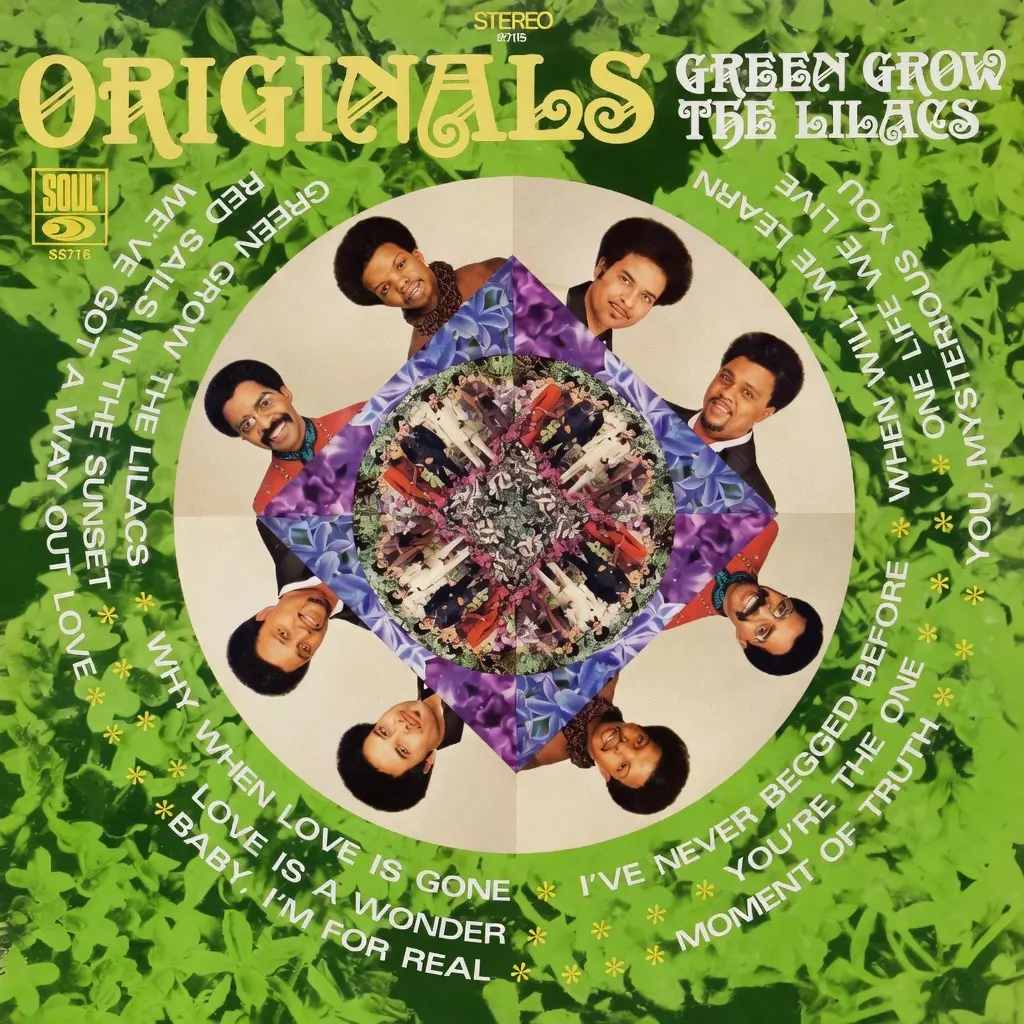 The Originals released their debut album, Green Grow the Lilacs, in July 1969 on Soul.
Lilacs presents orchestrated pop-soul, performed by tenor C.P. Spencer, tenor Hank Dixon, baritone Walter Gaines, and bass singer Freddie Gorman. On “Baby, I’m For Real,” the quartet places alternating lead lines over Paul Riser’s arrangement and Eli Fontaine’s saxophone. Group members helped write four selections: “Love Is A Wonder,” “When Will We Learn,” “Moment Of Truth,” and “One Life We Live.”
“Baby, I’m For Real” glides through alternating lead turns, layered harmonies, and a brief reed solo. “We’ve Got a Way Out Love” exposes a plainer backing bed; the missing string and horn finish leaves the voices and rhythm accents in sharper relief. “Green Grow the Lilacs” brightens the album with choral sheen and clean ensemble lift.
A1. “We’ve Got a Way Out of Love” (2:59) – Holland, Dozier, Holland
A2. “Green Grow the Lilacs” (2:39) – Miller
A3. “Baby, I’m for Real” (3:00) – Anna Gordy Gaye, Marvin Gaye
A4. “I’ve Never Begged Before” (2:39) – Hunter, Bullock
A5. “Red Sails In the Sunset” (2:25) – Williams, Kennedy
A6. “One Life We Live” (2:56) – Gorman, Hunter, Goga
B1. “Moment of Truth” (2:57) – Spencer, Gorman, Dixon, Gaines
B2. “Why When Love Is Gone” (2:44) – Hunter
B3. “When Will We Learn” (2:27) – Gorman, Hunter, McLeod, Bowden
B4. “You’re the One” (2:59) – Anna Gordy Gaye, Stover, Hunter, Marvin Gaye
B5. “Love Is a Wonder” (2:45) – Dean, Weatherspoon, Gorman, McLeod
B6. “You, Mysterious You” (2:56) – Evans, Broadnax, Morris
Curtis McNair designed the cover and liner package for Green Grow the Lilacs, with photography by J. Dempknock.
Soul lifted “Green Grow the Lilacs” as a May 1969 single (b/w “You’re the One”). The label lifted “Baby, I’m for Real” as an August 1969 single (b/w “Moment of Truth”), which reached No. 1 on the Billboard R&B chart and No. 14 on the pop chart.
Green Grow the Lilacs reached No. 174 on the Billboard Hot 200 chart.
Portrait of the Originals
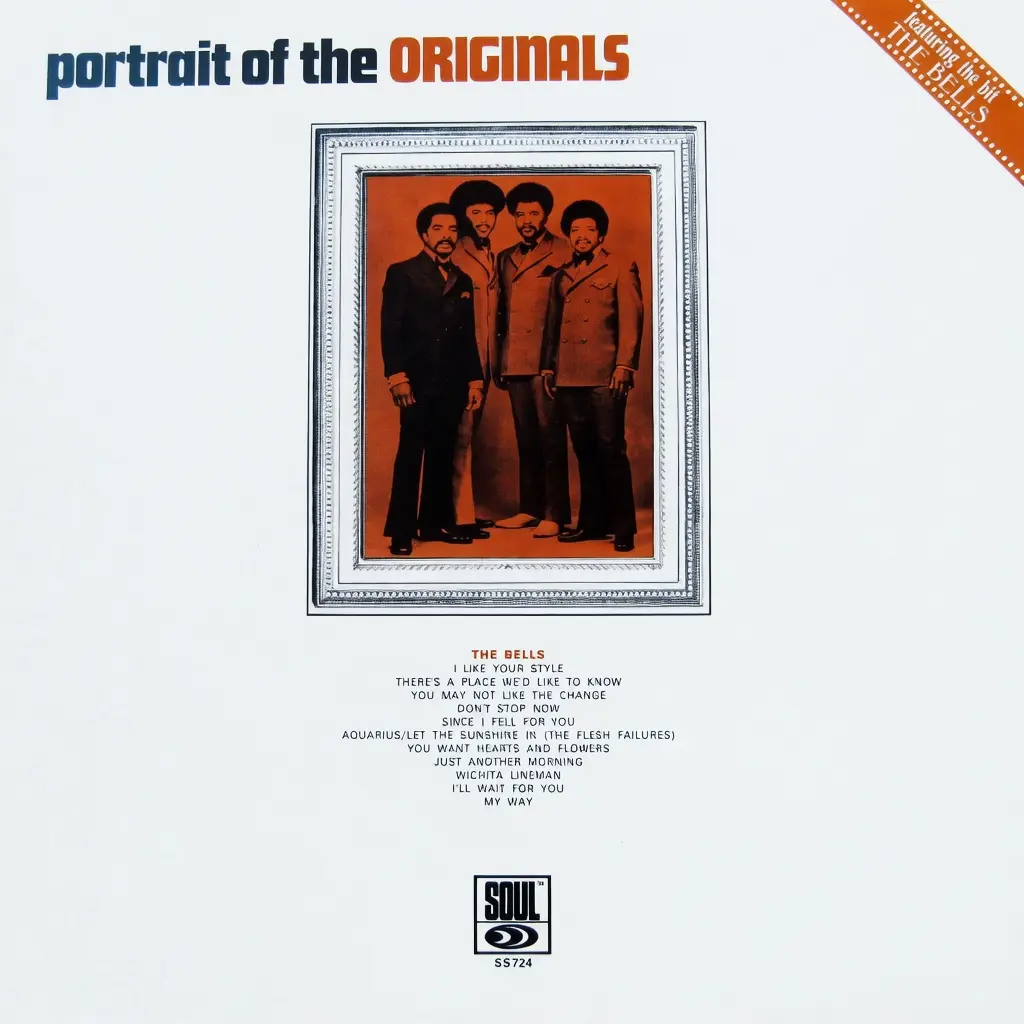 The Originals released their second album, Portrait of the Originals, in May 1970 on Soul.
The album includes productions by Marvin Gaye (“The Bells”), Clay McMurray (“I Like Your Style”), and Smokey Robinson (“Don’t Stop Now”), plus a group co-composition with Pam Sawyer.
Portrait of the Originals concentrates the group voice into slow close-harmony forms and fuller ensemble surges. “The Bells” lingers over shared lead vocals, layered chordal replies, a spoken interlude, and a single reed break. The mellow pieces place the quartet in tight blend with restrained arrangement motion. The fuller titles broaden into high massed choruses under Paul Riser, Wade Marcus, and David Van De Pitte arrangements.
A1. “The Bells” (2:55) – Anna Gordy Gaye, Stover, Bristol, Marvin Gaye
A2. “I Like Your Style” (2:50) – Spencer, Gorman, Dixon, Sawyer, Gaines
A3. “There’s a Place We’d Like to Know” (2:57) – DiMirco
A4. “You May Not Like the Change” (2:58) – Cosby, Hinton, Sawyer
A5. “Don’t Stop Now” (3:15) – Burston, Hughes
A6. “Since I Fell for You” (3:00) – Johnson
B1. “Aquarius / Let The Sunshine In (The Flesh Failures)” (3:20) – MacDermot, Ragni, Rado
B2. “You Want Hearts and Flowers” (3:05) – McMurray, Coleman
B3. “Just Another Morning” (3:00) – Miller, Baird
B4. “Wichita Lineman” (3:05) – Webb
B5. “I’ll Wait for You” (2:36) – Laskey, Marvin Gaye
B6. “My Way” (3:25) – François, Revaux, Anka
Soul lifted “The Bells” as a January 1970 single (b/w “I’ll Wait For You”), which reached No. 4 on the Billboard R&B chart and No. 12 on the pop chart. “I Like Your Style” later charted as the flip side to “We Can Make It Baby” and reached No. 20 on the R&B chart.
Portrait of the Originals reached No. 198 on the Billboard Hot 200 chart.
Naturally Together
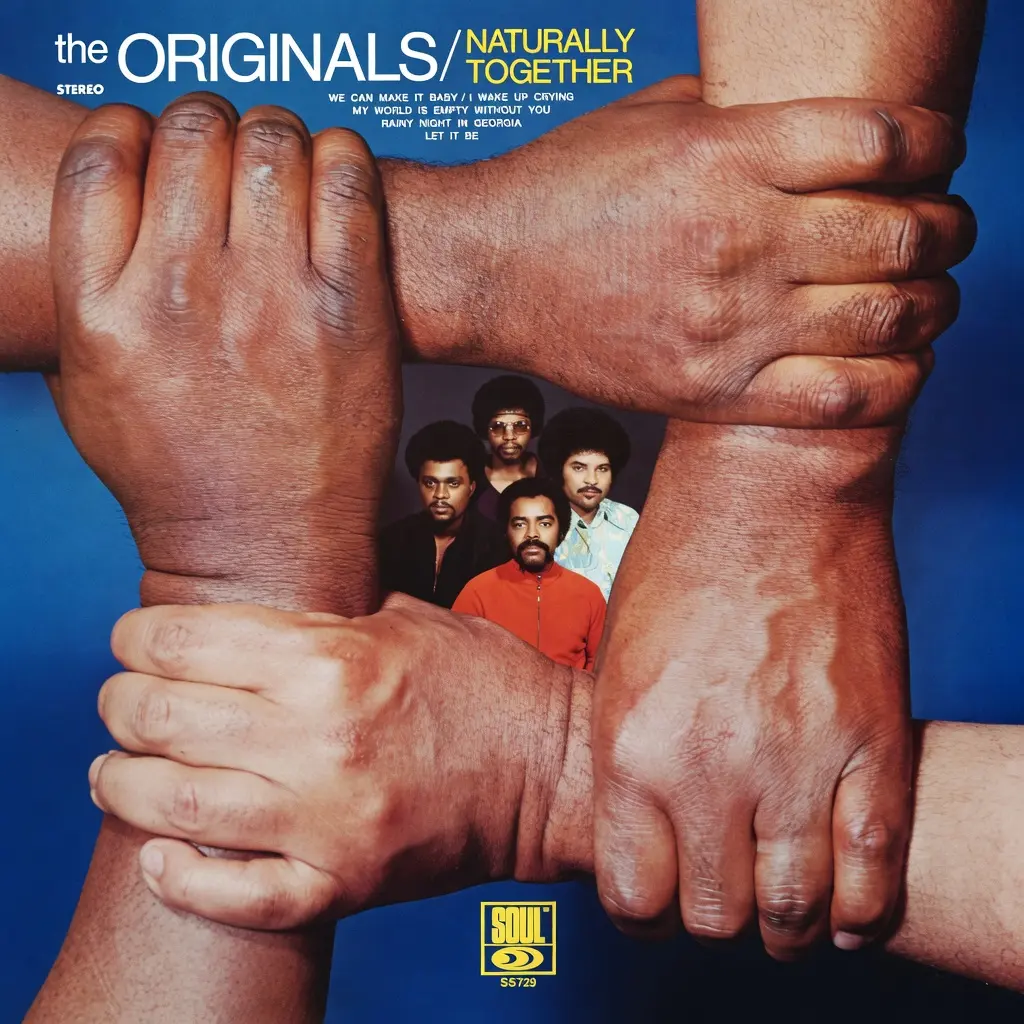 The Originals released their third album, Naturally Together, in September 1970 on Soul.
Naturally Together features material arranged by David Van DePitte, Paul Riser, and Wade Marcus. “We Can Make It Baby” glides through front-placed group vocals, with the lead line folded into the ensemble blend. “God Bless Whoever Sent You” slows into smooth romantic phrasing, and the voices hold an even composite lead. “Once I Have You,” “If You Gonna Leave,” and “The Only Time You Love Me Is When You’re Losing Me” carry the same sweet-harmony emphasis through compact group-vocal settings.
A1. “We Can Make It Baby” (2:54) – Nyx, Marvin Gaye
A2. “I Wake Up Crying” (2:59) – Bacharach, David
A3. “Once I Have You (I Will Never Let You Go)” (3:10) – McMurray, DiMirco
A4. “My World Is Empty Without You” (2:57) – Holland, Dozier, Holland
A5. “If You Gonna Leave (Just Leave)” (3:30) – McMurray, Sawyer
A6. “Let It Be” (4:20) – Lennon, McCartney
B1. “The Only Time You Love Me Is When You’re Losing Me” (2:57) – McMurray, Coleman, Sawyer
B2. “God Bless Who Ever Sent You” (3:15) – McMurray, Sawyer
B3. “Give Yourself the Right (To Be Wrong About Me)” (3:47) – McMurray, Coleman, Sawyer
B4. “Rainy Night In Georgia” (4:29) – White
B5. “A Man Without Love” (3:23) – McMurray, Glover, Sawyer
B6. “You Were My Everything” (3:04) – McMurray, Sawyer
Curtis McNair directed the sleeve art for Naturally Together with photography by Jim Hendin and graphics by Tom Schlesinger.
Soul lifted “We Can Make It Baby” as a July 1970 single (b/w “I Like Your Style”), which reached No. 20 on the Billboard R&B chart and No. 74 on the pop chart.
“God Bless Whoever Sent You” became the second album single (b/w “Desperate Young Man”) and reached No. 14 on the R&B chart and No. 53 on the pop chart.
Naturally Together reached No. 44 on the Billboard Top R&B Albums chart.
Def·i·ni·tions
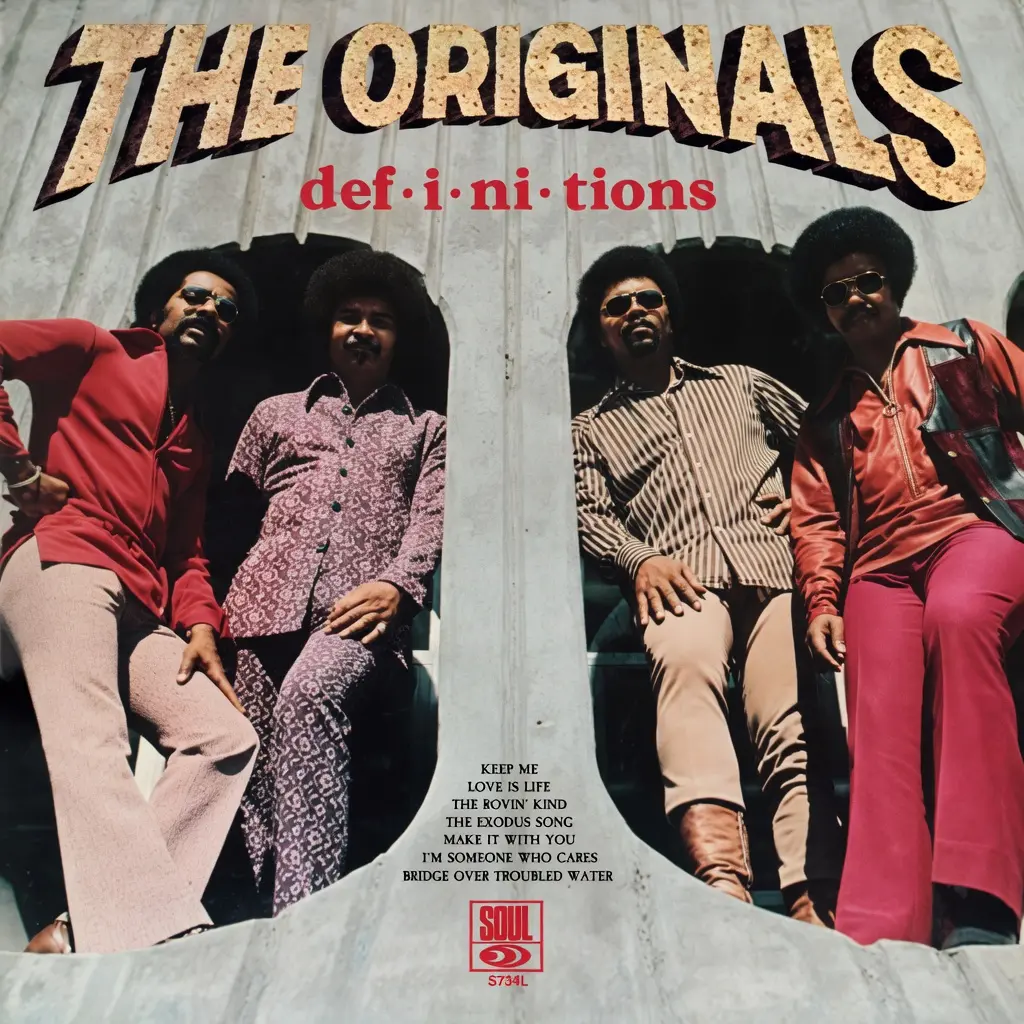 The Originals released their fourth album, Def·i·ni·tions, in February 1972 on Soul.
Def·i·ni·tions places the group in restrained ballad settings with close vocal weight and fewer arrangement distractions. “I’m Someone Who Cares” steadies the album around a direct lead and a supportive harmony bed. “Lie No. 2” narrows the vocal focus into a compact hurt-song cadence. “Come Rain or Shine” softens the phrasing without weakening the ensemble blend. “I’ve Got a Need For You” and “Keep Me” extend the same controlled, late-period Motown ballad surface.
A1. “The Exodus Song” (3:47) – Gold, Boone
A2. “The World Can’t Stop Me Now (From Loving You)” (2:46) – Hinton, Sawyer
A3. “The Rovin’ Kind” (3:04) – Miller
A4. “Make It With You” (3:48) – Gates
A5. “I’ve Got a Need for You” (3:16) – Peters
A6. “Love Is Life” (3:28) – Flemons, Whitehead, White
B1. “I’m Someone Who Cares” (2:47) – Bristol, Bowden, Chambers
B2. “Lie No. 2” (4:04) – Miller
B3. “Come Rain or Shine” (2:51) – Arlen, Mercer
B4. “Keep Me” (2:45) – Jones, Bristol, Sawyer
B5. “Bridge Over Troubled Water” (5:44) – Simon
Soul issued “I’m Someone Who Cares” as a January 1972 single (b/w “Once I Have You (I Will Never Let You Go)”), which reached No. 113 on the Billboard pop chart.
Game Called Love
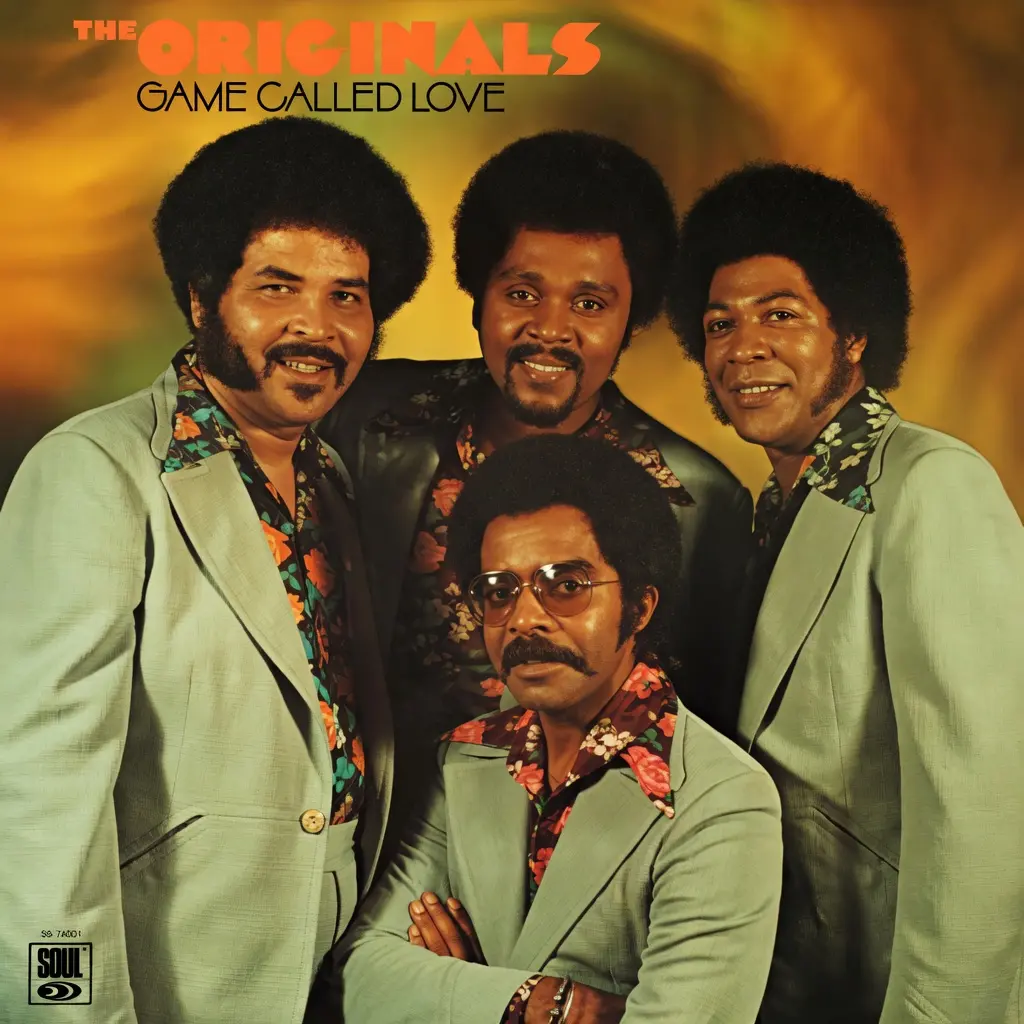 The Originals released their fifth album, Game Called Love, in May 1974 on Soul.
Game presents vocal-group soul with country-pop repertory and Motown originals, performed by singers Hank Dixon, Walter Gaines, Freddie Gorman, and Ty Hunter.
“Game Called Love” lopes through a clipped country-soul hybrid, with the lead vocal held close to the front of the track. “Ooh You (Put a Crush on Me)” brightens the album with a tighter group-reply pattern. “You’re My Only World” steadies the side with a slower romantic cadence and close-set harmonies. “Supernatural Voodoo Woman” adds a sharper novelty edge through its repeated title phrase and film-theme framing.
A1. “Baby Don’t Get Hooked On Me” (2:59) – Davis
A2. “She’s My Old Lady” (4:15) – Cooper, Gallie
A3. “Game Called Love” (3:04) – Wonder
A4. “Behind Closed Doors” (4:15) – O’Dell
A5. “I Remember When (Dedicated to Beverly)” (3:52) – Hunter
B1. “You’re My Only World” (3:12) – Clinton
B2. “So Near (And Yet So Far)” (3:04) – Gorman
B3. “Ooh You (Put a Crush On Me)” (2:45) – Gorman, Gaines, Spencer, Leverett
B4. “Be My Love” (2:52) – Gorman, Spencer, Dixon, Gaines
B5. “Supernatural Voodoo Woman (Part 1)” (2:46) – Zesses, Fekaris
The Originals recorded the title track with its writer, Stevie Wonder, who worked in sequence with Syreeta and Rufus.
Soul issued “Supernatural Voodoo Woman (Part 1)” as a January 1974 single (b/w “Supernatural Voodoo Woman (Part 2)”). “Game Called Love” followed as a May 1974 single (b/w “Ooh You (Put a Crush on Me)”). In November, “You’re My Only World” became the third single (b/w “So Near (And Yet So Far)”).
California Sunset
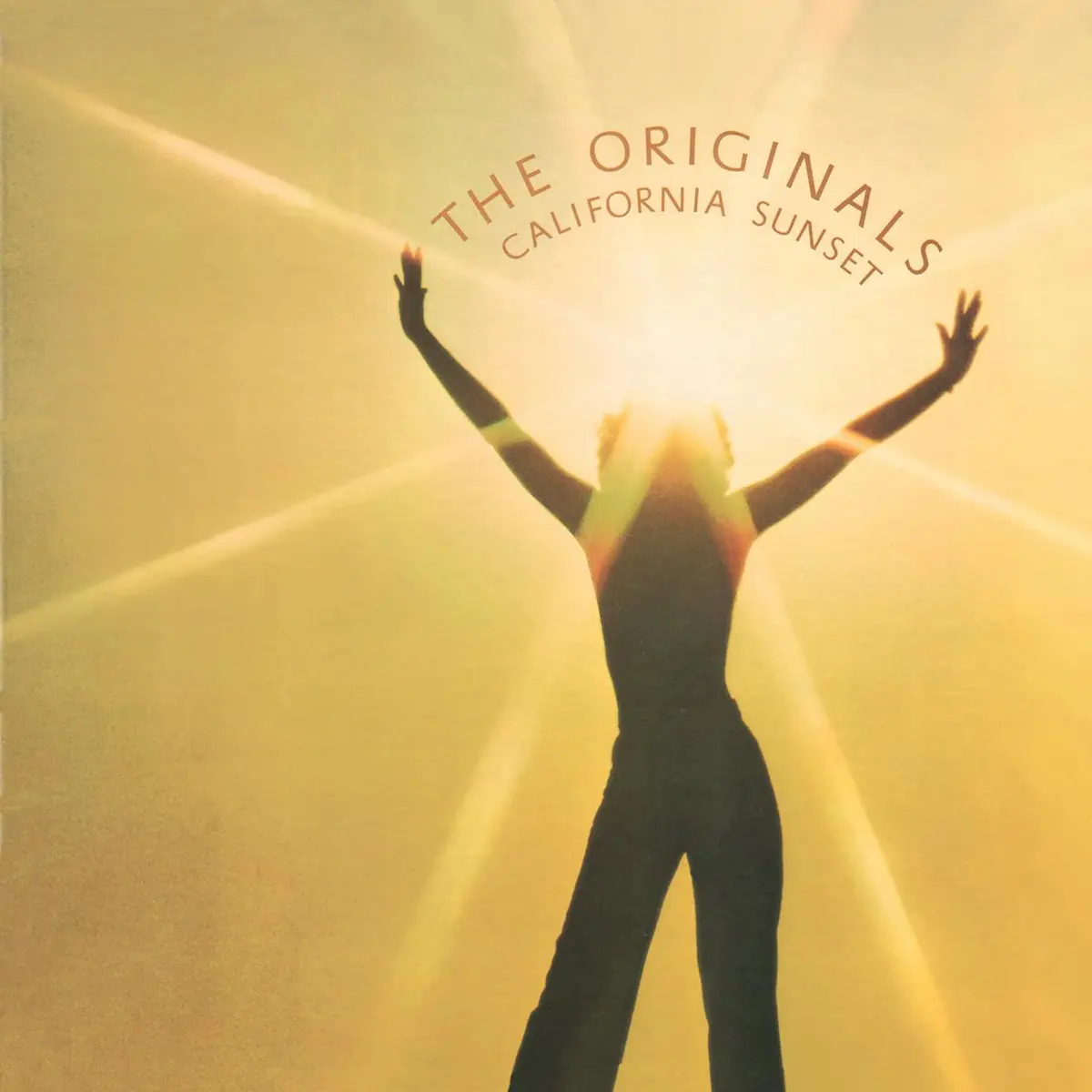 The Originals released their sixth album, California Sunset, in March 1975 on Motown.
Lamont Dozier wrote all ten songs and shaped the vocal arrangements around soft-edged refrains over string-lined, slow-to-mid tempo cadences.
California Sunset finds the group in a warm sonic setting with romantic vocal blends. “Good Lovin’ Is Just a Dime Away” glides through a smooth arrangement and front-placed ensemble phrasing. “Fifty Years” broadens the album’s slow cadence with a more ceremonial vocal arc. “Let Me Live in Your Life” settles into a soft, close-held lead and choral support. “Nothing Takes the Place of Your Love” closes the album’s song set with unhurried romantic balladry.
A1. “Why’d You Lie” (3:59) – Dozier
A2. “Don’t Turn the Lights Off” (3:54) – Dozier
A3. “It Could Never Happen” (4:41) – Dozier
A4. “Good Lovin’ Is Just a Dime Away” (4:10) – Dozier
A5. “California Sunset” (5:09) – Dozier
B1. “Sweet Rhapsody” (4:44) – Dozier
B2. “Fifty Years” (4:58) – Dozier
B3. “Let Me Live In Your Life” (4:41) – Dozier
B4. “Financial Affair” (4:06) – Dozier
B5. “Nothing Can Take the Place (Of Your Love)” (3:27) – Dozier
The Originals recorded California Sunset as a Lamont Dozier-written and -produced album with Dozier-directed vocal arrangements.
Motown issued “Good Lovin’ Is Just a Dime Away” as a June 1975 single (b/w “Nothing Can Take The Place (Of Your Love)”), which reached No. 53 on the Billboard R&B chart.
California Sunset reached No. 51 on the Billboard R&B Albums chart.
Communiqué
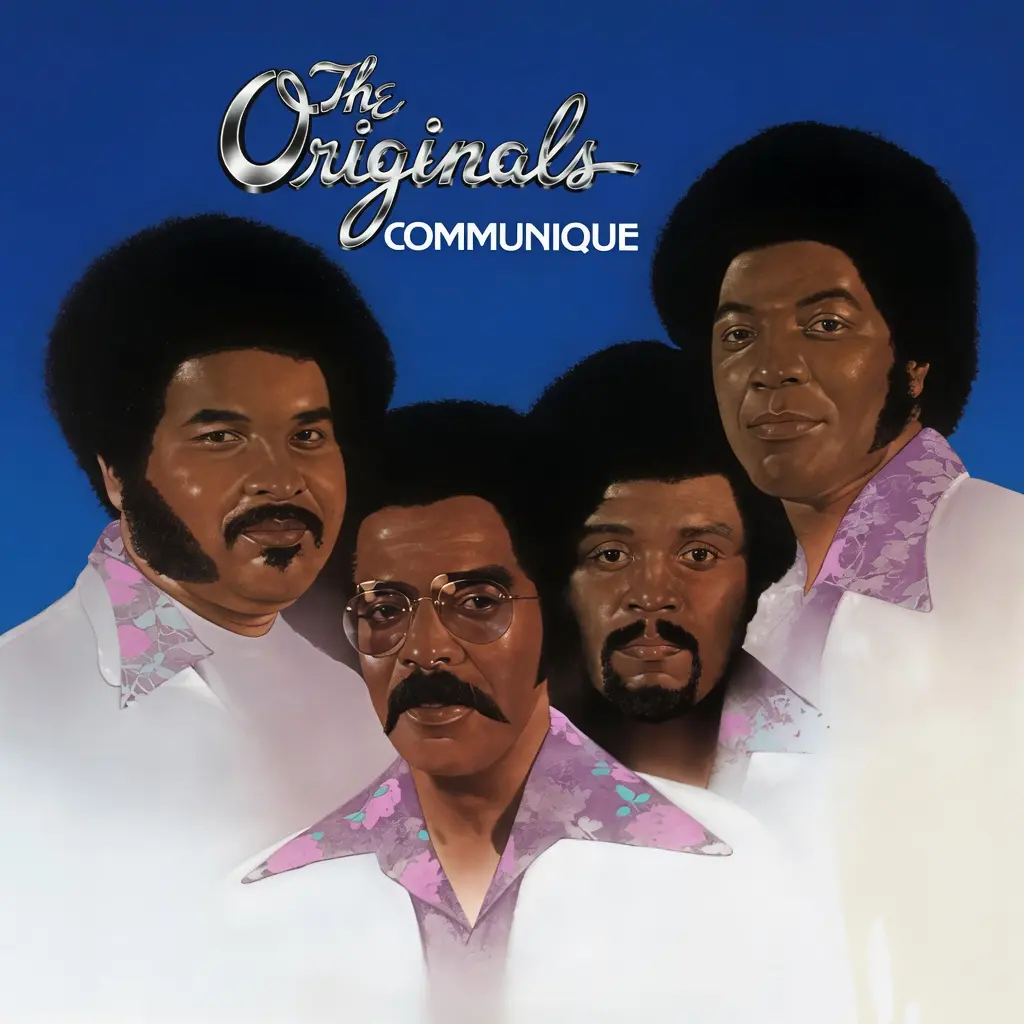 The Originals released their seventh album, Communiqué, in May 1976 on Soul.
Communiqué turns the group toward extended club-tempo tracks and brighter late-Motown production. “Down to Love Town” charges through an insistent refrain with Freddie Gorman’s front-line vocal enriched with strings and brass across a long-form dance arrangement. “Touch” keeps the vocal blend inside a polished mid-tempo setting. “Everybody’s Got to Do Something” employs a longer rhythmic pattern and repeated title chant. “Just to Be Closer to You” returns to slower romantic phrasing after the album’s dance-floor material.
A1. “Mr. Troublemaker” (4:12) – Michael B. Sutton
A2. “Count Me Out” (4:32) – Sawyer, Michael B. Sutton
A3. “Down to Love Town” (5:25) – Daniels, Michael B. Sutton, Wakefield
A4. “Touch” (4:25) – Sawyer, Wilson
A5. “Natural Loving Feeling” (3:37) – Sawyer, Michael B. Sutton
B1. “Everybody’s Got to Do Something” (6:32) – Sawyer, Michael B. Sutton, Brenda Sutton
B2. “Bring Me Together” (4:07) – Wilson
B3. “Just to Be Closer to You” (4:28) – Michael B. Sutton, Brenda Sutton
B4. “It’s So Real” (3:14) – Michael B. Sutton, Brenda Sutton
B5. “All I Wanna Do (Is Spend My Life Loving You)” (4:10) – Michael B. Sutton, Sawyer
The Originals recorded Communiqué with Frank Wilson and Michael B. Sutton as producers.
Motown issued “Everybody’s Got to Do Something (Vocal)” as a November 1975 single backed with an instrumental version. Soul issued “Touch” as an April 1976 single (b/w “Ooh You (Put a Crush On Me)”).
“Down to Love Town” followed as a July 1976 single (b/w “Just to Be Closer to You”) and reached No. 1 on the Billboard Dance/Disco chart, No. 47 on the Billboard Hot 100, and No. 93 on the Billboard R&B chart. Motown also issued a 12-inch remix of “Down to Love Town,” the company’s first 12-inch single.
Down to Love Town
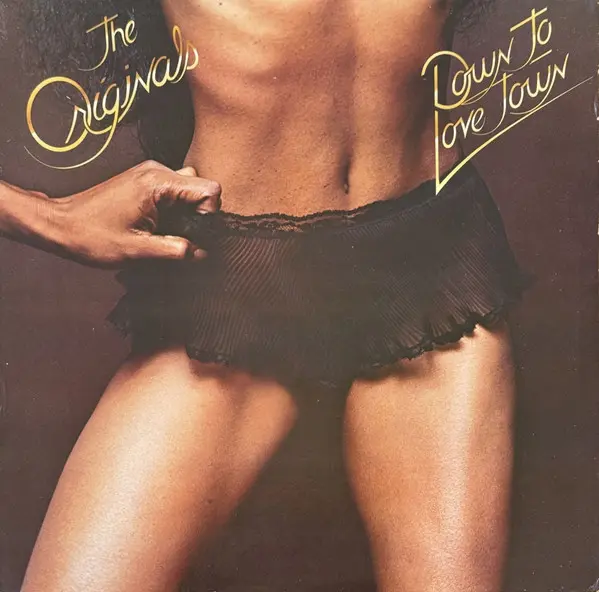 The Originals released their eighth album, Down to Love Town, in 1977 on Soul.
Michael B. Sutton produced four selections while Freddie Gorman and the group produced “Hurry Up And Wait” and “Mother Nature’s Best.”
Down to Love Town turns the quartet toward club-tempo patterns, clipped refrains, and polished ensemble replies. “Hurry Up and Wait” charges the opening sequence with bright rhythm pressure and group responses. “Down to Love Town” extends Freddie Gorman’s lead into repeated title calls, with strings and brass pressing the chorus into a long dance-floor cadence.
A1. “Hurry Up And Wait” (5:22) – Croom, Bradford, Gorman
A2. “Down to Love Town” (5:57) – Daniels, Wakefield, Sutton
A3. “You Are A Blessing To Me” (6:02) – B. Sutton, M. Sutton
B1. “Call On Your Six Million Dollar Man” (5:52) – B. Sutton, Wakefield, M. Sutton
B2. “Mother Nature’s Best” (4:46) – Bradford, Harrington, Gorman
B3. “Sunrise” (4:51) – B. Sutton, M. Sutton, DePierro
B4. “Been Decided” (5:22) – B. Sutton, Wakefield, M. Sutton
The group recorded “Hurry Up And Wait” and “Mother Nature’s Best” at ABC Dunhill Recording Studio in Los Angeles. Producers recorded and mixed “Down To Love Town” at Crystal Industries in Hollywood. The remaining four selections came from Kendun Recorders in Burbank and Motown Recording Studios in Hollywood.
Wriston Jones designed the sleeve, with graphics by Carl Overr, photography by Charles William Bush, and typography by Vigon Nahas Vigon.
Soul had issued “Down To Love Town” as a July 1976 single (b/w “Just To Be Closer To You”), which reached No. 1 on the Billboard Dance/Disco chart, No. 47 on the Billboard Hot 100, and No. 93 on the Billboard R&B chart.
The label issued “Call On Your Six-Million Dollar Man” as a 1977 single (b/w “Mother Nature’s Best”), which reached No. 6 on the Billboard Dance/Disco chart.
Another Time, Another Place
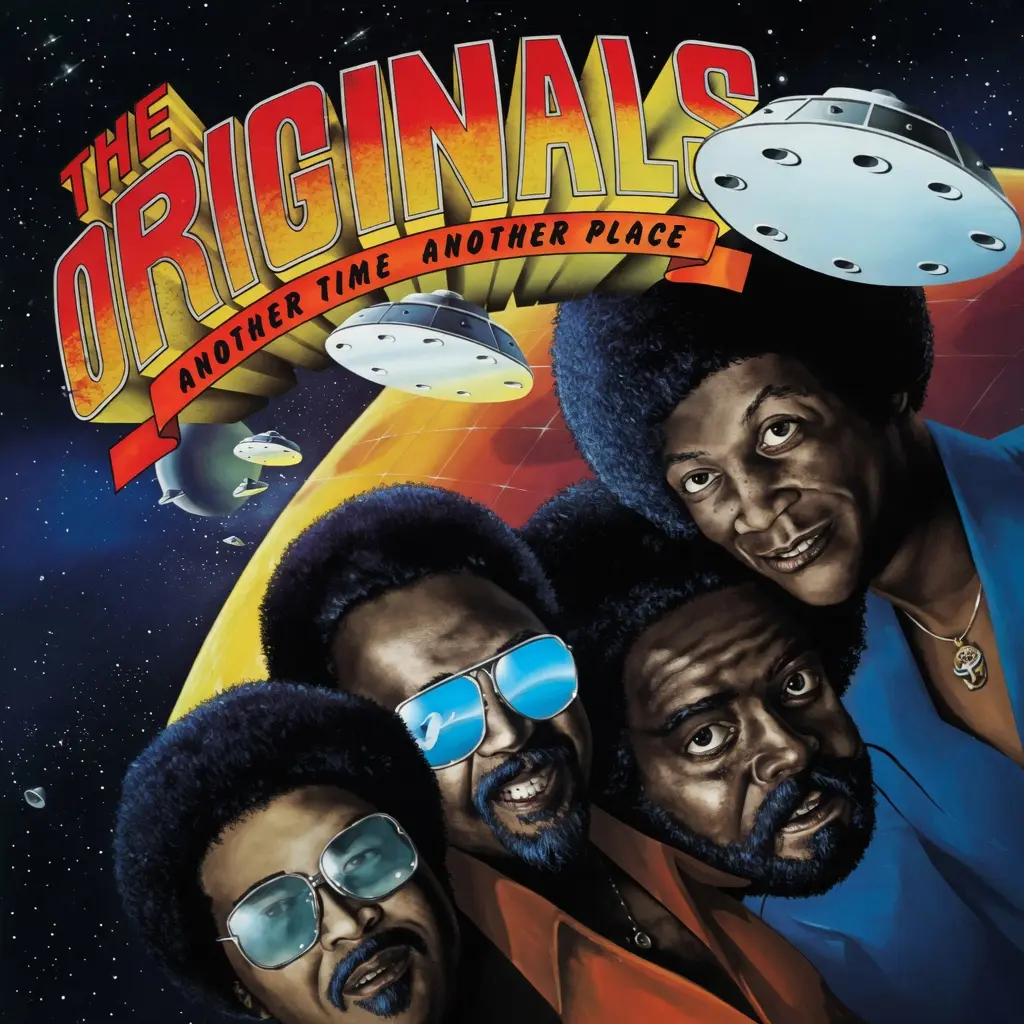 The Originals released their ninth album, Another Time, Another Place, in May 1978 on Fantasy.
The album presents Fantasy-era vocal-group soul with disco-period rhythm arrangements, performed by singers Hank Dixon, Walter Gaines, Freddie Gorman, and Ty Hunter. Freddie Gorman and the group produced the album. Dale O. Warren and Robert Manchurian arranged and conducted the material, with McKinley Jackson providing rhythm arrangements on “Fantasy Interlude,” “Don’t Put Me On,” “Temporarily Out Of Order,” and “Take This Love.”
A1. “Fantasy Interlude” (1:57) – Gorman, Dixon
A2. “Don’t Put Me On” (5:20) – Gorman, Hunter
A3. “I’ve Loved, I’ve Lost, I’ve Learned” (3:10) – Gorman, McLee
A4. “Temporarily Out of Order” (5:35) – Gorman, Hunter
B1. “Ladies (We Need You)” (5:33) – Gorman, Hunter, Harrington
B2. “Take This Love” (3:50) – Gorman, Hunter
B3. “It’s Alright” (4:02) – Gorman, Croom
B4. “Thanks for Your Love (Happiness Is You)” (4:15) – Gorman, Hunter
Fantasy issued “Ladies (We Need You)” as a 1978 single (b/w “Take This Love”). “Temporarily Out Of Order” became a second single (b/w “It’s Alright”).
Come Away With Me
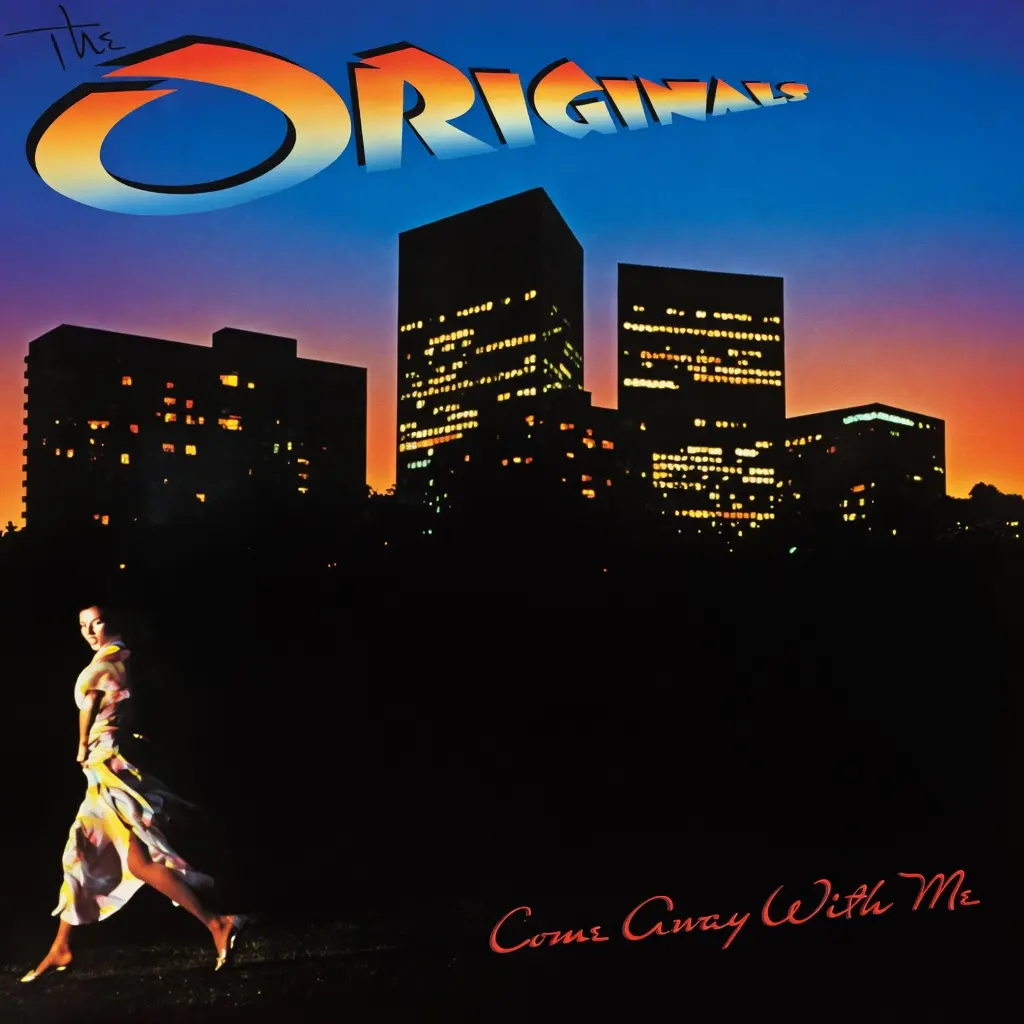 The Originals released their tenth album, Come Away With Me, in 1979 on Fantasy.
The album presents Fantasy-era soul and long-form disco ballads, performed by singers Hank Dixon, Walter Gaines, Freddie Gorman, and Ty Hunter. Lamont Dozier wrote “Jezebel (You’ve Got Me Under Your Spell).” Gene Page and Dozier wrote “While The Cat’s Away.” Rodgers and Hart supplied “Blue Moon,” which closes the album in an extended arrangement.
A1. “Jezebel (You’ve Got Me Under Your Spell)” (5:43) – Dozier
A2. “J-E-A-L-O-U-S (Means I Love You)” (6:18) – Hobbs, Croom, Gorman
A3. “While The Cat’s Away” (6:07) – Page, Dozier
B1. “Come Away With Me” (5:56) – Gorman
B2. “Stay (With Me)” (4:29) – Croom, Gorman
B3. “Blue Moon” (7:22) – Rodgers, Hart
Fantasy issued “Blue Moon” as a December 1978 single (b/w “Ladies (We Need You)”). In March 1979, “J-E-A-L-O-U-S (Means I Love You)” became a second single (b/w “Jezebel (You’ve Got Me Under Your Spell)”).
Yesterday and Today
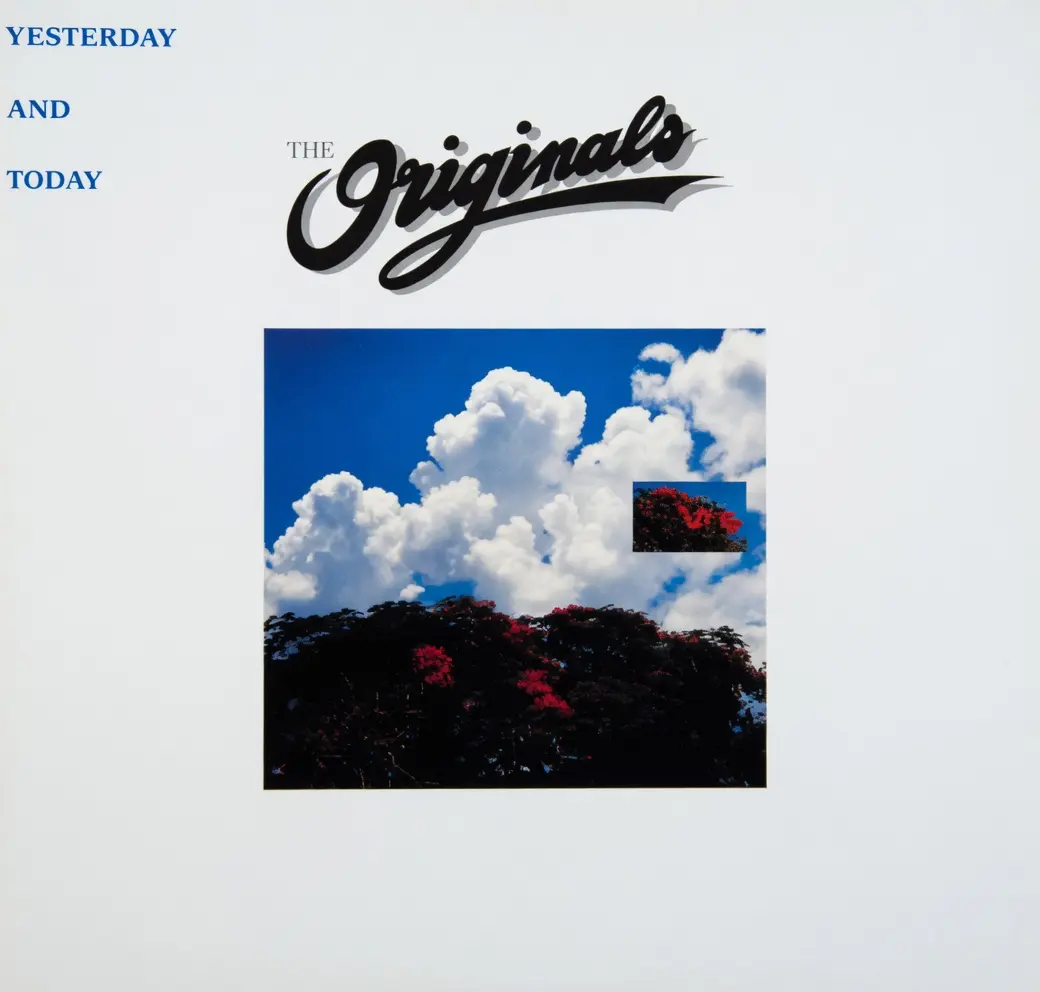 The Originals released their eleventh album, Yesterday and Today, in 1981 on Phase II.
The album presents Phase II-era vocal-group soul with extended remakes and new dance-soul material, performed by singers C.P. Spencer, Hank Dixon, Walter Gaines, and Freddie Gorman. Hamilton Bohannon executive-produced the album. The credited musicians include guitarist Leroy Emmanuel, keyboardist Mose Davis, keyboardist Oliver Wells, guitarist Ricardo Rouse, drummer Rod Lumpkin, and horn player Ted Waterhouse.
A1. “Baby, I’m For Real” (5:10) – Anna Gordy Gaye, Marvin Gaye
A2. “I’m Your Man” (6:41) – Bohannon
A3. “The Magic Is You” (5:08) – Emmanuel
B1. “Waitin’ On a Letter / Mr. Postman” (8:41) – “Mr. Postman”: Dobbins, Garrett, Gorman, Bateman, Holland
B2. “Share Your Love With Me” (4:41) – Bohannon
B3. “Let Me Dance” (3:45) – Emmanuel
Phase II issued “Waitin’ On a Letter / Mr. Postman” as a 1981 single (b/w “The Magic Is You”), which reached No. 74 on the Billboard R&B chart. “The Magic Is You” became a second single (b/w “Let Me Dance”). In 1982, “Baby, I’m For Real ’82” reappeared as a single (b/w “The Magic Is You”).
Discography:
- Green Grow the Lilacs (1969)
- Portrait of the Originals (1970)
- Naturally Together (1970)
- Def·i·ni·tions (1972)
- Game Called Love (1974)
- California Sunset (1975)
- Communiqué (1976)
- Down to Love Town (1977)
- Another Time, Another Place (1978)
- Come Away With Me (1979)
- Yesterday and Today (1981)
Sources:
Artist/Album Pages:
Syd Barrett (1946–2006) was an English singer, songwriter, and guitarist who co-founded Pink Floyd. ...
Messengers were a German jazz-funk big band behind the 1975 Red Point album First Message, followe...
Space Circus was a Japanese jazz-rock band behind the 1978/79 RCA albums Funky Caravan and Fantast...
Radka Toneff (June 25, 1952 — Oct. 21, 1982) was a Norwegian jazz vocalist who released three albu...
The Soft Boys were an English New Wave/psych band from Cambridge that debuted with a three-song EP...
Smoke Rise was an American rock band on Paramount Records. Their 1971 double-album, The Survival of...
Vanessa was a Norwegian jazz-rock band that made the 1975 album City Lips for the On label, follow...
Andromeda was a German organ-rock/psych band that released a self-titled album on Vogue in 1970. ...
Slack Alice was an English barroom-rock band, led by veteran singer Alice Spring. In 1974, they is...
Amos Key was a German classical rock trio behind the 1973 Spiegelei album First Key. Members: Tho...
Dave Holland — aka David Holland (born Oct. 1, 1946) — is an English double-bassist, composer, and...
The Whatnauts were an American soul group from Baltimore that released fourteen singles and the 19...