

Moose Loose was a Norwegian jazz-rock band behind the 1974 Mai release Elgen er Løs, followed by the 1976 Vertigo album Transition.
Members: Jon Eberson (guitar), Espen Rud (drums), Brynjulf Blix (keyboards), Sveinung Hovensjø (bass), Håkon Graf (keyboards), Trond Villa (violin), Pål Thorstensen (bass)
Background
Jon Eberson formed Moose Loose in Oslo in 1973 with keyboardist Brynjulf Blix, bassist Sveinung Hovensjø, and drummer Pål Thowsen.
Eberson entered Moose Loose after early work in a quartet with saxophonist Vidar Johansen and in the jazz-rock groups Skjåk Bræk and Unis. In 1972 he also worked with Svein Finnerud. The following year brought Nordic Jazz Workshop in Södertälje and his recording debut on Ketil Bjørnstad’s Åpning.
Hovensjø came in from the Gjøvik and Toten scene after time in Prototypes and Bruno. He also appeared with Geir Wentzel’s soul band and made his recording debut on the 1970 solo LP by Little Earl Wilson. Thowsen reached the Oslo circuit from Lillestrøm as a teenager and began his long association with Eberson in 1973. Blix, a local pianist, completed the quartet. Moose Loose debuted at Kongsbergfestivalen.
Elgen er Løs
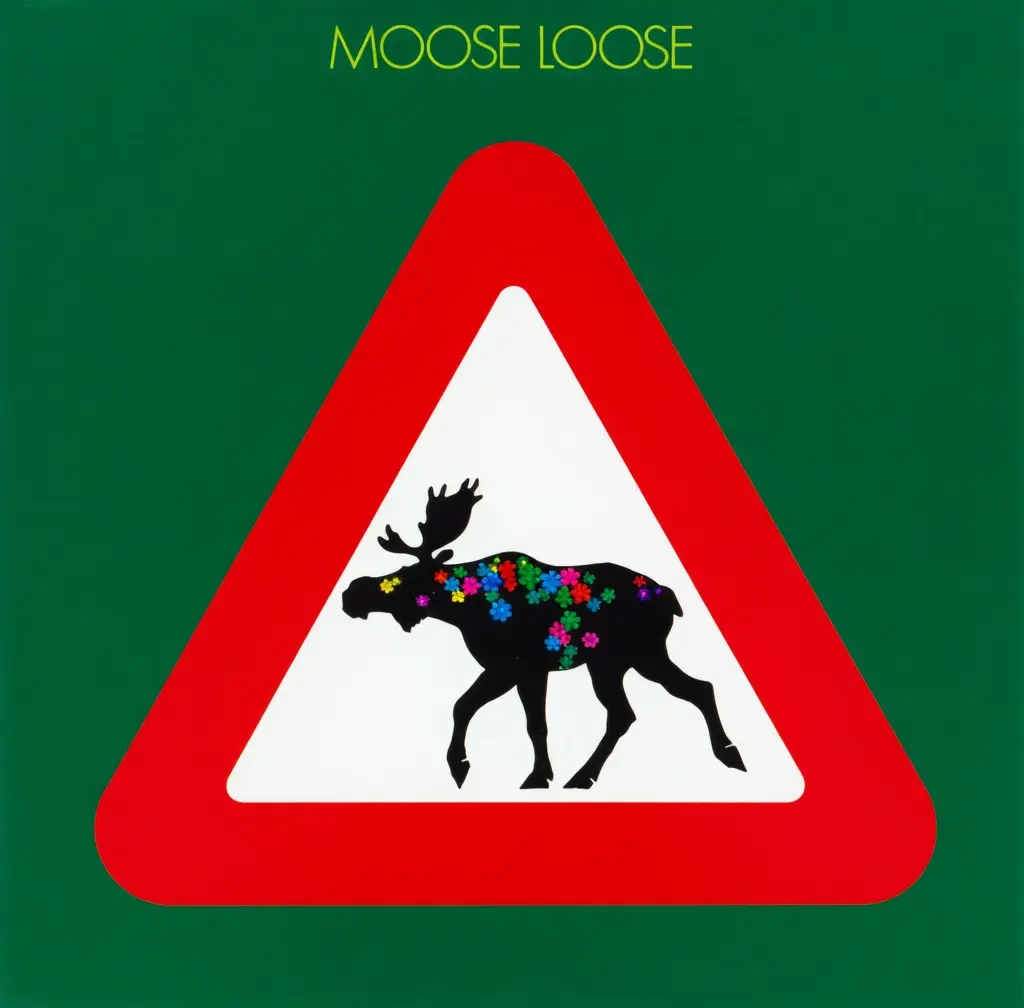 Moose Loose released Elgen er Løs (The Moose Is Loose) in November 1974 on Mai.
Eberson leads with clipped lines over the multi-keyboard arsenal of Blix (clavinet, organ, e-piano). Hovensjø and Thowsen hold a dry backbeat beneath long themes and a tense rhythmic pull. Side one carries more pressure and denser texture. Side two presents spaciousness and reduced temperature.
Elgen er Løs opens with “Ebers’ Funk,” where fast clavinet runs and hard drums seize the front line before Eberson cuts through with fuzz guitar and a fast solo burst. “B.M.” unfolds through a repeated e-piano figure and a slow rise, then stretches into longer lead exchanges over a tense, unsettled pulse. “Flytende Øye” runs on a shuffle, drops into a calmer middle space, and returns with thicker echo and a denser surface. “Skakke-Jens” strips the texture down, snaps into sharp outbreaks, and gathers force through a firmer rhythmic pull. “O Kjød” closes the album in quieter motion, with close phrasing, measured pacing, and a gradual turn from reflective stillness to a fuller mid-song crest.
A1. “Ebers’ Funk” (6:39) — Eberson
A2. “B.M.” (11:31) — Eberson
B1. “Flytende Øye” [Floating Eye] (6:37) — Sveinung Hovensjø
B2. “Skakke-Jens” [Crooked Jens] (5:47) — Brynjulf Blix, Pål Thowsen
B3. “O Kjød” [O Flesh] (6:41) — Eberson
Moose Loose self-produced Elgen er Løs at Scanax Studio and Arne Bendiksen Studio. Christian Wille engineered tracks A1 through B2. Jan Erik Kongshaug engineered B3, and Arvid Esperø handled the mix.
Bruno Oldani designed the cover. Jan Syversen shot the photography, and Euro Trykk A/S manufactured the sleeve.
Between albums, Brynjulf Blix, Sveinung Hovensjø, and Pål Thowsen cleared for keyboardist Håkon Graf, bassist Pål Thorstensen, drummer Espen Rud. Eberson reconfigured Moose Loose as a quintet with violinist Trond Villa.
Transition
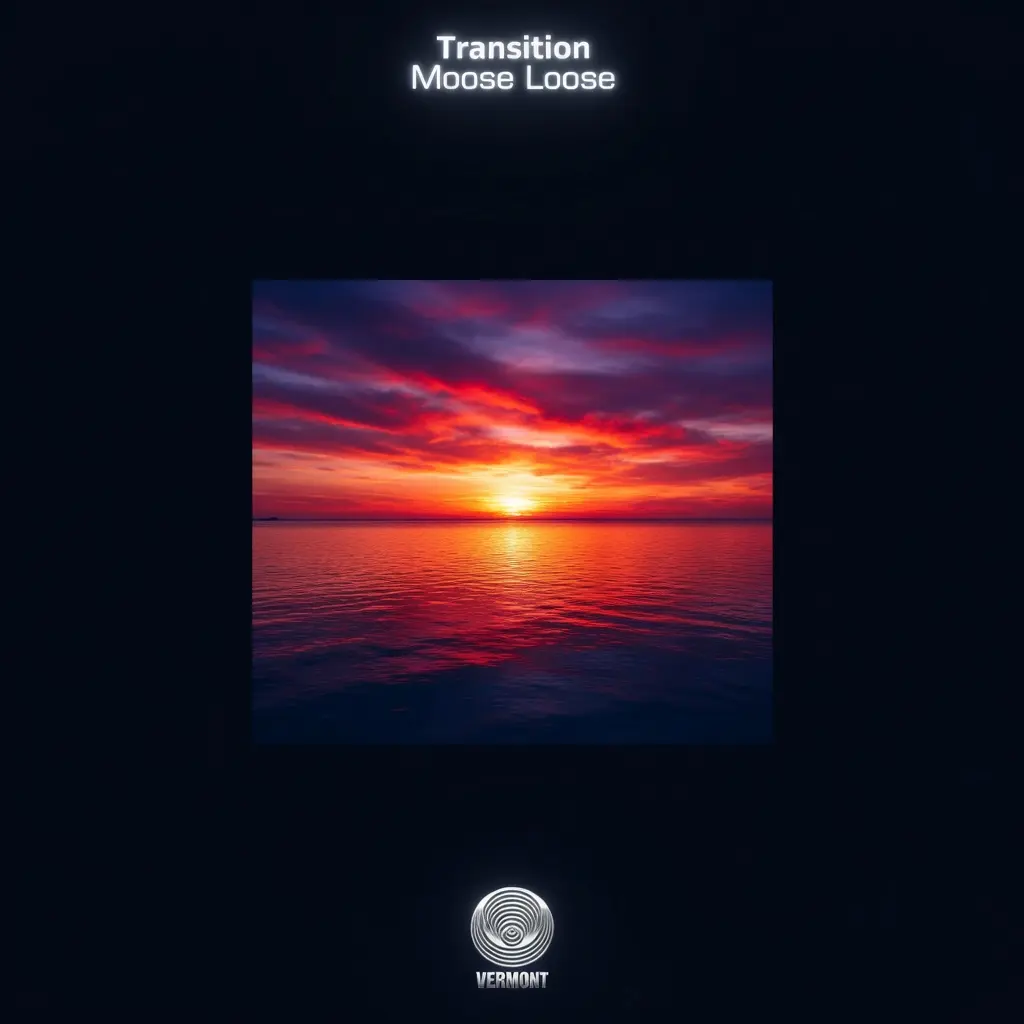 Moose Loose released their second album, Transition, on April 5, 1976, on Vertigo. It carries six instrumentals, five by Jon Eberson and one by Trond Villa.
Eberson and Villa carry the lead lines across a tighter ensemble design. Graf adds denser keyboard color. Thorstensen and Rud hold a firm backbeat beneath the longer pieces. Two short interludes split the side-longer structures.
“Funky Hi-Way” sets a steady pulse and lets the lead lines trade broad phrases over a taut, forward rhythm. “Trees” begins in a slow, plaintive register, widens into a heavier middle stretch, then breaks into a hotter close with more bite and speed. “Ballad for My Little Girl” reduces the pressure to a short reflective passage with close spacing and quiet weight. “Filet” works as a brief pastoral pause with soft phrasing and a suspended cadence. “White” extends the album’s longest arc through measured solo space, a somber open center, and a later rise that gathers more force before the closing return. “Graf” ends the set with the clearest internal design, as each phrase locks into place and the ensemble holds a firmer line from start to finish.
 A1. “Funky Hi-Way” (8:19)
A2. “Trees” (10:25)
A3. “Ballad For My Little Girl” (1:56)
B1. “Filet” (1:23) — Villa
B2. “White” (11:38)
B3. “Graf” (5:01)
Moose Loose recorded Transition at Rosenborg Studio in October 1975 with producer Svein Erik Børja and engineer Hans Petter Danielsen.
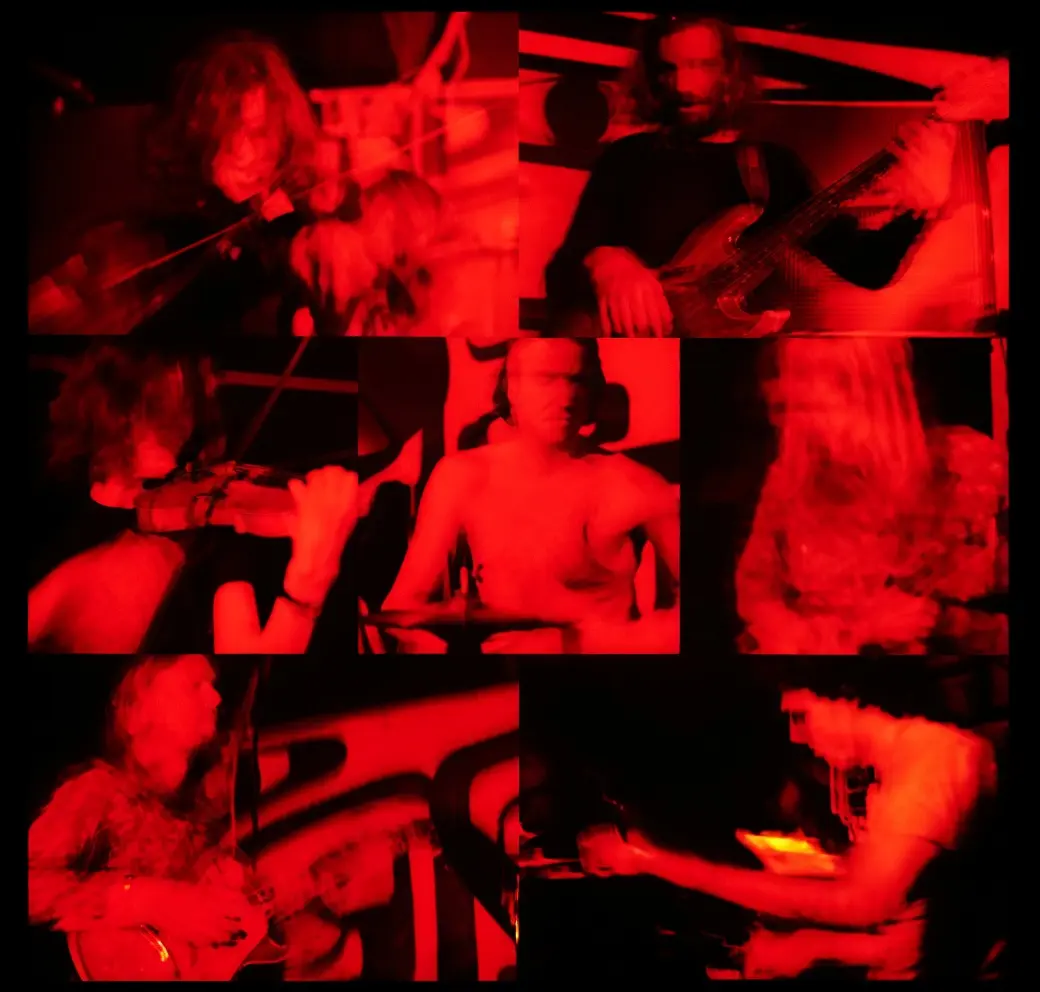
Knut Harlem designed the sleeve. Jan Schwarzott shot the cover image, and Terje Mosnes supplied the liner photographs.
One small source note for your working draft: digital platforms list slightly longer timings for several tracks, but the LP timings above match the original 1976 issue.
Postlude
In 1977, Jon Eberson retained Håkon Graf and called back Sveinung Hovensjo for Blow Out, recorded with jazz drummer Jon Christensen. Eberson also played on Winter Poem, the debut album by jazz vocalist Radka Toneff.
Live at Kongsberg Jazzfestival 1973
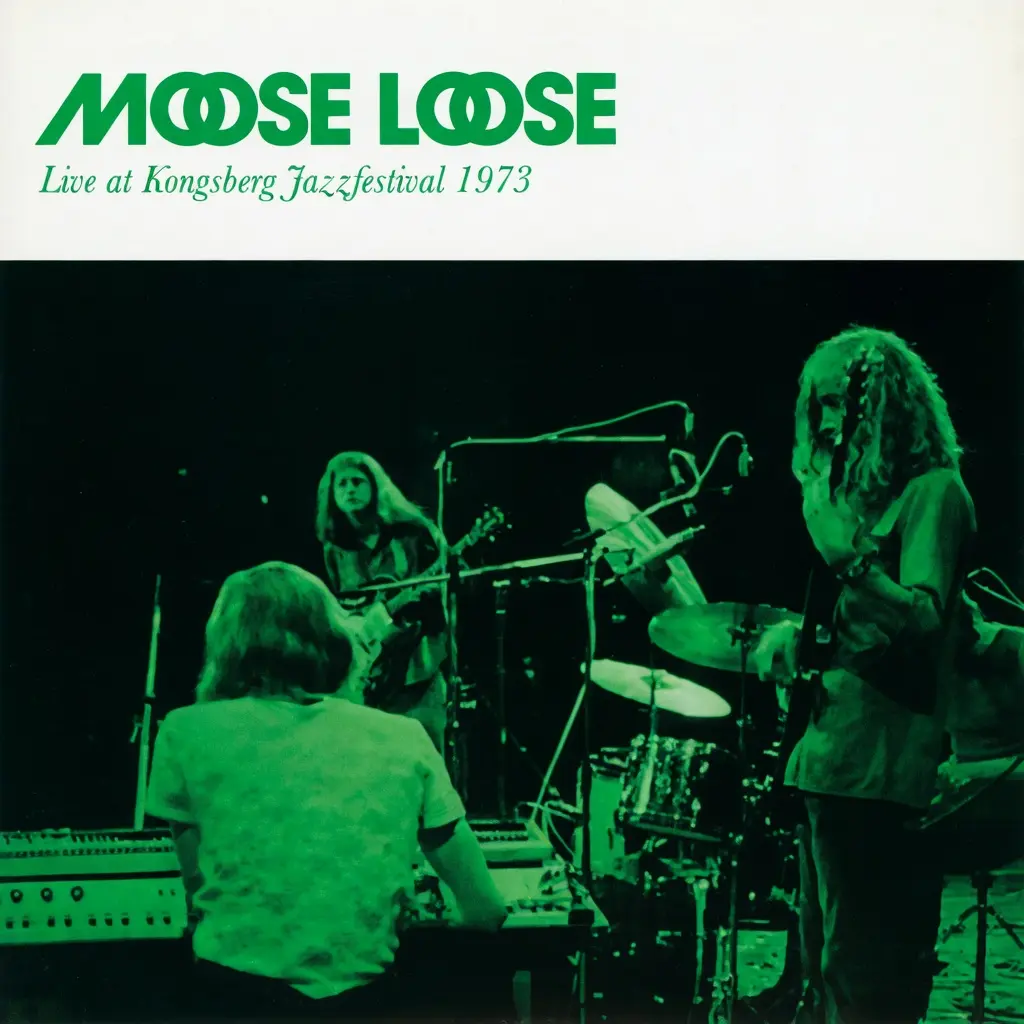 In 2023, archivists Norske Arkivklassikere issued Live at Kongsberg Jazzfestival 1973. It documents the pre-record Moose Loose at the famed annual event. The set features guitarist Jon Eberson, keyboardist Brynjulf Blix, bassist Pål Thorstensen, and drummer Espen Rud.
The performance catches Moose Loose in a lean four-piece format with no violin or second keyboard layer. Eberson and Blix drive the front line through sharper themes, longer solo stretches, and open rhythmic turns. Thorstensen and Rud hold a dry, flexible underpin beneath the extended pieces, while the program mixes original material with outside pieces from Miroslav Vitouš and Miles Davis by way of Jan Garbarek.
1. “Moose Loose” (8:56) — Brynjulf Blix, Jon Eberson
2. “O-kjød” (4:26) — Brynjulf Blix
3. “Ebers Funk” (6:21) — Jon Eberson
4. “Ebers Space” (10:14) — Jon Eberson
5. “Ebers Heavy” (8:35) — Jon Eberson
6. “Easy to Forget” (4:32) — Jon Eberson
7. “Purple” (8:09) — Miroslav Vitouš
8. “Boston Miles” (5:22) — Miles Davis
Moose Loose performed the set on June 30, 1973, at the Kongsberg Jazzfestival. Hans-Egil Arntsen recorded the concert on a Telefunken M5. Giert Clausen remastered the tape at Fersk Lyd and also wrote the liner notes.
Trine + Kim Design Studio handled the design. Norske Arkivklassikere packaged the release in a standard jewel case with a clear tray and four-page booklet. The issue also credits crowdfunding support through bidra.no. “Boston Miles” derives from a Jan Garbarek variation on a 1971 Miles Davis theme.
Discography:
- Elgen er Løs (1974)
- Transition (1976)
Sources:
Artist/Album Pages:
Rävjunk was a Swedish space-rock band that self-released the 1977 album Uppsala Stadshotell Brinne...
Electromagnets were an American jazz-rock band from Austin that issued an eponymous album on self-...
Sunbear was an American jazz-funk/soul duo that released a self-titled album on Soul Train Records...
Rick Derringer (August 5, 1947 — May 26, 2025) was an American guitarist, singer, songwriter and p...
The Supremes were an American soul-pop trio from Detroit, formed in 1961. Their classic lineup fea...
Robert Fripp is an English guitarist, composer, and bandleader who masterminded King Crimson acros...
Spanky Wilson (b. circa 1947) is an American soul singer from Philadelphia who released four albu...
Kiyoshi Sugimoto — 杉本喜代志 (Feb. 3, 1942) — is a Japanese jazz-rock guitarist who co-headed five alb...
Fred Locks — aka Stafford Elliot — is a Jamaican reggae artist who released the 1976 Vulcan album ...
Scandal was an American pop-rock band from Eugene, Ore., that released the 1978 album Really Wort...
Brian Auger's Oblivion Express were an English jazz-rock ensemble that released six studio albums an...
Katsutoshi Morizono — 森園勝敏 (born February 18, 1954) — is a Japanese jazz-rock guitarist who played...