

Joachim Kühn (born March 15, 1944) is a German pianist who appeared on more than 400 recordings across six decades. During the 1970s, he released multiple jazz-funk albums on MPS/BASF and Atlantic.
After early work with his older brother Rolf Kühn, Joachim debuted with the 1968 Impulse! release Impressions of New York. He collaborated with Don Cherry, Jean-Luc Ponty, Toto Blanke, and Association P.C. before his mid-’70s electric line: Cinemascope, Springfever, and Hip Elegy, the latter co-headlined by Alphonse Mouzon. In 1981, he teamed with Mark Nauseef in the jazz-rock trio Information.
Background
He was born Joachim Kurt Kühn on March 15, 1944, in Leipzig. His mother placed him in piano study with Leipzig music director Arthur Schmidt-Elsey. Kühn entered public performance as a child after an early classical training in piano and composition. His Leipzig classical roots gave way to the jazz innfluence of his older brother Rolf Kühn (born September 29, 1929), a clarinetist and saxophonist with radio-band, big-band, and early international jazz credits. Kühn later cited Bach, John Coltrane, and Ornette Coleman as his key influces.
At age 20, he formed the Joachim Kühn Trio with bassist Klaus Koch and drummer Reinhard Schwarz. On November 1, 1965, they opened Jazz in der Kammer, an East Berlin concert series. During the same period, Kühn appeared at Warsaw’s Jazz Jamboree with Rolf Kühn and recorded Solarius in a quintet with Koch, Michał Urbaniak, and Czesław Bartkowski.
The Kühn brothers continued their partnership on the 1965 LP Re-Union in Berlin. In 1966, Joachim left East Germany and joined Rolf in Hamburg, where the brothers appeared at the Berliner Jazztage and the Newport Jazz Festival, a step into the transatlantic jazz circuit. In 1967, they recorded Transfiguration with Karlhanns Berger, bassist Beb Guérin, and drummer Aldo Romano.
Impressions of New York
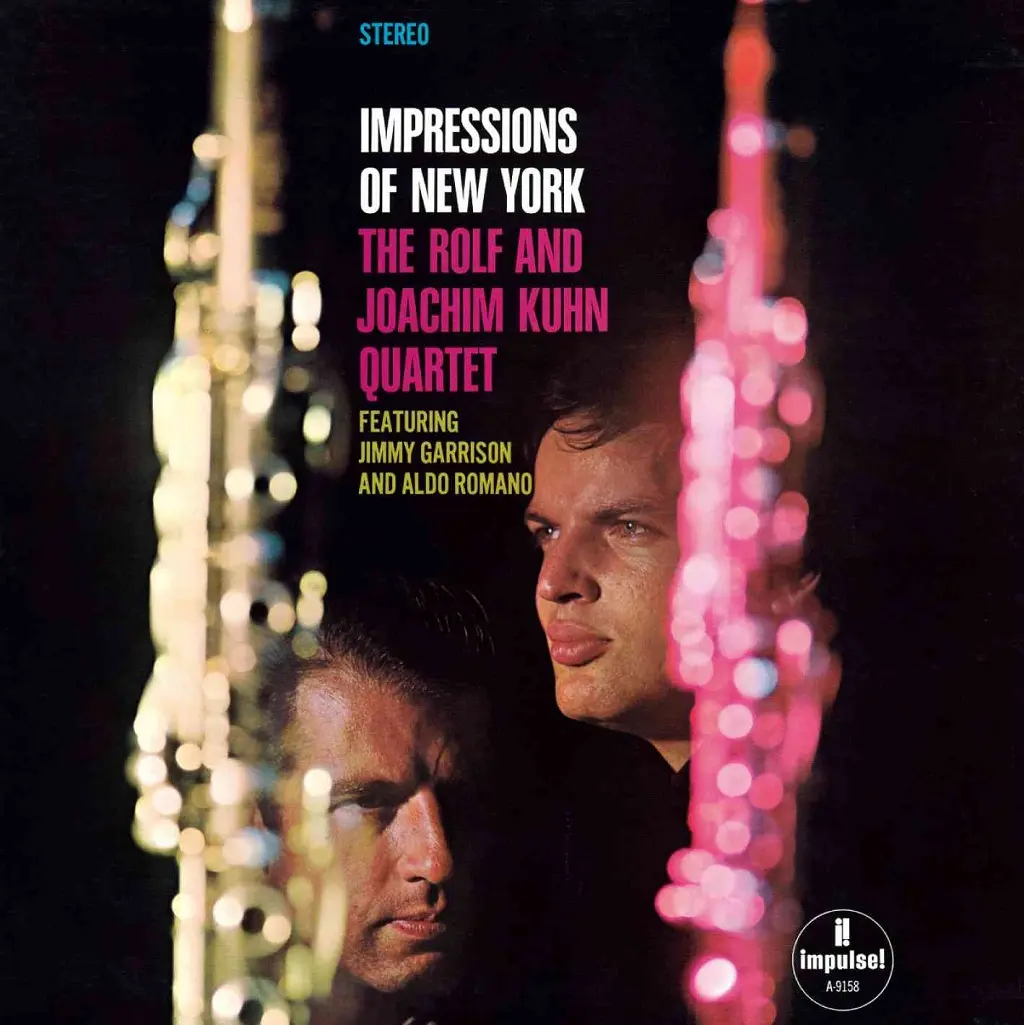 The Rolf and Joachim Kühn Quartet released Impressions of New York in 1968 on Impulse!
Impressions contains two side-long pieces credited to Rolf Kühn and documents the brothers’ New York quartet with bassist Jimmy Garrison and drummer Aldo Romano.
Rolf Kühn leads with clarinet lines that veer from long held tones into fast clustered runs. Joachim answers with dense chord blocks, splintered accents, and sudden linear breaks. Jimmy Garrison anchors the session with a dark, steady floor. Aldo Romano drives the quartet with a rolling pulse.
A1. “Impressions of New York – I: Arrival / The Saddest Day / Reality” (17:50)
B1. “Impressions of New York – II: Predictions” (15:15)
Rolf and Joachim Kühn recorded Impressions of New York in New York City on July 27, 1967, with producer Bob Thiele and engineer Frank Abbey.
Impulse housed the album in a gatefold sleeve with liner notes by Nat Hentoff, cover design by Robert Flynn, liner design by Joe Lebow, and photography by Chuck Stewart.
Bold Music
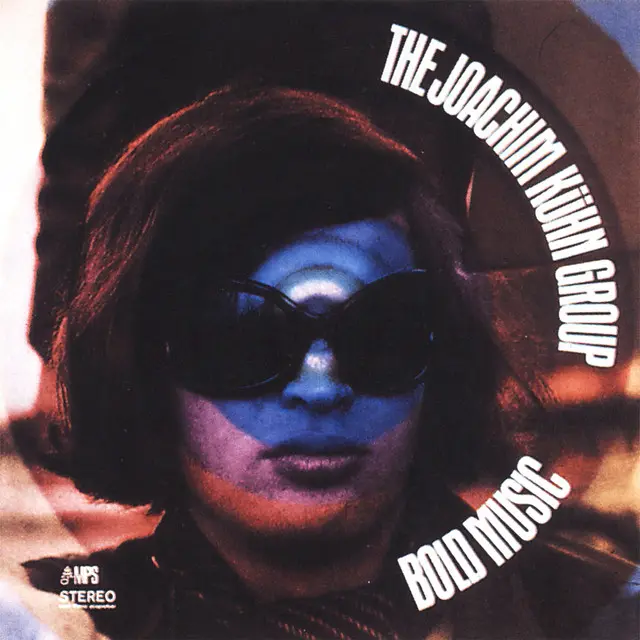 Joachim Kühn released Bold Music in 1969 on MPS Records. The album presents eight Kühn compositions under the Joachim Kühn Group name.
Kühn expands his role with alto saxophone, horn, shanai, bells, gong, steel drums, and voice. He’s joined by bassist–cellist J.-F. Jenny-Clark and percussionists Jacques Thollot and Stu Martin, who alternate drums with bells, tambourine, steelpan, and vocal interjections. The music cuts between jagged open stretches and tighter rhythmic figures.
A1. “My Friend the Yogi” (3:43)
A2. “Nobody Knows You Tomorrow” (4:51)
A3. “Bold Music” (4:27)
A4. “Vampire Castle” (4:30)
B1. “Depression and Illusion” (3:25)
B2. “The Third World War” (9:10)
B3. “Message from Upstairs” (3:45)
B4. “The Child Out There – Somewhere” (3:26)
Joachim Kühn recorded Bold Music on June 2 and 3, 1969, at MPS-Tonstudio in Villingen, Black Forest, with producers H. G. Brunner-Schwer and Joachim E. Berendt. H. G. Brunner-Schwer and Willi Fruth handled the recording.
Wolfgang Baumann handled the graphic work, Alf Bludschun supplied the photographs, and the sleeve included a Kühn interview conducted by Joachim E. Berendt with an English translation by O. E. Syman.
Sound of Feelings
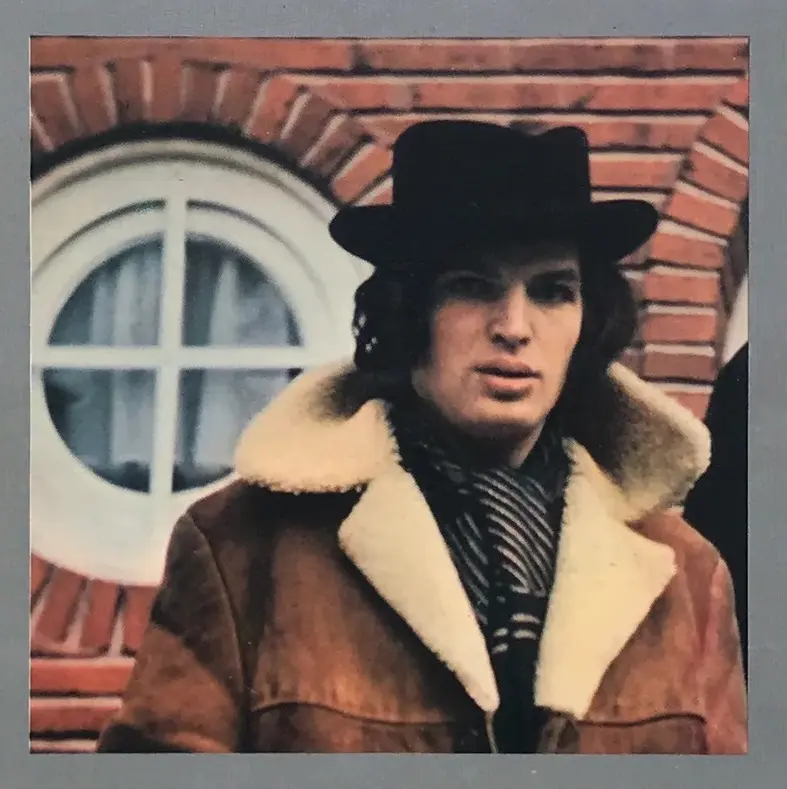 Joachim Kühn released Sound of Feelings in 1969 on BYG Records as part of the French Actuel series. The program contains six Kühn originals and closes with “Wellcome,” his version of John Coltrane’s “Welcome.”
Kühn trims the group to a trio and concentrates the sound around piano, alto saxophone, and shehnai, with added bells and tambourine across the date. J.-F. Jenny-Clark holds the low end on bass, then slips color into the texture with flute and bells. Aldo Romano keeps the kit in motion and joins the percussion layer on tambourine. The reduced lineup gives the album a cleaner front edge than Bold Music, but the playing still swings between lyric space, abrupt attack, and open improvisational surge.
A1. “Shadows, Where Ever We Turn” (6:47)
A2. “Scandal” (3:44)
A3. “Wester Meaning” (8:30)
A4. “Gaby Love” (4:19)
B1. “El Dorado” (9:28)
B2. “In the Middle of the Way” (7:02)
B3. “Wellcome” (4:44) — John Coltrane
Joachim Kühn recorded Sound of Feelings on January 25, 1969, at Studio der Windrose in Hamburg with producers Jean Georgakarakos and Jean-Luc Young and engineer Henning Rüte.
BYG issued the album in a gatefold sleeve. Dorothea Harder supplied the photographs, and Paul Alessandrini wrote the liner notes.
Interchange
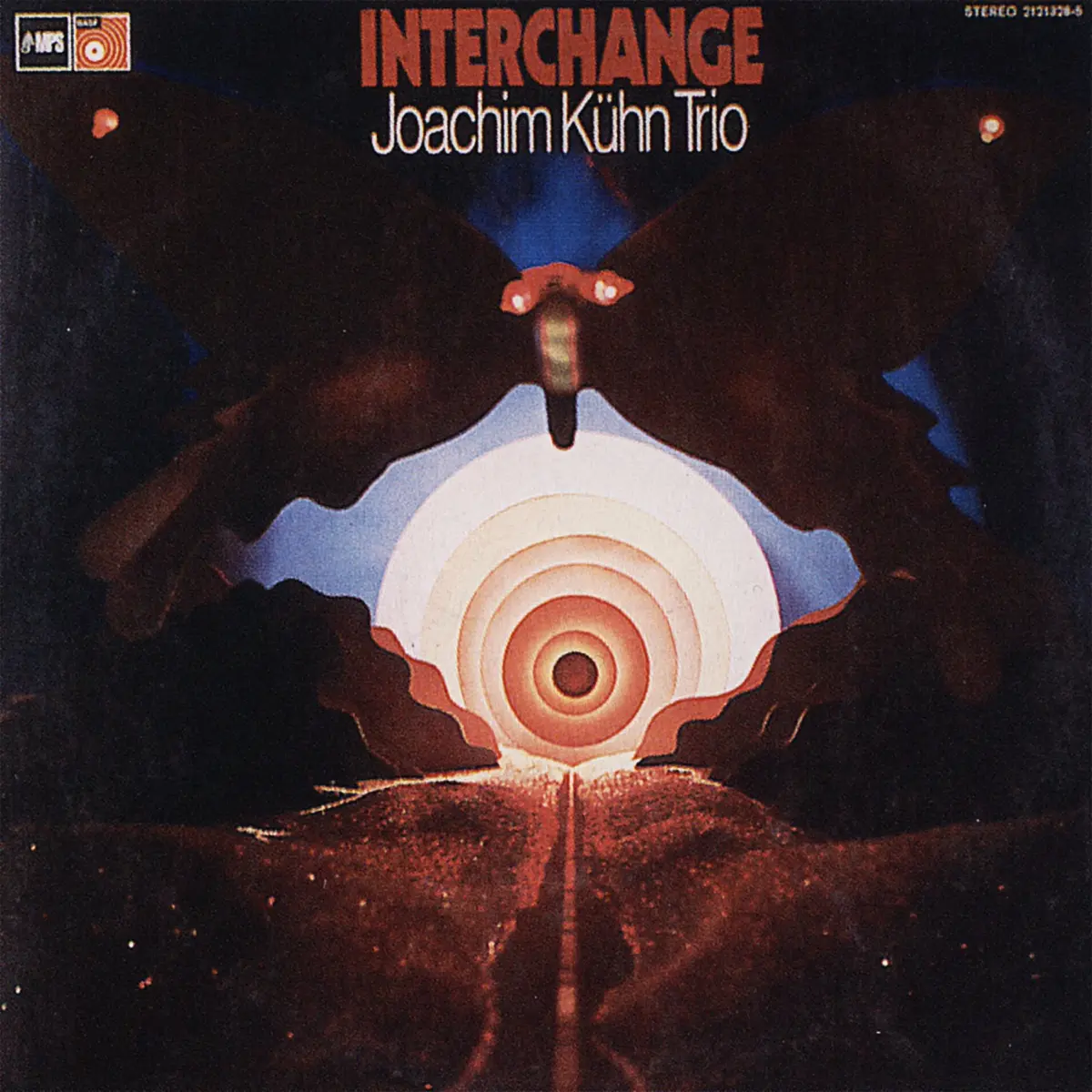 Joachim Kühn Trio released Interchange in 1972 on MPS/BASF.
Kühn takes alto saxophone on “Jolly Green Giant.” Peter Warren shifts between bass and cello. Pierre Favre works percussion and saw. Five group pieces shape the program, with one composition each by Warren and Kühn.
A1. “Interchange” (5:15)
A2. “Traffic Madness” (2:52)
A3. “Cello Fane” (5:53)
A4. “Jolly Green Giant” (7:12)
B1. “One Foot Shuffle” (7:49)
B2. “Solo for Arlene” (3:29) — Warren
B3. “Sad Ballad” (7:41) — Kühn
Joachim Kühn Trio recorded Interchange in Villingen, Black Forest, on December 8, 1971, with recording director Willi Fruth, engineer Rolf Donner, and executive producer Joachim Ernst Berendt.
Bernhard Wetz handled the cover design and cover photograph, Hans Harzheim supplied additional photography, and MPS issued the album in a gatefold sleeve with liner notes by Berendt and an English translation by O. E. Syman.
Paris Is Wonderful
Joachim Kühn released Paris Is Wonderful in 1970 on BYG Records as part of the Actuel series.
Kühn leads a trio with bassist Jean-François Jenny-Clark and drummer Aldo Romano, who alternates with Jacques Thollot. Guitarist Georges Locatelli guests on “It’s Only for You,” where Jenny-Clark adds cello.
A1. “It’s Only for You” (5:00)
A2. “Love Is Here – Is There – Everywhere” (14:28)
B1. “Paris Is Wonderful” (17:20)
Joachim Kühn recorded the first two tracks at Saravah Studio in Paris on October 27, 1969, then returned to the same studio on February 11, 1970, for the title piece. Daniel Vallancien engineered the album.
BYG issued the record in a gatefold sleeve as Actuel 529.346.
Solos
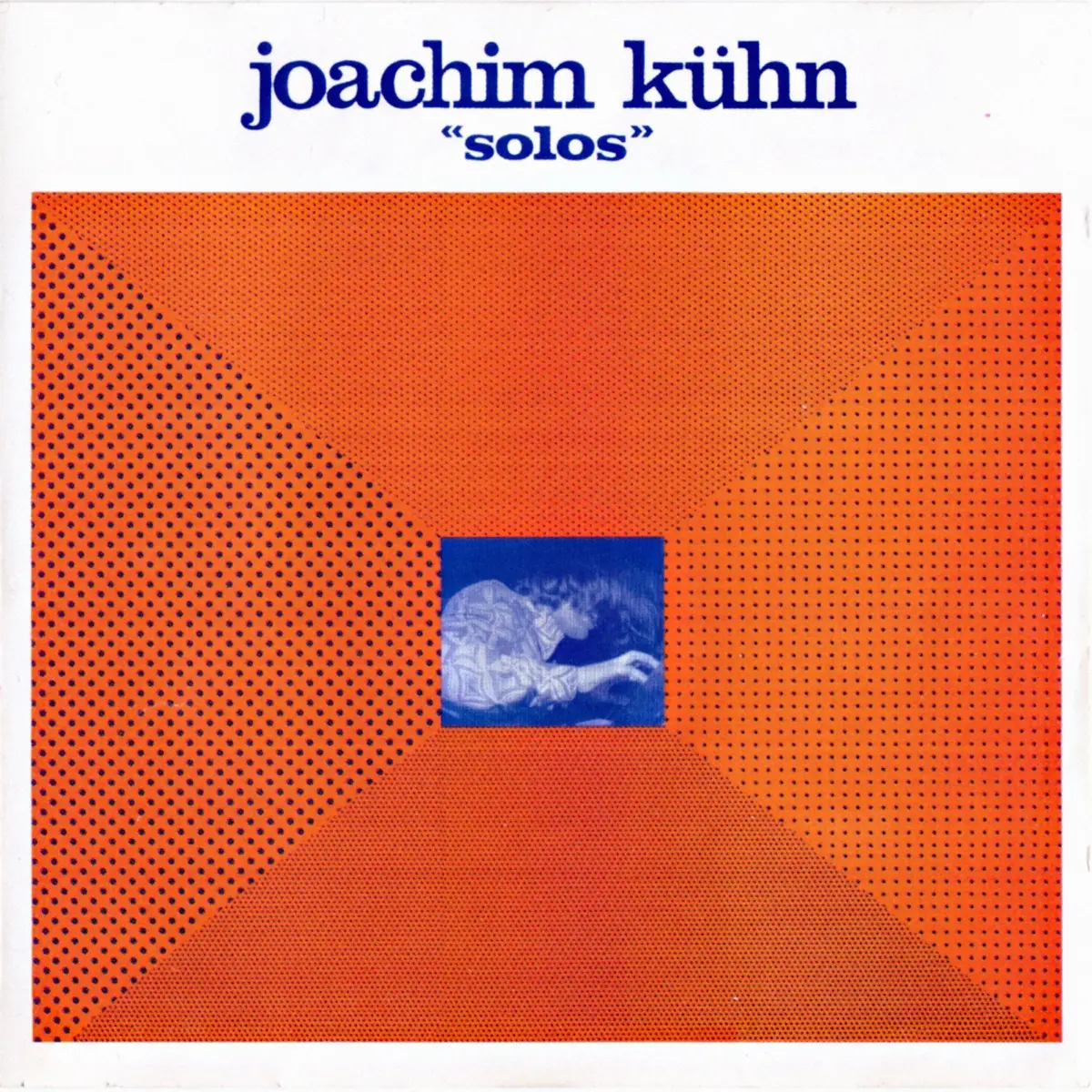 Joachim Kühn released Solos in 1971 on Futura.
Kühn cuts the album to solo piano and sets seven pieces of sharply varied length across the sides. Three came from the March 15, 1971 Europasonor date, with four more from the March 19 session. All seven carry his writing credit.
A1. “Solo 7” (7:58)
A2. “Solo 2” (5:59)
A3. “Solo 1” (6:08)
B1. “Solo 22” (3:31)
B2. “Solo 19” (6:44)
B3. “Solo 23” (5:49)
B4. “Solo 21” (4:30)
Joachim Kühn recorded Solos at Studio Europasonor in Paris on March 15 and 19, 1971, with producer Gérard Terronès, engineer Claude Martenot, and assistant engineer Jean-Loup Taléghani.
Jean Buzelin supplied the cover design and liner notes, Gilles Coussine handled the recto design, Eléonore Bakhtadzé shot the front image, and Hans Harzheim provided the inside photographs. Don Waterhouse adapted the liner notes into English.
Piano
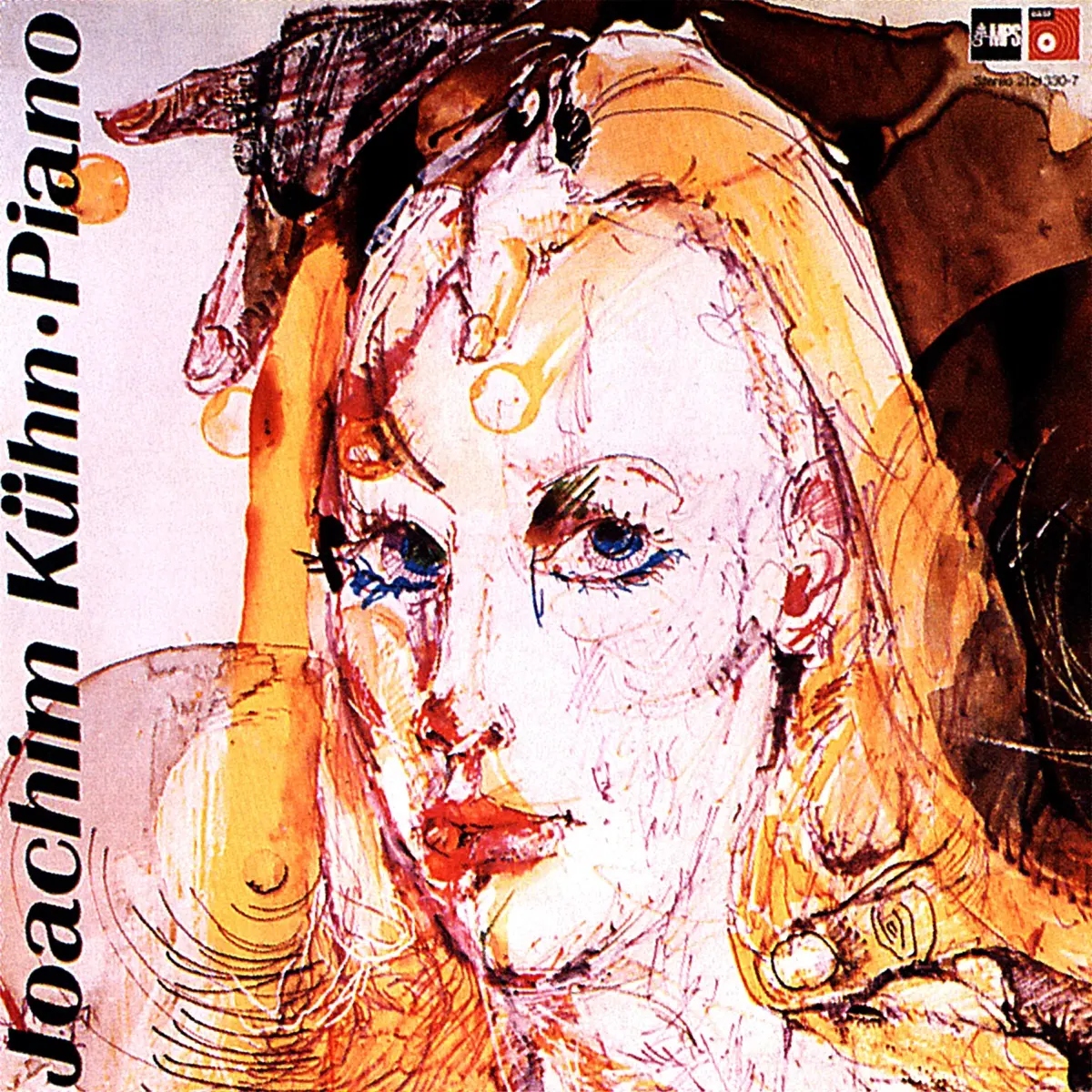 Joachim Kühn released Piano in 1972 on MPS/BASF; the original LP also circulated under the title Piano Solo.
Kühn returns to solo piano and spreads ten pieces across the program. Compact durations give the album a clipped profile, with short statements beside broader spans.
A1. “Mixing One” (5:18)
A2. “Dandy Ponty” (5:03)
A3. “She’s a Beauty” (5:12)
A4. “Part” (1:43)
A5. “Fast” (2:19)
B1. “Paris 71” (7:12)
B2. “Wiegenlied” (1:48)
B3. “Special” (2:55)
B4. “Chords” (3:40)
B5. “Mixing Two” (4:38)
Joachim Kühn recorded Piano at MPS Studio in Villingen in December 1971. MPS issued the album in 1972. The sleeve credits photography to Hans Harzheim.
This Way Out
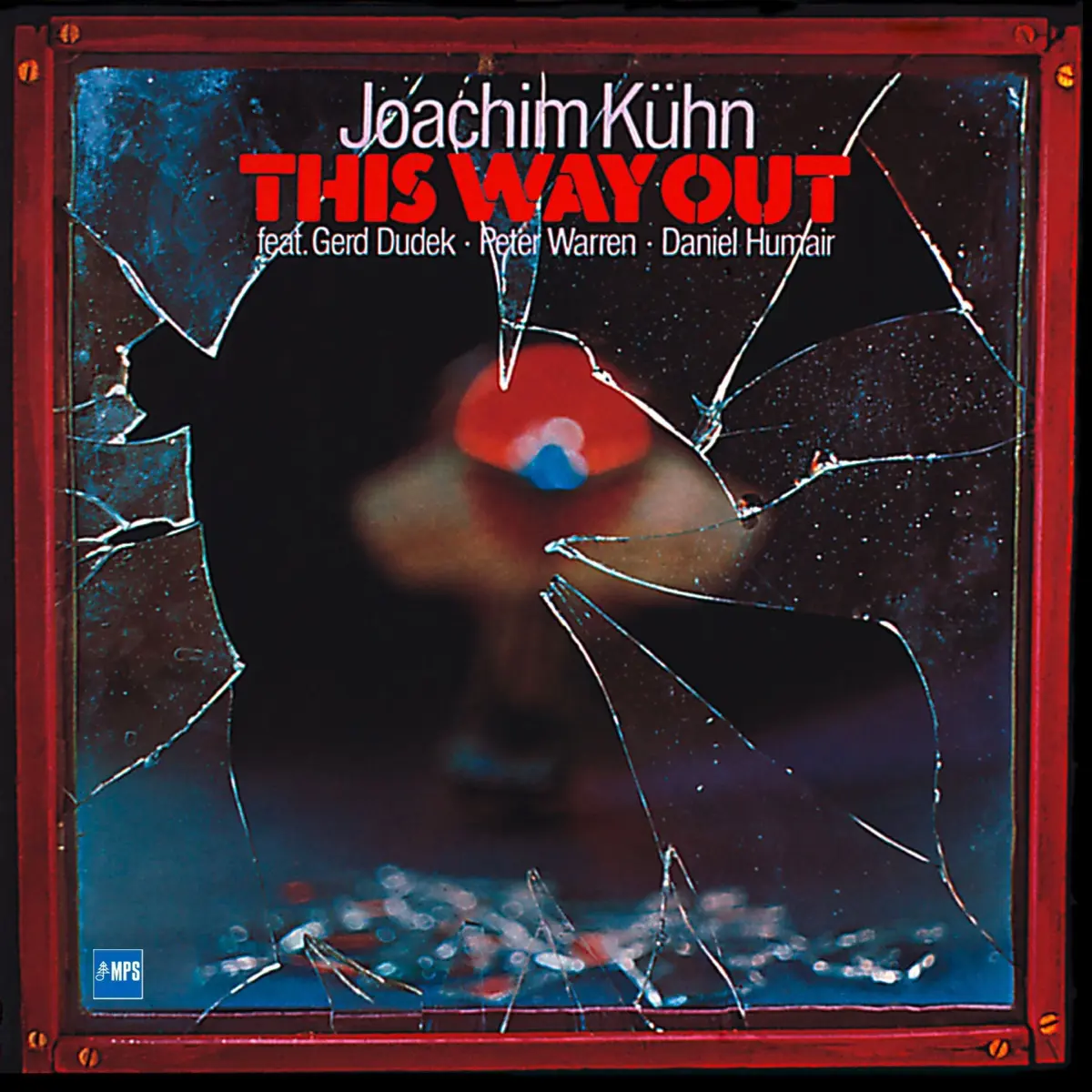 Joachim Kühn released This Way Out in 1973 on MPS/BASF. The 2LP set runs to sixteen pieces and places fourteen Kühn originals beside “Body and Soul” and “All the Things You Are.”
Kühn fronts a trio with bassist–cellist Peter Warren and drummer Daniel Humair; joined intermittently by reedist Gerd Dudek, who juggles flute, tenor and soprano saxophone. Joachim takes alto saxophone in the trio pieces. Dudek threads the quartet tracks with reed counterlines and longer ensemble passages.
“Brother Rolf” opens as a short reflective preface before “Byg Bridge” and “Amok” drive into quicker, more fractured motion. “She’s a Beauty” settles into a slower ballad shape. Kühn then cuts “Body and Soul” as an unaccompanied piano statement before turning to alto saxophone on the harsher “Phallic Dance.”
“Juxtaposition” alternates solo space with group reply. “All the Things You Are” enters as a compact standard reading. “Paris ’72” closes the trio sequence in miniature form. Dudek enters on the second disc, where “This Way Out” leans into a Latin-inflected pulse. “Do Dat Dudek” throws tenor and alto into fast open exchanges. “Other Way Out” narrows to piano and soprano dialogue. “Unison Union” expands into the longest collective stretch on the album.
A1. “Brother Rolf” (1:53)
A2. “Byg Bridge” (5:51)
A3. “Amok” (5:50)
A4. “She’s a Beauty” (4:37)
A5. “Spaced In” (4:15)
B1. “Body and Soul” (5:13) — Green, Heyman, Sour, Eyton
B2. “Phallic Dance” (6:03)
B3. “Juxtaposition” (3:47)
B4. “All the Things You Are” (3:36) — Kern, Hammerstein II
B5. “Paris ’72” (0:58)
C1. “This Way Out” (4:51)
C2. “Do Dat Dudek” (5:26)
C3. “Sound Color One” (1:59)
C4. “Sound Color Two” (1:13)
C5. “Other Way Out” (3:46)
D1. “Unison Union” (20:54)
Joachim Kühn recorded This Way Out at MPS Studio in Villingen in January 1973. MPS Records, Villingen, produced the album.
MPS issued the album in a gatefold sleeve.
Cinemascope
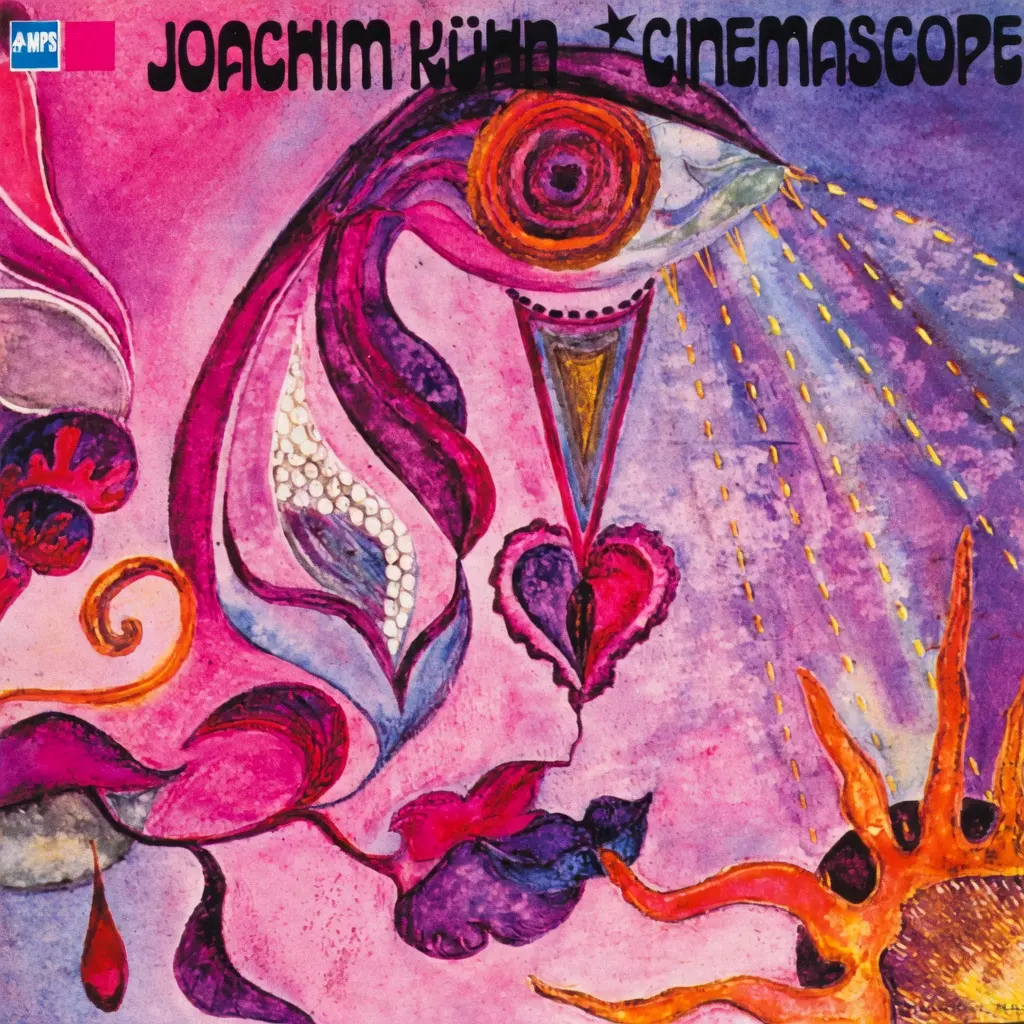 Joachim Kühn released Cinemascope in 1974 on MPS/BASF.
Kühn shifts between piano, electric piano, and alto saxophone with guitarist Toto Blanke, bassist John Lee, and drummer-percussionist Gerry Brown. Arranger-conductor Rolf Kühn sets a string orchestra around the quartet. Electric violinist Zbigniew Seifert joins “One String More.”
“Zoom” breaks into two linked sections that set Blanke and Kühn against the string backdrops. “One String More” drops Seifert into a broken electric field of guitar, keyboards, and strings. “Vibrator” strips the arrangement down to acoustic piano, while the two-part “Travelling” opens with a synthesized haze and then turns toward a more aggressive ensemble charge. Kühn heralds “Success” with alto saxophone, while “Black Tears” begins with a formal string prelude before the band settles into a slower closing passage.
A1. “Zoom -Part 1-” (5:26) — Blanke, Kühn
A2. “Zoom -Part 2-” (3:44) — Blanke, Kühn
A3. “One String More” (8:18) — Kühn
A4. “Vibrator” (2:16) — Kühn
B1. “Travelling -Part 1-” (5:10) — Kühn, Rolf Kühn
B2. “Travelling -Part 2-” (6:27) — Kühn, Rolf Kühn
B3. “Success” (5:06) — Kühn
B4. “Black Tears” (5:16) — Kühn
Joachim Kühn recorded Cinemascope at Conny’s Studio in Neunkirchen in May 1974 with co-producer Rolf Kühn, engineer Conny Plank, and assistant engineer Hans Lampe.
Bernhard Wetz handled the photography and design, and Gabriele Laurenz supplied the cover illustration.
Hip Elegy
 Joachim Kühn released Hip Elegy in 1976 on MPS/BASF. The album pairs him with drummer Alphonse Mouzon and a six-piece band that includes trumpeter Terumasa Hino, guitarist Philip Catherine, bassist John Lee, and percussionist Naná Vasconcelos.
Kühn sets the date on acoustic piano with trumpeter Terumasa Hino, guitarist Philip Catherine, bassist John Lee, drummer Alphonse Mouzon, and percussionist Nana Vasconcelos. Mouzon gives the six tracks a harder rhythmic attack, while Hino and Catherine widen the front line with brass lines, guitar figures, and shared unison passages. Lee locks ostinatos under the set while Vasconcelos layers hand percussion around the kit.
A1. “Seven Sacred Pools” (8:45) — Lee
A2. “Travelling Love” (7:56) — Kühn
A3. “Bed Stories” (5:31) — Kühn
B1. “Hip Elegy in Kingsize” (8:39) — Kühn
B2. “Santa Cruz” (4:55) — Kühn
B3. “First Frisco” (7:11) — Kühn
Joachim Kühn recorded Hip Elegy at Ton Studio Bauer in Ludwigsburg from November 2 to 4, 1975, with producer Joachim-Ernst Berendt and engineers Carlos Albrecht and Kurt Rapp. MPS issued the album in a gatefold sleeve.
Solo Now
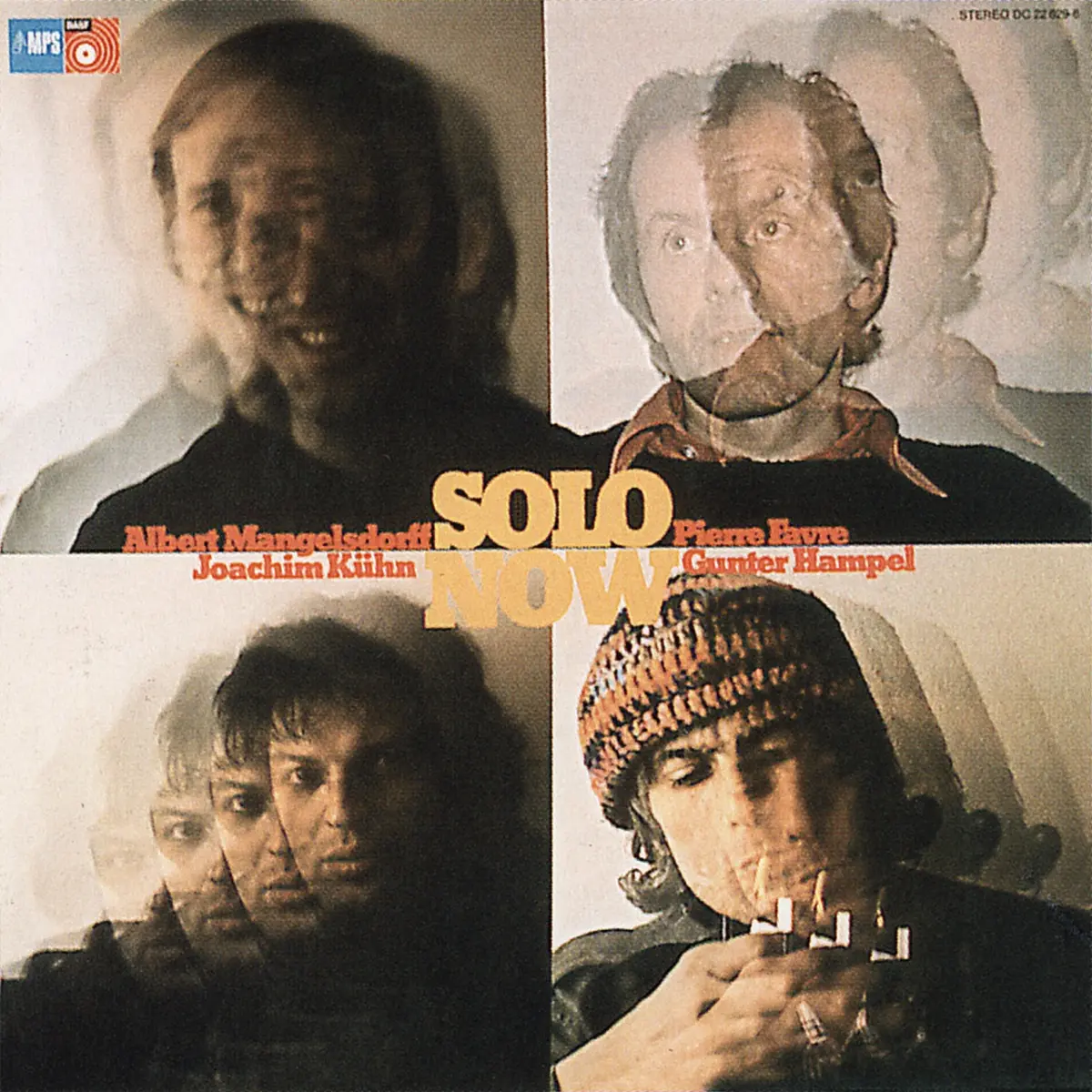 In 1976, MPS issued Solo Now, co-billed to Albert Mangelsdorff, Pierre Favre, Joachim Kühn, and Gunter Hampel.
The album divides between solo pieces, duos, and a closing quartet track, where Kühn interacts with trombonist Mangelsdorff, drummer Favre, and reeedist Hampel, who juggles flute, bass clarinet, and vibraphone.
A1. “Rainbow Road” (4:12) — Kühn
A2. “Ant Steps On the Elephant’s Toe” (6:08) — Mangelsdorff
A3. “Take Your Hit Kit” (4:38) — Kühn, Mangelsdorff
A4. “Schwwweeet: My New Friend, No. 294 / Freedom of the Univers, No. 284 / Kisses, No. 291 / Hot, No. 293” (10:23) — Hampel
B1. “Von Schnee (Fuge mit Orgelpunkt)” (5:00) — Favre
B2. “The Barriers On the Way to You” (2:44) — Hampel, Favre
B3. “In a Sentimental Mood” (4:54) — Ellington, arranged by Kühn
B4. “Supraconductivity” (2:25) — Mangelsdorff
B5. “Medieval Percussion Song” (4:08) — Favre
B6. “Ringelvier” (3:56) — Mangelsdorff, Favre, Kühn, Hampel
Mangelsdorff, Favre, Kühn, and Hampel recorded Solo Now at MPS Records GmbH in Villingen on February 9 and 10, 1976, with producer Joachim E. Berendt and engineer Hans Georg Brunner-Schwer.
Springfever
 Joachim Kühn released Springfever in 1976 on Atlantic. It carries eight Kühn compositions and marks his first Atlantic title as a leader.
Kühn embraces electric keyboards in a quartet with Philip Catherine and the John Lee/Gerry Brown rhythm section. “Lady Amber” features violinist Zbigniew Seifert and drummer Curt Cress.
A1. “Lady Amber” (10:15)
A2. “Sunshine” (3:45)
A3. “Two Whips” (4:40)
A4. “Spring Fever” (3:39)
B1. “Morning” (7:00)
B2. “Mushroom” (2:35)
B3. “Equal Evil” (5:15)
B4. “California Woman” (7:00)
Joachim Kühn recorded Springfever at Union Studios in Munich in April 1976 with co-producer and engineer Mal Luker.
Franz Froeb handled the cover design, and Michael von Gimbut supplied the cover photograph. Hans Joachim Krüger coordinated the production.
Charisma
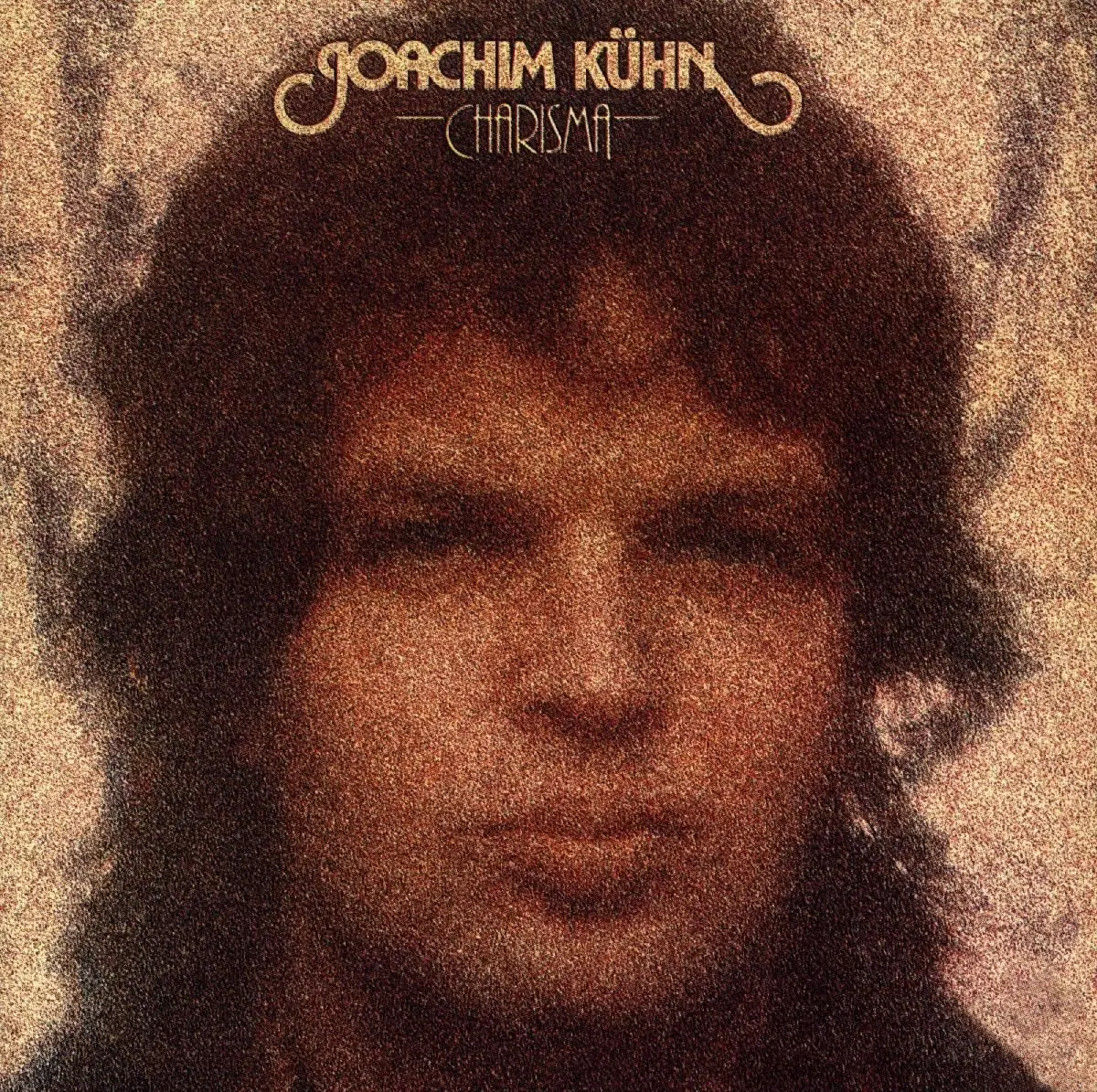 Joachim Kühn released Charisma in 1977 on Atlantic.
Kühn plays solo piano across four originals and a Coltrane rendition. The set turns on attack, spacing, and register contrast. Shorter pieces alternate with one extended side-two span before the Coltrane close.
A1. “Hot Chili” (4:44)
A2. “Come Closer” (6:50)
A3. “Charisma” (4:54)
B1. “Take Your Pillow As a Soundingboard” (10:08)
B2. “Welcome” (6:59) — Coltrane
Joachim Kühn recorded Charisma at Tonstudio Pfanz in Hamburg with co-producer Horst Müller and engineers Günter Pfanz and Peter Hillert. Atlantic cut the album in the Sheffield direct-cut method.
Creaction
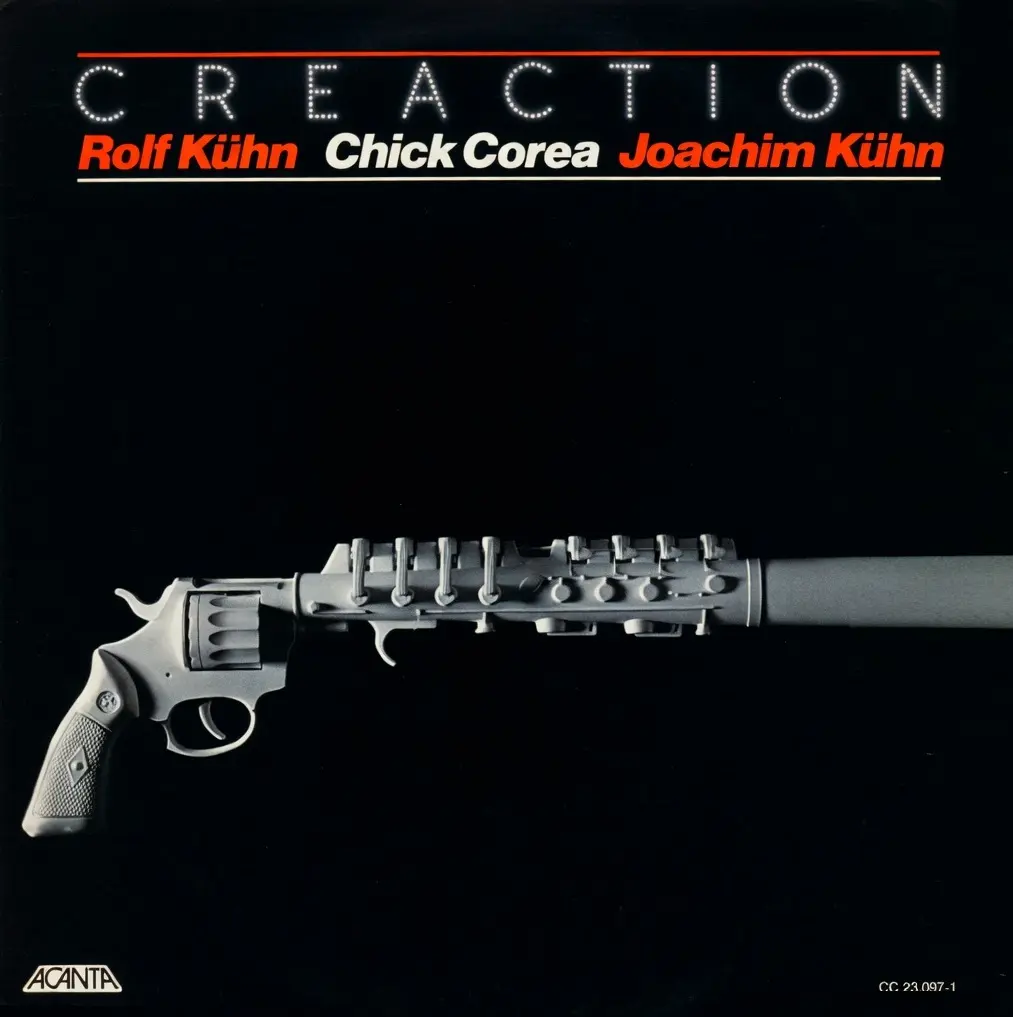 In 1978, Acanta issued Creaction, a repackagesGoing to the Rainbow, first released in 1971 under the Rolf Kühn Jazzgroup nameplate and sourced from a 1970 Cologne session; billed this time to Rolf, Chick Corea, and Joachim Kühn.
Creaction places the Kühn brothers and Corea inside a seven-piece unit with Alan Skidmore, John Surman, Peter Warren, and Tony Oxley. Rolf Kühn leads on clarinet, while Joachim Kühn splits his role between piano and organ. Corea shares the e-piano with Surman, who juggles baritone and soprano saxophone, underpinned by Warren and Oxley
A1. “Houndhouse Rock” (4:50) — Rolf Kühn
A2. “Sad Ballade” (3:39) — Joachim Kühn
A3. “T.C.B.” (9:45) — Alan Skidmore
B1. “Going to the Rainbow” (12:55) — Rolf Kühn
B2. “Racing It Down” (6:55) — John Surman
Rolf Kühn Jazzgroup recorded the session later reissued as Creaction at Cornet Studios in Cologne on December 14 and 15, 1970, with producer Klaus Lorenzen and engineer Wolfgang Hirschmann.
Sunshower
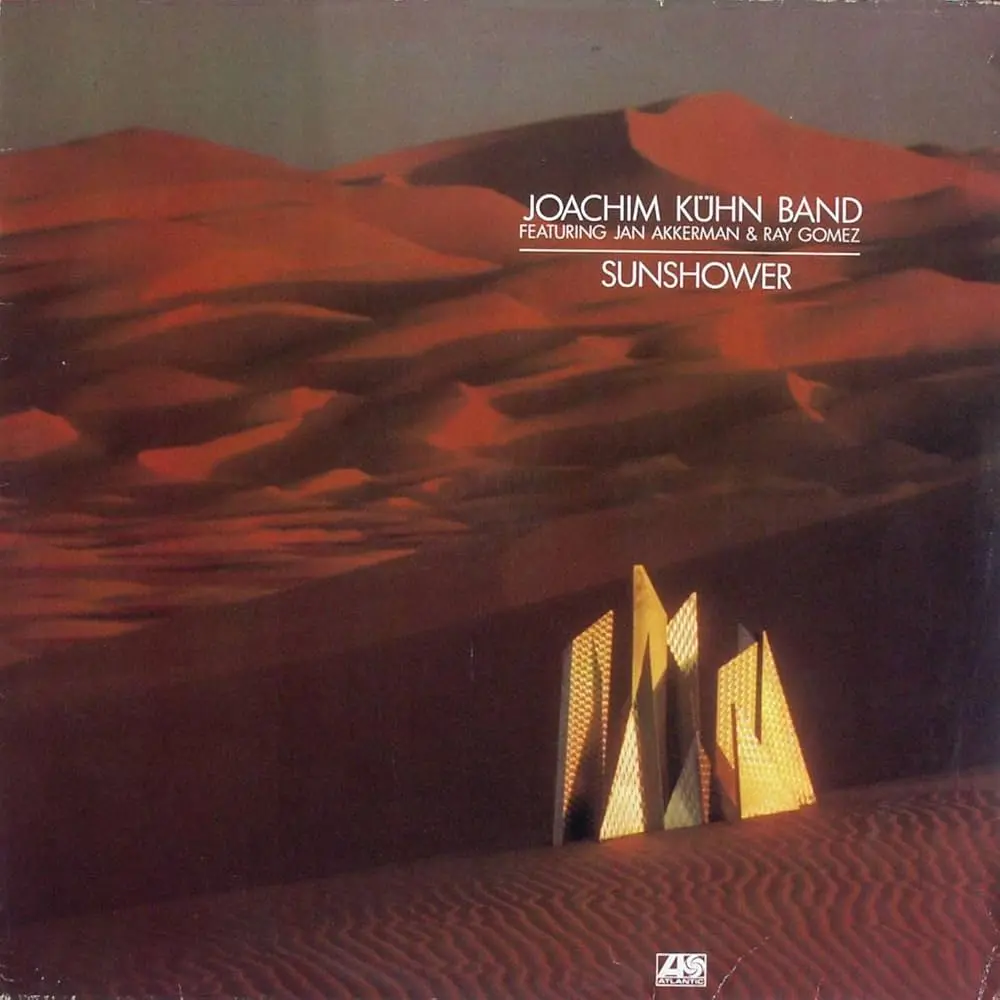 Joachim Kühn Band featuring Jan Akkerman and Ray Gomez released Sunshower in 1978 on Atlantic. The album contains eight Kühn compositions, with outside lyrics on “You’re Still on My Mind” and “Midnight Dancer.”
Kühn expands the band to a two-guitar front with Jan Akkerman and Ray Gomez. Bassist Tony Newton doubles on electric bass and piccolo bass, while drummer Glenn Symmonds adds synthesizer drums. Willie Dee sings the two lyric-based tracks, “You’re Still on My Mind” and “Midnight Dancer.”
The program also carries two dedications. “Orange Drive” points to Miles Davis, and “Shoreline” is dedicated to Achim.
A1. “Orange Drive” (3:31) — Kühn
A2. “O.D.” (5:02) — Kühn
A3. “Shoreline” (4:01) — Kühn
A4. “You’re Still on My Mind” (4:17) — Kühn, Nicki Hanson, Christina Latham
B1. “Midnight Dancer” (4:28) — Kühn, Nicki Hanson, Richard Gehweiler
B2. “Short Film for Nicky” (4:13) — Kühn
B3. “Sunshower” (4:12) — Kühn
B4. “Preview” (6:28) — Kühn
Joachim Kühn recorded Sunshower at Kendun Recorders in Burbank, Elektra Studios and Warner Bros. Studios in Los Angeles, and Soundpush Studios in Blaricum in February and March 1978 with producer Richard DeBois and engineers Jan Schuurman, Rick Heenan, Roger Mayer, and Rudy Hill. Geoff Sykes and Joe Laux assisted.
Don’t Stop Me Now
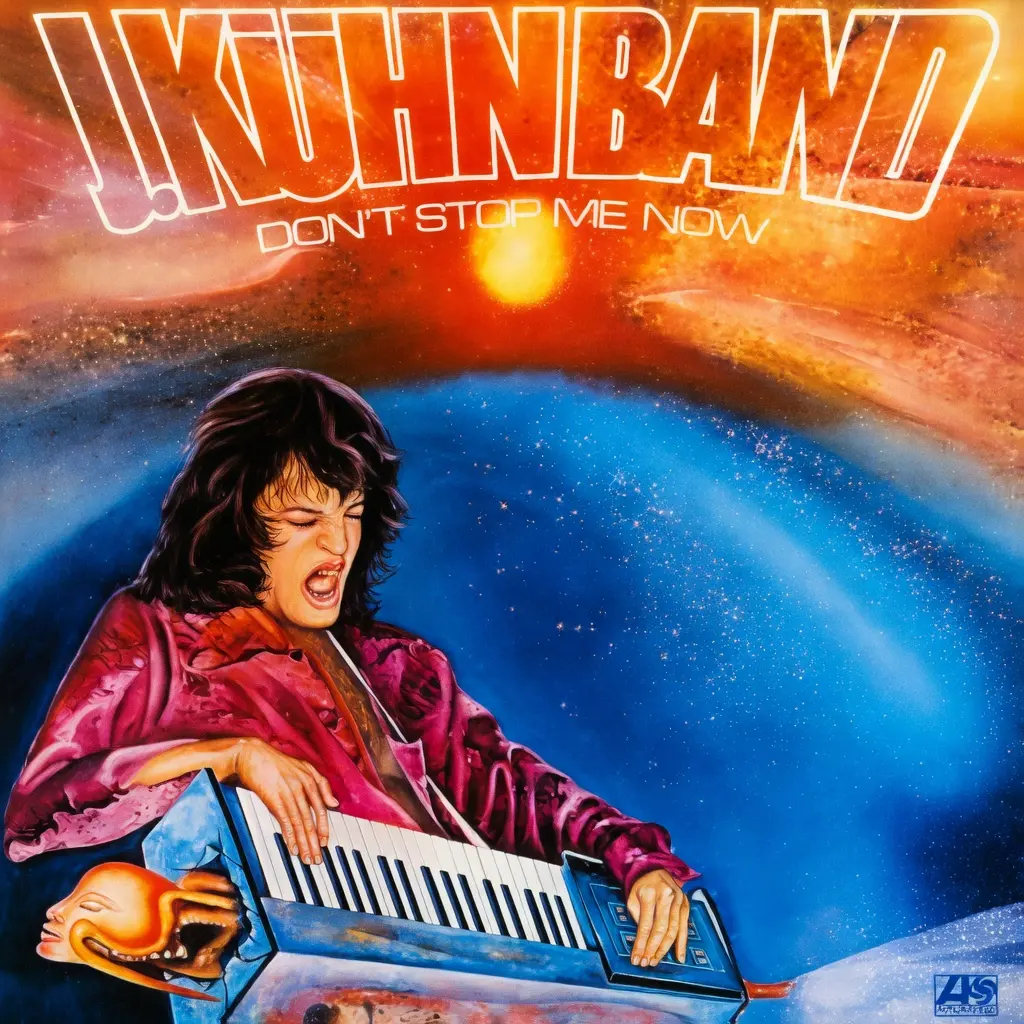 The J. Kühn Band released Don’t Stop Me Now in 1979 on Atlantic.
Joachim composed and arranged the program for electric keyboards, joined by bassist-vocalist Tony Newton, drummer-vocalist Glenn Symmonds, guest guitarist Ray Gomez, and lead vocalist John McBurnie. Short pieces dominate the set before a lengthy side-two stretch.
A1. “Time Out” (3:56)
A2. “I’m Leaving You” (4:08)
A3. “Groundshaker” (4:18)
A4. “On the Mirror” (4:24)
B1. “Step Right Up” (4:42)
B2. “Summerset” (7:21)
B3. “Jet Lag” (4:28)
J. Kühn Band recorded Don’t Stop Me Now at Kendun Recorders with co-producer Achim Torpus. The LP notes also place the mixing at Kendun.
Coryell, Catherine, Kühn – Live!
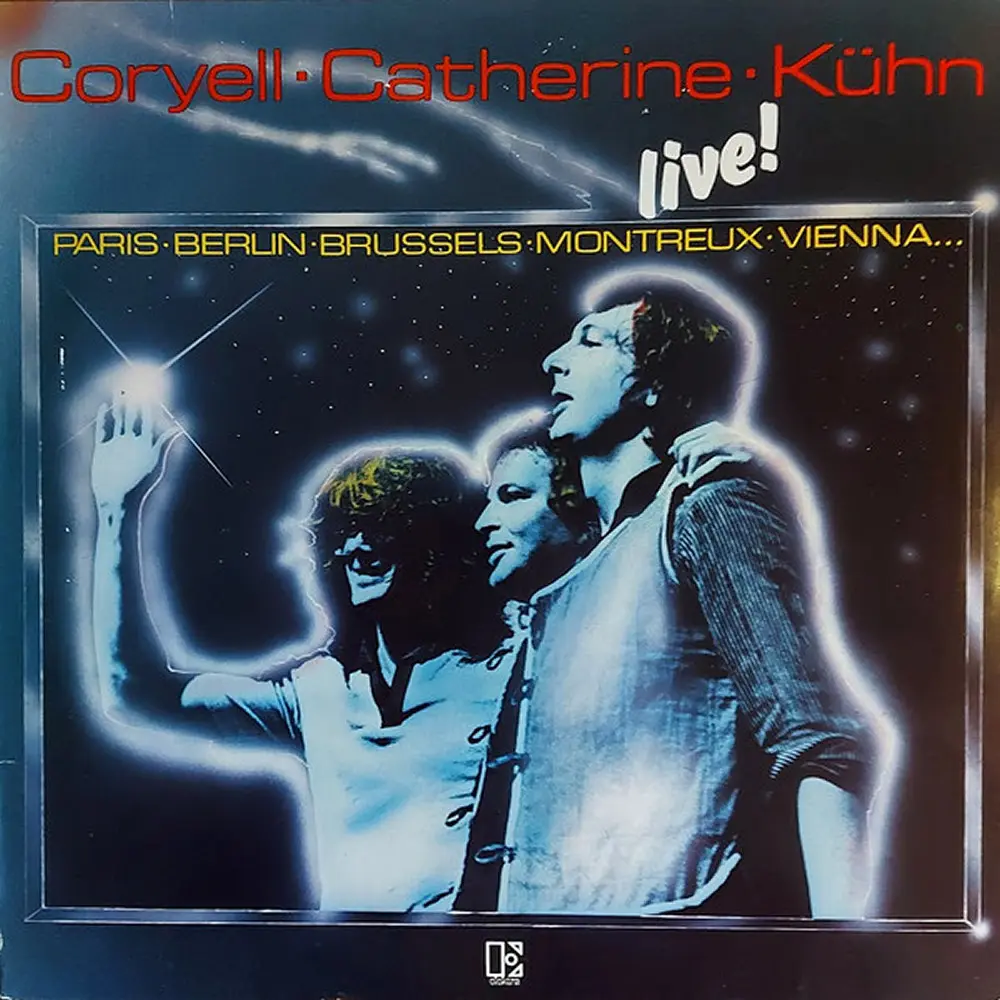 In 1980, Elektra issued Live!, co-billed to Larry Coryell, Philip Catherine, and Joachim Kühn. German and French pressings carry the same seven-track program. Some editions expand the title to Live! Paris · Berlin · Brussels · Montreux · Vienna.
The trio works with two guitars and acoustic piano. Catherine plays acoustic guitar, Coryell alternates between acoustic and electric guitar, and Kühn stays on acoustic piano. Braided lines, split solos, and clustered piano replies shape the set.
A1. “O.D.” (10:41)
A2. “My Serenade” (4:17) — Django Reinhardt
A3. “Gemstone File” (4:14)
A4. “That’s Rock ’N’ Roll” (2:38)
B1. “Santa Cruz” (4:50) — Joachim Kühn
B2. “Deus Xango” (7:45) — Astor Piazzolla
B3. “The Acoustic-Tour-Blues” (5:56)
Coryell, Catherine, and Kühn recorded Live! with the BCM mobile studio on TEAC 8-track DBX equipment and mixed the album at Rüssl Studio in Hamburg. Achim Torpus produced the session, Karl-Helge Claussen handled the recording, and Michael Diekelmann assisted and mixed.
Peter Maltz handled the cover design, and Christian Rose supplied the cover photograph.
Nightline New York
 Joachim Kühn released Nightline New York in 1981 on Sandra Music Productions.
Kühn performs five originals on acoustic grand piano, joined by tenor saxophonists Michael Brecker and Bob Mintzer, bassist Eddie Gómez, drummer Billy Hart, and percussionist Mark Nauseef. Gómez and Hart lock the center, while Brecker and Mintzer widen the front line across selected tracks.
“Yvonne Takes a Bath” opens with the four-man core of Kühn, Brecker, Gómez, and Hart. Nauseef enters on “April in New York” and “Yvonne,” then Mintzer appears on “Nightline” and “Rubber Boots,” which gives the LP a changing upper-register shape from track to track even though Kühn’s piano remains the constant lead voice.
A1. “Yvonne Takes a Bath” (10:06)
A2. “April in New York” (9:34)
B1. “Yvonne” (6:36)
B2. “Nightline” (8:58)
B3. “Rubber Boots” (8:10)
Joachim Kühn recorded and mixed Nightline New York at Right Track Recording in New York in April 1981. Frank Filipetti engineered the album, Billy Miranda assisted, Alex Manninger edited, and Wolfgang Lackerschmid served as executive producer. Solneman designed the cover.
Balloons
 Jasper van’t Hof and Joachim Kühn released Balloons in 1983 on MPS. The album contains six pieces, and the original LP credits Jasper van’t Hof as composer.
Balloons rides on two keyboards, which trade synth colors, ivory accents, and clipped rhythmic figures.
The title piece climbs into an electronic upper register, “Bandundu” folds in Congolese Tshokwe vocal overdubs, and “Sushi” places both players at concert grands in a direct piano duel. Those three tracks give the album its clearest internal divisions: synth ascent, vocalized rhythmic collage, and acoustic confrontation.
A1. “Balloons” (8:51)
A2. “Sunday Afternoon in Bed” (5:57)
A3. “Cheops” (5:45)
B1. “Bandundu” (9:53)
B2. “Sushi” (9:40)
B3. “Ghost Guest” (2:38)
Jasper van’t Hof and Joachim Kühn recorded Balloons at MPS Studio in Villingen from February 17 to 19, 1982, then mixed the album there on June 29 and 30, 1982. Rolf Donner engineered the sessions.
Casper C. Bosveld handled the front-cover computer design.
I’m Not Dreaming
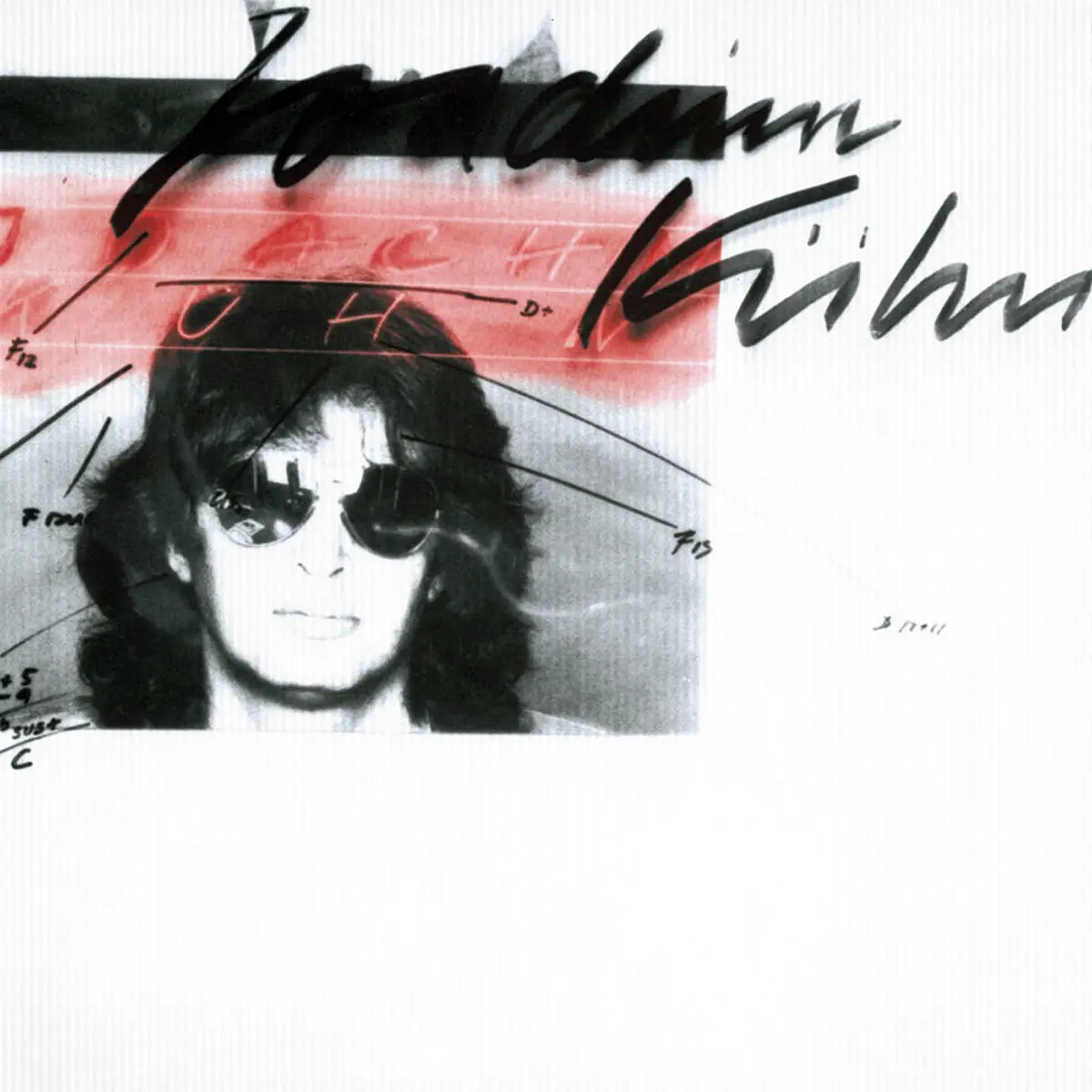 Joachim Kühn released I’m Not Dreaming in 1983 on CMP. It carries seven Kühn compositions and marks his first CMP title as a leader.
Kühn pairs piano with trombonist George Lewis, cellist Ottomar Borwitzky, multi-percussionist Herbert Försch-Tenge, and percussionist Mark Nauseef. Lewis and Borwitzky pull the music toward chamber scale, while Försch-Tenge and Nauseef thicken the attack with marimba, organ pipes, and percussion. Short pieces alternate with two lengthy numbers, “Heavy Birthday” and “Schloss Bredeneek.”
A1. “Bechstein” (2:29)
A2. “Heavy Birthday” (10:15)
A3. “Hands” (4:04)
A4. “I’m Not Dreaming” (5:58)
B1. “Dark” (1:52)
B2. “Expect Anything” (7:37)
B3. “Schloss Bredeneek” (12:25)
Joachim Kühn recorded and mixed I’m Not Dreaming at Brunwey Studio in Hamburg in March 1983. Rolf Kühn co-produced the album with Joachim, Kurt Renker, and emgineer Walter Quintus.
Distance
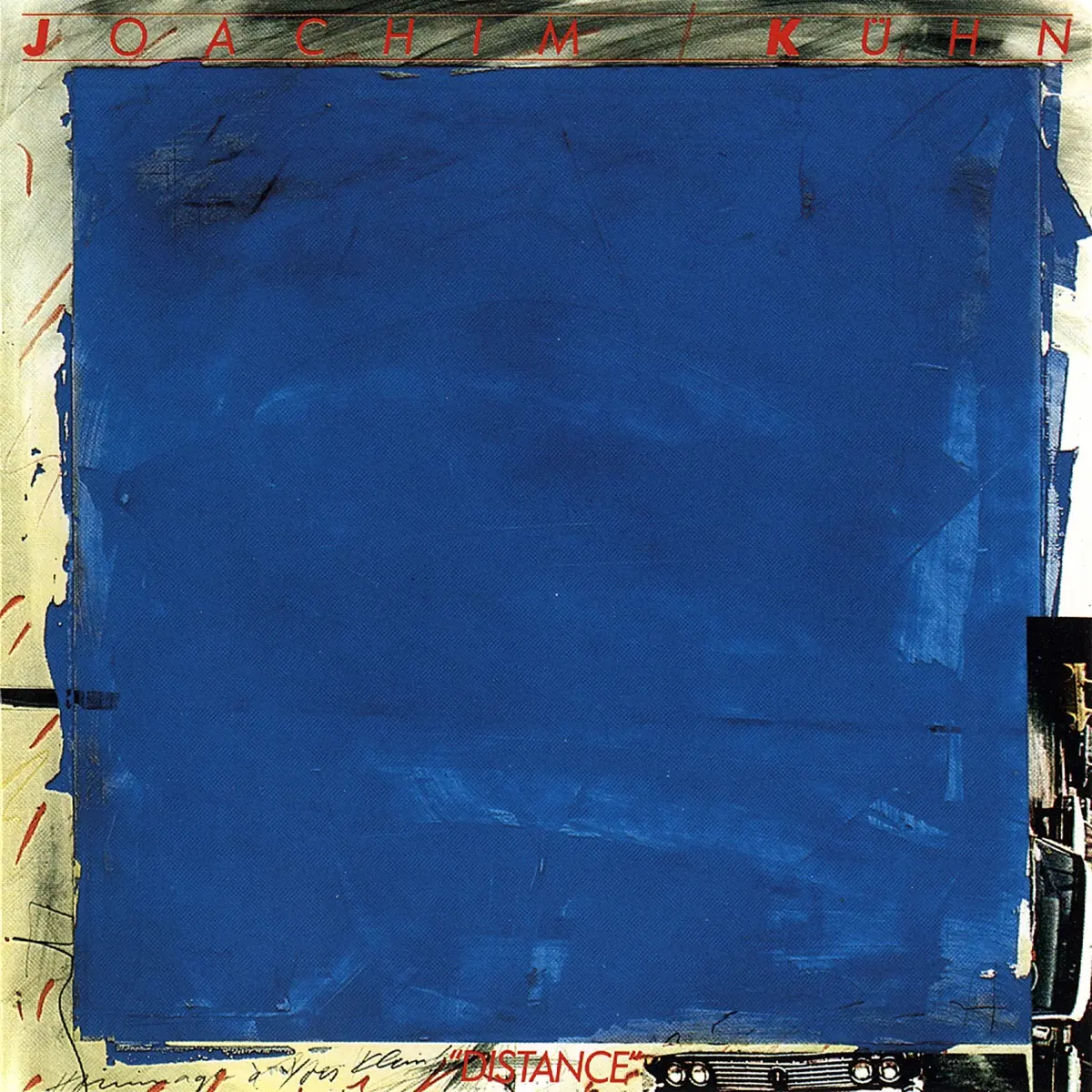 Joachim Kühn released Distance in 1984 on CMP. The album presents four Kühn pieces in a solo-piano format, with the title work divided into three connected parts.
Side one gives over its full length to the multipart “Distance,” which moves from prelude to theme to variation, while side two breaks into three standalone compositions.
A1. “Distance – Prelude” (10:18)
A2. “Distance – Theme” (2:10)
A3. “Distance – Variations” (8:24)
B1. “Question” (5:31)
B2. “Ineinander” (4:05)
B3. “Norddeutschland” (11:05)
Joachim Kühn recorded Distance digitally in May 1984 at the C. Bechstein Centrum in Berlin with producer Kurt Renker and engineer Walter Quintus. Ulf von Kanitz handled the artwork.
Wandlungen: Transformation
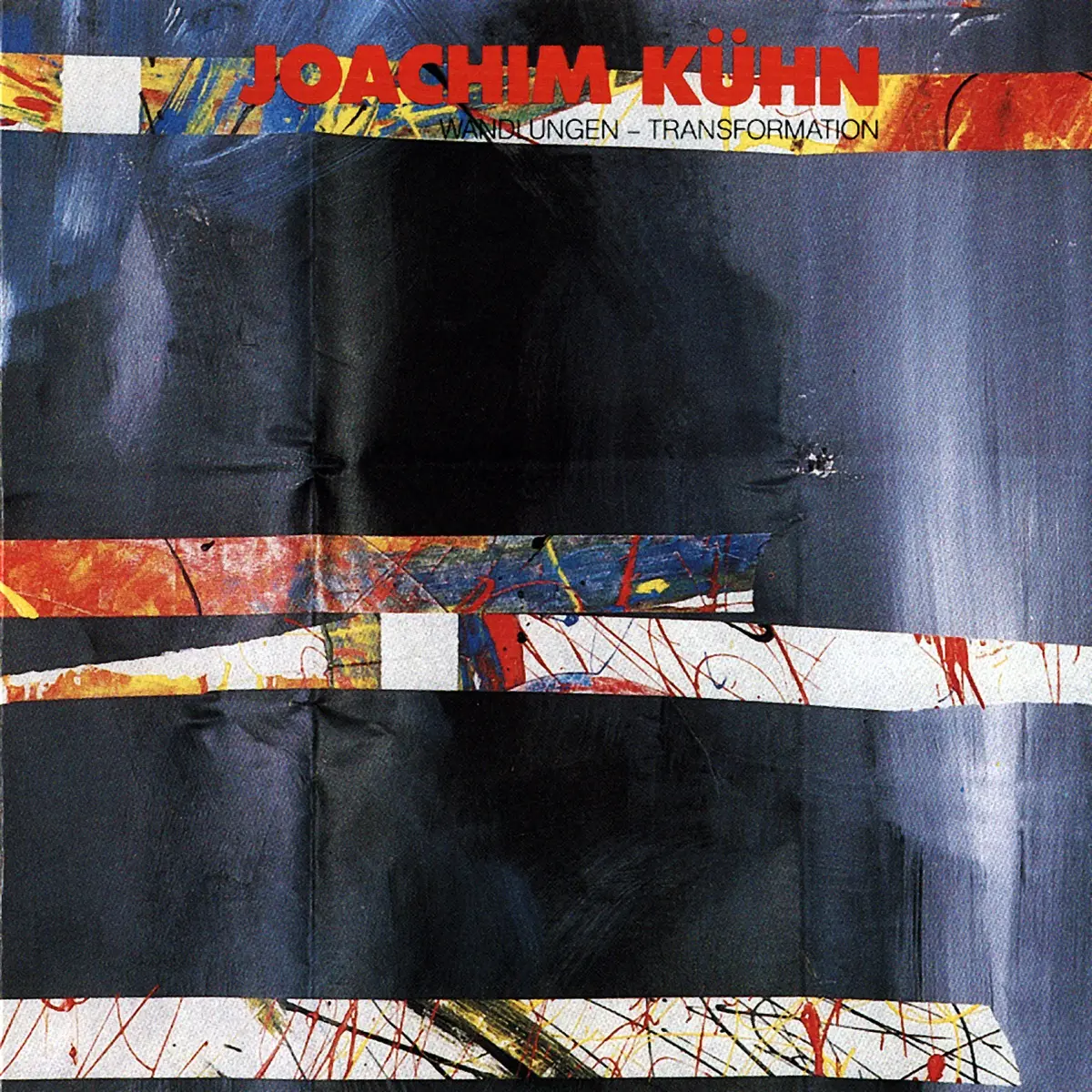 Joachim Kühn released Wandlungen: Transformation in 1986 on CMP.
The original LP carries six Kühn compositions and bills the album as a solo-piano date with added piano sound effects by Walter Quintus. Their dry attack and altered resonance define the program. Three pieces fill each side; the title work closes as the longest statement.
“No” lets the chords trail into slightly off-center echoes. “First” treats the keyboard like a hard percussive surface. “Source” settles into a slower ballad line, and “Machine” drops heavy bass figures under a darker upper pattern. Those contrasts give the album a changing internal profile even though Kühn never leaves the piano bench.
A1. “No” (7:51)
A2. “Snow” (7:06)
A3. “First” (3:36)
B1. “Machine” (2:53)
B2. “Source” (5:54)
B3. “Wandlungen” (10:08)
Joachim Kühn recorded Wandlungen: Transformation in May 1986 at The Studio in Zerkall. Walter Quintus co-produced the album with Kurt Renker and handled the recording plus piano sound effects, while George Berretz tuned the piano. Ulf von Kanitz supplied the cover artwork.
Situations
Joachim Kühn released Situations in 1988 on Atlantic Jazz. The album consists of six Kühn compositions in a solo-piano format.
“Delicate Pain,” and “Lunch in the Rain” carry the longest spans, while “Sensitive Detail” and “Refuge” tighten the sequence into shorter forms. The program rises and releases across both sides through shifts in scale.
A1. “Situation” (6:00)
A2. “Delicate Pain” (8:38)
A3. “Sensitive Detail” (3:44)
B1. “Lunch in the Rain” (8:16)
B2. “Hauswomen Song” (6:36)
B3. “Refuge” (5:58)
Atlantic Jazz issued Situations in Europe as catalog number 781839-1. One later note in the discography around the album identifies “Hauswomen Song” as the best-known piece from the set and traces an earlier appearance of that composition on the Piano One compilation.
Dynamics
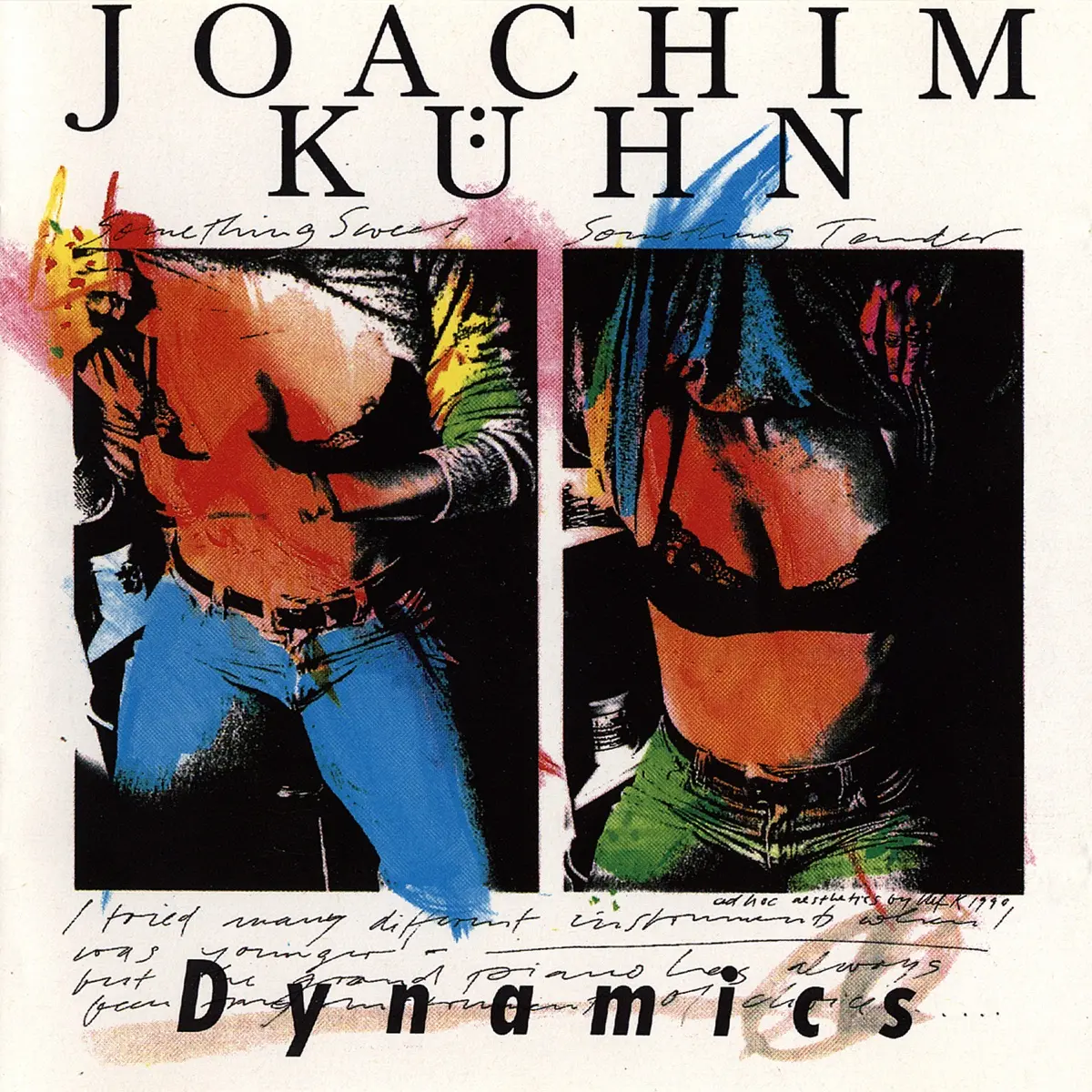 Joachim Kühn released Dynamics in 1990 on CMP. The album runs to seven pieces and places two outside compositions inside an otherwise Kühn-written program: Eric Dolphy’s “Something Sweet Something Tender” and David Liebman’s “Tender Mercies.”
Kühn works alone at the keyboard and lays the record out in broad solo spans broken by shorter statements. Three tracks pass the ten-minute mark, which gives the album a long-form profile even though the total program stays under an hour. The shape alternates between compact opening pieces and larger reflective stretches, with “Bank of Memory,” “Dynamics for Montana,” and “I Don’t Want to Know” taking the widest room.
1. “Something Sweet Something Tender” (4:22) — Eric Dolphy
2. “Bank of Memory” (15:07) — Joachim Kühn
3. “Chemin De La Source” (4:56) — Joachim Kühn
4. “Dynamics for Montana” (10:10) — Joachim Kühn
5. “Prince of Whales” (6:12) — Joachim Kühn
6. “Tender Mercies” (4:54) — David Liebman
7. “I Don’t Want to Know” (10:10) — Joachim Kühn
Joachim Kühn recorded Dynamics at Studio Zerkall in Germany in June 1990.
Euro African Suite
Joachim Kühn and Ray Lema released Euro African Suite in 1992 on Buda Records. The album contains six pieces shared between Kühn, Lema, and two co-written titles.
Lema plays keyboards and guitar, joined by bassists Jean-François Jenny-Clark and Raymond Doumbé, drummer Francis Lassus, and percussionists Manuel Wandji and Moussa Sissoko. They closed the disc with the co-written epic “African Rock.”
1. “Genevieve” (8:46) — Joachim Kühn
2. “Schade” (4:25) — Joachim Kühn, Ray Lema
3. “Sindani” (6:30) — Ray Lema
4. “Back To The Islands” (11:17) — Joachim Kühn
5. “Marche À L’aube” (7:28) — Ray Lema
6. “Euro African Suite” (16:34) — Joachim Kühn, Ray Lema
Ray Lema and Joachim Kühn recorded Euro African Suite at Studio Sofreson with producers Ray Lema and François Dacla and engineer Charles Eddi.
Famous Melodies
Joachim Kühn released Famous Melodies in 1993 on Label Bleu. Kühn builds the album as an eleven-track solo-piano songbook from cabaret, film, and popular repertory.
The program draws on songs by Kurt Weill, Jean Wiener, Norbert Schultze, Cole Porter, Arthur Hamilton, Friedrich Hollaender, Jacob Gade, and Bobby McFerrin, with “Aline’s House” as the lone original. Short pieces shape the set.
1. “Barbara Song” (7:34) — Kurt Weill
2. “Dreh’ dich nicht um nach fremden Schatten” (6:03) — Jean Wiener
3. “Lili Marleen” (5:50) — Norbert Schultze
4. “Nannies Lied” (4:02) — Kurt Weill
5. “Just a Gigolo” (3:38) — Leonello Casucci
6. “My Heart Belongs to Daddy” (4:56) — Cole Porter
7. “Cry Me a River” (5:57) — Arthur Hamilton
8. “Johnny, wenn du Geburtstag hast” (5:55) — Friedrich Hollaender
9. “Aline’s House” (6:07) — Joachim Kühn
10. “Jealousy” (5:19) — Jacob Gade
11. “Don’t Worry, Be Happy” (3:18) — Bobby McFerrin
Joachim Kühn recorded Famous Melodies in February and August 1993 at CMP Studio in Zerkall.
Abstracts
Joachim Kühn released Abstracts on December 20, 1994 on Label Bleu.
Kühn narrows the album to solo keyboard performance across seven pieces, with “Abstracts,” “Passive Action,” and the closing “Express” forming the largest spans. The sequence also breaks those longer statements with the brief “Fis,” which sharpens the contrast between miniature form and extended development.
1. “Abstracts” (11:50) — Joachim Kühn
2. “Passive Action” (8:55) — Joachim Kühn
3. “Fis” (1:59) — Joachim Kühn
4. “Attentat” (7:28) — Joachim Kühn
5. “Breathing Space” (5:20) — Joachim Kühn
6. “Vergessene Gedanken” [Forgotten Thoughts] (14:26) — Joachim Kühn
7. “Express” (16:13) — Joachim Kühn
Joachim Kühn recorded tracks 1 and 2 on August 8, 1993, tracks 3 through 6 on March 15, 1994, and track 7 on February 15, 1993.
Discography:
- Impressions of New York (1968 • The Rolf and Joachim Kühn Quartet)
- Bold Music (1969)
- Sound of Feelings (1969)
- Interchange (1971)
- Paris Is Wonderful (1971)
- Solos (1971)
- Piano (1972)
- This Way Out (1973)
- Cinemascope (1974)
- Hip Elegy (1976)
- Solo Now (1976 • Albert Mangelsdorff, Pierre Favre, Joachim Kühn & Gunter Hampel)
- Springfever (1976)
- Charisma (1977)
- Creaction (1977 • Rolf Kühn, Chick Corea & Joachim Kühn)
- Sunshower (1978)
- Don’t Stop Me Now (1979)
- Coryell, Catherine, Kuhn – Live! (1980 • Larry Coryell, Philip Catherine & Joachim Kühn)
- Nightline New York (1981)
- Balloons (1983 • Jasper van’t Hof & Joachim Kühn)
- I’m Not Dreaming (1983)
- Distance (1984)
- Wandlungen: Transformations (1986)
- Situations (1988)
- Dynamics (1990)
- Euro African Suite (1992 • Ray Lema & Joachim Kühn)
- Abstracts (1995)
- Famous Melodies (1996)
Sources:
Artist/Album Pages:
Streets were an American hard-rock band behind the 1983–85 Atlantic albums 1st and Crimes in Mind....
Legs Diamond was an American hard-rock band from San Francisco that made the 1977 Mercury albums L...
Platinum Hook was an American soul-funk band behind the 1978/79 Motown albums Platinum Hook and I...
Incredible Hog was an English hard-rock power trio that released the album Volume 1 on RCA-subsidi...
The Rascals were an American pop-rock band that released seven albums between 1966 and 1971 on Atlan...
Fat Mattress was an English folk-rock/psych band that released two albums on Polydor in 1969 and 1...
Samurai was an English symphonic/jazz-rock band that released a self-titled album on the Greenwich...
Dwayne Ford is a Canadian pianist and songwriter who played in the band Bearfoot during the early ...
Pyramid were an Australian jazz-rock band that released a self-titled album on East Recording Compan...
Alice Clark (c.1947 – April 2004) was an American soul singer from Brooklyn who cut two 1968 sing...
Masayoshi Takanaka — 高中正義 (March 27, 1953) — is a Japanese guitarist and composer who emerged in t...
Wildmarken was a Swedish hard-rock band behind the 1976/77 EMI albums Wildmarken and Och nu på Sju...