

Bloodstone was an American soul-psych group from Kansas City that released eight albums on Decca/London between 1972 and 1976, followed by a ninth on Motown and two more on the Isley‘s T-Neck label.
The London run produced Unreal, Natural High, I Need Time, and Riddle of the Sphinx, with producer Mike Vernon and arranger–conductor Pip Williams as recurring studio figures. “Natural High” gave the group its biggest pop entry, while “Never Let You Go,” “Outside Woman,” “My Little Lady,” and “That’s Not How It Goes” fixed their mid-seventies R&B chart presence.
The group starred as themselves in the 1975 film Train Ride to Hollywood and cut the accompanying soundtrack. They closed the London period with Lullaby of Broadway, a collection of pre-rock standards. After their 1978 Motown release Don’t Stop!, Bloodstone resurfaced with the 1982 T-Neck title We Go a Long Way Back, which spawned the R&B hits “We Go a Long Way Back” and “Go On and Cry.”
Members: Harry Williams, Jr. (vocals, keyboards), Charles Love (vocals, guitar, 1962–2014), Willis Draffen (vocals, guitar, 1962-2002), Charles E. McCormick (vocals, bass, 1962-81, 1984–present), Roger Durham (percussion, 1962-73), Melvin Webb (drums, 1962-71), Eddie Summers (drums, vocals, keyboards, 1971-75), Steve Ferrone (drums, 1975), Ron Bell (drums, 1982-85), Ronald Wilson (vocals, bass, 1982-85)
Background
Bloodstone originated as The Sinceres, a doo-wop group formed in 1962 Kansas City by singer Willis Draffen. By 1968, they’d toured with local big band The Smokin’ Emeralds and issued two singles: “Girl, I Love You” (b/w “Don’t Waste My Time”) and “Oh Angel” (b/w “Baby I Apologize”), respectively issued on Pzazz and Zina.
After drawing local crowds with their Motown-style review, they gradually took up instruments. By 1971, the band featured guitarist/singer Charles Love, drummer Eddie Summers, bassist Charles McCormick, percussionists Roger Durham and Harry Williams, and now-guitarist Draffen. The Sinceres relocated to Los Angeles, where they found management and changed their name to Bloodstone. During a trip to London, they signed with Decca Records.
Bloodstone
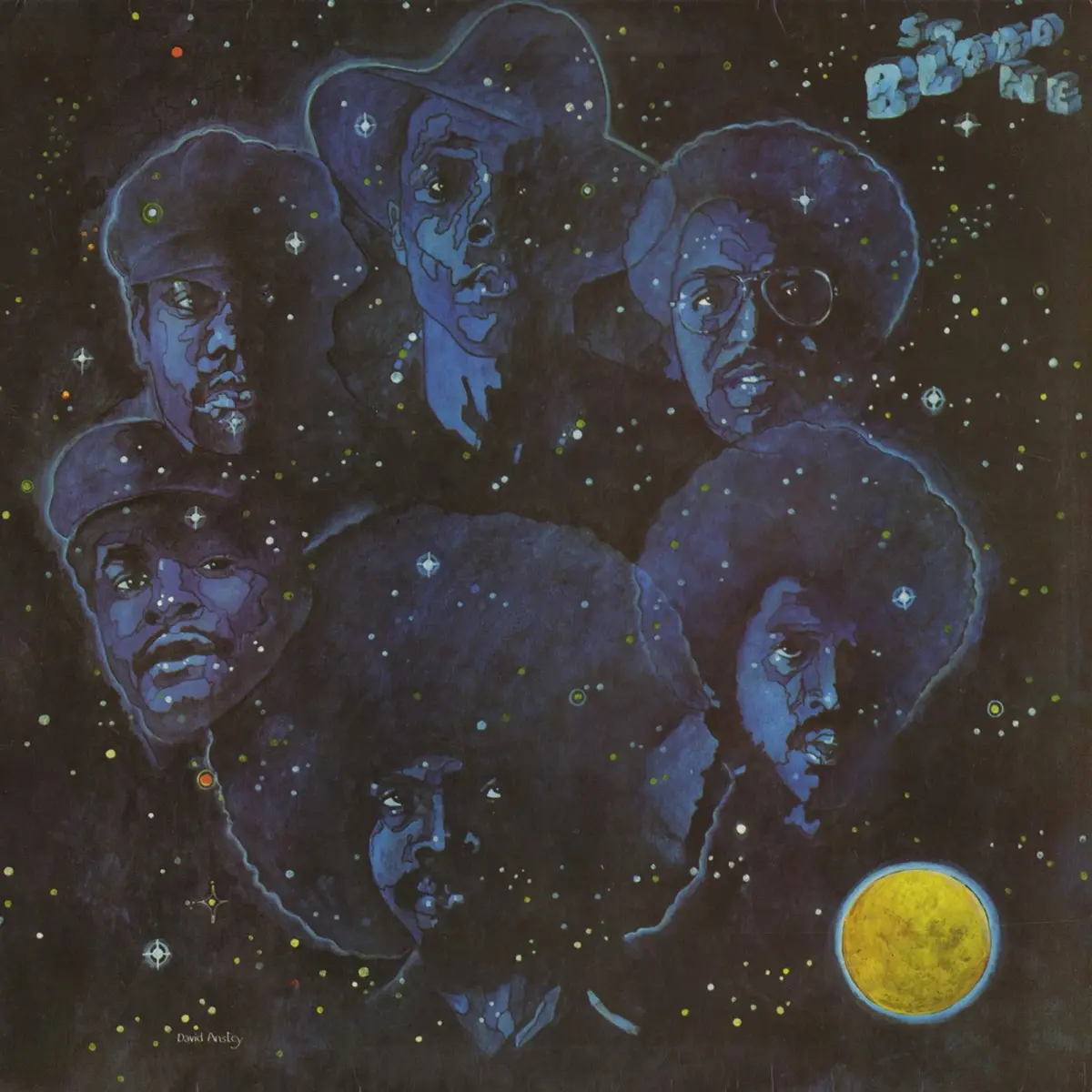 Bloodstone released their self-titled debut album in April 1972 on Decca.
On Bloodstone, the group pairs low-set ensemble vocals with clipped guitar figures and compact drum patterns. Firm bass lines anchor short lead-vocal phrases and close group responses. “Little Green Apples” expands the format across a nine-minute vocal-and-orchestral sequence.
A1. “Sadie Mae” (3:03) — Eddie Summers
A2. “Take These Chains” (2:56) — Summers
A3. “You Don’t Mean Nothin’” (3:37) — Charles McCormick
A4. “Little Green Apples” (9:02) — Bobby Russell
B1. “This Thing Is Heavy” (3:05) — McCormick
B2. “Friendship” (3:09) — Summers
B3. “Lady of the Night” (3:05) — Summers
B4. “Dumb Dude” (4:31) — Charles Love
Sessions occurred at Command Studios with engineer Doc Siegel and co-producers George Braunstein and Ron Hamady.
David Anstey designed the cover with photography by Guy Cross.
Natural High
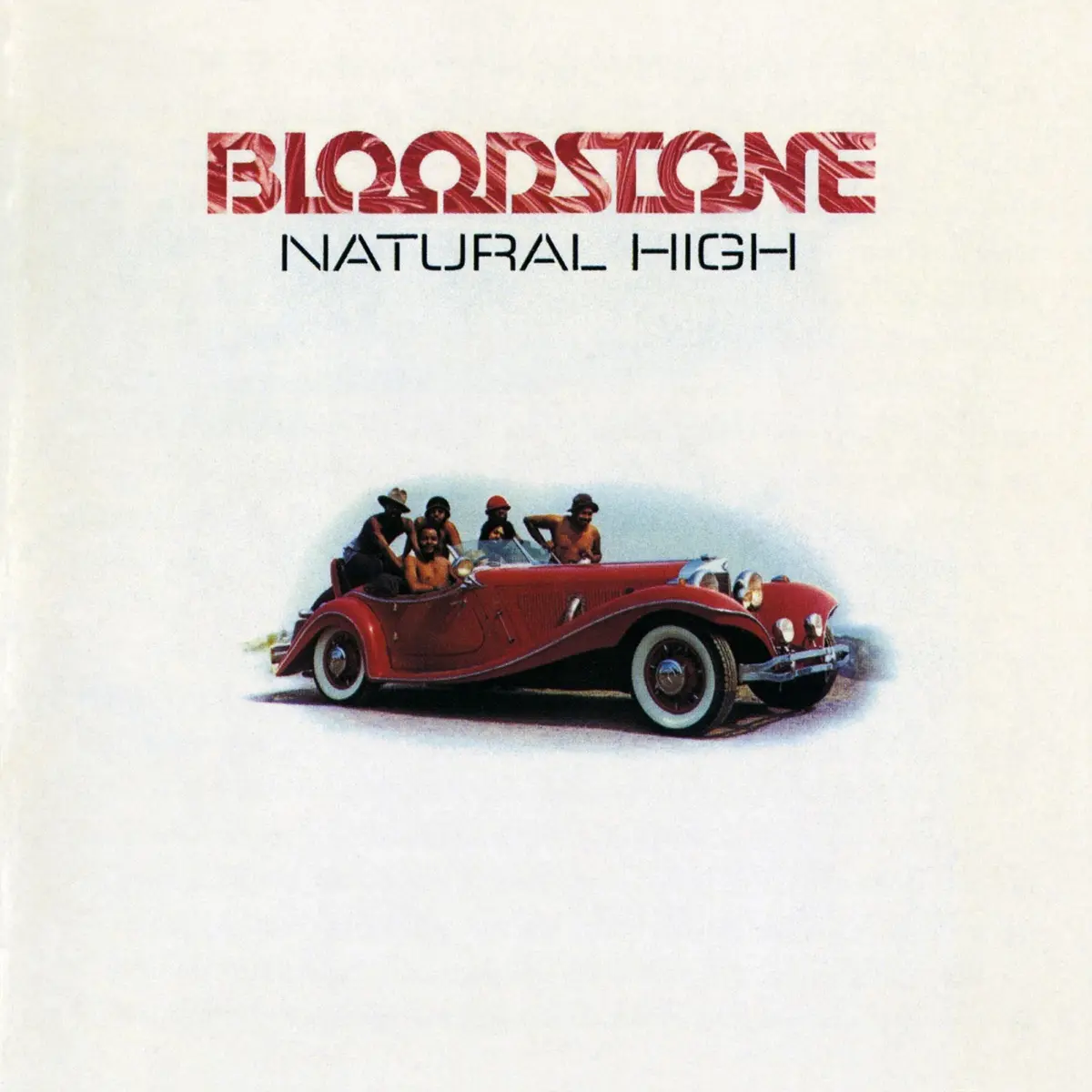 Bloodstone released their second album, Natural High, in March 1973 on London.
On Natural High, Bloodstone set ensemble vocals against orchestral charts by arranger–conductor Pip Williams. The rhythm section works through low, measured backbeats, while guitars, keyboards, and percussion tighten the album’s midtempo pulse.
A1. “You Know We’ve Learned” (4:12) — Willis Draffen Jr.
A2. “Who Has the Last Laugh Now” (5:36) — Charles McCormick
A3. “Peter’s Jones” (4:12) — Larry Durham, Roger Durham
A4. “That’s the Way We Make Our Music” (3:15) — Eddie Summers
A5. “Bo Diddley / Diddley Daddy” (3:37) — Ellas McDaniel
B1. “Natural High” (4:53) — McCormick
B2. “I Need Your Love” (1:10) — McCormick
B3. “Tell It to My Face” (3:15) — Charles Love
B4. “Ran It in the Ground” (4:52) — Love
B5. “Never Let You Go” (5:37) — Harry Williams Jr.
Bloodstone recorded Natural High in July 1972 at the Village Recorder in Los Angeles with producer Mike Vernon.
London issued “Natural High” as a single in 1973. “Peter’s Jones” completed the US single, while “This Thing Is Heavy” appeared on some overseas pressings. “Natural High” reached No. 10 on the Hot 100, No. 4 on the R&B chart, and No. 40 in the UK.
“Never Let You Go” followed in 1973 and reached No. 43 on the Hot 100 and No. 7 on the R&B chart.
Natural High reached No. 30 on the Billboard 200 and No. 2 on the R&B album chart.
Unreal
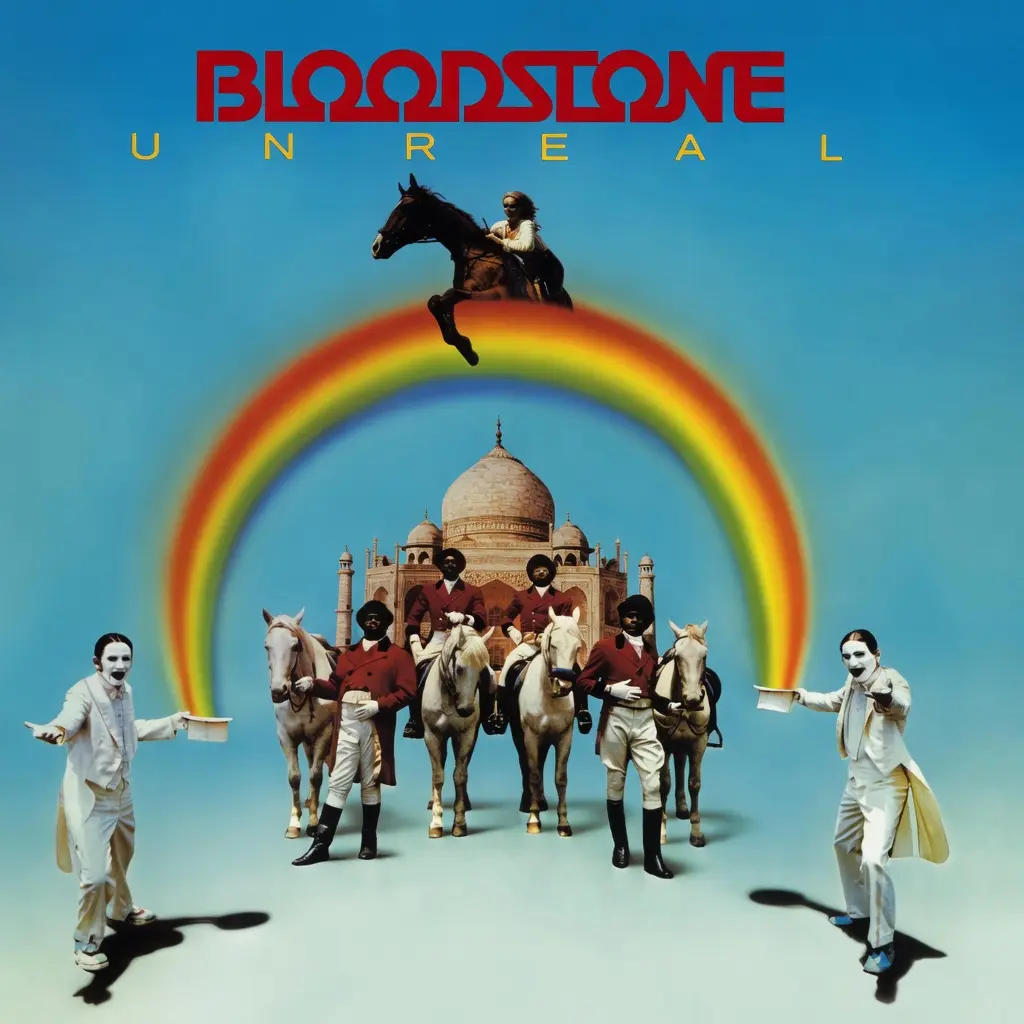 Bloodstone released their third album, Unreal, in late 1973 on London.
On Unreal, the group stretches long vocal arrangements across measured backbeats and string-and-horn charts. “What Did You Do to Me?” divides one Draffen piece across two connected parts, while “Moulded Oldies” binds preexisting rock-and-roll material into a final medley.
A1. “Outside Woman” (4:52) — Harry Williams Jr.
A2. “What Did You Do to Me?, Pt. 1” (4:04) — Willis Draffen Jr.
A3. “What Did You Do to Me?, Pt. 2” (4:21) — Draffen
A4. “Unreal” (5:19) — Charles Love, Charles McCormick
A5. “Everybody Needs Love” (4:02) — McCormick
B1. “Something” (4:01) — George Harrison
B2. “Keep Our Own Thing Together” (5:29) — McCormick
B3. “Let Me Ride” (3:34) — Roger Durham
B4. “The Traffic Cop (Dance)” (4:00) — Love
B5. “Moulded Oldies: Hound Dog / Searchin’ / So Fine” (5:30) — Jerry Leiber, Mike Stoller, Johnny Otis
Bloodstone recorded Unreal with producer Mike Vernon and arranger Pip Williams.
London issued “Outside Woman” as a single in January 1974. “Dumb Dude” completed the single and came from the group’s 1972 Decca album. “Outside Woman” reached No. 34 on the Hot 100 and No. 2 on the R&B chart.
I Need Time
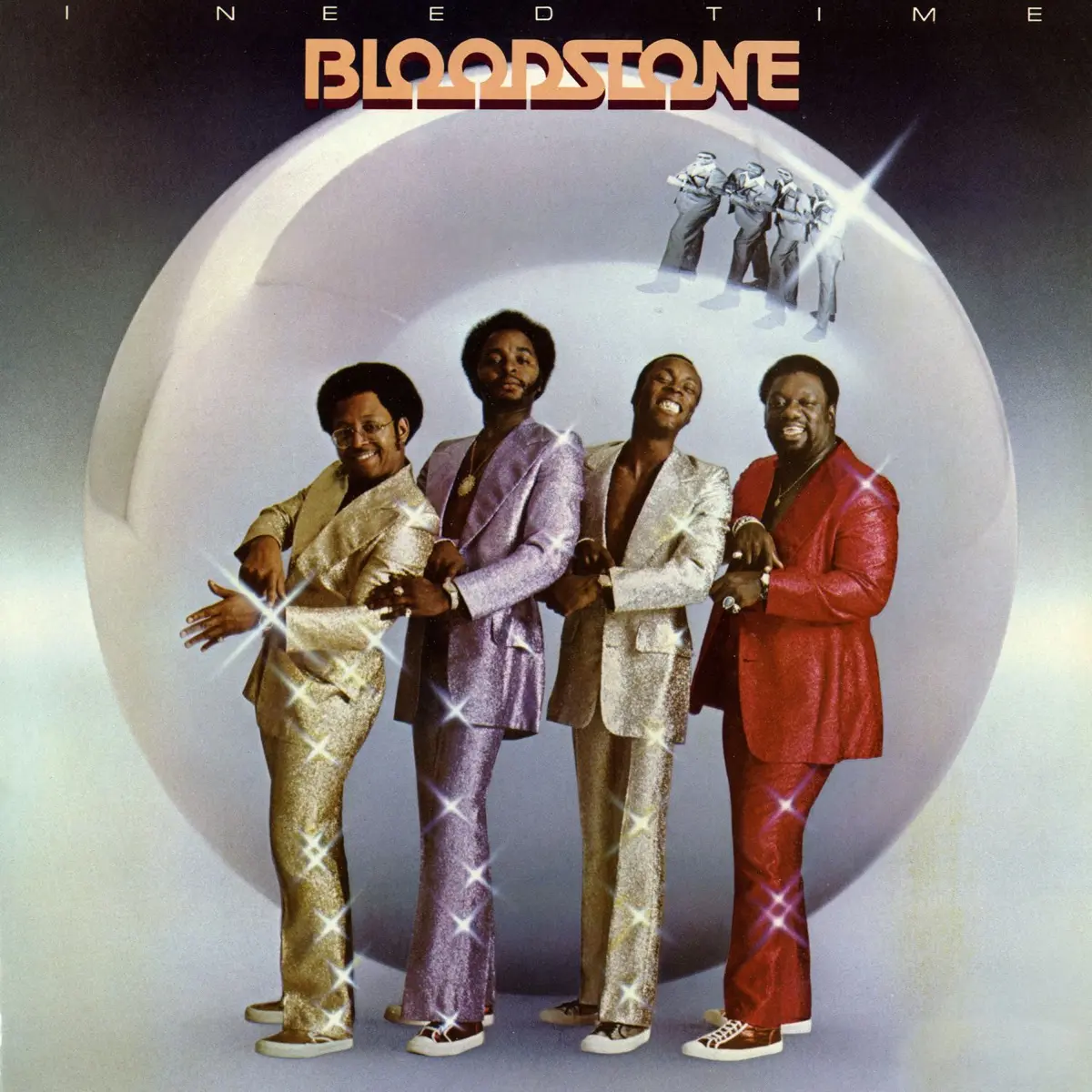 Bloodstone released their fourth album, I Need Time, in 1974 on London.
On I Need Time, Bloodstone tighten around shorter vocal pieces, clipped rhythm-guitar patterns, and arranged keyboard-and-horn support. The group places lead voices inside close ensemble responses, with the rhythm section locked to compact midtempo backbeats.
A1. “Closer Together” (3:46) — Charles McCormick
A2. “Funky Park” (3:54) — Charles Love
A3. “That’s Not How It Goes” (3:02) — Willis Draffen Jr.
A4. “Out of My Life” (3:11) — Willis Draffen Jr.
A5. “Loving You Is Just a Pastime” (4:11) — Charles Love
B1. “I Need Time” (3:16) — Charles McCormick
B2. “Little Linda” (4:27) — Harry Williams Jr.
B3. “I Believe You Now” (4:35) — Harry Williams Jr.
B4. “Get Up (Or Get Out)” (3:22) — Harry Wilkins
B5. “We Did It” (4:24) — Charles McCormick
London issued “That’s Not How It Goes” as a single in 1974. The single reached No. 82 on the Hot 100, No. 22 on the R&B chart, and No. 45 in Canada.
I Need Time reached No. 141 on the Billboard 200 and No. 13 on the R&B album chart.
Riddle of the Sphinx
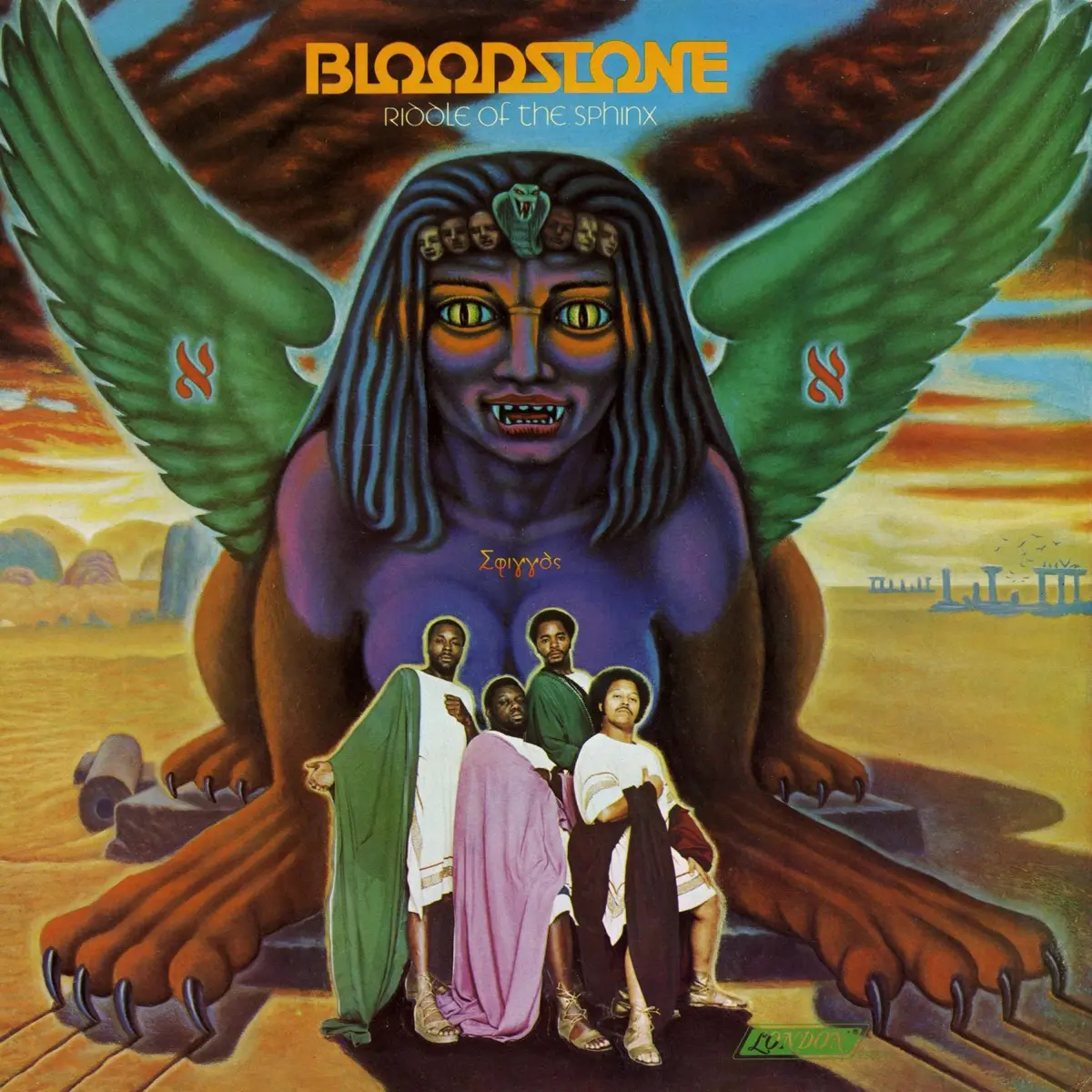 Bloodstone released their fifth album, Riddle of the Sphinx, in 1975 on London.
Riddle presents extended ballad forms, close vocal blocks, and orchestral parts directed by Pip Williams. British keyboardist Pete Wingfield adds piano, clavichord, and e-piano; overlaid by tenor saxophonist Howie Casey.
A1. “For the First Time” (5:20) — Charles McCormick
A2. “I Just Learned to Walk” (3:10) — Charles Love
A3. “Sign for Me Dad” (3:29) — Willis Draffen Jr.
A4. “My Little Lady” (3:24) — McCormick
A5. “Something’s Missing” (4:56) — Love
A6. “A Time for Reflection” (1:11) — Pip Williams
B1. “This World Is Funky” (3:00) — Harry Williams Jr.
B2. “Young Time Old Times” (4:40) — Williams
B3. “Wasted Time” (3:47) — Love, McCormick, Williams, Draffen
B4. “Nobody but You” (2:48) — Draffen
B5. “Save Me” (7:41) — Draffen
Bloodstone recorded Riddle of the Sphinx with producer Mike Vernon, orchestrator–director Pip Williams, and engineers Barry Hammond and John Mackswith.
London issued “My Little Lady” as a single in 1975. “Loving You Is Just a Pastime” completed the Canadian single. “My Little Lady” reached No. 57 on the Hot 100, No. 4 on the R&B chart, and No. 49 in Canada.
Riddle of the Sphinx reached No. 147 on the Billboard 200 and No. 22 on the R&B album chart.
Train Ride to Hollywood
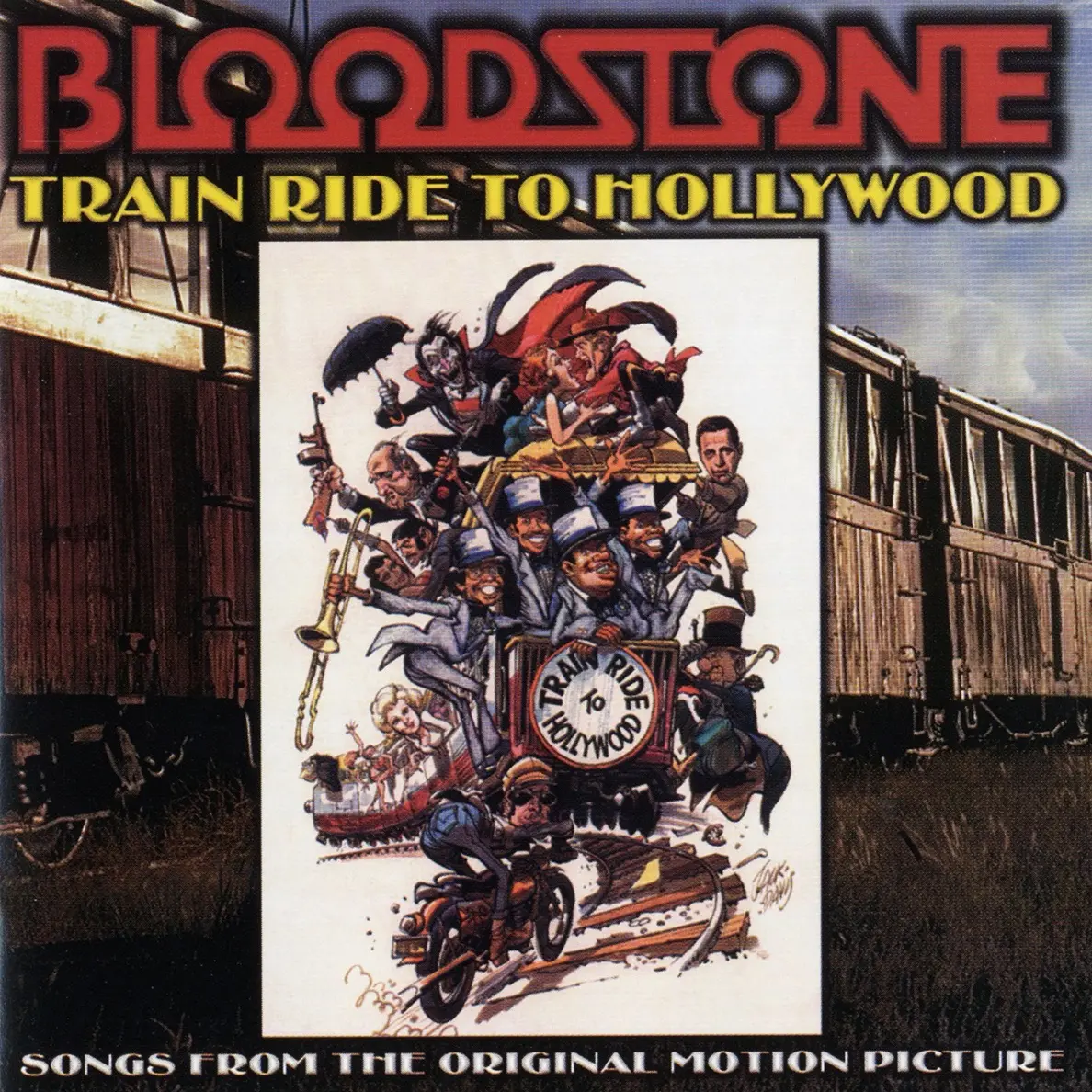 In late 1975, Bloostone released Train Ride to Hollywood, a sountdrack to the G-rated comedy by director Charles R. Rondeau.
In Train Ride to Hollywood, Bloodstone appear as themselves and as the Sinceres. The story starts backstage, where Charles Love, Willis Draffen Jr., Harry Williams Jr., and Charles McCormick delay their concert entrance while they watch an old Hollywood musical. Producer B.P. causes Harry to fall and strike his head, which sends him into a dream about Bloodstone posing as train conductors on a trip to a Hollywood studio audition.
The dream places Bloodstone among impersonated screen figures and comic types. Guy Marks plays Humphrey “Bogie” Bogart, Jay Lawrence plays Clark Gable, Roberta Collins plays Jean Harlow, Phyllis Davis plays Miss Charlotte, John Myhers plays the Sheik, Bill Oberlin plays W.C. Fields, Jay Robinson plays Dracula, and Elliott Robins plays the Godfather, Johnny, and Mr. Wonderful. Ann Willis plays Jeanette MacDonald, and Peter Ratray plays Nelson Eddy.
The plot shifts from train-fare deception to a murder mystery, then to a Hollywood audition at Wonder Studios. Johnny reveals himself as the studio figure behind the danger and tries to turn Bloodstone into wax figures. Harry wakes backstage before the group takes the stage for the closing concert.
Train Ride to Hollywood premiered on October 29, 1975, in Detroit, Grosse Pointe, and East Lansing, Michigan. Its Los Angeles opening followed on May 19, 1976. The soundtrack mixes group originals with screen-era standards and early rock-and-roll material, linked by short arrangements, period brass, and close vocal parts. The soundtrack mixes group originals with screen-era standards and early rock-and-roll material, linked by short arrangements, period brass, and close vocal parts.
A1. “As Time Goes By” (2:25) — Herman Hupfield
A2. “Yakety Yak” (1:50) — Jerry Leiber, Mike Stoller
A3. “Train Ride” (4:23) — Charles McCormick, Charles Love, Harry Williams Jr., Willis Draffen Jr.
A4. “What Do I Have to Do?” (2:23) — Love
A5. “Hooray for Romance” (2:24) — McCormick
A6. “Rock ’N’ Roll Choo Choo” (2:49) — McCormick, Williams, Draffen
B1. “Go to Sleep” (3:01) — Draffen
B2. “Toot! Toot! Tootsie (Goodbye)” (2:56) — Dan Russo, Ernie Erdman, Gus Kahn, Ted Fiorito
B3. “I’m in Shape” (2:14) — Williams
B4. “Sh-Boom (Life Could Be a Dream)” (2:10) — Carl Feaster, Claude Feaster, Floyd McRae, James Keyes, James Edwards
B5. “Money (That’s What I Want)” (4:51) — Berry Gordy, Janie Bradford
Bloodstone recorded Train Ride to Hollywood at the Village Recorder in West Los Angeles, Nova Sound Studios in London, and Decca Tollington Park Studios in London with producer Mike Vernon, orchestrator–conductor Pip Williams, and engineers Kevin Fuller, Richard Dodd, and Rick Heenan.
Do You Wanna Do a Thing
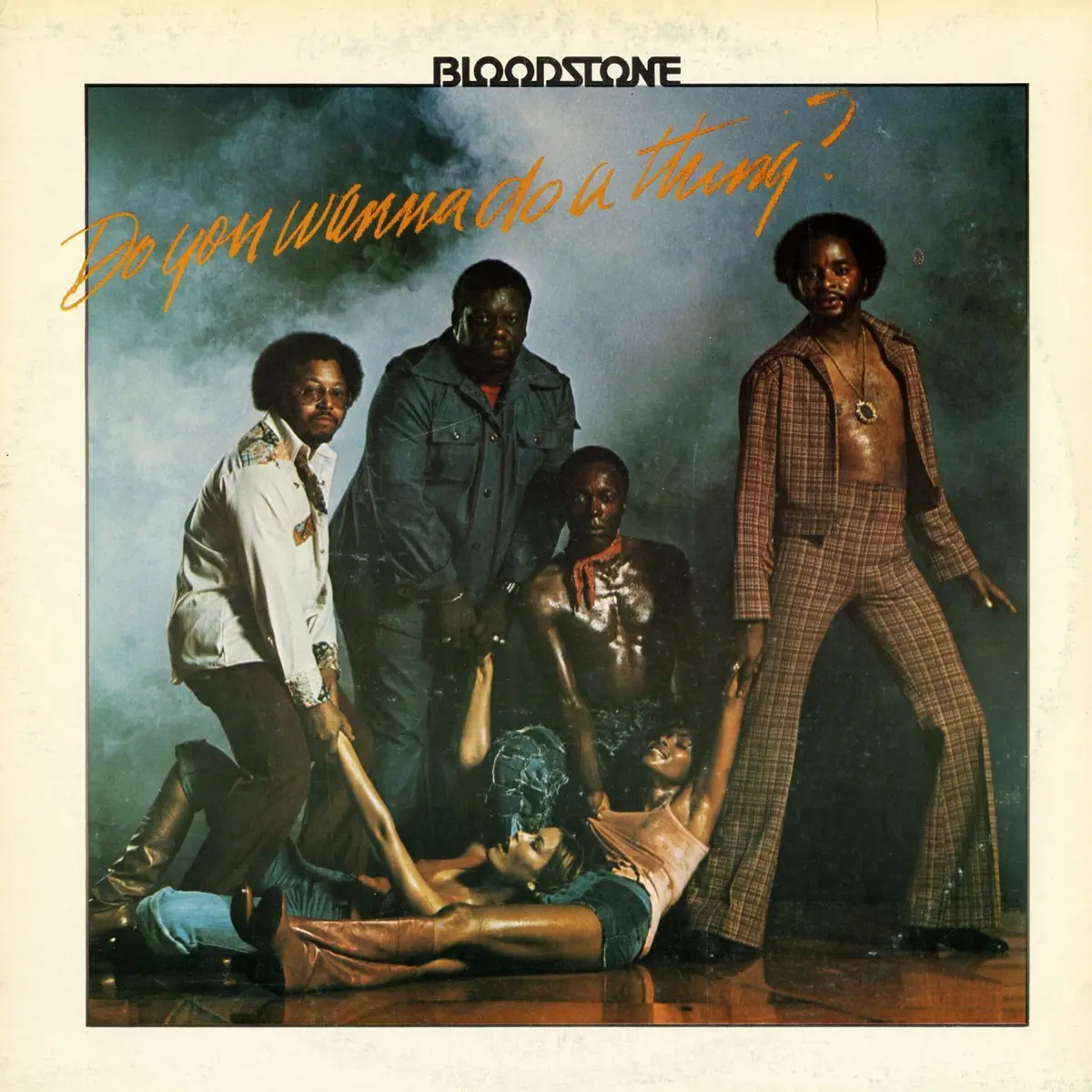 Bloodstone released their sixth studio album, Do You Wanna Do a Thing, in 1976 on London.
Do You Wanna tightens around longer dance tracks, clipped rhythm-guitar figures, and arranged brass-and-string parts by Bert DeCoteaux. Ensemble vocals trade with lead lines across compact refrains and extended rhythm breaks.
A1. “Stand Up, Let’s Party” (5:49) — Willis Draffen Jr.
A2. “If You Wanna Be My Baby” (4:00) — Charles McCormick
A3. “Just Like in the Movies” (3:23) — Brenda Carhee, Patrick Adams
A4. “Do You Wanna Do a Thing” (4:53) — Jesse Boyce, Richard Griffith, Sanchez Harley
B1. “Shake the Building” (6:40) — Charles Love
B2. “This Is It” (3:37) — Love
B3. “When We’re Doin’ It” (4:02) — McCormick, Draffen
B4. “Give Me Your Heart” (3:21) — McCormick
Bloodstone recorded Do You Wanna Do a Thing at Total Experience Studios with producers Bert DeCoteaux and Tony Silvester on seven tracks and producer Mike Vernon on “Give Me Your Heart.” DeCoteaux arranged and conducted the album; Jose Rodriguez mastered the set at Mediasound.
Queens Graphics handled art direction and design, with photography by Bob Levy and Buddy Rosenberg.
London issued “Give Me Your Heart” as a single in 1975. “Do You Wanna Do a Thing” followed in 1976 and reached No. 19 on the R&B chart. “Just Like in the Movies” also appeared as a single and reached No. 58 on the R&B chart.
Do You Wanna Do a Thing reached No. 51 on the R&B album chart.
Lullaby of Broadway
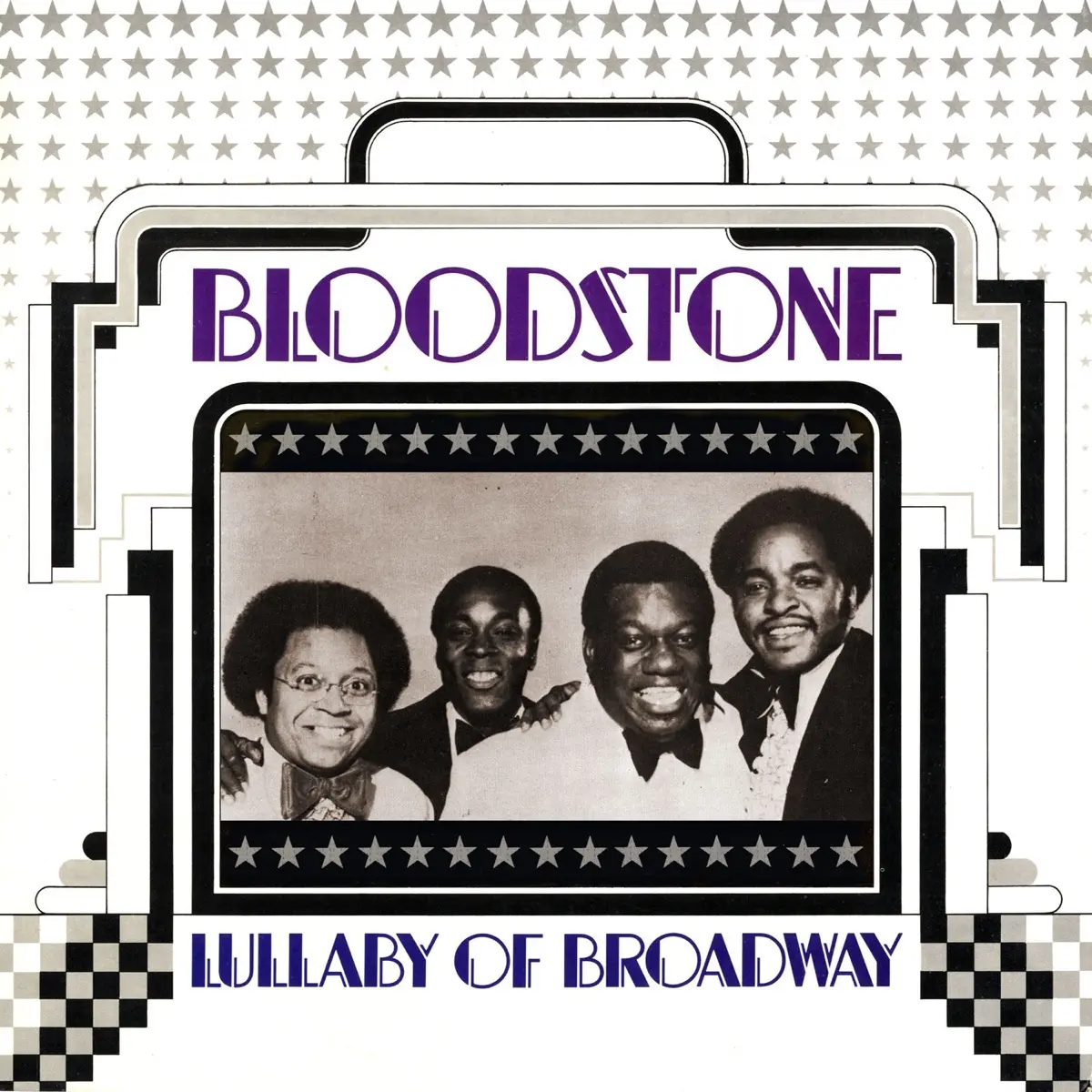 Bloodstone released their seventh studio album, Lullaby of Broadway, in 1976 on London.
Lullaby reshapes pre-rock popular standards through electric rhythm-section parts, arranged horn passages, and close ensemble vocals. The album keeps the group inside theater-song material, with Pip Williams and Colin Frechter directing the orchestral detail.
A1. “Lullaby of Broadway” (2:49) — Harry Warren, Al Dubin
A2. “Let’s Do It (Let’s Fall in Love)” (3:22) — Cole Porter
A3. “On the Street Where You Live” (4:26) — Alan Jay Lerner, Frederick Loewe
A4. “I Guess I’ll Get the Papers and Go Home” (2:18) — Dick Rogers, Hal Kanner, Hughie Prince
A5. “Five Foot Two, Eyes of Blue (Has Anybody Seen My Girl)” (4:38) — Ray Henderson, Sam M. Lewis, Joe Young
B1. “I Found a Million Dollar Baby” (2:52) — Billy Rose, Mort Dixon, Harry Warren
B2. “I’m Gonna Sit Right Down and Write Myself a Letter” (3:32) — Fred Ahlert, Joe Young
B3. “Baby Face” (3:30) — Harry Akst, Benny Davis
B4. “Cheek to Cheek” (4:42) — Irving Berlin
B5. “Prisoner of Love” (3:49) — Russ Columbo, Clarence Gaskill, Leo Robin
Bloodstone recorded Lullaby of Broadway with producer Mike Vernon, engineer John Richards, mixing engineer Neil Brody, executive producers George Braunstein and Ronald Hamady, and arranger Pip Williams.
Don’t Stop!
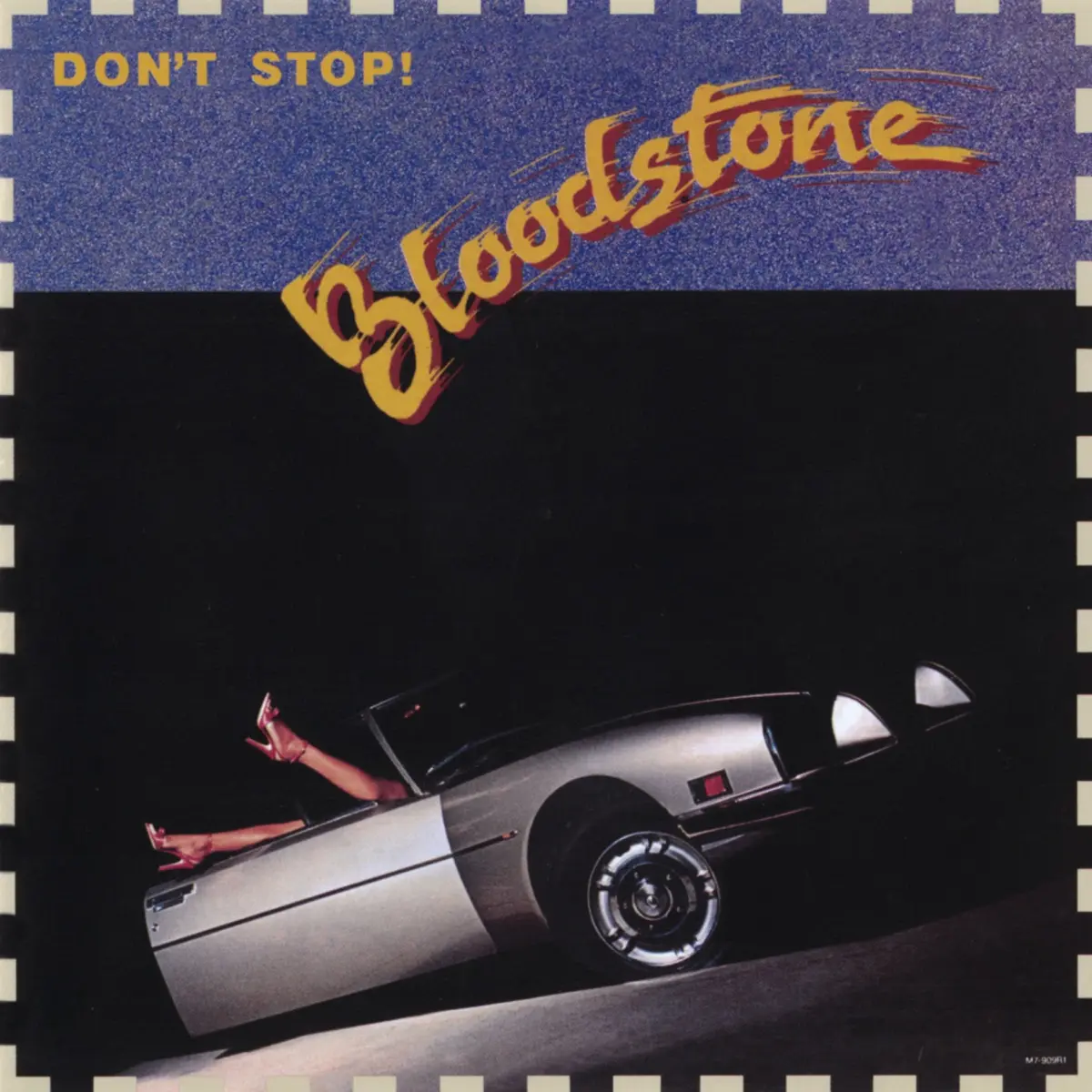 Bloodstone released their ninth album, Don’t Stop!, in 1978 on Motown.
On Don’t Stop!, producer Winston Monseque places the group’s vocal format against polished keyboards, clipped guitar figures, and late-seventies backbeats. Session players tighten the ensemble around shorter refrains and smoother chord changes. Motown’s production setting gives the voices a cleaner mix.
A1. “Don’t Stop” (3:53) — Mike Gonzales
A2. “I’m Just Doing My Job” (5:09) — Michael L. Smith
A3. “Throw a Little Loving My Way” (4:24) — David Foster, Harry Garfield, Jay Graydon
A4. “It’s All Been Said Before” (6:29) — Brian Potter, Dennis Lambert
B1. “She Wants to Hear the Words” (3:34) — Kathy Wakefield, Ken Hirsch
B2. “Just Wanna Get the Feel of It” (6:23) — Smith
B3. “You Bring Out the Best in Me” (4:14) — Bill Cuomo, Bobby Ray Appleberry
B4. “It’s Been a Long Time” (3:50) — Phil Dennys, Will Jennings
Bloodstone recorded Don’t Stop! at Kendun Recorders and Motown Recording Studios with producer Winston Monseque, arranger Al Johnson, and engineers Fred Borkgren, Humberto Gatica, and Russ Terrana.
Motown issued “Just Wanna Get the Feel of It” as a single in 1979.
We Go a Long Way Back
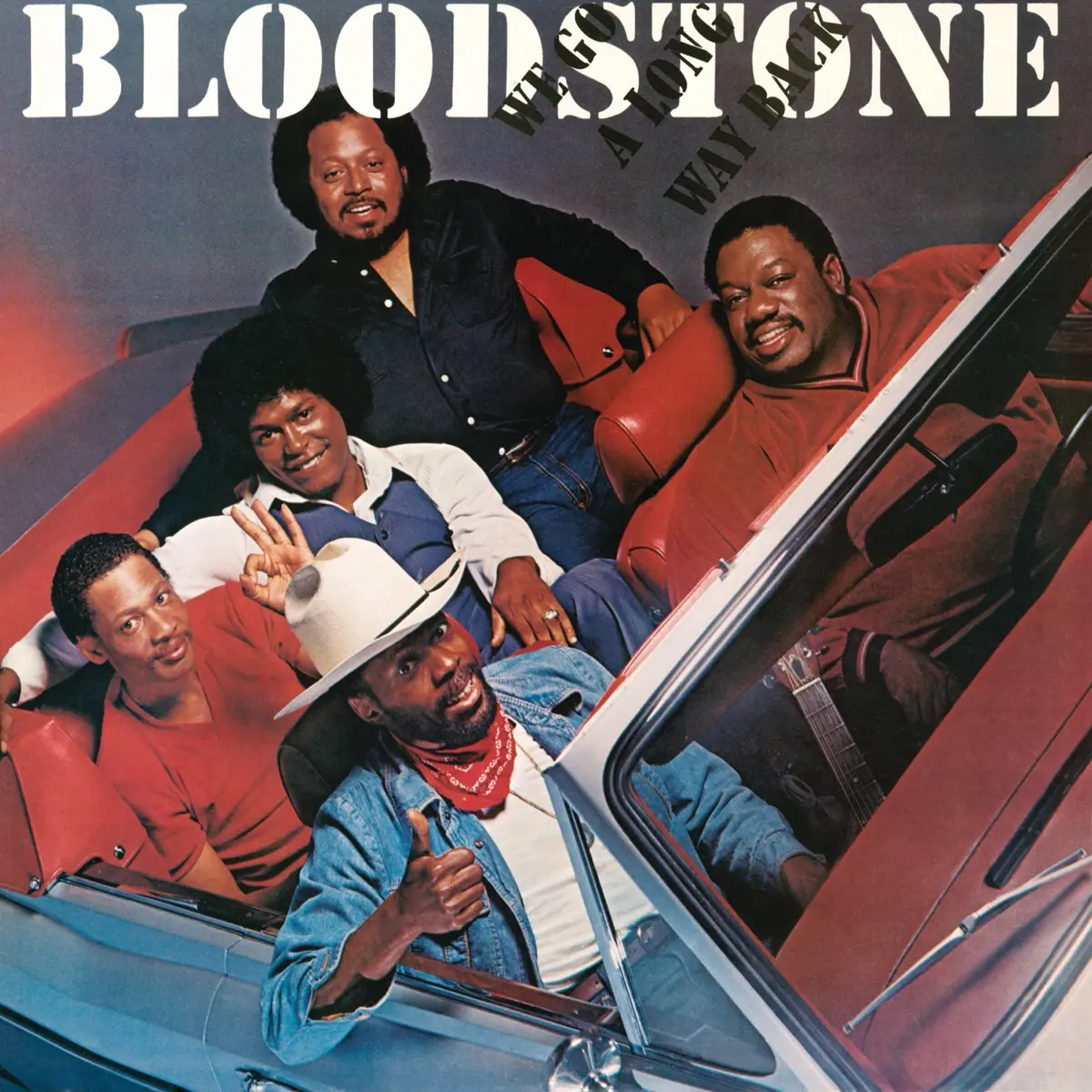 Bloodstone released their tenth album, We Go a Long Way Back, in 1982 on T-Neck/CBS.
The group entered their T-Neck period with Ronald Wilson in the lineup. Bloodstone recorded the album with producer McKinley Jackson and the Isley Brothers.
We Go a Long Way Back features long-form ballads across extended rhythm tracks and horn-and-string arrangements. The group places lead voices inside broad ensemble responses on the slow material. T-Neck production gives the album a wider low-end field.
A1. “Go On and Cry” (8:08) — Charles Love, Kitty Sears
A2. “How Does It Feel” (11:04) — Charles Love, Curtis Love, Kitty Sears, Oscar Love
A3. “We Go a Long Way Back” (5:31) — Charles Love
B1. “Funkin’ Around” (6:42) — McKinley Jackson, Ronald Wilson
B2. “My Kind of Woman” (4:42) — Wilson
B3. “My Love Grows Stronger” (6:17) — Jackson, Shirley Jones, Valorie Jones
B4. “Nite Time Fun” (4:32) — Charles Love
Bloodstone recorded We Go a Long Way Back at Conway Recording Studios in Los Angeles with producers McKinley Jackson and the Isley Brothers.
T-Neck issued “We Go a Long Way Back” as a single in 1982. “We Go a Long Way Back” reached No. 5 on the R&B chart. “Go On and Cry” followed and reached No. 18 on the R&B chart. “My Love Grows Stronger (Part 1)” reached No. 44 on the R&B chart.
We Go a Long Way Back reached No. 95 on the Billboard 200 and No. 11 on the R&B album chart.
Party
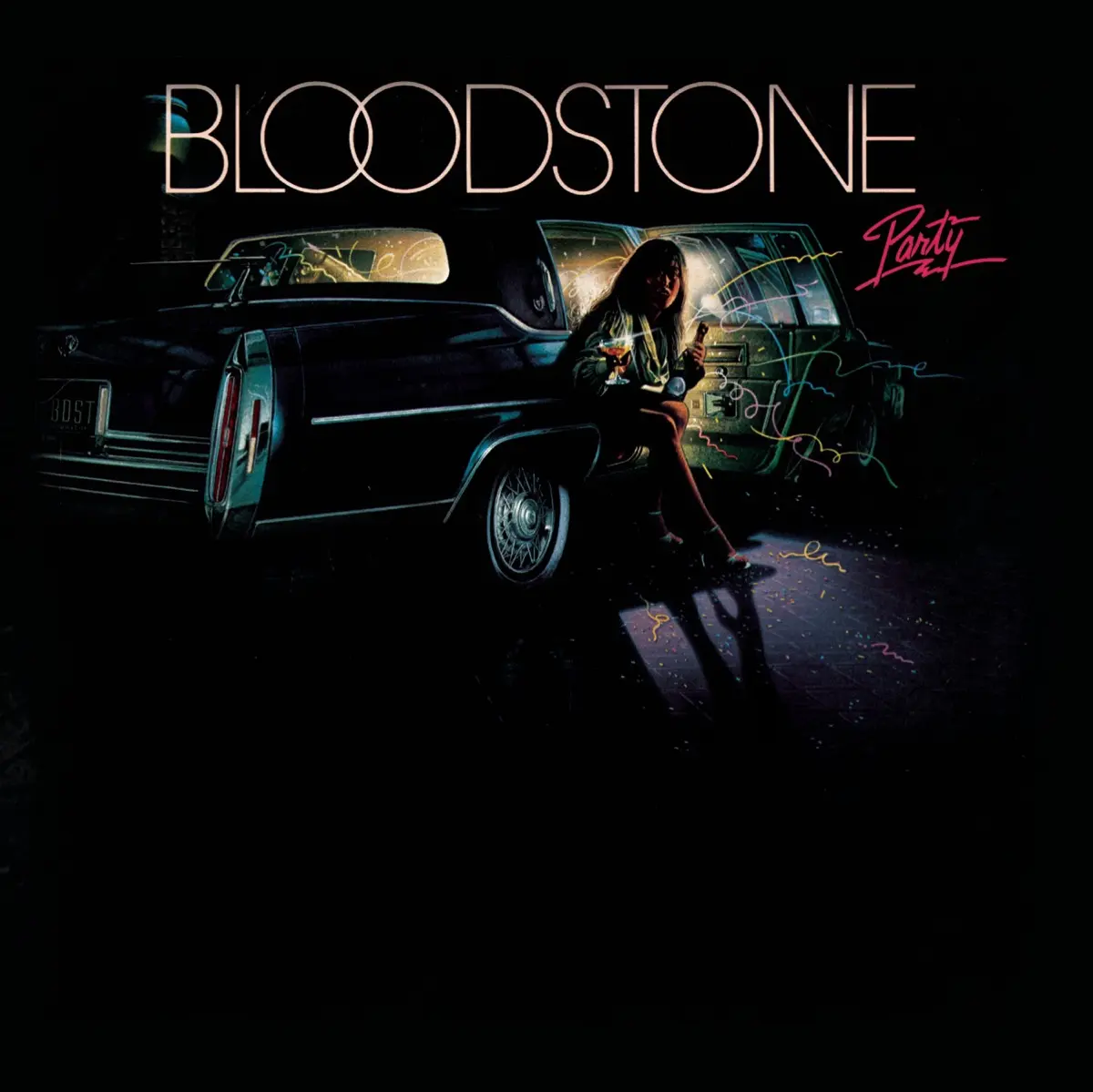 Bloodstone released their eleventh album, Party, in 1984 on T-Neck.
On Party, McKinley Jackson produces around ensemble vocals, synthesizer parts, and modern hi-tech rhythm tracks. The group extends “Bloodstone’s Party” and “Feel the Heat” through repeated vocal phrases and firm backbeat. Jackson gives the album a tighter electronic mix.
A1. “Bloodstone’s Party” (7:18) — Ronald Wilson
A2. “Feel the Heat” (5:17) — Harry Williams, Willis Draffen
A3. “Contagious” (5:09) — G. Moore, S. Jones
A4. “Men Need Tenderness Too” (3:45) — Dorian Holley
B1. “Instant Love” (5:23) — McKinley Jackson, Ronald Bell
B2. “It Feels So Good (With You)” (4:42) — Charles Love
B3. “I Adore You” (4:44) — Harry Williams, Willis Draffen
B4. “Why Be the First One Home” (4:42) — Charles Love
T-Neck issued “Instant Love” as a single in 1984, and the song reached No. 42 on the R&B chart. “Bloodstone’s Party” followed and reached No. 69 on the R&B chart.
Discography:
- Bloodstone (1972)
- Unreal (1973)
- Natural High (1973)
- I Need Time (1974)
- Riddle of the Sphinx (1975)
- Train Ride to Hollywood (1975)
- Do You Wanna Do a Thing (1976)
- Lullaby of Broadway (1976)
- Don’t Stop! (1978)
- We Go a Long Way Back (1982)
- Party (1984)
Sources:
Artist/Album Pages:
Bobbye Hall is an American jazz-funk percussionist from Detroit who released the 1977 album Body ...
Tideline was a Belgian symphonic-rock band behind the 1979 album The Crowded Room. Sixteen years l...
Henry Cow was an English avant-garde rock and free-jazz band that released four studio albums betw...
Dee D. Jackson is an English singer who scored a 1978 hit with “Automatic Lover” and released the ...
Pastoral was an Argentine folk duo of guitarist-singers Alejandro De Michele and Miguel Angel Erau...
Trader Horne was an English/Irish folk-psych duo that released a standalone single and the album M...
Les DeMerle is an American jazz drummer who made the 1968 album Spectrum on United Artists. After ...
Ippu-Do was a Japanese New Wave/synthpop trio that released four albums and a live disc between 1...
Midnight Oil are an Australian rock band that released two 1978–79 albums on Powderworks, followed b...
Thunderclap Newman was an English psychedelic pop-rock band that scored a 1969 UK No. 1 hit with "...
Chilliwack was a Canadian rock band from Vancouver that debuted with a 1970 self-titled album on P...
The Storm was a Spanish hard-rock band that released a 1974 self-titled album on BASF, then return...