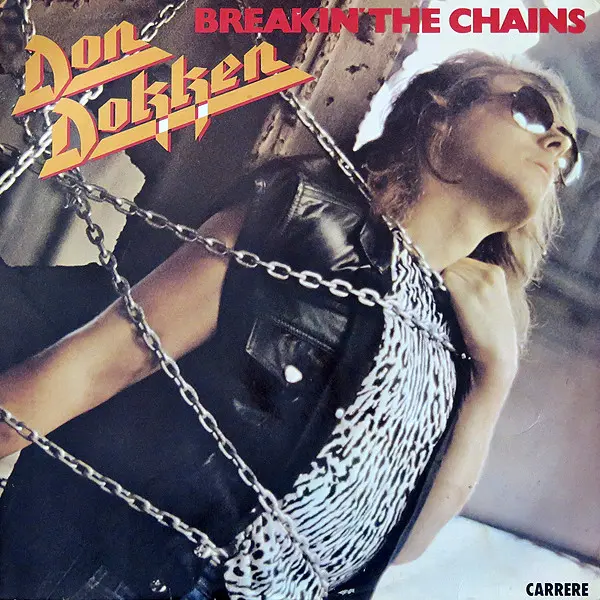
Breakin’ the Chains
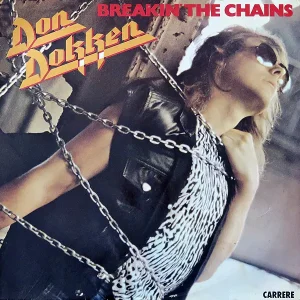 Dokken released their debut album as Breakin’ the Chains in 1981 on Carrere in Europe.
In 1983, Elektra issued a remixed version that dropped the songs “Paris” and “We’re Illegal” for “Paris Is Burning” and “Live to Rock (Rock to Live).”
Chains sets Don Dokken’s high-register phrasing against polished guitar crunch and firm rhythmic drive. “Breakin’ the Chains” opens with a hard guitar push and a centered vocal line. “In the Middle” holds a restrained mid-tempo pace. “Young Girls” raises the speed into a quicker run. “Felony” cuts through stop-start turns and a harder attack.
“I Can’t See You” lowers the pressure into a softer pace. “Live to Rock (Rock to Live)” follows a straight charge. “Nightrider” pushes ahead with another faster burst. “Seven Thunders” carries a heavier march and darker weight. “Stick to Your Guns” leans into a rougher grind. “Paris” closes on a harder surge.
A1. “Breaking the Chains” (3:51) — Don Dokken, George Lynch
A2. “In the Middle” (3:43) — Dokken, Lynch
A3. “Felony” (3:08) — Dokken, Lynch
A4. “I Can’t See You” (3:12) — Dokken, Lynch
A5. “Live to Rock (Rock to Live)” (3:39) — Juan Croucier, Dokken, Lynch
B1. “Nightrider” (3:49) — Mick Brown, Dokken, Lynch, Jeff Pilson
B2. “Seven Thunders” (3:56) — Dokken, Lynch
B3. “Young Girls” (3:14) — Brown, Dokken, Lynch, Juan Croucier
B4. “Stick to Your Guns” (3:47) — Brown, Dokken, Lynch
B5. “Paris Is Burning” (5:08) — Brown, Dokken, Lynch
Dokken recorded the core album at Dierks Studios in Cologne with co-producer Michael Wagener, who also engineered and mixed the material.
The first pressing appeared in 1981 as Breakin’ the Chains under the Don Dokken name before later pressings shifted to Dokken. During that same Germany stretch, Don also cut guide vocals for Scorpions material while Klaus Meine recovered from vocal-cord trouble, and Lynch, Brown, and Croucier worked on sessions for Udo Lindenberg.
Back in the United States, manager Cliff Bernstein secured an Elektra deal and set up a remixed American issue of Breaking the Chains. Juan Croucier exited in 1983 and joined Ratt just before the US campaign gathered force. Bassist Jeff Pilson entered in time to complete the lineup that carried Dokken into its next phase. That shift closed the first formative stretch and set the band on the road to its Elektra run.
Elektra issued “Breaking the Chains” as the lead US single in November 1983. The 7-inch paired it with “Felony,” the 12-inch used “Paris Is Burning” on the flip, and the single reached No. 32 on Billboard Mainstream Rock. Its video cuts between the band in a house, on a black stage, and inside a dungeon, where the members break free from chains one by one; Jeff Pilson appears in the clip because Juan Croucier had already left before filming.
The 1983 Elektra release became the band’s first US chart entry and reached No. 136 on the Billboard 200.
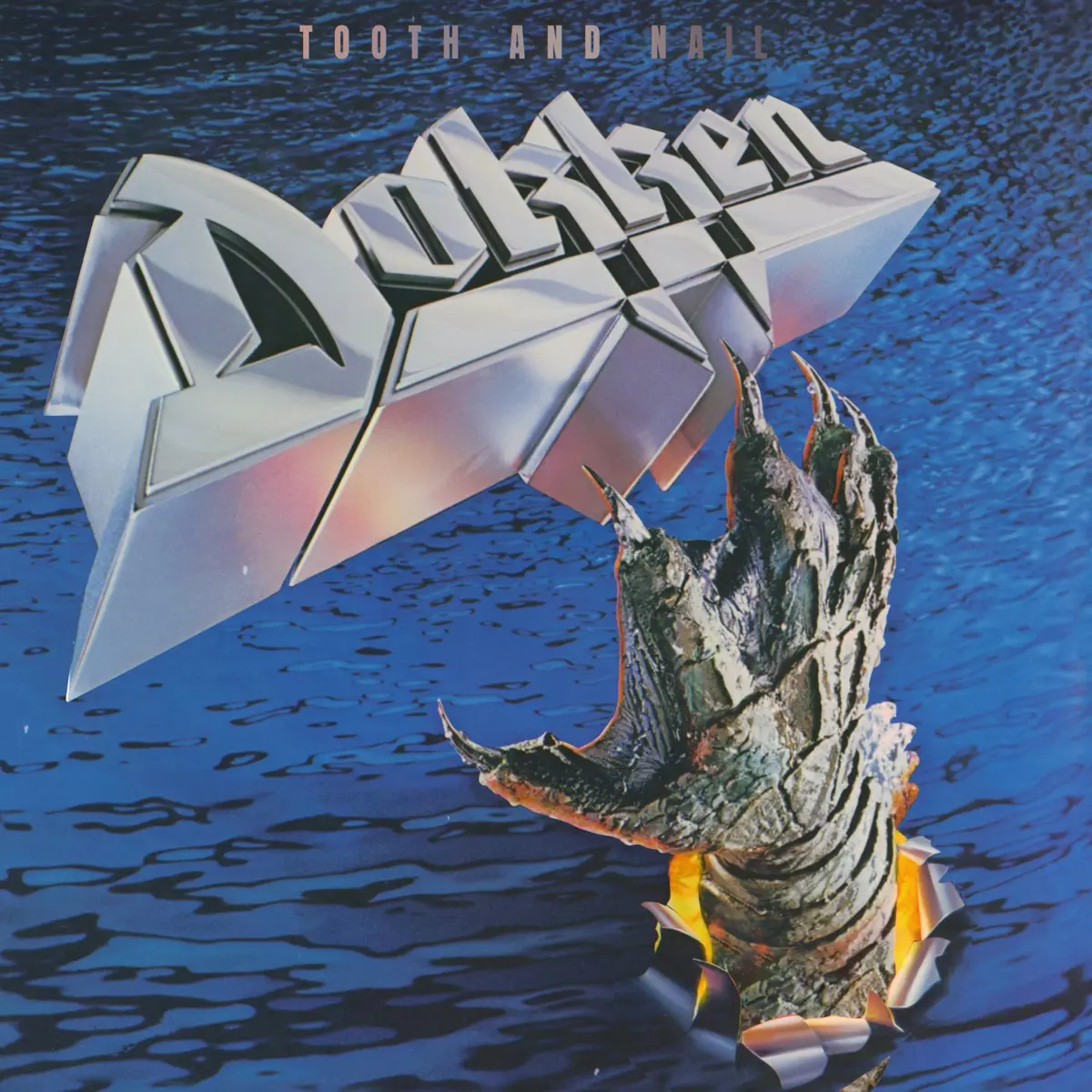
Tooth and Nail
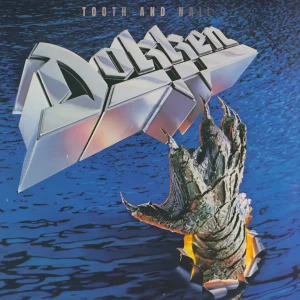 Dokken released their second album, Tooth and Nail, on September 17, 1984, on Elektra.
George Lynch cuts through with sharper riffs, faster ascending runs, and longer solo flights than on the debut. Jeff Pilson enters as the new bassist and locks the foundation under Mick Brown’s hard backbeat.
Tooth and Nail opens with “Without Warning,” a short synth-and-guitar rise that suspends tension before the title track tears through it. “Tooth and Nail” hits at full speed with hard-edged riffs, tapped runs, arpeggio bursts, and one of Lynch’s most explosive turns on the record. “Just Got Lucky” eases into a smoother chorus shape, but its guitars still bite. “Don’t Close Your Eyes” stalks forward on a prowling riff and a harder underside.
“When Heaven Comes Down” burns slow, then gathers force toward a climactic spill of spiraling leads. “Into the Fire” opens with acoustic guitar, then widens into a brighter sweep with strong vocal lift and a finely cut solo. “Alone Again” strips the pace back to a mellow ache and lets the chorus carry the weight. “Turn on the Action” closes with an upbeat rush, a sharper attack, and guitar heroics all the way to the brake-squeal stop.
A1. “Without Warning” (1:35) — George Lynch
A2. “Tooth and Nail” (3:40) — Mick Brown, George Lynch, Jeff Pilson
A3. “Just Got Lucky” (4:35) — Lynch, Pilson
A4. “Heartless Heart” (3:29) — Brown, Lynch, Pilson
A5. “Don’t Close Your Eyes” (4:10) — Don Dokken, Lynch, Pilson
B1. “When Heaven Comes Down” (3:35) — Brown, Lynch, Pilson
B2. “Into the Fire” (4:27) — Dokken, Lynch, Pilson
B3. “Bullets to Spare” (3:35) — Brown, Dokken, Lynch, Pilson
B4. “Alone Again” (4:20) — Dokken, Pilson
B5. “Turn On the Action” (4:43) — Brown, Lynch, Pilson
Dokken recorded Tooth and Nail at Cherokee in Hollywood from April through August 1984 with producer Tom Werman, associate producer Roy Thomas Baker, engineers Geoff Workman and Gary McGachan, mixer Michael Wagener, and mastering engineer George Marino at Sterling Sound in New York. Bob Defrin handled the art direction.
Elektra issued “Into the Fire” as the lead single on September 11, 1984. The song reached No. 21 on Billboard Mainstream Rock and later turned up in A Nightmare on Elm Street 3: Dream Warriors.
“Just Got Lucky” followed on November 19, 1984 and reached No. 27 on Mainstream Rock. The video took the band to Hawaii and placed George Lynch’s solo on the edge of an active volcano; steam rose through the shoot, park rangers forced the crew out by nightfall, and the plane later circled the eruption for extra footage.
On March 4, 1985, “Alone Again” became the third single from the album. Don Dokken had first written the song in 1975, then reworked it with Jeff Pilson during the Tooth and Nail sessions. The single reached No. 64 on the Billboard Hot 100 and No. 20 on Top Rock Tracks, and its video cuts between live-performance footage, black-and-white scenes, and Don Dokken alone in a room.
Tooth and Nail reached No. 49 on the Billboard 200 and later earned platinum status in the US.
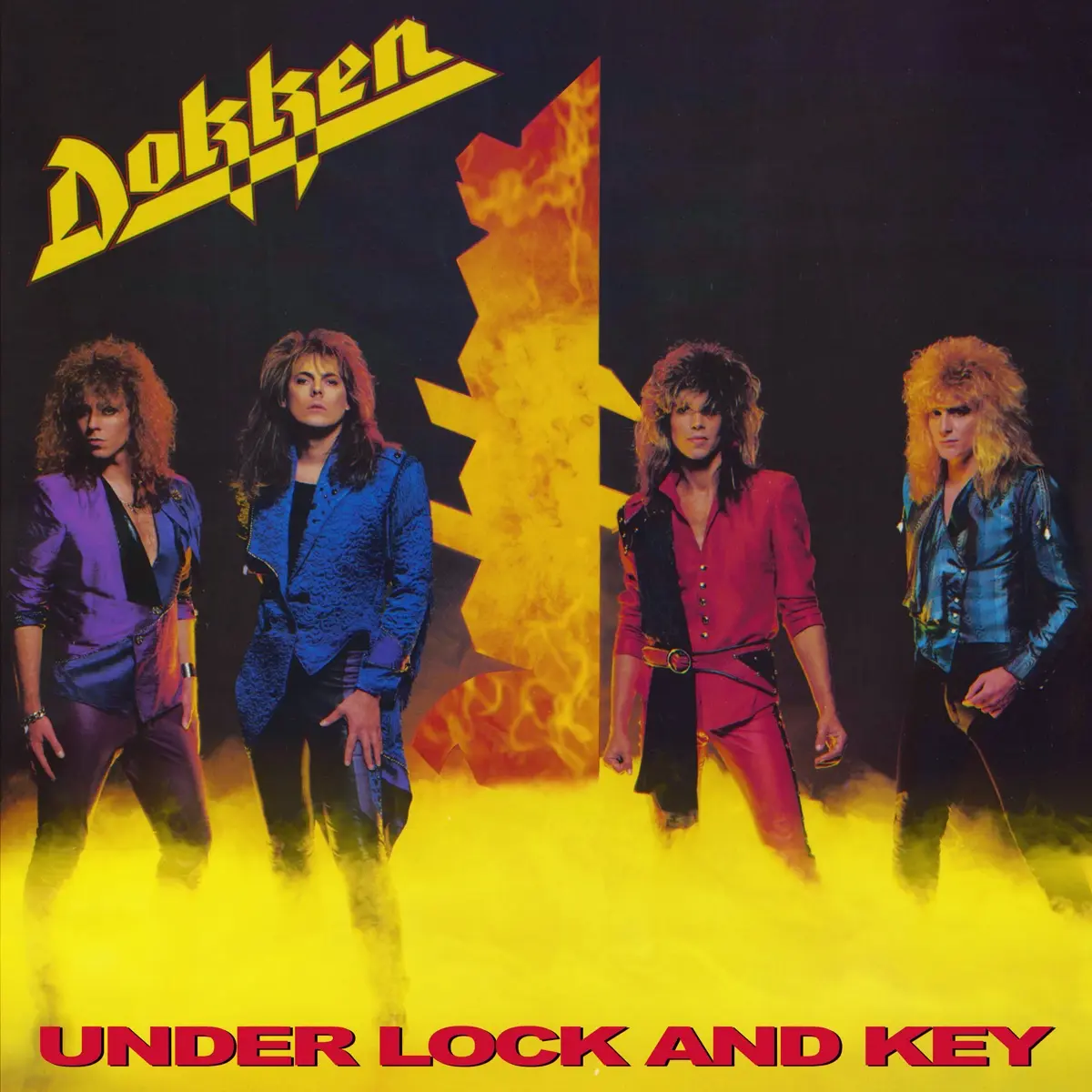
Under Lock and Key
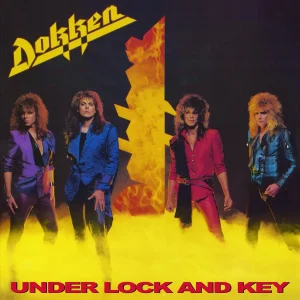 Dokken released their third album, Under Lock and Key, on November 22, 1985, on Elektra.
“Unchain the Night” opens at a hard mid-tempo clip, holds a dense rhythmic floor, and lets the lead break unfurl in long curves. “The Hunter” follows with a heavier grind and a firmer stomp. “In My Dreams” lifts the register, spreads the backing voices wider, and gives the chorus a nocturnal glow. “Slippin’ Away” lowers the pressure and settles into a softer sway with a more comforting pull. “Lightnin’ Strikes Again” snaps the pace upward and turns Lynch loose through searing runs and a high-tension finish.
“It’s Not Love” rides a tight striding pulse and growling guitar lines that keep the center under pressure. “Jaded Heart” slows into an aching pace while the chorus pulls between toughness and open plea. “Don’t Lie to Me” returns to harder riff pressure and bridge harmonies that sharpen the chorus. “Til the Livin’ End” closes with an upbeat rush and a final vocal climb at the edge of Don Dokken’s range.
A1. “Unchain the Night” (5:19)
A2. “The Hunter” (4:07)
A3. “In My Dreams” (4:20)
A4. “Slippin’ Away” (3:48)
A5. “Lightnin’ Strikes Again” (3:48)
B1. “It’s Not Love” (5:01)
B2. “Jaded Heart” (4:16)
B3. “Don’t Lie to Me” (3:37)
B4. “Will the Sun Rise” (4:10)
B5. “Til the Livin’ End” (3:59)
Dokken recorded Under Lock and Key at Amigo Studios in North Hollywood, Le Mobile’s remote unit, and Total Access Recording in Redondo Beach with co-producers Neil Kernon and Michael Wagener. Kernon and Wagener also handled engineering and mixing, Mark Wilczak assisted the sessions, Cliff Bonell and Michael Lardie assisted engineering and mixing, and Bob Ludwig mastered the album at Masterdisk in New York.
Elektra issued “The Hunter” as the lead single on December 10, 1985. The song reached No. 25 on Billboard Mainstream Rock. Its video cuts between stage footage and edited black-and-white material in which the band appears under pursuit by a group of rural men.
“In My Dreams” followed on February 25, 1986, and reached No. 77 on the Billboard Hot 100 and No. 24 on Mainstream Rock. Its video places the band on a soundstage under falling water and screen projections behind Don Dokken.
Elektra then pushed “It’s Not Love” in June 1986. The video places the band on the flatbed of a moving truck as it rolls through Los Angeles streets.
Under Lock and Key reached No. 32 on the Billboard 200, where it lasted 67 weeks and earned Platinum status.
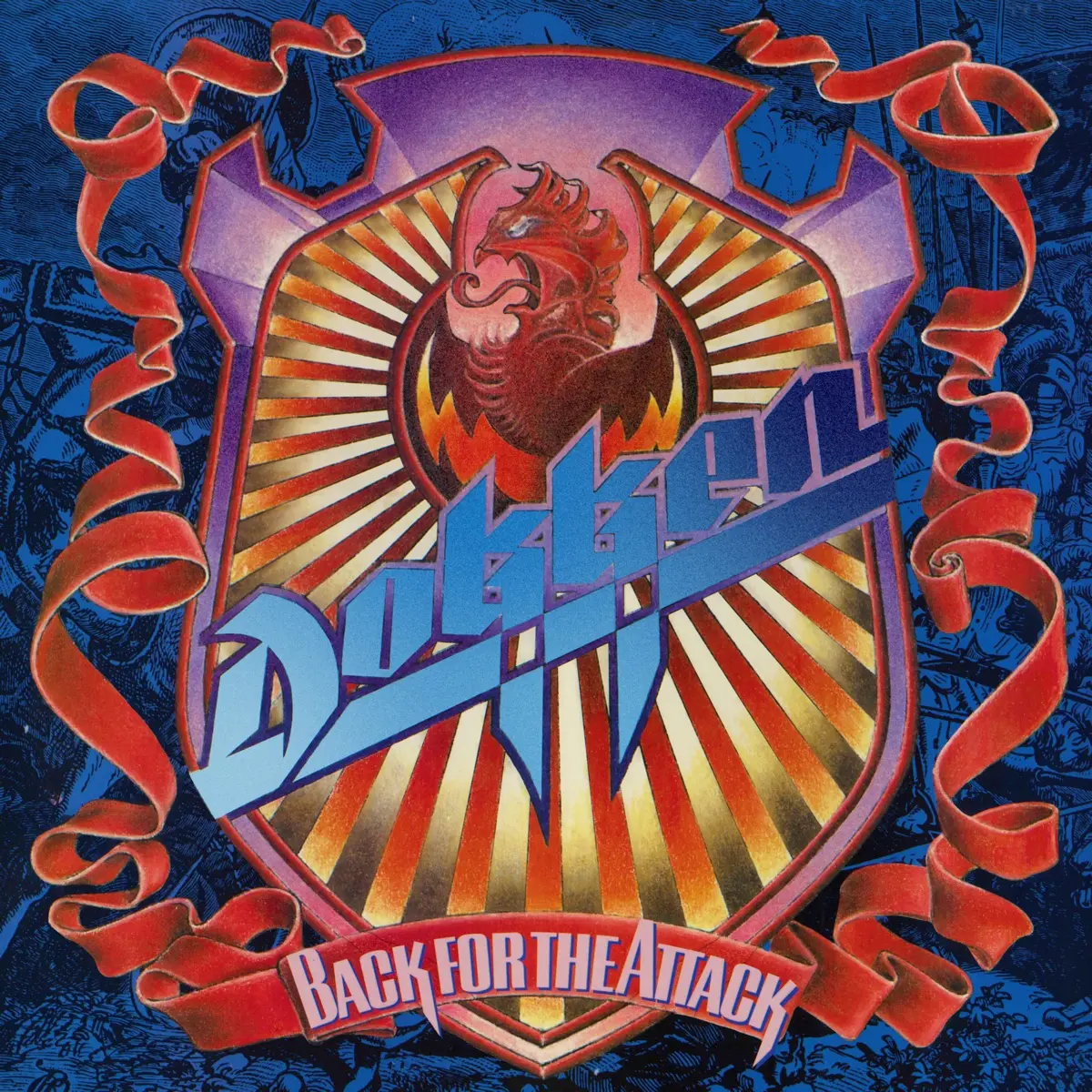
Back for the Attack
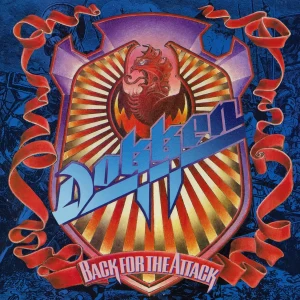 Dokken released their fourth album, Back for the Attack, on November 2, 1987, on Elektra.
“Kiss of Death” opens with a huge riff, a hard-edged charge, and a fierce vocal line. “Prisoner” settles into mid-tempo verses, then lifts through a stronger chorus and a finely cut solo. “Night by Night” starts on guitar, adds the rhythm section, and holds a darker pulse. “Standing in the Shadows” builds from a firm chorus base toward a focused lead break. “Heaven Sent” slows the pace into an imposing mid-tempo rise with a brighter sheen.
“Mr. Scary” drops the vocals and turns the spotlight on instrumental force, dark weight, and six-string detail. “So Many Tears” pits heavier verses against a wider chorus shape and more ornate arrangement. “Stop Fighting Love” adds acoustic touches and technical solo work to a more streamlined frame. “Dream Warriors” closes the album with one of its most fully realized sweeps and a standout lead passage.
A1. “Kiss of Death” (5:51) — George Lynch, Don Dokken, Jeff Pilson
A2. “Prisoner” (4:20) — Lynch, Pilson, Mick Brown
A3. “Night by Night” (5:23) — Pilson, Lynch, Brown, Dokken
A4. “Standing in the Shadows” (5:07) — Dokken, Lynch, Pilson
A5. “Heaven Sent” (4:52) — Dokken, Lynch, Pilson
A6. “Mr. Scary” (4:31) — Lynch, Pilson
B1. “So Many Tears” (4:56) — Dokken, Lynch, Pilson
B2. “Burning Like a Flame” (4:46) — Lynch, Pilson, Dokken, Brown
B3. “Lost Behind the Wall” (4:19) — Lynch, Brown, Dokken, Pilson
B4. “Stop Fighting Love” (4:52) — Pilson, Lynch, Dokken, Brown
B5. “Cry of the Gypsy” (4:51) — Dokken, Pilson, Lynch
B6. “Sleepless Night” (4:32) — Lynch, Brown, Pilson
B7. “Dream Warriors” (4:42) — Lynch, Pilson
Dokken recorded Back for the Attack at One on One in North Hollywood, Music Grinder in Hollywood, Total Access in Redondo Beach, Rumbo in Canoga Park, and Can-Am in Reseda with producer-engineer Neil Kernon. Steve Thompson and Michael Barbiero mixed the album at Bearsville Studios in New York, and Bob Ludwig mastered the release at Masterdisk.
Elektra issued “Dream Warriors” before the album on February 18, 1987 as the theme song for A Nightmare on Elm Street 3: Dream Warriors. The single reached No. 22 on Billboard Mainstream Rock, and its video cuts film footage together with new scenes in which Patricia Arquette’s Kristen faces Freddy Krueger before the band drives him back with its own dream-state force.
“Burning Like a Flame” became the next single in December and reached No. 20 on Billboard Mainstream Rock and No. 72 on the Billboard Hot 100.
Elektra followed with “Heaven Sent” on March 25, 1988, then pushed “Prisoner” as a US promo single during the same campaign. “Prisoner” reached No. 37 on Mainstream Rock.
Back for the Attack reached No. 13 on the Billboard 200 during a 33-week run that culminated in Platinum status.
Beast from the East
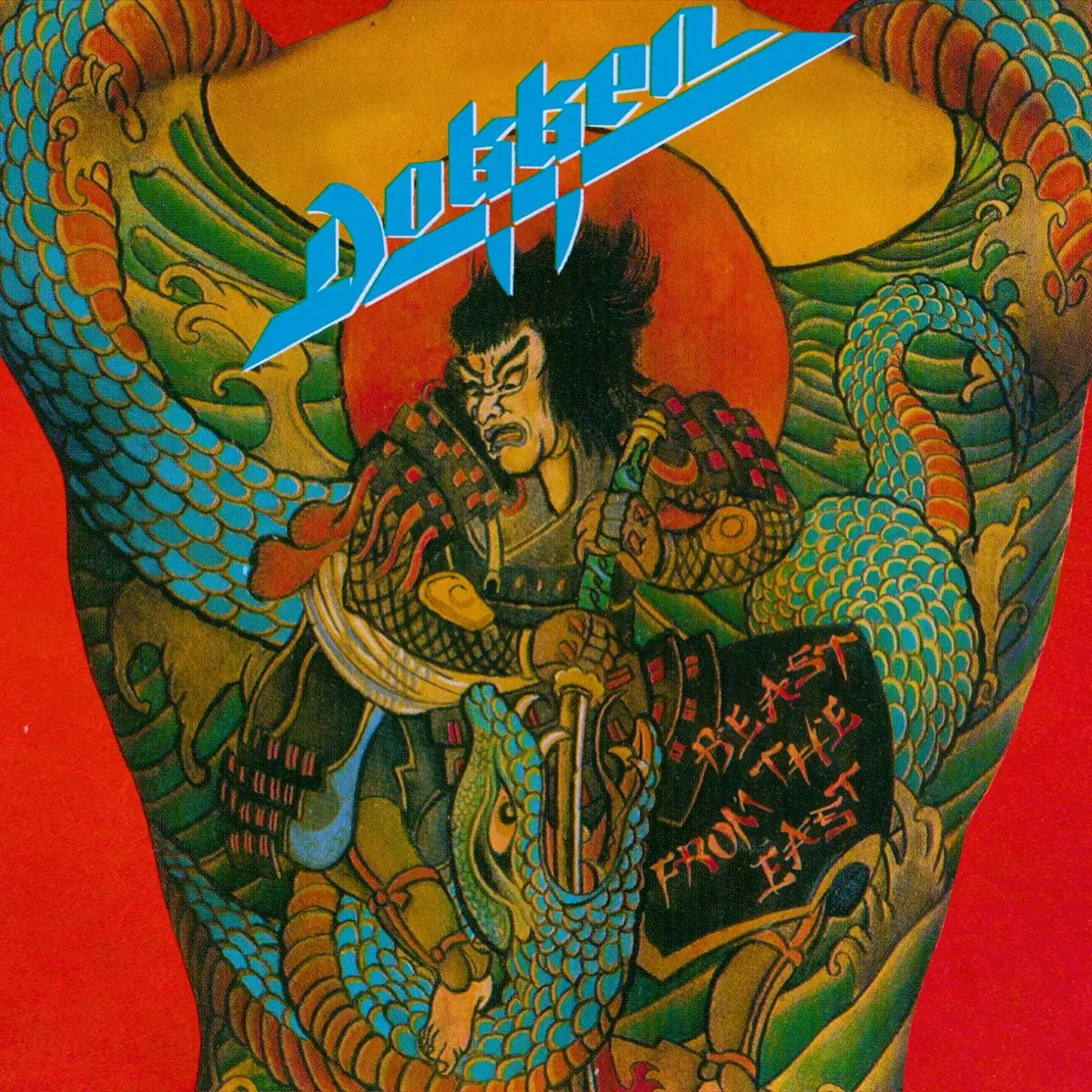
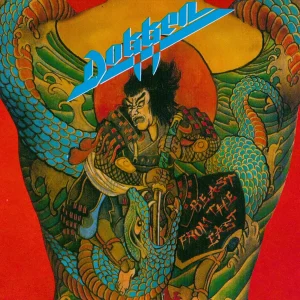 Dokken released the live album Beast from the East on November 7, 1988, on Elektra. The record draws from the band’s April 20–30, 1988 shows in Tokyo and closes with one new studio track, “Walk Away.”
George Lynch carries the set with long lead passages, fast ascending runs, and a harder live edge than the studio versions. Jeff Pilson locks the bass foundation under Mick Brown’s backbeat, adds keyboards and backing vocals, and Don Dokken holds the program together through material drawn from the band’s first four studio albums.
A1. “Unchain the Night” (5:38) — from Under Lock and Key
A2. “Tooth and Nail” (3:18) — from Tooth and Nail
A3. “Standing in the Shadows” (4:27) — from Back for the Attack
A4. “Sleepless Night” (4:08) — from Back for the Attack
A5. “Dream Warriors” (4:09) — from Back for the Attack
B1. “Kiss of Death” (5:21) — from Back for the Attack
B2. “When Heaven Comes Down” (3:44) — from Tooth and Nail
B3. “Into the Fire” (5:02) — from Tooth and Nail
B4. “Mr. Scary” (7:00) — from Back for the Attack
C1. “Heaven Sent” (5:12) — from Back for the Attack
C2. “It’s Not Love” (6:14) — from Under Lock and Key
C3. “Alone Again” (5:34) — from Tooth and Nail
C4. “Just Got Lucky” (5:02) — from Tooth and Nail
D1. “Breaking the Chains” (5:21) — from Breakin’ the Chains
D2. “In My Dreams” (5:02) — from Under Lock and Key
D3. “Turn on the Action” (4:58) — from Tooth and Nail
D4. “Walk Away” (4:30) — new studio track
Dokken recorded the live portion of Beast from the East in Japan during April 1988 with co-producer Angelo Arcuri and engineers Hiro Itoh, Mack Kojima, Masayuki Amano, and Yoshio Niwano. Michael Wagener mixed the album, and George Marino mastered the release.
Elektra issued “Alone Again” as a live single in December 1988. The 7-inch paired it with “It’s Not Love,” both taken from the Japan recordings on the album.
“Walk Away” followed in February 1989 as the album’s studio single. Its video places the band on a mountain ridge above Topanga Canyon and the Pacific, with wide sunset and daylight performance shots spread across the Santa Monica range.
Beast from the East reached No. 33 on the Billboard 200, No. 25 in Japan, went gold in the US, and later gave Dokken its only Grammy nomination, for Best Metal Performance.