

Ben Sidran (born August 14, 1943) is an American singer, pianist, keyboard player, songwriter, producer, and writer from Chicago. He emerged in the late 1960s after work with the Steve Miller Band, then built a solo catalog that moved across jazz, blues, soul, funk, and song-based small-group settings. His first three solo albums—Feel Your Groove, I Lead a Life, and Puttin’ in Time on Planet Earth—established his mix of spoken-sung phrasing, piano-led tunes, and arrangements that balanced lean rhythm tracks with horn-and-string arrangements, culminating with the 1974 jazz-funk classic Don’t Let Go.
Sidran expaded musically on his late ’70s Arista run: Free in America, The Doctor Is In, A Little Kiss in the Night, and Live at Montreux, marked by live jazz performance pieces and recurring titles such as “Face Your Fears” and “Song for a Sucker Like You.” He worked with a wide circle of players across these records, including Phil Upchurch, Clyde Stubblefield, Blue Mitchell, Mike Mainieri, Steve Miller, Michael and Randy Brecker, Phil Woods, Richard Davis, and Tony Williams.
Later albums such as The Cat and the Hat, New Wave Bebop, Bop City, On the Cool Side, and Cool Paradise continued to alternate between standards, originals, electronic textures, and acoustic jazz ensembles. Across decades, his catalog has linked jazz language, conversational vocals, studio craft, and literate songwriting in a style that remained identifiable while moving through several recording contexts.
Sidran hosted the NPR Jazz Alive series and the jazz video program New Visions, which ran from 1986 to 1993 on VH1.
Background
Sidran was born in Chicago in 1943 and raised in Racine, Wisconsin. He enrolled at the University of Wisconsin–Madison in 1961, where he became a member of the Ardells alongside Steve Miller and Boz Scaggs. When Miller and Scaggs left for the West Coast, Sidran stayed to complete a degree in English literature. After graduating in 1966, he enrolled at the University of Sussex to pursue a PhD, and during his time in England worked as a session musician with Eric Clapton, the Rolling Stones, Peter Frampton, and Charlie Watts.
In 1969, Sidran joined the Steve Miller Band as keyboardist and songwriter for their third album, Brave New World. His tenure with Miller lasted through the 1972 release Recall the Beginning…A Journey from Eden, which he also produced; he co-wrote the Miller hit “Space Cowboy” during this period. Meanwhile, Sidran secured a solo deal on Miller’s label, Capitol Records.
Feel Your Groove
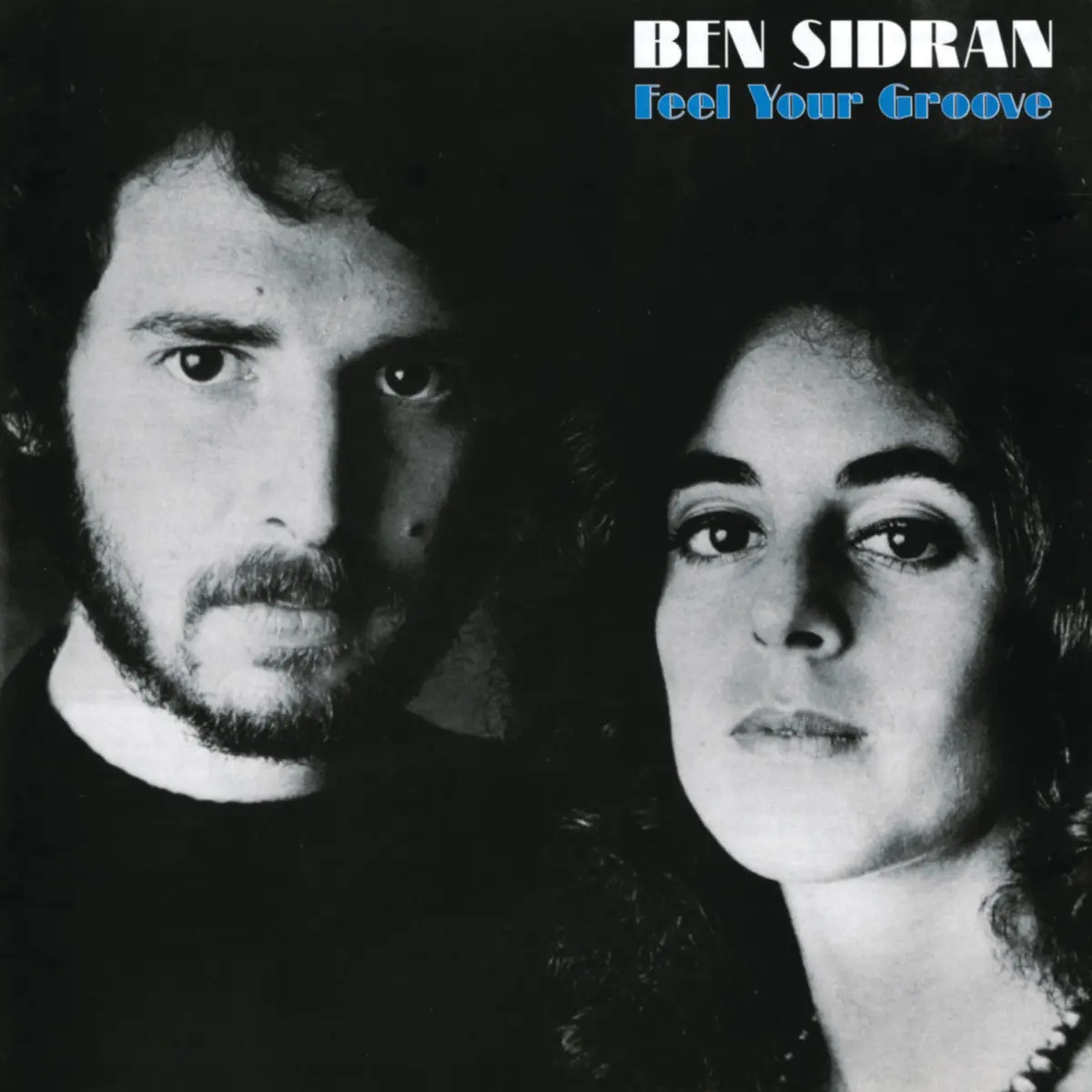 Ben Sidran released his debut solo album, Feel Your Groove, in 1971 on Capitol.
The album assembles a shifting cast of session players across its ten tracks, with Sidran on piano, organ, and vibraphone throughout. Most tracks use a small-group format — bass, drums, guitar, and keyboard — while two tracks add string arrangements by Nick DeCaro, and the side-B closer pairs Sidran with alto saxophonist Chris Driscoe in a spare two-instrument setting. The record draws on rock, R&B, blues, and soul-jazz without settling into any single mode. Boz Scaggs and Curley Cooke both play guitar on multiple tracks; Jim Keltner and Gary Mallaber share drum duties on several; Willie Ruff handles bass on three; and Blue Mitchell contributes trumpet to two tracks. Trumpeter Mitchell, appearing here for the first time in Sidran’s discography, would return on several subsequent albums. Mimi Fariña provides backing vocals on the title track, and Charlie Watts, Peter Frampton, and Greg Ridley of Humble Pie appear together on the closing “The Blues in England.”
“Leo’s My Name” opens the album as a brief, unaccompanied piano piece. “Poor Girl” operates at a harder, more direct edge, with Jesse Ed Davis on distorted guitar, two drummers in Keltner and Mallaber, and Sidran alternating between organ and electric piano. “Racine Bovine” moves at a mid-tempo with Curley Cooke on guitar and a dry, ironic lyric. “About Love” softens the pace, with a clean guitar arrangement and Judy Sidran on backing vocals. The title track runs over seven minutes and takes the most expansive form on the album, with strings, two guitarists including Scaggs, and a late extended piano passage. “That Fine Day” opens the second side at a relaxed lilt, Sidran adding vibraphone to his piano and organ credits. “Alexander’s Rag Time Brand” reunites Davis on guitar with Blue Mitchell on trumpet, the arrangement bridging stride and hard-bop inflections. “Try” pairs Mitchell again with DeCaro’s strings over a gentle, walking bass line from Willie Ruff. “My Wife” runs short and direct. “The Blues in England” closes with the Humble Pie rhythm section of Ridley and Watts behind Frampton’s guitar.
A1. “Leo’s My Name” (2:30) – Sidran
A2. “Poor Girl” (3:18) – Sidran
A3. “Racine Bovine” (2:56) – Sidran
A4. “About Love” (2:58) – Sidran
A5. “Feel Your Groove” (7:15) – Sidran
B1. “That Fine Day” (3:58) – Sidran
B2. “Alexander’s Rag Time Brand” (3:20) – Sidran
B3. “Try” (3:56) – Sidran
B4. “My Wife” (2:33) – Sidran
B5. “The Blues in England” (4:00) – Sidran
B6. “Spread Your Wings” (2:20) – Sidran
Sidran produced Feel Your Groove with guitarist Jesse Ed Davis. Bruce Botnick and Glyn Johns recorded and mixed the album.
I Lead a Life
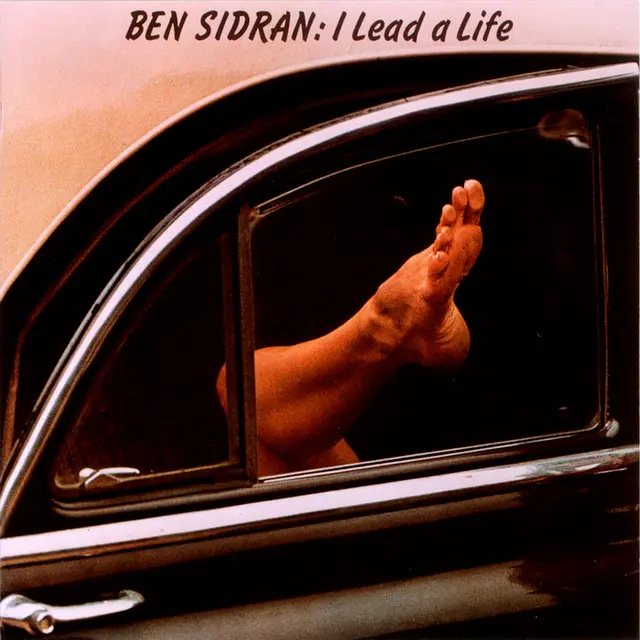 Ben Sidran released his second album, I Lead a Life, in 1972 on Blue Thumb.
The album presents two distinct rhythmic environments across its two sides. Side one pairs Sidran with bassist and guitarist Phil Upchurch and drummer Clyde Stubblefield — the Sly Stone session drummer and co-architect of the funk break — along with guitarist Curley Cooke; this grouping drives most of the first five tracks. Side two widens the personnel to include a second band configuration with bassist Dennis Oliver, drummer George Brown, congas from Tim Davis, and a small horn section of Bob Corbet and Charles Davis for two tracks. Blue Mitchell returns on trumpet for the extended “When a Woman Say She Ready.” Curt Roads contributes ARP synthesizer to the title track. The album includes a string arrangement on at least one track, credited to Nick DeCaro and conducted by him. Harry Bluestone takes a featured solo role on “Eliyahu,” which Sidran arranged and performs alone otherwise.
“Chances Are” opens with a direct, mid-tempo vocal track, Stubblefield’s drumming forward in the mix alongside Upchurch’s bass. “Lust” follows in a leaner, more stripped arrangement with Sidran on both keyboards and vibraphone. “It Don’t Pay to Worry Like That” brings in backing vocals from Bruce Botnick, Cheeba Switzer, and Gavin Christopher. “Eliyahu” strips the band away entirely, leaving Sidran at the keyboard with Bluestone’s featured solo as counterpoint. “When a Woman Say She Ready” is the album’s longest piece at nearly eight minutes, building through an extended mid-section with Mitchell’s trumpet and returning backing vocalists. The title track opens side two with a compact, punchy arrangement and an ARP synthesizer thread from Roads. “The Devil Comes to Las Vegas” expands the palette with the horn section, congas, and alto saxophone from Charles Davis. “Talking About Money” takes a slightly looser, more conversational form with vocals. “Slippery Hip” strips back to Stubblefield and Upchurch with Sidran on keyboards. “Back Down on State Street” closes the album with tenor saxophone from Jim Gordon across a six-minute slow blues.
A1. “Chances Are” (3:20) – Sidran
A2. “Lust” (3:40) – Sidran
A3. “It Don’t Pay to Worry Like That” (3:24) – Sidran
A4. “Eliyahu” (3:01) – Sidran
A5. “When a Woman Say She Ready” (7:57) – Sidran, Cooke
B1. “I Lead a Life” (2:39) – Sidran
B2. “The Devil Comes to Las Vegas” (5:15) – Sidran
B3. “Talking About Money” (3:35) – Sidran
B4. “Slippery Hip” (3:42) – Upchurch
B5. “Back Down on State Street” (6:21) – Sidran
Sidran and Bruce Botnick produced I Lead a Life for Bulldog Productions. The album was recorded at Full Compass Sound Studio and mixed at United Recorders; Bob MacLeod mastered at Artisan Sound Recorders. Nick DeCaro wrote and conducted the string parts.
Puttin’ in Time on Planet Earth
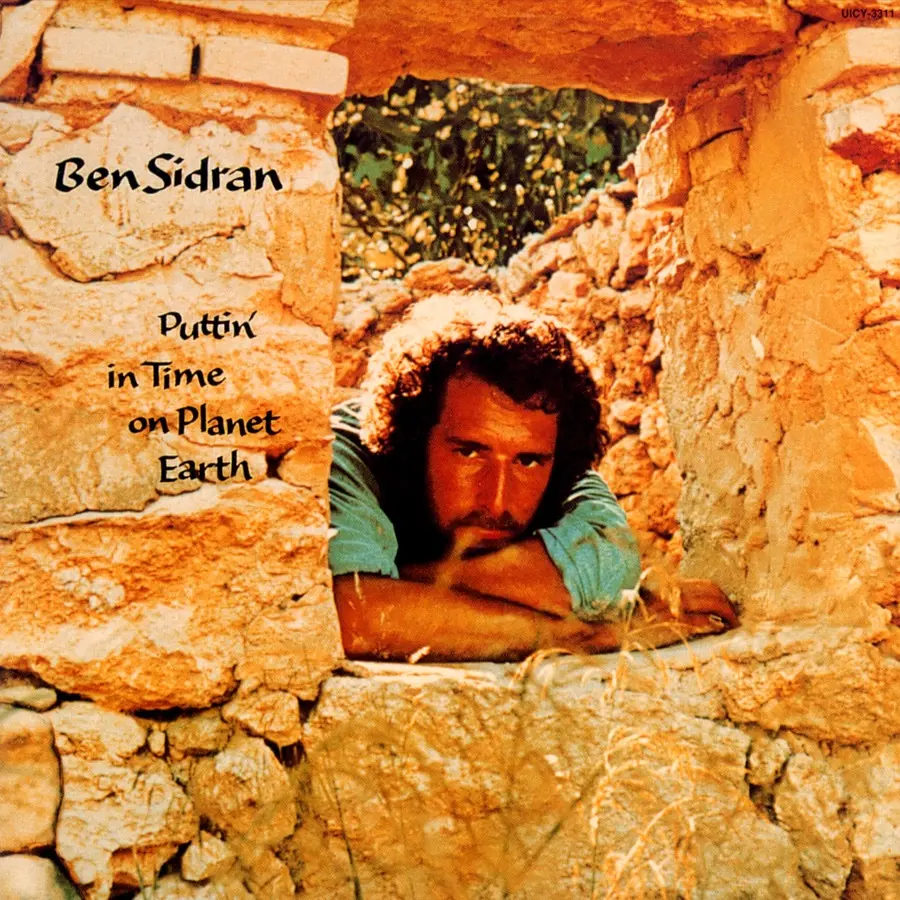 Ben Sidran released his third album, Puttin’ in Time on Planet Earth, in 1973 on Blue Thumb.
The album draws more heavily on jazz-rock arrangements than its predecessors, with Tony Williams appearing on drums for two tracks and the overall texture leaning toward a tighter, more compositionally directed form. Phil Upchurch plays both bass and guitar across most of the record; Clyde Stubblefield handles drums on the remaining tracks. Curley Cooke continues on guitar throughout. Trombonist Frank Rosolino and tenor saxophonist Bill Perkins each appear on three tracks; Jim Peterman plays organ on one. Steve Miller makes a guest appearance on acoustic guitar and guitar solo on “Face Your Fears,” which also features Mellotron from Sidran and backing vocals from Tim Davis. The album’s seven tracks include one near-complete instrumental: “Now I Live (And Now My Life Is Done)” runs over eight minutes with Stubblefield and Upchurch trading roles across bass, drums, congas, and cabassa, with Cooke on guitar and no Sidran keyboard credit in the personnel.
“Full Compass” opens the album at under a minute, a brief piano and percussion introduction with Williams on drums and additional percussion from Jose Soares and Laudir De Oliveira. “Play the Piano” follows as the first full vocal track, with Stubblefield and Upchurch establishing the rhythmic framework and the track’s self-referential lyric. “Have You Heard the News” runs at a moderate pace with Williams again on drums. “Face Your Fears” is the album’s longest vocal track, built on Cooke’s guitar and Sidran’s Mellotron with a trombone line from Rosolino. “Think Twice” keeps a compact form. “Walking with the Blues” opens the second side with Rosolino and Perkins in the front of the arrangement. “Now I Live” occupies most of side two and moves through several distinct sections without a clear thematic center. The title track closes the album with all three horn players — Perkins, Rosolino, and Upchurch on wah-wah guitar — in a six-minute piece.
A1. “Full Compass” (0:39) – Sidran
A2. “Play the Piano” (3:14) – Sidran
A3. “Have You Heard the News” (3:50) – Sidran
A4. “Face Your Fears” (5:45) – Sidran
A5. “Think Twice” (2:57) – Sidran
B1. “Walking with the Blues” (4:01) – Sidran
B2. “Now I Live (And Now My Life Is Done)” (8:29) – Sidran
B3. “Puttin’ in Time on Planet Earth” (6:18) – Sidran
Sidran and Bruce Botnick produced Puttin’ in Time on Planet Earth for Bulldog Productions. The album was recorded at Paragon Recording Studios and Full Compass Sound Studio, and mixed at Sound Labs, Hollywood.
Don’t Let Go
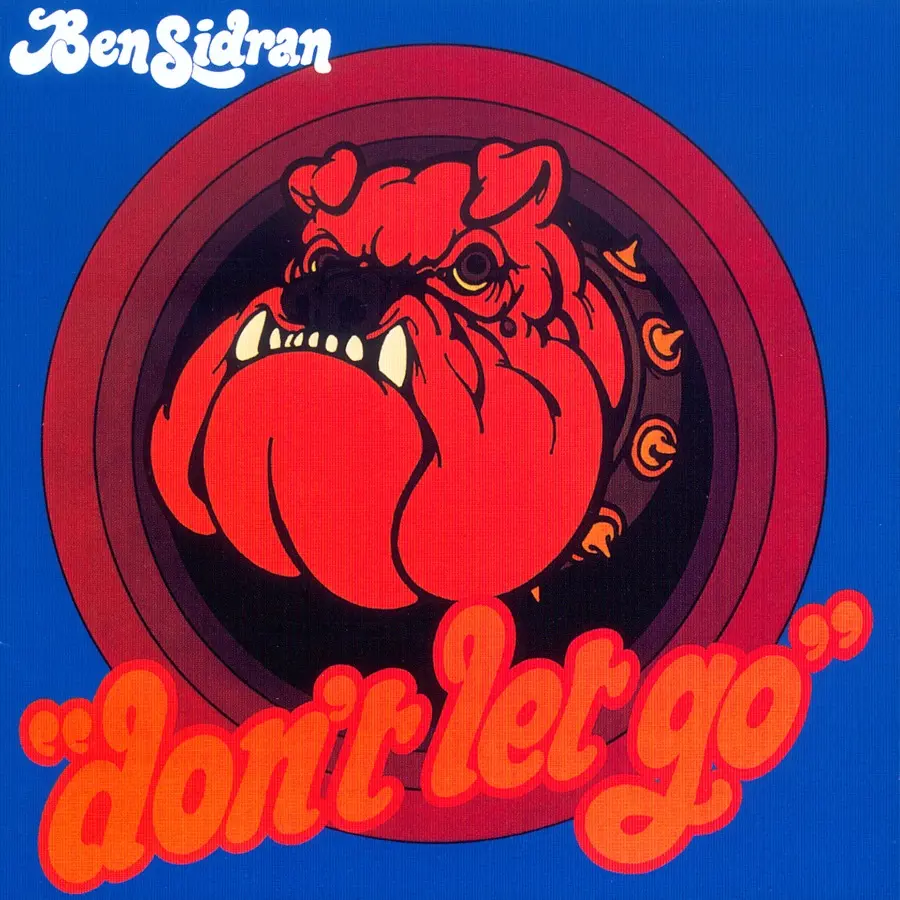 Ben Sidran released his fourth album, Don’t Let Go, in 1974 on Blue Thumb.
The record shifts away from the rock-inflected configurations of the earlier Blue Thumb titles toward a more consistently jazz and soul-jazz framework. Upchurch and Stubblefield remain from previous sessions; new additions include alto saxophonist Bunky Green, tenor saxophonist Sonny Seals, organist Jim Peterman, harmonica player Jerry Alexander, and horn arrangements by Sonny Burke and string arrangements by Les Hooper. Guitarist James P. Cooke — who had collaborated with Sidran on earlier sessions — contributes writing and guitar throughout; bassist Randy Fullerton and drummer Tom Piazza also appear on individual tracks. The album divides roughly equally between vocal tracks and instrumentals across its twelve pieces, and draws on a wider range of source material than any previous Sidran record: covers range from Mose Allison’s “The Foolkiller” and Bud Powell’s “Monopoly” to the roadhouse standard “House of Blue Lights” and Richard Whiting and Richard Morat’s ballad “She’s Funny That Way.”
“Fat Jam” opens instrumentally with a tight Rhodes-and-horns arrangement over a driven rhythm, Burke’s horn charts prominent from the first bars. “House of Blue Lights” opens with spoken word before shifting into a direct boogie-woogie reading with Sidran’s piano in stride mode. “Ben Sidran’s Midnite Tango” takes a slower, more formal tone with a string arrangement. “The Chicken Glide” is an instrumental co-written with Cooke. “She’s Funny That Way” moves at a deliberate jazz-shuffle pace. “Monopoly” runs under ninety seconds, a brief Powell cover. Side two opens with the title track, a mid-tempo vocal piece. “Hey Hey Baby” is a direct R&B number co-written with Cooke. “The Foolkiller” presents the Allison original with Sidran’s piano taking the lead. “The Funky Elephant” is a co-written instrumental with Stubblefield, Cooke, and Kip Merklein. “Snatch” appears as another Sidran original instrumental. “Down to the Bone” closes the album in just over a minute.
A1. “Fat Jam” (3:23) – J. Cooke
A2. “House of Blue Lights” (3:08) – Don Rae, Freddie Slack
A3. “Ben Sidran’s Midnite Tango” (2:40) – Sidran
A4. “The Chicken Glide” (3:43) – Sidran, Cooke
A5. “She’s Funny That Way” (3:34) – Richard Morat, Richard A. Whiting
A6. “Monopoly” (1:27) – Bud Powell
B1. “Don’t Let Go” (3:18) – Sidran
B2. “Hey Hey Baby” (3:30) – J. Cooke
B3. “The Foolkiller” (3:45) – Mose Allison
B4. “The Funky Elephant” (3:27) – Sidran, Stubblefield, Cooke, Merklein
B5. “Snatch” (3:48) – Sidran
B6. “Down to the Bone” (1:08) – Sidran
Bulldog Productions produced Don’t Let Go. The album was recorded in Madison, Chicago, and Los Angeles. Art direction was by John P. Schmelzer for 1000 Miles West.
Free in America
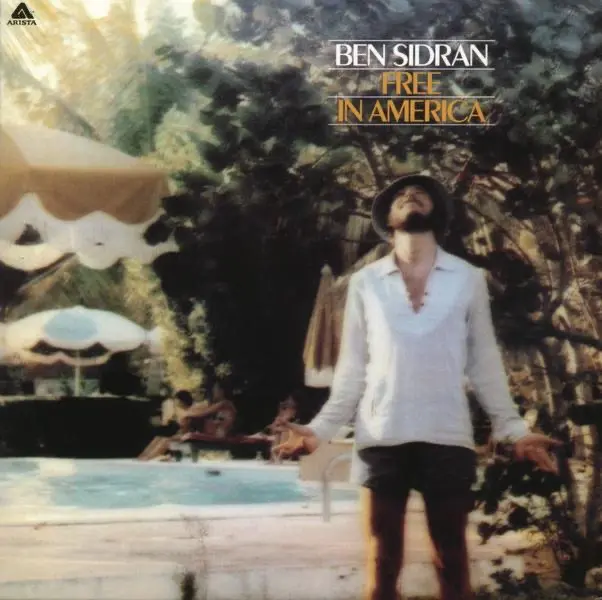 Ben Sidran released his fifth album, Free in America, in 1976 on Arista.
The album marks Sidran’s debut for Arista and his most eclectic set to that point, placing several of his own compositions alongside covers drawn from jazz, R&B, and rock. The personnel extends the range of previous records: the Brecker Brothers — Michael and Randy — appear together on “After Midnight” and the title track; Woody Shaw contributes trumpet to “New York State of Mind”; David “Fathead” Newman handles saxophone on three tracks; Sonny Seals takes two; Richard Tee plays organ; and Phil Upchurch again anchors bass, guitar, and percussion. Gary Zappa plays bass on several tracks; Billy Meeker handles drums throughout. Henry Gibson provides percussion; a large backing vocal ensemble includes Kitty and Vivian Haywood, Mary Ann Stewart, Gavin Christopher, and Jerry Alexander. The album opens with a re-recording of the title track from Feel Your Groove and closes with a new Sidran original sharing the album title.
“Feel Your Groove” revisits the Capitol debut title track in a fuller arrangement with Newman’s saxophone prominent. “After Midnight” takes the J.J. Cale standard into a darker, denser reading with the Brecker Brothers in the horn section and a large backing vocal arrangement. “Sunday Kind of Love” presents the Louis Prima standard with Seals on saxophone. “Let’s Make a Deal” is a Sidran original. “Beg for It” continues with Newman on saxophone. “New York State of Mind” presents the Billy Joel composition with Shaw’s trumpet as the featured solo voice. “You Talk Too Much” adapts the Reggie Hall and Joe Jones R&B original, which Sidran sourced from a mid-1960s Latin boogaloo single by Javier Batiz. “The Cuban Connection” is an instrumental original that draws on Afro-Cuban jazz and hard-bop structures. The title track closes with the Brecker Brothers returning for the horn arrangement.
A1. “Feel Your Groove” (3:00) – Sidran
A2. “After Midnight” (3:26) – J.J. Cale
A3. “Sunday Kind of Love” (4:27) – Louis Prima
A4. “Let’s Make a Deal” (3:25) – Sidran
A5. “Beg for It” (3:29) – Sidran
B1. “New York State of Mind” (4:37) – Billy Joel
B2. “You Talk Too Much” (3:23) – Reggie Hall, Joe Jones
B3. “The Cuban Connection” (4:30) – Sidran
B4. “Free in America” (4:06) – Sidran
Sidran produced Free in America for Bulldog Productions. The album was recorded at Paragon Recording Studios, Full Compass Sound Studio, Sound Ideas Studios, and Intermedia Sound in Boston, and remixed at Mediasound.
The Doctor Is In
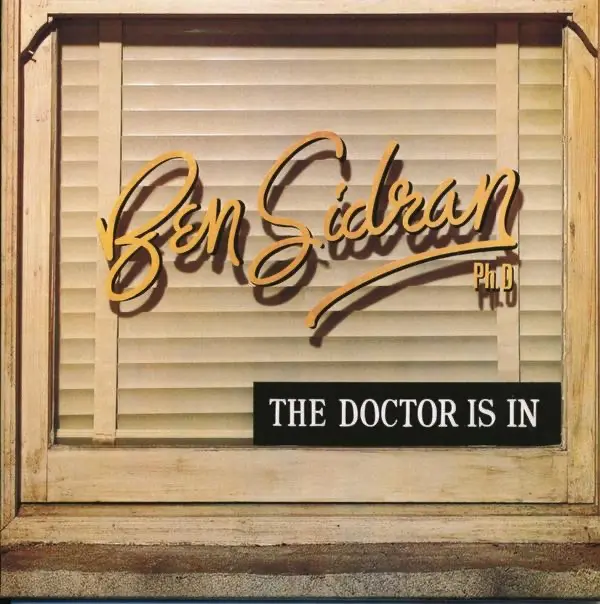 Ben Sidran released his sixth album, The Doctor Is In, in 1977 on Arista.
The album draws on two distinct recording configurations. The majority of tracks feature guitarist Larry Carlton and drummer John Guerin, with Upchurch on bass and Ray Armondo on percussion; Blue Mitchell returns on trumpet. Two tracks — “Silver’s Serenade” and “Charlie’s Blues” — use a different configuration with bassist Richard Davis, drummer Tony Williams, and the same Upchurch. All other personnel remain consistent. Nick DeCaro again provides a string arrangement. The album consists entirely of original Sidran compositions except for a Horace Silver cover (“Silver’s Serenade”), a Charles Mingus cover (“Good Bye Pork Pie Hat”), and a tambourine credit from Gary Mallaber. Carlton’s guitar replaces the saxophone-forward approach of previous records as the primary instrumental voice outside Sidran’s piano.
“Get It Yourself” opens the album at a brisk pace with Carlton’s guitar in the lead. “Song for a Sucker Like You” extends to over four minutes with Mitchell’s trumpet in the arrangement. “Broad Daylight” runs at a measured tempo. “One Way Grave” continues the vocal-original sequence. “See You on the Other Side” closes side one as the longest of the first five tracks. “Set Yourself Free” opens side two. “Silver’s Serenade” places Williams and Richard Davis in the rhythm section behind a piano reading of the Silver original. “Nobody’s Fool” returns to the Carlton-Guerin configuration. “Charlie’s Blues” pairs Williams and Davis again in a brief two-minute piece. “Good Bye Pork Pie Hat” presents the Mingus composition instrumentally with DeCaro’s strings. “Be Nice” closes the album at just over a minute.
A1. “Get It Yourself” (3:02) – Sidran
A2. “Song for a Sucker Like You” (4:19) – Sidran
A3. “Broad Daylight” (3:30) – Sidran
A4. “One Way Grave” (3:39) – Sidran
A5. “See You on the Other Side” (4:20) – Sidran
B1. “Set Yourself Free” (4:29) – Sidran
B2. “Silver’s Serenade” (5:11) – Horace Silver
B3. “Nobody’s Fool” (3:03) – Sidran
B4. “Charlie’s Blues” (1:59) – Sidran
B5. “Good Bye Pork Pie Hat” (3:37) – Charles Mingus
B6. “Be Nice” (1:02) – Sidran
Sidran produced The Doctor Is In for Bulldog Productions. Tommy Vicari recorded most of the album at Davlen Sound Studios and Sound Labs in Hollywood; Richard Alderson recorded “Silver’s Serenade” and “Charlie’s Blues” at separate sessions. The album was mixed at Sound Labs and mastered by George Marino at Sterling Sound.
A Little Kiss in the Night
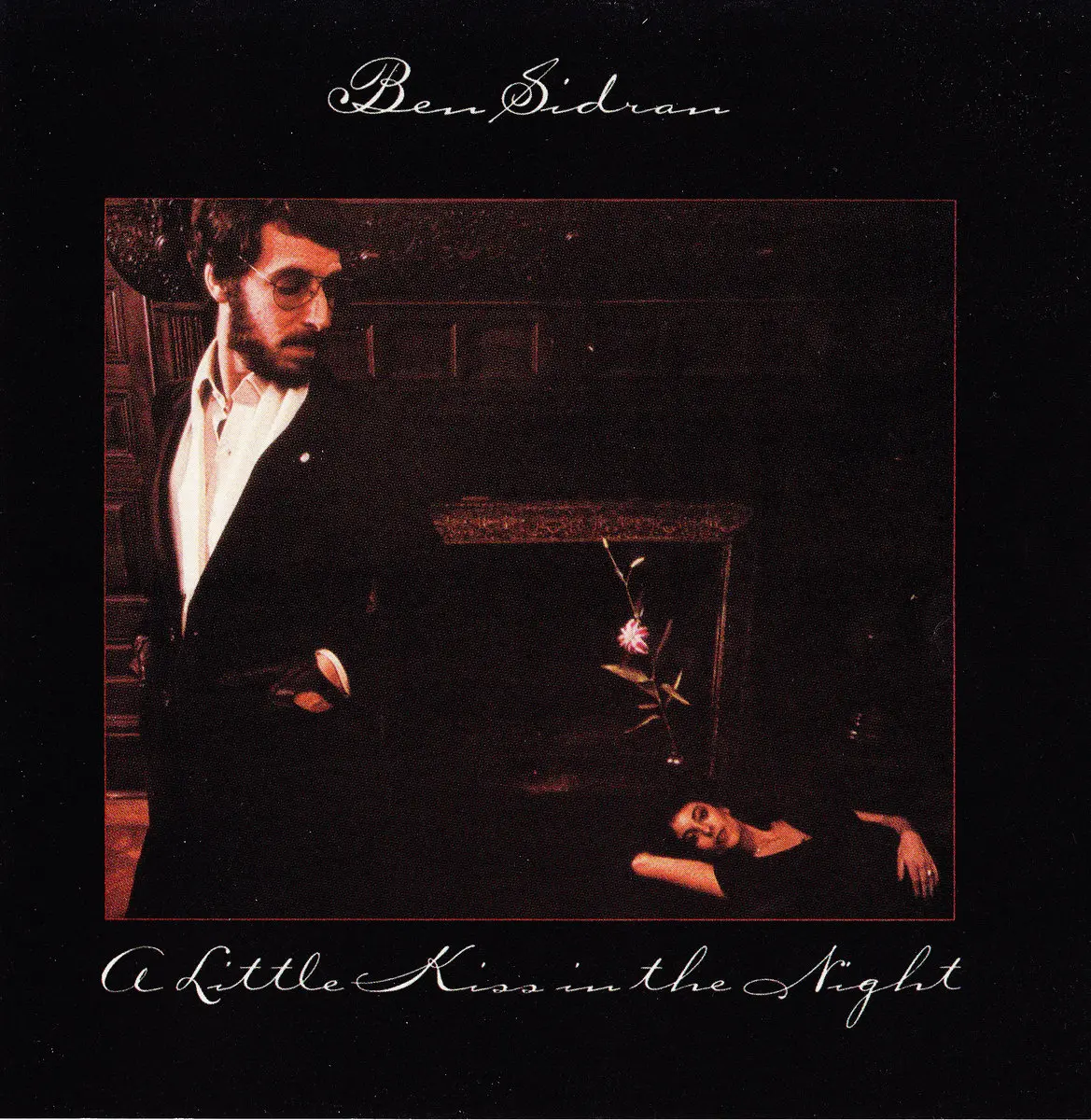 Ben Sidran released his seventh album, A Little Kiss in the Night, in 1978 on Arista.
The record introduces a new core ensemble: Bill Meeker on drums throughout, with rotating bassists including Bob Glaub, Gerald Johnson, and Abe Laboriel; guitarist Jay Graydon appears on the opening track alongside alto saxophonist Phil Woods; Arthur Adams takes guitar on the second track with organist Mike Finnegan; and Jesse Ed Davis returns on slide guitar for “Doing You” and on standard guitar for “Tell Old Bill.” Blue Mitchell plays trumpet on two tracks. David Woodford handles saxophone on four pieces. Several tracks carry arrangements by Mike Melvoin. Gary Coleman provides percussion across multiple tracks. The album leans toward a more refined, lighter-textured presentation than the earlier Blue Thumb and Arista records, with fewer funk-derived elements and a closer alignment to a polished jazz-pop setting.
“Kiss in the Night” opens with Woods on alto saxophone and a Melvoin string arrangement. “You Got the Power” gives Finnegan’s organ a prominent role alongside Mitchell’s trumpet. “Moose the Mooch” presents the Charlie Parker bebop standard with Woods again as the featured saxophone voice over a small-group format without strings. “The Cadillac Kid” runs mid-tempo with Woodford on tenor. Side two opens with “That’s Life I Guess,” which brings James Cooke on acoustic guitar and Mitchell on trumpet. “Doing You” builds around Davis’s slide guitar. “Tell Old Bill” takes a more straightforward vocal-and-rhythm format with Davis and Woodford. “Mr. Bill Goes to Brazil” is an instrumental with Coleman’s percussion forward in the arrangement. “Face Your Fears” closes the album as a Melvoin-arranged reprise of the track from Puttin’ in Time on Planet Earth.
A1. “Kiss in the Night” (3:20) – Sidran
A2. “You Got the Power” (3:12) – Sidran
A3. “Moose the Mooch” (5:18) – Charlie Parker
A4. “The Cadillac Kid” (3:36) – Sidran
B1. “That’s Life I Guess” (4:49) – Sidran
B2. “Doing You” (4:27) – Sidran
B3. “Tell Old Bill” (2:37) – Sidran
B4. “Mr. Bill Goes to Brazil” (2:55) – Sidran
B5. “Face Your Fears” (2:59) – Sidran
Sidran produced A Little Kiss in the Night. The album was recorded in January 1978 at Hollywood Sound and Cherokee Sound in Los Angeles, with additional recording and remixing at Sound Labs, Los Angeles. The album was mastered by George Marino at Sterling Sound, New York.
Live at Montreux
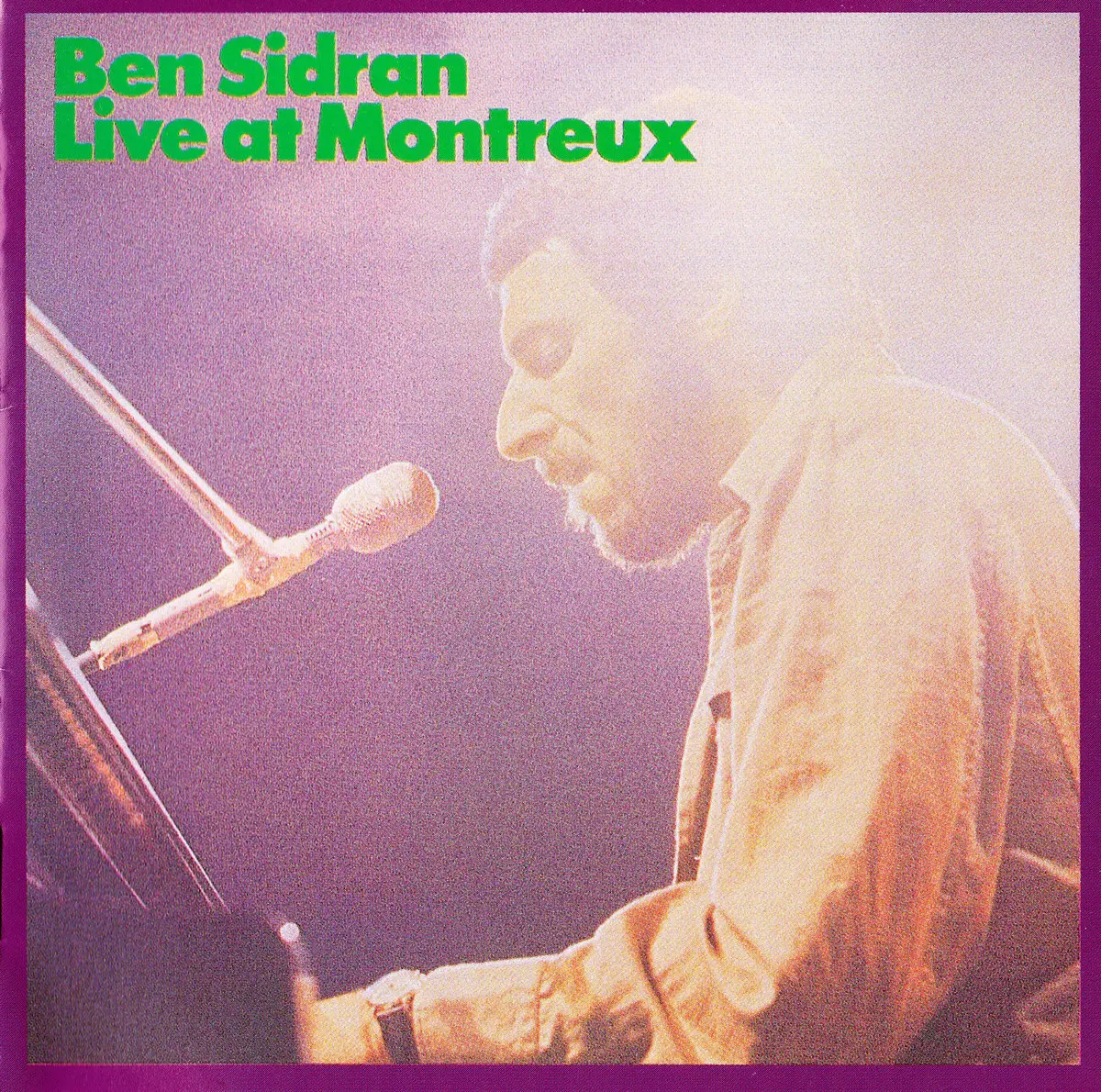 Ben Sidran released his eighth album, Live at Montreux, in 1978 on Arista.
The live recording captures a quartet performance at the 1978 Montreux Jazz Festival: Sidran on piano and vocals, Michael Brecker on tenor saxophone, Randy Brecker on trumpet, vibraphonist Mike Mainieri, guitarist Steve Khan, bassist Tony Levin, and drummer Steve Jordan. The lineup places Sidran in the context of a working jazz band with improvising soloists — a departure from the studio-oriented approach of most of his Arista records. Mainieri also arranged “Come Together” for the performance. The set draws on recent Sidran originals, jazz standards, and one Beatles cover, and the program includes Benny Golson’s “I Remember Clifford” as the album’s extended centerpiece.
“Eat It” opens with a Sidran original at a swinging mid-tempo. “Song for a Sucker Like You” revisits the Doctor Is In track in live performance. “I Remember Clifford” runs nearly ten minutes, the Breckers taking extended solo space against the rhythm section. Side two opens with Miles Davis’s “Someday My Prince Will Come” from the Cinderella songbook in a jazz trio-plus-horns arrangement. “Midnight Tango/Walking with the Blues” is a Sidran medley. “Come Together” closes the set in Mainieri’s arrangement of the Lennon-McCartney original.
A1. “Eat It” (5:19) – Sidran
A2. “Song for a Sucker Like You” (4:55) – Sidran
A3. “I Remember Clifford” (9:50) – Benny Golson
B1. “Someday My Prince Will Come” (5:27) – Frank Churchill, Larry Morey
B2. “Midnight Tango/Walking with the Blues” (7:06) – Sidran
B3. “Come Together” (5:12) – Lennon–McCartney, arr. Mainieri
Sidran produced Live at Montreux for Bulldog Productions. The album was recorded on July 23, 1978 at the Montreux Jazz Festival, remixed at Paragon Recording Studios, and mastered by George Marino at Sterling Sound. Marty Feldman handled sound reprocessing and remixing.
The Cat and the Hat
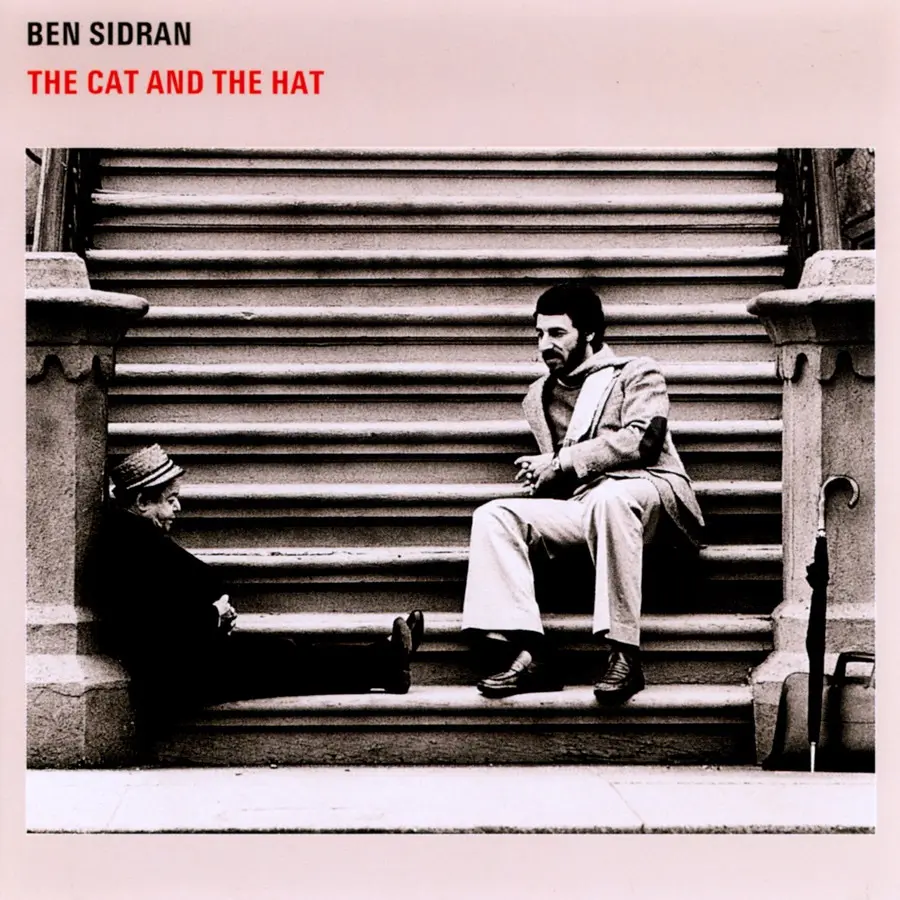 Ben Sidran released his ninth album, The Cat and the Hat, in 1979 on Horizon.
The album pairs Sidran with arranger and vibraphonist Mike Mainieri across a program of jazz standards and originals, all performed with original or newly composed lyrics by Sidran where the source material lacked a text. The personnel is among the most elaborate of Sidran’s career to this point: Steve Gadd on drums, Lee Ritenour on guitar, Abraham Laboriel on bass, Paulinho Da Costa on percussion, Don Grolnick on organ for one track, and a large horn section including Michael Brecker, Pete Christlieb, Tom Scott, Jim Horn, Dick “Slyde” Hyde, Gary Grant, Jerry Hey, and Tom Harrell. Luther Vandross, Tisha Campbell, and Craig Davis are among the backing vocalists. Ian Underwood and Susan Ciani programmed synthesizer. The record is dedicated to the memory of Blue Mitchell, Frank Rosolino, and Eddie Jefferson.
“Hi-Fly” opens with Jon Hendricks’s lyric over Randy Weston’s composition, with Brecker, Christlieb, Scott, Horn, Hyde, Grant, and Hey in the horn section. “Ask Me Now” presents the Thelonious Monk composition with Sidran’s own lyric. “Like Sonny” takes Coltrane’s melody with Sidran on piano across a small-group head-and-solos form. “Give It to the Kids,” a Sidran-Mainieri original, adds Grolnick on organ and a large backing vocal ensemble. Side two opens with “Minority” (Gigi Gryce’s composition with a Sidran lyric) and “Blue Daniel” (Frank Rosolino’s composition with a Sidran lyric, featuring Tom Harrell on trumpet). “Ballin’ the Jack” and “Girl Talk” each carry additional lyrics by Sidran over the original materials. “Seven Steps to Heaven” closes the album with Sidran’s lyric over the Miles Davis and Victor Feldman composition, Joe Henderson taking a featured tenor solo.
A1. “Hi-Fly” (4:57) – Randy Weston, Jon Hendricks
A2. “Ask Me Now” (4:08) – Thelonious Monk; words Sidran
A3. “Like Sonny” (4:38) – John Coltrane
A4. “Give It to the Kids” (4:24) – Sidran, Mainieri
B1. “Minority” (3:24) – Gigi Gryce; words Sidran
B2. “Blue Daniel” (3:52) – Frank Rosolino; words Sidran
B3. “Ballin’ the Jack” (4:26) – C. Smith; additional lyrics Sidran
B4. “Girl Talk” (3:11) – Neal Hefti; words Bobby Troup, additional lyrics Sidran
B5. “Seven Steps to Heaven” (4:10) – Miles Davis, Victor Feldman; words Sidran
Sidran and Mike Mainieri produced The Cat and the Hat for Bulldog Productions, with Mainieri also serving as conductor and arranger. The album was recorded at Sound Labs and Capitol Studios in Hollywood, Crimson Sound, Power Station, and Soundmixers in New York City. Al Schmitt recorded and mixed the album; Mike Reese mastered at The Mastering Lab.
New Wave Bebop
Ben Sidran released his tenth album, New Wave Bebop, in 1981 on Baybridge Records in Japan.
The album contracts to a small-group format: Sidran on piano and vocals, alto saxophonist Richie Cole, tenor saxophonist Bobby Malach, bassist Marcus Miller, and drummer Buddy Williams. Jerry Alexander returns on backing vocals. The record consists of jazz standards and Tin Pan Alley material alongside four Sidran originals, and the quintet format gives the improvisational exchanges more space than the heavily orchestrated late-1970s Arista records allowed. The album was released exclusively in Japan on Baybridge and later appeared domestically on Antilles as Old Songs for the New Depression.
“Let’s Get Away from It All” opens the record with the Matt Dennis and Thomas Adair standard. “Easy Street” follows with a jump-tune character. “Old Folks” takes a more deliberate ballad pace. “Turn to the Music” is a Sidran original. Side two opens with “Steady Eddie,” another Sidran original. “Making Whoopie” presents the Gus Kahn and Walter Donaldson standard. “Piano Players” is a brief Sidran original at just over two minutes. “Dark Night” and “Nostalgia in Times Square” — the Mingus standard — close the album.
A1. “Let’s Get Away from It All” (4:18) – Matt Dennis, Thomas Adair
A2. “Easy Street” (4:20) – A.R. Jones
A3. “Old Folks” (5:25) – D.L. Hill, W. Robinson
A4. “Turn to the Music” (5:00) – Sidran
B1. “Steady Eddie” (4:48) – Sidran
B2. “Making Whoopie” (3:08) – Gus Kahn, Walter Donaldson
B3. “Piano Players” (2:20) – Sidran
B4. “Dark Night” (4:25) – Sidran
B5. “Nostalgia in Times Square” (3:48) – Charles Mingus
Sidran produced, arranged, and recorded New Wave Bebop. David Stone recorded and mixed the album at Right Track Recording Studios, New York, with additional recording at Shade Tree and Paragon Studios. George Marino mastered the album.
Bop City
 Ben Sidran released his eleventh album, Bop City, in 1983 on Antilles.
The album reunites Sidran with Mike Mainieri as co-producer and vibraphonist, and assembles another jazz ensemble: alto saxophonist Phil Woods, guitarist Steve Khan, bassist Eddie Gomez, and drummer Peter Erskine. Sidran contributes lyrics to all tracks except the Mose Allison original “City Home.” The program draws on Miles Davis, John Coltrane, Charlie Rouse, Freddie Hubbard, and Thelonious Monk, alongside two Sidran originals. The album opens with Davis’s “Solar” and Coltrane’s “Big Nick” as back-to-back covers before moving to Sidran’s own material.
“Solar” opens instrumentally, a compact Davis cover. “Big Nick” follows at a rapid bebop pace. “It Didn’t All Come True” is a Sidran original with vocals. “City Home” presents the Mose Allison original. “Bopcity / Theme from ‘Jazz Alive!'” closes side one with a Sidran original. Side two opens with Charlie Rouse’s “Little Sherry,” then Davis’s “Nardis,” then Freddie Hubbard’s “Up Jumped Spring” — a rapid, brief cover under three minutes. “Monk’s Mood” closes the album with the Monk composition as a slower, more spacious closing piece.
A1. “Solar” (3:03) – Miles Davis
A2. “Big Nick” (2:32) – John Coltrane
A3. “It Didn’t All Come True” (4:11) – Sidran
A4. “City Home” (4:13) – Mose Allison
A5. “Bopcity / Theme from ‘Jazz Alive!'” (3:10) – Sidran
B1. “Little Sherry” (3:14) – Charlie Rouse
B2. “Nardis” (3:33) – Miles Davis
B3. “Up Jumped Spring” (2:25) – Freddie Hubbard
B4. “Monk’s Mood” (4:10) – Thelonious Monk
Sidran and Mike Mainieri produced Bop City. The album was recorded on March 13 and 14, 1983 at Planet Sound Studios in New York; James Farber engineered. The album was remixed at Planet Sound Studios and the Power Station, and mastered by George Marino at Sterling Sound.
Live at the Elvehjem Art Museum
Ben Sidran released Live at the Elvehjem Art Museum in 1986 on the French Cryonic label.
The album documents a duo performance by Sidran and bassist Richard Davis, recorded at the Elvehjem Museum in Madison, Wisconsin. Davis performs on acoustic bass throughout. The six-track program draws entirely on jazz standards and Sidran originals, with no horn or percussion accompaniment. The sparse, two-voice format represents the most stripped-down presentation in Sidran’s recorded catalog to this point.
“Killer Joe” opens with the Benny Golson composition in a nearly nine-minute duo treatment. “Big Nick” revisits the Coltrane piece from Bop City in the duo setting. “Piano Players” presents the brief Sidran original in a still simpler piano-and-bass arrangement. Side two opens with Ferde Grofé’s “On the Trail.” “Old Folks” appears in a longer, more expansive reading than on New Wave Bebop. “One for the Woofer” closes the set.
A1. “Killer Joe” (8:48) – Benny Golson
A2. “Big Nick” (5:25) – Sidran, Coltrane
A3. “Piano Players” (3:25) – Sidran
B1. “On the Trail” (5:49) – Ferde Grofé
B2. “Old Folks” (6:05) – D.L. Hill, W. Robinson
B3. “One for the Woofer” (6:20) – Billy Taylor
Sidran produced Live at the Elvehjem Art Museum. The concert was recorded on Sunday afternoon, July 24, 1983; Marv Nonn and Paul Wienke recorded the performance. The album was licensed from Sidran and Davis for release by Madrigal in Paris.
Lover Man
Ben Sidran released Lover Man in 1984 on CBS/Sony in Japan.
The album is built almost entirely around synthesizers and drum machines rather than live drums or bass, with Ricky Peterson and Billy Peterson sharing keyboard and synth duties alongside Sidran; Paul Peterson programs Oberheim drums on three tracks. Billy Peterson plays Fender bass on three tracks. The record divides between two recording locations: the main sessions took place at Cook House and American Music in Minneapolis in September 1984, with a single track recorded earlier at Paragon in Chicago. The synthetic palette and more song-oriented structures mark the album as a product of its mid-1980s moment.
“Mitsubishi Boys” opens with Fender Rhodes, Fender bass, and LinnDrum from Ricky Peterson in a compact, keyboard-driven setting. “Lover Man, Intro” and “Lover Man” split the standard into a brief synthesizer introduction and a full vocal reading. “Lost in the Stars” presents the Kurt Weill and Maxwell Anderson song with Billy Peterson’s synthesizer arrangement. Side two opens with “Old Hoagy,” a Sidran original. “Up a Lazy River” takes the Hoagy Carmichael standard in a synthesizer-and-drum-machine arrangement. “Take It Easy Greasy” and “That’s What the Note Said” are Sidran originals that close the album.
A1. “Mitsubishi Boys” – Sidran
A2. “Lover Man, Intro” – J.E. Davis, J. Sherman, R. Ramirez
A3. “Lover Man” – J.E. Davis, J. Sherman, R. Ramirez
A4. “Lost in the Stars” – Kurt Weill, Maxwell Anderson
B1. “Old Hoagy” – Sidran
B2. “Up a Lazy River” – Hoagy Carmichael, Sidney Arodin
B3. “Take It Easy Greasy” – Sidran
B4. “That’s What the Note Said” – Sidran
Sidran produced and arranged Lover Man. David Rivkin recorded and mixed the Minneapolis sessions at Cook House and American Music in September 1984; Marty Feldman recorded and mixed the Chicago track at Paragon Recording Studios in February 1984.
Get to the Point
Ben Sidran released Get to the Point in 1984 on Baybridge Records in Japan.
The album documents a solo piano and vocal performance recorded direct to two-track at CBS/Sony’s Roppongi Studio “A” in Tokyo on October 23 and 24, 1983. The program spans jazz standards, Tin Pan Alley material, and Sidran originals in a spare, unaccompanied format. Leo Sidran appears on vocals for “Let’s Call the Whole Thing Off.” The unmediated piano-and-voice setting makes Get to the Point the most direct document of Sidran as a solo performer in the catalog to this point.
“Get to the Point” opens with a brief Sidran original. “Let’s Call the Whole Thing Off” features Leo Sidran on vocals alongside Ben. “Willow Weep for Me” takes a measured ballad pace. “Only Game in Town” is a brief original. “Choice in the Matter” and “Where the Good Ones Go” round out side one. Side two opens with “Bouncing with Bud.” “Since I Fell for You” takes a slower, more expansive form. “Mitsubishi Boy” revisits the Lover Man track in a solo setting. “Lonnie’s Lament” and “Blues in the Morning” continue. “Lately” closes the album.
A1. “Get to the Point” (1:52) – Sidran
A2. “Let’s Call the Whole Thing Off” (3:08) – George Gershwin, Ira Gershwin
A3. “Willow Weep for Me” (3:38)
A4. “Only Game in Town” (1:23) – Sidran
A5. “Choice in the Matter” (3:15) – Sidran
A6. “Where the Good Ones Go” (2:54) – Sidran
B1. “Bouncing with Bud” (1:49) – Bud Powell
B2. “Since I Fell for You” (4:19)
B3. “Mitsubishi Boy” (3:56) – Sidran
B4. “Lonnie’s Lament” (2:54) – John Coltrane
B5. “Blues in the Morning” (3:12) – Sidran
B6. “Lately” (3:33) – Sidran
Sidran produced Get to the Point with Nobu Yoshinari. Takayuki Amano engineered. The album was recorded direct to two-track at CBS/Sony Roppongi Studio “A”, Tokyo, on October 23 and 24, 1983.
On the Cool Side
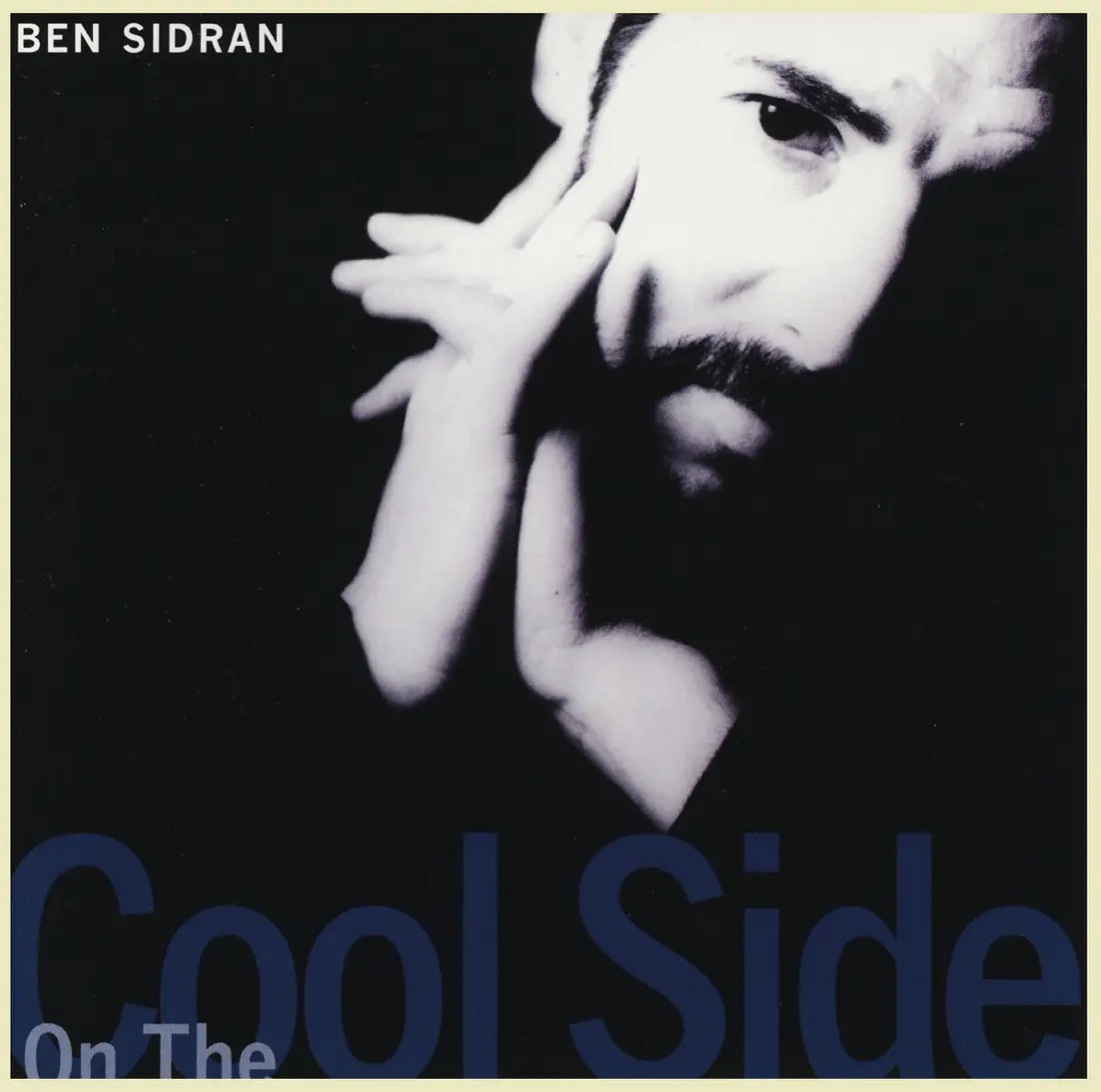 Ben Sidran released On the Cool Side in 1985 on Magenta.
The album continues the synthesizer-forward approach of Lover Man, with Ricky Peterson handling most of the keyboard programming and arrangements alongside Sidran. Billy Peterson plays bass on “Lover Man Part 1” and “Lover Man Part 2”; Paul Peterson programs synthesizers on those same tracks. Howard Arthur plays guitar on two tracks. Steve Miller contributes backing vocals to the title track; Mac Rebennack (Dr. John) appears on backing vocals on “Up a Lazy River”; Patty Peterson sings on “Heat Wave.” The record draws heavily on the Lover Man material — three of its eight tracks are reworkings from that album — and adds new originals alongside standards. Programmed drums appear throughout in place of live percussion.
“Mitsubishi Boy” opens in a longer, more developed reading of the Lover Man track. “Lover Man Part 1” and “Lover Man Part 2” expand the standard into a two-part, nearly eight-minute arrangement. “Brown Eyes” is a new Sidran original. Side two opens with the title track, a mid-tempo vocal original with Miller’s backing vocals in the ensemble. “Old Hoagy” revisits the Lover Man original. “Heat Wave” presents the Holland-Dozier-Holland standard with Patty Peterson. “Up a Lazy River” closes the record with Dr. John on the second vocal.
A1. “Mitsubishi Boy” (5:13) – Sidran
A2. “Lover Man Part 1” (2:57) – J.E. Davis, J. Sherman, R. Ramirez
A3. “Lover Man Part 2” (5:02) – J.E. Davis, J. Sherman, R. Ramirez
A4. “Brown Eyes” (3:55) – Sidran
B1. “On the Cool Side” (5:50) – Sidran
B2. “Old Hoagy” (3:40) – Sidran
B3. “Heat Wave” (3:55) – Holland-Dozier-Holland
B4. “Up a Lazy River” (3:40) – Hoagy Carmichael, Sidney Arodin
Sidran produced On the Cool Side for Bulldog Productions. Ricky Peterson arranged the album. David Rivkin and Marty Feldman recorded and mixed the sessions at Nicollet Studios and Paragon Recording Studios. George Marino mastered at Sterling Sound.
On the Live Side
Ben Sidran released On the Live Side in 1986 on Magenta.
The album documents a concert at the Ordway Theater in St. Paul, Minnesota on March 23, 1986. The band includes Steve Miller on guitar and vocals, Phil Woods on alto saxophone, Ricky Peterson on synthesizer and vocals, Billy Peterson on bass, and Gordy Knudtson on drums. Miller’s presence gives the concert program a broader scope than Sidran’s previous live recording: the set closes with “Space Cowboy,” co-written by Sidran and Miller during their Steve Miller Band years. The seven-track program mixes Sidran originals with two extended pieces, including a thirteen-minute “A Good Travel Agent.”
“The Doctor’s Blues” opens the set as a Sidran original. “Piano Players” revisits the recurring short original. “A Good Travel Agent” runs thirteen minutes, the album’s centerpiece, with extended instrumental passages. Side two opens with “Mitsubishi Boy” in a live arrangement. “On the Cool Side” presents the title track from the previous studio album. “Space Cowboy” gives Miller a featured co-lead vocal role. “Last Dance” closes the set.
A1. “The Doctor’s Blues” (4:10) – Sidran
A2. “Piano Players” (3:00) – Sidran
A3. “A Good Travel Agent” (13:19) – Sidran
B1. “Mitsubishi Boy” (6:05) – Sidran
B2. “On the Cool Side” (5:23) – Sidran
B3. “Space Cowboy” (5:27) – Sidran, Miller
B4. “Last Dance” (6:41) – Sidran
Sidran produced On the Live Side. Steve Wiese recorded and mixed the concert at the Ordway Music Theater. The album was mastered at Bernie Grundman Mastering and Sheffield Lab.
Too Hot to Touch
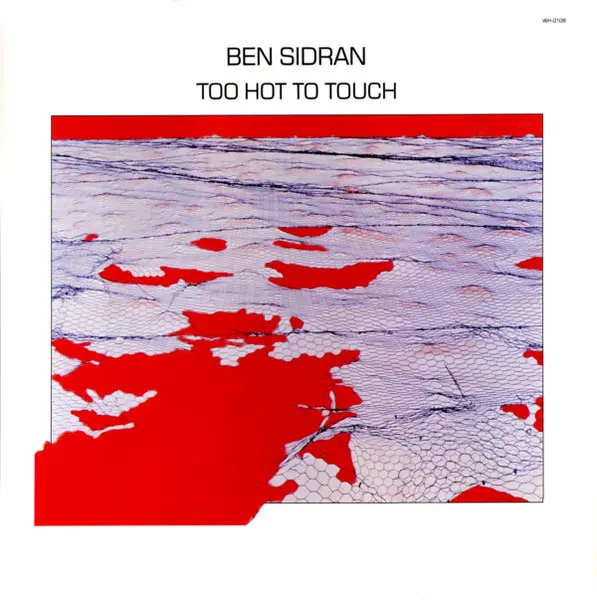 Ben Sidran released Too Hot to Touch in 1988 on Windham Hill/A&M.
The album marks Sidran’s debut for Windham Hill and returns to a live-instrument ensemble format after the synthesizer-dominated mid-decade records. Billy Peterson plays bass throughout; Gordy Knudtson returns on drums; Ricky Peterson handles piano and synthesizer; Bob Malach plays tenor saxophone and flute across the set; and Lucia Newell provides backing vocals on two tracks. Pepper Adams appears in a two-second cameo on the brief “Pepper.” The program mixes new Sidran originals with standards and covers, and takes a more consistent jazz orientation than On the Cool Side.
“Shine a Light on Me” opens the album. “Enivre d’Amour” follows. “Everything Happens to Me” presents the Tom Adair and Matt Dennis standard. “Freedom Jazz Dance” covers the Eddie Harris composition. “On the Sunny Side of the Street” takes the standard in a moderate arrangement. Side two opens with a Sidran original titled “Critics.” “Pepper” is a two-second cameo appearance by the baritone saxophonist. “Too Hot to Touch” is the album’s title track. “Longing for Bahia” features Newell’s backing vocals. “I Wanna Be a Bebopper” closes the album.
A1. “Shine a Light on Me” (4:38) – Sidran
A2. “Enivre d’Amour” (4:55)
A3. “Everything Happens to Me” (4:10) – Tom Adair, Matt Dennis
A4. “Freedom Jazz Dance” (4:02) – Eddie Harris
A5. “On the Sunny Side of the Street” (3:12) – Jimmy McHugh, Dorothy Fields
B1. “Critics” (4:50) – Sidran
B2. “Pepper” (0:02)
B3. “Too Hot to Touch” (5:20) – Sidran
B4. “Longing for Bahia” (4:44) – Sidran
B5. “I Wanna Be a Bebopper” (3:45) – Sidran
Spread Your Wings and Fly Now!!
Ben Sidran and French vocalist Clémentine released Spread Your Wings and Fly Now!! in 1988 on Little Orange Blue in France.
The album pairs Sidran’s piano and vocals with Clémentine’s voice across six tracks, with a trio of Billy Peterson on bass, Gordy Knudtson on drums, and Bob Malach on tenor saxophone. The program draws entirely on Sidran originals and one standard. Steve Wiese mixed the album; the recording took place at Studios Ferber in Paris with Laurent Peyron engineering.
“Chances Are” opens with the Sidran original in a piano-trio-plus-saxophone arrangement. “Broad Daylight” revisits the Doctor Is In track. “Walking with the Blues” reprises the Puttin’ in Time on Planet Earth original. Side two opens with “Spread Your Wings,” the Feel Your Groove track. “I Was a Little Too Lonely and You Were a Little Too Late” is the album’s sole non-Sidran original. “Face Your Fears” closes with another Puttin’ in Time on Planet Earth original.
A1. “Chances Are” (4:35) – Sidran
A2. “Broad Daylight” (4:28) – Sidran
A3. “Walking with the Blues” (4:41) – Sidran
B1. “Spread Your Wings” (3:15) – Sidran
B2. “I Was a Little Too Lonely and You Were a Little Too Late” (3:13) – Evans, Livingston
B3. “Face Your Fears” (2:56) – Sidran
Victor Mitz produced Spread Your Wings and Fly Now!!. Laurent Peyron engineered at Studios Ferber, Paris; Steve Wiese mixed; mastering took place at Translab.
Have You Met… Barcelona?
Ben Sidran released Have You Met… Barcelona? in 1989 on Orange Blue in France.
The album documents a live studio performance recorded at GEMA Studio in Barcelona on October 28 and 29, 1987. Sidran performs with bassist Jimmy Woode, drummer Ben Riley, and tenor saxophonist Johnny Griffin; Clémentine appears on vocals for “Girl Talk.” The program mixes Sidran originals with jazz standards and material from earlier albums, and the quartet format sustains an open, conversational quality across its twelve tracks.
“Good Foot” opens the set. “Can’t We Talk It Over” follows. “Girl Talk” features Clémentine. “Lullaby in Rhythm” and “Get to the Point” complete side one alongside “Have You Heard the News.” Side two opens with the Rodgers and Hart standard “Have You Met Miss Jones,” the album’s title source. “Little Sherry” revisits the Bop City track. “New York State of Mind” gives Griffin extended tenor space. “Try (The Way It Was)” revisits the earlier Sidran original. “Straight No Chaser” presents the Monk standard instrumentally. “My Wife” closes the album in under two minutes.
A1. “Good Foot” (6:01) – Sidran
A2. “Can’t We Talk It Over” (3:35) – Sidran
A3. “Girl Talk” (3:55) – Neal Hefti; words Bobby Troup, add. lyrics Sidran
A4. “Lullaby in Rhythm” (4:10)
A5. “Get to the Point” (2:55) – Sidran
A6. “Have You Heard the News” (2:33) – Sidran
B1. “Have You Met Miss Jones” (5:24) – Richard Rodgers, Lorenz Hart
B2. “Little Sherry” (3:50) – Charlie Rouse
B3. “New York State of Mind” (6:11) – Billy Joel
B4. “Try (The Way It Was)” (3:39) – Sidran
B5. “Straight No Chaser” (3:06) – Thelonious Monk
B6. “My Wife” (1:15) – Sidran
Victor Mitz produced Have You Met… Barcelona?. Francesc “Paco” Benages engineered at GEMA Studio, Barcelona. The album was recorded on October 28 and 29, 1987, and mastered at Translab.
Cool Paradise
Ben Sidran released Cool Paradise in 1990 on Go Jazz, distributed by Bluemoon.
The album returns to a studio ensemble with Billy Peterson on bass and arrangements, Gordy Knudtson on drums, Bobby Malach on saxophone, and Ricky Peterson on additional keyboards and backing vocals. Steve Wiese recorded and mixed the sessions at Creation Audio. The program of eleven tracks mixes new Sidran originals with standards and revisits several earlier pieces from the catalog.
“Cool Paradise” opens the album as a new Sidran original. “Lip Service” and “If Someone Has to Wreck Your Life” follow. “She Steps into a Dream” is an original. “Try” revisits the Feel Your Groove track in a more expansive arrangement at six minutes and forty seconds. “Language of the Blues” and “Desire of Love” continue with originals. “Bye Bye Blackbird” presents the standard. “So Long” is a brief original. “Walking with the Blues” revisits the Puttin’ in Time on Planet Earth track at over six minutes. “Searching for a Girl Like You” closes the album.
A1. “Cool Paradise” (5:40) – Sidran
A2. “Lip Service” (3:19) – Sidran
A3. “If Someone Has to Wreck Your Life” (4:11) – Sidran
A4. “She Steps into a Dream” (4:15) – Sidran
A5. “Try” (6:40) – Sidran
A6. “Language of the Blues” (4:12) – Sidran
B1. “Desire of Love” (4:41) – Sidran
B2. “Bye Bye Blackbird” (4:01) – Mort Dixon, Ray Henderson
B3. “So Long” (3:32) – Sidran
B4. “Walking with the Blues” (6:08) – Sidran
B5. “Searching for a Girl Like You” (3:12) – Sidran
Sidran produced Cool Paradise for Bulldog Productions. Steve Wiese recorded and mixed the album at Creation Audio. George Marino mastered at Sterling Sound.
One formatting issue remains in your source data: Too Hot to Touch still lacks songwriter credits for “Enivre d’Amour” and “Pepper,” and Get to the Point lacks songwriter credits for “Willow Weep for Me” and “Since I Fell for You.”
Discography:
- Feel Your Groove (1971)
- I Lead a Life (1972)
- Puttin’ in Time on Planet Earth (1973)
- Don’t Let Go (1974)
- Free in America (1976)
- That’s Life I Guess (1976)
- The Doctor Is In (1977)
- A Little Kiss in the Night (1978)
- The Cat and the Hat (1979)
- Old Songs for the New Depression (1982)
- Bop City (1983)
- On the Cool Side (1985)
- A Good Travel Agent (1986)
- Too Hot to Touch (1988)
- Have You Met…Barcelona? (1989)
Sources:
Artist/Album Pages:
Manfredo Fest (May 13, 1936 — Oct. 8, 1999) was a Brazilian samba-jazz/pop keyboardist and bandlea...
Glenn Hughes is an English bassist and singer who fronted hard-rockers Trapeze on their first three ...
Modrý Efekt was a Czech rock band, formed in 1968 as Blue Effect. They charted early with "Slunečn...
Wilding/Bonus were an English jazz-rock duo that issued the 1978 album Pleasure Signals on DJM (U....
The Pharaohs were an American jazz-funk band that self-released the 1971 album Awakening on Scarab...
Maple Leaf was a Japanese folk-rock band that released a 1972 self-titled album on Victor. ...
Aretha Franklin (March 25, 1942 — August 16, 2018) was an American soul singer from Memphis. She...
Bonnie Tyler (June 8, 1951 – July 8, 2026) was a Welsh soul-pop singer who emerged with the 1977 a...
Wargaren was a Dutch trad-folk quartet behind the 1976 album Met Stille Trom on Universe Productions...
Ralf Nowy (April 12, 1940 — 2007) was a German composer, arranger, and reedist who led his own ban...
People's Choice was an American soul-funk band from Philadelphia. They reached the R&B chart i...
Rikki and the Last Days of Earth were an English art-punk band from Tamworth, Staffordshire, that ...