

Gloria Barnes is an American soul singer from NYC who released the 1971 album Uptown.
Background
Gloria Barnes came from Harlem, New York, and first recorded as Towanda Barnes. In 1966, Groovy Records issued her first single: “Oh Darling” (b/w “If I’m Guilty”), produced by Billy Frazier.
By 1969, Barnes had entered the Vidalia operation run by producer Johnny Brantley. A&M issued “(You Better) Find Someone to Love” (b/w “You Don’t Mean It”) in November 1969 under the Towanda Barnes name. Barnes co-wrote the A-side with Brantley and James Tony Lewis, a member of the Lewis–Farmer–Lewis composer team with Edward Lewis and Marion Farmer. Ohio Players guitarist and vocalist Leroy “Sugarfoot” Bonner arranged both sides.
“You Don’t Mean It” came from the Ohio Players, the Dayton band that recorded for Brantley between the Compass singles and the Capitol album Observations in Time. During the same period, Brantley worked with Atlanta singer-guitarist Lee Moses and Bobby Lee Fears, the Ohio Players vocalist later credited as Bobby Dixon.
Uptown
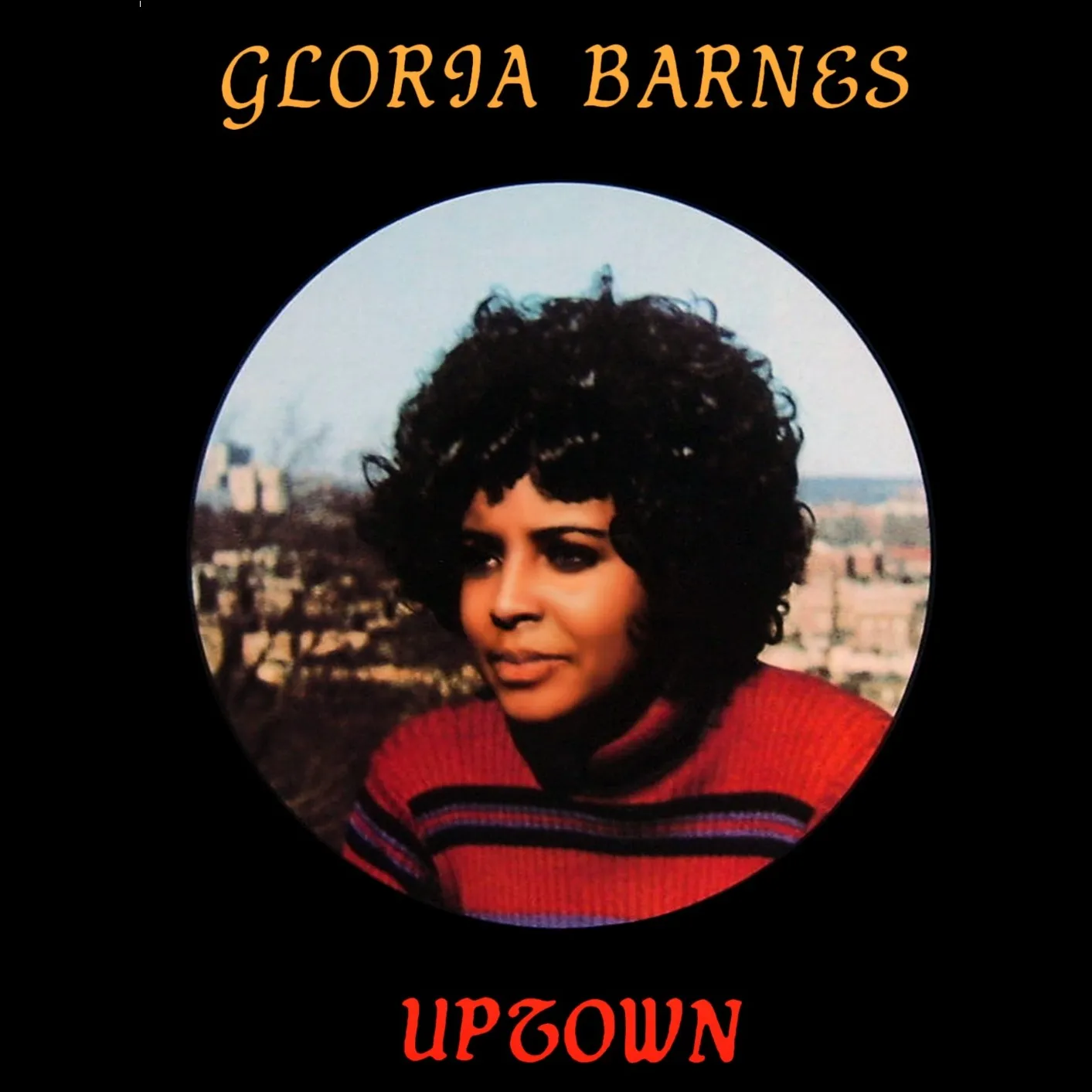 Gloria Barnes released her singular album, Uptown, in 1971 on Maple, a label distributed by All Platinum.
Uptown contains four titles by Edward Lewis, James Tony Lewis, and Marion Farmer, the Brantley-associated composer team behind several Vidalia productions. The Ohio group The Hustlers backs those four songs. The Ohio Players back “Gotta Get Away” and “You Don’t Mean It.” Atlanta singer-guitarist Lee Moses and the Disciples back two Bobby Dixon titles.
“Old Before My Time” places Barnes in echo over sparse organ tones before a late saxophone break answers the vocal. “I’ll Call You Back Later” chugs through riffed figures, horn lines, and hi-hat ticks, then drops back for Barnes’s stuttered lyric. “I Found Myself” opens on horn color and cymbal crashes before the backing falls away for Barnes’s entry. “Gotta Get Away” charges through blasting horns, break points, and an incessant guitar run.
“You Don’t Mean It” fires from a bongo opening and live-room vocal echo, with sparse backing voices behind nagging horn lines. “Home” begins with Barnes isolating the title word, then turns the return phrase into a throaty wail. “She Wants a Stand In” jerks through a midtempo beat while insistent bass binds the loose ensemble. “I’ll Go All the Way” starts with Barnes distant from the microphone and draws her lead toward the front.
A1. “Old Before My Time” (7:34) – Lewis–Lewis–Farmer
A2. “I’ll Call You Back Later” (3:10) – Lewis–Lewis–Farmer
A3. “I Found Myself” (3:49) – Lewis–Lewis–Farmer
B1. “Gotta Get Away” (2:30) – Ohio Players
B2. “You Don’t Mean It” (3:02) – Ohio Players
B3. “Home” (2:49) – Dixon
B4. “She Wants a Stand In” (2:43) – Lewis–Lewis–Farmer
B5. “I’ll Go All the Way” (3:32) – Dixon
Lewis, Lewis, and Farmer produced “Old Before My Time” and “I Found Myself.” Johnny Brantley produced the remaining six titles. Curtis McTeer and Michael Watson share the engineering credit with Brantley.
Uptown appeared in a Chromo/Delude sleeve with photography by Brantley. The cover places Barnes in a circular outdoor portrait against a black field, with the Maple logo at lower right.
Maple issued “Old Before My Time” as a 1971 single (b/w “I’ll Call You Back Later”). Remined/Colemine reissued Uptown on November 24, 2017.
Postlude
Barnes sang backing vocals on the 1971 Lee Moses album Time and Place, a Maple-era release tied to Brantley’s studio circle and the Disciples. Suncut later paired “She Wants a Stand In” with “You Don’t Mean It” on a UK single. Remined and Colemine restored Uptown to vinyl circulation, and later soul-funk compilations carried Barnes’s Maple recordings into reissue catalogs. Caribou sampled Barnes’s “Home” for the 2019 track “Home.”
Discography:
- Uptown (1971)
Sources:
- Discogs: Gloria Barnes
- Discogs: Gloria Barnes — Uptown
- 45cat: Towanda Barnes / Gloria Barnes
- Colemine Records: Gloria Barnes — Uptown
- Bandcamp: Gloria Barnes — Uptown
- WBSS Media: Gloria Barnes
- In Dangerous Rhythm: Gloria Barnes
Artist/Album Pages:
George McCrae is an American soul singer, best known for the pioneering 1974 dance single "Rock Yo...
Writing On the Wall was a Scottish post-psych band that released a standalone single and the album...
The Neon Philharmonic was an American pop-psych band from Nashville that released two 1969 albums...
Peter Kaukonen is an American rock guitarist who released the 1972 album Black Kangaroo on RCA-sub...
Chilli Willi & The Red Hot Peppers were an English rustic-rock band that released the album Ki...
Edwards Hand were an English chamber-pop/folk duo from London that released a self-titled album o...
Ladislav Gerhardt (August 23, 1937 – August 21, 1993) was a Slovak jazz pianist, composer, and ban...
Moonkyte was an English folk-psych band from West Yorkshire that released the 1971 album Count Me ...
Isaac Hayes (Aug. 20, 1942 – Aug. 10, 2008) was an American R&B musician, singer, composer, prod...
Icecross was an Icelandic post-psych powertrio that released a 1973 self-titled album on Icecross ...
Jackie Lomax (May 10, 1944 — Sept. 15, 2013) was an English singer, guitarist, and songwriter who ...
Can was a German Krautrock band that debuted with the album Monster Movie on Music Factory in 1969. ...