

Fotomaker was an American hard-rock/pop band from NYC that made the 1978/79 Atlantic albums Fotomaker, Vis-à-Vis, and Transfer Station.
Members: Frankie Vinci (lead vocals, keyboards, flute), Gene Cornish (bass, vocals), Dino Danelli (drums, percussion), Lex Marchesi (guitar, vocals), Wally Bryson (guitar, vocals, 1978)
Background
Gene Cornish and Dino Danelli had played together in The Rascals and the subsequent band Bulldog. Cornish played guitar in the Rascals but moved to bass for the new group. Their search for additional members brought in keyboardist Frankie Vinci and guitarist Lex Marchesi.
The musicians spent several months developing songs and rehearsing before producer Jimmy Ienner recommended guitarist Wally Bryson, who made four Capitol albums with The Raspberries and recently played in Tattoo. Atlantic executives Ahmet Ertegun and Jerry Greenberg signed Fotomaker on the strength of their demos. The five-member group made an early 1978 concert appearance at the remodeled Agora in Cleveland.
Fotomaker
 Fotomaker released their self-titled debut album on February 28, 1978, on Atlantic.
Bryson and Marchesi divide guitar and lead-singing duties. Vinci supplies the remaining leads from keyboards and alto flute, while Cornish plays bass and Danelli handles drums and percussion. Mike Lewis extends selected arrangements with strings. James Cowley wrote the sole non-member composition, “Where Have You Been All My Life.”
“Where Have You Been All My Life” rises from a slow entrance into broad harmonies and thick chord layers. “Can I Please Have Some More” climbs toward a compact chorus with firm accents. “All There in Her Eyes” glides through tender phrasing before a dreamlike solo and flute fade. “Two Can Make It Work” bounds from a bright guitar entrance into brisk group harmonies. “The Other Side” surges from measured passages into forceful paired lines over keyboards.
“Say the Same for You” barrels through a fast beat and concise solo. “Plaything” grinds through a heavier riff with sustained lead work. “All These Years” settles into acoustic strumming beneath denser harmonies. “Pain” charges from a hard opening accent into searing organ and lead figures. “Lose at Love” lingers on haunted phrasing before a sweet solo.
A1. “Where Have You Been All My Life” (3:36) – Cowley
A2. “Can I Please Have Some More” (4:23) – Marchesi
A3. “All There in Her Eyes” (3:34) – Marchesi
A4. “Two Can Make It Work” (2:59) – Marchesi
A5. “The Other Side” (3:53) – Vinci
B1. “Say the Same for You” (2:20) – Danelli, Marchesi
B2. “Plaything” (4:51) – Danelli, Marchesi, Vinci
B3. “All These Years” (3:19) – Danelli, Marchesi, Vinci
B4. “Pain” (3:43) – Danelli, Marchesi
B5. “Lose at Love” (4:36) – Marchesi, Vinci
Eddie Kramer began production and engineering at Electric Lady Studios in New York. Ron and Howard Albert completed the record after Kramer withdrew, with Fotomaker retaining a co-production credit. Jimmy Douglass remixed the album with the band. Kramer entered the project after producing the 1977 Kiss albums Love Gun and Alive II and moved into the 1978 solo album by Ace Frehley. The Albert brothers had recently co-produced and engineered the 1977 Crosby, Stills & Nash album CSN at Criteria Studios.
Danelli directed and designed the sleeve around photography and color treatment by Ernest Thormahlen and Mick Rock. The front presents a close portrait of a heavily made-up young model with tousled fair hair. During 1978, Thormahlen also worked on packages for Tuff Darts and The Cryers, while Rock supplied photography for the Werewolves album.
Atlantic issued “Where Have You Been All My Life” in 1978 (b/w “Say the Same for You”). The single reached No. 81 on the Billboard Hot 100 chart. Fotomaker reached No. 88 on the Billboard 200 chart.
Vis-à-Vis
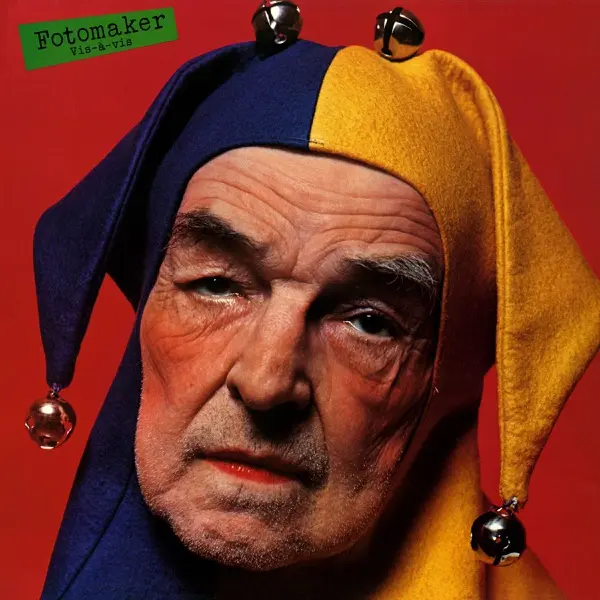 Fotomaker released their second album, Vis-à-Vis, in late 1978 on Atlantic.
The ten-song set retains the original five-member lineup. Bryson and Marchesi continue to divide the guitar-led singing roles, while Vinci carries the remaining leads from keyboards. Frank Aversa and Robert Byrd wrote “Just for You,” and B. Sallows wrote “Sweet Lies.”
“Miles Away” glides through bright chime and smooth harmonies. “Does She Dance” strides toward a sharp guitar solo. “Snowblind” accelerates through a circular figure and revved-up accents. “Just for You” lifts through close harmonies and bright chord turns.
“If I Can’t Believe in You” unfolds from spacious piano phrases into broad group harmonies. “Come Back” bounds through urgent phrasing and bright chord changes. “Two Way Street” drifts through measured lines over a slower beat. “Sweet Lies” charges through gritty riffs and blunt accents.
A1. “Miles Away” (3:40) – Vinci
A2. “Does She Dance” (3:30) – Marchesi
A3. “Snowblind” (3:34) – Marchesi
A4. “Just for You” (3:33) – Aversa, Byrd
A5. “Name of the Game” (4:38) – Bryson
B1. “If I Can’t Believe in You” (5:19) – Vinci
B2. “Come Back” (3:20) – Bryson
B3. “Two Way Street” (4:34) – Marchesi
B4. “Sweet Lies” (3:42) – Sallows
B5. “Make It Look Like an Accident” (4:28) – Marchesi
Gary Ladinsky co-produced and engineered the Record Plant sessions in New York under production by Cornish and Danelli. John Jansen mixed the album after Gray Russell assisted during recording. Ladinsky also engineered the 1978 Cheap Trick album Heaven Tonight and its 1979 follow-up, Dream Police.
Danelli again directed and designed the sleeve, this time with artwork by Ernest Thormahlen. The front cover places a close-cropped male face inside a blue-and-yellow jester cap against a red field.
Atlantic issued “Miles Away” in November 1978 (b/w “Snowblind”). The single reached No. 63 on the Billboard Hot 100 chart.
Bryson returned to Cleveland in early 1979 and joined Peter Panic. Fotomaker continued as a quartet, with Vinci assuming all lead-singing duties for the third album.
Transfer Station
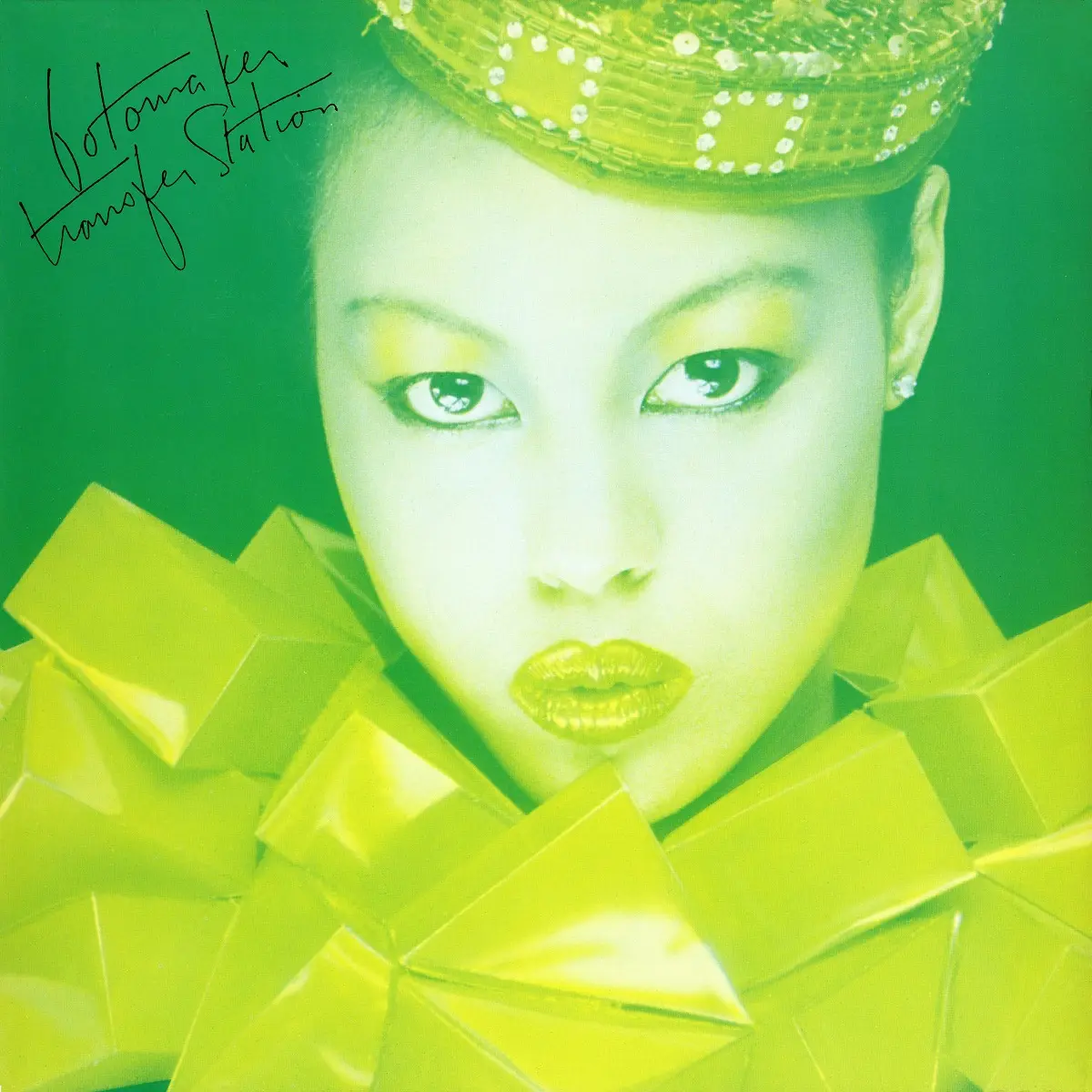 Fotomaker released their third album, Transfer Station, in 1979 on Atlantic.
Vinci wrote four tracks and co-wrote four with Marchesi. Tenor saxophonist Michael Brecker enters as the principal guest. Ex-Stories singer Ian Lloyd adds background parts, while Ed Walsh programs the Oberheim synthesizer.
“Gotta Feel Your Love” struts across a bubbling beat and bright group harmonies. “Lightning” slides through supple syncopation as synthesizers thread a taut guitar figure. “Make Me Wanna Dance” bounces through a brisk dance beat and bright electronic figures. “Love Me Forever” swirls around a springy bassline and sustained chorus.
“Nowhere to Turn” slows into restrained phrasing and sweet harmonies. “A Woman Like You” rolls through supple accents and rounded lines. “Don’t Let Go” lingers on sweet harmonies and measured phrases.
A1. “Gotta Feel Your Love” (4:56) – Vinci
A2. “Lightning” (4:51) – Marchesi, Vinci
A3. “Make Me Wanna Dance” (3:36) – Vinci
A4. “Love Me Forever” (5:04) – Marchesi, Vinci
B1. “Fooled Again” (4:17) – Vinci
B2. “Nowhere to Turn” (3:15) – Marchesi, Vinci
B3. “A Woman Like You” (4:11) – Vinci
B4. “Don’t Let Go” (4:45) – Marchesi, Vinci
Fotomaker recorded Transfer Station at Columbia Recording Studios in New York with Barry Mraz producing and engineering. Mraz entered the sessions after engineering consecutive Styx albums, The Grand Illusion and Pieces of Eight.
Danelli built the cover around photography by Mick Rock and airbrush work credited to Ernie Thornallen. The green-yellow front portrait shows a New Romantic Asian woman blowing a kiss above angular shoulder forms and looping lines. Rock had also contributed to the first Fotomaker sleeve.
Postlude
Fotomaker ended after Transfer Station. Cornish and Danelli later resumed activity with the Rascals and entered the Rock and Roll Hall of Fame with the group during 1997.
Atlantic and Rhino released The Fotomaker Collection in 1995 with material from all three albums and one previously unissued track. Wounded Bird returned Fotomaker, Vis-à-Vis, and Transfer Station to CD during 2005.
Discography:
- Fotomaker (1978)
- Vis-a-Vis (1978)
- Transfer Station (1979)
Sources:
Artist/Album Pages:
Curved Air are an English symphonic-psych band that released four albums on Warner Bros. between 197...
Eternité was a Québécois symphonic/space-rock duo behind the 1978 Polydor album Les chants de l'ét...
David Bowie (January 8, 1947 – January 10, 2016) was an English singer, songwriter, multi-instrument...
The Four Tops were an American soul group from Detroit, best known for the 1960s Motown hits "Baby...
Frankie Miller is a Scottish blues-rock and blue-eyed-soul singer who released seven albums betwee...
Steve Grossman (Jan. 18, 1951 — Aug. 13, 2020) was an American post-bop jazz saxophonist from Broo...
Peter King (1939 – August 29, 2023) was a Nigerian Afrobeat musican who released four albums on Or...
Antonello Venditti (born March 8, 1949) is an Italian singer/songwriter who emerged in the duo The...
Pollen was a Québécois symphonic-rock band that released a self-titled album in 1976 on Kébec-Disc...
Walter Franco (January 6, 1945 — October 24, 2019) was a Brazilian singer-songwriter behind the 19...
Fosterchild was a Canadian hard-rock band behind the 1977/78 Columbia albums Fosterchild and Troub...
Terje Rypdal is a Norwegian jazz-rock guitarist who's released more than 25 albums since 1968 in s...