

Graham Central Station was an American soul-funk band from San Francisco that released seven albums on Warner Bros. between 1974 and 1979.
Members: Larry Graham (vocals, bass, guitar, clavinet, organ, piano, drums, percussion), Patryce Banks (vocals, percussion, tambourine), Hershall Kennedy (vocals, clavinet, trumpet), Robert Sam (vocals, piano, organ), David Vega (vocals, guitar), Willie Sparks (vocals, drums), P. Caboose (tenor saxophone), Milt Holland (percussion), Lenny Williams (vocals), Freddie Stone (guitar), Noel Closson (drums)
Background
Graham Central Station was the brainchild of singer and multi-instrumentalist Larry Graham (born August 14, 1946, in Beaumont, Texas), who played bass in Sly & The Family Stone. He landed that six-year gig through his cousin, Family Stone clarinetist Cynthia Robinson. Graham played on their first five studio albums: A Whole New Thing, Dance to the Music, Life, Stand!, and There’s a Riot Goin’ On.
Graham backed soul-funk singer Betty Davis on her 1973 debut, which also featured keyboardist Hershall Happiness Kennedy and singer/percussionists Patryce Banks and Willie Wild Sparks. They formed the first Central Station lineup with keyboardist Robert Butch Sam and guitarist David Dynamite Vega, a former member of garage-rockers Veil. Their initial working name, Hot Chocolate, was already in use by a British group (and also used shorty beforehand by a Cleveland one-off).
Graham Central Station
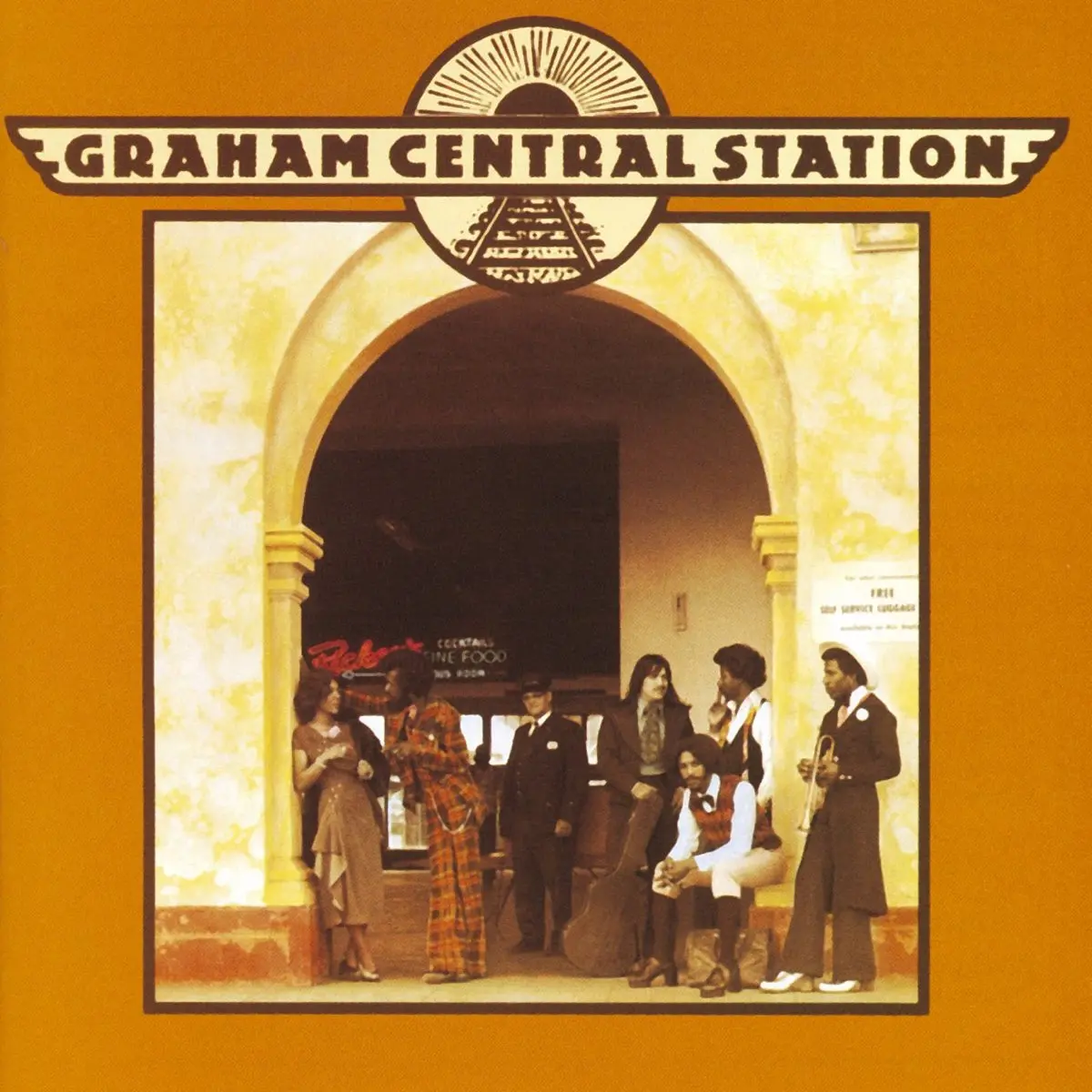 Graham Central Station released their self-titled debut album in January 1974 on Warner Bros.
The album captures the raw, percussive funk sound Graham had honed with Sly & the Family Stone, here taken further with a heavier emphasis on distorted basslines, electric clavinet textures, and rhythmic vocal exchanges. It introduced the Central Station ensemble as a live-sounding unit rooted in syncopated interplay and dense rhythmic layering.
Larry Graham wrote eight of the ten songs, with one co-written by Freddie Stone. The band covered Al Green’s “It Ain’t No Fun to Me,” transforming the Hi Records B-side into a dense, rhythm-driven workout.
The album opens with the playful intro “We’ve Been Waiting,” then erupts into the brash, extended funk of “It Ain’t No Fun to Me.” Graham’s fuzz bass dominates “Hair,” an idiosyncratic rocker that pairs lyrical social commentary with thick rhythmic drive. “We Be’s Gettin’ Down” leans into ominous funk textures with Patryce “Chocolate” Banks on lead. “Tell Me What It Is” pairs drum machine pulses with clipped bass figures, while “Can You Handle It?” builds from midtempo R&B into an explosive full-band chorus. “People,” co-written with Freddie Stone, offers a call for unity, while “Ghetto” closes the album with dense instrumental layering and stark urban imagery.
A1. “We’ve Been Waiting” (0:57)
A2. “It Ain’t No Fun to Me” (5:11)
A3. “Hair” (4:55)
A4. “We Be’s Gettin’ Down” (4:43)
A5. “Tell Me What It Is” (4:56)
B1. “Can You Handle It?” (5:10)
B2. “People” (4:31)
B3. “Why?” (3:37)
B4. “Ghetto” (4:23)
Sessions occurred at Wally Heider Studios in San Francisco with producers Larry Graham and Russ Titelman. Engineers included Donn Landee, Mallory Earl, Steve Barncard, and Tom Flye, with Lee Herschberg and Flye handling the mix. Clarence McDonald arranged the strings and Graham oversaw horn charts.
Graham Central Station features cover design by Mike Salisbury with photography by Herb Greene.
“Can You Handle It?” backed with “Ghetto” reached No. 9 on the Billboard R&B chart. The album itself peaked at No. 20 on the R&B Albums chart and No. 48 on the Billboard 200.
Release Yourself
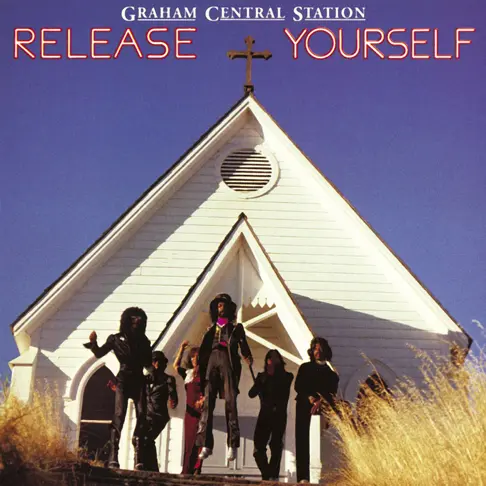 Graham Central Station released their second album, Release Yourself, in September 1974 on Warner Bros.
The album shows the band moving from the raw, live-in-studio attack of their debut into a more layered, arranged sound with overdubs and expanded instrumentation. It also introduced horn charts arranged and performed by members of Tower of Power, giving the record a brighter, more polished edge.
Larry Graham wrote seven of the album’s eight originals. The only outside contribution is “Feel the Need,” written by Abrim Tilmon of Detroit Emeralds. Graham played most rhythm section parts across the album, with Patryce “Chocolate” Banks on funk box and vocals, Hershall “Happiness” Kennedy on clavinet and synthesizer, Robert “Butch” Sam on organ, David “Dynamite” Vega on guitar, and Willie “Wild” Sparks on drums.
The set opens with “G.C.S.,” a call-and-response introduction where each member steps forward, before launching into the gospel-charged title track. “Got to Go Through It to Get to It” works as a testimonial chant driven by rhythmic bass and organ accents. “I Believe in You” pairs fuzz bass with layered synthesizer tones and percussive funk box rhythms.
“‘Tis Your Kind of Music” stretches into hypnotic funk with Graham and Banks trading vocals over cascading keyboard lines. The cover of “Feel the Need” accelerates the Detroit Emeralds number into an intense funk workout with jagged bass and bright horns. The closing “Today” stands as the album’s longest track, moving through an extended keyboard prelude into a simmering funk-rock sequence laced with Mellotron and group vocals.
A1. “G.C.S.” (3:24)
A2. “Release Yourself” (4:44)
A3. “Got to Go Through It to Get to It” (3:42)
A4. “I Believe in You” (4:51)
B1. “‘Tis Your Kind of Music” (5:41)
B2. “Hey Mr. Writer” (4:03)
B3. “Feel the Need” (3:53)
B4. “Today” (6:43)
Sessions occurred at the Record Plant in Sausalito with producers Larry Graham and Russ Titelman. Tom Flye engineered and mixed the sessions, assisted by Tom Anderson.
Release Yourself features cover design and photography by Mike Salisbury, with Graham credited for the design concept.
The album reached No. 22 on the Billboard R&B Albums chart.
Ain’t No ‘Bout-A-Doubt It
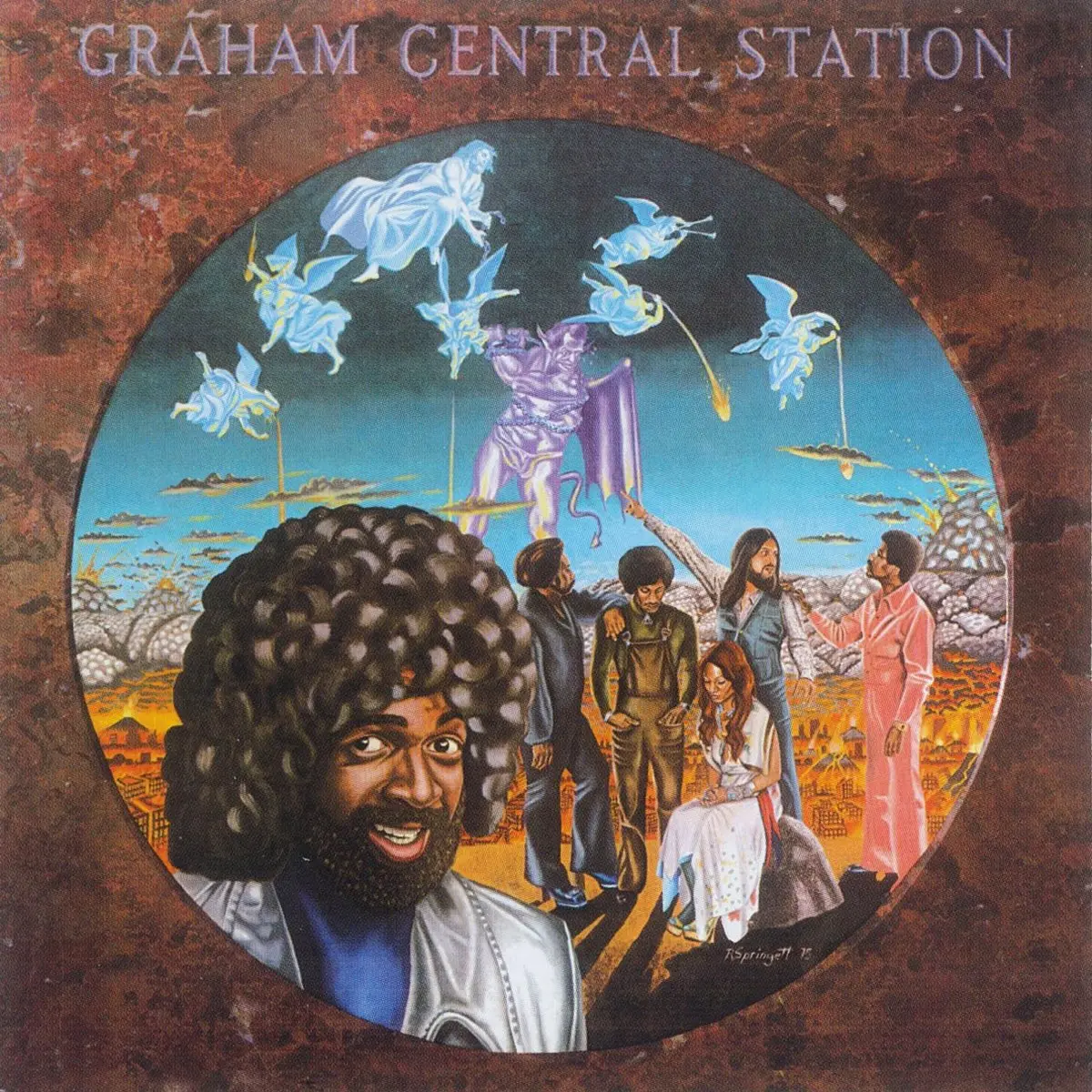 Graham Central Station released their third album, Ain’t No ‘Bout-A-Doubt It, in July 1975 on Warner Bros.
The album extends the band’s funk framework into a more expansive and polished production, layering horn charts from Tower of Power and string arrangements from members of the Oakland and San Francisco symphony orchestras. While the record features Graham’s spiritual themes on the final tracks, the bulk of the album remains secular, balancing high-energy funk with smooth R&B passages.
Larry Graham wrote all tracks except “I Can’t Stand the Rain,” written by Ann Peebles, Don Bryant, and Bernard Miller. Graham also played bass, contributed vocals, and handled most rhythm parts. Hershall “Happiness” Kennedy played clavinet and synthesizer, David “Dynamite” Vega handled guitars, Robert “Butch” Sam performed organ and piano, Patryce “Chocolate” Banks provided funk box and vocals, and Manny Kellough replaced Willie Wild on drums.
“The Jam” opens the set as an extended showcase, each member stepping forward for a brief solo before Larry Graham anchors the sequence with a bass cadenza. “Your Love” shifts into ballad form, pairing a doo-wop contour with Patryce Banks’ standout vocal and Graham’s falsetto lead-in. “It’s Alright” rides a relentless pulse, driven by Graham’s low-end riffing and punctuated by stacked chants. The band reshapes Ann Peebles’ “I Can’t Stand the Rain” with electric funk box textures and a heightened vocal lead.
Side two mixes direct anthems and left turns: “It Ain’t Nothing But a Warner Bros. Party” folds in label shout-outs over a brisk ensemble rhythm; “Ole Smokey” veers into a country-tinged setting with acoustic guitar and trumpet; “Easy Rider” adopts an old-school rock cadence. Closing numbers reveal Graham’s religious turn—“Water” pairs a sermon-like lyric with backward loop effects, while “Luckiest People” blends piano, timpani, and group vocals into a gospel-styled finale.
A1. “The Jam” (8:12)
A2. “Your Love” (3:18)
A3. “It’s Alright” (3:46)
A4. “I Can’t Stand the Rain” (6:09)
B1. “It Ain’t Nothing But a Warner Bros. Party” (6:03)
B2. “Ole Smokey” (3:15)
B3. “Easy Rider” (2:56)
B4. “Water” (4:26)
B5. “Luckiest People” (3:45)
Sessions occurred at Wally Heider Studios in San Francisco with Larry Graham producing, assisted by engineers Mallory Earl and Steve Malcom.
’Ain’t No ‘Bout-A-Doubt It features front cover painting and design by Rob Springett, with photography, art direction, and cover design by Herb Greene. Graham handled cover concept and overall design.
The single “Your Love” reached No. 1 on the Billboard R&B chart and No. 38 on the Hot 100. “It’s Alright” and “The Jam” also charted at No. 19 and No. 15 R&B, respectively.
The album reached No. 4 on the US R&B Albums chart and No. 22 on the Billboard 200.
Mirror
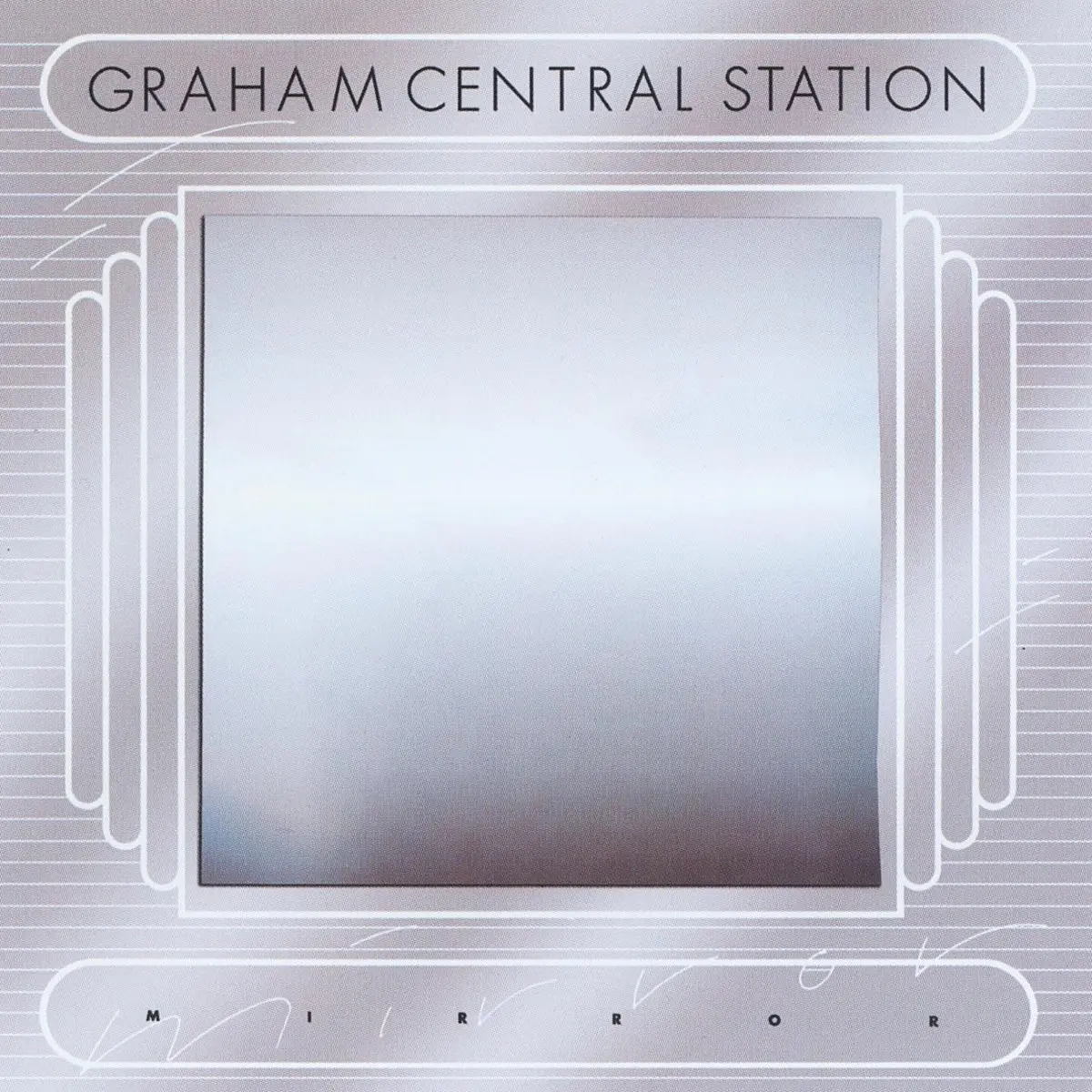 Graham Central Station released their fourth album, Mirror, in May 1975 on Warner Bros.
The album marked a turn toward overtly religious themes, reflecting Larry Graham’s conversion to the Jehovah’s Witnesses the prior year. His lyrical shift created tensions within the band, leading to the eventual departure of Patryce Banks and David Vega. Mirror still delivered muscular funk arrangements that placed Graham’s bass at the center, while incorporating strings and horns arranged by Tom Salisbury and Greg Adams.
“The Jam” tradition continues on opener “Entrow,” where each member introduces themselves in turn while new drummer Gaylord Birch switches between parade-style cadences and taut funk rhythms. Graham shifts into sermon mode on “Love (Covers a Multitude of Sin),” a mid-tempo ballad built around his falsetto and Banks’ answering lines, and on “Save Me,” a pounding piece that pushed Bible-thumping lyrics against Graham’s bass drive and symphonic accents. The title track pairs a disco rhythm with a lyric condemning sexual “perversity,” voiced by Banks in one of her strongest showcases. “Do Yah” relies on an anthemic horn line and stacked vocals, while “Priscilla” leans on a folk-funk contour with repeated chants and a surging brass finale. “Forever” closes the album with an ominous, minor-key pace and Hershall Kennedy’s piercing synth, underscoring Graham’s apocalyptic text.
A1. “Entrow” (7:09)
A2. “Love (Covers a Multitude of Sin)” (3:49)
A3. “Mirror” (3:50)
A4. “Do Yah” (3:55)
B1. “Save Me” (5:17)
B2. “I Got a Reason” (3:48)
B3. “Priscilla” (3:15)
B4. “Forever” (6:54)
Sessions occurred at Wally Heider Recording in San Francisco and at the Record Plant in Sausalito, where Larry Graham produced and engineered the album with Tom Flye. Rich Ehrman assisted on engineering, and Mallory Earl handled the string recording.
The cover concept was designed by Larry Graham with Cabalka Studio and Bob Lockart, with photography by Gary Heery.
Warner Bros. lifted two singles: “Love,” which peaked at No. 14 R&B, and “Entrow (Part 1),” which reached No. 21 R&B. Mirror went to No. 7 on the US R&B Albums chart and No. 46 on the Billboard 200.
Now Do U Wanta Dance
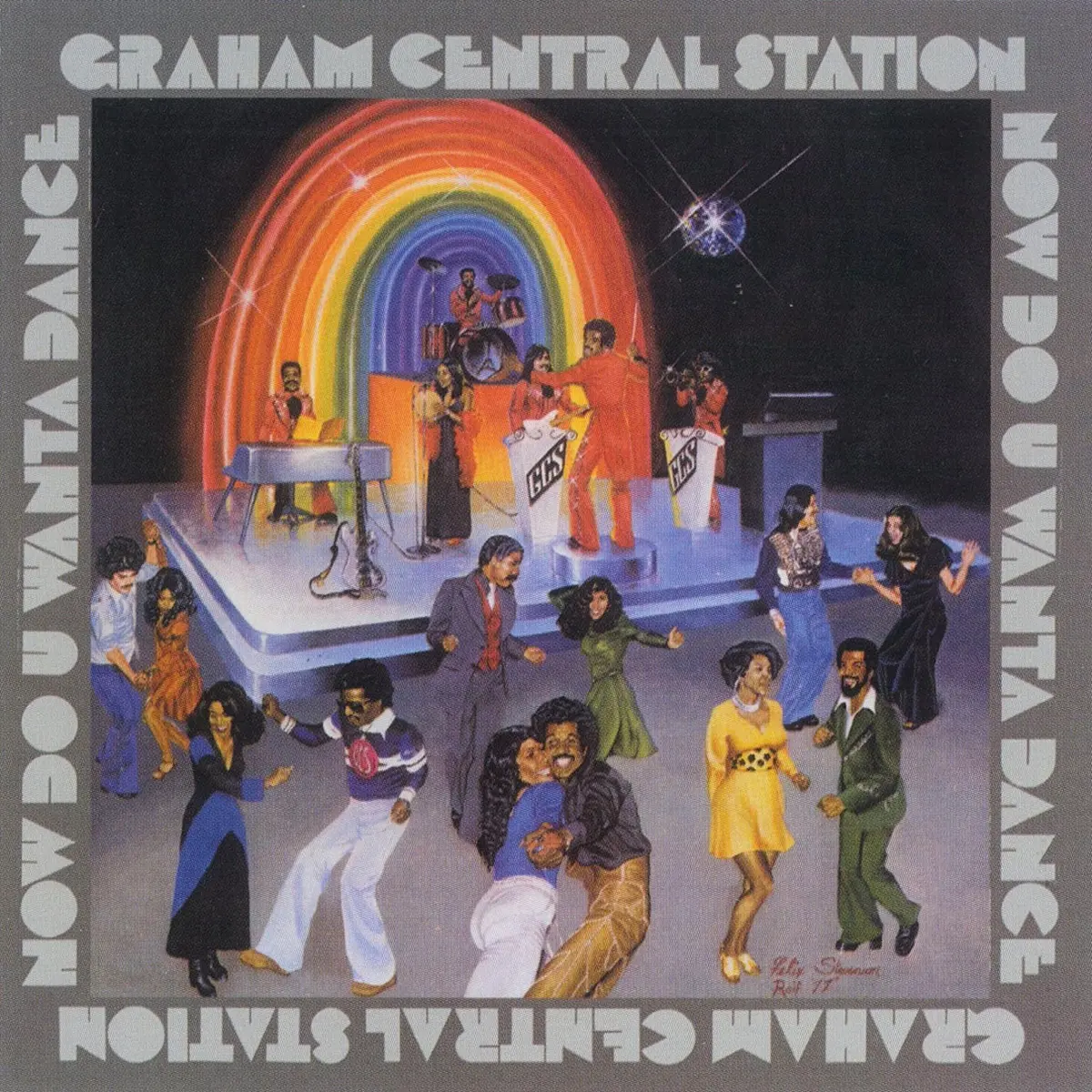 Graham Central Station released their fifth album, Now Do U Wanta Dance, in April 1977 on Warner Bros.
The album marks a pivot from the gospel-heavy tone of Mirror to an entirely secular set. It introduces guitarist Gail Muldrow and Tina Graham in place of departed percussionist Patryce Banks, while Hershall Kennedy makes his final appearance with the group. The record emphasizes hard funk interplay, vocal group traditions, and a heavier guitar presence.
Larry Graham writes all but two songs. He interprets Al Green and Mabon Hodges’ “Love and Happiness” and includes Deadric Malone’s “Lead Me On.”
“Happ-E-2-C-U-A-Ginn” opens in the band’s tradition of short vocal introductions, this time framed as a jubilant doo-wop pastiche. The title track follows with Graham’s bass throb and vocoder-tinged lead. “Last Train” powers forward with gospel-inflected chants over a relentless rhythm. “Love and Happiness” transforms into a jagged funk-rock workout, while “Earthquake” sallies forth with Graham’s pummeling riffs and hard-driving percussion. “Crazy Chicken” rides a playful synth riff, and “Stomped Beat-Up and Whooped” revisits doo-wop through retro harmonies. “Lead Me On” evokes minor-key R&B blues with Robert Sam’s organ textures, while “Saving My Love for You” and “Have Faith in Me” spotlight Tina Graham’s vocals in settings that shift from mid-tempo balladry to quasi-psychedelic funk.
A1. “Happ-E-2-C-U-A-Ginn” (1:01)
A2. “Now Do-U-Wanta Dance” (3:43)
A3. “Last Train” (3:38)
A4. “Love and Happiness” (3:52)
A5. “Earthquake” (6:40)
B1. “Crazy Chicken” (3:55)
B2. “Stomped Beat-Up and Whooped” (2:56)
B3. “Lead Me On” (3:53)
B4. “Saving My Love for You” (3:37)
B5. “Have Faith in Me” (6:44)
Sessions took place at Record Plant in Sausalito with Larry Graham producing and Tom Flye engineering. Bernie Grundman handled mastering.
Two singles appeared: “Now Do-U-Wanta Dance” (No. 10 R&B) and “Stomped Beat-Up and Whooped” (No. 25 R&B). The album itself reached No. 12 on the US R&B Albums chart.
My Radio Sure Sounds Good to Me
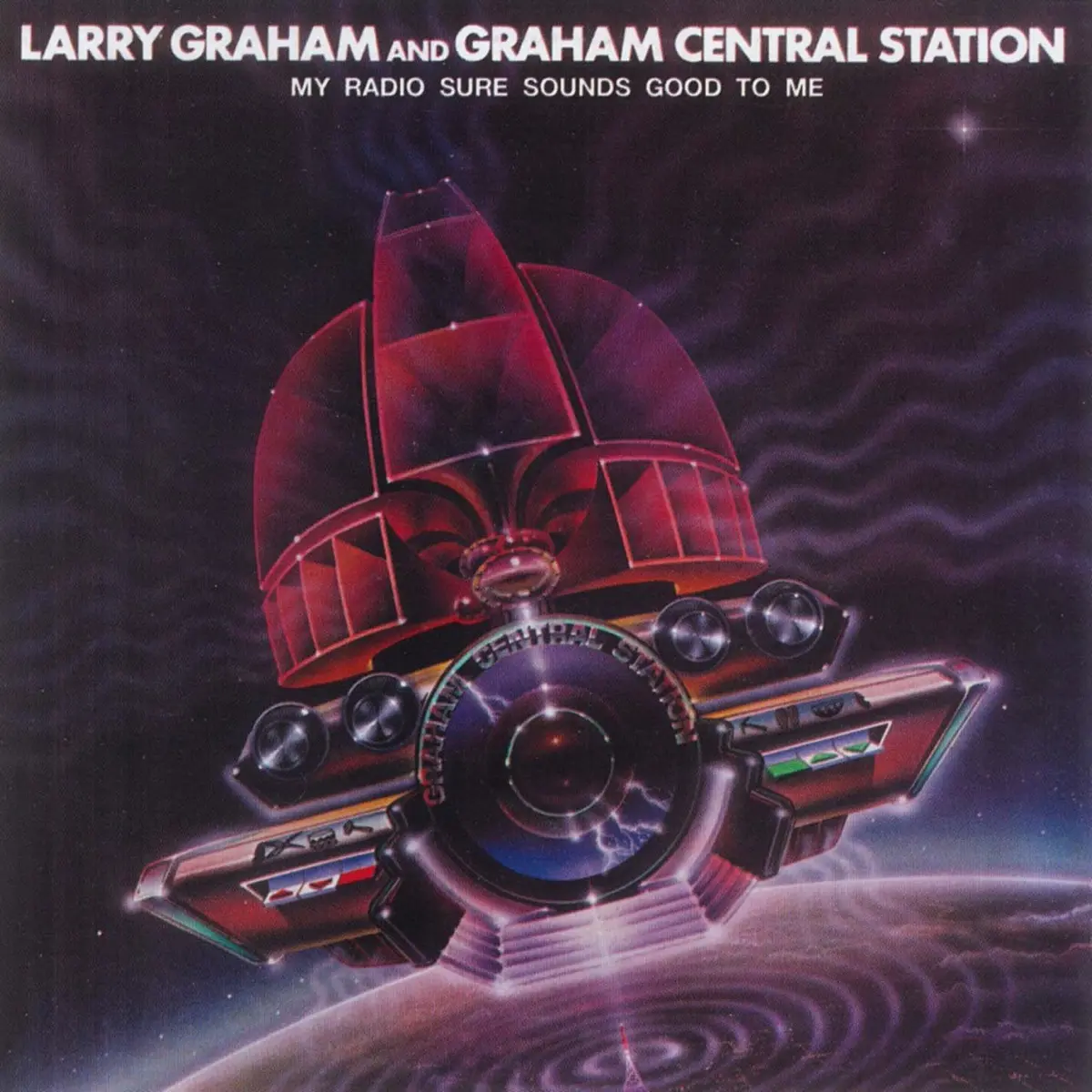 Graham Central Station released their sixth album, My Radio Sure Sounds Good to Me, in May 1978 on Warner Bros.
The album marked the group’s first billing as Larry Graham and Graham Central Station. It followed a lineup change that introduced keyboardist Nate Ginsberg and guitarist Gemi Taylor, with Tina Graham stepping into a larger vocal role. The sound stays rooted in hard funk, mixing aggressive bass-driven workouts with doo-wop inflections and upbeat message tunes.
Larry Graham wrote and produced the eight tracks and arranged strings alongside co-producer Benny Golson, who also handled horn arrangements. Golson orchestrated five numbers, while Graham arranged the brass on three tracks.
The opening track “Pow” storms in with distorted bass runs and bursts of group interplay. The title song reworks ’50s barbershop harmonies into an R&B setting, juxtaposing Graham’s basso vocals with Tina Graham’s lead. “Is It Love?” eases into a slower, soulful mode with foreshadowings of Graham’s forthcoming solo style. The album’s middle stretch (“Boogie Witcha, Baby” and “It’s the Engine in Me”) exhibit the bands gritty, syncopated side. They lace “Turn It Out” with rapid, distorted bass phrases. “Mr. Friend” provides a mid-tempo, gospel-tinged respite, while the closer “Are You Happy?” blends reggae pulse with a communal singalong finale.
A1. “Pow” (4:42)
A2. “My Radio Sure Sounds Good to Me” (3:57)
A3. “Is It Love?” (6:37)
A4. “Boogie Witcha, Baby” (3:47)
B1. “It’s the Engine in Me” (5:16)
B2. “Turn It Out” (4:37)
B3. “Mr. Friend” (3:39)
B4. “Are You Happy?” (4:53)
Sessions occurred at the Record Plant in Sausalito with producers Larry Graham and Benny Golson and engineer Tom Flye. Bernie Grundman mastered the album.
My Radio Sure Sounds Good to Me features cover art by Peter Lloyd, whose airbrushed illustration depicts the band riding a spacecraft through neon skies.
The title track reached No. 18 on the Billboard R&B chart. The album itself peaked at No. 18 on the US R&B Albums chart.
Star Walk
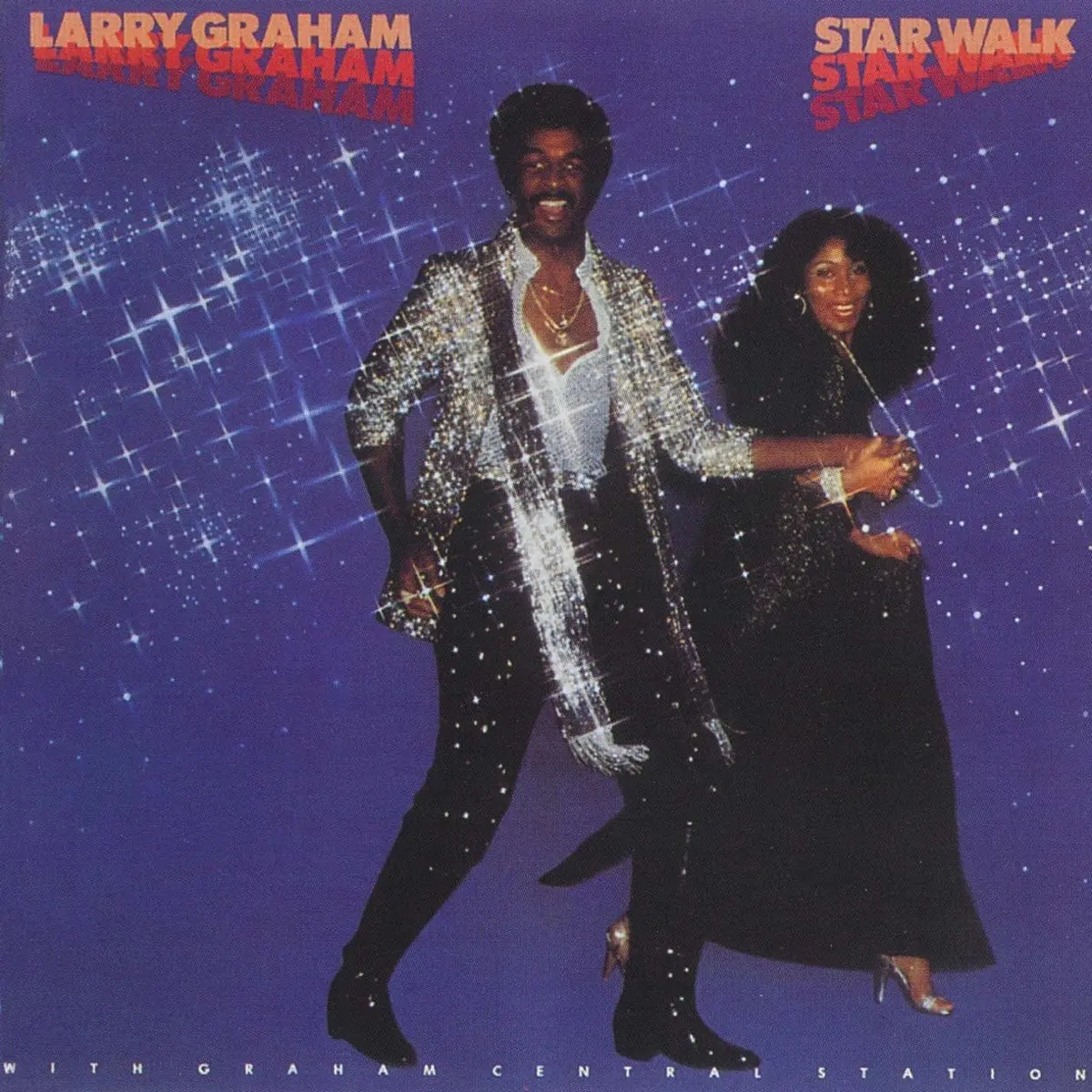 Graham Central Station released their seventh album, Star Walk, in 1979 on Warner Bros.
The album closes the band’s initial run before Larry Graham launched a solo career. By this point, Robert “Butch” Sam was the lone original member still on board with Graham, who played most of the instrumentation himself alongside drummer Gaylord “Flash” Birch, guitarist Gemi Taylor, and keyboardist Nate Ginsberg. The record balances raw funk workouts with one ballad and a disco-leaning centerpiece.
Larry Graham wrote, arranged, produced, and played multiple instruments across the six tracks. He arranged horns on four songs, with additional brass charts by Jerry Martini and Ron Kersey, and Bobby Martin provided string arrangements on one track.
“(You’re a) Foxy Lady” opens the set with hammering bass, strident horn lines, and Birch’s propulsive rhythm. “The Entertainer” rides a chanted refrain and a sharp horn figure against a driving funk pace, while “Scream” adopts a faux-live format with Graham’s bass surges and martial drumming. “Sneaky Freak” layers falsetto vocals over a stomping rhythm and stacked horns. The title track departs from the funk foundation with a synthesizer-heavy Eurodisco arrangement, while “Tonight” closes the album as a sweeping soul ballad with Tina Graham at the mic.
A1. “(You’re A) Foxy Lady” (6:09)
A2. “Star Walk” (8:18)
A3. “The Entertainer” (3:20)
B1. “Scream” (7:16)
B2. “Sneaky Freak” (7:09)
B3. “Tonight” (3:59)
Sessions occurred at Black Hills Recording Studios in Oakland with producer Larry Graham and engineers Christopher Becker and Graham himself. Bernie Grundman mastered the album.
Star Walk features cover design by John Cabalka, Larry Graham, and Ron Nadel, with photography by Claude Mougin. The single “(You’re a) Foxy Lady” charted on the R&B listings.
Discography:
- Graham Central Station (1974)
- Release Yourself (1974)
- Ain’t No ‘Bout-A-Doubt It (1975)
- Mirror (1976)
- Now Do U Wanta Dance (1977)
- My Radio Sure Sounds Good to Me (1978)
- Star Walk (1979)
Sources:
- Discogs: Graham Central Station
- 45worlds: Graham Central Station
- 45cat: Graham Central Station
- MusicBrainz: Graham Central Station
Artist/Album Pages:
Magical Ring was a French electro/space-funk project headed by library musician Jean-Pierre Decerf...
Pollen was a Québécois symphonic-rock band that released a self-titled album in 1976 on Kébec-Disc...
The Vibrators were an English punk-pop band that debuted as the backing act for Chris Spedding on ...
Flora Purim (born March 6, 1942) is a Brazilian samba-jazz vocalist who debuted with an album on R...
Matrix was an American jazz-rock quintet from Milwaukee that recorded a 1973 album issued in 1975 ...
The Doobie Brothers were an American rock band that released nine albums between 1971 and 1980 on...
Claudja Barry is a Jamaican-born soul-funk singer who scored a disco hit with "Sweet Dynamite," th...
Exodus are an American metal band that emerged with the 1985 album Bonded by Blood on Torrid/Musi...
Johnny Hammond (aka Johnny Smith, Dec. 16, 1933 — June 4, 1997) was an American jazz keyboardist w...
Boz Scaggs is an American vocalist, musician, and songwriter who emerged in the late-sixties incar...
Split Enz was a New Zealander art-rock band from Auckland, formed in late 1972 and active through se...
Ofege was a Nigerian Afro-psych band formed by Obalende teenagers. They made the 1973–75 EMI album...