

Nick Cave and The Bad Seeds are a goth-rock/cabaret ensemble formed in London circa 1983 by Australian vocalist/keyboardist Nick Cave. Between 1984 and 2008, the band released 17 albums on Mute Records, followed by a further round of discs on self-press Bad Seed in the 2010s.
Members: Nick Cave (vocals, piano, organ, harmonica), Mick Harvey (guitar, bass, drums, keyboards, percussion, vibraphone, xylophone, vocals, 1983-2009), Blixa Bargeld (guitar, keyboards, vocals, 1983-2003), Barry Adamson (drums, bass, organ, percussion, vocals, 1983-86, 2012-15), J.G. Thirlwell (vocals, saxophone, drums, 1983), Tracy Pew (bass, 1984), Hugo Race (guitar, vocals, 1984), Anita Lane (keyboards, vocals, 1984-85), Thomas Wydler (drums, percussion, vocals, 1985-present), Kid Congo Powers (guitar, 1986-90), Roland Wolf (keyboards, guitar, 1986-89)
Background
Nick Cave was born on September 22, 1957, in Warracknabeal, Victoria, and spent part of his youth in Wangaratta before his family moved to Melbourne in 1973. At Caulfield Grammar School he entered a school-band circle with Mick Harvey and Phill Calvert, then folded Tracy Pew into the lineup as the group tightened into a working unit. That band played dances, parties, and school functions under several names before settling on the Boys Next Door. Rowland S. Howard joined in 1978 and gave the group a stronger guitar and writing axis as Cave pushed further toward original material.
The Boys Next Door built a local following in Melbourne, then left Australia for London in 1980 and took the new name the Birthday Party. John Peel backed the band on BBC radio, and the London period produced Prayers on Fire in 1981 and Junkyard in 1982. Pressure inside the group rose across the London and West Berlin years, and the Birthday Party broke apart in 1983.
Cave and Harvey carried the next phase forward almost at once. In London during September 1983 they assembled an early backing unit for Cave’s planned solo project Man or Myth? with Blixa Bargeld of Einstürzende Neubauten, Barry Adamson of Magazine, and J.G. Thirlwell. Flood produced sessions that autumn, but Cave’s work with the Immaculate Consumptive cut the sequence short before the project reached finished form.
Cave returned to Melbourne in December 1983 and put a temporary stage lineup together with Harvey, Tracy Pew, and guitarist Hugo Race. That band played its first show at the Crystal Ballroom in St Kilda on December 31, 1983. After a short Australian run, Cave took the project back to London, where Cave, Harvey, Bargeld, Adamson, and Race formed the first stable Bad Seeds unit. Anita Lane also entered the early writing circle and took lyric credits on select material.
The group spent its first months under the name Nick Cave and the Cavemen, then adopted Nick Cave and the Bad Seeds in May 1984, a title that echoed the final Birthday Party EP The Bad Seed. Cave and the band began the From Her to Eternity sessions at Trident Studios in March 1984, and those recordings joined material from the abandoned Man or Myth? work at The Garden to form the debut album. That sequence fixed the new band around Cave’s songs and closed the gap between the Birthday Party collapse and the Bad Seeds’ opening statement.
From Her to Eternity
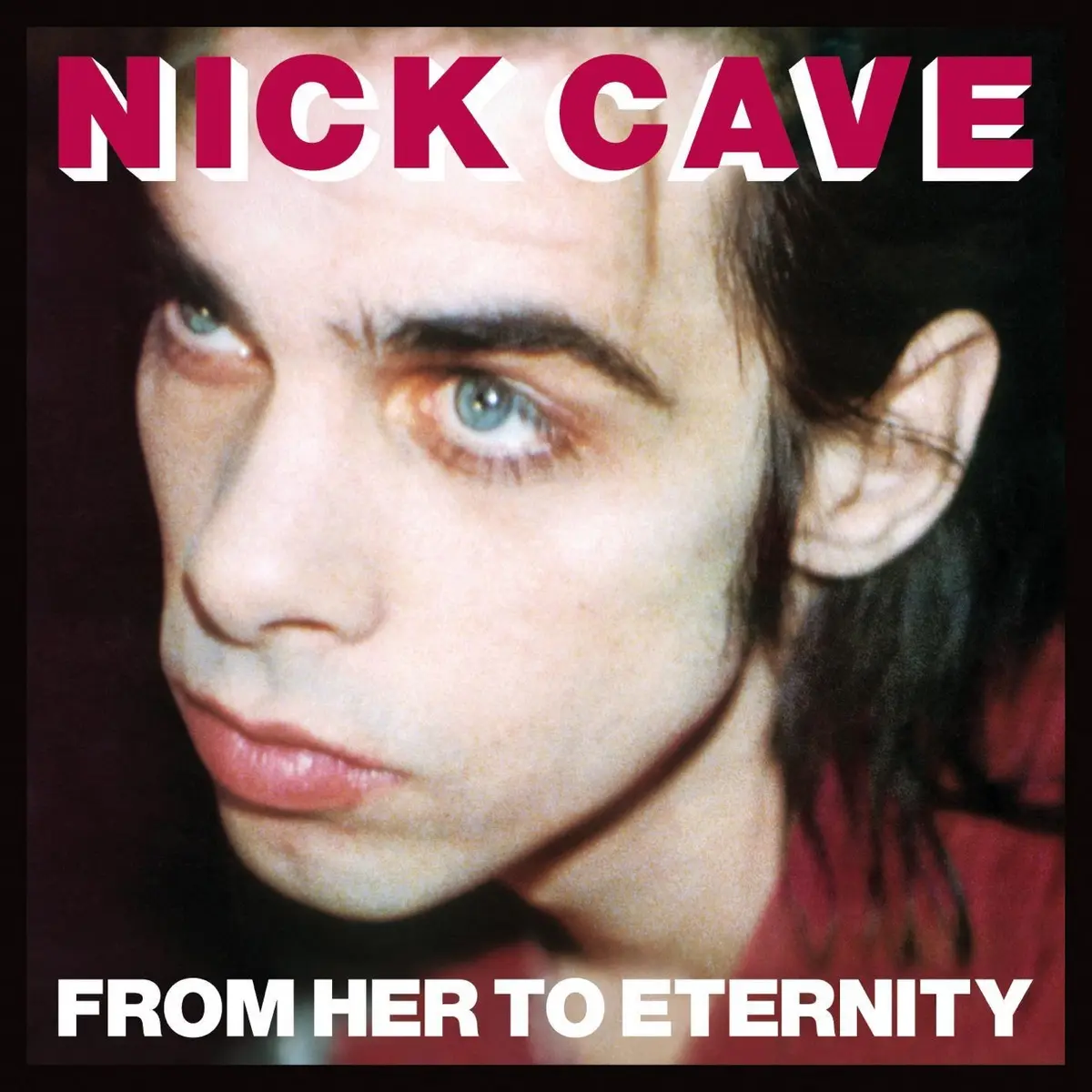 Nick Cave and the Bad Seeds released their debut album, From Her to Eternity, in May 1984 on Mute. The title twists James Jones’ From Here to Eternity into a darker phrase.
Cave drives the record through organ drone, spoken threat, and sudden bark. Barry Adamson locks many songs to a repetitive bass figure. Mick Harvey lays down the drum spine, then opens key passages with piano or vibraphone. Blixa Bargeld and Hugo Race cut across that underpin with scrape, slide, and abrupt guitar noise.
“Avalanche” opens the album with Leonard Cohen’s song in a slower, heavier shape. “Cabin Fever!” snaps at a faster clip and hinges on Cave and Bargeld’s shared music credit. “From Her to Eternity” turns Anita Lane’s lyric credit into a central part of the album’s identity and locks its piano figure to a long, obsessive build. “Saint Huck,” “Wings Off Flies,” and “A Box for Black Paul” come from the earlier Garden sessions and carry the first Bad Seeds lineup across the second side.
A1. “Avalanche” (5:13) — Leonard Cohen
A2. “Cabin Fever!” (6:11) — Cave, Bargeld
A3. “Well of Misery” (5:25) — Cave
A4. “From Her to Eternity” (5:33) — Cave, Lane, Bargeld, Race, Adamson, Harvey
B1. “Saint Huck” (7:22) — Cave
B2. “Wings Off Flies” (4:06) — Cave, Peter Sutcliffe, Jim Thirlwell
B3. “A Box for Black Paul” (9:42) — Cave
Nick Cave and the Bad Seeds recorded most of From Her to Eternity at Trident Studios in London in March 1984 with co-producer and engineer Flood. They cut “Saint Huck,” “Wings Off Flies,” and “A Box for Black Paul” earlier at The Garden in London between September and October 1983. Jim Thirlwell co-wrote “Wings Off Flies” and made uncredited instrumental contributions before he left the sessions.
Marina Strocchi shot the front cover. Jessamy Calkin shot the back cover. The 2009 collector’s edition restored the original seven-track LP sequence on CD and shifted “In the Ghetto,” “The Moon Is in the Gutter,” and the 1987 version of “From Her to Eternity” to the accompanying DVD, which also carries the “In the Ghetto” video and the first Do You Love Me Like I Love You film.
Mute issued “In the Ghetto” as a 7-inch single on June 18, 1984 (b/w “The Moon Is in the Gutter”). The band recorded the song at Trident, and the single reached No. 84 on the UK Singles Chart and No. 1 on the UK Independent Singles Chart. From Her to Eternity reached No. 40 on the UK Albums Chart and No. 1 on the UK Independent Albums Chart.
The Firstborn Is Dead
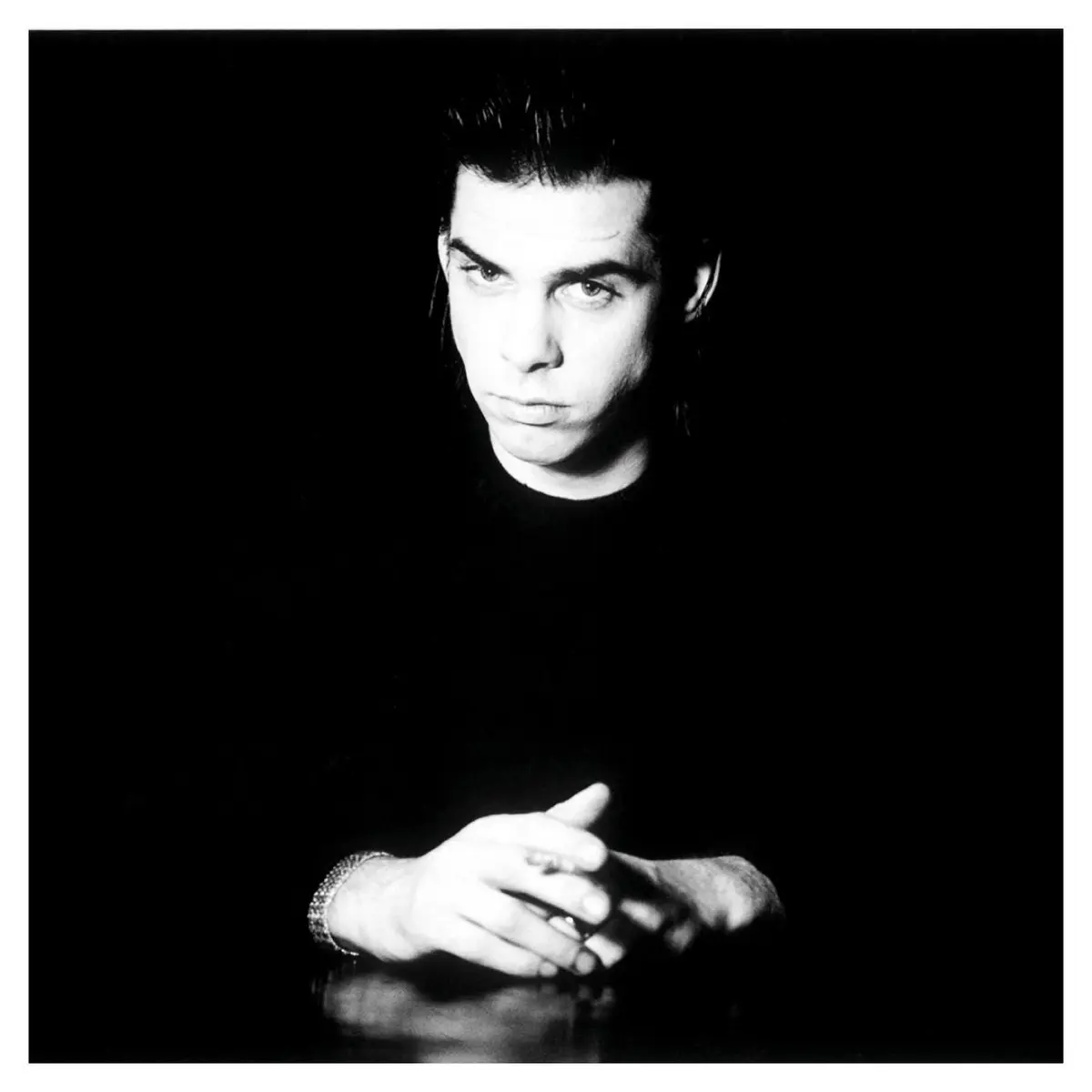 Nick Cave and the Bad Seeds released their second album, The Firstborn Is Dead, on June 3, 1985, on Mute.
Organ drone and floor-tom thud give the record a slow, processional pull. Cave drives the songs in long declamatory lines over Barry Adamson’s bass figures and Mick Harvey’s drum patterns. Blixa Bargeld cuts the surface with slide guitar and broken piano accents. Adamson and Harvey widen the texture with organ and piano while spare guitar enters at the edges.
Cave ties the album to Southern flood lore, prison imagery, and blues ancestry. “Tupelo” rides a repeating bass line and turns Elvis Presley’s birth into a storm-torn nativity with biblical force, drawing on John Lee Hooker’s “Tupelo Blues” and the “Looky Yonder” refrain from Lead Belly. “Wanted Man” reworks the Dylan/Cash song with lyric changes Cave had permission to make. “Blind Lemon Jefferson” carries the album’s closing title reference to the Texas blues singer.
A1. “Tupelo” (7:17) — Adamson/Harvey/Cave
A2. “Say Goodbye to the Little Girl Tree” (5:10) — Harvey/Cave
A3. “Train Long-Suffering” (3:49) — Cave
A4. “Black Crow King” (5:05) — Bargeld/Cave
B1. “Knockin’ On Joe” (7:39) — Cave
B2. “Wanted Man” (5:29) — Dylan/Cash/Cave
B3. “Blind Lemon Jefferson” (6:09) — Adamson/Bargeld/Harvey/Cave
Nick Cave and the Bad Seeds recorded The Firstborn Is Dead at Hansa Tonstudio in Berlin during November and December 1984 with co-producer and engineer Flood.
Jutta Henglein-Bildau photographed the sleeve. The title points to Jesse Garon Presley, Elvis Presley’s stillborn twin.
Mute issued “Tupelo” as a 7-inch single on July 29, 1985 (b/w “The Six Strings That Drew Blood”). Cave, Adamson, and Harvey wrote the song in 1984; it joins Presley’s birth to flood imagery in Tupelo, Mississippi and draws its “Looky Yonder” refrain from Lead Belly. The B-side is a Bad Seeds remake of a Birthday Party song first cut during the 1982 Mutiny sessions. The single reached No. 1 on the UK Indie Chart. The Firstborn Is Dead reached No. 53 on the UK Albums Chart and No. 2 on the UK Independent Albums Chart.
Kicking Against the Pricks
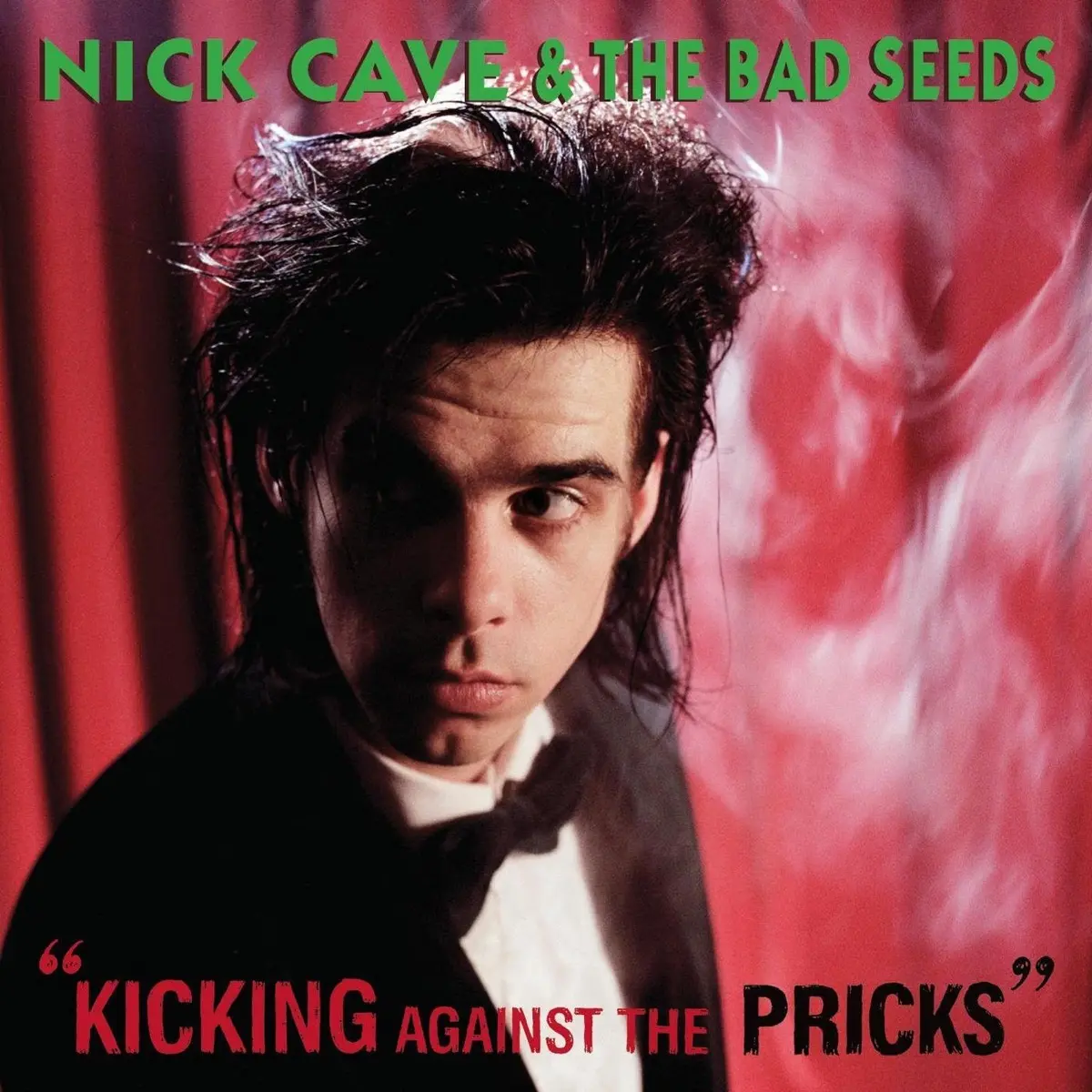 Nick Cave and the Bad Seeds released their third album, Kicking Against the Pricks, on August 18, 1986, on Mute. The record is a covers set, and its title lifts a line from Acts 26:14 in the King James Bible.
Cave slows the album to a more deliberate gait and lowers the force of the attack. Mick Harvey spreads the arrangements across piano and organ, then adds acoustic guitar or vibraphone where a song needs extra weight. Thomas Wydler sets a firmer backbeat. Blixa Bargeld cuts across that underpin with clipped guitar accents and slide figures. Cave recasts each song in stern declamation and presses hard at the end of each line.
The song choices pull from country, gospel, folk, soul, and underground rock. “Muddy Water” opens the album with a funeral drag built from Cave’s organ, Dawn Cave’s violin, and a long bass pulse. “Sleeping Annaleah” strips Mickey Newbury’s song to acoustic guitar, slide, and a tight vocal line. “All Tomorrow’s Parties” brings Rowland S. Howard back into the orbit with guitar, organ, and shared lead vocals, while “By the Time I Get to Phoenix” slows Jimmy Webb’s song to a stark piano lament. “The Carnival Is Over,” a song Cave had known since childhood, closes the album in a stripped communal sing-through. Cave later said the project helped the band discover how many different kinds of material it could absorb and still make its own.
A1. “Muddy Water” (5:15) — Phil Rosenthal
A2. “I’m Gonna Kill That Woman” (3:44) — John Lee Hooker
A3. “Sleeping Annaleah” (3:18) — Mickey Newbury, Dan Folger
A4. “Long Black Veil” (3:46) — Danny Dill, Marijohn Wilkin
A5. “Hey Joe” (3:56) — Billy Roberts
A6. “The Singer” (3:09) — Johnny Cash, Charlie Daniels
B1. “All Tomorrow’s Parties” (5:52) — Lou Reed
B2. “By the Time I Get to Phoenix” (3:39) — Jimmy Webb
B3. “The Hammer Song” (3:50) — Alex Harvey
B4. “Something’s Gotten Hold of My Heart” (3:44) — Roger Cook, Roger Greenaway
B5. “Jesus Met the Woman at the Well” (2:00) — traditional, arranged by the Alabama Singers
B6. “The Carnival Is Over” (3:16) — Tom Springfield
Nick Cave and the Bad Seeds recorded the backing tracks for Kicking Against the Pricks at AAV Studios in Melbourne in November and December 1985 with engineer Tony Cohen. They mixed the album at Hansa Tonstudios in Berlin in March 1986 with Flood, who shares the production credit with Cohen.
Original issues carried several title and credit errors. The sleeve credits “Muddy Water” to John Bundrick instead of Phil Rosenthal, shortens “Weeping Annaleah” to “Sleeping Annaleah,” retitles Johnny Cash’s “The Folk Singer” as “The Singer,” and carries the familiar but inaccurate Frank Farian co-credit on “The Carnival Is Over.” The 2009 collector’s edition restored the original 12-song album on CD and added “Black Betty” and “Running Scared” on the accompanying DVD, along with the “The Singer” video and the short film Do You Love Me Like I Love You (Part 3: Kicking Against the Pricks).
Mute issued “The Singer” as a single on June 16, 1986, ahead of the album. Cave retitled Johnny Cash and Charlie Daniels’ “The Folk Singer” and turned it into a compact Bad Seeds statement with clipped piano, hard snare, and a blunt chorus line. The single reached No. 1 on the UK Indie Chart. Kicking Against the Pricks reached No. 89 on the UK Albums Chart and No. 1 on the UK Independent Albums Chart.
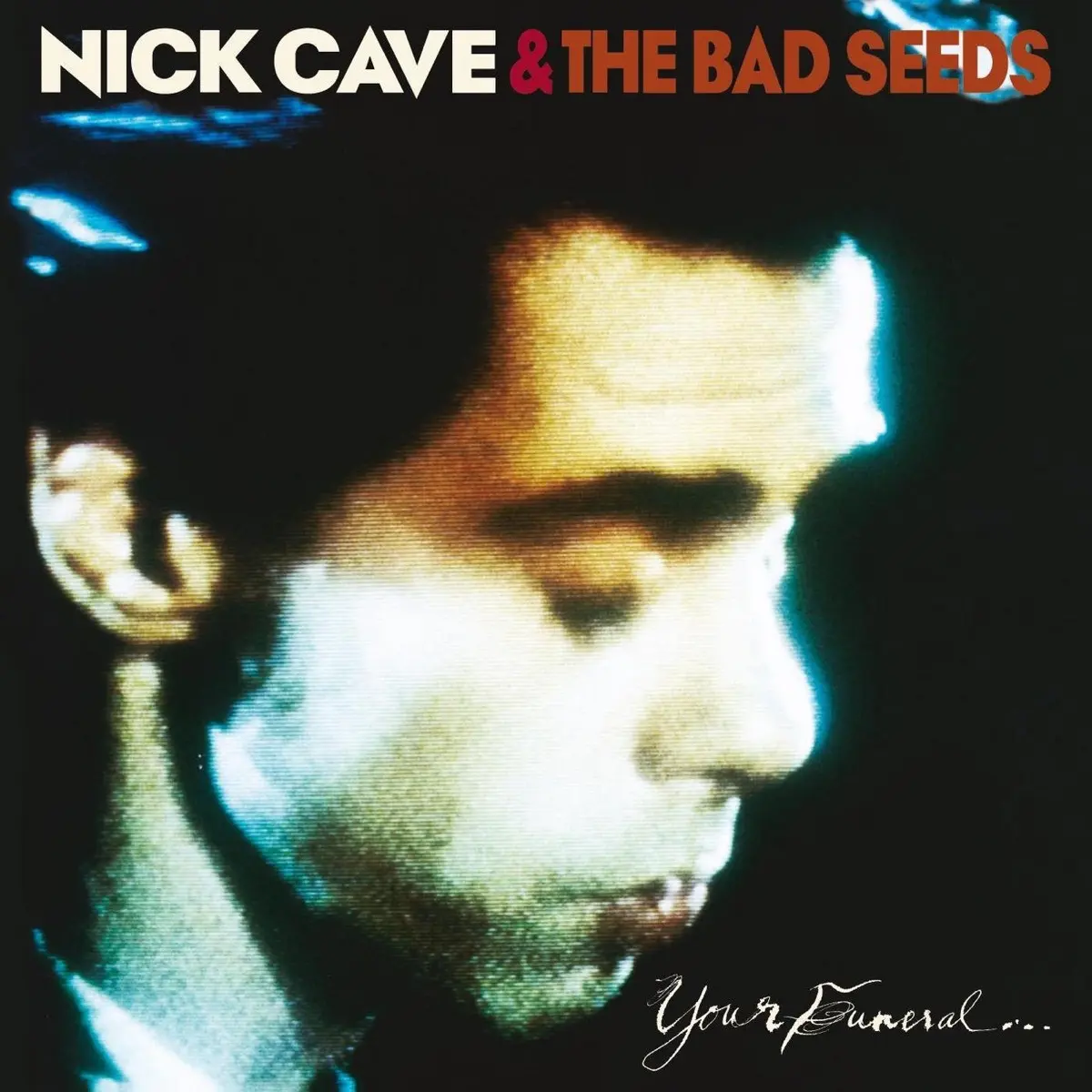
Discography:
- From Her to Eternity (1984 • Nick Cave Featuring The Bad Seeds)
- The Firstborn Is Dead (1985)
- Kicking Against the Pricks (1986)
- Your Funeral … My Trial (1986)
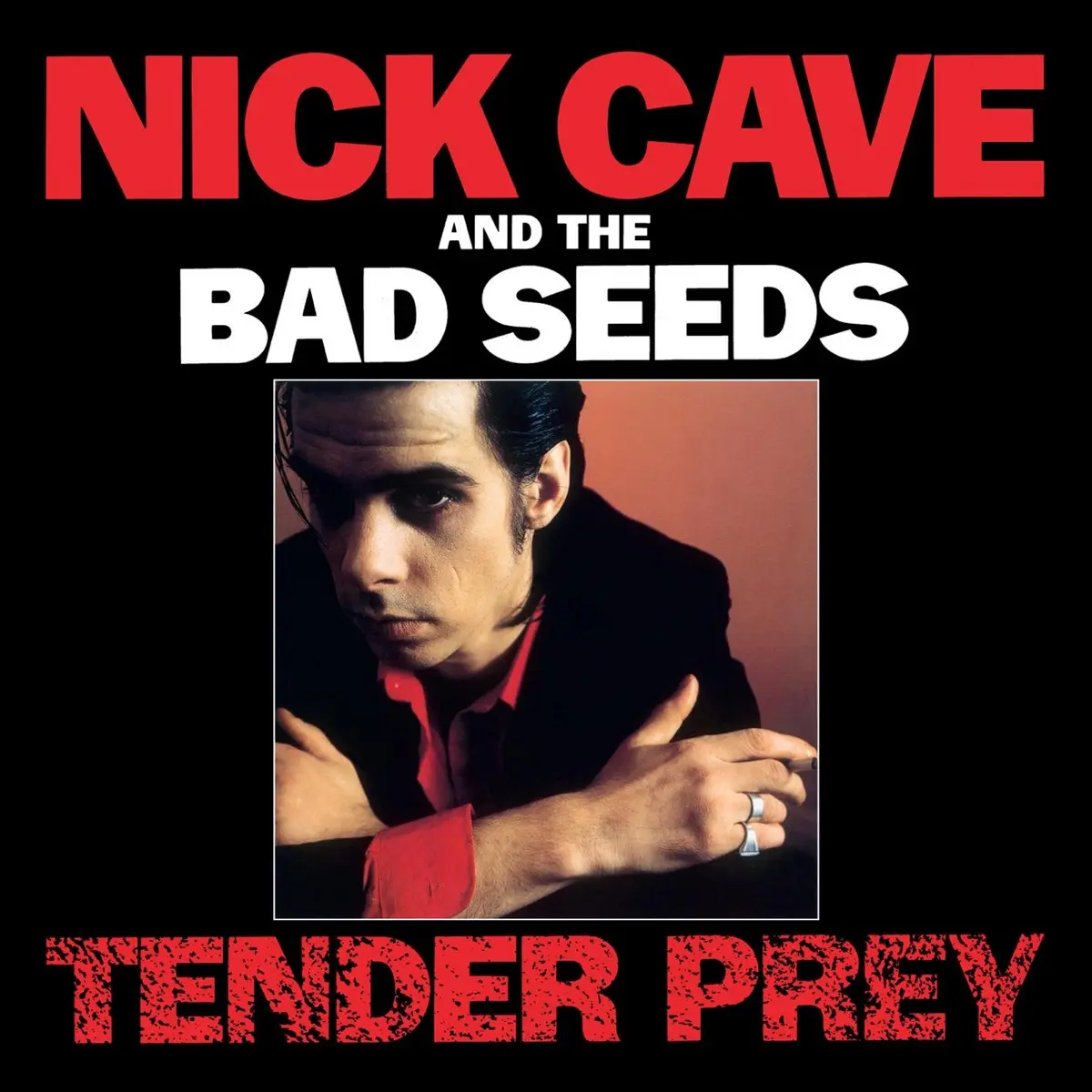
- Tender Prey (1988 • Nick Cave and The Bad Seeds)
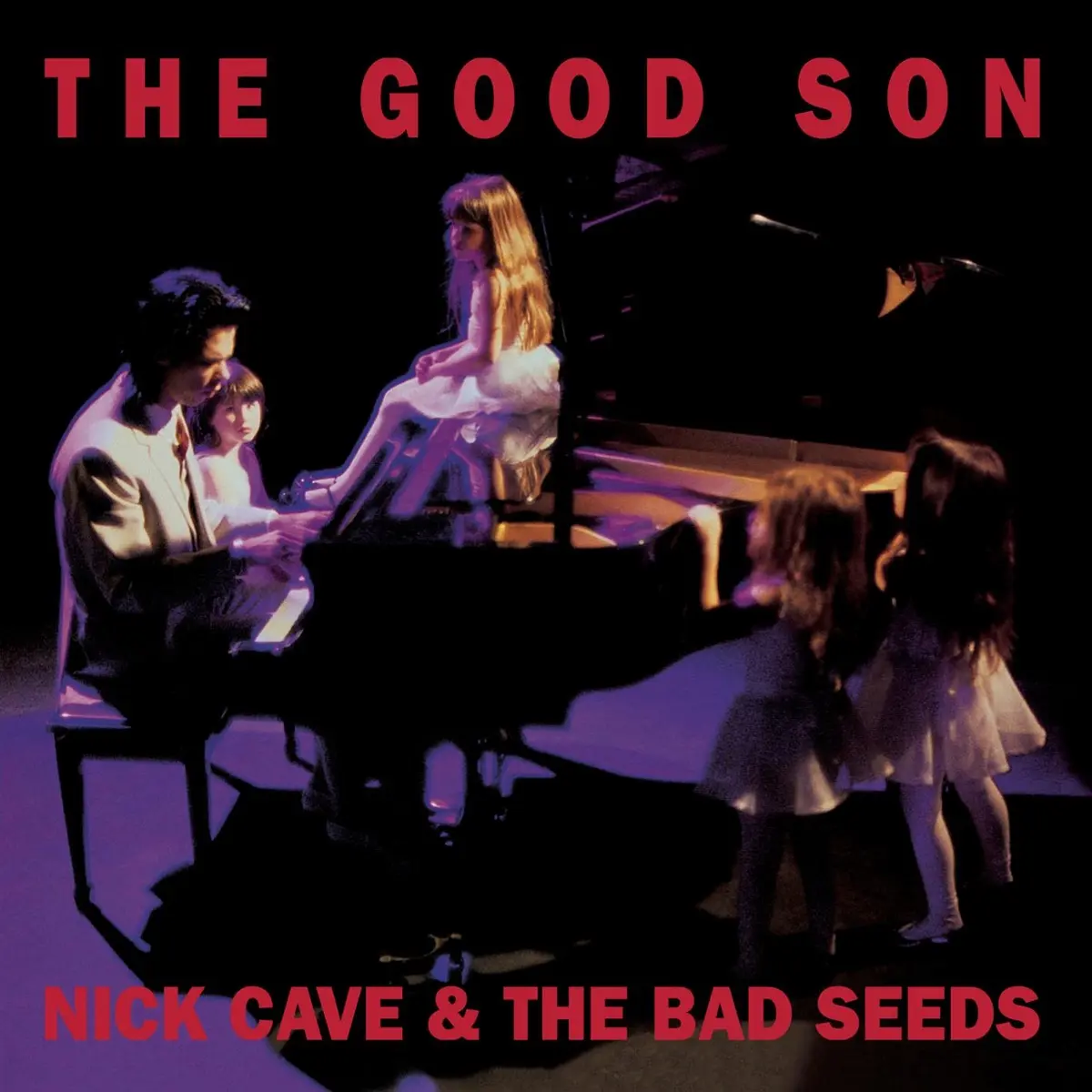
- The Good Son (1990)
Sources:
- Discogs: Nick Cave and The Bad Seeds
- RYM: Nick Cave and The Bad Seeds
- 45cat: Nick Cave and The Bad Seeds
- SecondHandSongs: Nick Cave and The Bad Seeds
- MusicBrainz: Nick Cave and The Bad Seeds
Artist/Album Pages:
Forever Einstein was an American avant-rock trio from New Milford, Conn., that issued a cassette-...
Phyllis Hyman (July 6, 1949 — June 30, 1995) was an American soul singer who released two albums o...
Michael Jackson (Aug. 29, 1958 — June 25, 2009) was an American soul-pop singer and songwriter who...
NEO Museum was a French avant-jazz/rock combo that released the 1986 AYAA album Volume 1. Member...
Alan Tarney (born Nov. 19, 1945) is an English-born musician and songwriter who first emerged in t...
La Mode was a Spanish new wave/art-pop behind the 1982 Nuevos Medios release El Eterno Femenino, f...
The Ferrets were an Australian rustic-pop band behind the 1977/78 Mushroom albums Dreams of a Love...
Gwen Guthrie (July 14, 1950 — Feb. 3, 1999) was an American soul singer from Okemah, Oklahoma, wh...
Pablo El Enterrador is an Argentine symphonic-rock ensemble that formed in 1971 and underwent mult...
Demon was an English hard-rock/metal band that released the 1981 Carrere album Night of the Demon ...
John Abercrombie (Dec. 16, 1944 — Aug. 22, 2017) was an American jazz guitarist who played in the ...
Tribute was a Swedish symphonic-rock band that debuted with a 12-minute track on the vinyl documen...