

The Durutti Column was an English ambient project from Manchester that made nine albums and assorted EPs between 1980 and 1990 on Factory Records. Guitarist Vini Reilly led the act through multiple solo and combo iterations. He also played on records by Anne Clark, Richard Jobson, and Quando Quango.
Members: Vini Reilly (guitar, piano, vocals), David Rowbotham (guitar, 1978), Chris Joyce (drums, 1978), Tony Bowers (bass, 1978), Phil Rainford (vocals, 1978), Colin Sharp (vocals, 1978), Martin Hannett (synthesizer, 1979), Donald Johnson (drums, 1980), Bruce Mitchell (drums, 1980-present), Tim Kellett (trumpet, 1984-86), John Metcalfe (viola, 1985-87)
Background
The Durutti Column formed when guitarist Vini Reilly reunited with two former bandmates and retained the name of a recent studio project.
Vini was born Vincent Gerard Reilly on August 4, 1953, in Higher Blackley, Manchester. He grew up with four siblings in the nearby towns of Wythenshawe and Didsbury. Their strict father, an engineer, died when Vini was sixteen. Reilly excelled at football but passed on a trial with the Manchester City F.C. to focus on music.
From age eleven, Reilly studied classical guitar with an emphasis on minor harmonic scales. He found early inspiration in Los Indios Tabajaras, a Brazilan duo of guitarist brothers popular in Latin America during the 1950s and ’60s.
As a teenager, Reilly struggled with depression and partook in several brawls with local gangs. In one incident, a warning gunshot left him temporarily deaf in one ear.
The Nosebleeds
In late 1976, Reilly joined Ed Banger & The Nosebleeds, an early Wythenshawe punk band formed as Wild Ram by singer Eddie Garrity with two classmates: bassist Pete Crooks and drummer Philip “Toby” Tomanov.
Garrity worked as a roadie for Slaughter & The Dogs during their opening slot on the July 20, 1976, Sex Pistols concert at Manchester’s Lesser Free Trade Hall. The occasion marked the live debut of the Buzzcocks, formed by two early punk converts (Pete Shelley and Howard Devoto) who arranged an earlier Manchester Pistols show (June 4) that galvanized an influx of local musicgoers. Amid the audience mayhem during the July show, Garrity sustained an injury that prompted a quip, “Headbanger here… with a nosebleed,” hence the band name.
As The Nosebleeds, they released the August 1977 single “Ain’t Bin to No Music School” (b/w “Fascist Pigs”) on Rabid Records, a local indie that housed punk parodist Jilted John and punk poet John Cooper Clarke, plus Slaughter and Gyro (a reconstituted Sad Cafe precursor). Vini (credited as Vincent Riley) co-wrote both sides with ‘Ed Banger’ (Garrity) with production by ‘Vini Fall’ (possibly a coded double-reference to Reilly and local heroes The Fall).
“Ain’t Bin to No Music School” appears on Streets, a 1977 Beggars Banquet comp with cuts by The Drones (“Lookalikes”), The Members (“Fear of the Streets”), The Lurkers (“Be My Prisoner”), Pork Dukes (ex-Gnidrolog, “Bend and Flush”), Tractor (“No More Rock n’ Roll”), and Mark Hollis’s early band The Reaction (“Talk Talk Talk Talk,” later remade as “Talk Talk”).
Soon after the single, Garrity left for a solo career. The Nosebleeds hired eighteen-year-old Steven Morrissey, an aspiring singer and outspoken music enthusiast who’d written numerous letters to the rock weeklies. Reilly cleared for sixteen-year-old Billy Duffy, a budding guitar virtuoso whose hard-rock inspirations collided recently with the punk aesthetic.
The Nosebleeds disbanded in 1978 and Duffy joined the Slaughter-spinoff Studio Sweethearts. He later surfaced in Theater of Hate and found fame and permanence in The Cult. Morrissey went inactive until 1982 when guitarist Johnny Marr approached him for a new band, The Smiths.
First Durutti Column
In late 1977, Granada Television host Tony Wilson and business partner Alan Erasmus assembled a band for a new venture. Wilson hosted So It Goes, a weekly music program that ran from July 3, 1976, to December 11, 1977, on the ITV network. So It Goes showcased assorted newcomers (The Jam, The Stranglers, XTC, Siouxsie & The Banshees) who inspired Manchester’s musical renaissance, which Wilson represented with Factory Records, the North’s first post-punk indie label.
Wilson recruited drummer Chris Joyce and guitarist Dave Rowbotham, both recently of unsigned local punks Fast Breeder. In January 1978, Reilly joined the new band, which then on-boarded singer Phil Rainford and Alberto y Lost Trios Paranoias bassist Tony Bowers.
They took their misspelled name from “Le Retour de la Colonne Durruti” (“The Return of the Durruti Column”) a four-page Situationist comic pamphlet distributed in October 1966 to Strasbourg University student protesters by André Bertrand*, a little-known provocateur who lifted the name from The Durruti Column, an anarchist anti-Franco regiment in the Spanish Civil War, led by Buenaventura Durruti. (*Not to be confused with André Bertrand, the French copyright lawyer, or André Breton, the 1920s French surrealist.)
On May 18, 1978, the Durutti Column made their live debut at The Factory, Wilson’s lease of The Russell Club in the Hulme area of inner-Manchester. In July, Rainford cleared for actor/singer Colin Sharp. (Rainford cut a single in Pure Product and produced subsequent titles by Nico (Do Or Die!) and Suns of Arqa.) By December, Rowbotham, Bowers and Joyce broke off and formed The Mothmen. (The latter two became co-founders of Simply Red.)
A Factory Sampler
Reilly and Sharp cut two Durutti Column songs (“No Communication,” “Thin Ice”) with keyboardist Steve Hopkins, a sideman on Ed Banger’s solo singles. Wilson marked the debut of his record label for Christmas 1978 but the date got pushed to January 24, 1979, when Factory Records issued 1,000 copies of A Factory Sampler, a double 7″ with the two songs each by Joy Division and Cabaret Voltaire, plus three by punk poet John Dowie.
The two Durutti Column songs appear on Side B (Beside “Occasional Labour In Culture”).
B1. “No Communication” (5:00)
B2. “Thin Ice (Detail)” (3:29)
Early Buzzcocks soundman Martin Zero co-produced the Durutti Column tracks with veteran producer Laurie Latham, a soundman for David Bedford, Manfred Mann’s Earth Band, and (more recently) Ian Dury and Alberto y Lost Trios Paranoias. As Factory’s soon-to-be in-house producer, Zero would codify the label’s sound under his real name, Martin Hannett.
After the first round sold, Factory pressed another 4,000 copies of A Factory Sampler in early March. By then, Sharp departed for The Roaring 80s, an unrecorded Manchester opening act. Hopkins surfaced in Pauline Murray & The Invisible Girls and later recorded as The Mercurian.
Durutti Column Mk II
The Durutti Column name fell into the hands of Reilly, who spent the ensuing months as a petrol station night-shift worker. Wilson co-managed the artist with Bruce Mitchell, the ex-drummer of Alberto Y Lost Trios Paranoias.
In August 1979, Wilson ushered Reilly into the studio. Reilly cut a batch of minimalist guitar soundscapes with two former Nosebleeds bandmates: bassist Pete Crooks and drummer Philip “Toby” Tomanov. To Vini’s suprise, Wilson slated the tracks for release on Factory.
The Return of The Durutti Column
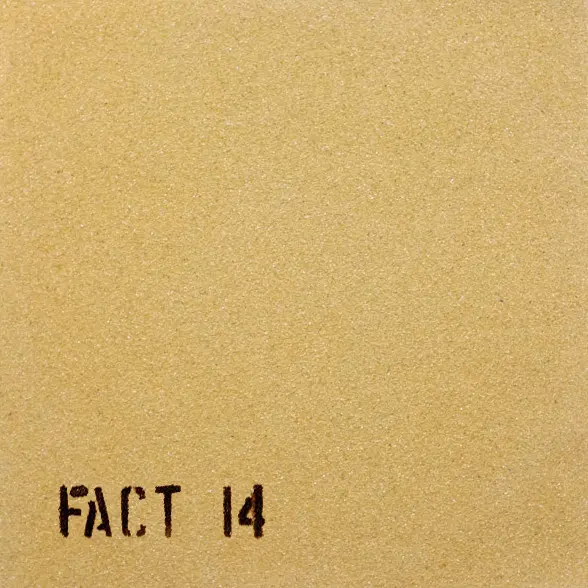 The Durutti Column released their debut album, The Return of The Durutti Column, in January 1980 on Factory Records.
Vini Reilly’s debut under the name contains nine skeletal guitar instrumentals recorded with Crooks and Tomanov.
The Return of The Durutti Column marked a major stylistic departure from Manchester’s post-punk underground. Sparse, melodic, and emotionally reserved, it paved the way for ambient guitar minimalism. The instrumentals, delicate yet unadorned, highlight Reilly’s singular tone, influenced by classical music, flamenco, and introspective jazz phrasing.
A1. “Sketch for Summer” (2:58)
A2. “Requiem for a Father” (5:06)
A3. “Katharine” (5:26)
A4. “Conduct” (4:59)
B1. “Beginning” (1:37)
B2. “Jazz” (1:35)
B3. “Sketch for Winter” (2:22)
B4. “Collette” (2:20)
B5. “In ‘D’” (2:25)
Sessions spanned three days at Cargo Studios in Rochdale with producer Martin Hannett, who mixed the material at 10cc‘s Strawberry Studios in Stockport.
The album is housed in an infamous sandpaper sleeve, inspired by the 1958 art book Mémoires by French Situationist Guy Debord. The abrasive outer layer was meant to damage adjacent records—a conceptual gesture conceived by Factory co-founder Tony Wilson and referencing the band’s revolutionary namesake.
A limited number of early pressings came with a two-track flexi-disc titled Testcard that features two solo electronic sound pieces by Hannett. These were recorded separately and are not considered part of the album proper.
Bonus Flexi – Testcard (by Martin Hannett)
AA1. “The First Aspect of the Same Thing” (3:42)
AA2. “The Second Aspect of the Same Thing” (2:59)
Non-Album Singles (1980–81)
Throughout the early 1980s, The Durutti Column issued several standalone singles—many as region-specific exclusives—offering elegant, self-contained pieces that didn’t appear on the studio albums of the time. These works often found Reilly at his most wistful and romantic, combining his signature guitar minimalism with tender melodies and sparse textures.
“Lips That Would Kiss” / “Madeleine”
Released 1980 on Factory Benelux (FBN 1) – Belgium only
A. “Lips That Would Kiss” – A haunting, slow-burning instrumental built around a plaintive guitar refrain.
B. “Madeleine” – A subdued, melodic companion piece with melancholic undertones.
These two tracks were recorded shortly after The Return of The Durutti Column and foreshadowed the lyrical direction of LC. They later appeared on the LC CD reissue and the Dry compilation.
“Enigma” / “Danny”
Released 1981 on Sordide Sentimental (SS 45005) – France only, limited edition
A. “Enigma” – A delicate sketch of guitar and ambient textures.
B. “Danny” – A drifting, understated track full of soft melodic phrasing.
Released by cult French label Sordide Sentimental as part of their highly curated art editions, this rare single included a booklet and was limited to 2,000 copies.
LC
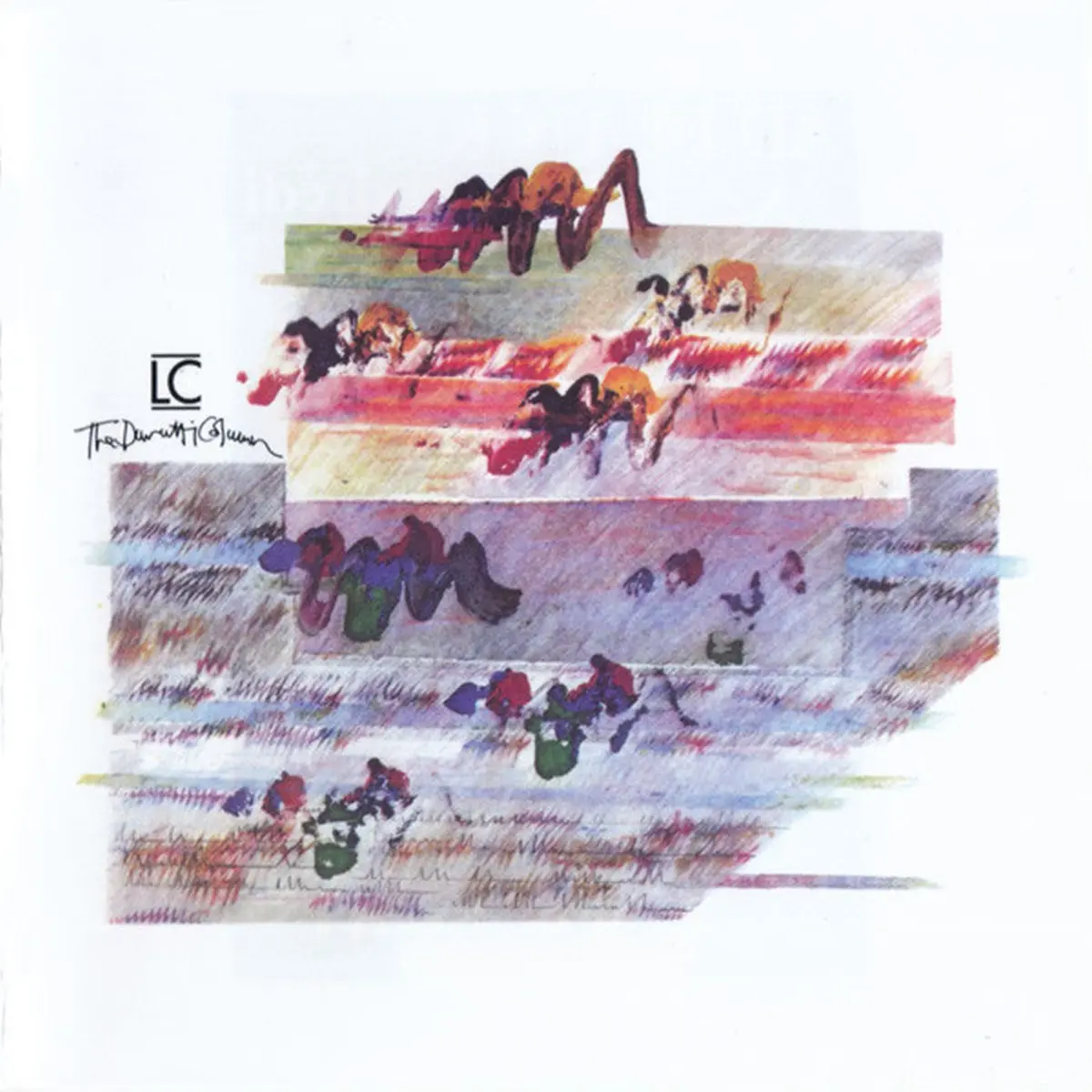 The Durutti Column released their second album, LC, in November 1981 on Factory.
A bold evolution from the minimalist soundscapes of their debut, LC introduces percussionist Bruce Mitchell, who would remain Reilly’s long-term musical partner. Vini Reilly handles all other instrumentation, vocals, and songwriting.
Compared to its austere predecessor, LC embraces richer textures and varied moods. Reilly’s trademark clean-tone guitar glides over subtle percussion and gentle washes of ambient harmony. On select tracks (“Sketch for Dawn (1),” “The Missing Boy”), Reilly adds delicate vocals, blending fragility with poetic introspection. The elegiac “The Missing Boy” stands as a tribute to Joy Division’s Ian Curtis.
A1. “Sketch for Dawn (1)” (5:13)
A2. “Portrait for Frazier” (3:29)
A3. “Jacqueline” (2:15)
A4. “Messidor” (2:30)
A5. “Sketch for Dawn (2)” (4:33)
B1. “Never Known” (6:46)
B2. “The Act Committed” (5:03)
B3. “Detail for Paul” (1:58)
B4. “The Missing Boy” (6:35)
B5. “The Sweet Cheat Gone” (2:48)
Reilly co-produced the album with Stuart “Stew” Pickering at Graveyard Studios in Prestwich. The album came in a full-color sleeve designed by Les Thompson, featuring paintings by Jackie Williams and photography by John Nichols. First pressings included a thick chipboard inner sleeve with separate poly liner for the record.
Deux Triangles (EP)
The third release by The Durutti Column, Deux Triangles, appeared in October 1982 as a 12″ single on Factory Benelux. The single contains two studio tracks recorded a year prior at Revolution Studios in Cheadle Hulme and a third recorded in Brussels at Little Big One Studio. All three pieces exemplify Reilly’s avant-garde, ambient stylings on guitar and piano.
A1. “Favourite Painting” (4:59) – Reilly’s gently spiraling guitar patterns evoke impressionist brushstrokes on this textured opener.
A2. “Zinni” (5:58) – A lyrical reverie in minor tones, co-produced by Stewart Pickering.
B. “Piece for Out of Tune Grande Piano” (12:55) – A lengthy, experimental excursion with sparse piano motifs and ambient drift.
Vini Reilly produced “Favourite Painting and co-produced “Zinni” with Stewart Pickering. Factory Benelux co-founder Michel Duval produced “Piece for Out of Tune Grande Piano.”
The abstract sleeve artwork was painted by Jackie Williams (later Jacqueline Mitchell), wife of longtime drummer Bruce Mitchell. The single was originally intended to include a bonus 7″ with two additional tracks (“Weakness & Fever” and “For Patti”), but they were relegated instead to a separate limited 7″ single.
1982–83 Non-album Singles
“Weakness & Fever” / “For Patti”
Released 1982 on Factory Benelux (FBN 10.1) – Belgium only
A. “Weakness & Fever” – A meditative guitar and keyboard piece with a shadowy, emotional arc.
B. “For Patti” – A brief, glowing instrumental tribute.
These outtakes from the Deux Triangles sessions were intended as a bonus 7″ but eventually released as a standalone limited single, pressed in an edition of roughly 100 copies.
“I Get Along Without You Very Well” / “Prayer”
Released August 1983 on Factory (FAC 64)
A. “I Get Along Without You Very Well” – A stark, poignant interpretation of the Hoagy Carmichael standard, delivered with Reilly’s restrained, aching vocals.
B. “Prayer” – A reissue of the opening track from Another Setting, paired here as a complementary instrumental.
This was the band’s first UK charting single, peaking at #30 on the UK Indie Chart. Reilly’s cover was one of his few forays into the Great American Songbook, earning praise for its sensitivity and restraint.
Another Setting
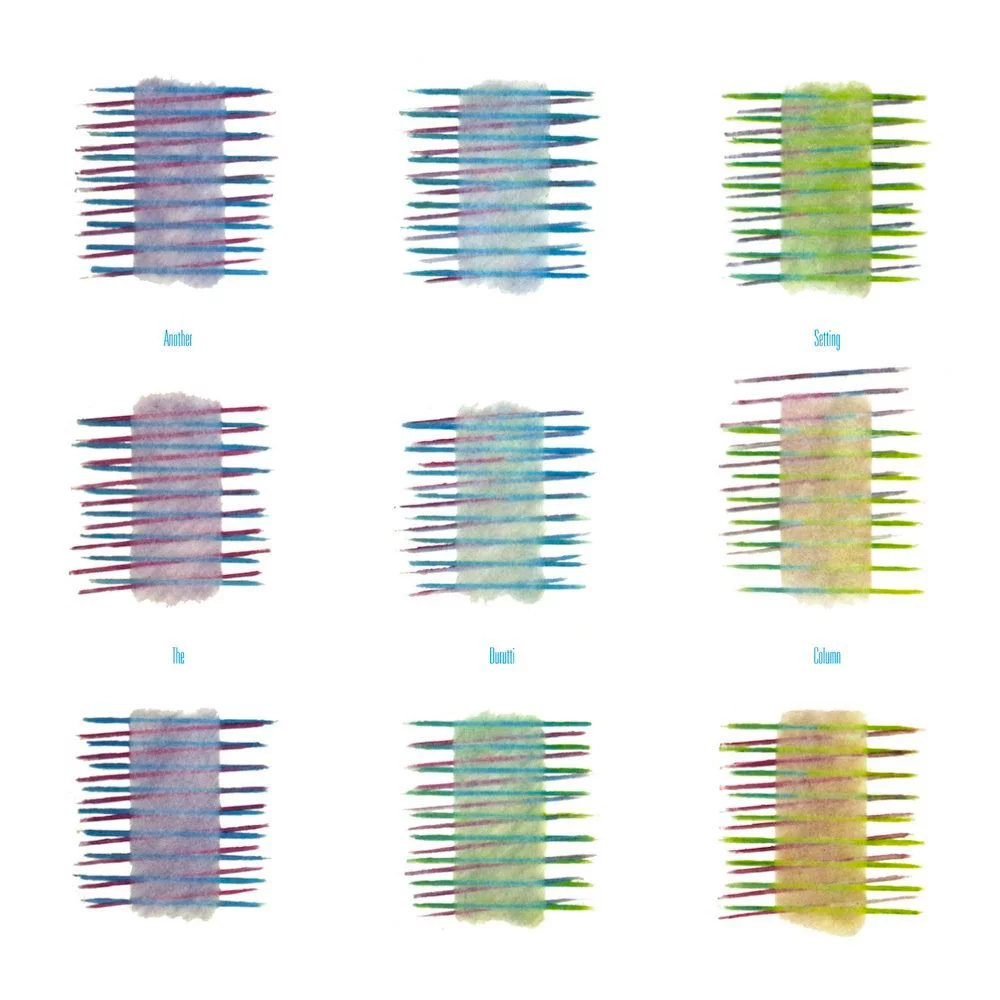 The Durutti Column released their third album, Another Setting, in August 1983 on Factory.
The album marks a further refinement of Durutti Column’s introspective aesthetic. Vini Reilly merges clean-tone guitar lines with melancholic piano themes, ambient textures, and discreet use of trumpet and cor anglais. Bruce Mitchell once again provides understated yet integral percussion.
Another Setting balances concise melodic statements (“Prayer,” “Response”) with longer emotional explorations (“The Beggar,” “Dream of a Child”) and introduces subtle new instrumentation: trumpet by A Certain Ratio’s Simon Topping and cor anglais by Maunagh Fleming.
A1. “Prayer” (3:25)
A2. “Response” (1:30)
A3. “Bordeaux” (3:30)
A4. “For a Western” (2:47)
A5. “The Beggar” (4:55)
A6. “Francesca” (3:00)
B1. “Smile in the Crowd” (5:00)
B2. “You’ve Heard It Before” (4:37)
B3. “Dream of a Child” (5:22)
B4. “Second Family” (2:35)
B5. “Spent Time” (4:28)
Reilly produced the album in December 1982 at Strawberry Studios with Factory in-house engineer Chris Nagle.
Design and packaging continued Factory’s art-forward ethos. The sleeve features paintings and stencil art by Jackie Williams, with a minimalist design by Mark Farrow and photography by Jed Murray. Early pressings include an insert with details of the sessions. “Smile in the Crowd” gained further attention when covered by Depeche Mode’s Martin Gore.
Amigos em Portugal
In December 1983, Durutti Column released Amigos em Portugal, a collection of melodic sketches and contemplative pieces that capture Vini Reilly in an informal, spontaneous mode. laying down melodic sketches and contemplative pieces during a two-day session in Lisbon. Initially intended as an EP, the recordings were expanded into a full album by Portuguese label Fundação Atlântica, who released it as their debut LP.
Side A — subtitled Amigos em Portugal — contains six warm, wistful instrumentals, from the cascading opener “Amigos em Portugal” to the breezy nocturne “Estoril À Noite.” The second side, Dedications For Jacqueline, features more introspective, vignette-like pieces, including the meditative “Wheels Turning,” the minimalist “Games of Rhythm,” and the sweeping closer “To End With.”
A1. “Amigos Em Portugal” (3:57) – A bright, melodic opener with fluid guitar lines that evoke the album’s Iberian atmosphere.
A2. “Menina Ao Pé Duma Piscina” (3:22) – A playful vignette of sun-dappled melodies and gentle phrasing.
A3. “Lisboa” (4:14) – A soft-toned reverie that conjures images of the Portuguese capital’s faded romance.
A4. “Sara E Tristana” (2:58) – Named for two muses, this piece blends delicate motifs in wistful harmony.
A5. “Estoril À Noite” (2:54) – A slow, twilight meditation with cascading guitar textures.
A6. “Vestido Amarrotado” (3:49) – Meaning “Crumpled Dress,” this track weaves mystery through minor arpeggios.
B7. “Wheels Turning” (2:51) – A pensive interlude with a mechanical pulse beneath Vini’s expressive lead work.
B8. “Lies of Mercy” (2:42) – A mournful sketch with understated drama and layered melancholy.
B9. “Saudade” (2:22) – Named after the Portuguese term for longing, this track drifts on aching, unresolved chords.
B10. “Games of Rhythm” (2:04) – A brief, rhythmically complex étude.
B11. “Favourite Descending Intervals” (4:49) – A moody, expansive study of falling motifs and harmonic tension.
B12. “To End With” (1:23) – A gentle farewell in miniature.
Reilly recorded Amigos during a two-day session in Lisbon at Estúdios Valentim de Carvalho with soundmen Tó Pinheiro da Silva and José Valverde. The sleeve features graphics by Carlos Vilela, photography by Miguel Esteves Cardoso, and portraits by Mark Warner. Limited to 4,000 copies, the album includes a folded insert with credits and photos.
Dedications for Japan
In 1984, Durutti Column released Dedications for Japan, a two-song single for that market on Nippon Columbia.
A. “Love Fading” (4:07) – A drifting, reverberant guitar piece with soft ambient textures.
B. “For Noriko” (4:05) – A quiet instrumental lullaby, dedicated to a Japanese contact or fan.
This Japan-exclusive single furthered Vini Reilly’s cult following in East Asia. It remains one of the rarest Durutti Column releases.
Without Mercy
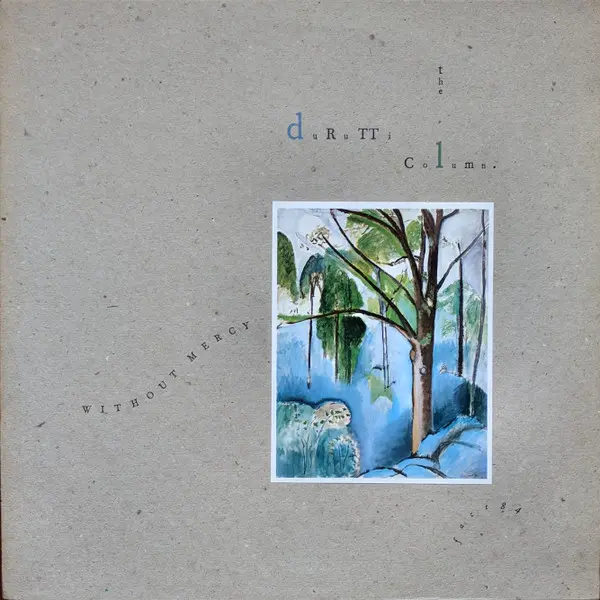 The Durutti Column released their fourth album, Without Mercy, in December 1984 on Factory.
The album reimagines Vini Reilly’s ambient style as a full-scale chamber work, orchestrated with strings, horns, and classical instrumentation in a modernist framework.
The ensemble includes returning percussionist Bruce Mitchell, violinist/violist Blaine Reininger (ex-Tuxedomoon), and trumpet player Tim Kellett (later of Simply Red). Maunagh Fleming (cor anglais, oboe), Caroline Lavelle (cello), Richard Henry (trombone), Mervyn Fletcher (saxophone), and others round out the chamber ensemble.
Structured as two continuous suites—each side a 20-minute instrumental interpretation of Dante Gabriel Rossetti’s poem “Without Mercy”—the album features twelve titled stanzas (six per side), each corresponding to a movement in the composition. Factory label boss Tony Wilson oversaw the album’s conceptual and orchestral direction, helping Reilly expand his musical palette into neoclassical territory.
A1. “Stanzas I to III” (3:40)
A2. “Stanza IV” (4:34)
A3. “Stanzas V to VII” (3:21)
A4. “Stanza VIII” (3:55)
A5. “Stanzas IX to XI” (2:15)
A6. “Stanza XII” (2:15)
B1. “Stanzas I to III” (3:00)
B2. “Stanza IV” (4:00)
B3. “Stanzas V to VIII” (3:00)
B4. “Stanzas IX to XI” (4:00)
B5. “Stanza XII” (4:00)
Produced by Michael Johnson and Wilson, Without Mercy was recorded at Strawberry Studios (Stockport) and mixed at Britannia Row (London).
The packaging reflects the album’s high-art ambition: a rough cardboard sleeve with glued-on panels featuring Henri Matisse’s 1947 paper cut “Icarus.” Design was handled by 8vo, Factory’s in-house modernist design firm. The individual stanzas are printed beneath the attached front panel on the original sleeve.
Without Mercy anticipated the classical-electronic hybrids of post-rock, ambient chamber music, and even neoclassical minimalism.
Say What You Mean, Mean What You Say (EP)
In March 1985, Durutti Column released their first stand-alone EP: Say What You Mean, Mean What You Say. The six tracks expand Vini Reilly’s sparse, contemplative guitar pieces with ambient touches and abrupt mood shifts.
Bookended by miniature cuts, Say What You Mean includes the shimmering melancholia of “The Room,” the romantic flair of “A Little Mercy,” and the slowly unfolding ambient textures of “Silence.”
A1. “Goodbye” (1:50) – A brief melancholic prelude that opens the EP with quiet resignation.
A2. “The Room” (6:00) – A slowly unfolding piece of lyrical guitar interplay and soft dynamics.
A3. “A Little Mercy” (3:37) – Gentle melodic themes foreshadow the upcoming Without Mercy project.
B1. “Silence” (7:44) – The longest cut, a moody, meandering instrumental with space for reflection.
B2. “E. E.” (4:35) – A darker-toned vignette with layered guitar lines and a somber pulse.
B3. “Hello” (1:05) – A short, circular closer that thematically echoes the EP’s opener.
Say What You Mean appeared on Factory as a 12″ 45 RPM record.
Greetings Three (EP)
In January 1986, Durutti Column released Greetings Three, an Italian-only EP on Materiali Sonori, a Florence-based avant-garde label. The EP contains four instrumentals from the Reilly–Mitchell–Metcalfe lineup, blending ambient textures with a Mediterranean atmosphere.
“Florence Sunset” and “San Giovanni Dawn” bookend the set with postcard-like serenity, while “All That Love and Maths Can Do” (written by John Metcalfe) explores lyrical viola phrasing. The closing track, “For Friends in Italy,” expresses gratitude through lush guitar overlays.
A1. “Florence Sunset” (5:50) – A languid, romantic soundscape inspired by the Tuscan twilight.
A2. “All That Love and Maths Can Do” (3:33) – An elegant fusion of delicate phrasing and restrained structure.
B1. “San Giovanni Dawn” (3:55) – A soft instrumental that captures the hush of early morning light.
B2. “For Friends in Italy” (4:35) – A heartfelt, slow-building coda dedicated to the group’s Italian hosts.
Sessions occurred at Crimson Studio in Manchester, where Reilly and Metcalfe co-produced Greetings Three with coordination by Italian producer Giampiero Bigazzi, The EP appeared in a black & white inner sleeve featuring photos by Lucia Baldini. Materiali Sonori issued the title as part of their Greetings series (GRT 3).
Circuses and Bread
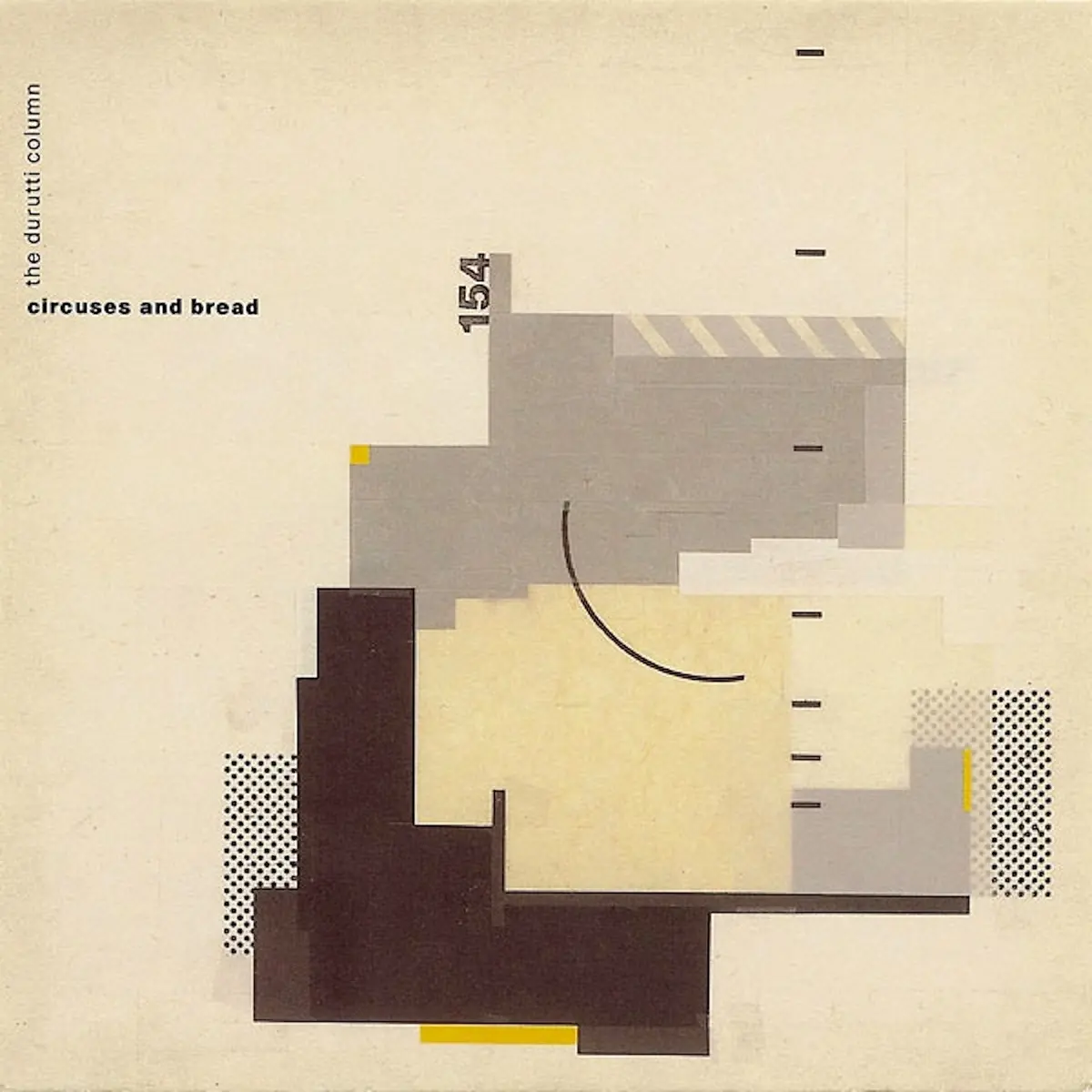 The Durutti Column released their fifth album, Circuses and Bread, in May 1986 on Factory Benelux, the Belgian outpost of Factory Records.
Following the orchestral abstraction of Without Mercy, Vini Reilly returned to his signature style: elegiac guitar instrumentals tinged with melancholy, minimalism, and ambient nuance.
Circuses and Bread has a subtle cinematic quality with hints of world music and minimalist classical forms. Though primarily instrumental, some tracks contain ambient vocal textures or implied narratives. Pieces include the lyrical opener “Pauline,” the two “Dance” themes, and the centerpiece “Blind Elevator Girl – Osaka,” a meditative 10-minute piece of intricate loops and subdued crescendos. Elsewhere, “Royal Infirmary” and “Street Fight” contrast quiet introspection with subdued agitation.
A1. “Pauline” (2:42)
A2. “Tomorrow” (4:03)
A3. “Dance II” (5:37)
A4. “Hilary” (3:13)
A5. “Street Fight” (4:02)
A6. “Royal Infirmary” (4:19)
B1. “Black Horses” (8:36)
B2. “Dance I” (5:01)
B3. “Blind Elevator Girl – Osaka” (10:17)
Sessions occurred at Bovema/EMI Studios. Circuses and Bread appeared in a full-color sleeve designed by Factory’s resident art unit 8vo. The inner sleeve is poly-lined, typical of Factory Benelux pressings.
The Guitar and Other Machines
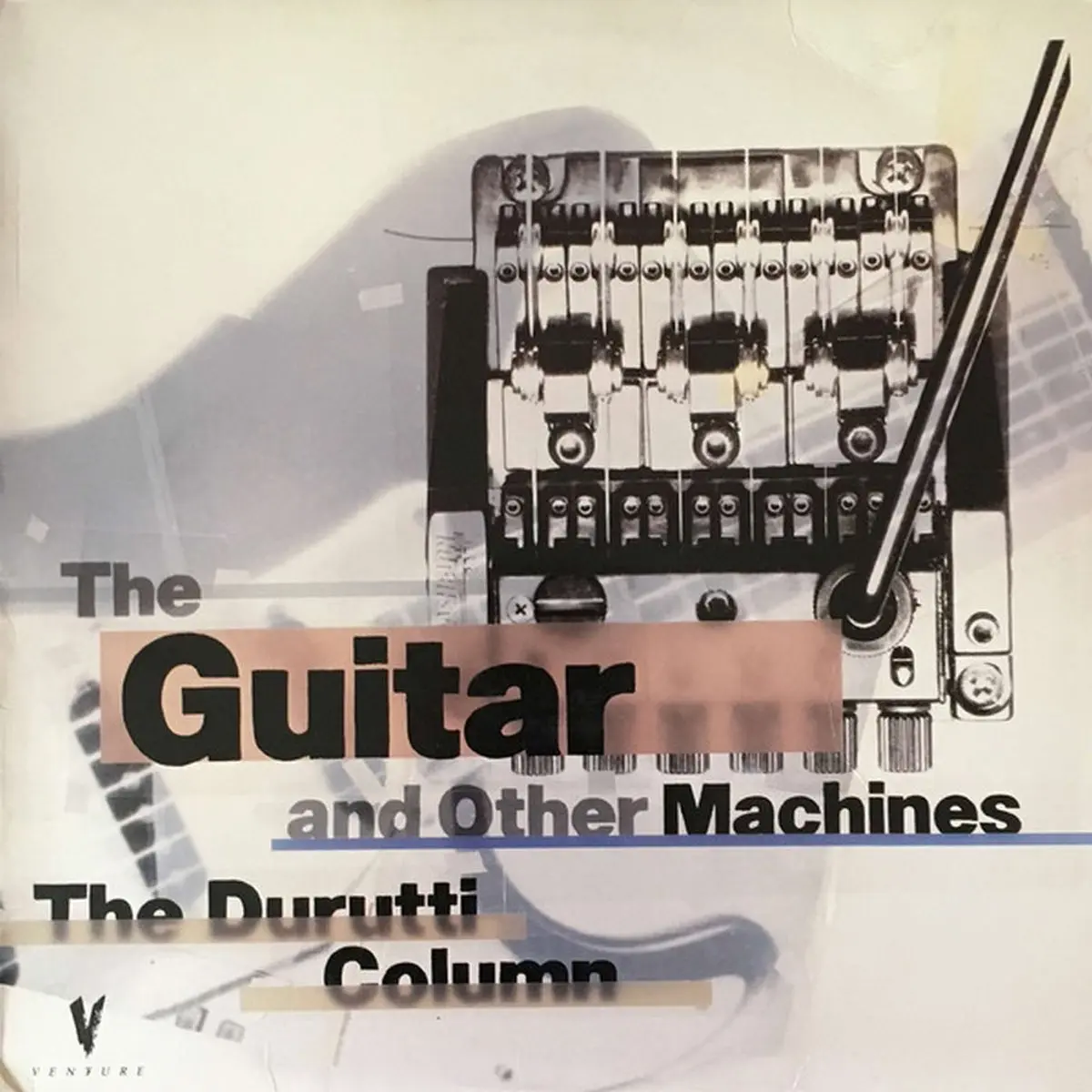 The Durutti Column released their fifth album, The Guitar and Other Machines, in November 1987 on Factory.
The album blends tactile musicianship with increasingly sophisticated studio techniques, marked by Vini Reilly’s luminous guitar lines, sequenced electronics, and acoustic textures.
The Guitar and Other Machines covers ambient, classical, and post-punk aesthetics with subtle forays into electronic programming. The album integrates layered drum machine patterns, sampled sounds, and atmospheric overdubs, but remains anchored by Reilly’s expressive fretwork and minimalist sensibility.
The title nods to Reilly’s evolving approach to composition: an ongoing interplay between live performance and studio programming. Percussionist Bruce Mitchell co-wrote the opener “Arpeggiator,” and violist John Metcalfe composed “When the World,” a piece enriched with trumpet by Tim Kellett. Bassist Stephen Street plays on “English Landscape Tradition,” one of several tracks that balance machine rhythm with human warmth.
Stanton Miranda (Thick Pigeon) and the enigmatic Pol contribute vocals to “Red Shoes,” “Jongleur Grey,” “When the World,” and “Bordeaux Sequence.” Reilly himself sings on select tracks, continuing the shy, understated vocal style first introduced on LC.
A1. “Arpeggiator” (4:03)
A2. “What Is It to Me (Woman)” (3:47)
A3. “Red Shoes” (3:13)
A4. “Jongleur Grey” (2:41)
A5. “When the World” (3:13)
A6. “U.S.P.” (2:22)
B1. “Bordeaux Sequence” (5:50)
B2. “Pol in B” (3:08)
B3. “English Landscape Tradition” (4:48)
B4. “Miss Haymes” (5:14)
B5. “Don’t Think You’re Funny” (1:42)
The album was recorded at Suite Sixteen (Rochdale), Strawberry Studios (Stockport), and Island Studios (Hammersmith), with final mixing at Island. Reilly co-produced the album with engineer Stephen Street. The sleeve was designed by Factory’s visual team 8vo, with monochrome photography by Trevor Key.
Vini Reilly
The Durutti Column released their seventh studio album, Vini Reilly, in March 1989 on Factory Records.
A personal work, the album forms a moody, sprawling suite of minimalist guitar etudes, piano reveries, ambient textures, and fragmented vocal loops. The music is looser and less structured than earlier efforts, yet more exploratory and emotive, resembling a fragmented diary set to ambient guitar and ghostly echoes.
Though largely instrumental, the album features vocal contributions from regular guests Polly Eltes (credited as “Pol”), Rob Gray, and Sola, as well as keyboardist Andy Connell (Swing Out Sister) and violist John Metcalfe. Sampled snippets of Otis Redding, Tracy Chapman, Annie Lennox, and other recognizable voices flicker throughout the mix.
A1. “Love No More” (2:47)
A2. “Pol in G” (2:59)
A3. “Opera I” (2:13)
A4. “People’s Pleasure Park” (4:59) features vocals by Sola.
A5. “Finding the Sea” (9:48) features viola by John Metcalfe and vocals by Sola.
B1. “Otis” (4:17) features keyboards by Andy Connell and vocals by Pol.
B2. “They Work Every Day” (3:57) features vocals by Rob Gray.
B3. “Opera II” (2:58)
B4. “Homage to Catalonia” (2:04)
B5. “Requiem Again” (4:04) features keyboards by Andy Connell.
B6. “My Country” (3:01)
Reilly recorded and mixed the album at his home studio with co-producer Stephen Street.
Despite the lack of a single, the album became one of Factory’s top-selling releases in continental Europe.
Discography:
- The Return of The Durutti Column (1980)
- LC (1981)
- Deux Triangles (EP, 1982)
- Another Setting (1983)
- Amigos em Portugal (1983 • Durutti Column)
- Without Mercy (1984)
- Say What You Mean, Mean What You Say (EP, 1985)
- Greetings Three (EP, 1986)
- Circuses and Bread (1986)
- The Guitar and Other Machines (1987)
- Vini Reilly (1989)
Sources:
Artist/Album Pages:
Other Music was an American mallet ensemble, formed in 1975 in Sausalito. In 1980, they released ...
Jack Hammond is an American jazz-rock guitarist behind the 1980 private-pressed album Open the Doo...
T2 was an English hard-rock/psych trio from London that released the album It'll All Work Out in B...
Flüght was a Mexican symphonic-rock duo of pianist–synthesist Sergio de Labra and classical guitar...
T. Rex was an English rock band best known for the UK hits "Ride a White Swan," "Hot Love," "Teleg...
O'Bryan is an American soul singer who scored an R&B hit with "The Gigolo" from his 1982 debut...
Hanson was a London-based funk band that released the 1973–74 albums Now Hear This and Magic Drago...
Jane Birkin (Dec. 14, 1946 – July 13, 2023) was a French-based chanson-pop singer and actress, ori...
The Stranglers are an English rock band, formed in 1974 by guitarist–singer Hugh Cornwell. They ro...
Kim Wilde (born Nov. 18, 1960) is an English pop and dance singer who shot to fame with "Kids in A...
Van der Graaf Generator are an English rock band, formed at Manchester University in 1967 by singer–...
Voyager was an English art-rock band behind the 1979/80 albums Halfway Hotel and Act of Love on Mo...