

Sadao Watanabe — 渡辺貞夫 (born Feb. 1, 1933) — is a Japanese saxophonist and flutist who emerged as a bandleader in the early 1960s, releasing his first album in 1961 on King Records. During the 1970s, he released more than 25 albums in solo and collaborative form on CBS, East Wind, and other labels.
Background
Watanabe was born in Utsunomiya, Japan, where he took up reeds at age 18 and launched his performing career in 1953. One of his earliest recording credits is the alto saxophone on “There’ll Never Be Another You” from the 1957 King Records release Jazz at the Torys by the Japanese post-bop quartet The Big Four. The following year, he played alto sax and flute on the Victor release On Stage! Big 4 Plus 1 by drummer George Kawaguchi, recorded June 15, 1958, at the Tokyo Video Hall.
In 1960, Watanabe joined the Modern Jazz Playboys and played on their Columbia release Modern Jazz Screen Mood. That same year, he appeared on albums by pianist Masao Yagi (Masao Yagi Plays Thelonious Monk) and bassist Mitsuru Ono (Funky Jam Session).
Watanabe released his first album as a bandleader in 1961 on King Records.
Jazz & Bossa
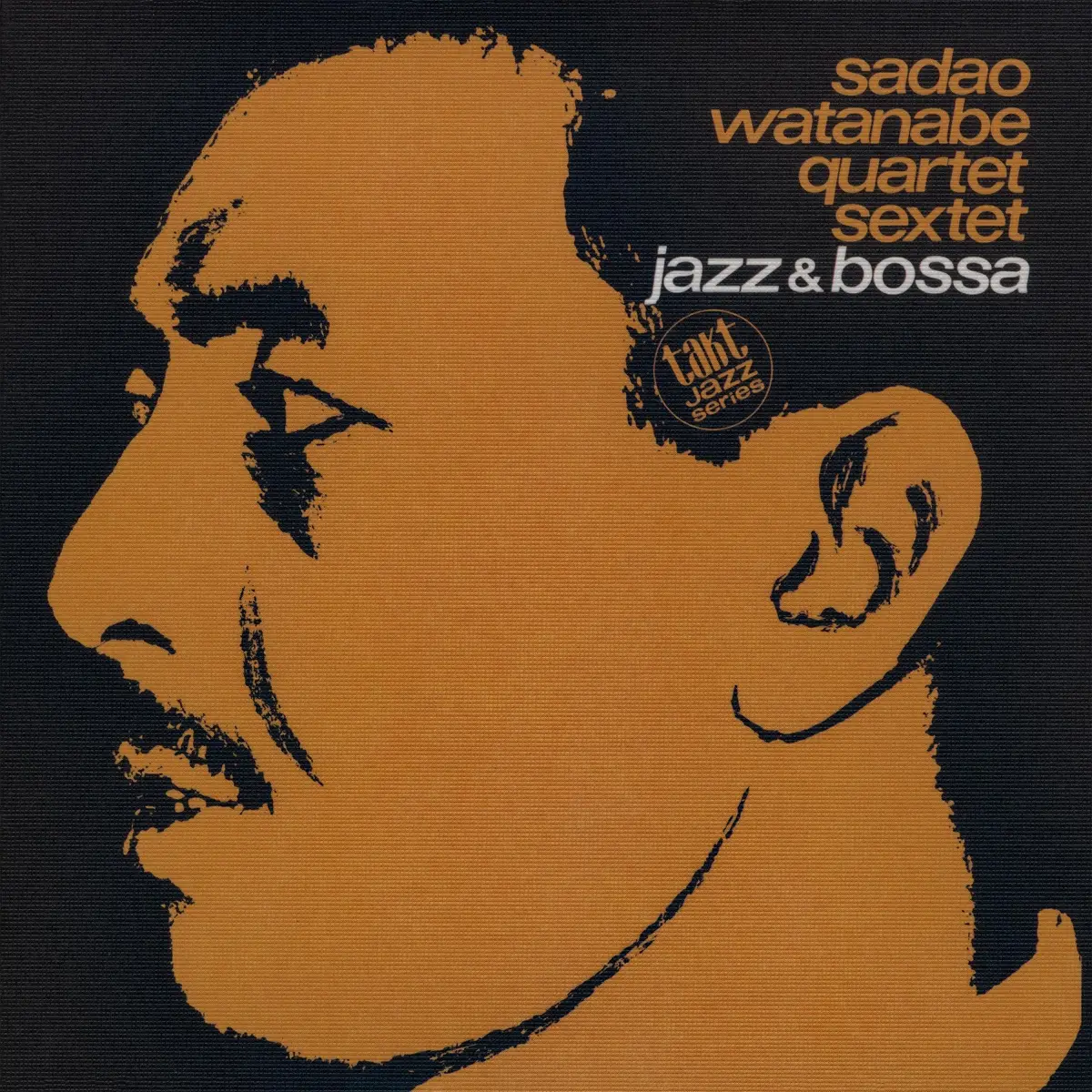 Sadao Watanabe Quartet Sextet released Jazz & Bossa on February 1, 1967, on Takt.
Watanabe plays alto saxophone and flute over Masabumi Kikuchi’s piano. Sadanori Nakamure adds guitar, while Eijiro Hagiwara and Masahiko Togashi hold the rhythm section with Hideo Miyata on cabasa. The program shifts between standards and Brazilian material, with a few originals in the same compact sextet setting.
Side two turns more directly toward the Brazilian book through “Reza,” “Felicidade,” and “Morning of Carnival.”
A1. “America” (3:03)
A2. “Taboo” (7:14)
A3. “In the Wee Small Hours” (2:58)
A4. “I Mean You” (4:37)
B1. “The Theme from ‘Van Music Break’” (1:15)
B2. “Reza” (4:15)
B3. “Song of the Jet” (2:35)
B4. “Felicidade” (1:29)
B5. “Cupid’s Song” (3:10)
B6. “Forgive Me If I’m Late” (3:32)
B7. “Morning of Carnival” (1:59)
Watanabe recorded Jazz & Bossa on November 25 and December 4, 1966. Kikuchi handled piano, Hagiwara took bass, and Togashi played drums. Nakamure added guitar, and Miyata took cabasa.
Bossa Nova ’67
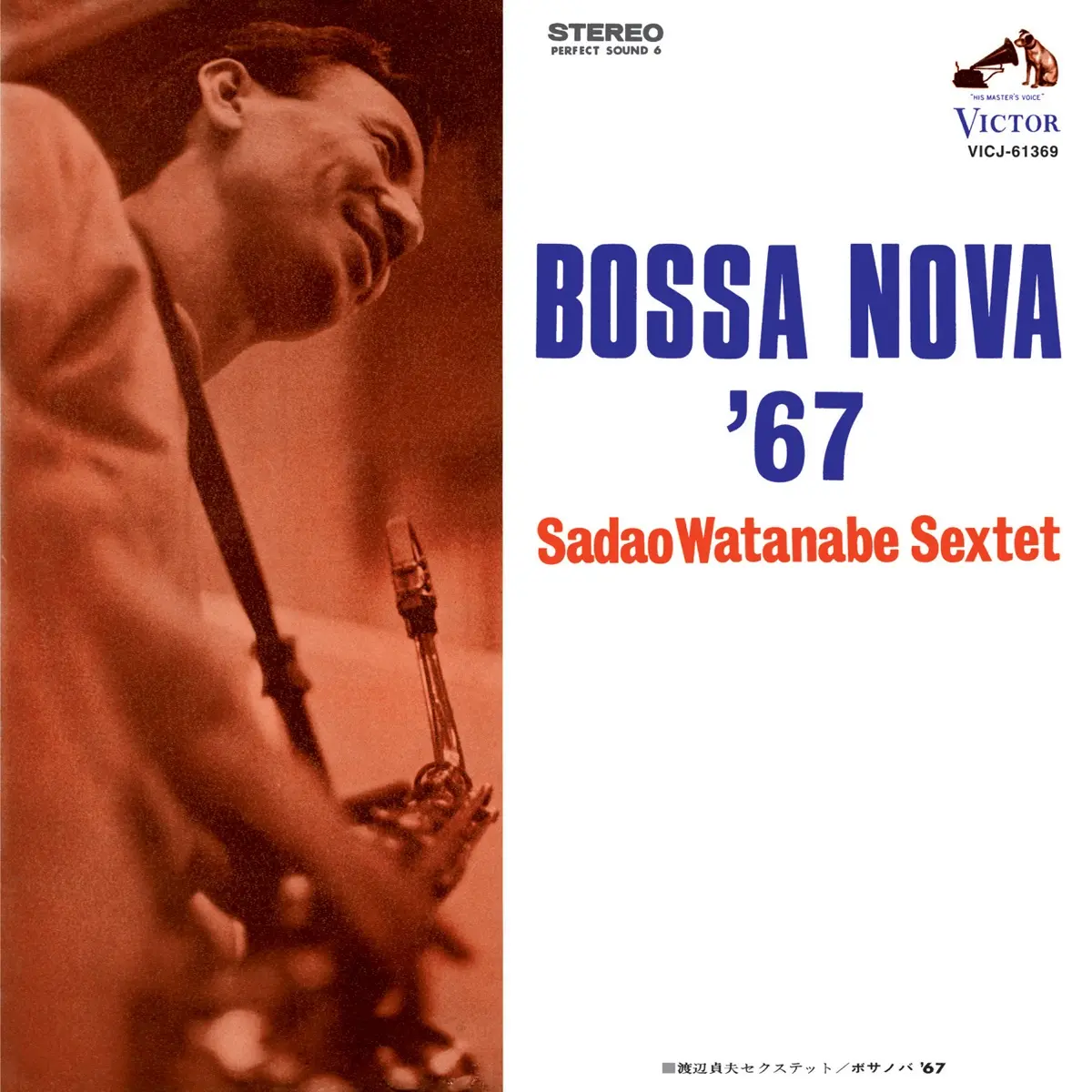 Sadao Watanabe released Bossa Nova ’67 on June 15, 1967, on Victor.
Watanabe returns to the small-group bossa format and adds strings to part of the program. Masabumi Kikuchi takes piano, while Sadanori Nakamure places guitar above Isao Suzuki and Masahiko Togashi in the rhythm section. Hideo Miyata adds cabasa through the set.
Watanabe leads on flute in “The Girl from Ipanema,” “Black Orpheus,” “A Man and a Woman,” and “She’s a Carioca.” He returns to alto on “Meditation,” “O Grande Amor,” “Bonita,” “Dindi,” “Mas Que Nada,” “The Shadow of Your Smile,” “Fly Me to the Moon,” and “So Danço Samba.” Strings enter through much of the first half.
A1. “The Girl from Ipanema” (2:38)
A2. “Meditation” (2:47)
A3. “Black Orpheus” (3:22)
A4. “O Grande Amor” (2:57)
A5. “Bonita” (2:14)
A6. “Dindi” (4:00)
B1. “Mas Que Nada” (2:23)
B2. “The Shadow of Your Smile” (3:08)
B3. “Fly Me to the Moon” (2:18)
B4. “A Man and a Woman” (2:46)
B5. “So Danço Samba” (3:34)
B6. “She’s a Carioca” (3:01)
Watanabe recorded Bossa Nova ’67 on March 8 and March 29, 1967, at Victor Studio in Tokyo. Kikuchi handled piano, Suzuki took bass, and Togashi played drums. Nakamure added guitar, Miyata took cabasa, and strings appear on part of the album.
Bossa Nova Concert
Sadao Watanabe released Bossa Nova Concert in October 1967 on Takt.
Watanabe leads a live sextet on alto saxophone and flute. Masabumi Kikuchi takes piano, while Sadanori Nakamure places guitar over Masanaga Harada and Masahiko Togashi in the rhythm section. Hideo Miyata adds cabasa, and a strings quartet led by Tamae Koh broadens the concert book across Jobim titles, film themes, and pop material.
Watanabe opens on flute with “Felicidade,” then returns to flute for “The Girl from Ipanema,” “Água de Beber,” “Reza,” “Arrastão,” and “Emily.” He takes alto on “White Wave,” “From Russia with Love,” and the closing “So Danço Samba.” “Reza” also adds group scat, while “Corcovado / Felicidade” recalls the opener.
A1. “Opening: Felicidade” (0:52)
A2. “O Grande Amor” (2:25)
A3. “You and I” (3:34)
A4. “Here’s That Rainy Day” (2:54)
A5. “The Girl from Ipanema” (2:26)
A6. “Água de Beber” (1:16)
A7. “Reza” (4:05)
A8. “Arrastão” (2:37)
B1. “White Wave” (3:29)
B2. “Emily” (4:53)
B3. “From Russia with Love” (6:35)
B4. “Corcovado / Felicidade” (3:09)
B5. “So Danço Samba” (4:05)
Watanabe recorded Bossa Nova Concert live on July 4, 1967, at Kosei-Nenkin Kaikan in Tokyo. Kikuchi handled piano, Harada took bass, and Togashi played drums. Nakamure added guitar, Miyata took cabasa, and Tamae Koh led the strings quartet.
Sadao Meets Brazilian Friends
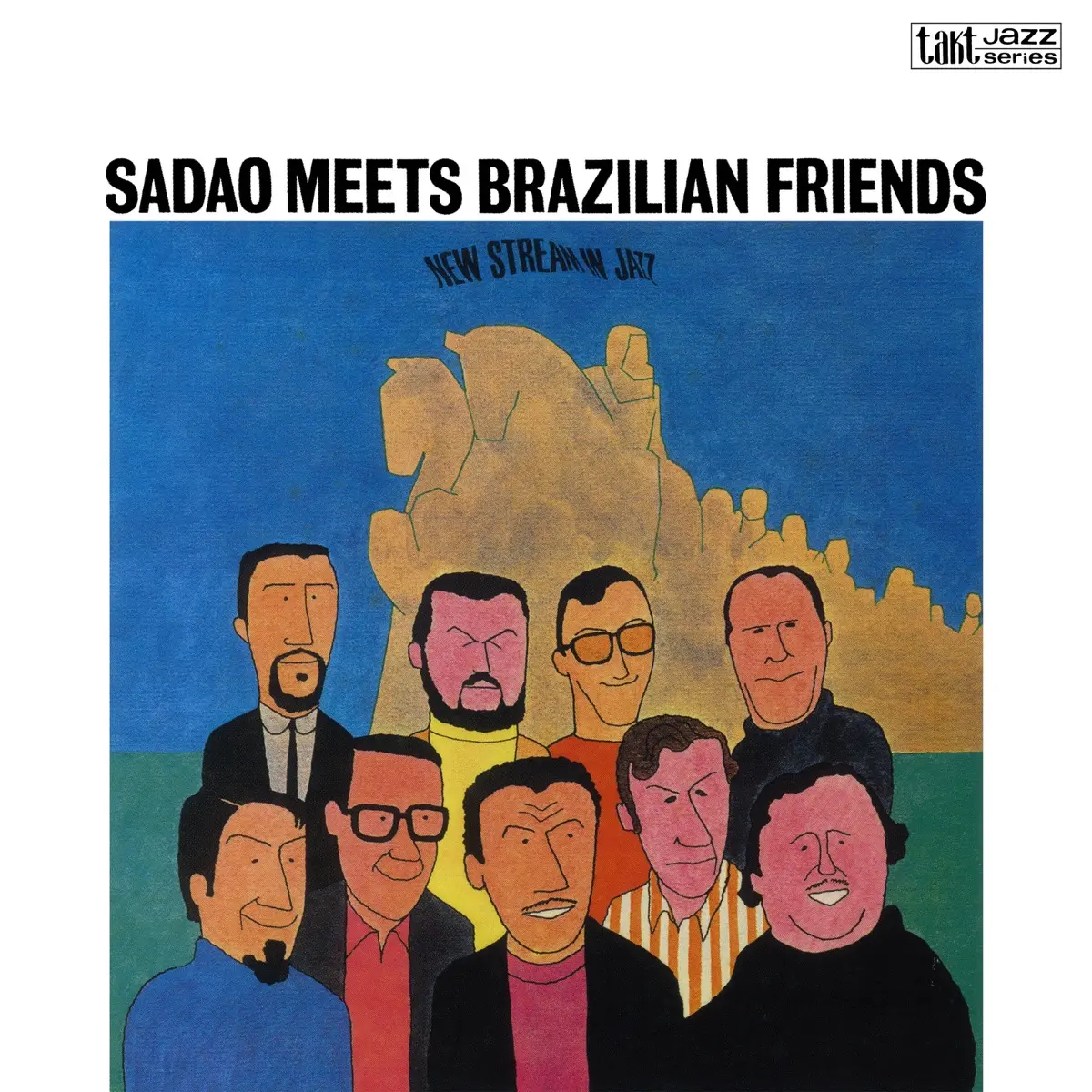 Sadao Watanabe released Sadao Meets Brazilian Friends in November 1968 on Columbia/Takt.
Watanabe cut the album in São Paulo with a local octet. The added horns give the front line a broader profile than the earlier Japanese bossa sessions. Organ, vibraphone, and guitar spread the harmony over bass and drums, which gives the record a fuller group sound.
Watanabe carries most of the program on alto. He switches to flute on “Carolina.” Group chorus enters on “Bim Bom,” “Tristeza,” and “Mostra Morena,” while “Eu e a Brisa” adds scat. The two readings of “Ritmo” and “Muito a Vontade” leave Watanabe outside the texture.
A1. “Bim Bom” (3:18)
A2. “E Nada Mais” (3:02)
A3. “Jequibau (Pretty Butterfly)” (2:11)
A4. “Eu e a Brisa” (2:56)
A5. “Barquinho Diferente” (3:19)
A6. “Ritmo” (1:46)
B1. “Tristeza” (2:23)
B2. “Carolina” (3:19)
B3. “Bossa na Praia” (5:43)
B4. “Mostra Morena” (3:16)
B5. “Muito a Vontade” (3:31)
B6. “Ritmo” (2:10)
Watanabe recorded Sadao Meets Brazilian Friends on July 15, 1968, in São Paulo. The group included José Ferreira Godinho Filho, Carlos Alberto Alcantara, Waldir De Barros, Aparecido Bianchi, João Carlos Pegorro, Olmir Seocaer, Mathias Da Silva Matos, and Douglas De Oliveira.
Dedicated to Charlie Parker
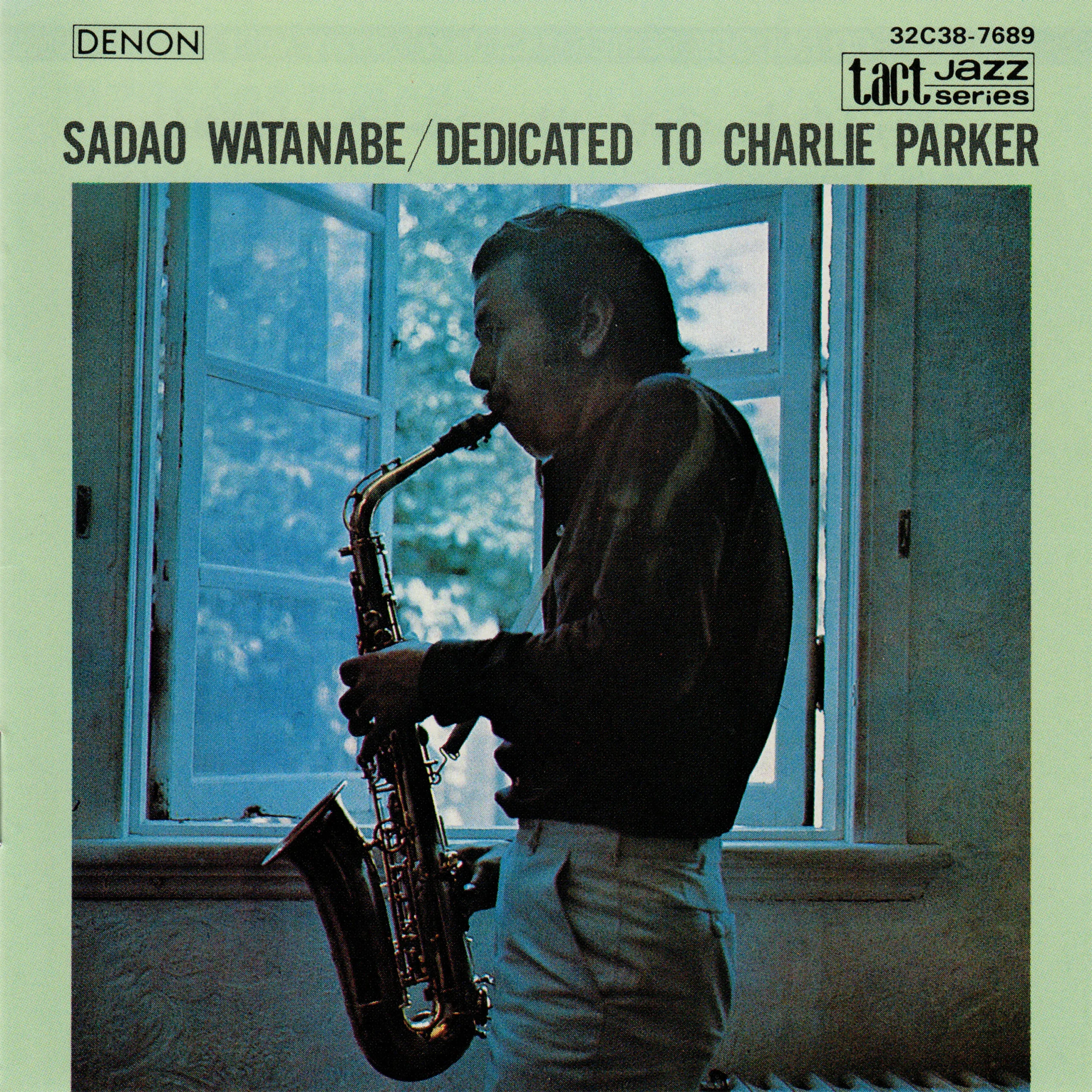 Sadao Watanabe released Dedicated to Charlie Parker on September 20, 1969, on Takt.
Watanabe reduces the setting to an alto-led quartet with Kazuo Yashiro, Masanaga Harada, and Fumio Watanabe. The memorial program places Parker titles beside standards from his repertory, then brings in guest trumpeter Terumasa Hino for one feature.
“Parker’s Mood” and “A Song for Bird” fill side one. “I Can’t Get Started” leaves Watanabe with the trio alone. Hino enters only on “Au Privave.”
A1. “Parker’s Mood” (8:43)
A2. “A Song for Bird” (6:50)
A3. “Everything Happens to Me” (4:01)
B1. “I Can’t Get Started” (5:33)
B2. “Au Privave” (10:10)
B3. “If I Should Lose You” (4:28)
Watanabe recorded Dedicated to Charlie Parker live on March 15, 1969, at Yamaha Hall in Tokyo. Yashiro handled piano, Harada took bass, and Fumio Watanabe played drums. Hino appears on trumpet for “Au Privave.”
Pastoral
Sadao Watanabe released Pastoral on October 21, 1969, on CBS/Sony.
Watanabe turns toward a more electric texture on Pastoral. Yoshiaki Masuo adds guitar, while Hiroshi Matsumoto places vibraphone beside Kazuo Yashiro’s piano. Yoshio Suzuki and Fumio Watanabe hold the lower half, and Masahiro Tanaka with Chiyoshige Matsubara add French horns above Watanabe’s alto, flute, and sopranino.
Watanabe sets sopranino against the larger group on the title track. “Tokyo Suite: Sunrise / Sunset” divides its two halves between sopranino and flute. “Someday in Suburbs” cuts the texture down to flute and guitar, while “Ritmo Saboroso” closes with samba rhythm.
A1. “Pastoral” (10:53)
A2. “Bridge” (0:52)
A3. “Tokyo Suite: Sunrise / Sunset” (13:55)
B1. “Gary, Outro Samba” (4:10)
B2. “Someday in Suburbs” (1:57)
B3. “Fandango” (12:21)
B4. “Closing Theme from ‘Kin-Kira-Kin’” (1:48)
B5. “Ritmo Saboroso” (1:01)
Watanabe recorded Pastoral on June 24 and July 8, 1969, at Toshi Center Hall in Tokyo. Yashiro handled piano, Masuo took guitar, and Matsumoto played vibraphone. Suzuki took bass, Fumio Watanabe played drums, and Tanaka with Matsubara added French horns.
Collaboration
Masabumi Kikuchi Sextet With Sadao Watanabe Quartet released Collaboration in 1971 on Philips.
The sessions bring Kikuchi’s sextet together with Watanabe’s quartet. Watanabe shifts from alto to soprano and sopranino saxophone. Kikuchi adds organ and electric piano, while the added bassists and drummers give the record more weight than the smaller-group albums around it.
Most of the program comes from Kikuchi. Yoshiaki Masuo contributes “Up Tight,” and Watanabe adds “So Por Voci.” The sequence runs across ten titles and closes with an alternate take of “Thanatos.”
A1. “Illusion”
A2. “Thanatos”
B1. “Up Tight”
B2. “So Por Voci”
B3. “Lunar Eclipse”
C1. “Hiro”
C2. “Drizzling Rain”
D1. “Microcosm I”
D2. “Without Lullaby”
D3. “Thanatos – Take 1”
The combined groups recorded Collaboration on October 8, 13, and November 14, 1970, at Nippon Phonogram.
My Romance – Sadao Plays Ballads
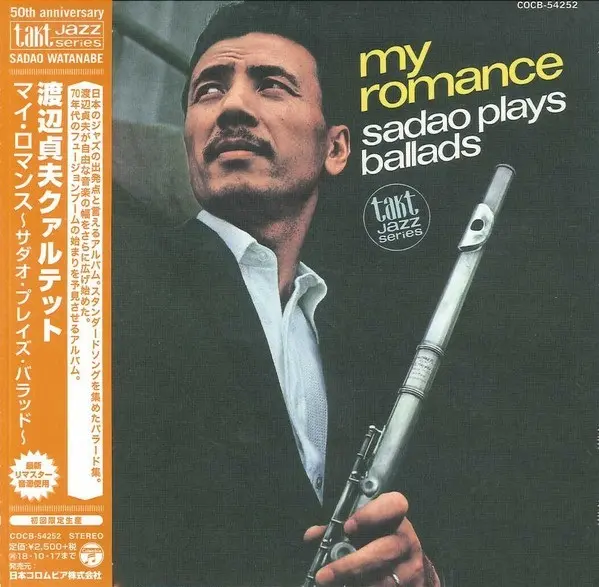 Sadao Watanabe released My Romance – Sadao Plays Ballads in 1967 on Takt.
Watanabe plays alto saxophone and flute over Masabumi Kikuchi’s piano. Masanaga Harada and Masahiko Togashi hold the rhythm section, and Tamae Koh Strings broaden the backdrop. The program stays with standards and ballads from the American songbook, which pushes Watanabe toward held tones, pause, and phrase shape.
The set runs through thirteen songs. “They Say It’s Wonderful” and “My Romance” open side one, while “Spring Is Here,” “I Thought About You,” and “Old Folks” close side two.
A1. “They Say It’s Wonderful”
A2. “My Romance”
A3. “Sometimes I Feel Like a Motherless Child”
A4. “Once Upon a Summertime”
A5. “A Nightingale Sang in Berkeley Square”
A6. “It’s Easy to Remember”
B1. “Here’s That Rainy Day”
B2. “Little Girl Blue”
B3. “My Foolish Heart”
B4. “That’s All”
B5. “Spring Is Here”
B6. “I Thought About You”
B7. “Old Folks”
Watanabe recorded My Romance – Sadao Plays Ballads on April 25 and May 9, 1967. Kikuchi handled piano, Harada took bass, and Togashi played drums. Tamae Koh Strings appear across the album.
Round Trip
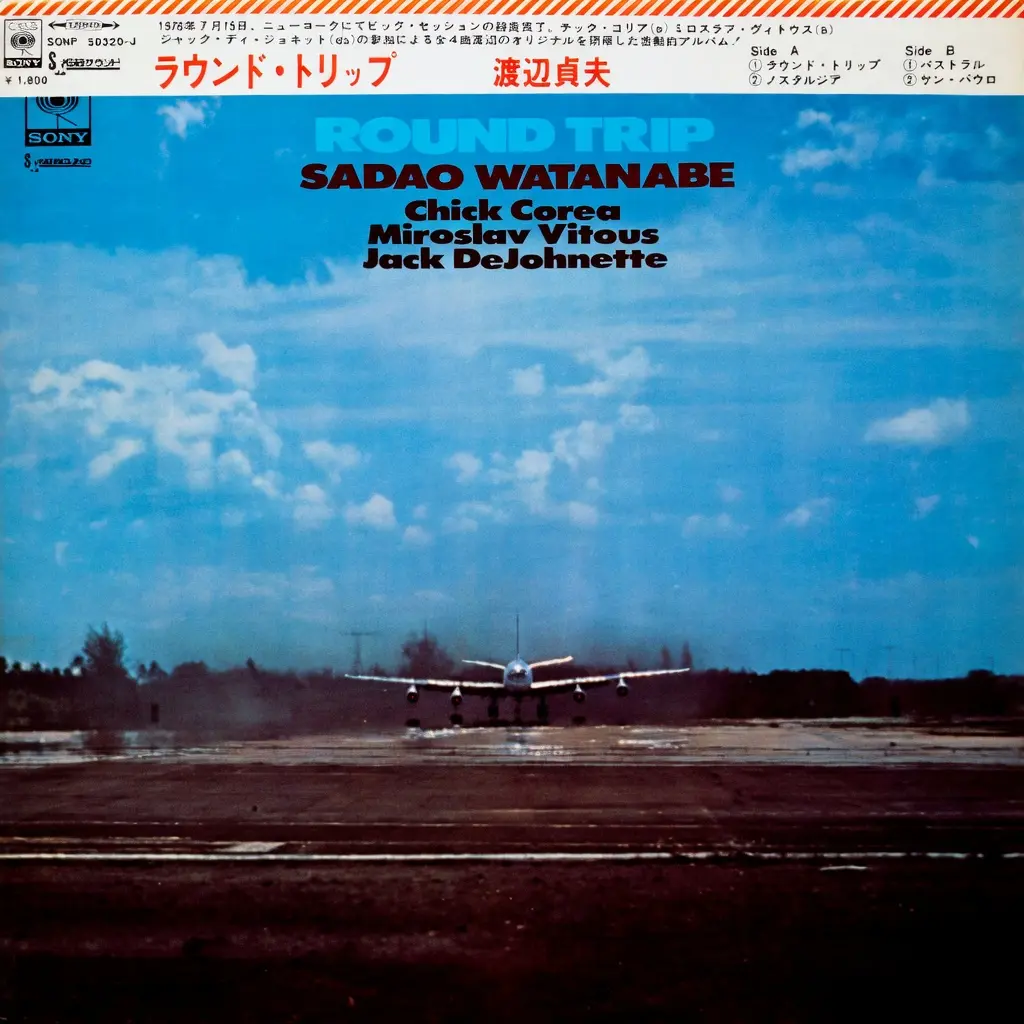 Sadao Watanabe released Round Trip on October 21, 1970, on CBS/Sony.
Watanabe reduces the group to four players on Round Trip. Chick Corea handles acoustic piano and electric piano, while Miroslav Vitouš and Jack DeJohnette open the rhythm section for longer solos and wider turns. The small lineup gives the record a tight core, but the title suite and “Pastoral” stretch the album to a larger span.
All four titles come from Watanabe, with Yoshiaki Masuo sharing the writing credit on “Round Trip: Going & Coming.” Side one rests on the title work and “Nostalgia.” Side two holds “Pastoral” and “Sao Paulo,” with Ulpio Minucci added on piano for the closer.
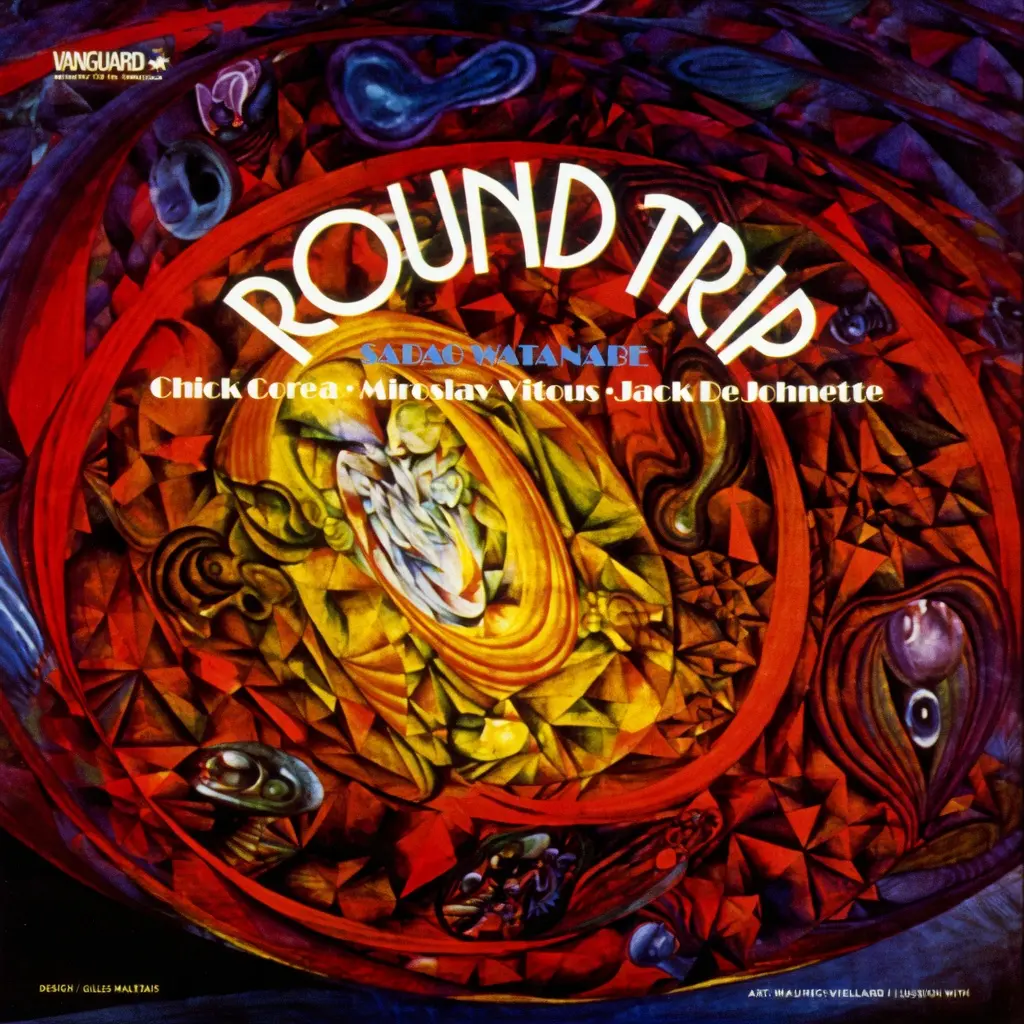 A1. “Round Trip: Going & Coming” (20:02) — Watanabe, Yoshiaki Masuo
A2. “Nostalgia” (5:52)
B1. “Pastoral” (14:45)
B2. “Sao Paulo” (7:36)
Watanabe recorded Round Trip on July 15, 1970, at Allegro Sound Studio in New York. Corea handled piano, Vitouš took bass, and DeJohnette played drums. Ulpio Minucci added piano on “Sao Paulo.”
Paysages
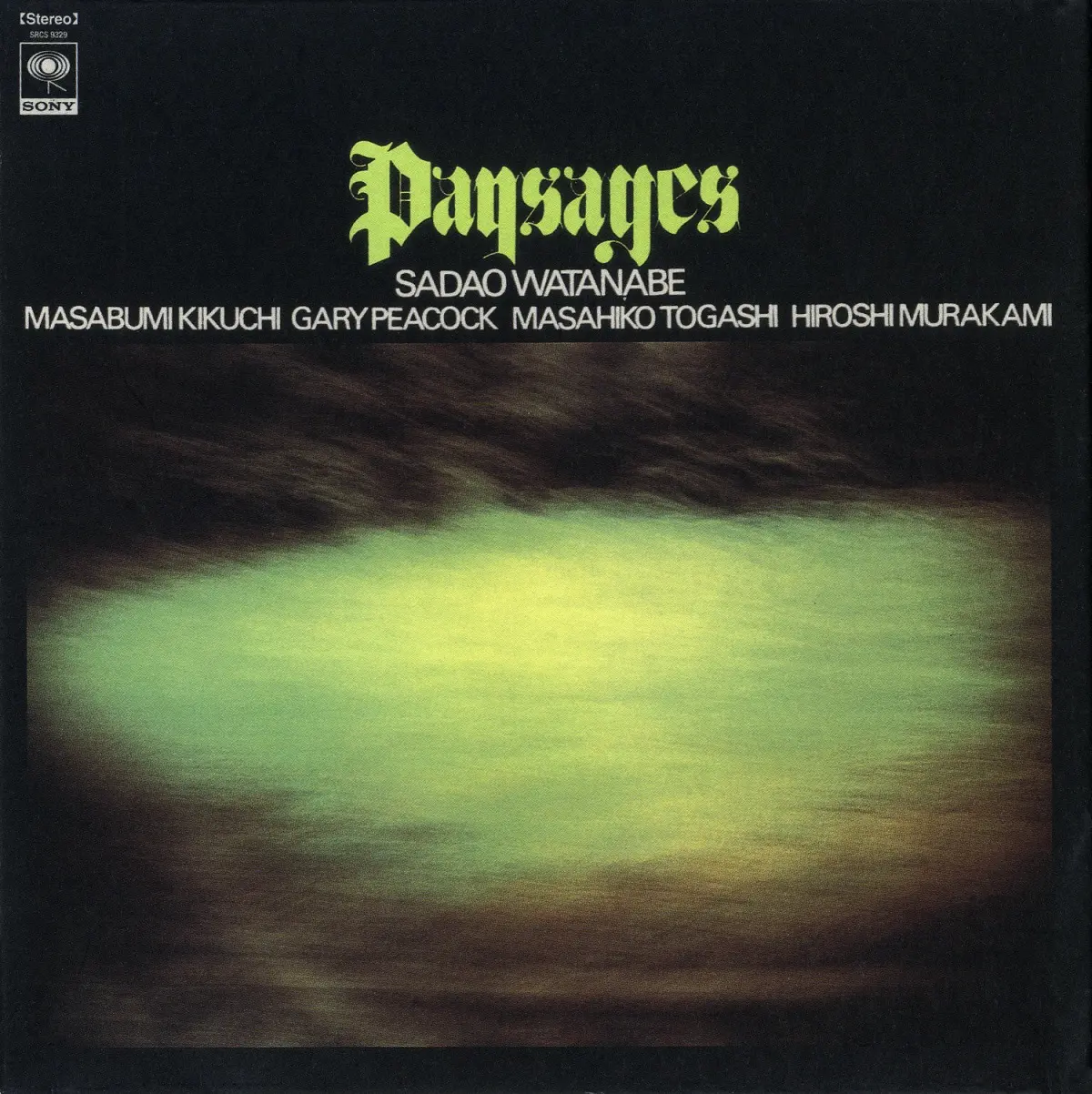 Sadao Watanabe released Paysages on September 21, 1971, on CBS/Sony.
Watanabe shifts among alto saxophone, flute, and sopranino in a quintet with Masabumi Kikuchi, Gary Peacock, Masahiko Togashi, and Hiroshi Murakami. Kikuchi moves between acoustic piano and electric piano. Peacock anchors the bass role, while Togashi and Murakami widen the rhythmic field.
A1. “Paysages Part 1 & 2” (10:52)
A2. “Out-Land” (11:12)
B1. “Space Is Not a Place” (12:58)
B2. “Green Air” (5:00)
B3. “Provincial” (4:51)
Watanabe recorded Paysages on June 22, 1971, at CBS/Sony 1st Studio in Tokyo. Kikuchi handled piano, Peacock took bass, and Togashi played drums. Murakami also appears on drums.
At Montreux Jazz Festival
Sadao Watanabe released At Montreux Jazz Festival in 1971 on CBS/Sony.
Watanabe leads a live quartet with Yoshiaki Masuo, Yoshio Suzuki, and Hiro Tsunoda. He shifts among alto, flute, and sopranino, while Masuo adds guitar over Suzuki’s bass and Tsunoda’s drums. The set favors extended performance, with one full side given to the title suite.
A1. “Round Trip: Going & Coming” (22:38) — Watanabe, Yoshiaki Masuo
B1. “Lament” (10:40) — J. J. Johnson
B2. “Tokyo Suite: Sunset” (11:50)
B3. “Pastoral – Theme” (2:21)
Watanabe recorded At Montreux Jazz Festival live on June 18, 1970, at Casino de Montreux in Switzerland. Jean-Claude Martin and Pierre Grandjean handled the recording. Kennichi Handa completed the remix and edit, and Mitsuru Yamada designed the album.
Sadao Watanabe
Sadao Watanabe released his self-titled album in 1972 on CBS/Sony.
Watanabe expands the group on Sadao Watanabe with Hiroshi Fukumura on trombone and Masayuki Takayanagi on guitar. Fumio Itabashi takes electric piano, while Mitsuaki Furuno and Arihide Kurata hold the lower half. Watanabe also adds percussion, and the African-titled program places more weight on rhythm than the earlier studio records.
A1. “Sasa” (1:43)
A2. “Mtoto” (6:58)
A3. “Mtelenko” (7:41)
A4. “Poromoko La Maji” (7:43)
B1. “Kijiji” (3:05)
B2. “Barabara” (9:53)
B3. “Mombasa” (3:10)
B4. “Upepo” (1:51)
B5. “Umeme” (6:02)
Watanabe recorded Sadao Watanabe on February 24, 1972, at Iino Hall. Fukumura handled trombone, Itabashi took electric piano, and Takayanagi added guitar. Furuno took bass, Kurata played drums, and Watanabe drew part of the album’s concept from his first Kenyan trip.
Meets Inter-African Theater Group
Sadao Watanabe issued Kenya Ya Africa, credited to Sadao Watanabe Meets Inter-African Theatre Group, in 1973 on CBS/Sony.
Watanabe leads on alto saxophone, flute, and sopranino. Takehiro Honda handles electric piano, while Yoshio Suzuki shifts between bass and electric bass over Fumio Watanabe’s drums. Inter-African Theatre Group enlarges the program across thirteen pieces that range from short statements to longer title works.
Side one strings together seven brief pieces before the title track. Side two opens with “Pembe Za Watanabe” and runs through “Mbali Africa.”
A1. “Poem” (1:32)
A2. “Kamsabela Kinge” (1:46)
A3. “Mwana Mberi” (5:07)
A4. “1st Movement” (5:02)
A5. “Khina Lwango Lelo” (2:42)
A6. “Ndobio” (1:44)
A7. “Lona Masole” (2:11)
A8. “Kenya Ya Africa” (6:34)
B1. “Pembe Za Watanabe” (6:03)
B2. “Makanju” (5:51)
B3. “Harambee” (5:12)
B4. “Shosholoza” (3:27)
B5. “Mbali Africa” (3:53)
Watanabe recorded Kenya Ya Africa live on September 20, 1973, at Iino Hall in Tokyo. Honda handled electric piano, Suzuki took bass and electric bass, and Fumio Watanabe played drums. Inter-African Theatre Group joined the performance.
Open Road
 Sadao Watanabe released Open Road in 1973 on CBS/Sony.
Watanabe leads on alto saxophone, flute, and sopranino against an enlarged front line. Shunzo Ohno joins on trumpet. Hiroshi Fukumura takes trombone beside Kohsuke Mine on tenor saxophone. Takehiro Honda alternates piano with electric piano, while Yoshio Suzuki and Fumio Watanabe anchor the rhythm section. Yuji Imamura adds percussion, and strings broaden the concert scale.
The first two sides carry eight originals, with “Jua Song” and “Tanza Frills” taking the longest span before the break. Disc two opens with “Echo” and “Kaleidoscope,” then closes with “Open Road” and “Felicidade-O Nosso Amor.”
A1. “Birds” (5:02)
A2. “Morning” (6:00)
A3. “Pastel Morning” (6:55)
A4. “Rock Dove” (4:03)
A5. “Flowing” (2:58)
A6. “Intersection” (5:00)
B1. “Jua Song” (10:48)
B2. “Tanza Frills” (14:13)
C1. “Echo” (10:10)
C2. “Kaleidoscope” (7:41)
D1. “Love Song” (11:05)
D2. “Open Road” (11:14)
D3. “Felicidade-O Nosso Amor” (7:29)
Watanabe recorded Open Road live on May 2, 1973, at Hibiya Kohkaido. Ohno handled trumpet, Fukumura took trombone, and Mine added tenor saxophone. Honda handled piano and electric piano, Suzuki took bass, and Fumio Watanabe played drums. Imamura added percussion, and strings appear across the concert.
Mbali Africa
Sadao Watanabe released Mbali Africa on November 21, 1974, on CBS/Sony.
Watanabe expands the live group again. Terumasa Hino brings trumpet and flugelhorn. Hideo Miyata takes tenor saxophone, while Kazumi Watanabe adds guitar over a larger rhythm section. Watanabe also adds percussion and shifts from alto to flute and sopranino across thirteen African-titled pieces.
The first disc runs from “Ita (Calling)” through “Tanzania Yako.” Disc two opens with “Tanu Song,” then turns to “Masai Song / Masai Steppe” and “Tanzania E / Funky Tanzanian.” The encore returns to “Tanzania E.”
A1. “Ita (Calling)” (8:37)
A2. “Bahari Pwani (Bahari Beach)” (7:33)
A3. “Jambo Bwana” (9:32)
B1. “Afro Talk” (10:20)
B2. “Hip Walk” (8:48)
B3. “Tanzania Yako” (4:58)
C1. “Tanu Song” (3:20)
C2. “Masai Song / Masai Steppe” (11:44)
C3. “Tanzania E / Funky Tanzanian” (7:26)
D1. “Saba Saba” (5:47)
D2. “Habari Yako” (6:49)
D3. “Mbali Africa” (3:38)
D4. “Encore: Tanzania E” (7:11)
Watanabe recorded Mbali Africa live on September 20, 1974, at Yubin-Chokin Hall. Hino handled trumpet and flugelhorn, Miyata took tenor saxophone, and Takehiro Honda added keyboards. Kazumi Watanabe took guitar, Isao Suzuki and Akira Okazawa handled bass, and Motohiko Hino with Masahiko Togashi covered drums and percussion.
Sadao Watanabe at Pit Inn
Sadao Watanabe released At Pit Inn on March 21, 1975, on CBS/Sony.
Watanabe narrows the setting to alto saxophone with Cedar Walton, Sam Jones, and Billy Higgins. The program leaves the African concert book behind and turns toward standards, bebop material, and Jones’s “Blues for Amos.”
A1. “Body and Soul”
A2. “Softly, As in a Morning Sunrise”
B1. “Blues for Amos”
B2. “Oleo”
B3. “Blue Monk” – Thelonious Monk
Watanabe recorded At Pit Inn live on December 24, 1974, at Pit Inn in Shinjuku. Walton handled piano, Jones took bass, and Higgins played drums.
Swiss Air
Sadao Watanabe released Swiss Air in 1975 on CBS/Sony.
Watanabe cuts the group back to a quartet with Takehiro Honda, Osamu Kawakami, and Shinji Mori. He shifts among alto, flute, and sopranino, while Honda, Kawakami, and Mori hold the setting to acoustic piano trio terms. The smaller group narrows the scale after Mbali Africa but leaves room for long pieces.
A1. “Masai Steppe” (13:06)
A2. “Tanzania E” (9:51)
B1. “Sway” (10:25)
B2. “Way” (9:16)
B3. “Pagamoyo” (3:30)
Watanabe recorded Swiss Air live on July 18, 1975, at the Montreux Jazz Festival in Switzerland. Honda handled piano, Kawakami took bass, and Mori played drums.
Pamoja
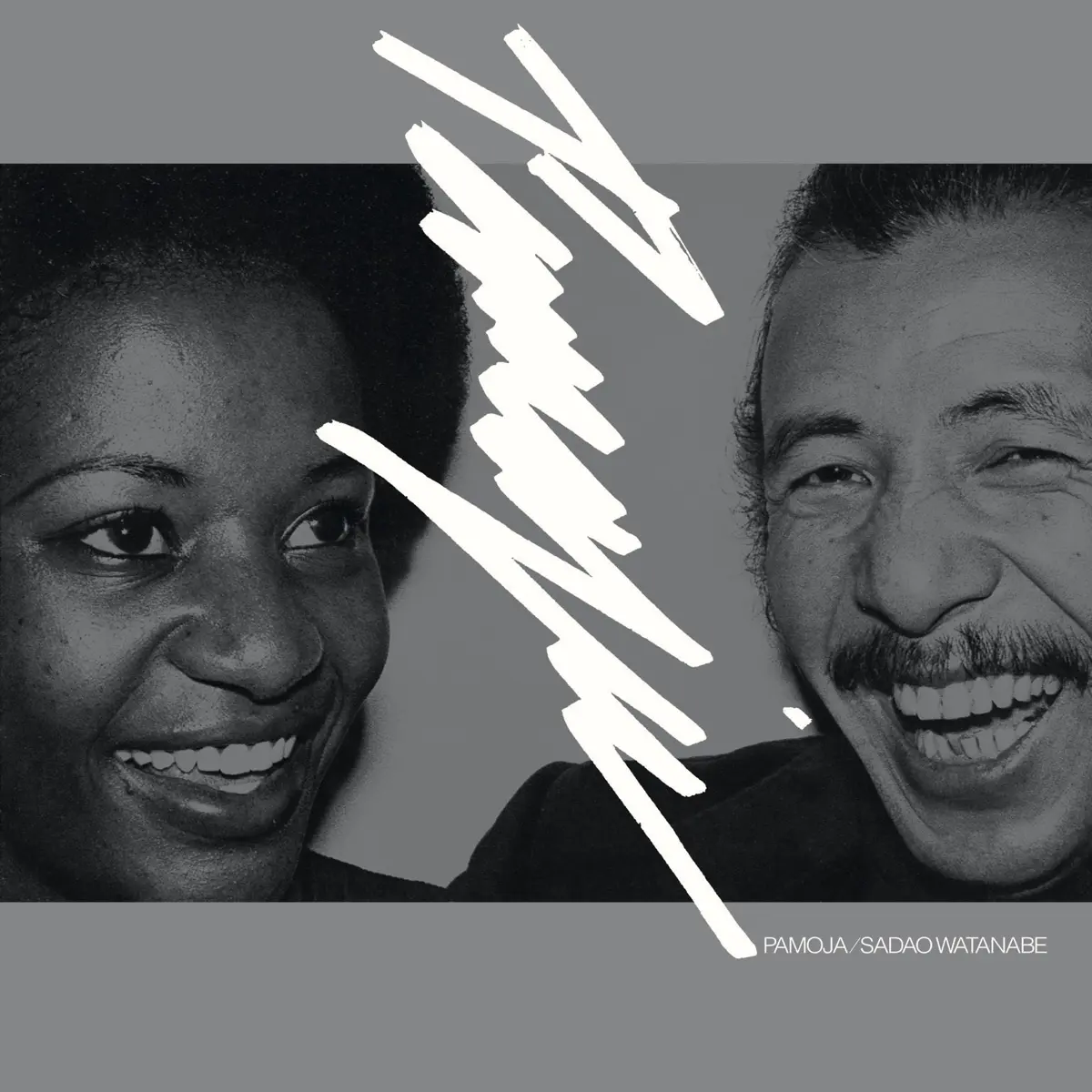 Sadao Watanabe released Pamoja in 1976 on East Wind.
Watanabe enlarges the live group but holds the set to four long performances. Hiroshi Fukumura takes trombone beside Yoshiaki Masuo on guitar. Takehiro Honda handles piano. Isao Suzuki anchors the bass role, while Hiroshi Murakami and Masahiko Togashi share the rhythm duties. Watanabe carries alto saxophone and flute through the set.
“Vichakani” opens at 15:35. “Musitoni” follows on side one, then the title piece fills most of side two before “Ev’rytime We Say Goodbye” closes the album.
A1. “Vichakani” (15:35)
A2. “Musitoni” (9:16)
B1. “Pamoja” (14:31)
B2. “Ev’rytime We Say Goodbye” (8:35)
Watanabe recorded Pamoja live on October 27, 1975, at Yomiuri Hall. Fukumura handled trombone, Masuo took guitar, and Honda played piano. Suzuki took bass, Murakami played drums, and Togashi added percussion.
I’m Old Fashioned
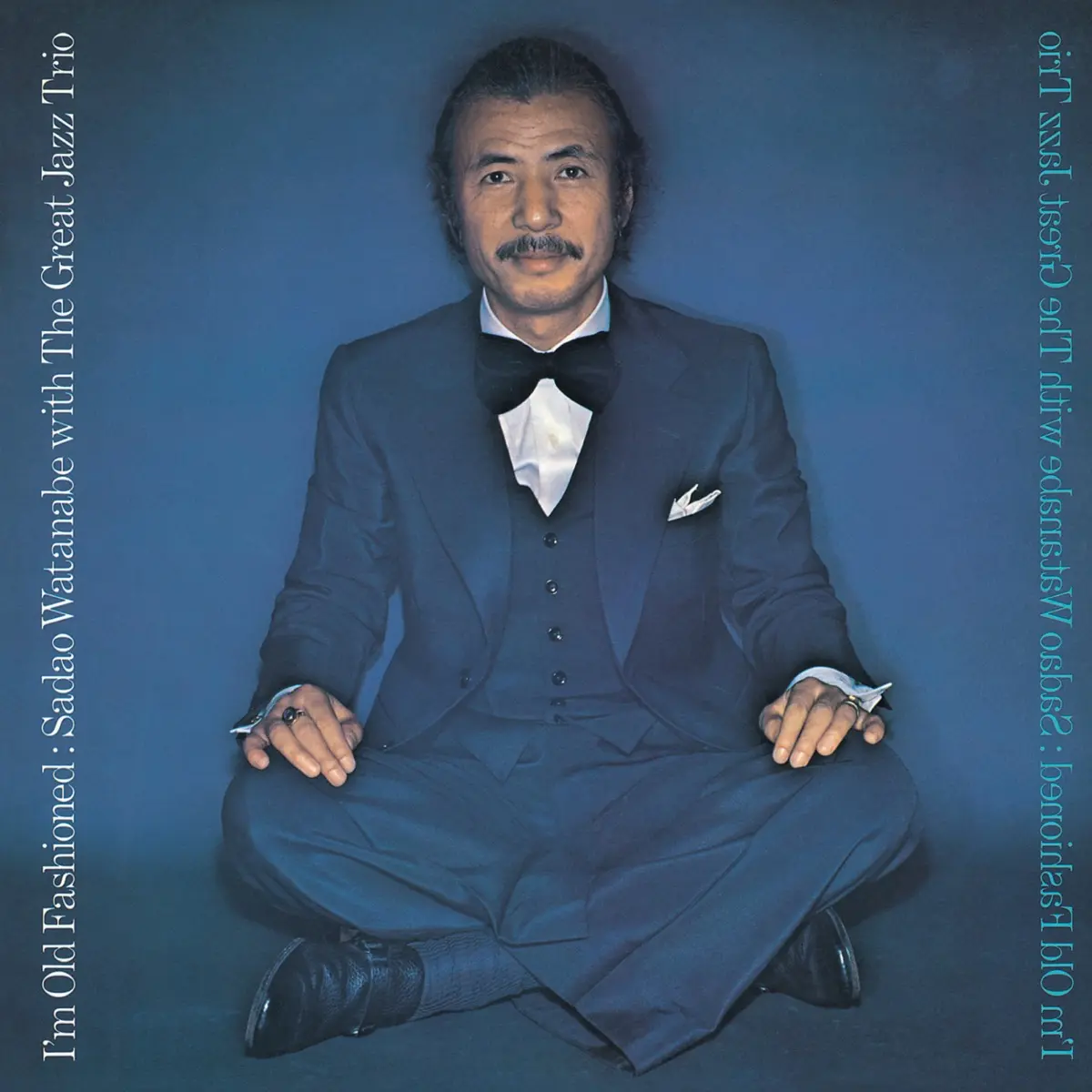 Sadao Watanabe with the Great Jazz Trio released I’m Old Fashioned on August 25, 1976, on East Wind.
Watanabe narrows the setting to alto saxophone and flute with Hank Jones on piano, Ron Carter on bass, and Tony Williams on drums. The quartet stays with a small-room scale and a standards-centered book, which puts the weight on line, phrasing, and exchange inside a tight acoustic group.
Charlie Parker’s “Confirmation” opens the album, then the book turns through Gigi Gryce’s “Gary,” Benny Golson’s “3:10 Blues,” George Cables’s “Episode,” and three standards before the short closer “One for C.”
A1. “Confirmation” (4:54) — Charlie Parker
A2. “Gary” (4:30) — Gigi Gryce
A3. “3:10 Blues” (5:44) — Benny Golson
A4. “Episode” (6:33) — George Cables
B1. “I Concentrate on You” (5:55) — Cole Porter
B2. “Chelsea Bridge” (5:48) — Billy Strayhorn
B3. “I’m Old Fashioned” (8:06) — Jerome Kern, Johnny Mercer
B4. “One for C” (2:33) — Ron Carter
Watanabe recorded I’m Old Fashioned on May 21, 1976, in New York with Jones, Carter, and Williams.
My Dear Life
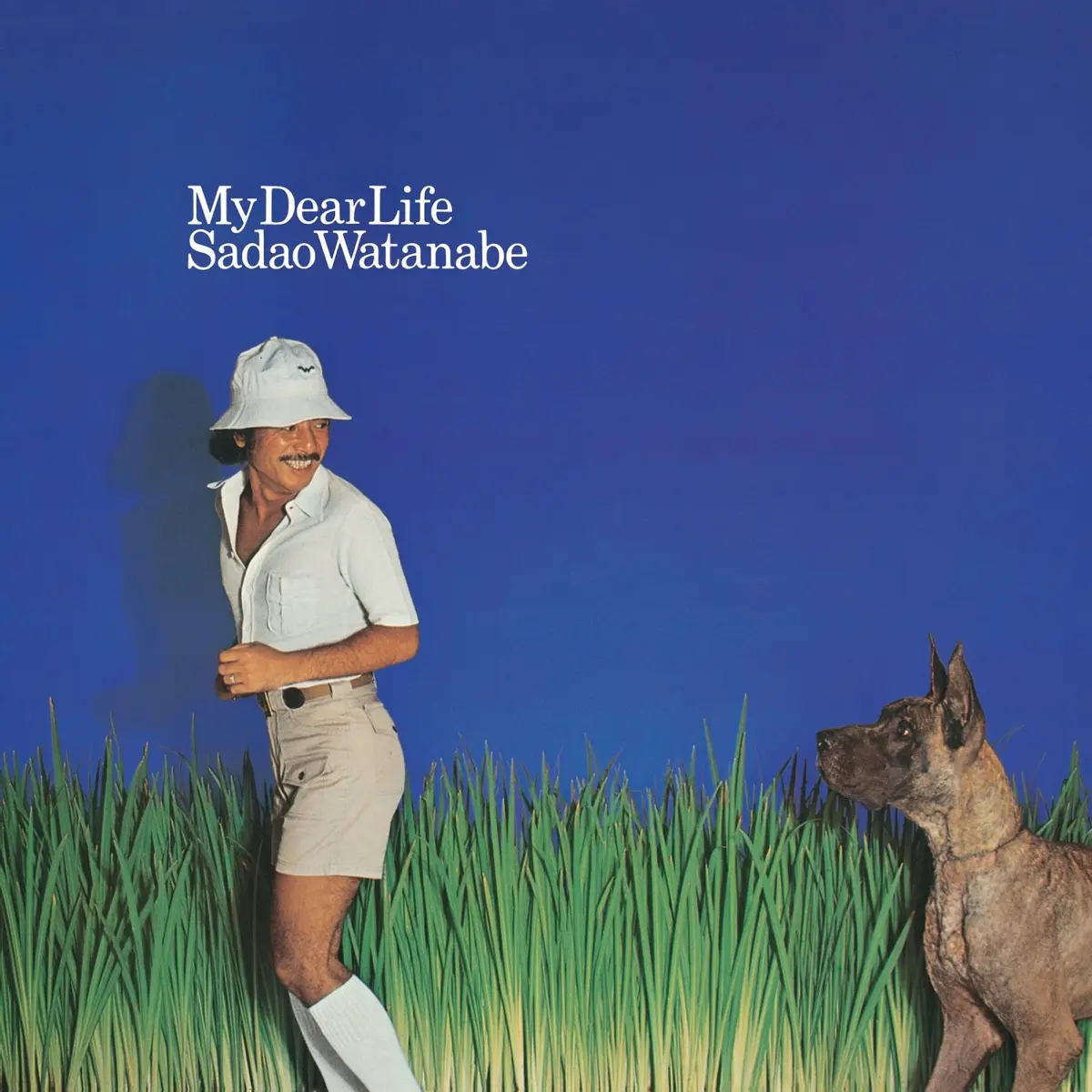 Sadao Watanabe released My Dear Life on August 25, 1977, on Flying Disk.
Watanabe sets alto saxophone, flute, and sopranino saxophone against Lee Ritenour’s guitar and Dave Grusin’s piano or electric piano. Chuck Rainey and Harvey Mason hold the backbone with Steve Forman’s percussion, while trombone enters as an added color on part of the album.
The book stays with eight originals apart from “Malaika,” which Watanabe arranged. “Massai Talk” and “Safari” take the longest span on side one, while side two turns through “Music Break,” “Malaika,” and the title piece.
A1. “Massai Talk” (7:15)
A2. “Safari” (7:08)
A3. “Hunting World” (4:21)
A4. “L.A. Sunset” (2:45)
A5. “Samba Em Praia” (5:55)
B1. “Music Break” (3:48)
B2. “Malaika” (3:51) — arranged by Sadao Watanabe
B3. “My Dear Life” (5:50)
Watanabe recorded My Dear Life on April 26 and 28, 1977, in Los Angeles, then completed the album on June 25 and 28, 1977, in Tokyo.
Recital
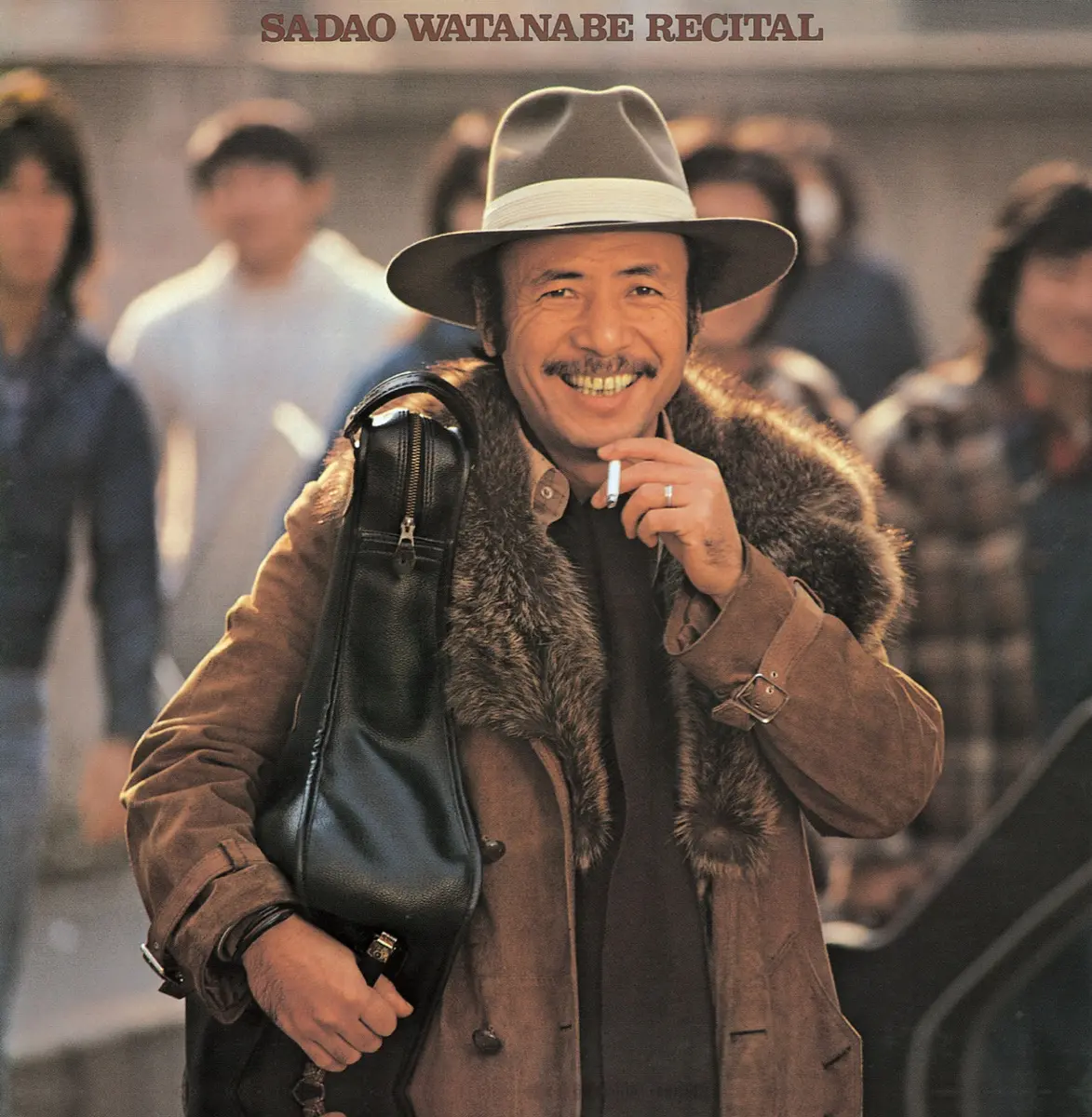 Sadao Watanabe released Recital on January 25, 1977, on East Wind.
Watanabe brings a larger concert group to this set. Kohsuke Mine and Hiroshi Fukumura extend the horn front, while Takehiro Honda’s piano or electric piano and Kazumi Watanabe’s guitar work over acoustic and electric bass with drums and percussion.
The program draws together returning titles from the African-cycle records and newer material tied to the next studio phase. “Pastoral” opens side one, “Hiro” anchors side two, and “Theme from ‘My Dear Life’” closes the set in brief form after “Malaika.”
A1. “Pastoral” (9:26)
A2. “Burung Burung” (7:25)
A3. “Hitting Home” (6:11)
A4. “Matahari Terbenam” (2:42)
B1. “Hiro” (8:08)
B2. “Old Photograph” (7:36)
B3. “Wana Tanzania” (0:35)
B4. “Malaika” (9:51)
B5. “Theme from ‘My Dear Life’” (1:50)
Watanabe recorded Recital live on October 19, 1976, at Yubin-Chokin Hall with Mine, Fukumura, Honda, Kazumi Watanabe, Tsutomu Okada, Shinji Mori, Masahiko Togashi, and Akira Okazawa.
Autumn Blow
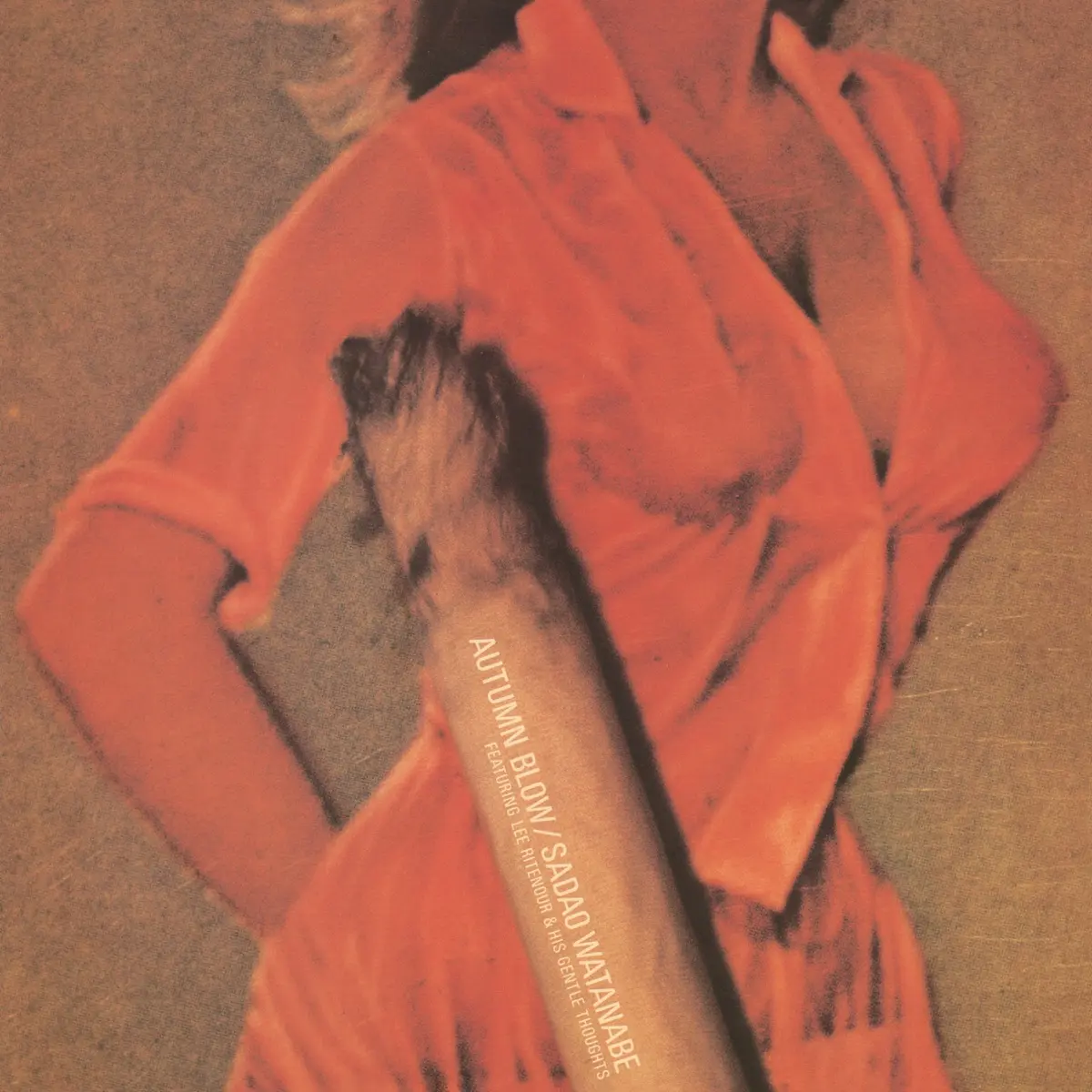 Sadao Watanabe released Autumn Blow on December 20, 1977, on Flying Disk.
Watanabe keeps the enlarged electric setting but changes the personnel around a Los Angeles-based group. Lee Ritenour and Ernie Watts widen the front line with Patrice Rushen on piano or electric piano, then Anthony Jackson, Harvey Mason, and Steve Forman drive the concert through a tighter rhythmic bed.
The album reduces the program to six long pieces. “Just Cruisin’” and “The Chaser” fill most of side one, while side two turns through “Rapture,” “Inner Embrace,” and “Orange Bypass.”
A1. “Just Cruisin’” (9:27)
A2. “The Chaser” (8:54)
A3. “Someday in Suburbs” (3:45)
B1. “Rapture” (9:40)
B2. “Inner Embrace” (6:58)
B3. “Orange Bypass” (6:43)
Watanabe recorded Autumn Blow live on October 23, 1977, at Kosei-Nenkin Kaikan with Ritenour, Watts, Rushen, Jackson, Mason, and Forman.
California Shower
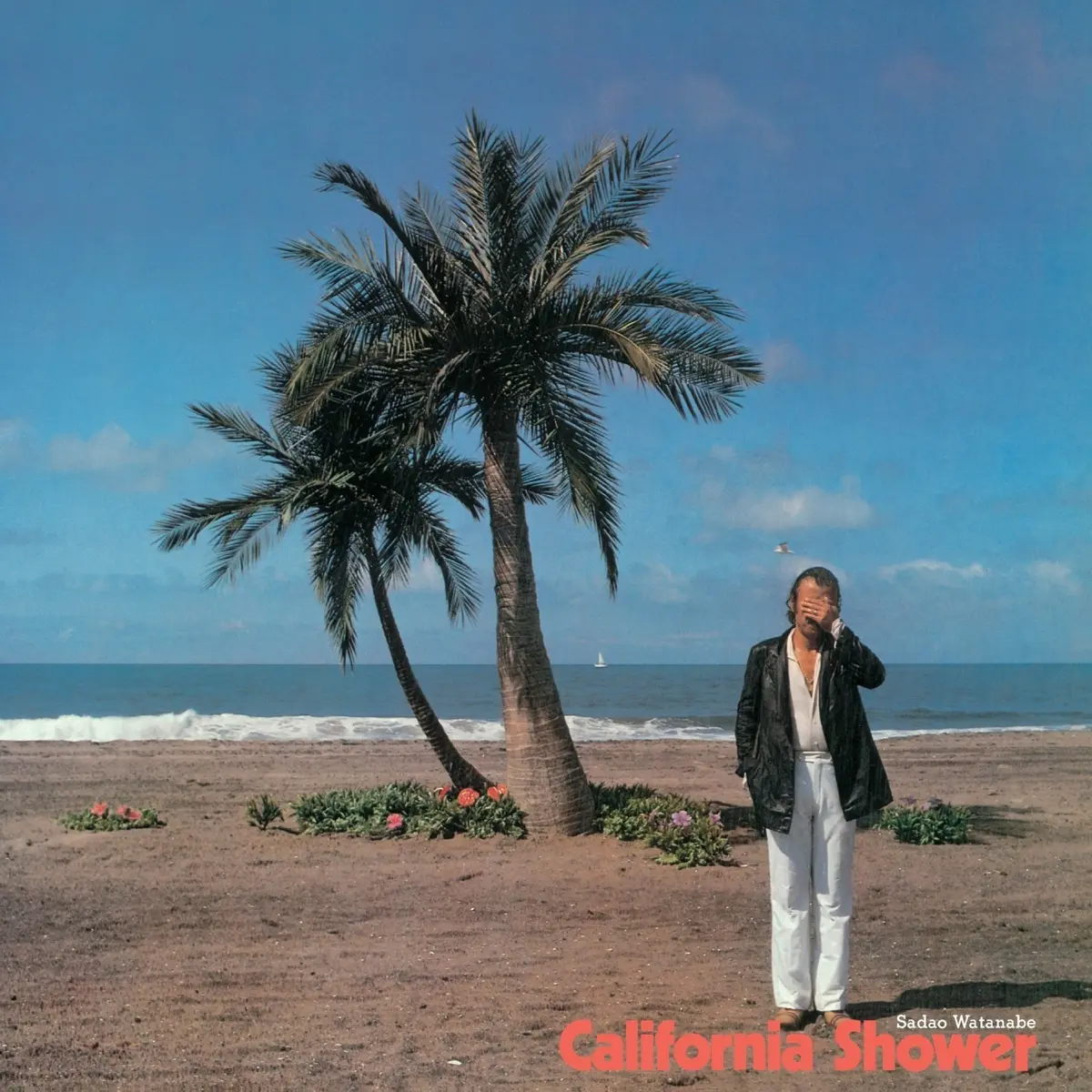 Sadao Watanabe released California Shower on May 25, 1978, on Flying Disk.
Watanabe keeps Dave Grusin and Lee Ritenour at the center of the studio band. Chuck Rainey and Harvey Mason hold the lower half, Paulinho da Costa adds percussion, and a three-horn line enlarges the album’s upper register without breaking the compact song lengths.
The record tightens the format to seven pieces and places the longest tracks early. “California Shower,” “Duo-Creatics,” and “Desert Ride” occupy side one, while side two carries “Seventh High,” “Turning Pages of Wind,” “Ngoma Party,” and “My Country.” Watanabe’s official biography also marks the album as a major commercial turn and a Japan Gold Disc winner.
A1. “California Shower” (5:32)
A2. “Duo-Creatics” (6:54)
A3. “Desert Ride” (5:24)
B1. “Seventh High” (5:15)
B2. “Turning Pages of Wind” (3:53)
B3. “Ngoma Party” (4:48)
B4. “My Country” (4:53)
Watanabe recorded California Shower in March 1978 in Los Angeles with Grusin, Ritenour, Rainey, Mason, da Costa, Oscar Brashear, George Bohanon, and Ernie Watts.
Hunt Up Wind
Hiroshi Fukumura with Sadao Watanabe released Hunt Up Wind in 1978 on Flying Disk. Later pressings carried the album to the U.S. on Inner City in 1980.
Fukumura leads from trombone with Watanabe beside him on alto saxophone, soprano saxophone, and percussion. Don Grusin handles piano, Cornell Dupree takes guitar, Chuck Rainey takes bass, Harvey Mason handles drums, and Paulinho da Costa adds percussion.
The album keeps a short-form studio design across eight tracks. The title cut opens side one, “White Clouds” and “Captain Caribe” shape the middle of side two, and “To Say Goodbye” closes the record.
A1. “Hunt Up Wind” (6:05)
A2. “That’s Enough for Me” (4:37)
A3. “Jongo” (5:18)
A4. “Mr. Blue” (4:43)
B1. “Pogo” (5:01)
B2. “White Clouds” (6:40)
B3. “Captain Caribe” (4:28)
B4. “To Say Goodbye” (4:50)
Fukumura recorded Hunt Up Wind on June 25, 1978, at Victor Studio in Tokyo with Watanabe, Don Grusin, Dupree, Rainey, Mason, and da Costa.
Morning Island
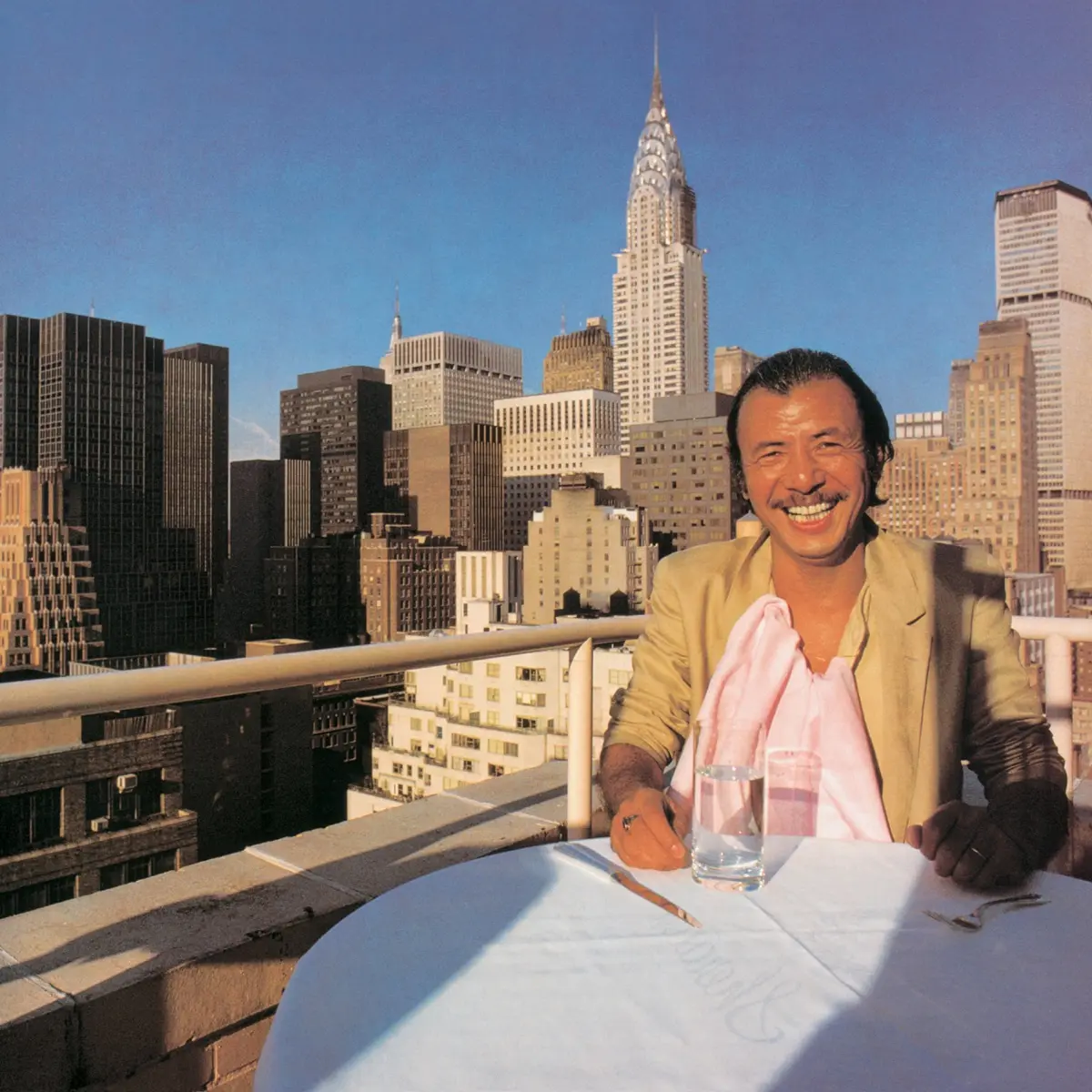 Sadao Watanabe released Morning Island on May 25, 1979, on Flying Disk.
Watanabe keeps Dave Grusin in place and shifts the guitar chairs to Jeff Mironov with Eric Gale. Francisco Centeno and Steve Gadd hold the base of the band, Rubens Bassini adds percussion, and brass plus strings widen the album beyond the prior studio set.
The sequence expands to eight tracks. “Morning Island,” “Down East,” and “Serenade” anchor side one, while side two reaches its longest stretch in “Inner Embrace.” Watanabe’s official biography marks the album as the next Grusin collaboration after California Shower.
A1. “Morning Island” (4:34)
A2. “Down East” (6:10)
A3. “Serenade” (4:54)
A4. “We Are the One” (6:00)
B1. “Home Meeting” (5:55)
B2. “Petit Valse Pour Sadao” (3:41)
B3. “Samba Do Marcos” (6:10)
B4. “Inner Embrace” (9:29)
Watanabe recorded Morning Island in March 1979 in New York with Grusin, Mironov, Centeno, Gadd, Bassini, Gale, and added brass plus strings.
Carnaval
In June 1983, Galaxy released Carnaval, co-billed to Ron Carter, Hank Jones, Sadao Watanabe, and Tony Williams. The album draws from a live performance recorded on July 30, 1978, at Live Under the Sky in Tokyo’s Denen Colosseum.
The quartet returns Watanabe to the same acoustic company heard on I’m Old Fashioned, but this time the material comes from a concert set. Carter and Williams keep the floor open for longer solo rounds, while Jones supplies the harmonic center across five pieces.
The program opens with “Chelsea Bridge” and “Manhã de Carnaval,” then closes with three shorter performances. Parker’s “Confirmation” and “Moose the Mooche” bracket Kern and Mercer’s “I’m Old Fashioned” on side two.
A1. “Chelsea Bridge” (10:12) — Billy Strayhorn
A2. “Manhã de Carnaval” (9:01) — Luiz Bonfá, Antônio Maria
B1. “I’m Old Fashioned” (8:18) — Jerome Kern, Johnny Mercer
B2. “Confirmation” (6:40) — Charlie Parker
B3. “Moose the Mooche” (8:05) — Charlie Parker
Ed Michel produced Carnaval from the July 30, 1978, Denen Colosseum recording by Carter, Jones, Watanabe, and Williams.
How’s Everything – Sadao Watanabe Live at Budokan
Sadao Watanabe released How’s Everything – Sadao Watanabe Live at Budokan on August 21, 1980, on CBS/Sony.
Watanabe places alto saxophone, flute, and sopranino saxophone over two keyboard chairs, with Richard Tee and Dave Grusin splitting piano and electric piano. Eric Gale and Jeff Mironov widen the harmony, while Anthony Jackson and Steve Gadd hold the lower floor with Ralph MacDonald. John Faddis and the Tokyo Philharmonic add a broader concert scale under Grusin’s direction.
Watanabe’s biography marks the Budokan stand as his first there as a jazz headliner and notes that the concerts drew more than 30,000 people.
A1. “Up Country” (10:39)
A2. “Mzuri” (4:27)
B1. “Tsumagoi” (6:31)
B2. “All About Love” (4:40)
B3. “Nice Shot” (7:19)
C1. “Seeing You” (5:33)
C2. “No Problem” (7:19)
C3. “Boa Noite” (6:07)
D1. “Sun Dance” (7:46)
D2. “M&M Studio” (9:07)
D3. “My Dear Life” (5:21)
Watanabe recorded How’s Everything live on July 2, 3, and 4, 1980, at Budokan with Tee, Grusin, Gale, Mironov, Jackson, Gadd, MacDonald, Faddis, and the Tokyo Philharmonic Orchestra.
Orange Express
Sadao Watanabe released Orange Express on June 1, 1981, on CBS/Sony.
Watanabe sets alto saxophone, flute, and sopranino saxophone against Dave Grusin and Richard Tee at keyboards. Eric Gale, Bobby Broom, and Jeff Mironov rotate the guitar roles, while Marcus Miller and Buddy Williams hold the backbone with Crusher Bennett. George Benson appears on guitar, which gives the album one added solo voice inside the studio band.
The program reduces to seven tracks and places its weight on longer studio pieces. “Good for All Night,” “Bagamoyo / Zanzibar,” and “Straight to the Top” take most of the running time, while the title cut, “Ride On,” and “Call Me” keep the first side in shorter forms before “Mbali Africa” closes the album.
A1. “Orange Express” (4:38)
A2. “Ride On” (4:39)
A3. “Call Me” (5:06)
A4. “Good for All Night” (6:39)
B1. “Bagamoyo / Zanzibar” (6:58)
B2. “Straight to the Top” (8:22)
B3. “Mbali Africa” (6:00)
Watanabe recorded Orange Express in April and May 1981 in New York with Grusin, Tee, Gale, Broom, Mironov, Miller, Williams, Bennett, and Benson.
Fill Up the Night
Sadao Watanabe released Fill Up the Night on May 28, 1983, on Elektra Musician.
Watanabe trims the palette to alto saxophone and sopranino saxophone, then places them inside a New York studio band built around Richard Tee, Marcus Miller, Steve Gadd, Eric Gale, and Ralph MacDonald. Paul Griffin and Jorge Dalto expand the keyboard side, while Grady Tate enters on voice for part of the set. Watanabe’s biography also identifies Ralph MacDonald as the producer.
The album stays with eight compact tracks. “Say When,” “Rosebud,” and the title cut hold the first side, then “Soon Come,” “Morning Calm,” “Westside Drive,” and “Side Street” carry the second. Watanabe’s biography notes that Fill Up the Night reached No. 1 on the west coast chart of Radio & Records in 1984.
A1. “Say When” (4:42)
A2. “Rosebud” (4:32)
A3. “Fill Up the Night with Music” (4:26)
A4. “Dreams Come True” (4:28)
B1. “Soon Come” (4:28)
B2. “Morning Calm” (5:10)
B3. “Westside Drive” (4:32)
B4. “Side Street” (4:46)
Watanabe recorded Fill Up the Night in March and April 1983 in New York with MacDonald, Tee, Miller, Gadd, Gale, Griffin, Dalto, and Tate.
Rendezvous
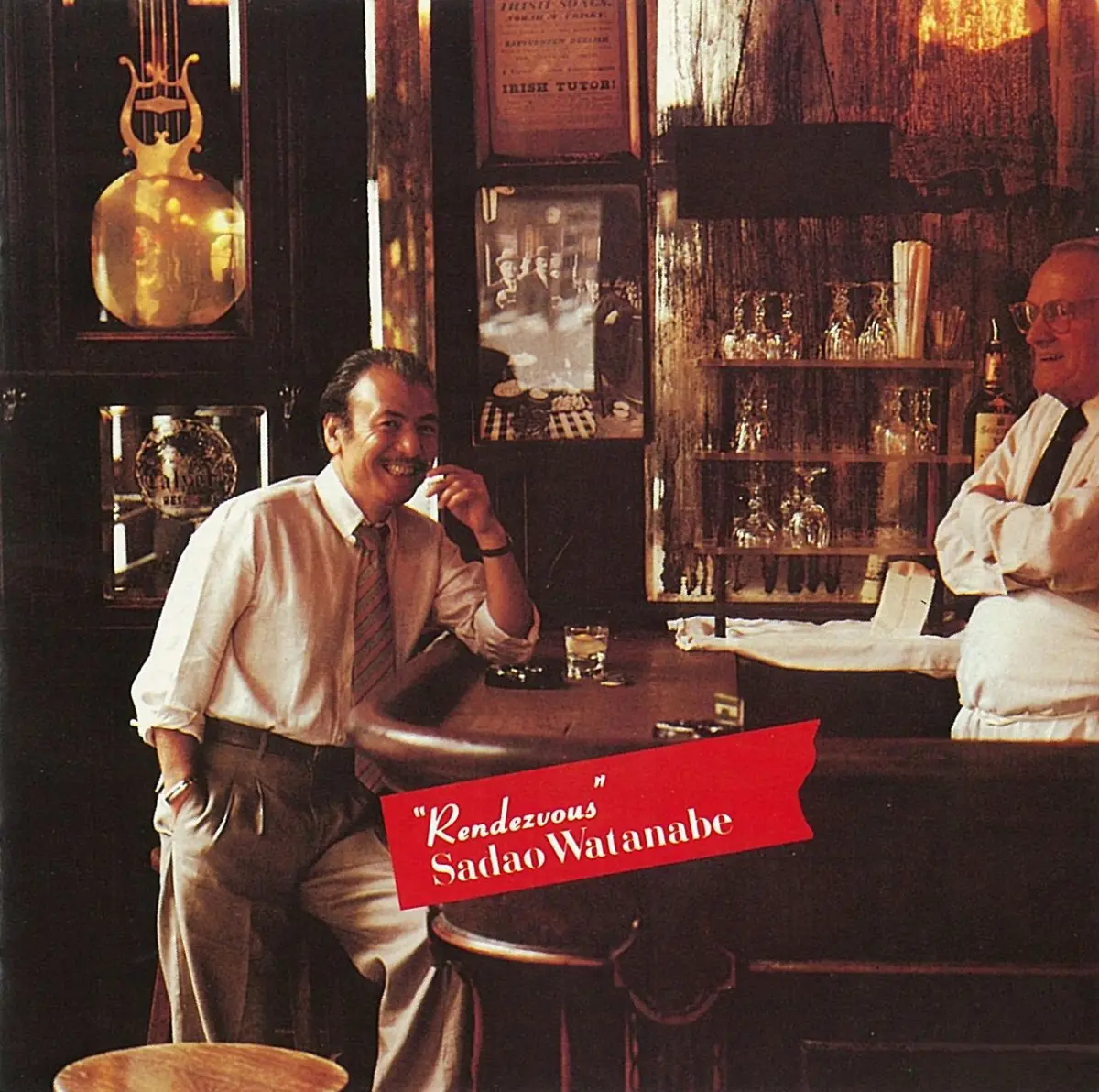 Sadao Watanabe released Rendezvous on May 10, 1984, on Elektra Musician.
Watanabe narrows the front line to alto saxophone and then builds the band around Steve Gadd, Marcus Miller, Richard Tee, Eric Gale, and Ralph MacDonald. Barry Eastmond adds a second keyboard chair, William Eaton handles arrangements, and Roberta Flack enters on voice, which gives the record a stronger song format than the prior studio set.
The album carries eight tracks across two short sides. “Rendezvous,” “Fire Fly,” and “If I’m Still Around Tomorrow” shape the opening half, while “Here’s to Love,” “Maraval,” “Love Me as I Am,” and “I’m Yours” complete the record. Watanabe’s official discography notes that the album reached No. 2 on the Billboard U.S. jazz chart.
A1. “Rendezvous” (5:12)
A2. “Fire Fly” (5:43)
A3. “If I’m Still Around Tomorrow” (4:20)
A4. “Cool Breeze” (4:43)
B1. “Here’s to Love” (4:37)
B2. “Maraval” (4:30)
B3. “Love Me as I Am” (4:57)
B4. “I’m Yours” (4:44)
Watanabe recorded Rendezvous in February and March 1984 in New York with Gadd, Miller, Tee, Gale, Ralph MacDonald, Anthony MacDonald, Eastmond, Eaton, and Flack.
Maisha
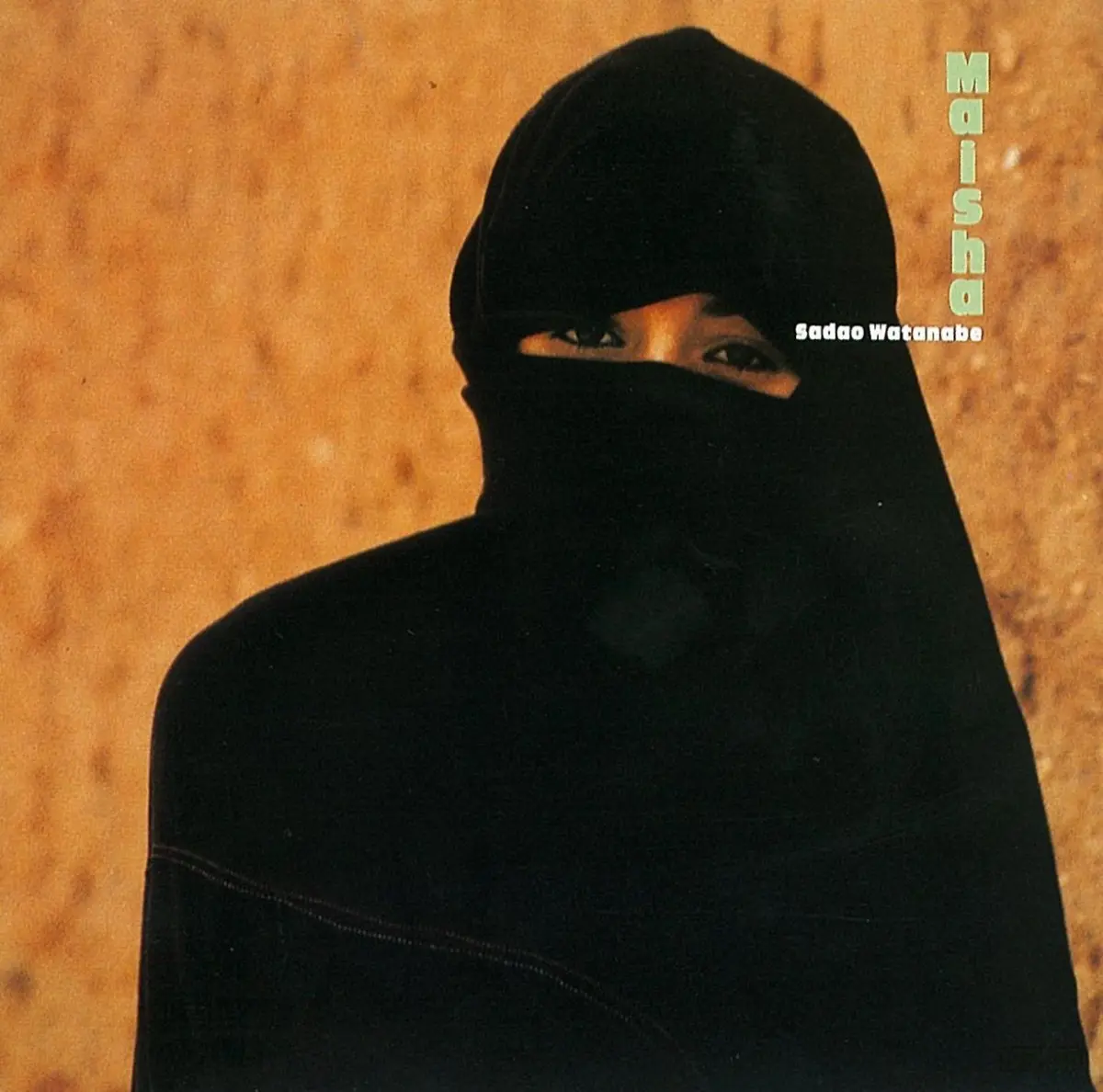 Sadao Watanabe released Maisha on April 25, 1985, on Elektra.
Watanabe returns to alto saxophone, flute, and sopranino saxophone for his first self-produced album. Don Grusin and Russell Ferrante split the keyboard roles, while Carlos Rios and David Williams share the guitar work over bass chairs by Nathan East and Jimmy Johnson. Harvey Mason and John Robinson divide the drum work, Paulinho da Costa adds percussion, Herbie Hancock appears on piano, and Brenda Russell enters on voice.
The record stretches to ten tracks and restores a broader instrumental span. “What’s Now” opens the side, “Men and Women” and “Tip Away” bring Brenda Russell into the writing, and the album closes with the title cut plus a new reading of “Paysages.”
A1. “What’s Now” (7:13)
A2. “Men and Women” (4:14)
A3. “Road Song” (3:44)
A4. “Times We Shared” (3:05)
A5. “Good News” (4:37)
B1. “Desert Ride” (4:34)
B2. “Tip Away” (3:30)
B3. “Stray Birds” (4:30)
B4. “Maisha” (5:27)
B5. “Paysages” (5:49)
Watanabe recorded Maisha in January and February 1985 in Los Angeles with Don Grusin, Ferrante, Rios, Williams, East, Johnson, Mason, Robinson, da Costa, Hancock, Russell, and added horns.
Parker’s Mood
Sadao Watanabe released Parker’s Mood – Sadao Watanabe Live at Bravas Club ’85 on October 25, 1985, on Elektra.
Watanabe strips the group back to alto saxophone with James Williams on piano, Charnett Moffett on bass, and Jeff Watts on drums. The quartet turns away from the crossover studio bands of the previous records and returns to a straight acoustic book built from standards and Charlie Parker repertory.
The original LP carries six performances from the July 13 concert, with “Stella by Starlight,” “Everything Happens to Me,” and “Lament” on side one, then “Billy’s Bounce,” “I Thought About You,” and the title piece on side two. Later CD editions added “Bird of Paradise” and “Beautiful Love.”
A1. “Stella by Starlight” (8:12)
A2. “Everything Happens to Me” (8:45)
A3. “Lament” (9:03)
B1. “Billy’s Bounce” (8:39)
B2. “I Thought About You” (9:15)
B3. “Parker’s Mood” (9:06)
CD bonus tracks: “Bird of Paradise” (9:39), “Beautiful Love” (6:31)
Watanabe recorded Parker’s Mood live on July 13, 1985, at Laforet Museum Akasaka in Tokyo with Williams, Moffett, and Watts.
Tokyo Dating
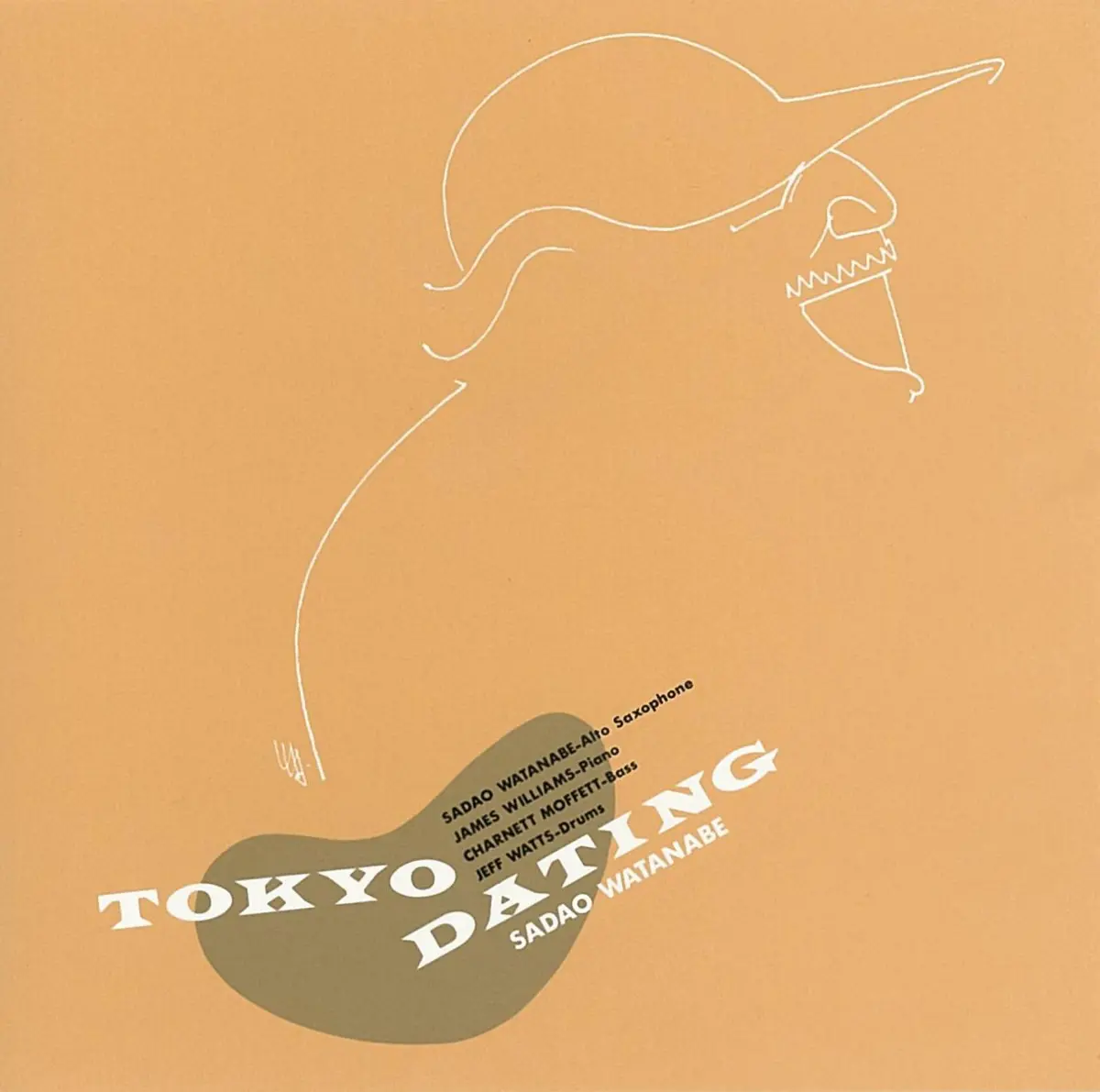 Sadao Watanabe released Tokyo Dating on November 28, 1985, on Elektra.
Watanabe keeps the same quartet from Parker’s Mood and takes the group into the studio two days after the live date. James Williams supplies the harmonic center, Charnett Moffett carries the bass role, and Jeff Watts drives the pulse under Watanabe’s alto. The result holds to a small acoustic frame while widening the book beyond Parker material.
The album places four Watanabe originals on side one, then turns side two toward Leoncavallo, Thad Jones, Jobim, and Luiz Bonfá. “Tokyo Dating,” “Echo,” and “Night Piece” give the first side its weight, while “Pagliacci,” “A Child Is Born,” “Dindi,” and “Song of the Jet” lead to the closing “Love Song.”
A1. “Tokyo Dating” (5:48)
A2. “Echo” (6:00)
A3. “Night Piece” (7:41)
A4. “Hip Walk” (4:14)
B1. “Pagliacci” (5:12)
B2. “A Child Is Born” (4:06)
B3. “Dindi” (3:47)
B4. “Song of the Jet” (4:41)
B5. “Love Song” (4:09)
Watanabe recorded Tokyo Dating on July 15 and 16, 1985, in Tokyo with Williams, Moffett, and Watts.
Fly Me to the Moon
Victor reissued Bossa Nova ’67 on CD as Fly Me to the Moon on August 5, 1986, in Japan. The program derives from the 1967 Victor album rather than a new 1986 session.
Watanabe places alto saxophone and flute against Masabumi Kikuchi’s piano. Isao Suzuki and Masahiko Togashi hold the rhythm section, while Sadanori Nakamure and Hideo Miyata add guitar and cabasa under the string-backed bossa program.
A1. “The Girl from Ipanema”
A2. “Meditation”
A3. “Black Orpheus”
A4. “O Grand Amor”
A5. “That’s All”
A6. “Dindi”
B1. “Mais Que Nada”
B2. “The Shadow of Your Smile”
B3. “Fly Me to the Moon”
B4. “Man and a Woman”
B5. “So Danço Samba”
B6. “She’s Carioca”
The reissue preserves the 1967 program sequence.
Watanabe recorded the material on March 8 and March 29, 1967. Victor first issued it as Bossa Nova ’67 on June 15, 1967, then returned it to catalog in 1986 under the new title.
Good Time For Love
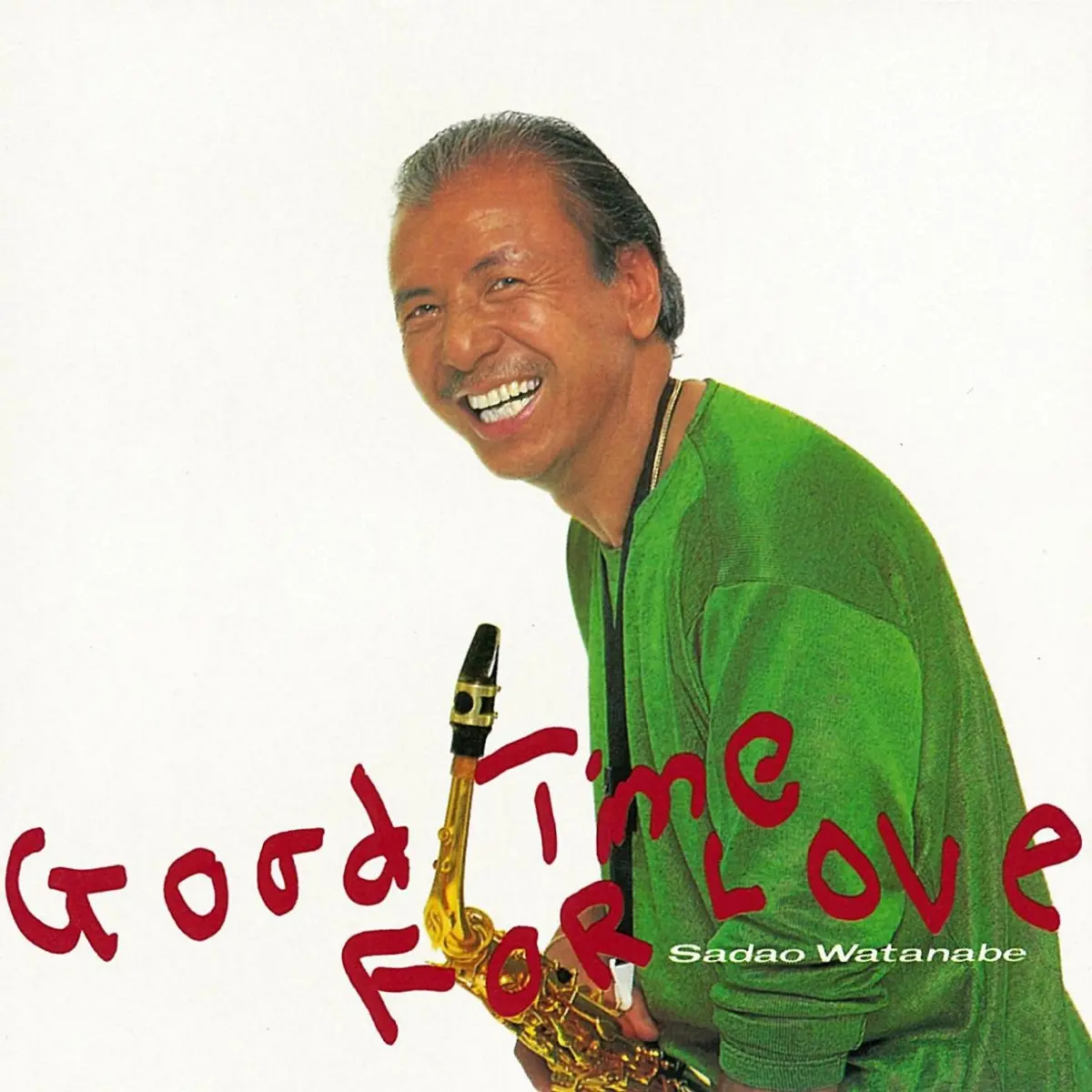 Sadao Watanabe released Good Time For Love on May 25, 1986, on Elektra.
Watanabe keeps alto saxophone and soprano saxophone at the center of a studio band split between New York and Tokyo. Soichi Noriki handles keyboards, Hideo Yamaki takes the drum chair, and Will Lee anchors the bass role, while the wider cast gives the album a fuller studio surface than the quartet records around Parker’s Mood and Tokyo Dating.
A1. “Good Time for Love”
A2. “Love Birds Whisper in My Ear”
A3. “When We Make a Home”
A4. “Step Out on the Street”
B1. “I Love to Say Your Name”
B2. “Pogo”
B3. “All the Way”
B4. “Loving You Is Easy”
The official discography lists eight tracks in that sequence.
Watanabe recorded Good Time For Love in February and March 1986 in New York and Tokyo.
Birds of Passage
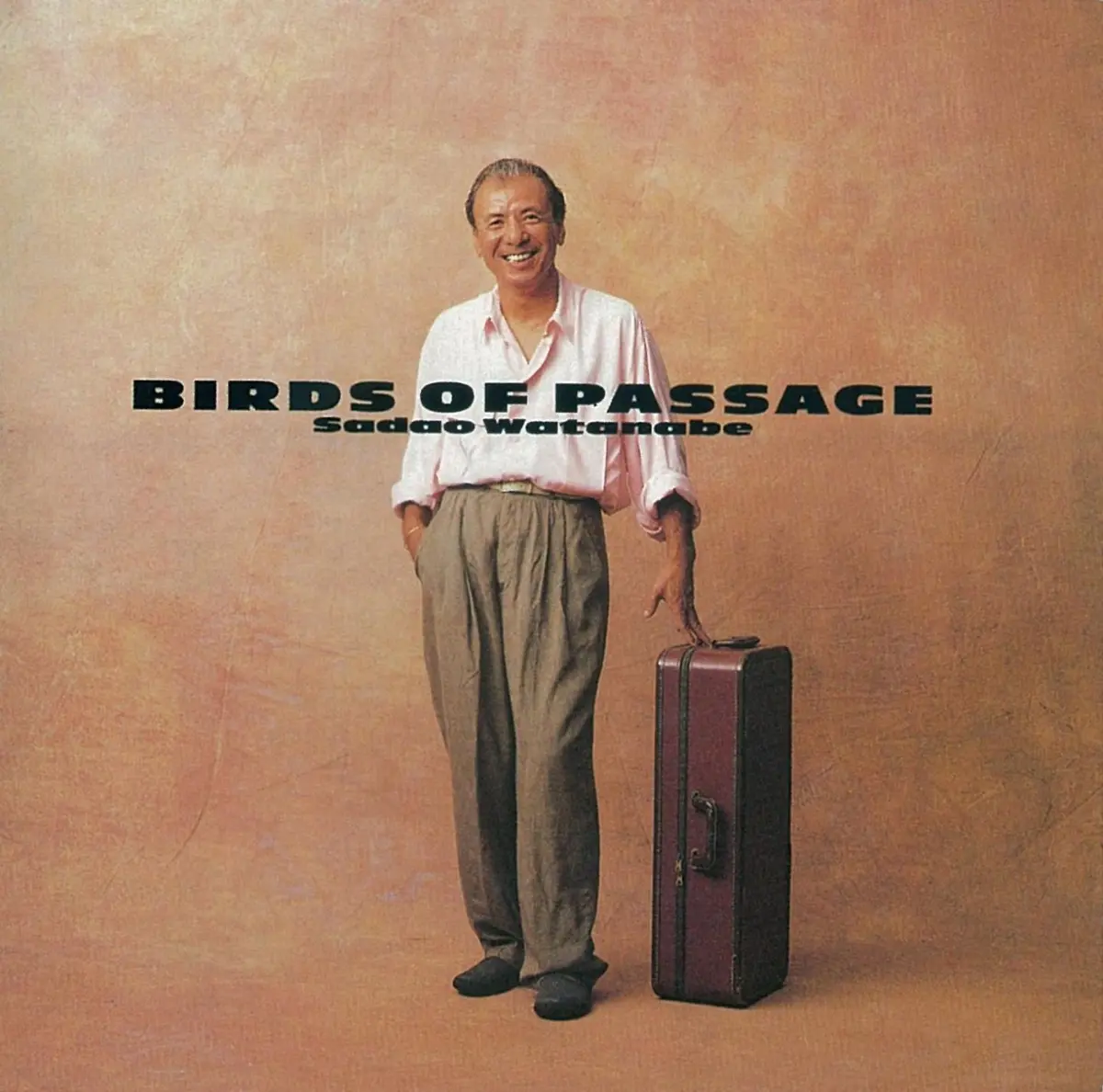 Sadao Watanabe released Birds of Passage on September 10, 1987, on Elektra.
Watanabe sets alto saxophone and soprano saxophone against Russell Ferrante’s keyboards and George Duke’s synthesizer. Abraham Laboriel holds the bass chair, Paul Jackson Jr. takes guitar, and Carlos Vega or John Robinson handles drums with Alex Acuña on percussion. The album returns to earlier Watanabe titles and recasts them inside a Los Angeles studio band.
A1. “Round Trip”
A2. “Pastoral”
A3. “Salvador”
A4. “Just a Touch”
B1. “Burung Burung ‘Birds’”
B2. “Birds of Passage”
B3. “Chaser”
B4. “Tanza Night”
The official discography lists eight tracks and frames the album around a renewed journey theme.
Watanabe recorded Birds of Passage in March and April 1987 in Los Angeles.
Made in Coração
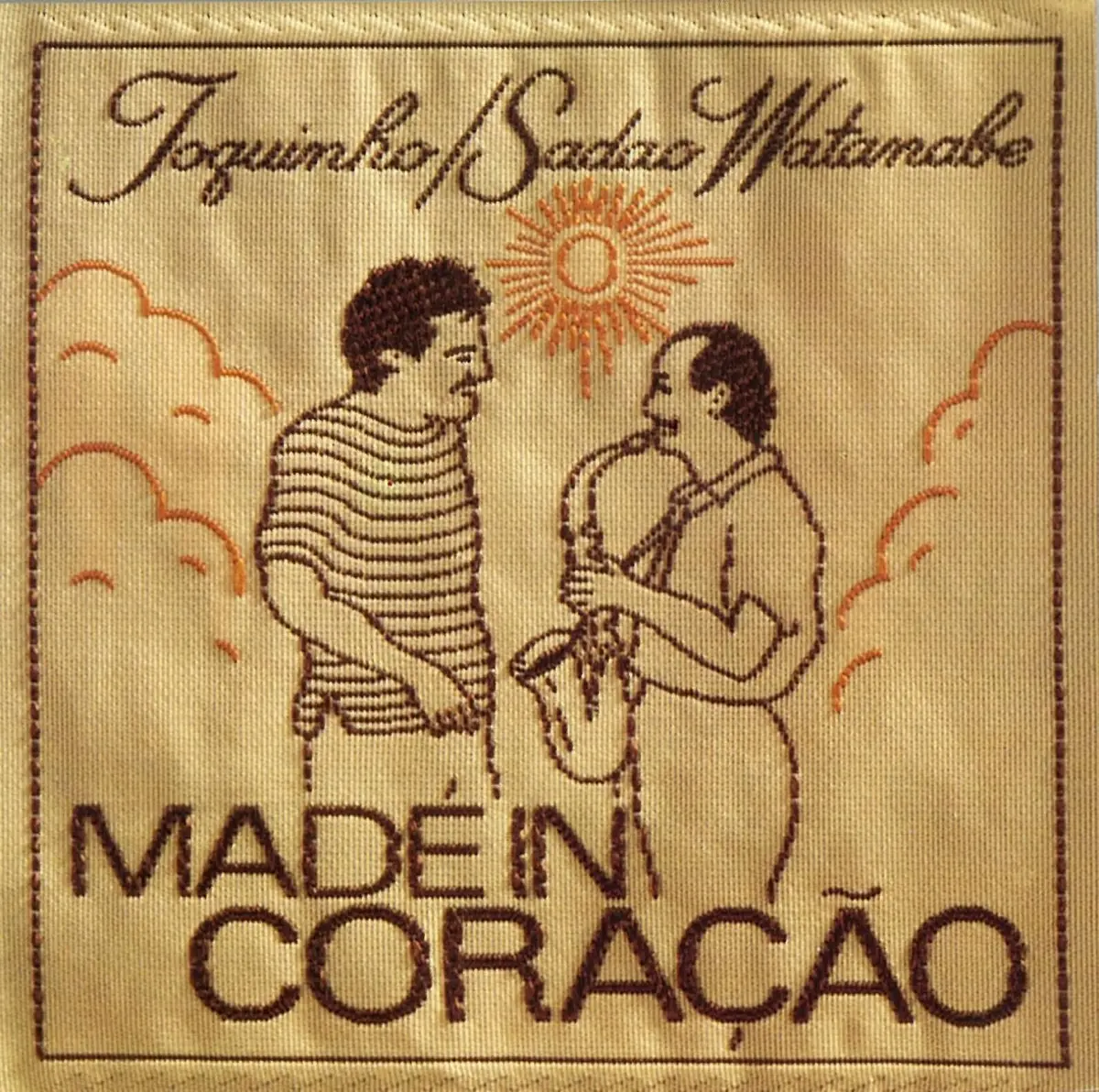 Toquinho and Sadao Watanabe released Made in Coração on August 25, 1988. Watanabe’s official discography treats it as a co-billed collaboration and places it after Elis in the same Brazilian phase.
Toquinho takes guitar and voice through the record, while Watanabe answers on alto saxophone. Ivani Sabino handles electric bass, Papeti adds percussion, and the São Paulo sessions shift Watanabe back toward a Brazilian ensemble after the Los Angeles dates of Birds of Passage.
A1. “Saudades de Elis”
A2. “Minha Profissão”
A3. “Made in Coração”
A4. “O Que Passou Passou”
A5. “Filho Meu (Blue Love Letter)”
B1. “Samba da Volta”
B2. “Carinhoso”
B3. “Sentimentos Iguais (Morning Island)”
B4. “Bons Momentos (Serenade)”
B5. “Inquieto Amor (Stray Cats)”
The tracklist mixes new material with Portuguese versions of earlier Watanabe pieces such as “Morning Island” and “Serenade.”
The album took shape in January and March 1988 in São Paulo.
Elis
Sadao Watanabe released Elis on August 25, 1988, on Elektra. The official discography identifies it as an album dedicated to Elis Regina.
Watanabe places alto saxophone over César Camargo Mariano’s keyboards. Heitor Teixeira Pereira takes guitar, Papeti adds percussion, and Toquinho appears on guitar and voice across the Rio session. The six-track program keeps a tighter profile than the broader collaboration with Toquinho that followed later that year.
A1. “Quilombo”
A2. “Passo de Doria”
A3. “Elis”
B1. “Manhattan Paulista”
B2. “O Que Passou Passou”
B3. “Paciencia”
The official discography lists six tracks in that sequence.
Watanabe recorded Elis in February 1988 in Rio de Janeiro.
Front Seat
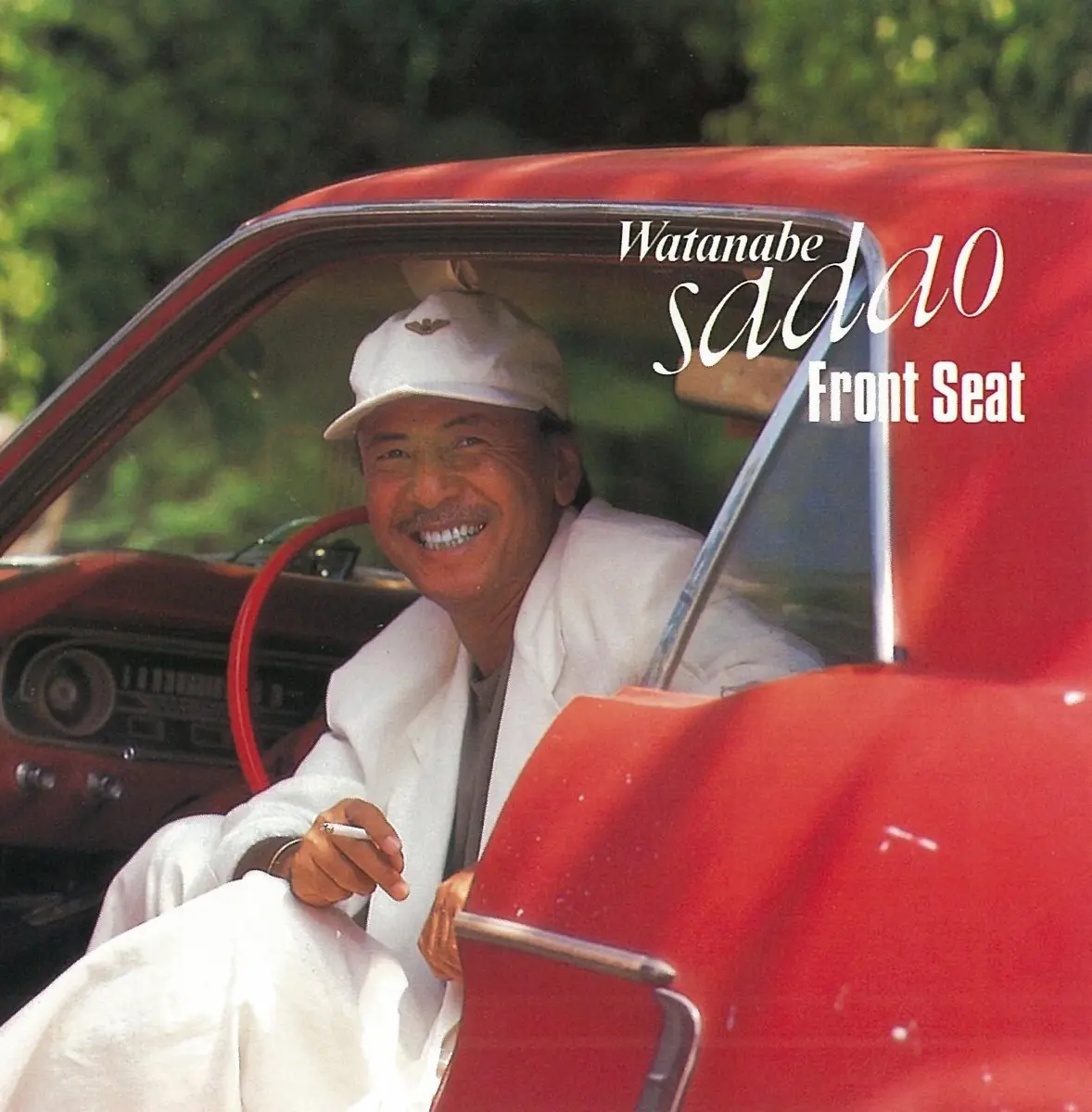 Sadao Watanabe released Front Seat on June 25, 1989, on Elektra.
Watanabe keeps alto saxophone and soprano saxophone at the center of a Los Angeles studio band. Robbie Buchanan and Russell Ferrante split the keyboard work, Abraham Laboriel carries bass, and Paul Jackson Jr. handles guitar beside Jeff Porcaro and Alex Acuña. Patti Austin enters on voice, which pushes the album deeper into song format than the Brazil-based records before it.
A1. “Sailing”
A2. “One More Time”
A3. “Only in My Mind”
A4. “Miles Apart”
A5. “Any Other Fool”
B1. “On the Way”
B2. “Anga La Jua (Place in the Sun)”
B3. “Wild Flowers”
B4. “Front Seat”
B5. “Takin’ Time”
The official discography lists ten tracks and credits Robbie Buchanan, Russell Ferrante, and George Duke as producers.
Watanabe recorded Front Seat in April and May 1989 in Los Angeles.
Discography:
- Bossa Nova ’67 (1967)
- Bossa Nova Concert (1967)
- Jazz & Bossa (1967 • Sadao Watanabe Quartet Sextet)
- Sadao Meets Brazilian Friends (1968)
- Dedicated to Charlie Parker (1969)
- Pastoral (1969)
- Collaboration (1970 • Masabumi Kikuchi Sextet With Sadao Watanabe Quartet)
- Sadao Watanabe Plays Ballads (1970)
- Round Trip (1970)
- Paysages (1971)
- At Montreux Jazz Festival (live, 1971)
- Sadao Watanabe (1972)
- Meets Inter-African Theater Group (live, 1973)
- Open Road (live, 1973)
- Mbali Africa (live, 1974)
- Sadao Watanabe at Pit Inn (1975)
- Swiss Air (live, 1975)
- Pamoja (1976)
- I’m Old Fashioned (1976 • Sadao Watanabe & Great Jazz Trio)
- My Dear Life (1977)
- Recital (1977)
- Autumn Blow (live, 1977)
- California Shower (1978)
- Hunt Up Wind (1978 • Hiroshi Fukumura with Sadao Watanabe)
- Morning Island (1979)
- Carnaval (live, 1979 • Ron Carter, Hank Jones, Sadao Watanabe & Tony Williams)
- How’s Everything – Sadao Watanabe Live at Budokan (live, 1980)
- Orange Express (1981)
- Fill Up the Night (1983)
- Rendezvous (1984)
- Maisha (1985)
- Parker’s Mood (1985)
- Tokyo Dating (1985)
- Fly Me to the Moon (1986)
- Good Time For Love (1986)
- Birds of Passage (1987)
- Made In Coração (1988 • Toquinho & Sadao Watanabe)
- Elis (1988)
- Front Seat (1989)
Sources:
- Discogs: Sadao Watanabe
- RYM: Sadao Watanabe
- JazzMusicArchives: Sadao Watanabe
- MusicBrainz: Sadao Watanabe
Artist/Album Pages:
Oko was a Yugoslav hard-rock band from Ljubljana, Slovenia, that issued a single on ZKP RTVLJ in 1...
The 3 Pieces were an American jazz-funk/soul trio that released the album Vibes of Truth on Fantas...
A Thinking Plague are an American avant-rock band that made the 1984–86 albums ...A Thinking Plag...
LeBlanc & Carr were an American soft-rock duo behind the 1977 album Midnight Light on Big Tre...
The Glaxo Babies were an English post-punk/dub band from Bristol cut the 1979 EP This Is Your Lif...
Blue Phantom was a studio-psych project headed by Italian library musician Armando Sciascia, perfo...
Light of the World was an English soul-funk group that debuted with a 1979 octet album and expande...
Dislocation Dance was an English post-punk/jazz-funk band from Manchester that cut two EPs and the 1...
Spoons were a Canadian synthpop band that released three albums on Ready Records between 1981 and ...
Catch Up was a German jazz-funk trio behind the 1975/76 Calig albums Vol. 1 and Birth of the Secon...
Young Power are a Polish jazz-rock orchestra formed in Katowice in 1986 by flutist Krzysztof Popek...
Sister Sledge was an American soul group from Philadelphia comprised of sisters Debbie, Kim, Joni,...