

Rose Royce was an American soul-funk band produced by Norman Whitfield. They performed the double-album soundtrack to the 1976 comedy Car Wash, which spawned the Billboard hits “I’m Going Down,” “I Wanna Get Next to You,” and the No. 1 disco anthem “Car Wash.”
Between 1977 and 1981, Rose Royce cut five albums on Whitfield Records and scored R&B hits with “Ooh Boy,” “Wishing on a Star,” “Love Don’t Live Here Anymore,” “I’m in Love (And I Love the Feeling),” “Is It Love You’re After,” and “Golden Touch.”
Members: Kenny Copeland (trumpet, vocals), Freddie Dunn (trumpet), Henry Garner (drums, vocals), Michael Nash (keyboards), Walter McKinney (guitar, 1973-89), Kenji Brown (guitar, vocals, 1973-84), Terral Santiel (congas, 1973-81), Victor Nix (keyboards, 1973-81), Lequeint “Duke” Jobe (bass, 1973-81), Michael Moore (saxophone, 1973-78), Gwen Dickey (lead vocals, 1975-80), Ricci Benson (lead vocals, 1980-86, 1990-99), Lisa Taylor (lead vocals, 1986-90)
Background
Rose Royce evolved from Total Concept Unlimited, a soul-funk backing ensemble formed in early 1970s Los Angeles. The original lineup featured drummer Henry Garner, percussionist Terral “Terry” Santiel, bassist Lequeint “Duke” Jobe, saxophonist Michael Moore, trumpeters Kenny Copeland and Freddie Dunn, guitarist/singer Kenji Brown, and keyboardist Victor Nix.
In 1973, TCU toured Japan and England behind Motown vocalist Edwin Starr and played backup on the album 1990 by The Temptations. Norman Whitfield, who produced both acts, renamed the octet Magic Wand, signed them to his new namesake label, and put them behind its flagship act the Undisputed Truth for the 1975/76 albums Higher Than High and Method to the Madness.
During a tour stop in Miami, Undisputed Truth frontman Joe Harris spotted singer Gwen Dickey of local group The Jewels and recommended her to Whitfield. Impressed by her range and charisma, he appointed her as the frontwoman of Magic Wand. Meanwhile, film director Michael Schultz (Cooley High) asked Whitfield to score his next movie, Car Wash. Whitfield used the project to launch Magic Wand, who he renamed Rose Royce to signify class and reflect the movie’s theme. Dickey became Rose Norwalt.
Car Wash (OST)
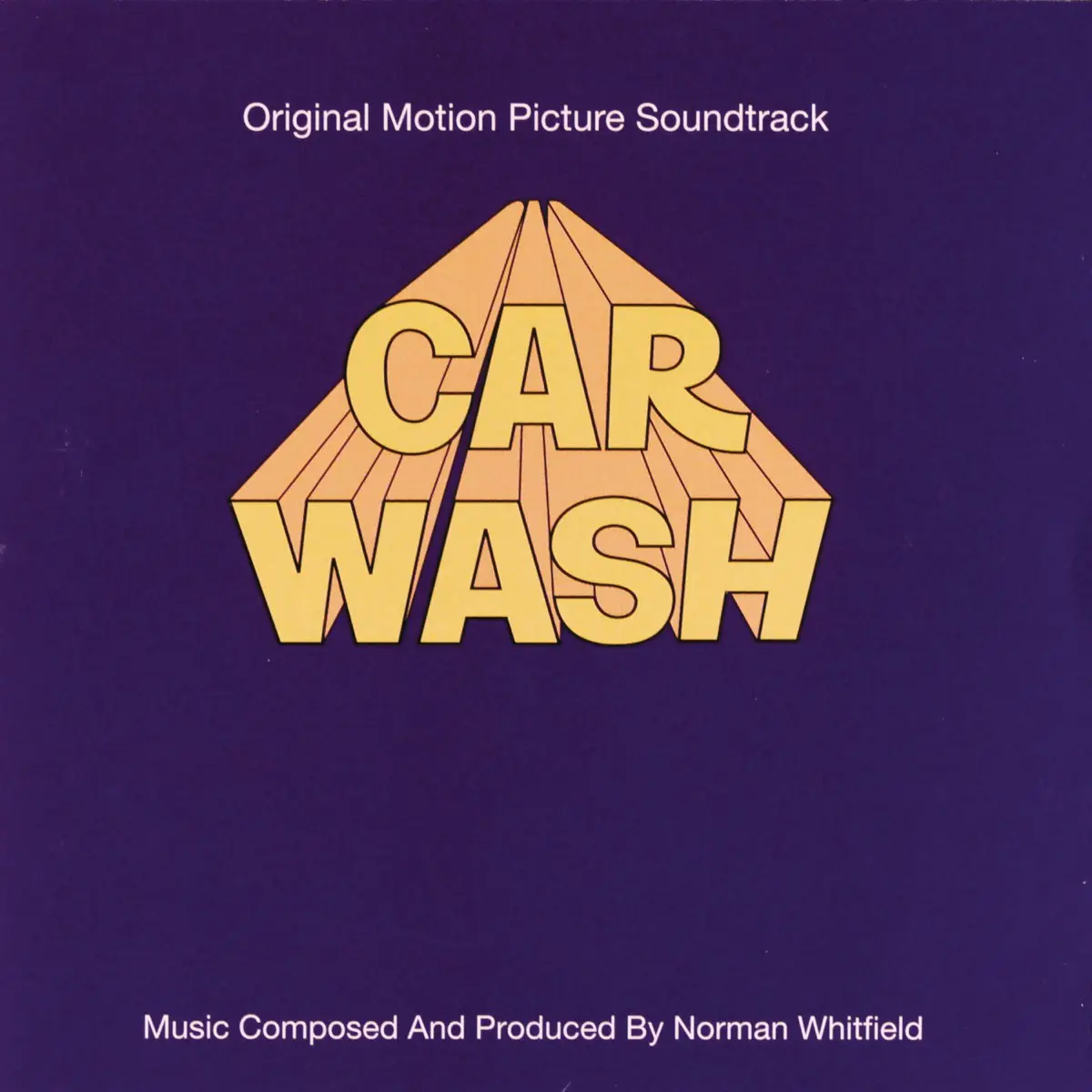 On September 13, 1976, Rose Royce debuted with Car Wash, the two-record MCA soundtrack to the Blaxploitation comedy film by Universal Pictures. The film follows the Friday staff at an LA car wash and their interactions with eccentric customers.
The album combines uptempo funk with symphonic disco and orchestrated soul ballads, framed by incidental instrumentals and dialogue from the film. Norman Whitfield used the project to showcase Rose Royce’s full range while introducing Gwen Dickey’s voice to a wide audience.
Whitfield composed the entire set apart from “Zig Zag,” “Born to Love You,” and “Yo Yo,” which Rose Royce wrote collectively, and “You’re on My Mind,” co-written by drummer Henry Garner and bassist Duke Jobe. The Pointer Sisters appear on the Whitfield-penned “You Gotta Believe.”
The album opens with the propulsive title track, where Dickey narrates workplace hustle against a four-on-the-floor beat, layered strings, and rhythmic guitar figures. “I Wanna Get Next to You” slows the pace with orchestral textures that frame a plaintive vocal. “I’m Going Down” heightens the drama with torch ballad intensity and Dickey’s impassioned delivery. “Daddy Rich” uses horn stabs and clipped guitar patterns to sketch a street-preacher satire. Funk-oriented numbers like “Put Your Money Where Your Mouth Is” and “Born to Love You” counterbalance the orchestral elements, while the extended “Sunrise” builds layers of percussion, strings, and synthesizer across ten minutes of pulsing repetition. Short interludes such as “6 O’Clock DJ (Let’s Rock)” and “Mid Day DJ Theme” connect the vocal songs, while instrumentals like “Yo Yo,” “Righteous Rhythm,” and “Doin’ What Comes Naturally” emphasize rhythmic interplay.
A1. “Car Wash” (5:06)
A2. “6 O’Clock DJ (Let’s Rock)” (1:09)
A3. “I Wanna Get Next to You” (3:57)
A4. “Put Your Money Where Your Mouth Is” (3:25)
A5. “Zig Zag” (2:30)
B1. “You’re on My Mind” (3:27)
B2. “Mid Day DJ Theme” (1:43)
B3. “Born to Love You” (3:06)
B4. “Daddy Rich” (3:12)
B5. “Richard Pryor Dialogue” (5:21)
C1. “You Gotta Believe” (2:51)
C2. “I’m Going Down” (3:37)
C3. “Yo Yo” (4:16)
C4. “Sunrise” (10:48)
D1. “Righteous Rhythm” (2:30)
D2. “Water” (3:31)
D3. “Crying” (2:57)
D4. “Doin’ What Comes Naturally” (3:09)
D5. “Keep on Keepin’ On” (6:39)
Sessions took place at Sound Factory in Hollywood with producer Norman Whitfield and engineers Baker Bigsby, Cal Harris, Clay McMurray, Leanard Jackson, and Whitfield himself. Paul Riser directed the orchestral arrangements. The lineup featured Gwen Dickey on vocals, Kenji Brown and Melvin “Wah Wah” Ragin on guitars, Victor Nix, Mark Davis, and Ben Wilber on keyboards, Michael Moore on saxophone, Kenny Copeland and Freddie Dunn on trumpets, Duke Jobe on bass, Henry Garner on drums, and Terry Santiel on congas.
MCA lifted four singles: “Car Wash,” “I Wanna Get Next to You,” “I’m Going Down,” and “Put Your Money Where Your Mouth Is.”
The title song reached the Top 10 in Canada, the Netherlands, New Zealand, Switzerland, Belgium, and the UK. On the week of January 23, 1977, “Car Wash” reached No. 1 on the Billboard Hot 100, where it overtook “I Wish” by Stevie Wonder. It also topped the Billboard R&B chart.
“I Wanna Get Next to You” went Top 10 on multiple charts, including No. 3 R&B and No. 10 on the Hot 100. “I’m Going Down” made the US R&B Top 10 and went Top 5 in France.
Car Wash reached No. 14 on the Billboard 200 and No. 2 on the Soul LPs chart.
In Full Bloom
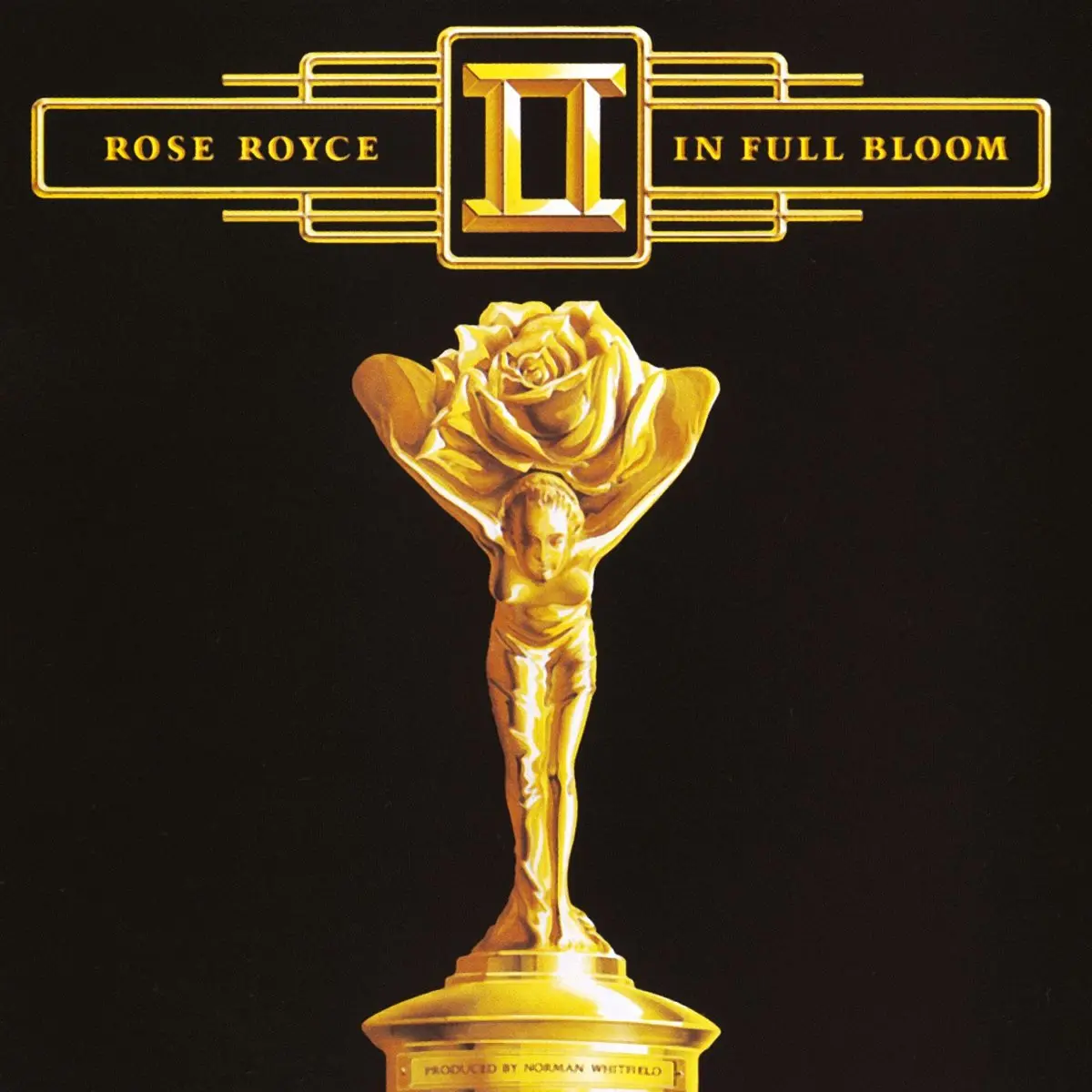 Rose Royce released their second album, In Full Bloom, on July 29, 1977, on Whitfield Records.
The album presents extended funk workouts and orchestrated soul ballads, a balance that let Rose Royce establish their identity beyond soundtrack work. Norman Whitfield framed Gwen Dickey’s voice against long-form dance numbers and brassy, horn-driven funk, offset with romantic interludes.
Whitfield wrote all but three songs. Billie Calvin contributed “Wishing on a Star,” Spyder Turner penned “Do Your Dance,” and Rose Royce themselves wrote “Funk Factory.” Guitarist Kenji Brown and trumpeter Kenny Copeland each took turns on lead vocals alongside Dickey.
The set opens with “Wishing on a Star,” a slow, string-laden ballad with yearning vocal turns that contrast with the charged pace of the subsequent tracks. “Do Your Dance” stretches across nine minutes of shifting funk, with dense horn bursts and tightly wound rhythms that build in intensity. “Ooh Boy” contrasts abrupt strings with Gwen’s impassioned, lithe vocal delivery. “You Can’t Please Everybody” syncopates with crisp guitar phrasing and layered brass, while “It Makes You Feel Like Dancin’” runs nearly nine minutes with stretched instrumental passages over a persistent beat. “Funk Factory” gives the band an instrumental spotlight, while “Love, More Love” and “You’re My World Girl” maintain the album’s balance of upbeat and tender moods.
A1. “Wishing on a Star” (4:50)
A2. “You Can’t Please Everybody” (3:47)
A3. “Ooh Boy” (4:15)
A4. “Do Your Dance” (9:15)
B1. “You’re My World Girl” (4:08)
B2. “Love, More Love” (3:15)
B3. “Funk Factory” (3:05)
B4. “It Makes You Feel Like Dancin’” (8:43)
Sessions occurred at Sound Factory West and Amigo Recording Studio in Los Angeles with producer Norman Whitfield and engineers Leanard Jackson, Steve Maslow, and Steve Smith. Paul Riser handled orchestral direction. The band featured Gwen Dickey on vocals, Kenji Brown and Melvin “Wah Wah” Watson on guitars, Michael Nash and Mark Davis on keyboards, Duke Jobe on bass, Henry Garner and James Gadson on drums, Kenny Copeland and Freddie Dunn on trumpets, Michael Moore on saxophone, and Terral Santiel on congas, with additional percussion by Jack Ashford.
In Full Bloom features cover illustration by Shusei Nagaoka with art direction by Ed Thrasher and album design by Eric Chan of Gribbitt!.
Whitfield issued three singles: “Do Your Dance,” “Ooh Boy,” and “Wishing on a Star.” “Do Your Dance (Part 1)” reached No. 4 R&B and No. 20 Dance, while “Ooh Boy” hit No. 3 R&B. “Wishing on a Star” charted modestly in the US but became a Top 3 hit in the UK.
In Full Bloom reached No. 9 on the Billboard 200, No. 1 on the Soul LPs chart, and No. 18 on the UK Albums Chart.
Strikes Again
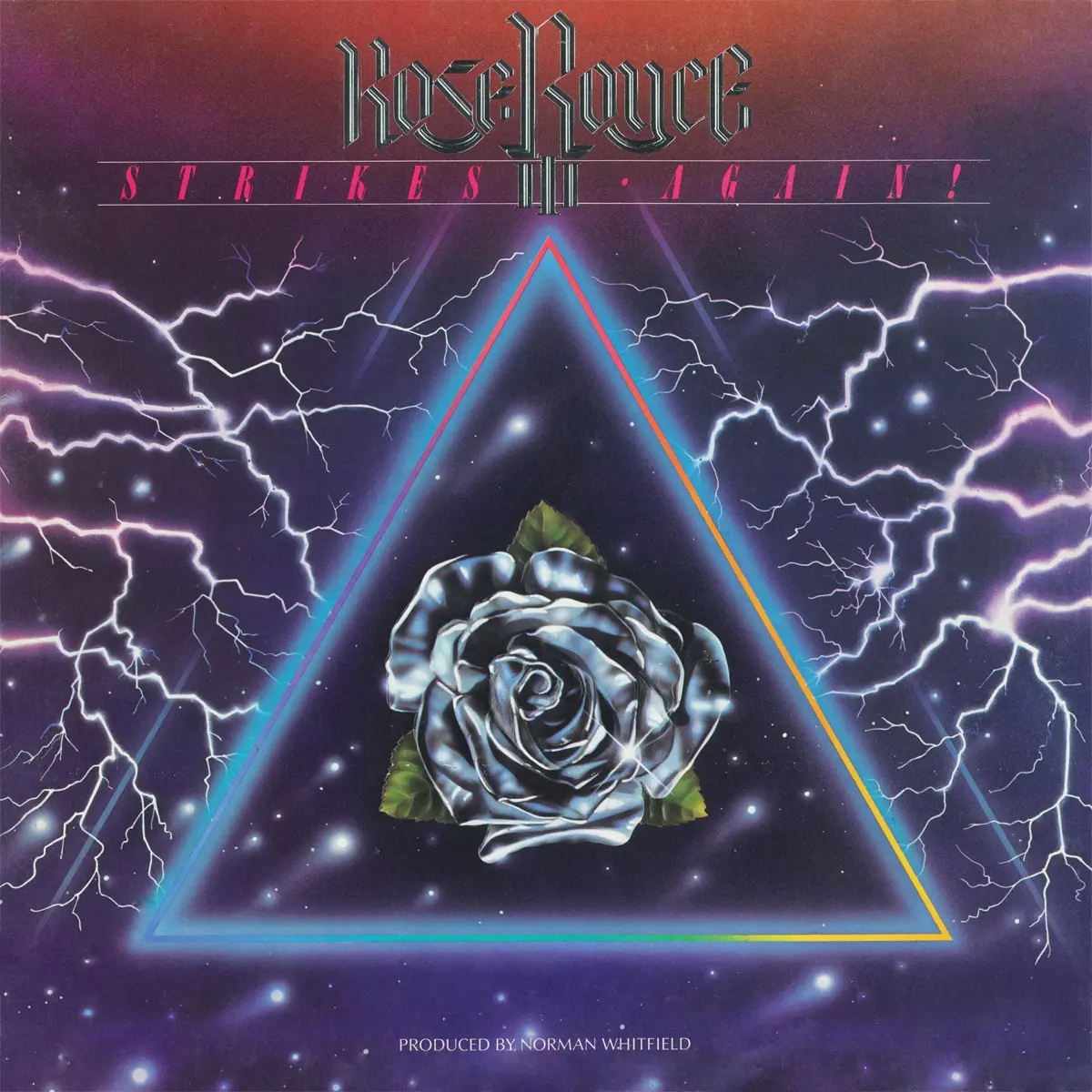 Rose Royce released their third album, Strikes Again, on August 11, 1978, on Whitfield Records.
The album balances sharp funk workouts with dramatic ballads, highlighted by the enduring “Love Don’t Live Here Anymore.” Norman Whitfield produced and arranged the sessions, once again framing Gwen Dickey’s voice with orchestral settings that contrasted against the band’s muscular rhythm arrangements.
Whitfield wrote five numbers, including the opening “Get Up Off Your Fat,” the brassy pulse “Do It, Do It,” the uptempo “I’m in Love (And I Love the Feeling),” the clipped funk “First Come, First Serve,” and the extended closer “That’s What’s Wrong With Me,” co-credited to the band. Outside material came from Miles Gregory (“Love Don’t Live Here Anymore,” “Let Me Be the First to Know”), Billie Calvin (“Angel in the Sky”), and Robert Daniels (“Help”).
The ballads form the album’s core. “Love Don’t Live Here Anymore” integrates Gwen Dickey’s vocal with the reverberant tones of the Pollard Syndrum, one of the earliest successful uses of the electronic drum in pop. Paul Buckmaster arranged the orchestral passages, reinforcing its brooding atmosphere. “Angel in the Sky” follows as another centerpiece ballad, while Whitfield’s “I’m in Love (And I Love the Feeling)” reaches back to the soft contours of his earlier Motown productions. In contrast, the funk tracks emphasize propulsive rhythm: “Do It, Do It” drives with stabbing horns, “First Come, First Serve” anticipates the clipped funk style that bands like the Gap Band would adopt, and “That’s What’s Wrong With Me” stretches into an extended jam with shifting instrumental interplay.
A1. “Get Up Off Your Fat” (4:35)
A2. “Do It, Do It” (4:09)
A3. “I’m in Love (And I Love the Feeling)” (3:41)
A4. “First Come, First Serve” (3:19)
A5. “Love Don’t Live Here Anymore” (3:55)
B1. “Angel in the Sky” (4:56)
B2. “Help” (3:53)
B3. “Let Me Be the First to Know” (3:52)
B4. “That’s What’s Wrong With Me” (6:37)
Sessions took place at Fort Knox Studios in Los Angeles with producer–arranger Norman Whitfield. Gene Page contributed orchestral direction, with engineering handled under Whitfield’s supervision.
“Love Don’t Live Here Anymore” appeared as the second single and became a transatlantic hit, reaching No. 2 in the UK, No. 2 in New Zealand, and Top 10 in Ireland, Australia, and the Netherlands. In the US, it peaked at No. 5 on the R&B chart.
“I’m in Love (And I Love the Feeling)” backed with “Get Up Off Your Fat” charted No. 5 on the R&B chart in July 1978. “First Come, First Serve” followed in March 1979 with “Let Me Be the First to Know” on the flip.
Strikes Again reached No. 4 on R&B Albums chart, No. 28 on the Billboard 200, and No. 7 in the UK.
Rose Royce IV: Rainbow Connection
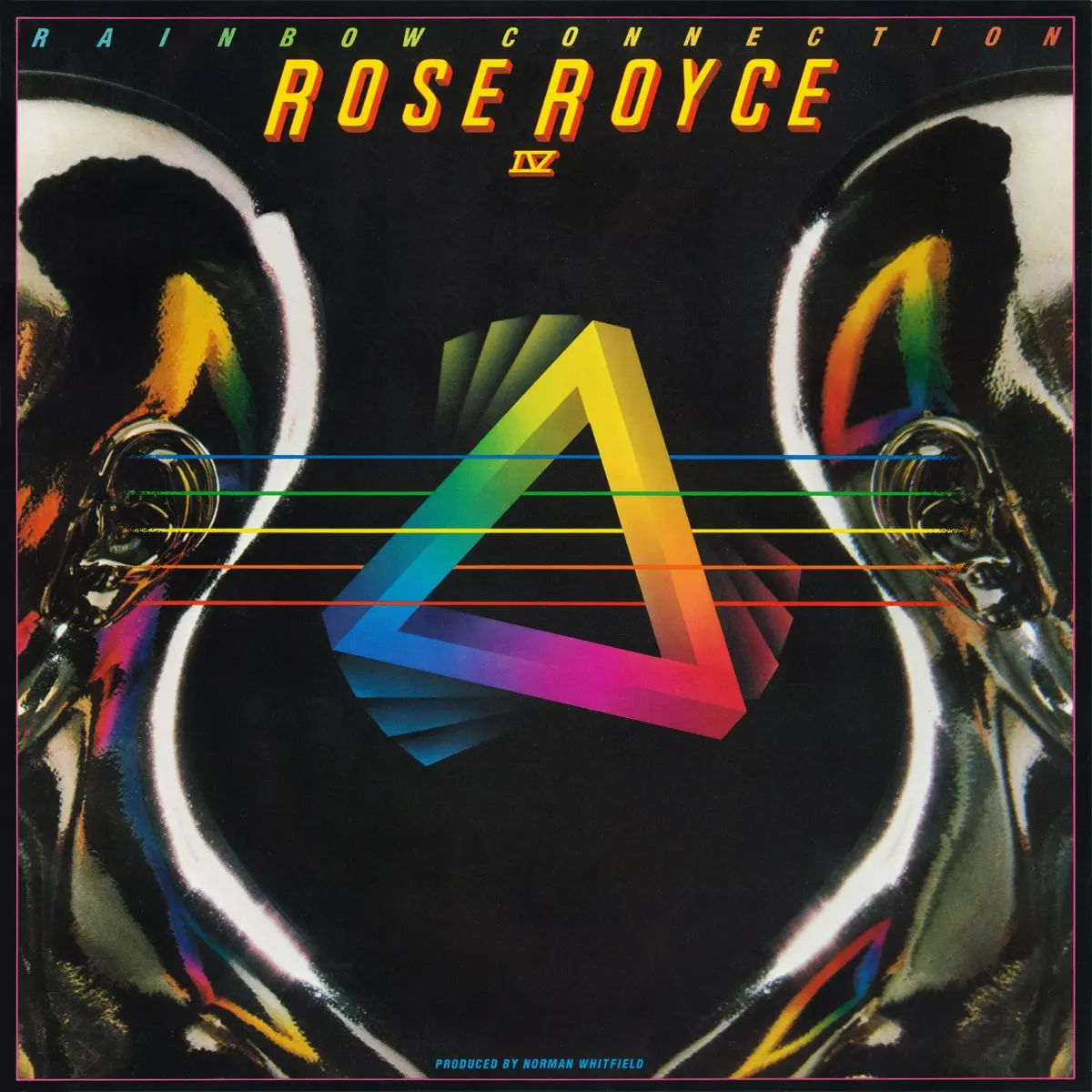 Rose Royce released their fourth album, Rainbow Connection, on August 17, 1979, on Whitfield Records.
The album marked the final appearance of Gwen Dickey as lead singer, closing Rose Royce’s first era with a mix of extended funk workouts, lush ballads, and a shift toward disco elements.
Norman Whitfield produced and arranged seven tracks, including the nine-minute “What You Waitin’ For,” the brash “Bad Mother Funker,” and the reflective “You Can’t Run From Yourself.” Keyboardist Michael Nash produced and wrote the closer “Pazazz.” Miles Gregory contributed “Is It Love You’re After” and “Lock It Down,” while Robert Daniels supplied “I Wonder Where You Are Tonight” and “Shine Your Light.”
The material spans from dramatic ballads to high-energy dance tracks. Dickey delivers an earnest, melancholy vocal on “I Wonder Where You Are Tonight,” then soars full-throttle on the melodramatic “Is It Love You’re After,” Rose Royce’s most lavishly orchestrated dance track. “Shine Your Light” unfolds with a gradual rhythmic build, while Whitfield’s centerpiece “What You Waitin’ For” stretches into an extended jam previously cut by Stargard. “Bad Mother Funker” adds humor to its taut funk rhythm, and “You Can’t Run From Yourself” carries a darker, more reflective edge. Nash’s “Pazazz” closes the set with a lighter, jazz-tinged turn.
A1. “I Wonder Where You Are Tonight” (3:37)
A2. “Is It Love You’re After” (5:01)
A3. “Shine Your Light” (5:26)
A4. “What You Waitin’ For” (8:54)
B1. “Bad Mother Funker” (4:41)
B2. “You Can’t Run From Yourself” (5:43)
B3. “Lock It Down” (5:59)
B4. “Pazazz” (4:47)
Sessions occurred at Fort Knox Studios in Los Angeles with Norman Whitfield producing and arranging, except “Pazazz,” produced by Michael Nash. Bruce Miller handled horn and string arrangements, while Leonard Jackson and Steve Smith engineered the recordings.
Rainbow Connection features cover design by Norman Moore with photography by Scott Hensell.
“Is It Love You’re After” appeared as the lead single in August 1979, reaching No. 13 in the UK. “What You Waitin’ For” followed in November, backed with “Shine Your Light.” In mid-1980, Whitfield issued “Pop Your Fingers” as a non-album A-side with “I Wonder Where You Are Tonight” on the flip. The album reached No. 22 on Billboard’s Top Soul LPs.
Golden Touch
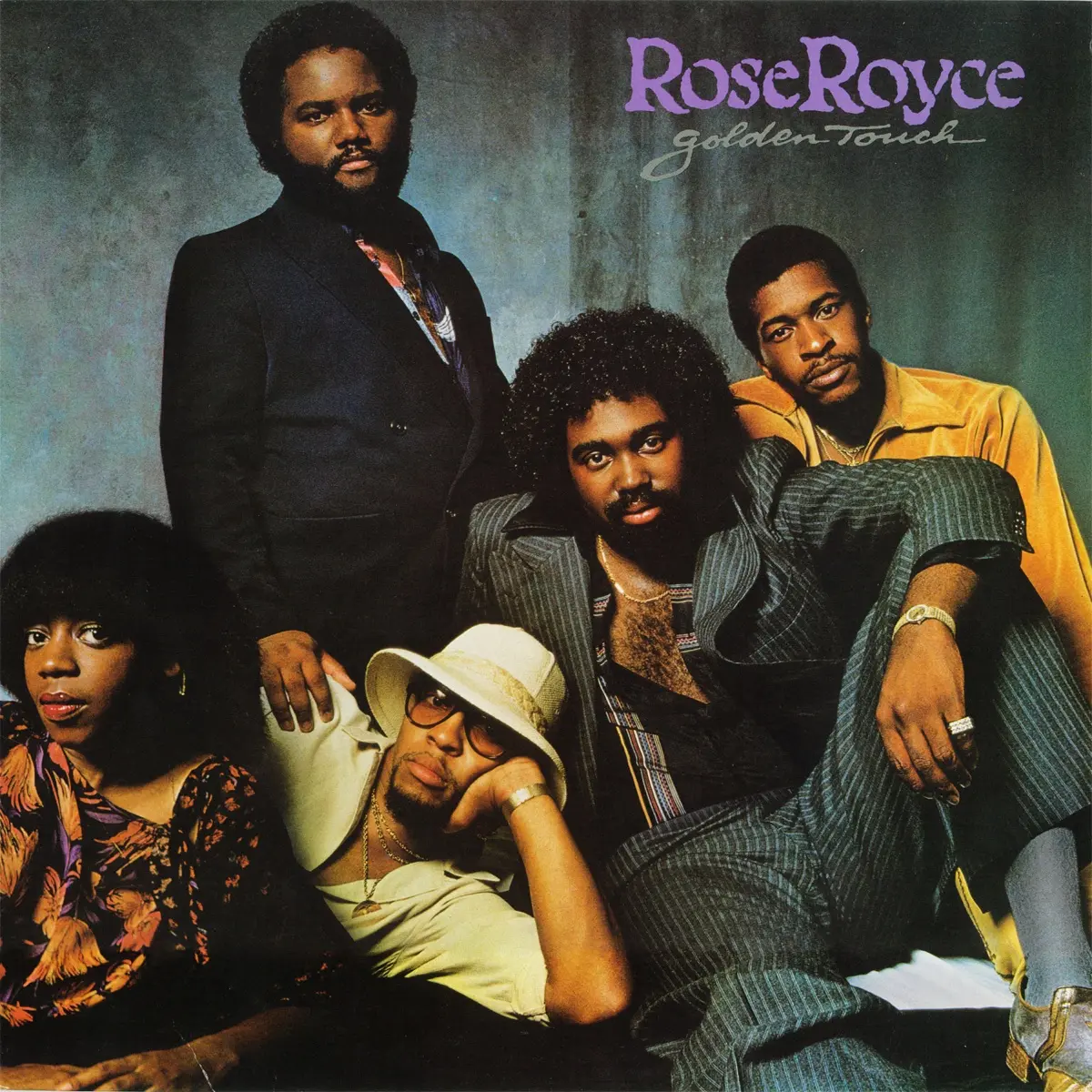 Rose Royce released their fifth album, Golden Touch, on December 17, 1980, on Whitfield Records.
The album introduced new singer Richee Benson and re-established Rose Royce after Gwen Dickey’s departure earlier that year. The material blends string-laden ballads, mid-tempo soul, and extended funk, with both Benson and falsetto lead Kenny Copeland sharing vocal duties.
Producer Norman Whitfield wrote “Funkin’ Around” and “Help Yourself” and co-wrote “I Wanna Make It With You,” “Golden Touch,” and “You’re a Winner” with keyboardist Michael Nash, bassist Mark Kenoly, and keyboardist Walter Downing. Benson sang lead on “Golden Touch” and “And You Wish for Yesterday,” the latter written by bassist Robert Daniels. Drummer Henry Garner co-produced and co-wrote “Love Is in the Air” with trumpeter Michael Smith, who also co-wrote “You’re a Winner” and “Would You Please Be Mine.” Copeland co-produced and co-wrote “Would You Please Be Mine” with Smith and R. Copeland.
The set balances Benson’s fluid tone on the dreamy “Golden Touch” and the reflective “And You Wish for Yesterday” with Copeland’s falsetto on the ballad “Would You Please Be Mine” and the bright “Love Is in the Air.” Nash’s co-penned “I Wanna Make It With You” unfolds with brisk, rhythmic drive, while Whitfield’s “Funkin’ Around” stretches into a Parliament-styled funk workout with ensemble vocals.
A1. “And You Wish for Yesterday” (3:45)
A2. “I Wanna Make It With You” (3:35)
A3. “Funkin’ Around” (4:45)
A4. “Golden Touch” (3:47)
B1. “Love Is in the Air” (3:34)
B2. “You’re a Winner” (4:26)
B3. “Would You Please Be Mine” (3:47)
B4. “Help Yourself” (4:01)
Sessions occurred at Fort Knox Recording Studio in Los Angeles with Norman Whitfield producing and arranging. Rose Royce also contributed arrangements, with Bruce Miller handling strings. Leonard Jackson and Steve Smith engineered the recordings with assistance from N. A. Whitfield.
Golden Touch features photography by Norman Seeff with art direction by Richard Seireeni.
Whitfield lifted four singles: “You’re a Winner” (b/w “Pazazz”) in October 1980, “Funkin’ Around” (b/w “Help Yourself”) in November, “Golden Touch” (b/w “Love Is in the Air”) in February 1981, and “I Wanna Make It With You” (b/w “Love Is in the Air”) in May.
Jump Street
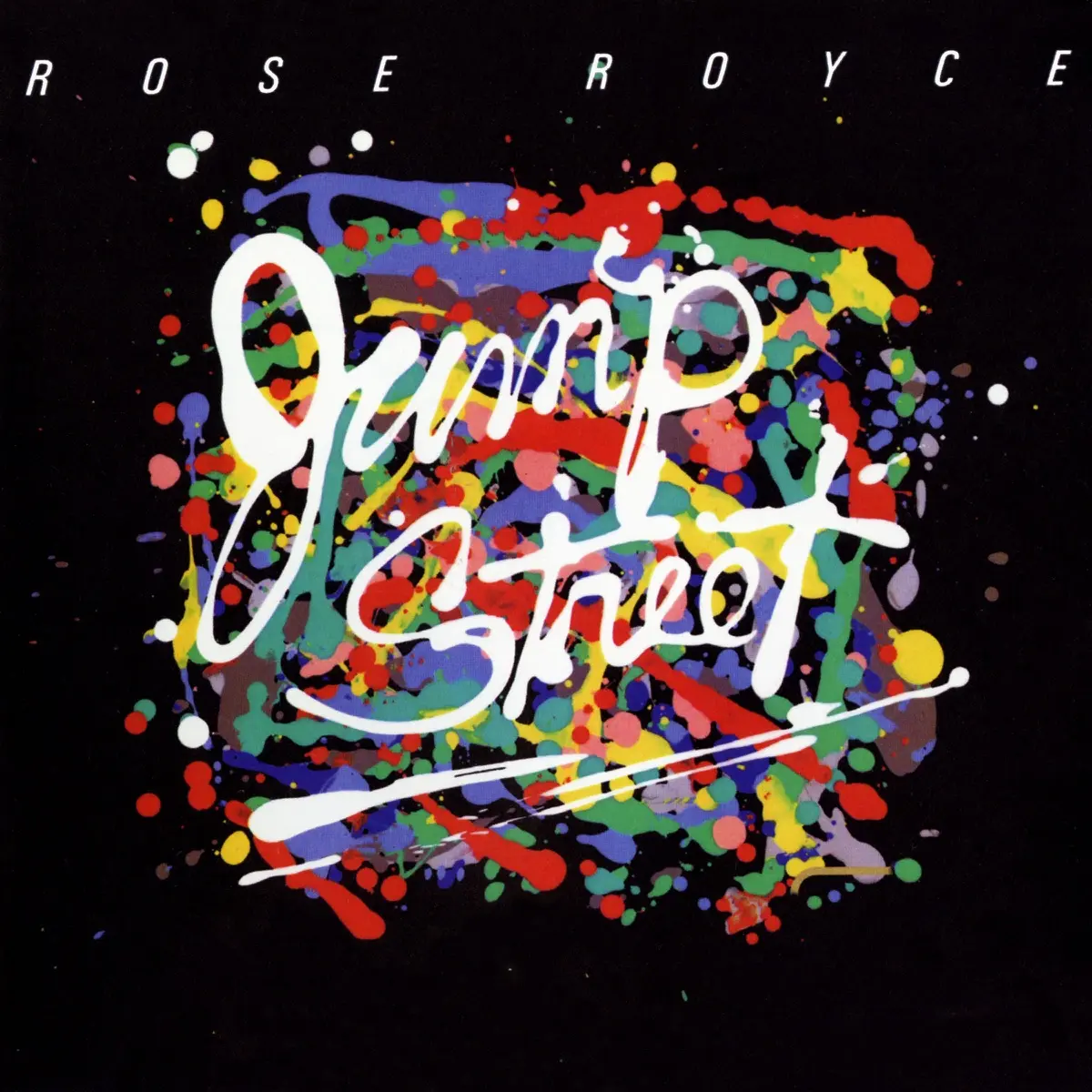 Rose Royce released their sixth album, Jump Street, on August 26, 1981, on Whitfield Records.
The album combines expansive funk workouts with shorter ballads and uptempo numbers, closing their initial run on Whitfield before a label change the following year.
Producer Norman Whitfield wrote “R.R. Express” and co-wrote “Please Return Your Love to Me” with Barrett Strong and Bobby Neely. Keyboardist Michael Nash wrote and produced “Fight It.” Miles Gregory produced and wrote “Illusions” and “Famous Last Words.” Bassist Robert Daniels wrote “Tell Me That I’m Dreaming.” Keyboardist Walter Downing co-wrote “Jump Street” with Erskine Atkins and trumpeter Marvin Smith.
A1. “Jump Street” (3:59)
A2. “Illusions” (3:54)
A3. “R.R. Express” (11:58)
B1. “Famous Last Words” (6:05)
B2. “Tell Me That I’m Dreaming” (4:22)
B3. “Please Return Your Love to Me” (5:18)
B4. “Fight It” (3:27)
Sessions occurred at Fort Knox Recording Studio in Los Angeles with Norman Whitfield producing and arranging. Leonard Jackson and Steven Smith handled engineering with assistance from N. A. Whitfield. Horn arrangements were split between Norman J. Whitfield and trumpeter Kenneth Scott.
Whitfield lifted “R.R. Express” (b/w “Fight It”) in October 1981. The single reached No. 8 on the US Dance chart, No. 6 in Belgium, and No. 2 in the Netherlands.
Stronger Than Ever
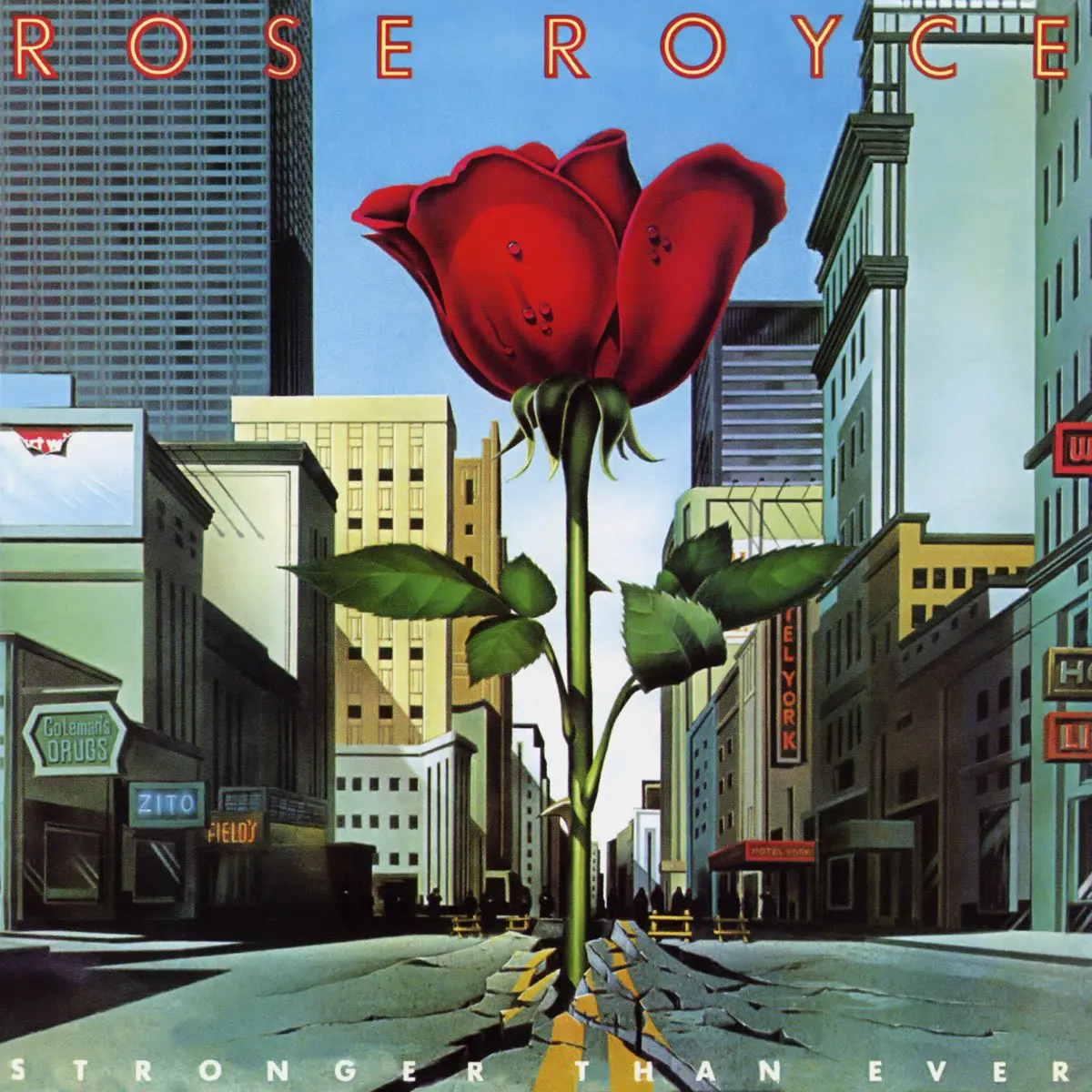 Rose Royce released their seventh album, Stronger Than Ever, on April 30, 1982, on Epic.
The album balances funk-driven material with ballads, widening the band’s sound toward a lighter, string-accented direction while retaining their established rhythm-section force.
Producer Norman Whitfield oversaw the album and wrote “Sometimesy Lady,” “Best Love,” “Somehow We Made It Through the Rain,” and “Fire in the Funk,” the last in collaboration with Marvin Smith. Keyboardist Michael Nash produced “Still in Love” and “You Blew It,” and co-produced “Talk to Me” with trumpeter Kenny Copeland, who also produced “Dance With Me.” Bassist Robert Daniels and keyboardist Ron Artis co-produced “Best Love” with Whitfield.
The set opens with “Dance With Me,” a taut number led by Copeland, and closes with “Talk to Me,” which features a sharp guitar solo reminiscent of early-1980s Prince. Between those bookends, Benson takes the lead on the ballad “Still in Love” and the orchestrated “Sometimesy Lady,” while the group drives the extended funk workouts “Fire in the Funk” and “Best Love.”
A1. “Dance With Me” (3:58)
A2. “Sometimesy Lady” (2:24)
A3. “Best Love” (3:54)
A4. “Still in Love” (5:39)
B1. “You Blew It” (4:14)
B2. “Somehow We Made It Through the Rain” (4:39)
B3. “Fire in the Funk” (5:37)
B4. “Talk to Me” (4:32)
Sessions occurred at Fort Knox Recording Studios in Los Angeles with Norman Whitfield producing and Bill Whitfield, Leonard Jackson, Steve Smith, and Norman A. Whitfield Jr. handling engineering.
Stronger Than Ever features cover illustration by Andy Zito with design by Nancy Donald and concept direction by Dexter Griffin.
Epic issued four singles: “Best Love” (b/w “Dance With Me”) in March 1982, “Still in Love” (b/w “Fire in the Funk”) in June, “You Blew It” (b/w “Somehow We Made It Through the Rain”) in October, and “Dance With Me” separately backed with “Talk to Me.”
Music Magic
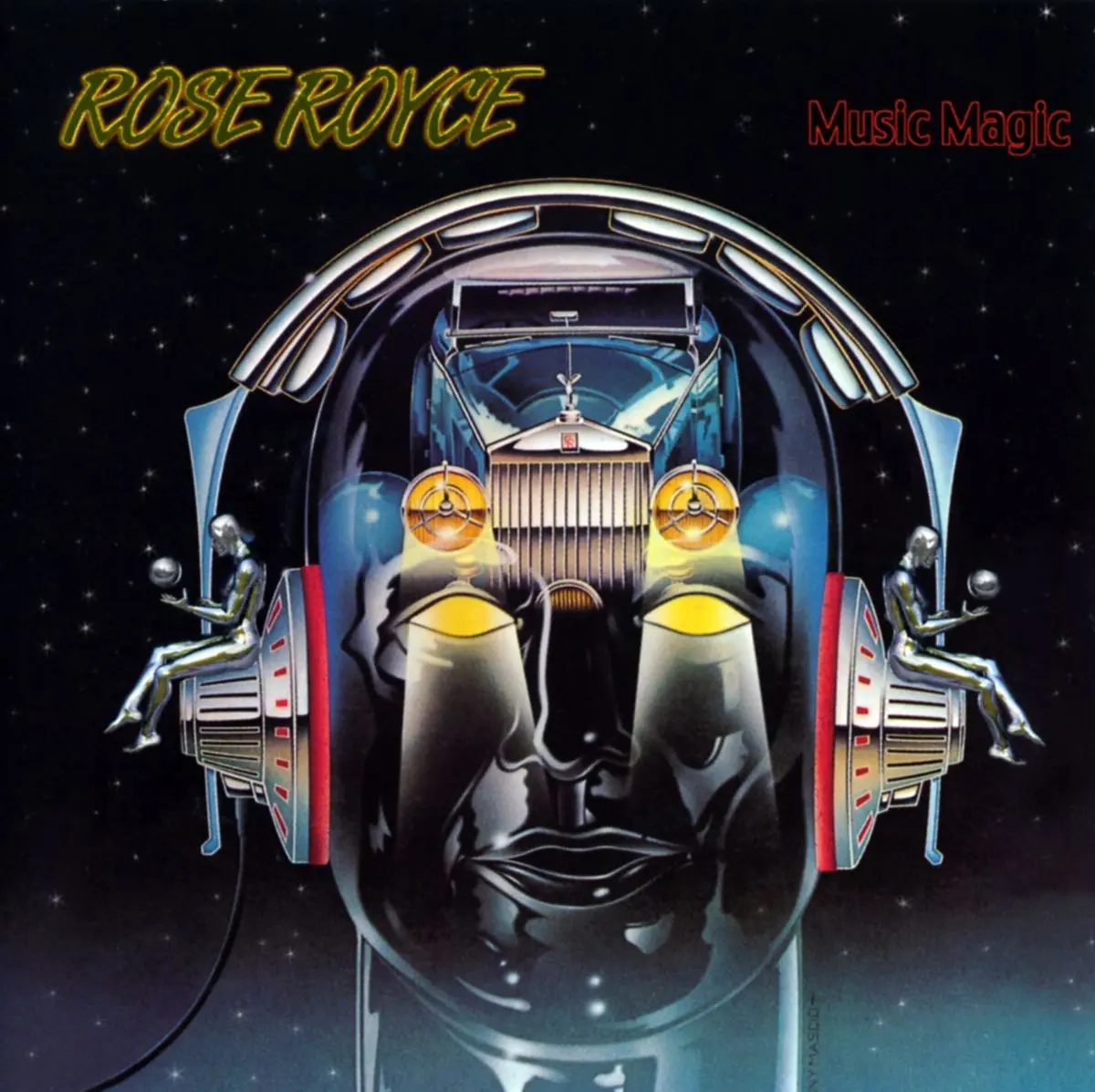 Rose Royce released their eighth album, Music Magic, in 1984 on C&R/Montage (US) and Streetwave (UK).
The album pairs airy ballads with rhythm-driven tracks that use electronic textures alongside live horns and rhythm section. Kenny Copeland’s falsetto and trumpet work and Ricci Benson’s high soprano alternate on lead vocals, giving the set a dual-fronted character distinct from earlier Rose Royce records.
Alex Brown and Ron Kersey wrote “Magic Touch,” while Alvin and Terral Santiel supplied “You’re So Fine.” Trumpeter Kenny Copeland co-produced and co-wrote “Holding On to Love” with Reginald Thomas and Ken Patrick, and co-produced “Safe and Warm” and “Long Distance Love Affair” with Bobby Eli. Keyboardist Michael Nash produced “New Love” and “Show Me” and co-produced “Safe and Warm” with Copeland and Eli. Guitarist Bobby Eli produced “Work It” and handled guitar across the set.
A1. “Magic Touch” (5:58)
A2. “Holding On to Love” (3:23)
A3. “New Love” (5:18)
A4. “Safe and Warm” (4:45)
B1. “Work It” (5:54)
B2. “Long Distance Love Affair” (4:22)
B3. “You’re So Fine” (3:49)
B4. “Show Me” (4:27)
Sessions occurred at Canyon Records facilities under the direction of producers Bobby Eli, Kenny Copeland, Michael Nash, Alvin Santiel, and Terral Santiel. Grant McAvoy contributed additional drum programming.
The sleeve features design by Arnie Roberts with illustration by Tony Mascio.
C&R issued two singles: “Magic Touch” backed with “You’re So Fine” and “Holding On to Love” backed with “Show Me.”
Fresh Cut
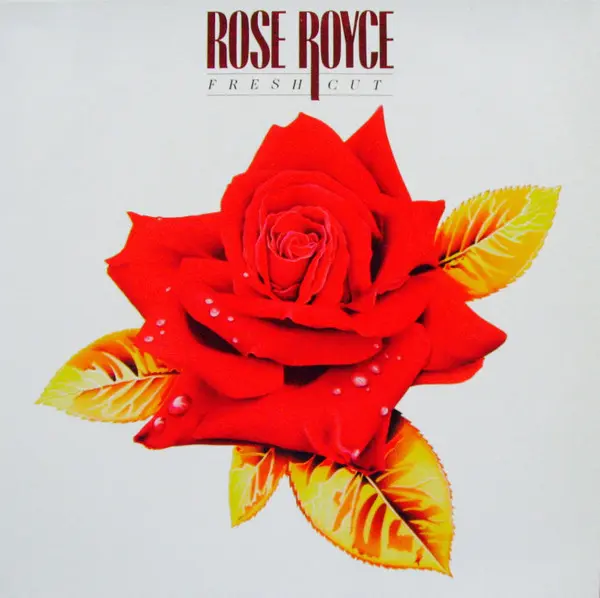 Rose Royce released their ninth album, Fresh Cut, in 1986 on Omni.
The album places the band in the mid-eighties urban contemporary sphere, using drum programming, Fairlight synthesizer, and programmed percussion with muted horn presence. Arthur Baker and Nick Martinelli brought electro and post-disco touches, while Bryan Williams, Terry Price, Kenny Copeland, and Randy Thomas anchored the songwriting and production in familiar Rose Royce elements.
Nick Martinelli produced “Doesn’t Have to Be This Way,” “Magic Doll,” “Just My Imagination,” and “Fighting Chance.” Guitarist Kenny Copeland co-produced “Magic Doll” with Evelyn Scott and Randy Thomas and co-produced “I Found Someone” with Thomas, who also wrote the track with Keith and Vincent Patrick and Renita Bowers. Copeland co-sings “Listen Up,” written by Arthur Baker with Doug Wimbish, Reggie Griffin, and Ricci Benson. Williams and Price produced and wrote both “Lonely Road” and “You’re My Peace of Mind.” Arthur Baker produced “If Walls Could Talk” with lyrics by Baker, Richard Scher, and Price. Donald Robinson produced and co-wrote “I Know I’m in the Mood.” Norman Whitfield’s composition “Just My Imagination” appears here as the lone outside cover.
The ballads “You’re My Peace of Mind” and “I Found Someone” sit alongside uptempo electronic productions like “If Walls Could Talk” and “Listen Up.” Their take on “Just My Imagination” integrates strings arranged by Dexter Wansel, making it a tonal contrast to the more mechanized tracks.
A1. “Doesn’t Have to Be This Way” (4:33)
A2. “Lonely Road” (4:35)
A3. “Magic Doll” (4:50)
A4. “I Found Someone” (4:25)
A5. “Listen Up” (4:33)
B1. “If Walls Could Talk” (4:23)
B2. “Just My Imagination” (4:40)
B3. “You’re My Peace of Mind” (4:53)
B4. “Fighting Chance” (4:10)
B5. “I Know I’m in the Mood” (4:15)
Sessions occurred at Alpha International Recording Studios and Kajem Recording Studio in Philadelphia, Wild Cat Studios in Los Angeles, and Shakedown Sound in New York, with producers Nick Martinelli, Arthur Baker, Kenny Copeland, Randy Thomas, Bryan Williams, Terry Price, and Donald Robinson. Engineers included Al Alberts Jr., Bruce Weeden, David Sussman, and Jay Burnett. Dennis King mastered the album.
Omni issued two singles: “Doesn’t Have to Be This Way” backed with “You’re My Peace of Mind” in November 1986, and “Lonely Road” backed with “I Found Someone” in February 1987.
Discography:
- Car Wash (2LP OST, 1976)
- In Full Bloom (1977)
- Strikes Again (1978)
- Rose Royce IV: Rainbow Connection (1979)
- Golden Touch (1980)
- Jump Street (1981)
- Stronger Than Ever (1982)
- Music Magic (1984)
- Fresh Cut (1986)
- Perfect Lover (1989)
Sources:
Artist/Album Pages:
Magnum was an American soul-funk band from San Pedro Bay, California, that released the album Full...
Lakeside was an American soul-funk band from Dayton, Ohio, that released a self-titled debut on AB...
Heat was an American soul-funk trio that released the 1980/81 MCA albums Heat and Still Waiting. ...
Brainstorm was an American soul-funk band from Detroit, best known for the R&B hits "Lovin' Is...
Rare Gems were an American soul-funk band behind the 1977 Casablanca album Rare Gems Odyssey, foll...
Zapp was an American electro-funk band from Hamilton, Ohio, that released four albums between 1980...
Band of Thieves were an American soul-funk band from Minneapolis that released a self-titled album...
Aquarian Dream was an American soul-funk project assembled by producer/musician Norman Connors fo...
The Rhythm Makers were an American soul-funk band from the Bronx that released the album Soul on Y...
Seawind was an American jazz-funk-soul septet, originally from Hawaii, that released two albums on...
The Politicians were an American soul-funk/psych band from Detroit that released a self-titled alb...
Unlimited Touch was an American soul-funk band that released the 1981–83 Prelude albums Unlimited ...