

New Musik was an English synthpop band that released the 1980/81 albums From A to B and Anywhere on GTO/CBS, scoring hits with “Straight Lines,” “Living By Numbers,” “Sanctuary,” and “This World of Water.” After their 1982 release Warp, mastermind Tony Mansfield went into production. Early keyboardist Nick Straker left pre-record to front his own Brit-funk band with overlapping personnel.
Members: Tony Mansfield (vocals, guitar), Nick Straker (keyboards, 1977-79), Tony Hibbert (bass, 1977-81), Phil Towner (drums, 1977-81), Clive Gates (keyboards, 1979-82), Cliff Venner (percussion, vocals, 1982)
Background
New Musik emerged from the South London band End of the World, formed in 1977 when guitarist/singer Tony Mansfield and bassist Tony Hibbert teamed with keyboardist Nick Straker and drummer Phil Towner. Mansfield and Hibbert came from the unrecorded End of the World. Straker led Limmie Funk Limited, which included Towner.
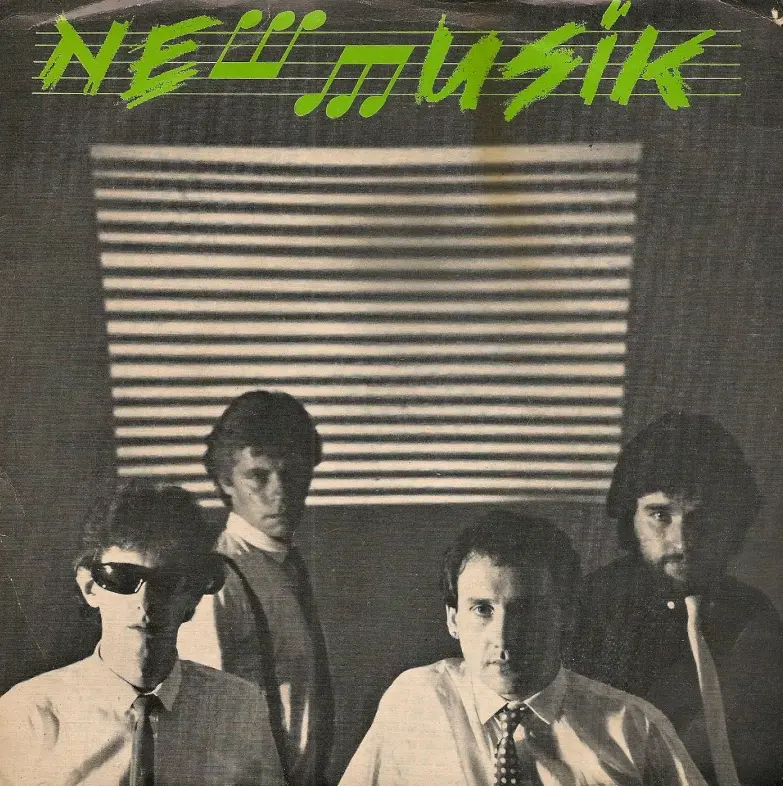 The budding four-piece demoed material (“On Islands,” “Love Train”) that combined semi-acoustic, Beatles/Hollies harmony pop with the clean electronic sounds of Kraftwerk and Ultravox. Straker, opting for a funkier, more dance-oriented approach, left before they signed a deal. In 1978, New Musik welcomed keyboardist Clive Gates, who’d played as a teen with Mansfield in Reeman Zeegus.
Signed to CBS-subsidiary GTO, New Musik debuted with the September 1979 single “Straight Lines” (b/w “On Islands”).
From A to B
 New Musik released their debut album, From A to B, in April 1980 on GTO.
The album combines bright electronic arrangements with acoustic textures, setting a distinctive tone among early synthpop releases. Tony Mansfield’s crisp production and melodic sense anchor the sound, pairing human warmth with machine precision.
Mansfield wrote all ten songs and produced the sessions. His lyrics reflect modern isolation, environmental anxiety, and emotional distance in an age of technology.
The set balances brisk, futuristic numbers and softer, contemplative pieces. “Straight Lines” opens with mechanical pacing and choral overlays that mirror the lyric’s theme of order and repetition. “Living by Numbers,” the group’s breakout single, offsets its programmed rhythm with airy harmonies and chiming keyboards. “Science” takes a minimalist pulse and builds it into a spiraling electronic meditation, while “A Map of You” and “On Islands” use acoustic strumming and synthesizer drones to evoke emotional withdrawal and geographic solitude. “This World of Water” injects pop urgency through layered percussion and sequenced keys, contrasting the glacial balladry of “The Safe Side.”
A1. “Straight Lines” (5:12) — sets the tone with rigid rhythm and vocal counterpoint over processed drums
A2. “Sanctuary” (4:12) — uses jangling guitars and choir-like synths to express the need for emotional refuge
A3. “A Map of You” (3:50) — introspective piece where acoustic textures frame Mansfield’s plaintive vocal
A4. “Science” (3:20) — lyrically explores human detachment through synthetic sequencing
A5. “On Islands” (4:24) — slow-building lament of isolation surrounded by oceanic keyboard layers
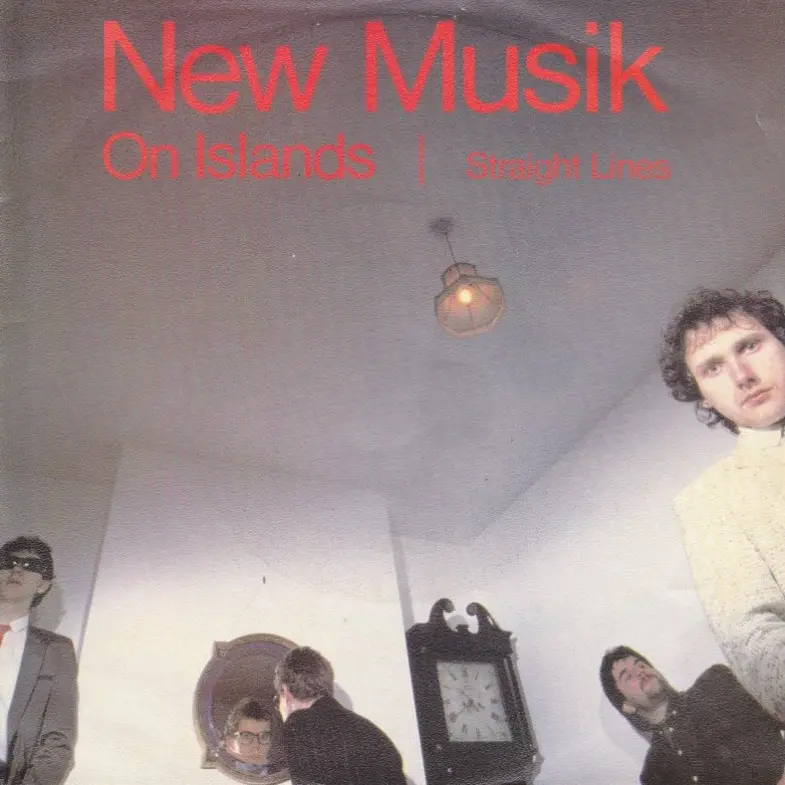 B1. “This World of Water” (3:37) — buoyant rhythm and lyrical imagery of flux and transience
B2. “Living by Numbers” (3:28) — satirical take on conformity and statistical living, driven by sharp electronic percussion
B3. “Dead Fish (Don’t Swim Home)” (5:24) — dark allegory using aquatic imagery and rhythmic displacement
B4. “Adventures” (3:52) — brisk tempo and call-and-response refrain, hinting at escapism
B5. “The Safe Side” (3:09) — subdued closer reflecting retreat into comfort zones
Sessions occurred at TMC Studios in London with Mansfield producing and Peter Hammond as chief engineer.
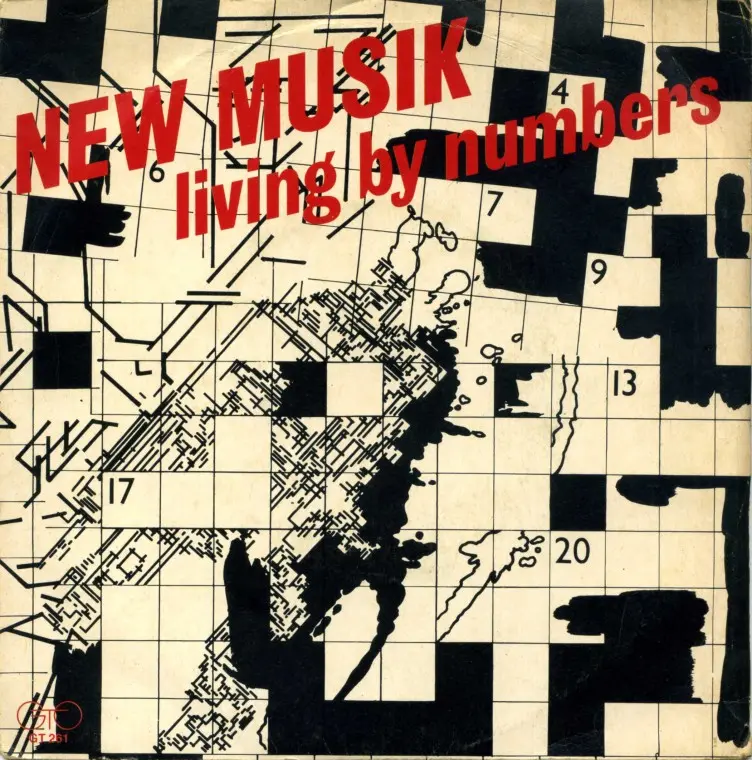 GTO promoted From A to B with four singles: “Straight Lines” (b/w “Sad Films”) in August 1979, “Living by Numbers” (b/w “Sad Films”) in November 1979, “This World of Water” (b/w “Twelfth House”) in April 1980, and “Sanctuary” (b/w “The Office”) in July 1980. “Living by Numbers” reached No. 13 on the UK Singles Chart and No. 12 in Ireland.
In the US, Epic combined the first two singles on a four-song 10-inch as part of the label’s short-lived Nu Disk series, which also included titles by The Continentals, Propoganda (not the later German band), and The Clash (Black Market Clash).
The album’s clean fusion of synths, guitars, and programmed rhythm influenced the next wave of British electro-pop acts and remains a reference point for later artists blending pop form with technological design.
Anywhere
 New Musik released their second album, Anywhere, in March 1981 on GTO.
The album expands the band’s synth-based framework with deeper textures and atmospheric density. Tony Mansfield refined the use of electronic percussion, particularly the Roland CR-78, while introducing broader tonal contrasts between organic and synthetic elements. The result is a more introspective and immersive soundscape than their debut.
Frontman Tony Mansfield handled vocals, guitars, and keyboards alongside Clive Gates (keyboards), Tony Hibbert (bass), and Phil Towner (drums, percussion). Mansfield wrote and produced all twelve core tracks. Keyboardist Gates contributed the B-side “The Office.”
The material balances rhythmic tension and reflective calm. “They All Run After the Carving Knife” opens with layered electronics and angular pacing that mirror lyrical anxiety about conformity. “Areas” unfolds as a serene mid-tempo study in restraint, while “Churches” pairs a pulsating rhythm and vocoder effects with cryptic, apocalyptic imagery (“666 approaching fast”). “This World of Walter” mirrors the prior album’s “This World of Water” in title and theme. The closing sequence—“Traps,” “Division,” and “Back to Room One”—returns to cyclical motifs of alienation and return, framed by sonar-like effects and abstract vocal treatments.
A1. “They All Run After the Carving Knife” (5:52) — opens the album with shifting patterns and layered sequencing that underscore lyrical themes of pursuit and paranoia
A2. “Areas” (4:11) — a slow, atmospheric number exploring emotional distance through sparse rhythm and reverb-treated keyboards
A3. “Churches” (4:54) — blends disco-tinged bass, vocodered voices, and prophetic imagery that drew public controversy
A4. “This World of Walter” (2:56) — reworks motifs from “This World of Water” into a compact, sardonic reflection
A5. “Luxury” (3:48) — juxtaposes synthetic percussion with backward vocal segments
A6. “While You Wait” (5:08) — tight rhythmic interplay underlines lyrical restlessness and anticipation
B1. “Changing Minds” (4:53) — meditative reflection on indecision with swelling synth pads
B2. “Peace” (5:14) — gentle progression of sustained chords and cyclical phrasing
B3. “Design” (3:44) — emotive vocal phrasing over interlocking keyboard lines
B4. “Traps” (4:03) — tense rhythmic undercurrent matching the lyric’s sense of confinement
B5. “Division” (4:21) — explores duality and difference in clipped, echoing cadence
B6. “Back to Room One” (4:18) — closes with sonar tones and spatial delay effects suggesting retreat and repetition
Cassette editions added two bonus tracks: “Under Attack” (4:04) and “And” (4:38). Later CD versions appended “The Office” (4:29), “From the Village” (3:32), and “Guitars” (3:31).
Sessions occurred at TMC Studios in London with Tony Mansfield producing and Peter Hammond engineering.
GTO promoted Anywhere with “Luxury” (b/w “The Office”) in January 1981 and “While You Wait” (b/w “From the Village”) in April. Neither charted, though both gained cult notice among early synthpop audiences.
Dutch band The Gathering later covered “Areas” on their 2013 album Afterwords, extending the song’s influence beyond its initial era.
Warp
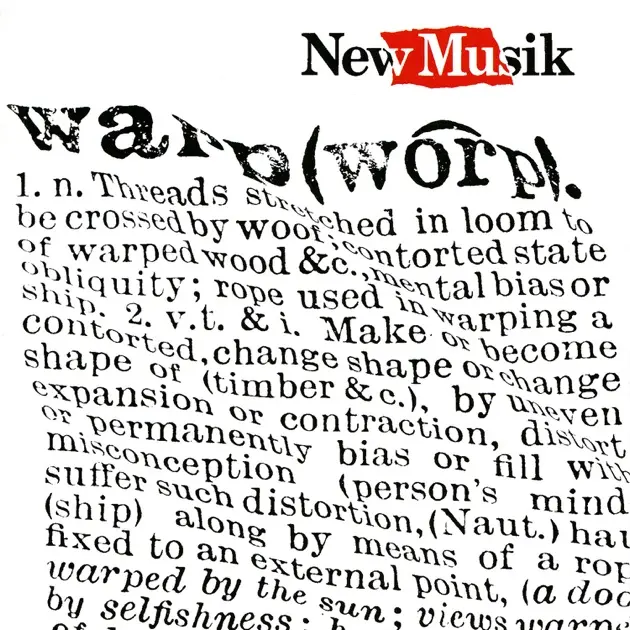 New Musik released their third album, Warp, in March 1982 on GTO.
The album expands Tony Mansfield’s fusion of electronic structure and pop design into a denser, more experimental form. Its sound revolves around syncopated machine rhythms, interlinked track sequencing, and textural contrasts between bright synthetic layers and abstract, treated vocals.
The lineup features Mansfield (vocals, keyboards, guitars), Clive Gates (keyboards, vocals), Cliff Venner (percussion, vocals), and Ion Baciu Jr., who plays grand piano on one track. Mansfield wrote and produced eleven of the twelve songs, co-writing one piece with Gates and Venner. The band also recorded a version of the Beatles’ “All You Need Is Love” (Lennon–McCartney).
The material alternates between rhythmic tension and ambient release. “Here Come the People” opens with filtered percussion and looping samples that mimic water sounds, introducing the album’s ecological motif. “A Train on Twisted Tracks” layers digital pulse and fragmented phrasing around themes of circular motion. “Hunting” and “Kingdoms for Horses” are built on shifting drum-machine grids and minor-key synths that convey urgency and unease. “The New Evolutionist (Example ‘A’)” presents a robotic manifesto, while “The Planet Doesn’t Mind” folds environmental concern into detached electronic cadence. The self-referential “Warp” closes the album with processed vocals and strobing rhythm effects.
A1. “Here Come the People” (3:26) — opens with splashing-water samples used percussively against phased vocal repetition
A2. “Going Around Again” (2:55) — circular lyric phrasing and rotating rhythmic pulse evoke cyclical behavior
A3. “A Train on Twisted Tracks” (3:26) — angular electronic arrangement matching imagery of distorted travel
A4. “I Repeat” (4:28) — explores self-reference and echo through layered delays and mechanical phrasing
A5. “All You Need Is Love” (4:21) — Mansfield’s original composition expressing connection through technological isolation
A6. “All You Need Is Love” (5:38) — originated as the Beatles’ 1967 single; reinterpreted with processed vocals and sparse electronic rhythm
B1. “Kingdoms for Horses” (4:16) — syncopated rhythm and abstract lyrics implying cultural regression
B2. “Hunting” (4:15) — rapid-paced sequence and polyphonic chorus convey pursuit and compulsion
B3. “The New Evolutionist (Example ‘A’)” (3:19) — mechanical narration on adaptation framed by clipped synth figures
B4. “Green and Red (Respectively)” (Mansfield, Gates, Venner) (3:05) — tonal contrasts mirror the dual imagery of the title
B5. “The Planet Doesn’t Mind” (3:40) — environmental theme expressed through dispassionate vocal tone and repetitive structure
B6. “Warp” (4:22) — closing title track combining fractured percussion and cyclical digital modulation
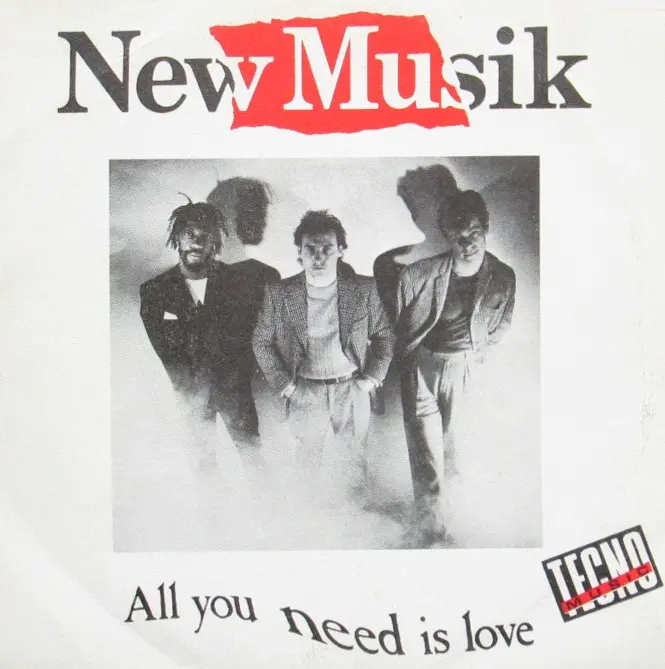 Sessions occurred at TMC Studios in London with Tony Mansfield producing and Peter Hammond engineering. Geoff Pesche mastered the album at Tape One.
GTO issued two singles: “The Planet Doesn’t Mind” (b/w “24 Hours From Culture – Part II”) and “All You Need Is Love” (b/w “Twelfth House”), both in 1982. Neither charted but received club and radio airplay.
The 2001 Epic CD reissue (EICP 7015) added single versions, 12-inch mixes, and non-album tracks including “Twelfth House” and “24 Hours From Culture – Part II.”
Warp marked the group’s final release and extended Mansfield’s production approach toward the experimental side of synthpop, influencing later electronic acts through its integration of digital sampling and conceptual sequencing.
Discography:
- From A to B (1980)
- Anywhere (1981)
- Warp (1982)
Sources:
Artist/Album Pages:
Avenger was an English Tyneside metal band behind the 1983 single "Too Wild to Tame" and the 1984/...
Zzebra was an English ethno jazz-funk band that released the 1974–75 Polydor albums Zzebra and Pan...
Spys were an American hard-rock band that landed an FM hit with "Don't Run My Life" from their 198...
Urszula Dudziak is a Polish jazz vocalist who first recorded in the late-1960s jazz combo Urbaniak...
The Honeymoon Killers were a Belgian new wave/zolo band from Brussels that released the album Spéc...
Mike Mainieri (born July 4, 1938) is an American vibraphonist from the Bronx, N.Y.C., who entered ...
Men Without Hats are a Québécois new wave band led by Ivan Doroschuk. They debuted with the 1980 E...
Traffic was an English rock band fronted by singer–keyboardist Steve Winwood. They appeared with the...
Song Gol Mae (송골매) were a South Korean psych-rock band that released nine numerically self-titled ...
Bandit was an English hard-rock/funk band that released a self-titled album in 1976 on Arista, fol...
Paz was an English ethno-jazz/funk ensemble, formed in 1972 by vibraphonist Dick Crouch. They debu...
Pylon was an American new wave band from Athens, Ga., that debuted with the 1979 single "Cool" / ...