

Harold Melvin & The Blue Notes were an American soul group, formed in 1954 as The Blue Notes. They cut four albums between 1972 and 1975 on Philadelphia International and scored R&B crossover hits with “If You Don’t Know Me by Now,” “The Love I Lost,” “Bad Luck,” “Hope That We Can Be Together Soon,” and “Wake Up Everybody.” Thelma Houston turned their dance anthem “Don’t Leave Me This Way” into a 1977 global hit. Singer Teddy Pendergrass left in 1976 for a high-profile solo career.
Members: Harold Melvin (lead vocals), Roosevelt Brodie (1954-72), Jesse Gillis, Jr. (1954-72), Franklin Peaker (1954-72), Bernard Williams (1954-65), John Atkins (1965-70), Teddy Pendergrass (lead vocals, drums, 1970-76), Bernie Wilson (1972-77), Larry Brown (1972-1975), Lloyd Parks (1972-74), Jerry Cummings (1974-77), Sharon Paige (1974-80), David Ebo (1977-82), Dwight Johnson (1980), William Spratelly (1980), Gil Saunders (1982-92)
Background
The group formed as The Charlemagnes before renaming themselves The Blue Notes in 1954. They issued three doo wop singles on the New York Josie label in 1956/57, followed by a pair of singles on Val-ue Records in 1960, including the hit “My Hero.” Further singles followed at sporadic intervals on assorted labels between 1961 and 1969, including the 1965 Landa hit “Get Out (and Let Me Cry),” their first release credited as Harold Melvin & The Blue Notes.
After the 1970 departure of singer John Atkins, they moved drummer Teddy Pendergrass to the mic. In 1972, the lineup of Melvin, Pendergrass, Bernard Wilson, Lawrence Brown, and Lloyd Parks signed to Philadelphia International Records. They recorded their first album at Sigma Sound Studios with songwriters Kenneth Gamble and Leon Huff at the console.
I Miss You
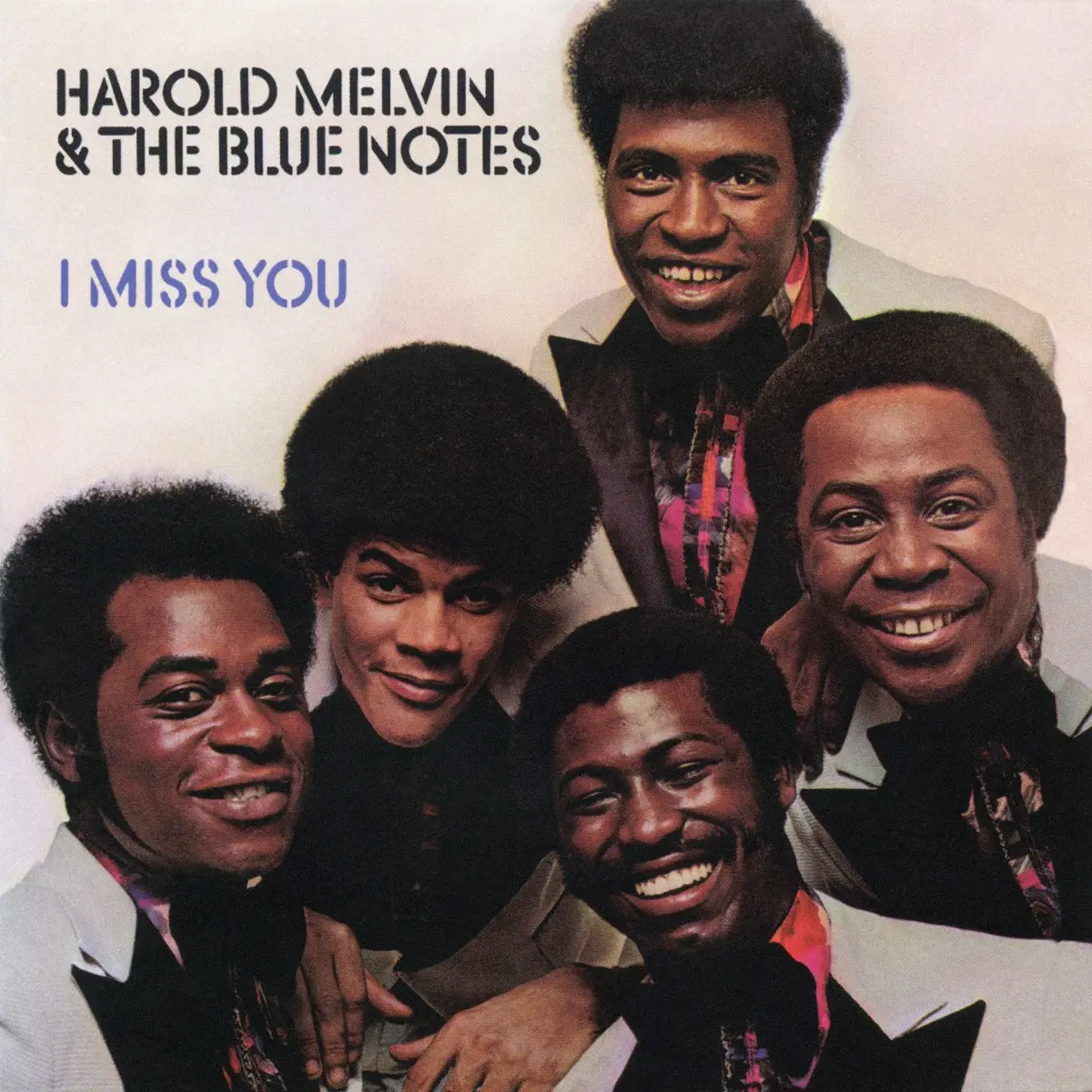 Harold Melvin & The Blue Notes released their debut album, I Miss You, in August 1972 on Philadelphia International.
The album marked their first collaboration with songwriters-producers Kenneth Gamble and Leon Huff, who shaped the group’s sound around the commanding baritone of new lead vocalist Teddy Pendergrass. Recorded at Sigma Sound Studios with members of MFSB, I Miss You established the group’s dramatic brand of orchestrated Philadelphia soul, built on elongated arrangements, conversational monologues, and shifting vocal interplay.
Gamble and Huff wrote five of the album’s seven songs, including “If You Don’t Know Me by Now” and “Be for Real.” They also revived the O’Jays’ earlier number “Let Me into Your World” and included two outside compositions: Morris Bailey’s “Ebony Woman” and “Yesterday I Had the Blues.”
The title track opens with a spoken reconciliation plea that swells into a slow, aching performance by Pendergrass. “If You Don’t Know Me by Now” frames misunderstanding as inevitability in a mature partnership, while “Be for Real” unfolds as a direct address against social pretense. The remaining selections continue the album’s thematic focus on confession, patience, and vulnerability.
A1. “I Miss You” (8:31) – The lyric expresses longing and regret through extended vocal phrasing and conversational exchanges. Angular shifts in Teddy Pendergrass’s lead line navigate the emotional tension, while strings and percussion accentuate lyrical turns. Written by Kenneth Gamble and Leon Huff, arranged by Bobby Martin, Norman Harris, and Thom Bell.
A2. “Ebony Woman” (3:37) – Celebration of pride and identity unfolds through contoured vocal lines and steady rhythmic accents. Instrumentation balances warmth with restrained harmonic tension. Written by Morris Bailey, who cut the first version for a 1970 Atlantic single.
A3. “Yesterday I Had the Blues” (7:25) – Reflection and melancholy drive the narrative, articulated with subtle tempo shifts and layered harmonic textures. Lead vocals interweave with strings and percussion to emphasize lyrical sorrow. Written by Gamble and Huff.
B1. “If You Don’t Know Me By Now” (3:27) – Vulnerability and earnest pleading define the lyric, carried by Pendergrass’s commanding lead and harmonic support from background vocalists. Arrangement frames lyrical intimacy through soft strings and restrained rhythm. Written by Gamble/Huff, first intended for Labelle.
B2. “Be For Real” (7:31) – Exhortation and accountability emerge as central themes, conveyed through deliberate pacing and layered vocal dynamics. Percussion and string textures underscore the dialogue between lead and background voices. Written by Huff, Cary Gilbert, and Gamble.
B3. “Let Me Into Your World” (2:40) – Desire and invitation structure the narrative, supported by measured rhythm and interlocking harmonic lines. Instrumentation alternates between sparse and full textures to highlight vocal phrasing. Written by Gamble, Norman Harris, and Allan Felder.
B4. “Let It Be You” (3:32) – Commitment and affirmation permeate the lyric, articulated with steady tempo and gentle harmonic movement. Vocal interplay balances clarity with depth. Gamble/Huff.
Sessions occurred at Sigma Sound Studios in Philadelphia with producers Kenneth Gamble and Leon Huff and engineers Joe Tarsia and Jim Gallagher. Bobby Martin, Norman Harris, and Thom Bell handled arrangements.
Instrumentation features Leon Huff (piano), Leonard Pakula (organ), Ronnie Baker (bass), Earl Young (drums), Norman Harris, Roland Chambers, and Bobby Eli (guitars), Larry Washington (congas, bongos), Vincent Montana Jr. (vibraphone), and Don Renaldo’s Strings and Sam Reed’s Horns.
Philadelphia International issued “I Miss You (Part I)” (b/w “I Miss You (Part II)”) in March 1972, reaching No. 7 on the Billboard R&B chart. “If You Don’t Know Me by Now” followed in September (b/w “Let Me into Your World”) and topped the R&B chart while reaching No. 3 on the Hot 100 and No. 9 in the UK. “Yesterday I Had the Blues” appeared in 1973 as the third single (b/w “Let It Be You”), peaking at No. 12 R&B.
“If You Don’t Know Me by Now” later became a signature ballad of Philadelphia soul, revived by Patti LaBelle in her 1982 live shows and topped the Billboard Hot 100 again in 1989 when Simply Red covered the song for their third album.
Black & Blue
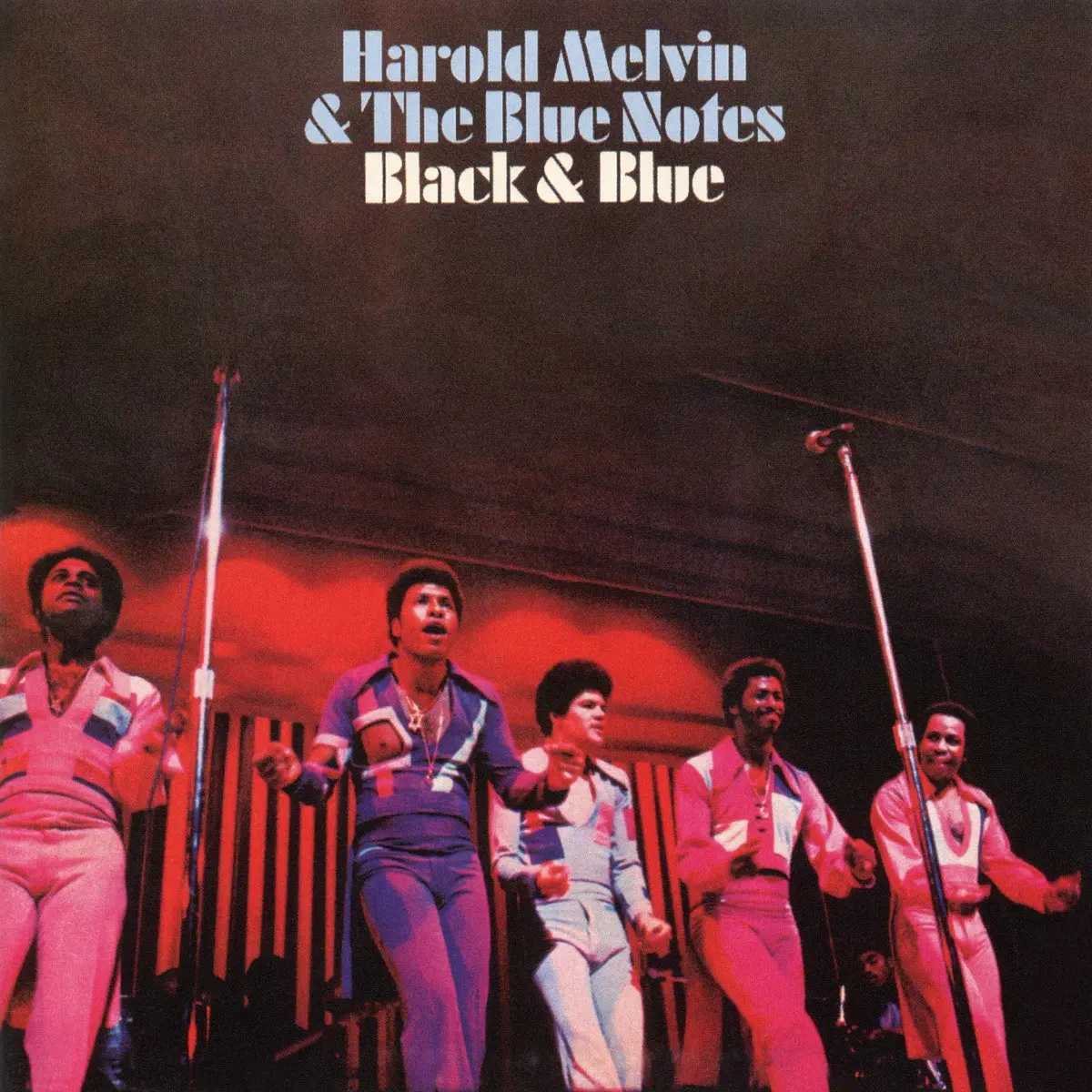 Harold Melvin & The Blue Notes released their second album, Black & Blue, in October 1973 on Philadelphia International.
The album built on the dramatic Philadelphia soul sound of their debut while introducing an energized rhythmic drive that helped define the transition from classic soul to early disco. Teddy Pendergrass’s impassioned delivery anchors the record’s alternating moods of romantic determination and late-night reflection.
Kenneth Gamble and Leon Huff wrote five of the album’s eight songs, including “The Love I Lost,” “Satisfaction Guaranteed (Or Take Your Love Back),” and “I’m Comin’ Home Tomorrow.” They collaborated with Cary Gilbert on “I’m Weak for You” and co-wrote two songs (“Concentrate on Me” and “Is There a Place for Me”) with Gene McFadden and John Whitehead. The album opens with a rendition of John Kander and Fred Ebb’s stage number “Cabaret.”
“The Love I Lost” expands a discarded ballad concept into a propulsive six-minute declaration of perseverance, built around Earl Young’s brisk four-on-the-floor drum pattern. “Satisfaction Guaranteed (Or Take Your Love Back)” matches Pendergrass’s testifying tone to a clipped rhythmic arrangement, while “I’m Weak for You” and “Is There a Place for Me” return the focus to romantic vulnerability. “Cabaret” offers a brief, ironic prelude to the album’s more serious themes of loss and renewal.
A1. “Cabaret” (1:42) – Composed by John Kander and Fred Ebb for the 1966 musical Cabaret, performed by the character Sally Bowles. The lyric conveys playful defiance, framed by sharp turns in phrasing and brisk rhythmic accents.
A2. “The Love I Lost” (6:24) – Originally written as a ballad by Kenneth Gamble and Leon Huff, the song was transformed into an uptempo, dance-oriented track. Teddy Pendergrass’s lead vocal navigates angular emotional contours, while Earl Young’s drumming and orchestral strings accentuate shifts in pace.
A3. “It All Depends on You” (4:49) – Lyrical focus on relational accountability unfolds across deliberate tempo changes and harmonic layering. Lead and background vocals interweave to articulate emotional nuance. Written by Gamble and Huff.
A4. “Concentrate on Me” (3:10) – Written by Leon Huff, Gene McFadden, and John Whitehead, the lyric emphasizes attentiveness and presence in a partnership. Contoured vocal lines ride subtle rhythmic variations, supported by layered strings and restrained percussion.
A5. “Satisfaction Guaranteed (Or Take Your Love Back)” (3:28) – Written by Kenneth Gamble and Leon Huff, the lyric asserts mutual commitment while maintaining measured tempo shifts. Pendergrass’s phrasing conveys urgency and insistence, balanced by harmonic depth from the background vocals.
B1. “Is There a Place for Me” (6:56) – Written by Leon Huff, Gene McFadden, and John Whitehead, the lyric explores longing for belonging, articulated through Pendergrass’s contoured delivery and dynamic orchestral accompaniment. Tempo variations highlight emotional peaks.
B2. “I’m Weak for You” (6:51) – Written by Kenneth Gamble, Leon Huff, and Cary Gilbert, the song portrays vulnerability and devotion. Measured rhythm and angular vocal lines interlace with string and horn textures to enhance narrative tension.
B3. “I’m Comin’ Home Tomorrow” (6:11) – Lyrical anticipation of reunion unfolds over steady rhythmic pacing, with Pendergrass’s lead navigating expressive contouring, framed by harmonic support and orchestral flourishes. Written by Gamble and Huff.
Sessions occurred at Sigma Sound Studios in Philadelphia with producers Kenneth Gamble and Leon Huff and engineer Joe Tarsia. Arrangements were handled by Bobby Martin, Norman Harris, and Thom Bell.
Backing was provided by members of MFSB, including bassist Ronnie Baker, guitarist Norman Harris, and drummer Earl Young, whose steady pulse became central to the Philadelphia International sound.
Philadelphia International issued “The Love I Lost (Part I)” (b/w “The Love I Lost (Part II)”) in late 1973; it reached No. 1 on the Billboard R&B chart, No. 7 on the Hot 100, and No. 21 in the UK. “Satisfaction Guaranteed (Or Take Your Love Back)” followed in early 1974 (b/w “I’m Weak for You”), peaking at No. 6 R&B and No. 58 pop.
“The Love I Lost” has since become one of Philadelphia International’s defining recordings, remixed by Tom Moulton, Theo Parrish, and Dimitri From Paris. Its rhythmic pattern prefigured the disco pulse adopted across mid-1970s soul productions.
To Be True
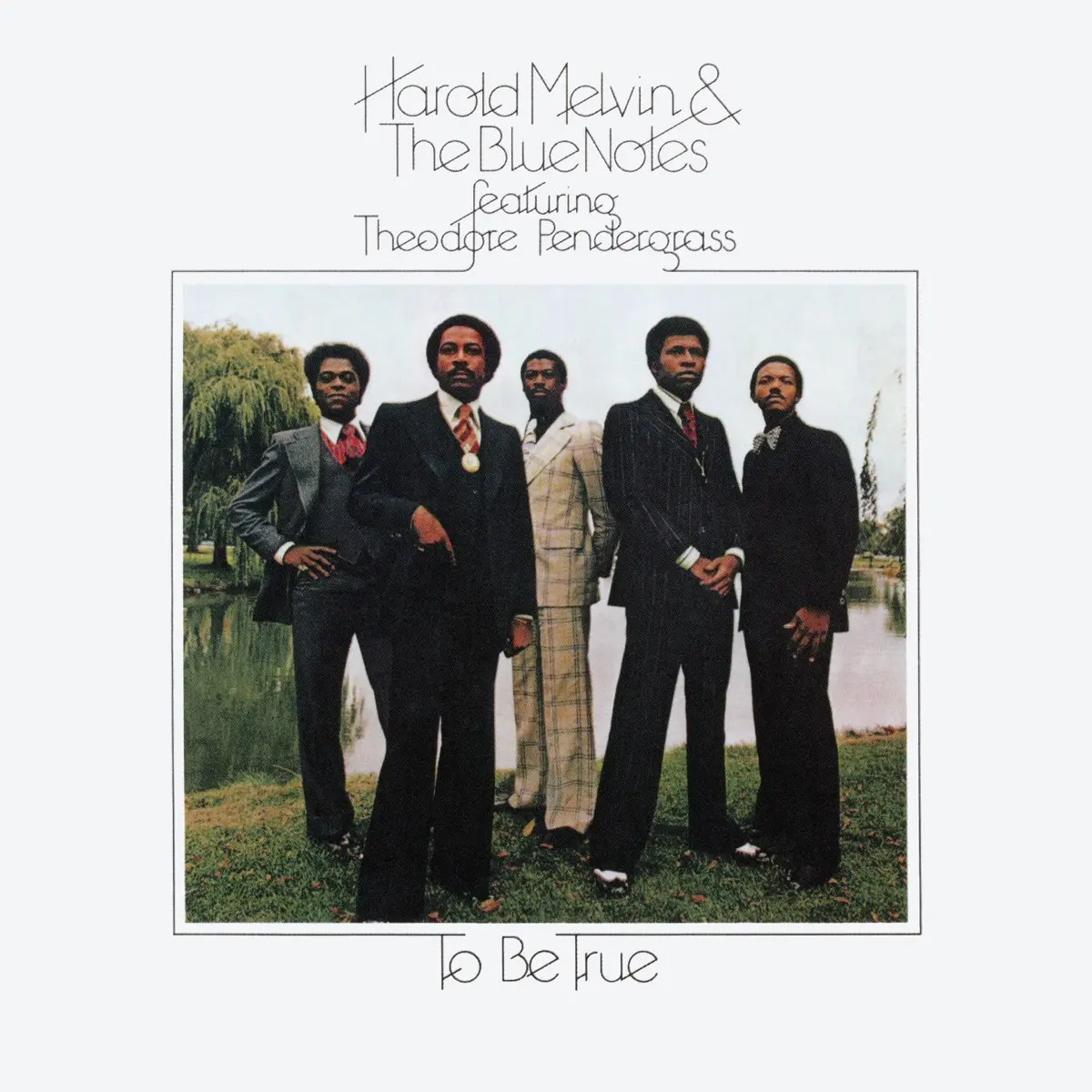 Harold Melvin & The Blue Notes released their third album, To Be True, in January 1975 on Philadelphia International.
The album continues the group’s orchestral Philadelphia soul style with a balance of taut dance numbers and tender ballads, framed by Teddy Pendergrass’s commanding leads and Harold Melvin’s measured interjections. Sharon Paige makes her first credited appearance on the hit “Hope That We Can Be Together Soon,” adding a contrasting, velvety counterpoint to Pendergrass’s forceful presence.
Kenneth Gamble and Leon Huff wrote four selections, including “To Be True,” “Nobody Could Take Your Place,” and “Somewhere Down the Line.” Gene McFadden, John Whitehead, and Victor Carstarphen contributed three others: “Where Are All My Friends,” “Pretty Flower,” and “Bad Luck.” The group also revisited the Dusty Springfield number “Let’s Get Together Soon,” reinterpreted here as “Hope That We Can Be Together Soon” with Paige in the lead role.
The album divides between uptempo, rhythm-driven tracks and smooth, orchestrated ballads. “Bad Luck” unfolds over an insistent 120-bpm pulse defined by drummer Earl Young’s sharp hi-hat pattern, widely cited as a blueprint for disco rhythm. “Where Are All My Friends” opens the album with an introspective lyric about faded success and regret, while “To Be True” and “Somewhere Down the Line” move between affirmations of loyalty and anticipation of change. Paige’s lead on “Hope That We Can Be Together Soon” conveys a gentle yearning that contrasts the album’s dominant urgency.
A1. “Where Are All My Friends” (3:22) – Written by Gene McFadden, John Whitehead, and Victor Carstarphen; the lyric reflects on isolation and past choices, articulated through contoured vocal lines over steady rhythmic support and layered orchestration.
A2. “To Be True” (4:42) – Written by Kenneth Gamble and Leon Huff; the lyric conveys steadfast devotion, framed by angular vocal phrasing and sweeping string accents that underscore lyrical affirmation.
A3. “Pretty Flower” (5:42) – Written by McFadden, Whitehead, and Carstarphen; mid-tempo expressions of admiration and dedication unfold through interlocking horn lines and gentle rhythmic variation.
A4. “Hope That We Can Be Together Soon” (3:45) – Written by Kenneth Gamble and Leon Huff; originally recorded by Dusty Springfield as “Let’s Get Together Soon” for her 1970 album A Brand New Me. Sharon Paige leads, with Harold Melvin and Teddy Pendergrass trading brief interjections, layered over measured orchestral textures.
B1. “Nobody Could Take Your Place” (4:22) – Written by Gamble and Huff; the lyric affirms emotional loyalty, carried by Pendergrass’s angular lead delivery and supported by contoured strings and subtle rhythm variations.
B2. “Somewhere Down the Line” (4:55) – Written by Gamble and Huff; a transitional ballad about reconciliation, articulated with steady pacing and harmonic layering that highlights vocal phrasing.
B3. “Bad Luck” (6:29) – Written by McFadden, Whitehead, and Carstarphen; the lyric laments misfortune, propelled by an assertive, syncopated rhythm, prominent hi-hat by Earl Young, and brass punctuations emphasizing key turns in phrasing.
B4. “All Because of a Woman” (5:29) – Written by McFadden, Whitehead, and Leon Huff; closes the album on a reflective note, with orchestral layers and measured tempo shifts supporting the narrative of love’s influence.
Sessions took place at Sigma Sound Studios in Philadelphia with producers Kenneth Gamble and Leon Huff and engineer Joe Tarsia. Arrangements were handled by Bobby Martin, Norman Harris, and Jack Faith. MFSB supplied the instrumentation, featuring bassist Ronnie Baker, guitarist Norman Harris, and drummer Earl Young. Background vocals were provided by Carla Benson, Evette Benton, and Barbara Ingram.
Philadelphia International promoted To Be True with “Where Are All My Friends” (b/w “To Be True”) in late 1974, which reached No. 8 on the Billboard R&B chart. “Bad Luck (Part 1)” followed in early 1975 (b/w “Bad Luck (Part 2)”) and topped the Disco Action chart for eleven weeks, peaking at No. 4 R&B and No. 15 on the Hot 100. “Hope That We Can Be Together Soon” appeared next (b/w “To Be True”), reaching No. 1 R&B and No. 42 pop.
“Bad Luck” became a foundational disco recording, later remixed by Tom Moulton and cited by producers for its pioneering drum sound.
Wake Up Everybody
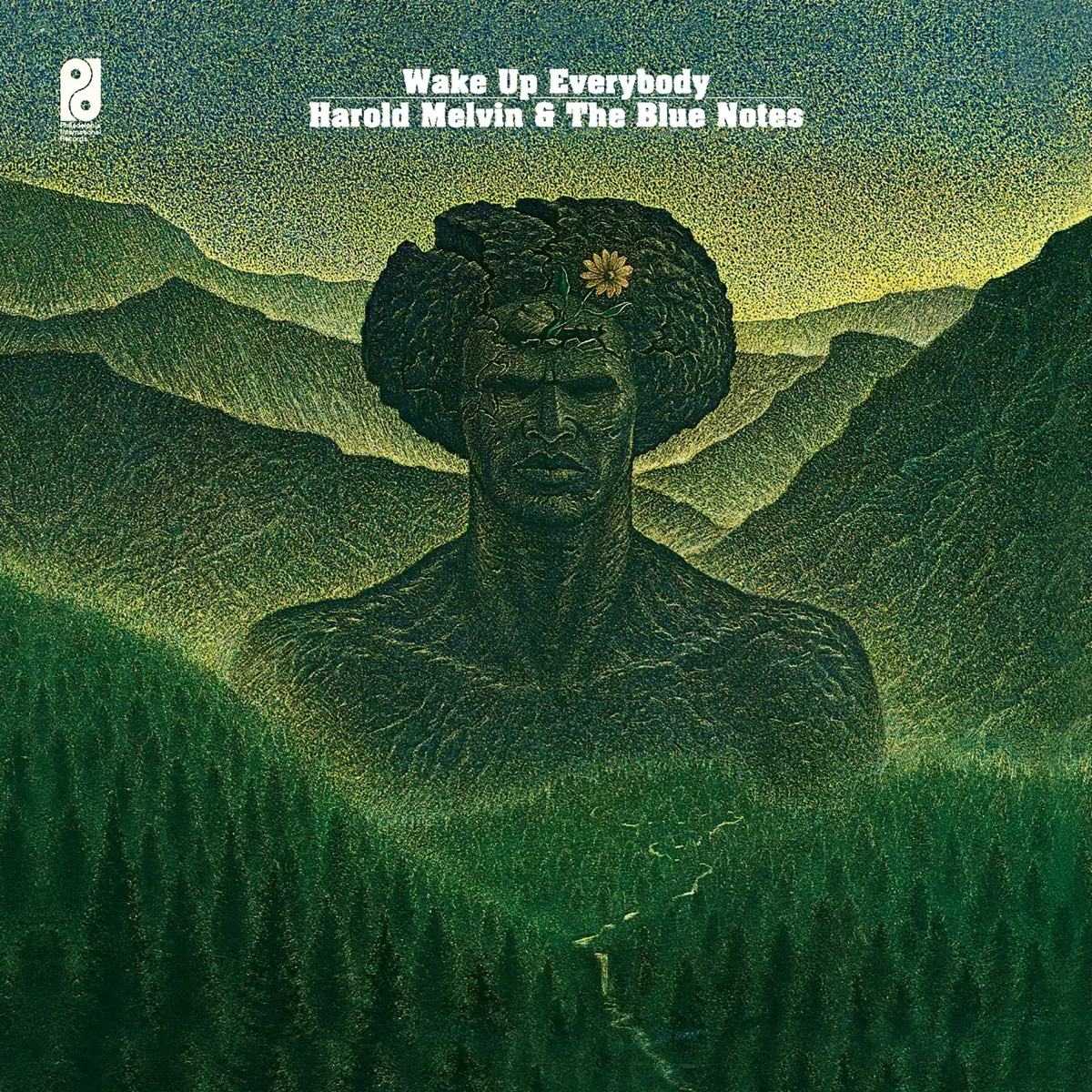 Harold Melvin & The Blue Notes released their fourth album, Wake Up Everybody, on November 4, 1975, on Philadelphia International.
The album completes the group’s classic run with lead singer Teddy Pendergrass, blending lush, orchestral arrangements with socially conscious and romantic material. Its production refines the Philadelphia International sound, balancing civic uplift and sensuality through Pendergrass’s fervent delivery and the shimmering instrumentation of MFSB. Sharon Paige contributes two tracks, including a full vocal showcase that closes the set.
Gene McFadden, John Whitehead, and Victor Carstarphen wrote three selections, including the title track, while Kenneth Gamble and Leon Huff penned the remaining four with lyricist Cary Gilbert assisting on “Don’t Leave Me This Way.”
The album divides between message songs and love themes. “Wake Up Everybody” opens as a slow invocation that rises to an emphatic call for social renewal through unity and compassion. “To Be Free to Be Who We Are” carries a similar tone of optimism, spoken and sung with communal urgency. “Don’t Leave Me This Way” bridges the group’s emotive soul foundation and emerging disco pulse, anchored by a mounting rhythmic tension and Pendergrass’s pleading crescendos. “Keep On Lovin’ You” and “Tell the World How I Feel About ’Cha Baby” maintain brisk momentum with effusive declarations, while “You Know How to Make Me Feel So Good” and “I’m Searching for a Love” highlight Sharon Paige’s intimate vocal interplay with Pendergrass and her solo command on the closing track.
A1. “Wake Up Everybody” (7:30) – Written by Gene McFadden, John Whitehead, and Victor Carstarphen; the lyric urges listeners to rise above apathy and rebuild society, delivered through angular vocal lines over measured strings and subtle rhythmic variations.
A2. “Keep On Lovin’ You” (3:40) – Written by McFadden, Whitehead, and Carstarphen; affirms loyalty amid uncertainty with brisk pacing and interwoven harmonic layers.
A3. “You Know How to Make Me Feel So Good” (5:17) – Written by Kenneth Gamble and Leon Huff; features a sensual vocal dialogue among Teddy Pendergrass, Harold Melvin, and Sharon Paige, supported by contoured strings and gentle rhythmic movement.
B1. “Don’t Leave Me This Way” (6:08) – Written by Gamble, Huff, and Cary Gilbert; the lyric pleads for fidelity and presence, unfolding through a sequence of building verses that gradually intensify Pendergrass’s urgent vocal delivery. The pleading verses are supported by layered orchestration and syncopated rhythms, creating tension that resolves into a rousing, swelling chorus where horns, strings, and percussion converge to amplify the emotional climax. The arrangement emphasizes contrasts between restrained passages and expansive, dramatic peaks, heightening the song’s impassioned call for commitment.
B2. “Tell the World How I Feel About ’Cha Baby” (5:54) – Written by McFadden, Whitehead, and Carstarphen; a bright, rhythmic declaration of affection articulated through layered vocals and steady instrumentation.
B3. “To Be Free to Be Who We Are” (5:09) – Written by Gamble and Huff; a call for self-determination and communal acceptance, delivered through angular phrasing and measured orchestral accompaniment.
B4. “I’m Searching for a Love” (5:23) – Written by Gamble and Huff; sung solely by Sharon Paige, conveying hopeful yearning within a lush orchestral frame and subtly shifting tempo.
Sessions took place at Sigma Sound Studios in Philadelphia with producers Kenneth Gamble and Leon Huff and engineer Joe Tarsia. MFSB supplied instrumentation, including bassist Ronnie Baker, guitarist Norman Harris, and drummer Earl Young, with arrangements by Bobby Martin, Jack Faith, and Norman Harris.
The album cover features artwork by illustrator Edward Soyka, depicting a stylized Nubian figure amid organic motifs that symbolize renewal and unity.
Philadelphia International promoted Wake Up Everybody with “Wake Up Everybody (Part 1)” (b/w “Wake Up Everybody (Part 2)”) in late 1975, which topped the Billboard R&B chart and reached No. 12 on the Hot 100. “Tell the World How I Feel About ’Cha Baby” followed in early 1976 (b/w “Keep On Lovin’ You”) and reached No. 7 R&B. “Don’t Leave Me This Way” appeared as a UK single in 1977 (b/w “To Be Free to Be Who We Are”) and hit No. 5 on the UK Singles Chart, later reissued as a 12-inch in the US in 1979 with “Bad Luck.”
“Don’t Leave Me This Way” became one of Philadelphia International’s definitive songs, influencing later disco and dance interpretations by Thelma Houston and The Communards, both of which reached global charts. Thelma’s 1976 version became a 1977 Billboard No. 1 hit.
Reaching for the World
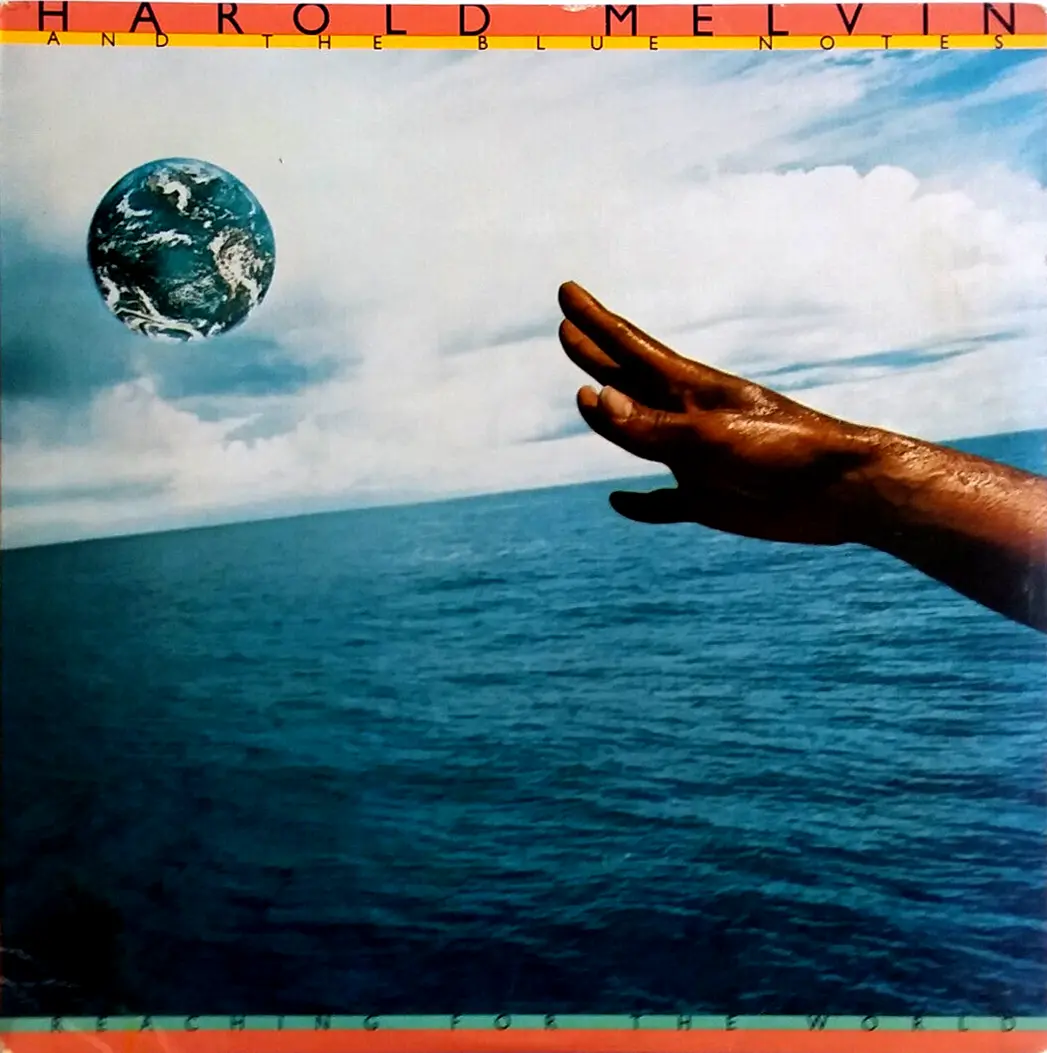 Harold Melvin & The Blue Notes released their fifth album, Reaching for the World, in December 1976 on ABC.
The album marked the group’s first release after leaving Philadelphia International and their first without Teddy Pendergrass, whose role as lead vocalist passed to David Ebo. Harold Melvin produced the record himself at Sigma Sound Studios, maintaining the group’s polished orchestral soul sound while leaning toward a brighter, more optimistic tone. The material balances smooth ballads with brisk motivational numbers in keeping with the group’s socially aware yet romantic image.
Harold Melvin wrote three songs and co-wrote two others, including the Sharon Paige duet “After You Love Me, Why Do You Leave Me,” co-authored with Kenneth Gamble. Songwriter Derek Floyd contributed the title track, while Hubert V. Yarborough wrote two numbers. Gene McFadden, John Whitehead, and Victor Carstarphen provided “Stay Together,” their only contribution outside the Philadelphia International system.
“Reaching for the World” opens the album as a propulsive anthem of aspiration and perseverance, buoyed by Ebo’s impassioned delivery. “After You Love Me, Why Do You Leave Me” pairs Ebo and Sharon Paige on a bittersweet exchange of love and abandonment. “Where There’s a Will – There’s a Way” and “He Loves You and I Do Too” retain Melvin’s lyrical optimism, while “Hostage (Parts 1 & 2)” stretches across both sides of a funk-based arrangement that contrasts the group’s usual balladry. The closing “Stay Together” revives the sweeping, string-laden Philadelphia soul style with MFSB’s rhythmic sophistication intact.
A1. “Reaching for the World” (4:24) — written by Derek Floyd; a motivational number encouraging resilience and ambition in the face of hardship.
A2. “Where There’s a Will – There’s a Way” (4:04) — written by Harold Melvin, Melvin Steele, and Mervin Steele; affirms persistence and unity through layered vocal harmonies.
A3. “After You Love Me, Why Do You Leave Me” (4:42) — written by Harold Melvin and Kenneth Gamble; a duet between David Ebo and Sharon Paige that contrasts affection and uncertainty.
A4. “Sandman” (4:25) — written by Hubert V. Yarborough; a slow, nocturnal ballad built on gently undulating rhythm.
B1. “Hostage (Part 1 & 2)” (6:30) — written by Hubert V. Yarborough; stretches across two segments, blending funk guitar patterns with tense vocal interplay about emotional captivity.
B2. “He Loves You and I Do Too” (3:37) — written by Harold Melvin; a tender reflection on rivalry and affection.
B3. “Big Singing Star” (3:33) — written by Harold Melvin; references the allure and emptiness of fame through a midtempo arrangement.
B4. “Stay Together” (5:00) — written by John Whitehead, Gene McFadden, and Victor Carstarphen; pleads for fidelity over a measured, string-rich backdrop.
Sessions occurred at Sigma Sound Studios in Philadelphia with Harold Melvin producing for Million Dollar Records. Jim Gallagher and Art Stoppe engineered with assistance from Peter Humphreys, Jeffrey Stewart, Carla Bandini, and Jim Dougherty.
ABC promoted Reaching for the World with the title track (b/w “Stay Together”), which reached No. 6 on the Billboard R&B chart and No. 74 on the Hot 100. “After You Love Me, Why Do You Leave Me” followed (b/w “Big Singing Star”) and peaked at No. 15 R&B. “Hostage (Part 1 & 2)” appeared as the third single but failed to chart.
Now Is the Time
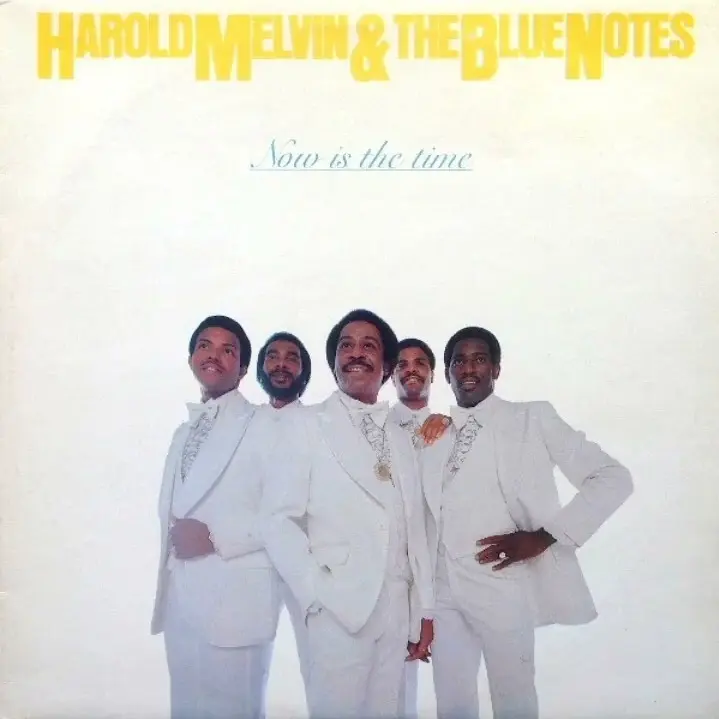 Harold Melvin & The Blue Notes released their sixth album, Now Is the Time, in late 1977 on ABC.
The album continues the group’s post-Philadelphia International trajectory with David Ebo on lead vocals and Harold Melvin producing for his Million Dollar Records imprint. Recorded at Sigma Sound Studios, it blends orchestral Philadelphia soul with a tougher, rhythm-centered sound that reflects the band’s live energy. The arrangements by Bobby Eli, Leon Mitchell, and Ron Kersey emphasize string and horn layers by Don Renaldo over steady rhythm and percussion.
Melvin wrote two songs, including the title track, while drummer Jerome Jones contributed two others. Guitarist Bobby Eli co-wrote two numbers with lyricist Jeff Prusan, including “Let’s Talk It Over.” Caldwell McMillian and Jean Thomas provided “Power of Love,” and Derek Floyd co-wrote “Try to Live a Day.”
The material alternates between socially aware and romantic subjects. “Where’s the Concern for the People” opens the album with a plea for empathy and accountability over a syncopated rhythm and brassy arrangement. “Baby, You Got My Nose Open” and “Feels Like Magic” express infatuation through flowing vocal exchanges between Ebo and the backing group. The eight-minute “Let’s Talk It Over” unfolds as a slow, reflective dialogue about reconciliation. On side two, “Now Is the Time” affirms determination and unity, while “Power of Love” extends the group’s gospel-rooted vocal interplay. The closing “Try to Live a Day” reflects on emotional endurance and partnership.
A1. “Where’s the Concern for the People” (5:44) — written by Harold Melvin; questions social indifference through call-and-response vocals and a march-like rhythmic drive.
A2. “Baby, You Got My Nose Open” (5:05) — written by Jerome Jones; expresses romantic surrender through smooth midtempo pacing and lush instrumentation.
A3. “Let’s Talk It Over” (8:04) — written by Bobby Eli, Jeff Prusan, and Terry Collins; stretches as an extended ballad that weighs communication against pride.
A4. “Feels Like Magic” (6:19) — written by Jerome Jones; conveys enchantment and devotion in slow-rising dynamics.
B1. “Now Is the Time” (6:08) — written by Harold Melvin; asserts urgency and purpose in collective action through driving orchestral soul.
B2. “Power of Love” (7:29) — written by Caldwell McMillian and Jean Thomas; celebrates emotional resilience across layered strings and horns.
B3. “Today, Tomorrow, Forever” (4:21) — written by Bobby Eli and Jeff Prusan; pledges lasting affection in classic Philadelphia soul form.
B4. “Try to Live a Day” (4:22) — written by Derek Floyd and Leroy Hall; explores mutual empathy as a condition for understanding love.
Sessions occurred at Sigma Sound Studios in Philadelphia with Harold Melvin producing and Jim Gallagher engineering. Bobby Eli, Leon Mitchell, and Ron Kersey arranged and conducted the tracks, supported by Don Renaldo’s string and horn section. The band included drummer Jerome Jones, percussionist David Cruse, guitarists Bobby Eli, Dennis Dozier, Dennis Harris, Elbert Forriest, Martin O. Cornwell, and Michael “Sugarbear” Foreman, and keyboardists Caldwell McMillian and Eddie Green. Nimitr Sarikanda mastered the album at Frankford/Wayne Recording Labs.
ABC issued Now Is the Time with “Now Is the Time” and “Power of Love” as its promotional pairing in June 1978.
The Blue Album
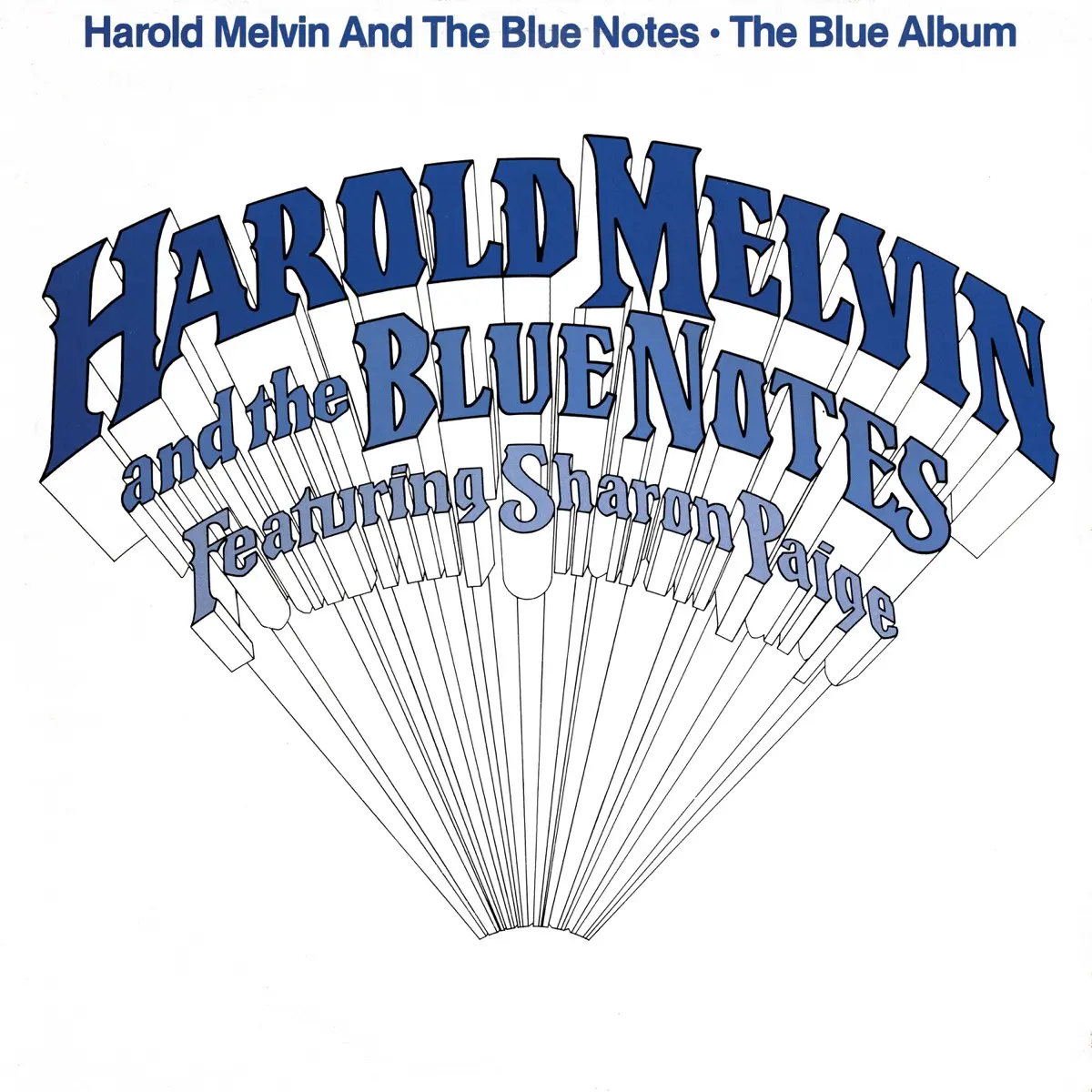 Harold Melvin & The Blue Notes released their seventh album, The Blue Album, in 1980 on Source.
The album marked the group’s second phase under MCA distribution after ABC’s acquisition, featuring David Ebo on lead vocals with Sharon Paige as co-vocalist and new members Dwight Johnson and William Spratley. Produced by Harold Melvin, the album combines late-’70s Philadelphia soul textures with leaner instrumentation and extended arrangements. Leon Mitchell conducted and arranged the tracks, recorded at Alpha Sound Studios in Philadelphia.
Harold Melvin produced the set and co-wrote one song, “I Should Be Your Lover,” an adaptation of a Gamble–Huff number first recorded by The O’Jays. Gene McFadden and John Whitehead contributed three tracks, including “Prayin’” and “Your Love Is Taking Me on a Journey.” Songwriters A. Myers and K. McCord wrote the eight-minute opener “Tonight’s the Night,” while J. Mitchell penned “Baby I’m Back.”
The album balances devotional and romantic themes. “Prayin’” sets a reflective tone around renewal and perseverance, while “If You’re Looking for Somebody to Love” extends the group’s tradition of tender balladry with Paige’s lead exchanges. “Tonight’s the Night” unfolds as a slow-building dialogue between Melvin and Paige, shifting between sensual and spiritual tones. The adapted “I Should Be Your Lover” features a spoken monologue that broadens the original lyric’s emotional reach. “Your Love Is Taking Me on a Journey” concludes with an energetic, rising pace that emphasizes optimism and motion.
A1. “Tonight’s the Night” (8:09) — written by A. Myers and K. McCord; extended ballad alternating between male and female leads that evoke intimacy and anticipation.
A2. “Prayin’” (5:58) — written by Gene McFadden and John Whitehead; expresses faith and endurance through gospel-influenced harmonies and restrained rhythm.
A3. “Baby I’m Back” (4:50) — written by J. Mitchell; reasserts devotion through smooth, flowing exchanges and sustained electric piano lines.
B1. “I Should Be Your Lover” (5:50) — written by Harold Melvin; based on the O’Jays’ 1979 track by Gamble and Huff, expanded here with new lyrics and spoken interlude.
B2. “If You’re Looking for Somebody to Love” (4:50) — written by Gene McFadden and John Whitehead; Sharon Paige leads this midtempo appeal for connection.
B3. “Your Love Is Taking Me on a Journey” (5:55) — written by Gene McFadden and John Whitehead; closes with a rhythmic progression that suggests forward emotional motion.
Sessions occurred at Alpha Sound Studios in Philadelphia with Harold Melvin producing for his Million Dollar Record Company and Al Alberts engineering. Leon Mitchell arranged and conducted, supported by bassist Robert Hines, drummer and percussionist Daryl Burgee, guitarists Kenny Jackson and Martin Cornwell, pianists John Whitehead, Nat Lee, Micki Horton, and Bobby Dukes, and percussionist Ella Hilton on Syndrums. Larry Nix mastered the album at Ardent Studios in Memphis.
Source promoted The Blue Album with multiple singles, beginning in November 1979 with “Prayin’” (b/w an instrumental version). The same month, Sharon Paige with Harold Melvin & The Blue Notes issued “Tonight’s the Night” (b/w “Your Love Is Taking Me on a Journey”). In 1980, Source released “I Should Be Your Lover” as a promo single, followed in July by “If You’re Looking for Somebody to Love” (b/w “Tonight’s the Night”).
Discography:
- I Miss You (1972)
- Black & Blue (1973)
- To Be True (1975)
- Wake Up Everybody (1975)
- Reaching for the World (1976)
- Now Is the Time (1977)
- The Blue Album (1980)
- All Things Happen in Time (1981)
- Talk It Up (Tell Everybody) (1984)
Sources:
- Discogs: Harold Melvin & The Blue Notes
- 45worlds: Harold Melvin & The Blue Notes
- 45cat: Harold Melvin & The Blue Notes
- MusicBrainz: Harold Melvin & The Blue Notes
- Zaragon: American Soul Albums Directory
Artist/Album Pages:
Tete Mbambisa (born 1942) is a South African pianist and composer from Eastern Cape who recorded t...
Bad Company was an English hard-rock supergroup led by Free vocalist Paul Rodgers. They released s...
McFadden & Whitehead were an American soul duo from Philadelphia. Singers Gene McFadden and Jo...
Carmen was an English-American flamenco-rock band, formed in Los Angeles by guitarist–keyboardist ...
YU Grupa was a Yugoslav hard-rock band from Beograd, Serbia, that released five albums and ten sin...
Midnight Sun was a Danish art-rock band that released three albums on Sonet between 1971 and 1974....
Our Daughters Wedding was an American new wave trio from New York that scored an early synthpop cl...
Jean-Paul Prat is a French multi-instrumentalist and composer behind the 1984 album-length Zeuhl e...
Greg Phillinganes (born May 12, 1956) is an American R&B keyboardist from Detroit who served ...
Agharta was a Québécois jazz-rock band that released a 1980 self-titled album on small-press JAM. ...
Salamander was an English symphonic-rock band that released the album The Ten Commandments on Youn...
Graham Central Station was an American soul-funk band from San Francisco that released seven album...